
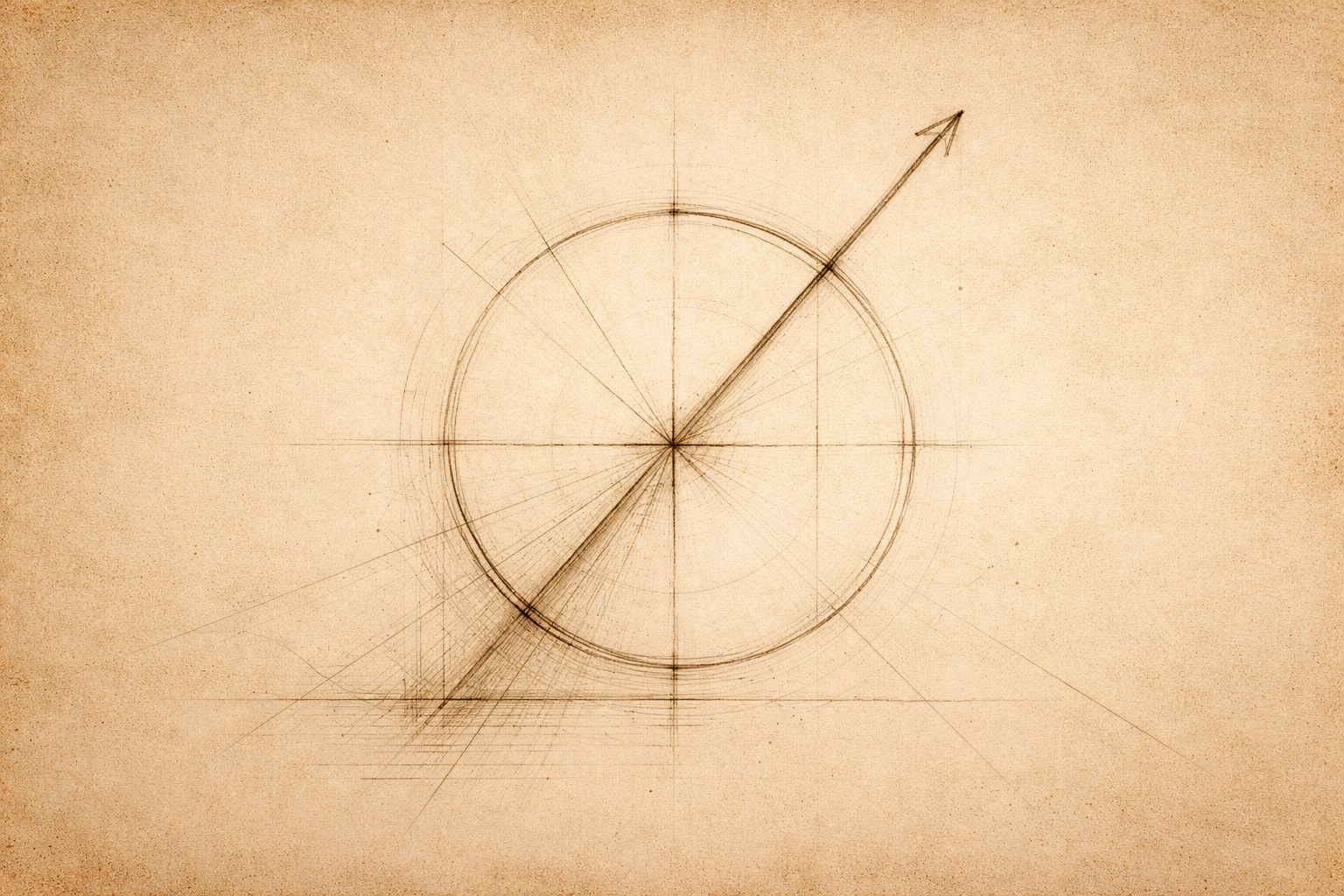

Tantra and the Refusal of Purity
Tantra and the Refusal of Purity is a Living Way essay on wholeness, transformation, and the danger of mistaking moral cleanliness for freedom. It approaches Tantra not as exotic technique or erotic mystique, but as a severe philosophy of contact: with the body, desire, fear, mortality, contradiction, and the parts of the self most carefully hidden.
One of the oldest human fantasies is that freedom lies elsewhere.
Elsewhere than the body. Elsewhere than desire. Elsewhere than grief, fear, contradiction, mortality. Elsewhere than this compromised life and this unruly self. We imagine that wisdom must begin where the mess ends. That spirit starts only after appetite has been subdued, mortality forgotten, and ambiguity cleaned from the mind. Much of what passes for moral and spiritual seriousness is built on this refusal. We divide reality into upper and lower floors, then spend our lives trying to live upstairs.
Tantra begins with a more difficult thought: what we are trying to escape is not merely the obstacle. It is also the material of transformation.
That is why Tantra has been so badly misunderstood. In the modern imagination it is often reduced either to erotic mystique or to a loose catalogue of techniques for empowerment. Both reductions miss its philosophical nerve. Tantra is not, at heart, a permission slip for appetite. Nor is it a decorative spirituality draped over self-improvement. It is a severe confrontation with the fact that human beings are bound not only by suffering, but by the way they divide themselves against reality.
The deepest Tantric question is not, How can I become pure? It is, What in me still clings to purity as a defence against life?
That is a harder question, because it threatens some of our most flattering illusions. Purity sounds noble. But very often what we call purity is fear with a halo around it: fear of contamination, fear of loss of control, fear of desire, fear of one’s own violence, grief, hunger, ambition, vulnerability. The wish to remain unstained can become a subtler form of bondage than the very things one is trying to avoid. It can produce a person who is orderly, moral, and deeply divided.
Tantra distrusts that division.
Not because it rejects discipline. On the contrary, Tantra may ask for a discipline fiercer than the moralistic kind. But its discipline is aimed elsewhere. It is not chiefly concerned with making the self acceptable. It is concerned with making consciousness capacious enough to bear what ordinary selves cannot bear without distortion.
This is the centre of it.
Tantra is a philosophy of contact.
Contact with the body without enslavement to the body. Contact with desire without worship of desire. Contact with fear without flight. Contact with death without metaphysical evasion. Contact with power without intoxication. Contact, above all, with those energies that civilised personalities prefer to keep quarantined, because they threaten the story one tells about oneself.
That story is usually thinner than we think.
Continue reading: Tantra and the Refusal of Purity at The Living Way on Substack.
Also in The Lantern Chronicles
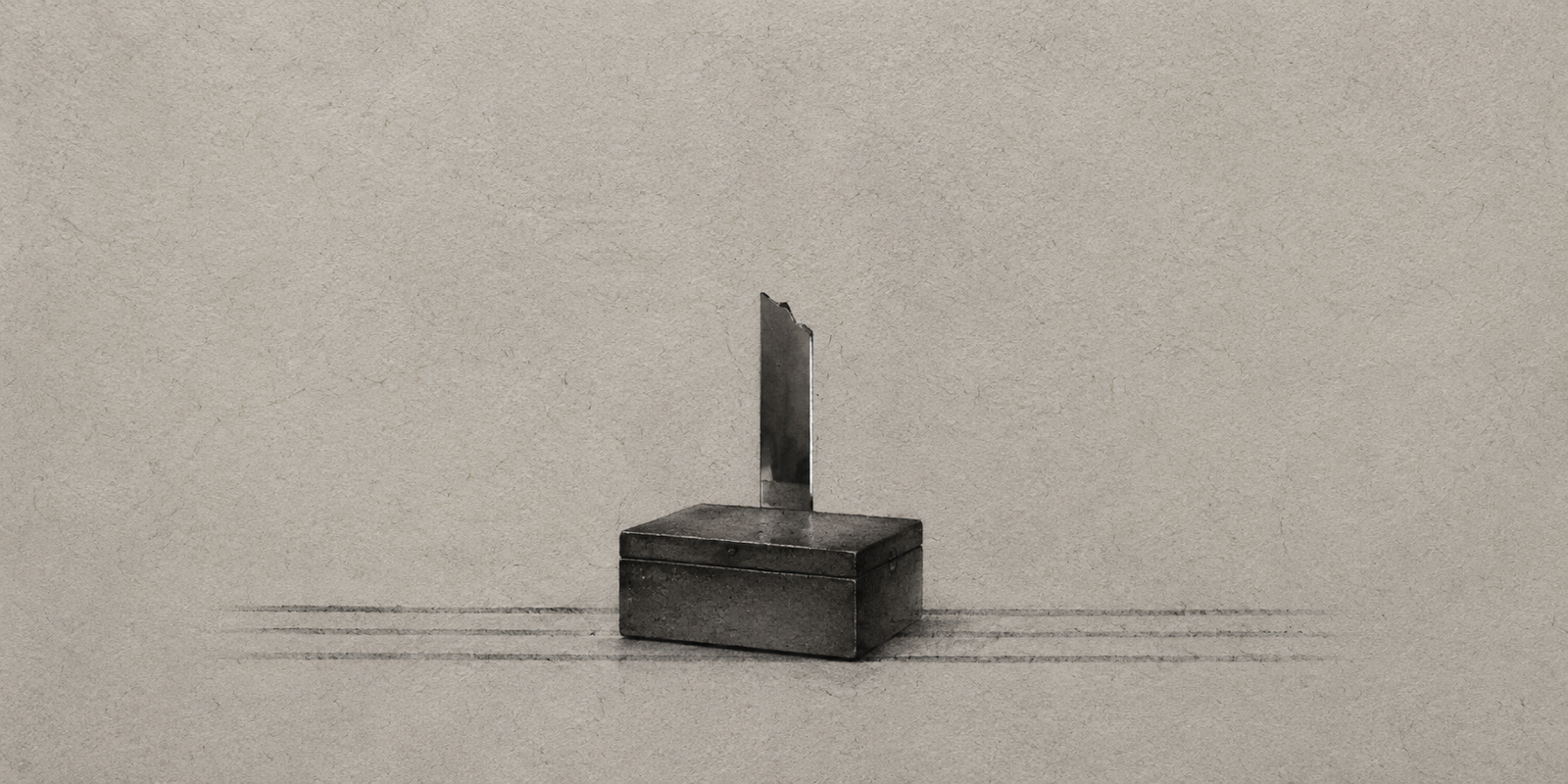

The Mirror, the Ledger, and the Box
Three ordinary acts—tending a mirror, keeping a ledger, reading a page—draw three voices into the same unseen machinery. In this original flash-fiction triptych by Lucas Varro, hunger becomes debt, witness becomes participation, and attention itself acquires a price. Enter through Mirror Hunger, where one rule has always been enough: do not lean close.

What the Hand Knows
When does effort become interference? This contemplative essay from The Living Way explores wu wei, attention and the human compulsion to force—whether in work, conversation, ambition or the private demand that reality unfold according to plan.
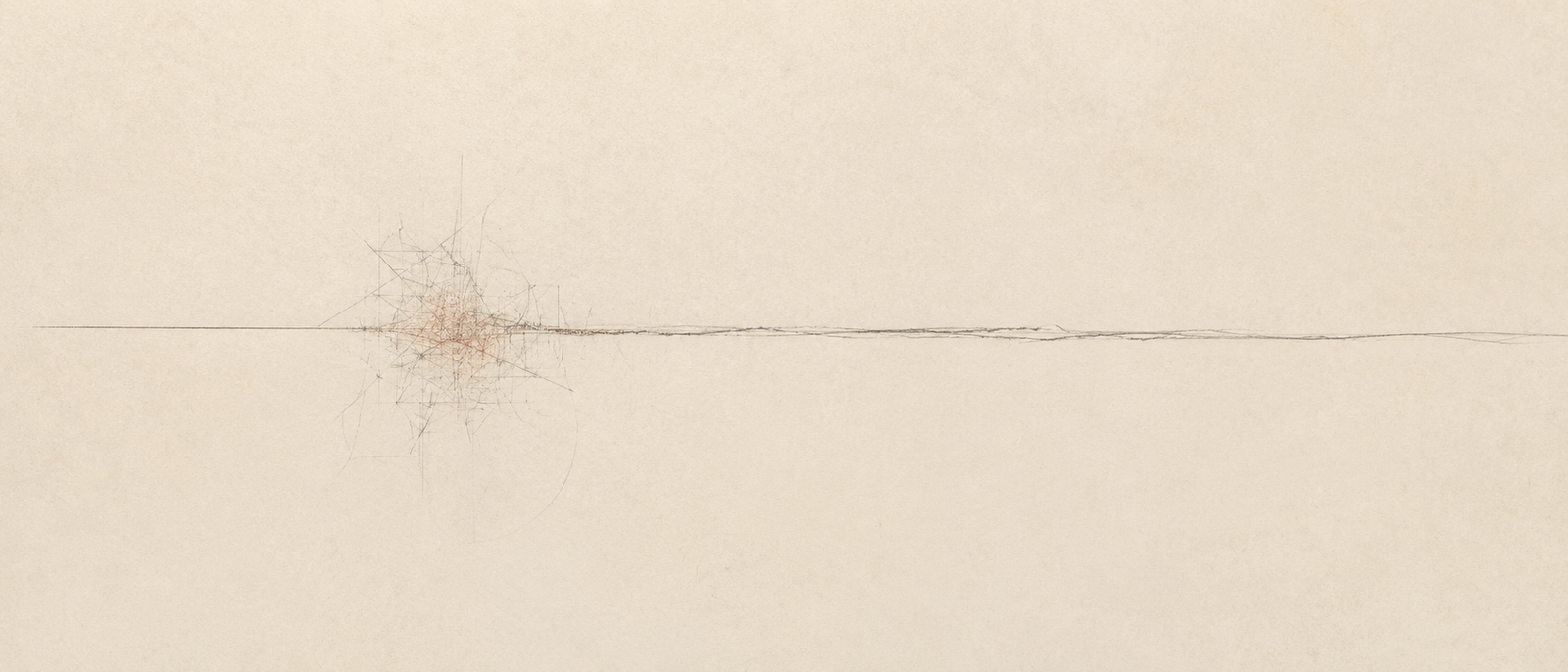

The Beauty Time Is Allowed to Make
A literary-philosophical essay on wabi-sabi, handmade kozo paper, and the modern demand for seamlessness. Beginning with red chalk meeting a resistant surface, Lucas Varro asks whether value must arrive untouched—and whether care becomes destructive when it begins erasing the visible history of objects and human lives.
Continue Reading
If this piece found something in you, you may wish to continue the journey elsewhere.
On The Lantern Chronicles, I gather writings from Angkor, myth and legend, contemplative essays, and poetry — works shaped by silence, beauty, wonder, memory, and the deeper questions that follow us through the world.
It is a place for stone and story, reflection and vow, shadow and revelation.
You would be most welcome there.