
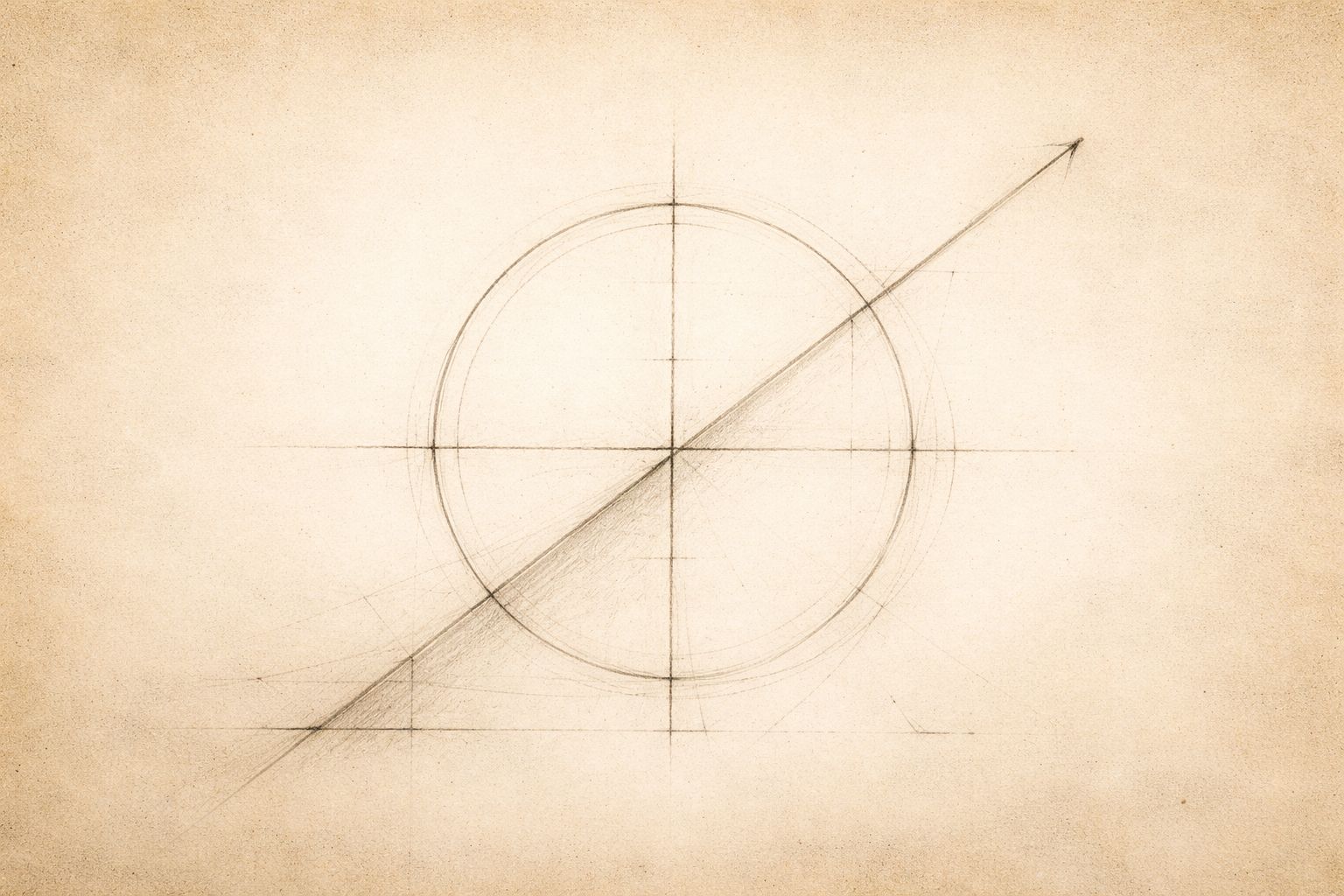

The Wager for This Life
There is an old temptation to treat this life as though it were not quite the real one: a threshold, a test, a waiting room for something truer beyond it. In The Wager for This Life, Lucas Varro turns that temptation inside out, asking what it would mean to live without postponing meaning to elsewhere.
The essay begins with Pascal’s Wager, but moves toward another kind of fidelity: not certainty, not consolation, not metaphysical reassurance, but a grave and tender commitment to the mortal world we actually inhabit.
There is an old temptation to treat this life as though it were not quite the real one. A threshold. A test. A waiting room. Meaning lies elsewhere, we are told. Fulfilment lies elsewhere. Justice lies elsewhere. Whatever is highest, truest, most worth trusting has been placed beyond the visible world, beyond the body, beyond the hour in which we stand.
Even where religion loosens its hold, the habit remains. If not heaven, then “the universe”. If not salvation, then alignment. If not God, then vibration, destiny, manifestation, hidden energies, cosmic assurances whispering that the visible world is only the surface of some deeper and kinder design. The language changes. The gesture does not. This life is subtly demoted. Reality is deferred.
And yet something in us resists this postponement.
Not always confidently. Not always clearly. But stubbornly. Tenderly. We go on searching for meaning, making beauty, offering comfort, building forms of worth inside a world that gives us no final guarantee. Even disillusioned, we continue the labour. We try, again and again, to make life liveable from within life itself.
This is where another wager becomes possible.
Pascal’s Wager is usually remembered as a practical argument for belief in God: if God exists, belief promises infinite gain; if God does not, little is lost. Whatever one makes of the argument, its lasting force lies deeper than that calculation. It confronts a permanent human difficulty. Certainty is unavailable, yet life must still be lived. One must still stake oneself somewhere.
That is why Pascal remains worth taking seriously. He understood that the human being is not only rational but exposed: finite, unstable, hungry for meaning, incapable of resting easily in uncertainty. He saw how readily we flee ourselves through diversion, fantasy, and noise. He saw grandeur and misery together. In that sense, he is closer to this essay than a simple opposition would suggest. He looks into the same wound. He feels the same disproportion. Where we differ is not in the diagnosis, but in the direction of fidelity.
Pascal turns from uncertainty towards God. But the structure he reveals can be turned elsewhere.
Continue reading: The Wager for This Life at The Living Way on Substack.
Also in The Lantern Chronicles

The Stranger Is Where Inheritance Is Weighed
A Living Way essay on faith, inheritance, empire, and moral humility. The Stranger Is Where Inheritance Is Weighed asks how the stories that form us can become either mercy or contempt — and why the true test of any tradition is whether it can still see the stranger.
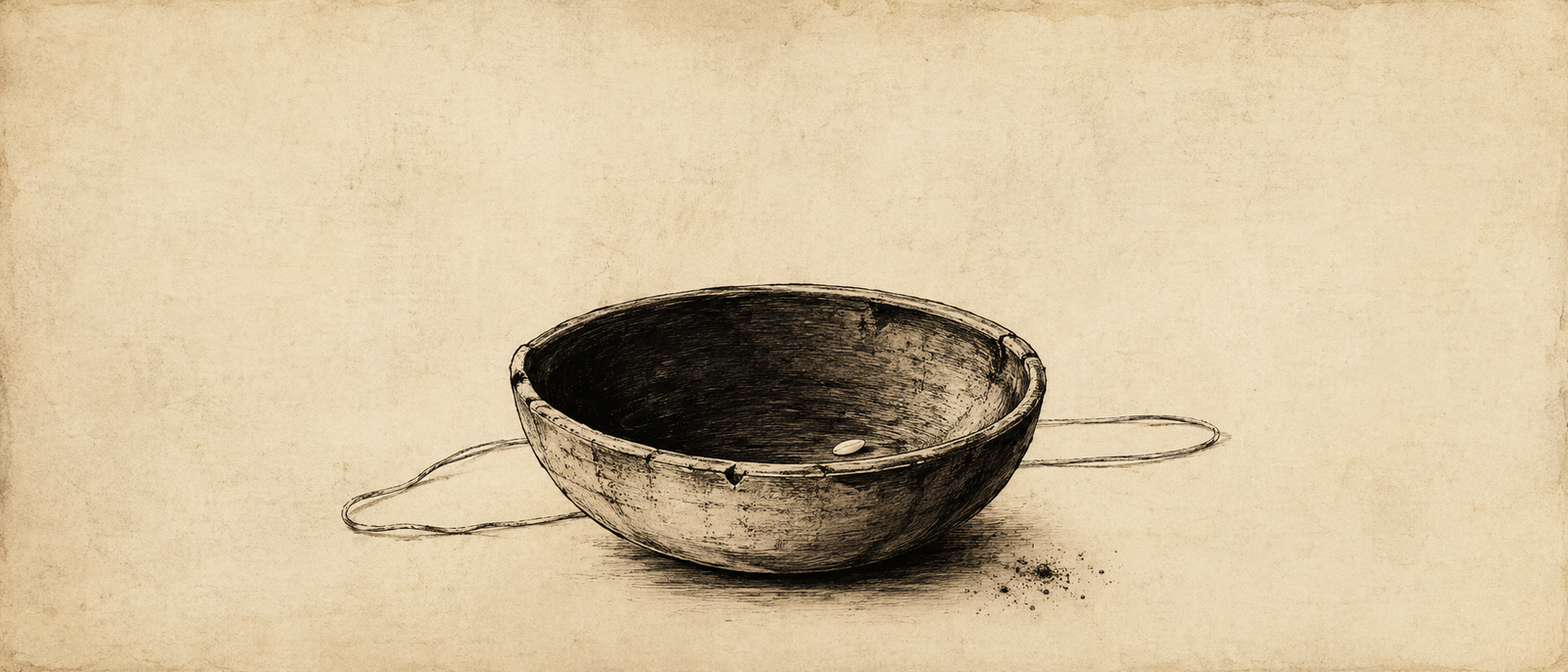

The Beggar God: A Bhikshatana Retelling
A hearthlit retelling of Bhikshatana: Shiva enters the forest as a barefoot beggar, carrying only ash, silence, and an empty bowl. In this Fires of the Old World tale, spiritual pride is not defeated by argument or spectacle, but revealed by what the hand cannot yet release.
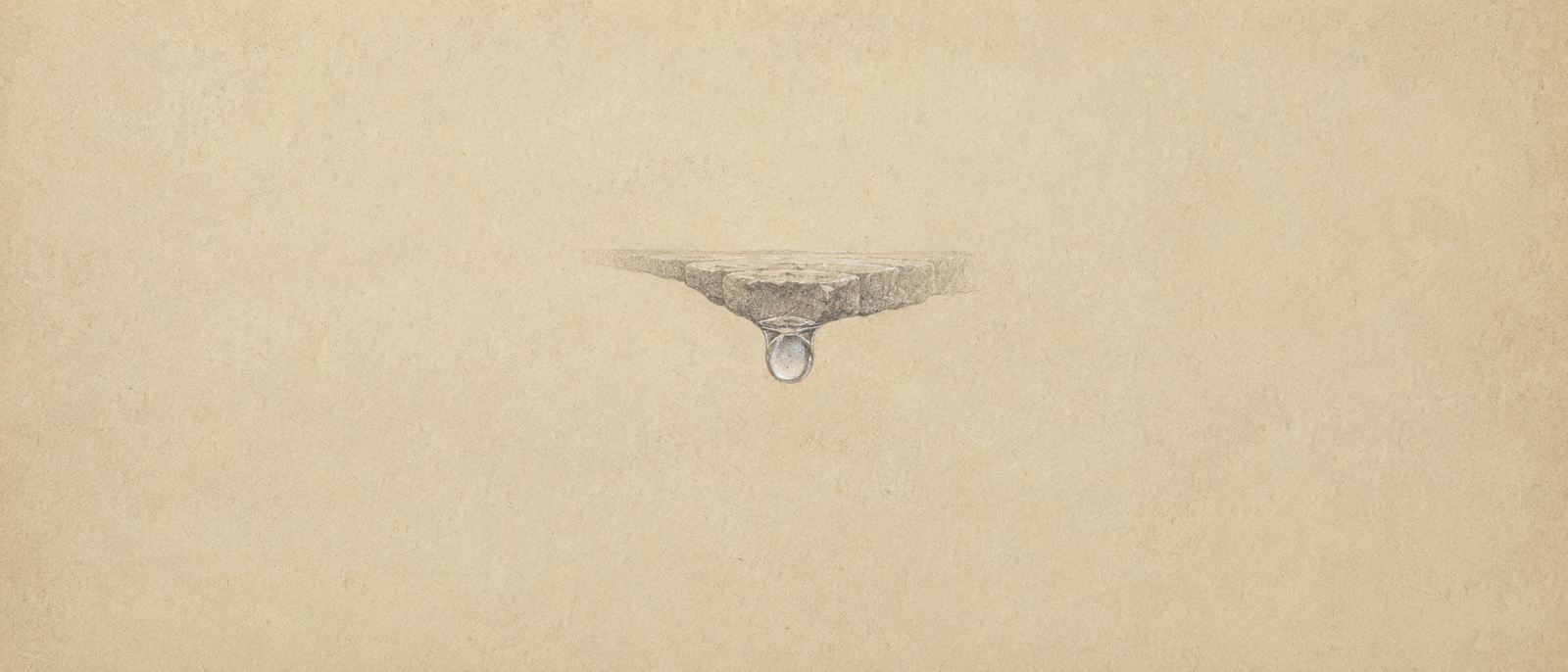

At the Lip — A Poem from The Vow
A poem from The Vow on a waterfall, a river reaching the edge, and the stillness that gives falling its shape. At the Lip stays with one overwhelming natural image until movement, constraint, and scale become almost unbearable in their precision.
Continue Reading
If this piece found something in you, you may wish to continue the journey elsewhere.
On The Lantern Chronicles, I gather writings from Angkor, myth and legend, contemplative essays, and poetry — works shaped by silence, beauty, wonder, memory, and the deeper questions that follow us through the world.
It is a place for stone and story, reflection and vow, shadow and revelation.
You would be most welcome there.