
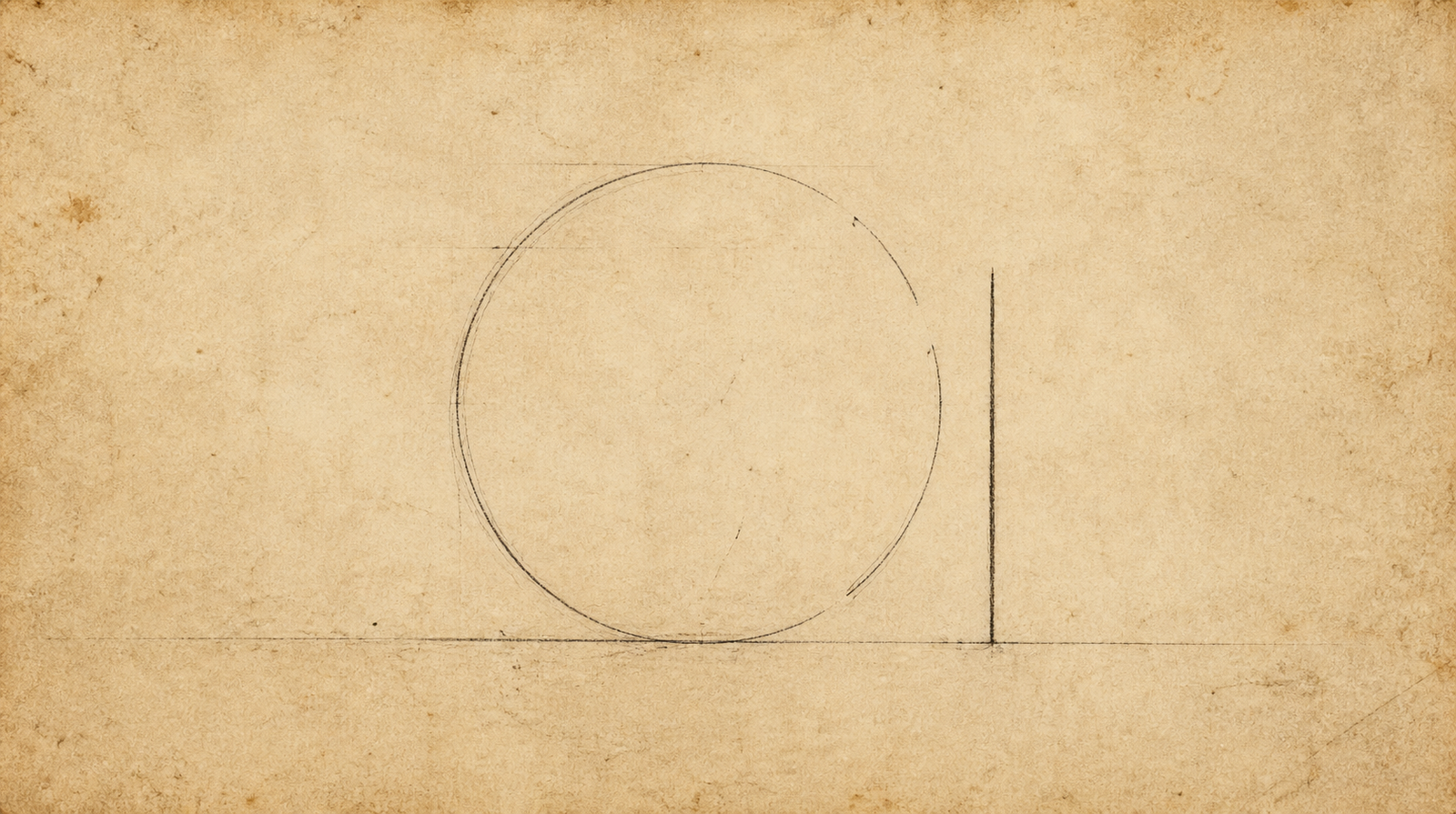

The Courage to Stand Alone
A meditation from The Living Way on solitude, conscience, conformity, and the difficult freedom of thinking for oneself in an age crowded with inherited opinion.
It has never been easier to speak, and rarely more difficult to know whether one is speaking from oneself.
We live in a world crowded with voices. Opinion arrives before reflection. Judgement is rehearsed in public before it has been tested in private. Every event seems to demand not only attention, but allegiance; not only response, but visible placement. One learns quickly what may be said, what must be signalled, what silence will be taken to mean.
The modern crowd does not always gather in the street. More often, it waits in the hand.
It waits in the glow of the screen, in the instant verdict, in the small punishments of disapproval, in the fear of hesitating when others have already chosen a side. It waits in professional language, fashionable certainty, moral performance, ideological shorthand, and the quiet dread of exclusion. We are told, endlessly, to express ourselves. Yet much of what passes for expression is repetition with a personal accent.
The difficulty is not simply that people are pressured into silence. It is that they are pressured into speech before thought has had time to become honest.
To stand alone, then, is not merely to disagree. Disagreement can be fashionable. Dissent can become a costume. There are people who oppose the crowd only because opposition gives them the sensation of importance. There are people who mistake hostility for independence, stubbornness for strength, impulse for authenticity. A person may reject one tribe only to be captured by another. He may leave the crowd in one direction and find, a little further on, a smaller crowd congratulating him for doing so.
The courage to stand alone is quieter than this. Harder. Less theatrical.
It is the capacity to remain faithful to what one has honestly seen, even when that sight costs comfort. It is the refusal to outsource conscience to approval. It is the discipline of pausing where others rush, questioning where others repeat, and remaining inwardly awake when belonging asks for sleep.
This is difficult because belonging is not a weakness. It is one of the deepest human needs. We are not born as isolated minds, sufficient unto ourselves. We come into being through dependence, language, affection, imitation, instruction. We learn the world by trusting others before we know how to judge for ourselves. To belong is not childish. It is human.
The danger is not that we belong.
The danger is that we begin to need belonging more than truth.
Continue reading: The Courage to Stand Alone at The Living Way on Substack.
Also in The Lantern Chronicles

The Stranger Is Where Inheritance Is Weighed
A Living Way essay on faith, inheritance, empire, and moral humility. The Stranger Is Where Inheritance Is Weighed asks how the stories that form us can become either mercy or contempt — and why the true test of any tradition is whether it can still see the stranger.
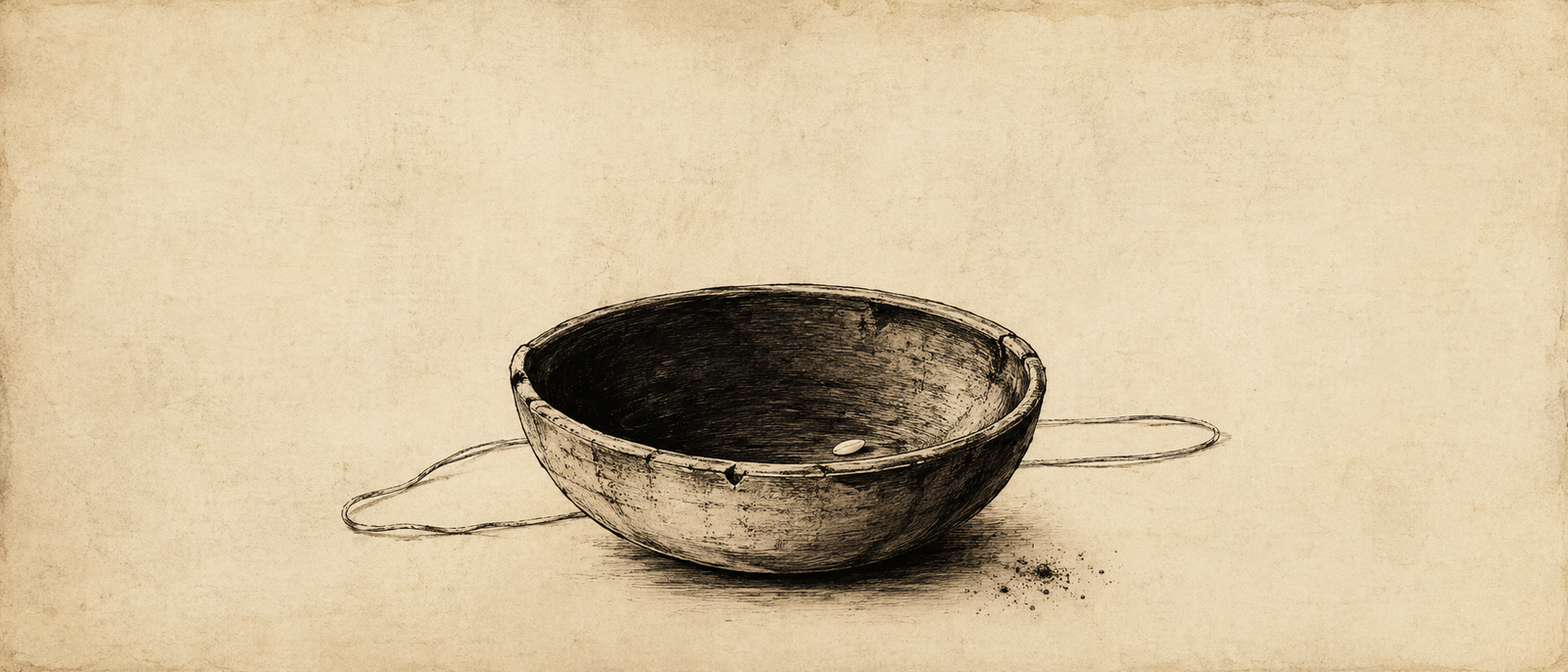

The Beggar God: A Bhikshatana Retelling
A hearthlit retelling of Bhikshatana: Shiva enters the forest as a barefoot beggar, carrying only ash, silence, and an empty bowl. In this Fires of the Old World tale, spiritual pride is not defeated by argument or spectacle, but revealed by what the hand cannot yet release.

At the Lip — A Poem from The Vow
A poem from The Vow on a waterfall, a river reaching the edge, and the stillness that gives falling its shape. At the Lip stays with one overwhelming natural image until movement, constraint, and scale become almost unbearable in their precision.
Continue Reading
If this piece found something in you, you may wish to continue the journey elsewhere.
On The Lantern Chronicles, I gather writings from Angkor, myth and legend, contemplative essays, and poetry — works shaped by silence, beauty, wonder, memory, and the deeper questions that follow us through the world.
It is a place for stone and story, reflection and vow, shadow and revelation.
You would be most welcome there.