
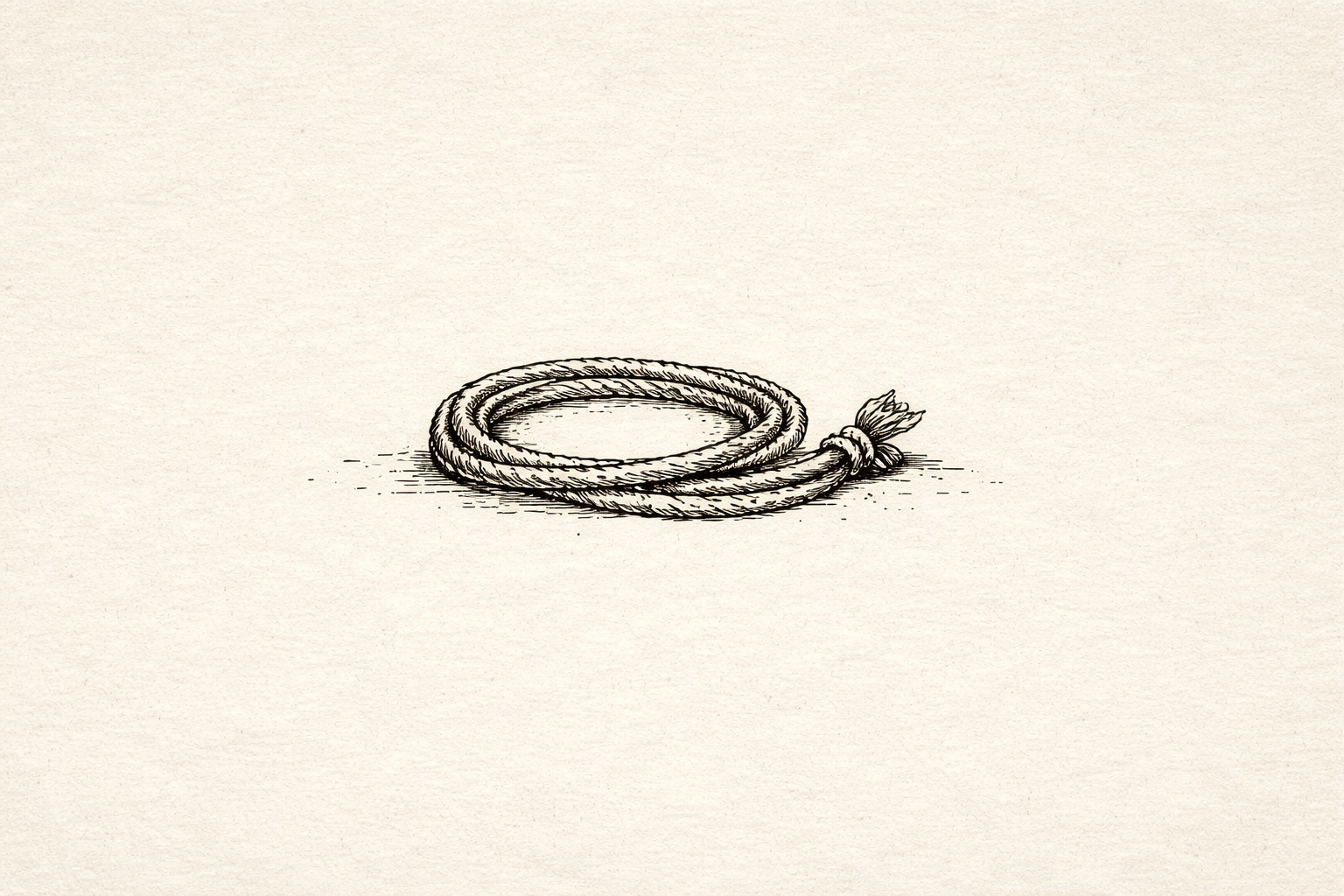

Fires of the Old World XII — The Brother’s Shadow
In this tale from Fires of the Old World, Valin’s death is not treated as a clean victory, nor as a simple correction of wrong. Beneath the famous arrow lies a brother’s fear, an elder king’s transgression, a vow sealed in need, and a bargain whose cost does not end when the body falls. The Brother’s Shadow retells the forest’s harder pressure: justice answered from cover, and the leaves altered afterwards.
In the old forests south of the stone cities, where the trees stood so thick that noon could darken toward dusk, mothers sometimes drew their children nearer the lamp when the wind moved in the leaves and said, Listen now. There are battles that end when one king falls, and there are battles that go on after the body is still. The oil smelled faintly of sesame. Smoke climbed in a blue thread. Beyond the threshold, the night insects rasped in the grass, and the cool air touched the ankles like water.
So it was told of Valin, king of the vanaras, whose arms were like young trunks, whose chest shone with the gold gift of the gods, and whose name was enough to trouble sleep in those who feared him.
He had once gone into a cave after an asura and did not return when he was expected. Blood came out. Foam came out. The day lengthened and then broke. His brother Sugriva, waiting at the mouth, believed the mountain had swallowed him. He sealed the opening with stone and went back among the vanaras with ash on his face and grief in his throat.
A kingdom does not stay empty long.
They raised Sugriva up.
Then Valin came back alive.
From that hour the world bent.
Valin heard not the fear in it, only the wrong. He saw the stone that had shut him in. He saw his brother seated where the elder should sit. He saw the court bow to another name. Fury entered him like fire entering dry cane. Sugriva fled before it. Ruma was taken from him. The mountains learned his footsteps. Exile became his meat and drink. And because one wound is never enough in such tales, fear sat on him even where he slept.
There was one place where fear loosened a little.
Rishyamuka.
Matanga’s curse lay there like an unseen wall. Valin could not cross it and keep his life. So Sugriva stayed among those slopes, waking at every cry of bird or monkey, sleeping with one hand on stone, watching each path. Hanuman stood near him, wise-eyed and patient, reading both the sky and his master’s breath. There it was that Rama came with Lakshmana, wandering in bark-cloth, carrying exile on their own bodies like a second skin.
The first sight between them was wary. Then words were spoken. Then griefs were set beside griefs like bowls on the ground between men still deciding whether they might eat together.
A wife stolen.
A kingdom taken.
A brother feared.
A promise needed.
Rama listened. Sugriva listened. The forest listened with them.
No man enters another’s sorrow without asking a price. The price need not be named at once. It may wait in the roots awhile. It may move under leaves and lie still. But it is there.
Continue reading: Fires of the Old World XII — The Brother’s Shadow at The Lantern Chronicles on Substack.
Also in The Lantern Chronicles

The Stranger Is Where Inheritance Is Weighed
A Living Way essay on faith, inheritance, empire, and moral humility. The Stranger Is Where Inheritance Is Weighed asks how the stories that form us can become either mercy or contempt — and why the true test of any tradition is whether it can still see the stranger.
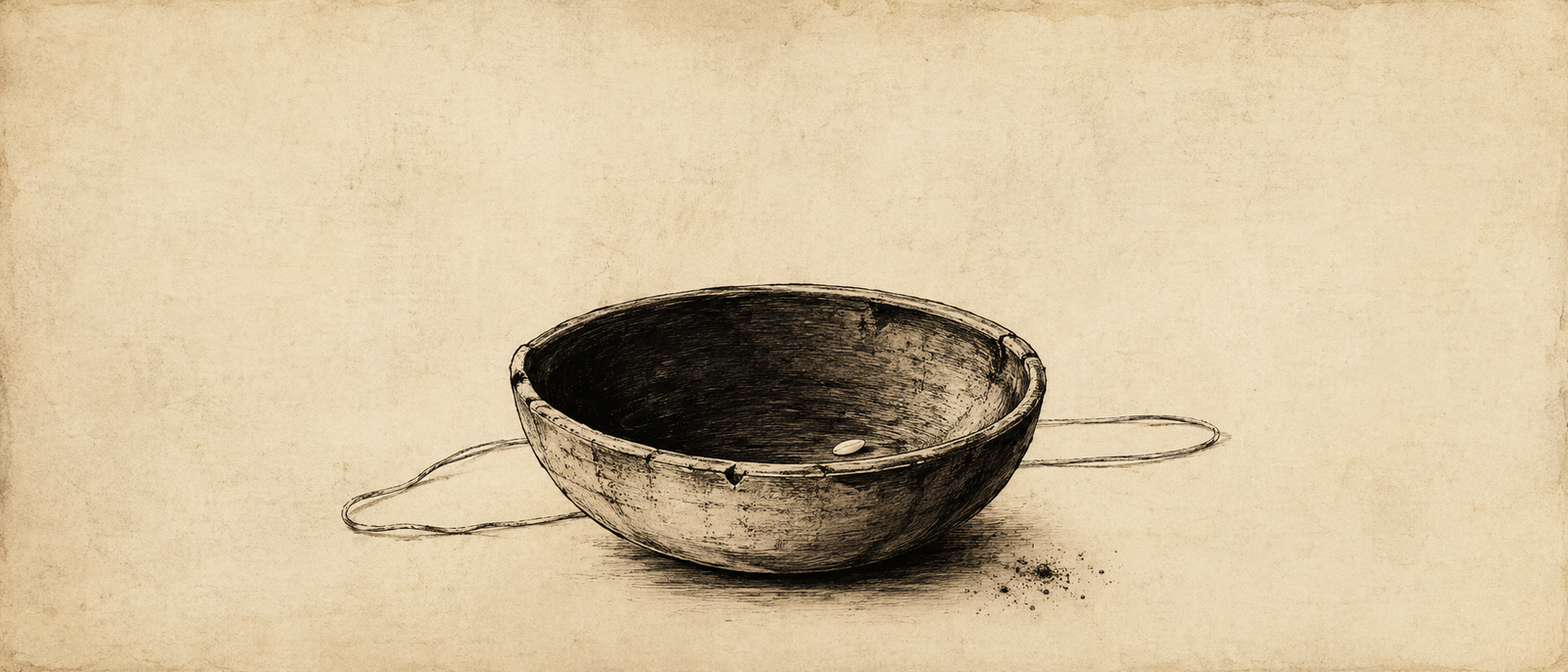

The Beggar God: A Bhikshatana Retelling
A hearthlit retelling of Bhikshatana: Shiva enters the forest as a barefoot beggar, carrying only ash, silence, and an empty bowl. In this Fires of the Old World tale, spiritual pride is not defeated by argument or spectacle, but revealed by what the hand cannot yet release.

At the Lip — A Poem from The Vow
A poem from The Vow on a waterfall, a river reaching the edge, and the stillness that gives falling its shape. At the Lip stays with one overwhelming natural image until movement, constraint, and scale become almost unbearable in their precision.
Continue Reading
If this piece found something in you, you may wish to continue the journey elsewhere.
On The Lantern Chronicles, I gather writings from Angkor, myth and legend, contemplative essays, and poetry — works shaped by silence, beauty, wonder, memory, and the deeper questions that follow us through the world.
It is a place for stone and story, reflection and vow, shadow and revelation.
You would be most welcome there.