
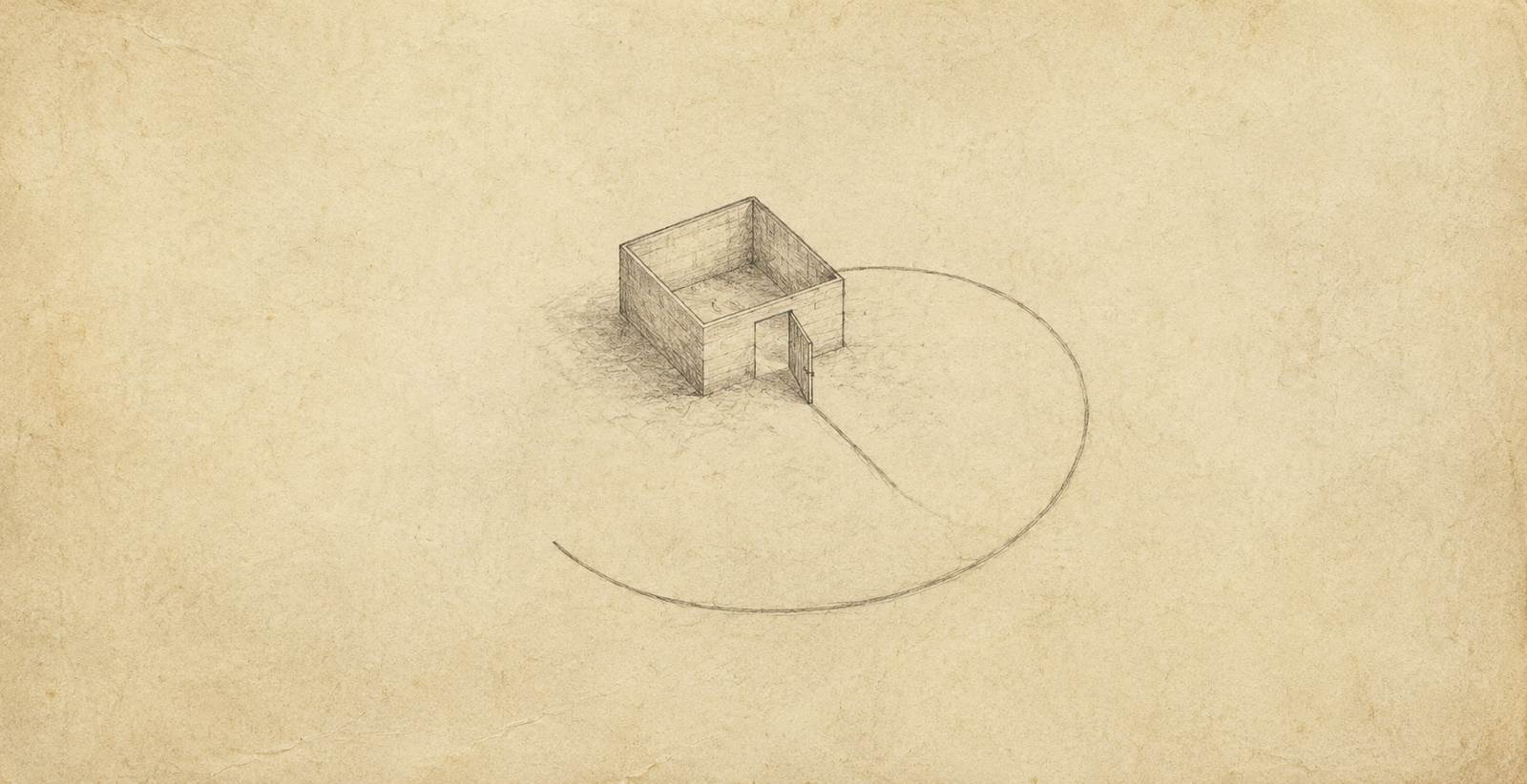

The Hut We Carry With Us
There are moments when escape begins to look like wisdom.
Not improvement. Not productivity. Not the disciplined rearrangement of a life that has already become too loud. Escape. A door closed. A phone left untouched. A room made bare. A morning defended from the world’s first claim upon the mind.
The fantasy is not heroic. It is almost embarrassingly small: to be unavailable for a while, to belong to no urgent machinery, to hear one’s own thought before it has been interrupted, harvested, corrected, or sold back as opinion.
At such moments, withdrawal does not feel like cowardice. It feels like sanity.
This Living Way essay turns to Kamo no Chomei, the thirteenth-century Japanese poet and author of Hojoki, who withdrew from a world of fire, famine, earthquake, political disorder, disappointed hopes, and impermanence. Chomei built a small hut and made a life inside reduction: few possessions, few obligations, silence, seasons, a dwelling light enough to be moved.
He discovered what many overburdened people suspect but rarely test: that there is a happiness available only after one stops maintaining a life too large for the soul.
But Chomei’s hut did not save him from Chomei.
This is the severity of his witness. He left rank, property, expectation, and the elaborate anxieties of public life. He abandoned much that human beings ordinarily defend. Yet in the stillness of the hut he discovered a quieter difficulty. He loved the place. He loved its plainness, its distance, its freedom from humiliation and danger. He took pleasure in being apart. He became, almost despite himself, someone who had escaped.
And escape, too, can become a possession.
The world is not only the place we leave. It is also the pattern by which we cling.
That is the harder truth. We imagine attachment as a bond to obvious things: wealth, admiration, comfort, status, control, reputation. We rarely suspect it in the cleaner forms of life. Yet the self can fasten itself to simplicity as fiercely as to luxury. It can cling to solitude as tightly as to applause. It can turn discipline into pride, silence into identity, refusal into superiority, and the quiet life into a private kingdom.
A hut can be a shelter. It can also become a throne.
The full essay continues from this recognition: that refuge may be necessary, even merciful, but that the soul must not mistake the conditions of its recovery for freedom itself.
Continue reading: The Hut We Carry With Us at The Living Way on Substack.
Also in The Lantern Chronicles
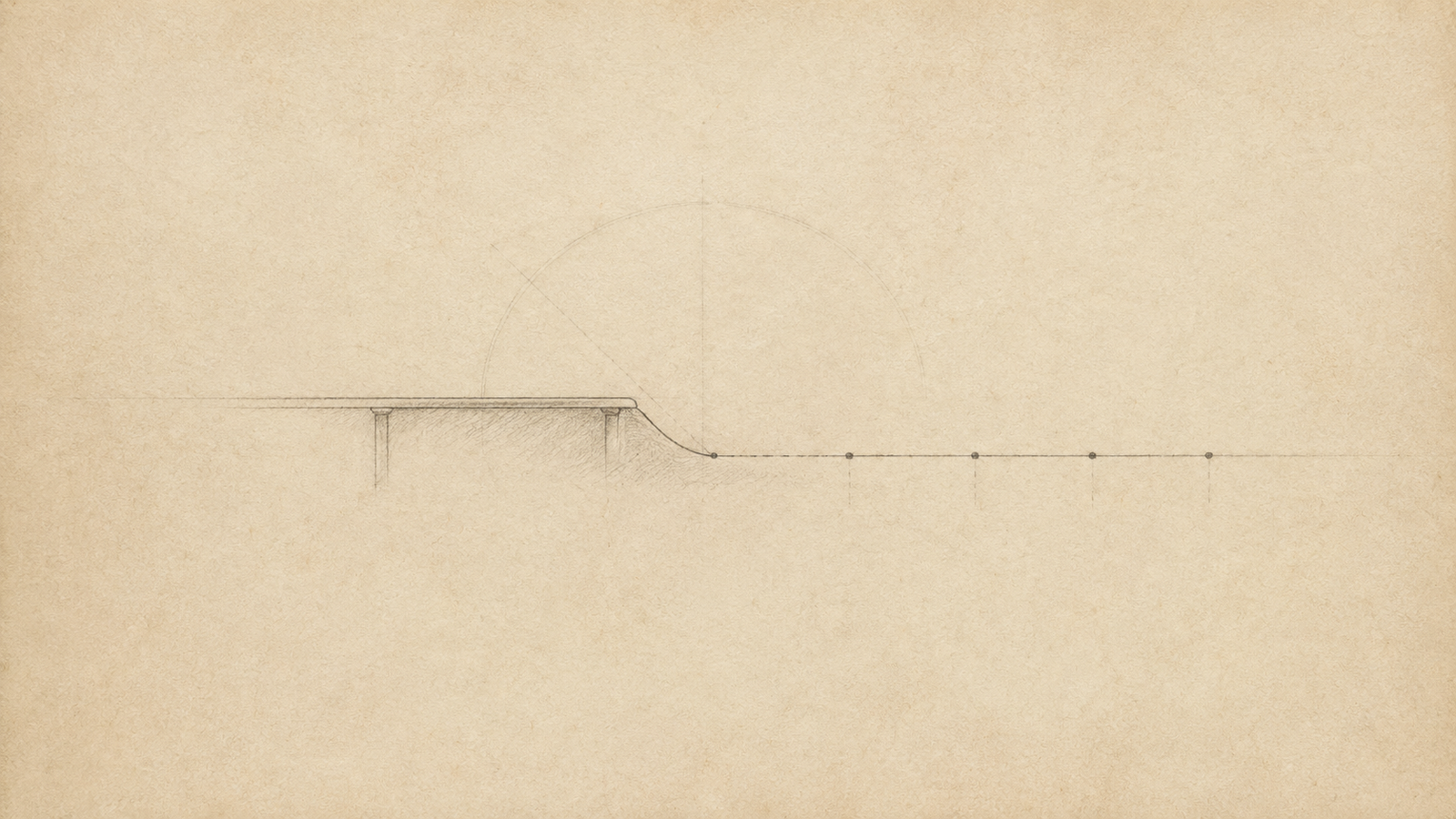

The Stranger Is Where Inheritance Is Weighed
A Living Way essay on faith, inheritance, empire, and moral humility. The Stranger Is Where Inheritance Is Weighed asks how the stories that form us can become either mercy or contempt — and why the true test of any tradition is whether it can still see the stranger.
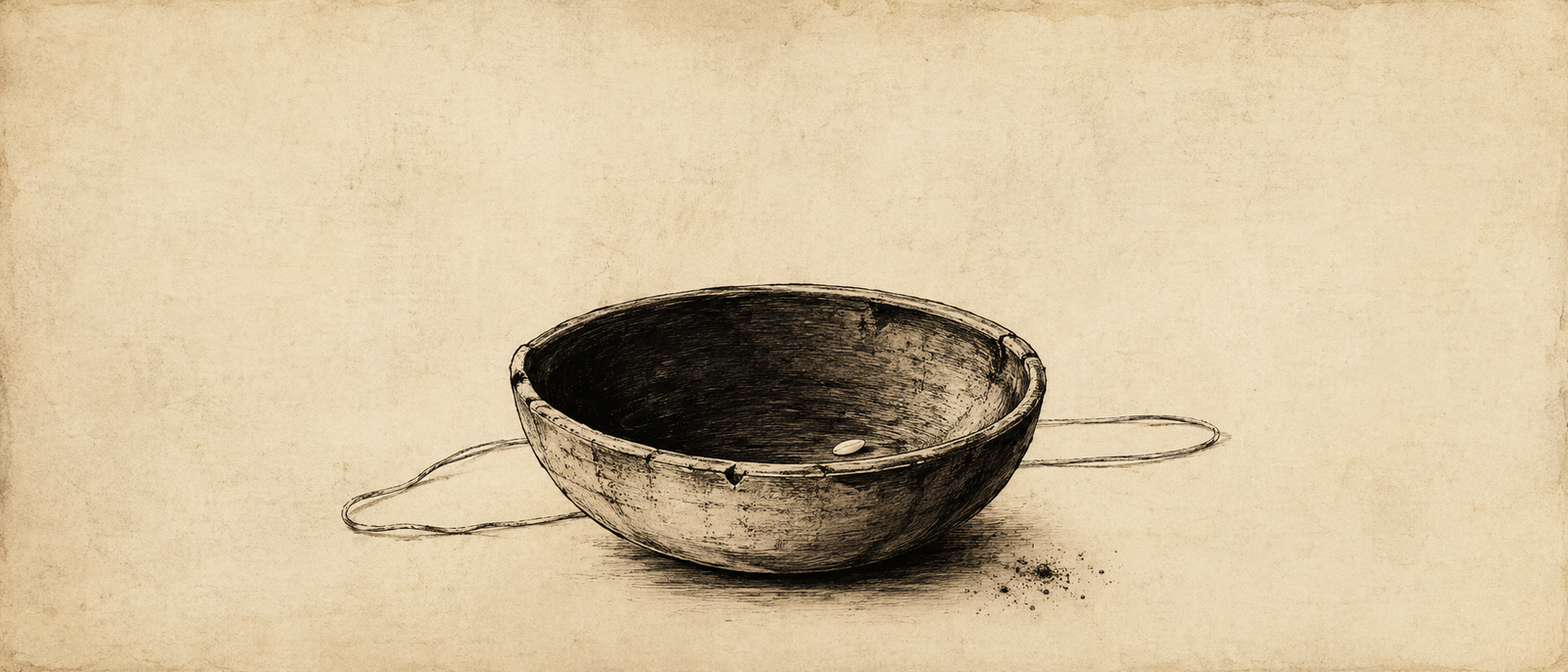

The Beggar God: A Bhikshatana Retelling
A hearthlit retelling of Bhikshatana: Shiva enters the forest as a barefoot beggar, carrying only ash, silence, and an empty bowl. In this Fires of the Old World tale, spiritual pride is not defeated by argument or spectacle, but revealed by what the hand cannot yet release.
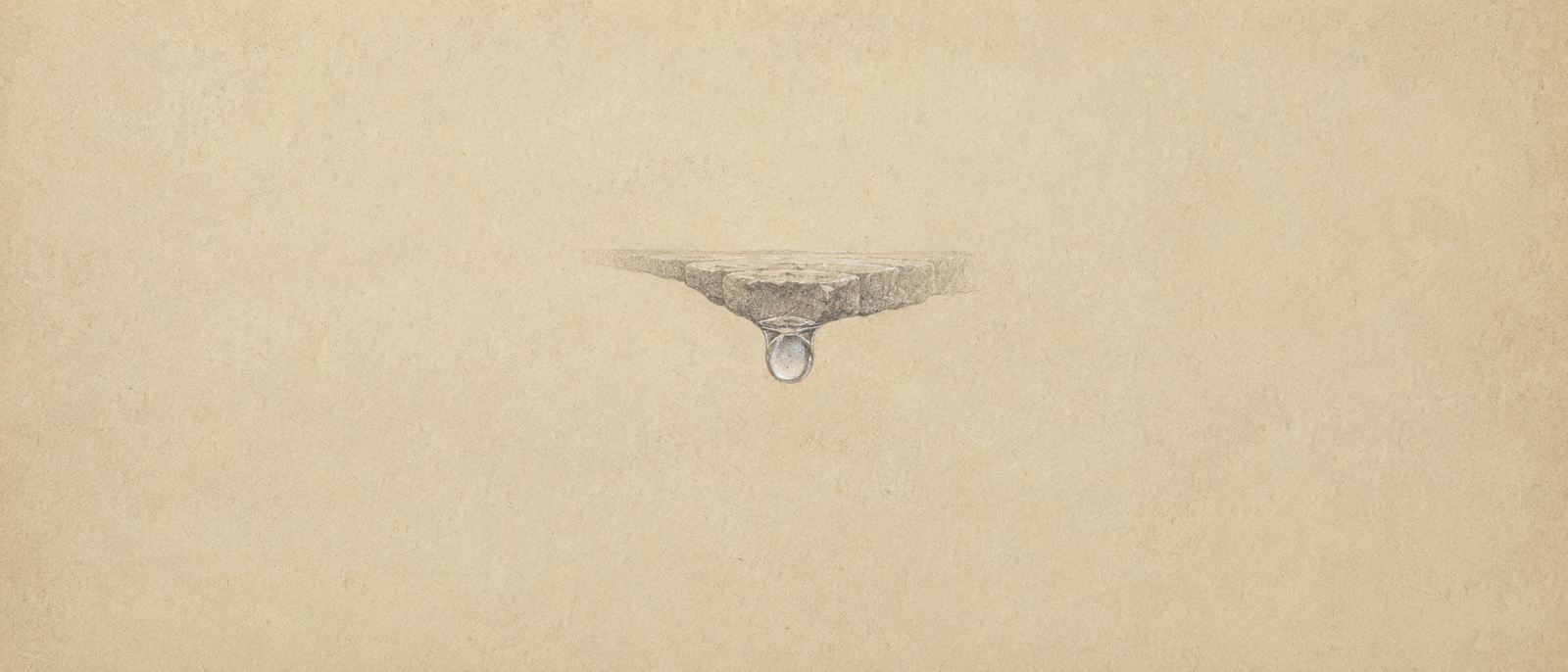

At the Lip — A Poem from The Vow
A poem from The Vow on a waterfall, a river reaching the edge, and the stillness that gives falling its shape. At the Lip stays with one overwhelming natural image until movement, constraint, and scale become almost unbearable in their precision.
Continue Reading
If this piece found something in you, you may wish to continue the journey elsewhere.
On The Lantern Chronicles, I gather writings from Angkor, myth and legend, contemplative essays, and poetry — works shaped by silence, beauty, wonder, memory, and the deeper questions that follow us through the world.
It is a place for stone and story, reflection and vow, shadow and revelation.
You would be most welcome there.