
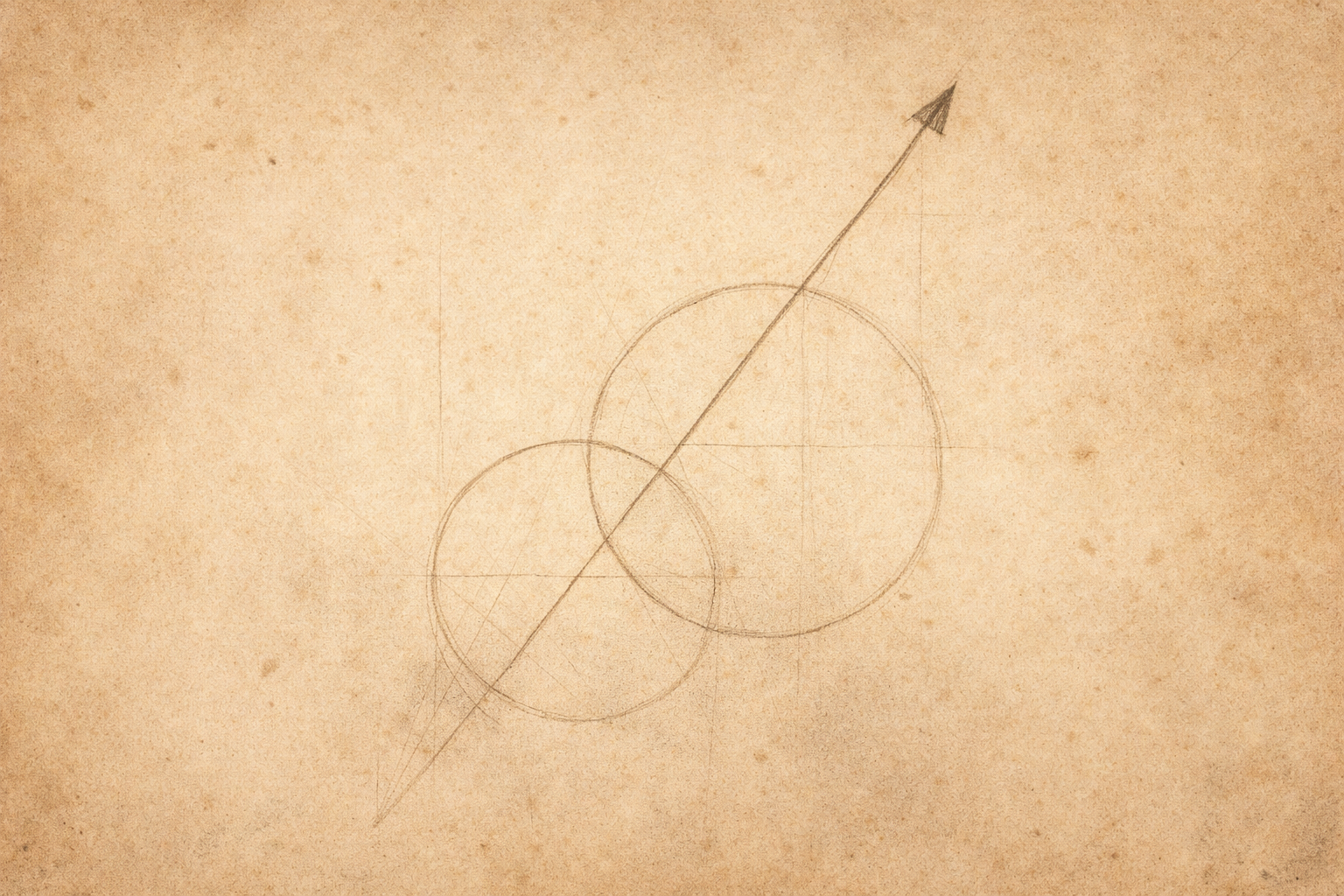

Why We No Longer Know How to Approach Great Things
In Why We No Longer Know How to Approach Great Things, Lucas Varro begins at Angkor just after dawn, where the modern visitor may arrive physically before the temple while failing, inwardly, to approach it. The essay asks what has happened to the human capacity for reception: the patience, humility, restraint, and inward posture by which greatness becomes available.
This is a Living Way essay on attention, reverence, beauty, and the modern inability to stand before what exceeds us without immediately converting it into content, experience, interpretation, or possession.
Just after dawn at Angkor, one sometimes sees the failure almost at once. The light is still soft. The stone has not yet yielded its full depth. The towers stand in that strange interval between outline and presence, when they seem less like objects than like something slowly entering visibility. And already the modern reflex is in motion: the crossing made briskly, the camera half-raised before the body has quite arrived, the eye moving ahead of itself, organising, selecting, preparing to have seen. No one need be crude for the diminishment to occur. These are often thoughtful, decent people. They are not mocking the place. They are simply meeting it with the habits their age has given them. They have reached the temple. But something in them has not yet approached it.
This distinction matters more than it first appears. Arrival is a fact of movement. Approach is a fact of posture. One can arrive somewhere without yet coming before it at all. One can stand in the presence of greatness while remaining, in the deeper sense, absent.
That is true not only of temples. It is true of almost everything in life that exceeds us. A person may stand before a great work of art, a piece of music, a sacred place, another human being, a grief, or a truth, and still fail to meet it. He may register it, interpret it, even admire it, while withholding the one thing by which it becomes truly available: a fitting mode of reception.
This, it seems to me, is one of the quietest and most consequential failures of modern life. The crisis is not merely that we value great things too little, though often we do. It is that we no longer know how to stand before them. We have lost the inward posture by which greatness can be met.
Our age has not simply made us distracted. It has made us badly formed in the act of approach itself. We have been trained to assume that what matters should yield quickly, confirm itself clearly, and become usable without too much cost to the self. We have learned to move toward things in the mode of acquisition. Even where our intentions are good, we are often secretly organised by the wish to secure the experience, complete the circuit, and remain sovereign over what is before us.
Great things do not behave like this.
A great thing is not merely something impressive. It is something before which our usual scale proves inadequate. It exceeds us in depth, dignity, or reality, and for that very reason cannot be rightly met through appetite alone. Appetite wants to have. Greatness asks that one first learn how to stand before.
That standing before is more demanding than we like to admit. It requires a peculiar kind of strength: the ability to endure a meaning not yet in one’s possession. That is what modern people increasingly struggle with. We can tolerate complexity when it can be processed, translated, and managed. What we find difficult is a reality that remains greater than our immediate grasp and refuses to become ours on schedule.
Receiving begins there.
To receive something deeply is not to lie passively beneath it. It is to remain present before it without rushing to reduce it. It is to let significance gather before one seizes it. It is to permit what is before us to remain, for a time, partly unmastered.
Continue reading: Why We No Longer Know How to Approach Great Things at The Living Way on Substack.
Also in The Lantern Chronicles
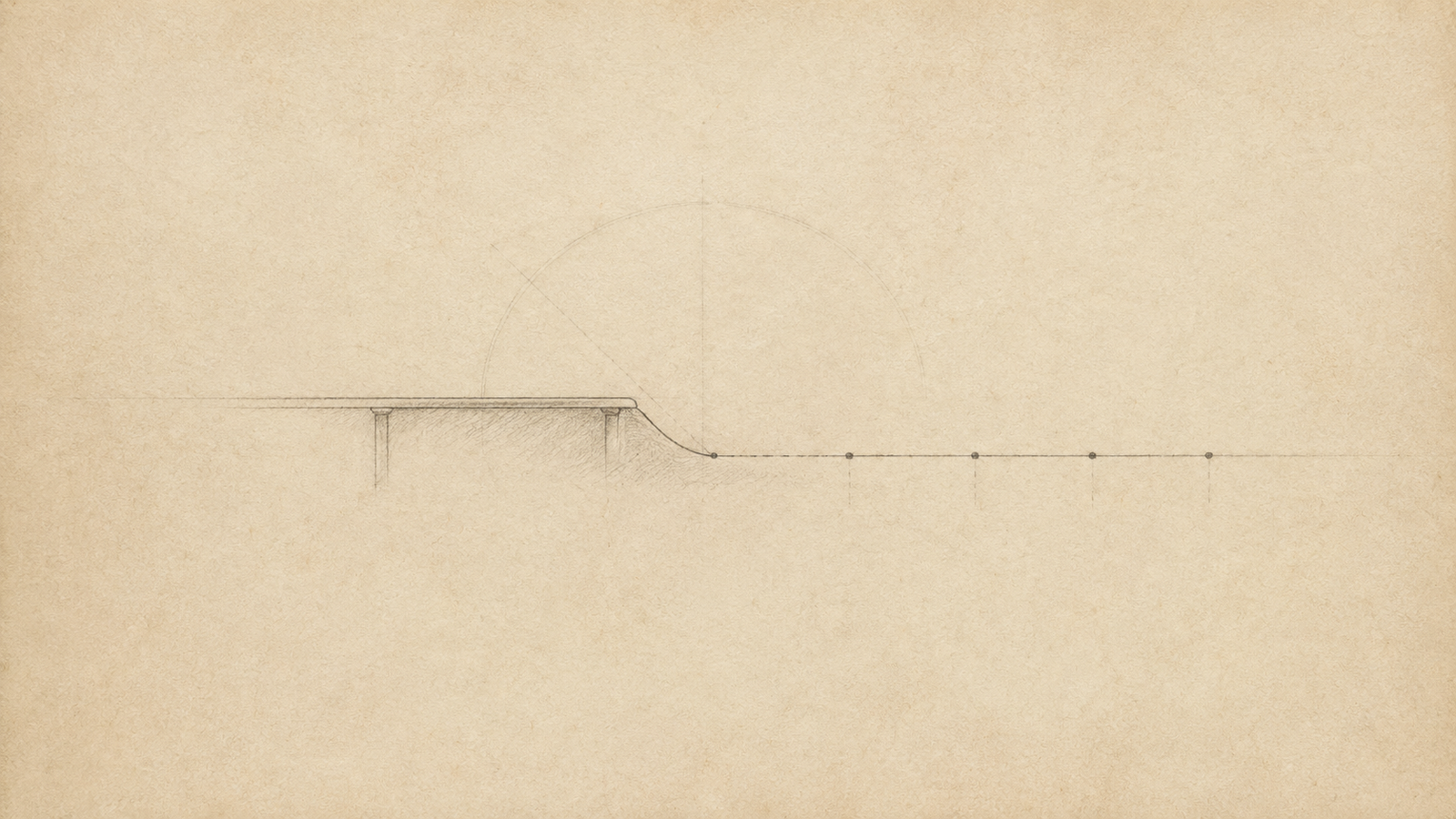

The Stranger Is Where Inheritance Is Weighed
A Living Way essay on faith, inheritance, empire, and moral humility. The Stranger Is Where Inheritance Is Weighed asks how the stories that form us can become either mercy or contempt — and why the true test of any tradition is whether it can still see the stranger.
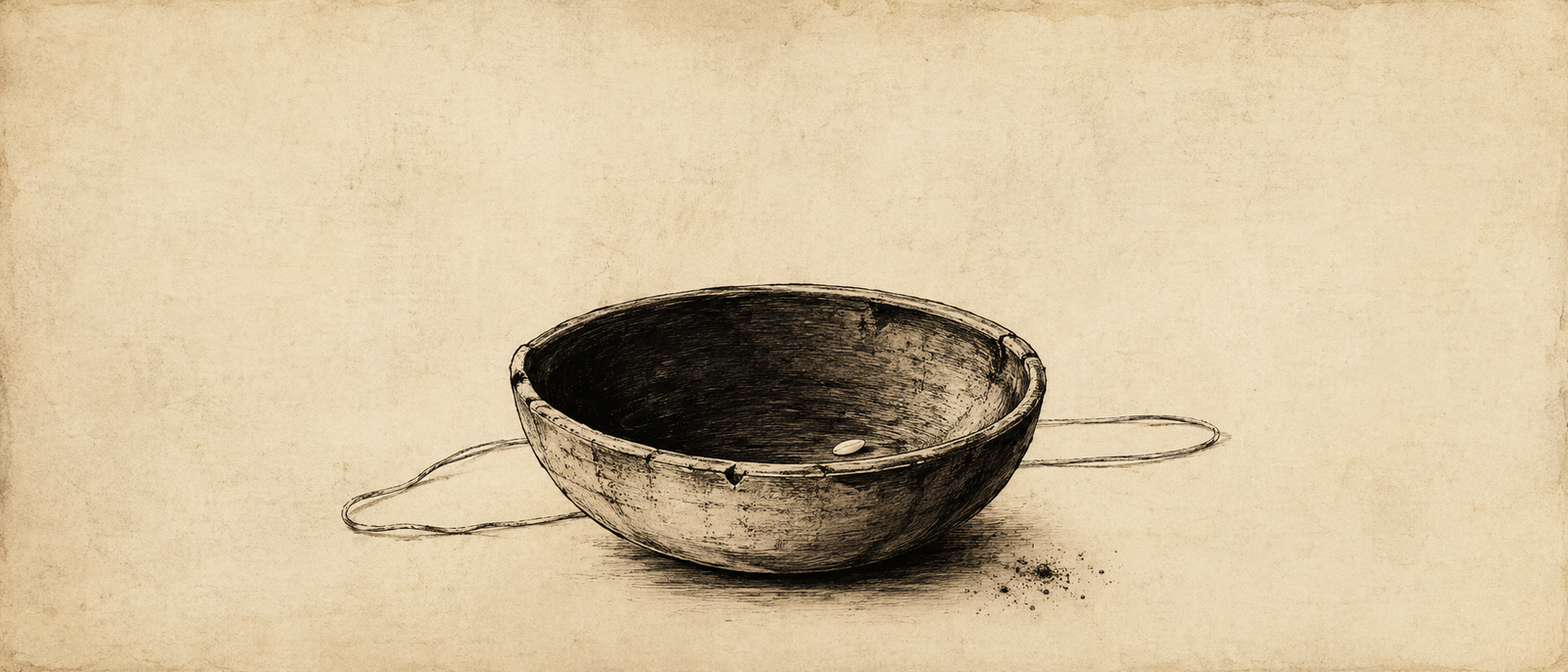

The Beggar God: A Bhikshatana Retelling
A hearthlit retelling of Bhikshatana: Shiva enters the forest as a barefoot beggar, carrying only ash, silence, and an empty bowl. In this Fires of the Old World tale, spiritual pride is not defeated by argument or spectacle, but revealed by what the hand cannot yet release.
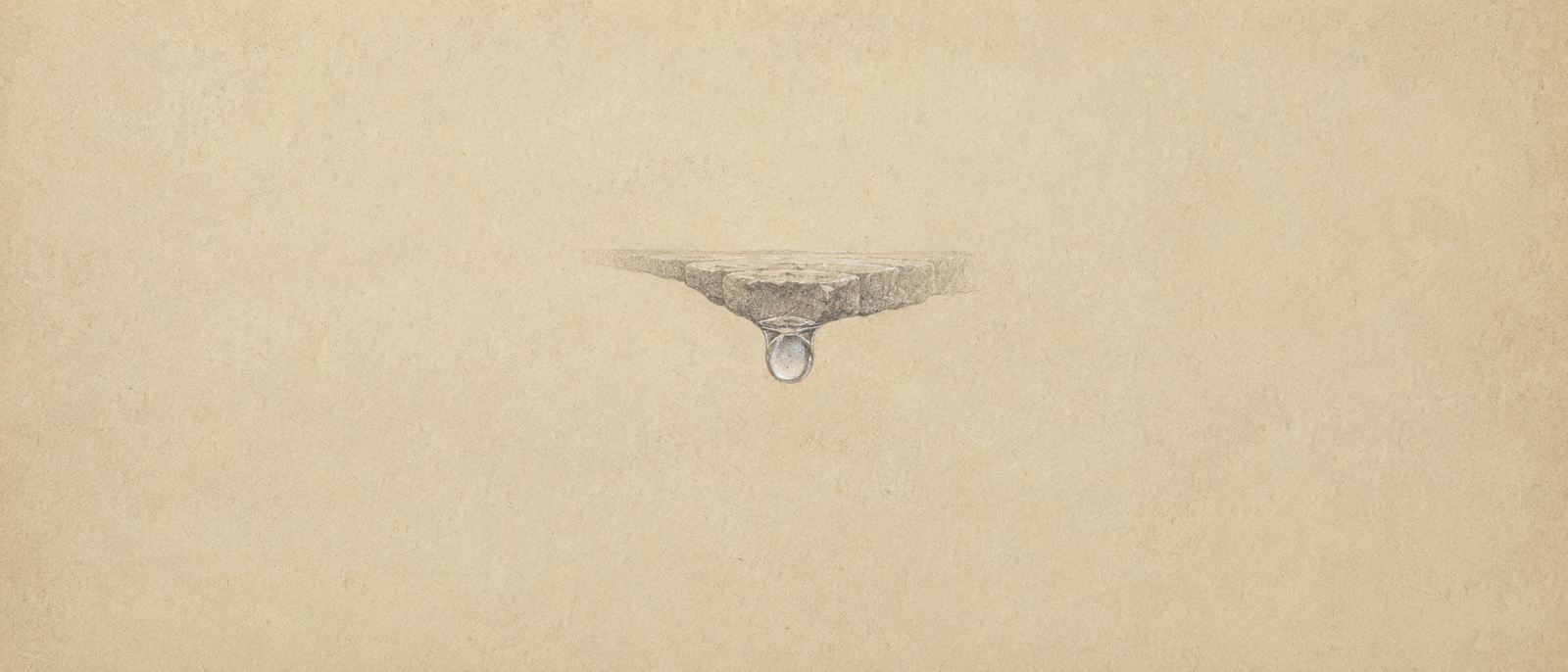

At the Lip — A Poem from The Vow
A poem from The Vow on a waterfall, a river reaching the edge, and the stillness that gives falling its shape. At the Lip stays with one overwhelming natural image until movement, constraint, and scale become almost unbearable in their precision.
Continue Reading
If this piece found something in you, you may wish to continue the journey elsewhere.
On The Lantern Chronicles, I gather writings from Angkor, myth and legend, contemplative essays, and poetry — works shaped by silence, beauty, wonder, memory, and the deeper questions that follow us through the world.
It is a place for stone and story, reflection and vow, shadow and revelation.
You would be most welcome there.