
The Library gathers the written works of Lucas Varro — journals of the temples, mythic retellings, contemplative essays, poems, and volumes shaped by shadow, silence, and wonder. Here, words stand beside images as offerings: field notes from Angkor, meditations on sacred stone, old stories rekindled, and reflections carried beyond the visible world.
Within these shelves you will find many rooms: Angkor journals, myth and legend, apsara meditations, contemplative essays, poems, children’s mythic wonder, literary retellings, and quieter devotions of the page. Wander chronologically, enter by theme, or pass through one of the dedicated publication houses now gathered within the wider Library.
For those who wish to follow these paths further, several of these writings continue on Substack and in dedicated archive blogs: The Lantern Chronicles , where myth, legend, contemplative essays, poetry, and other imaginative works are carried onward; The House of Cadmus , where Greek myth and tragedy are reopened through inheritance, violence, fate, and recurrence; The Mytharium , where myth, Tolkien, fairy stories, and old literature are read and retold with seriousness; The Alexander Series , where A. M. Sharp retells Greek myths for children who want to be trusted by stories; and The Hospitable Dark , where A. M. Sharp offers literary myth retellings shaped by darkness, shelter, endurance, and return.
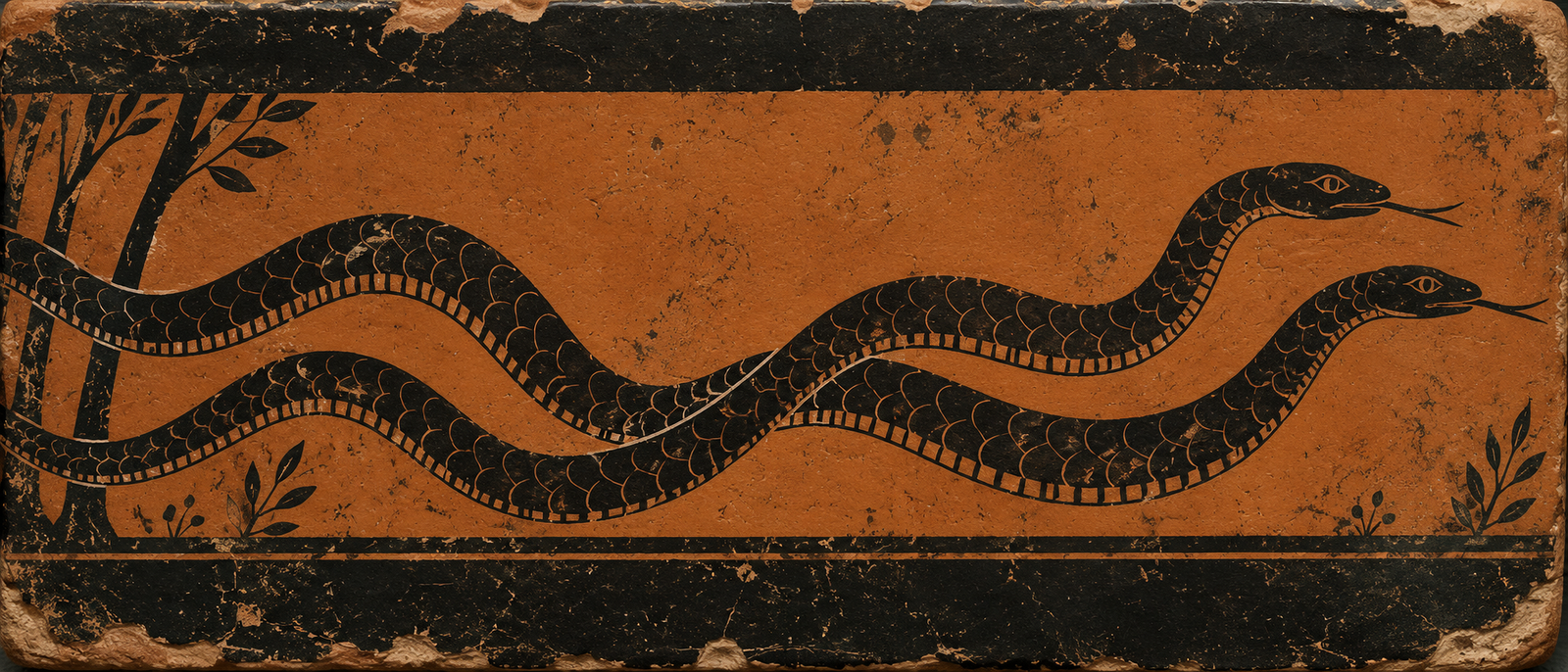

Harmonia and the Fatal Union
The gods came to Thebes for Harmonia’s wedding.
The Muses sang in the house Cadmus had built, and Cadmus fastened around her neck a necklace wrought by Hephaestus. They feasted with the gods.
The day had been beautiful.
Nothing that came later took that day from them.
In the years that followed, the house filled with children, grandchildren, ordinary voices—and losses for which no beginning could finally provide an answer.

The Eighth Daughter
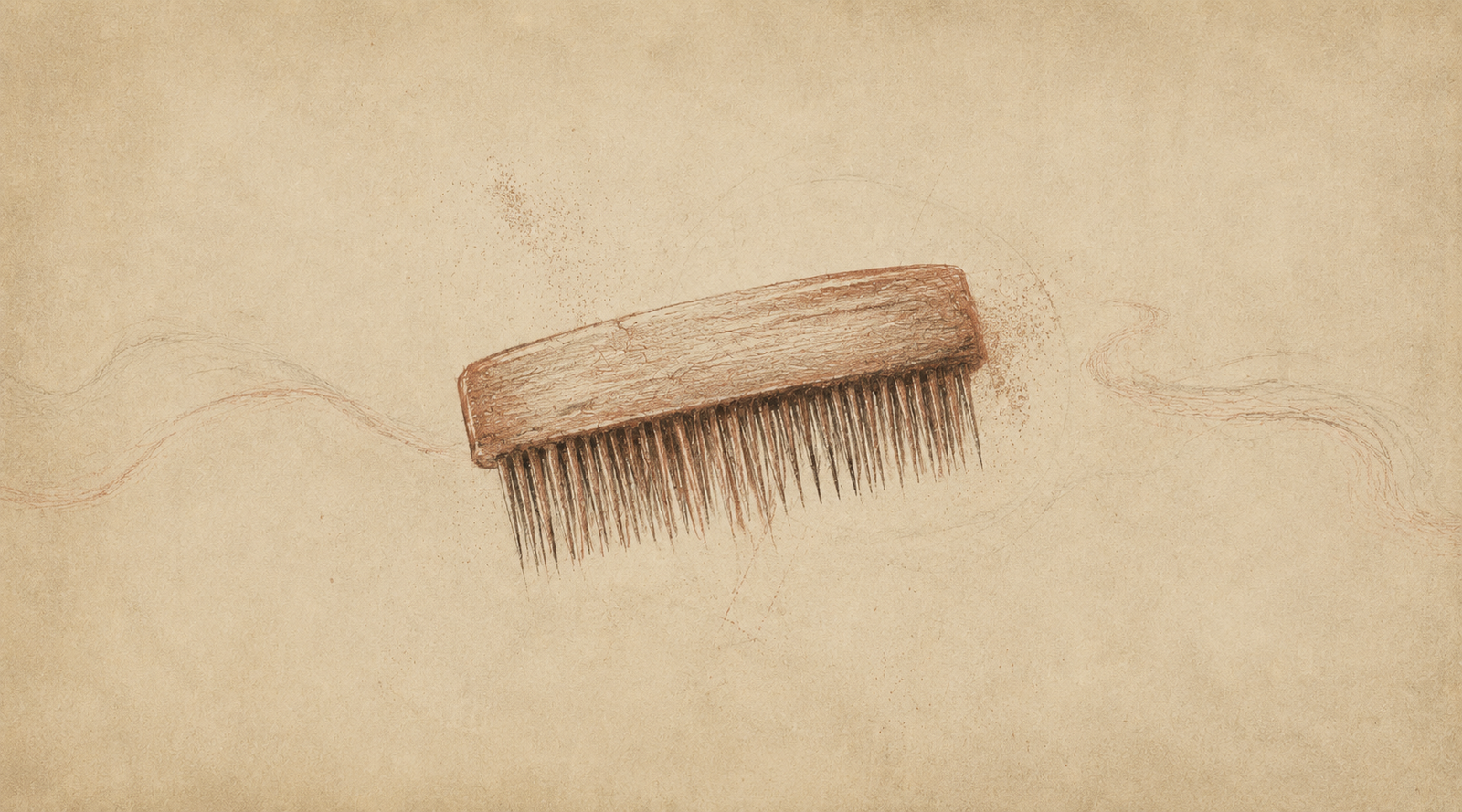
Seven daughters have already been taken by Yamata-no-Orochi when Susanoo reaches the River Hi. Only Kushinada-hime remains. The Eighth Daughter retells the Kojiki episode through a family’s waiting, a girl transformed into a comb, and the patient preparation for the serpent’s return.


Fires of the Old World XXI — The Storm-King’s Lesson
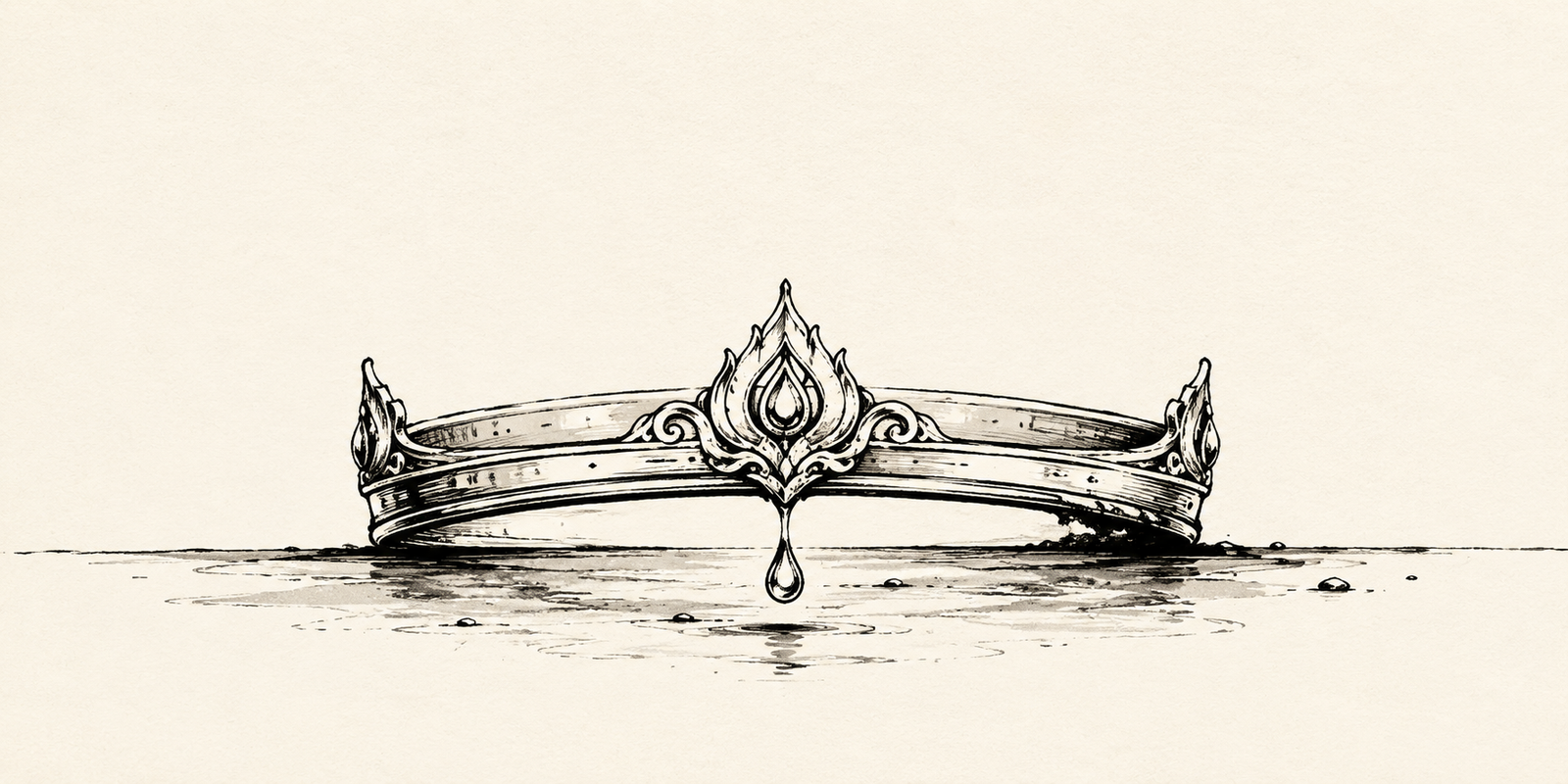
The storm has ended, but Govardhana still stands. Below, the cowherds emerge into washed light while Indra watches from heaven, knowing that every cloud obeyed him and yet his will did not prevail. At last the storm-king descends—crowned, armed, and still entrusted with the rain.
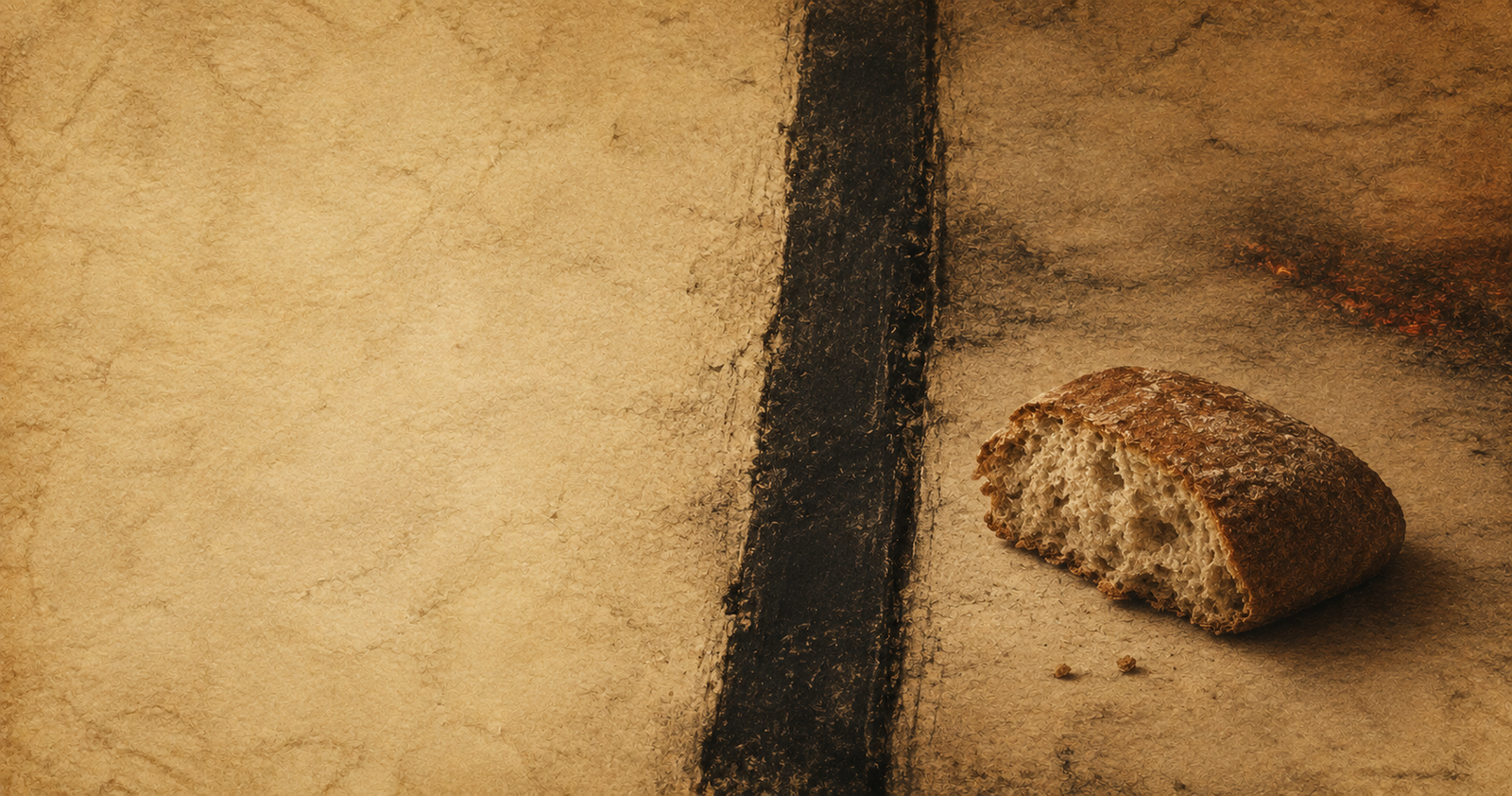

The Poor Man’s House and the True Law of Welcome
Eumaeus does not believe him.
That is what makes Book XIV’s hospitality so difficult. He listens to the stranger, judges his story doubtful, and continues to feed him. In Homer, welcome does not require the host to surrender judgement. It asks something harder: that another person’s need not disappear merely because certainty has.
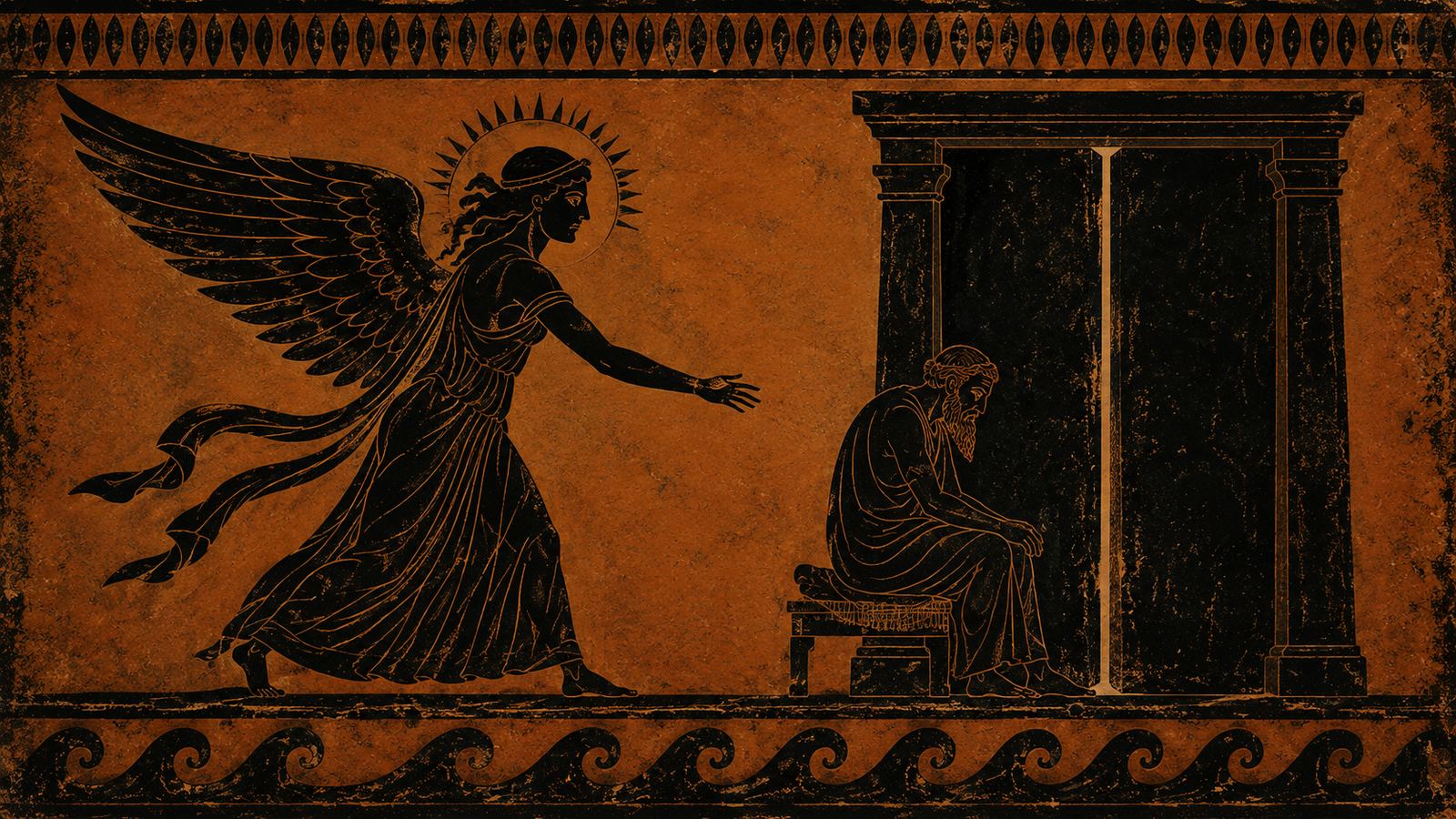

Tithonus — Behind the Shining Doors
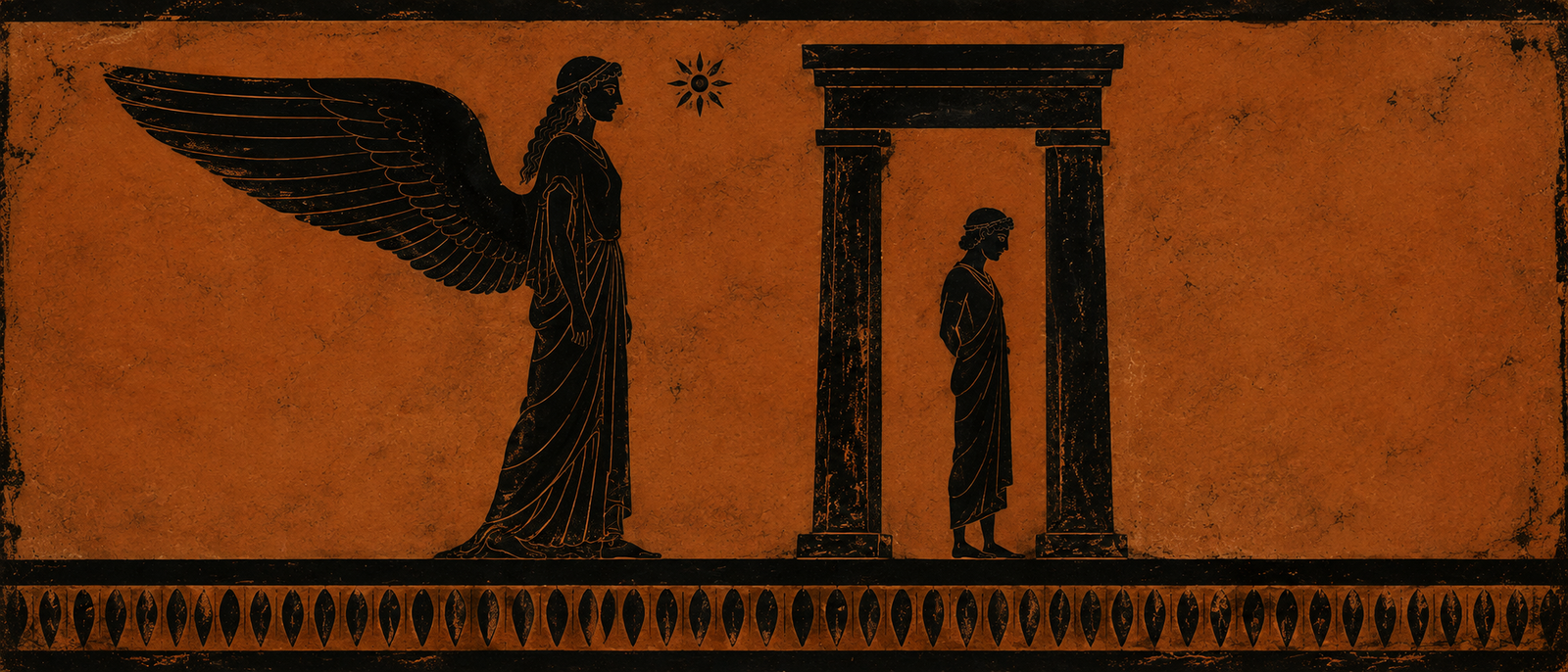
Eos asked only that the man she loved should never die. The wish was granted. As Dawn returned each morning unchanged, Tithonus continued ageing—and the world around him slowly narrowed to a room behind shining doors.
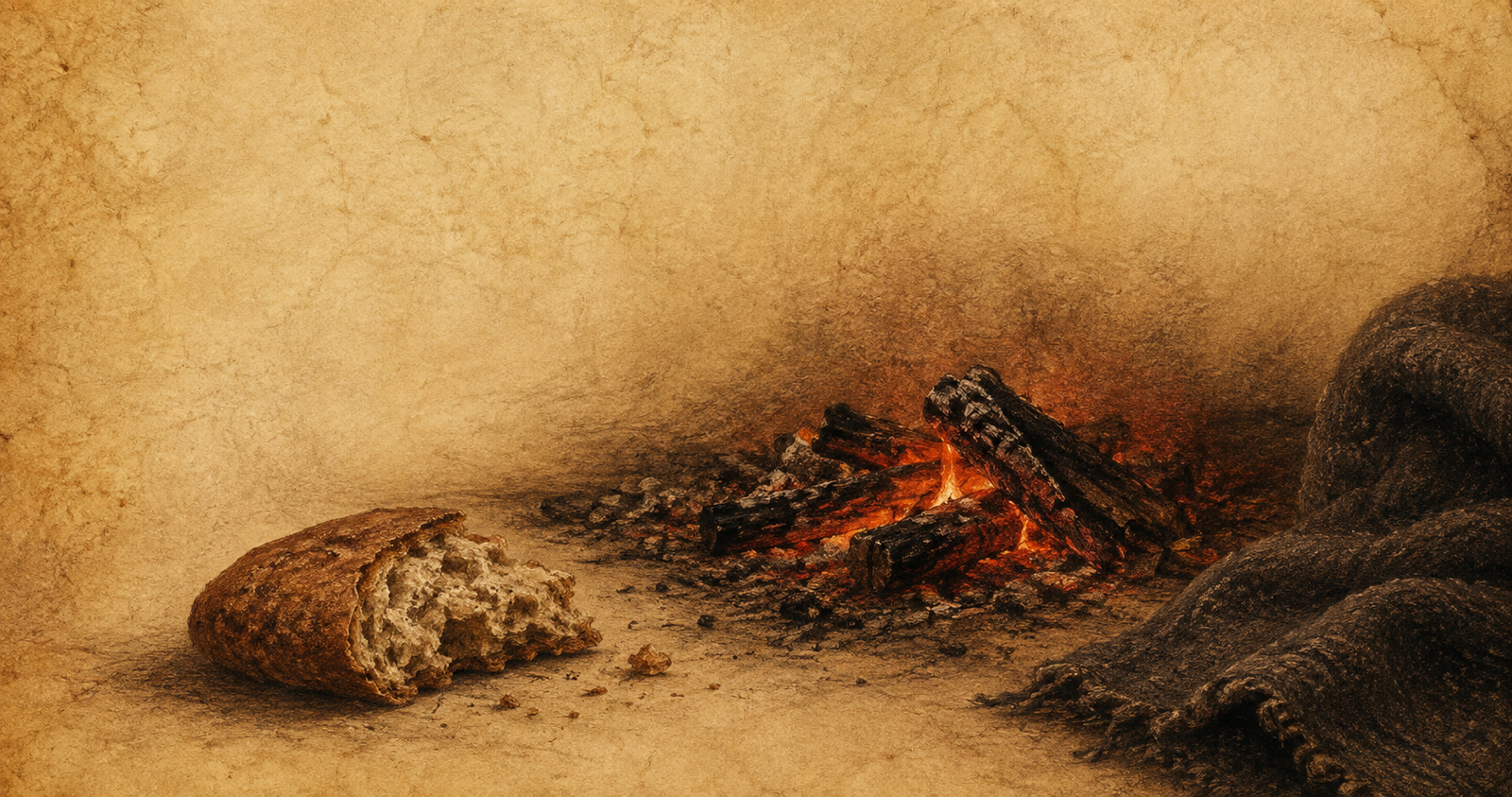

The Long Return XIV — In the Swineherd’s Hut
Odysseus reaches a poor swineherd’s hut and discovers hospitality, scepticism, and a loyalty that has survived his long absence.
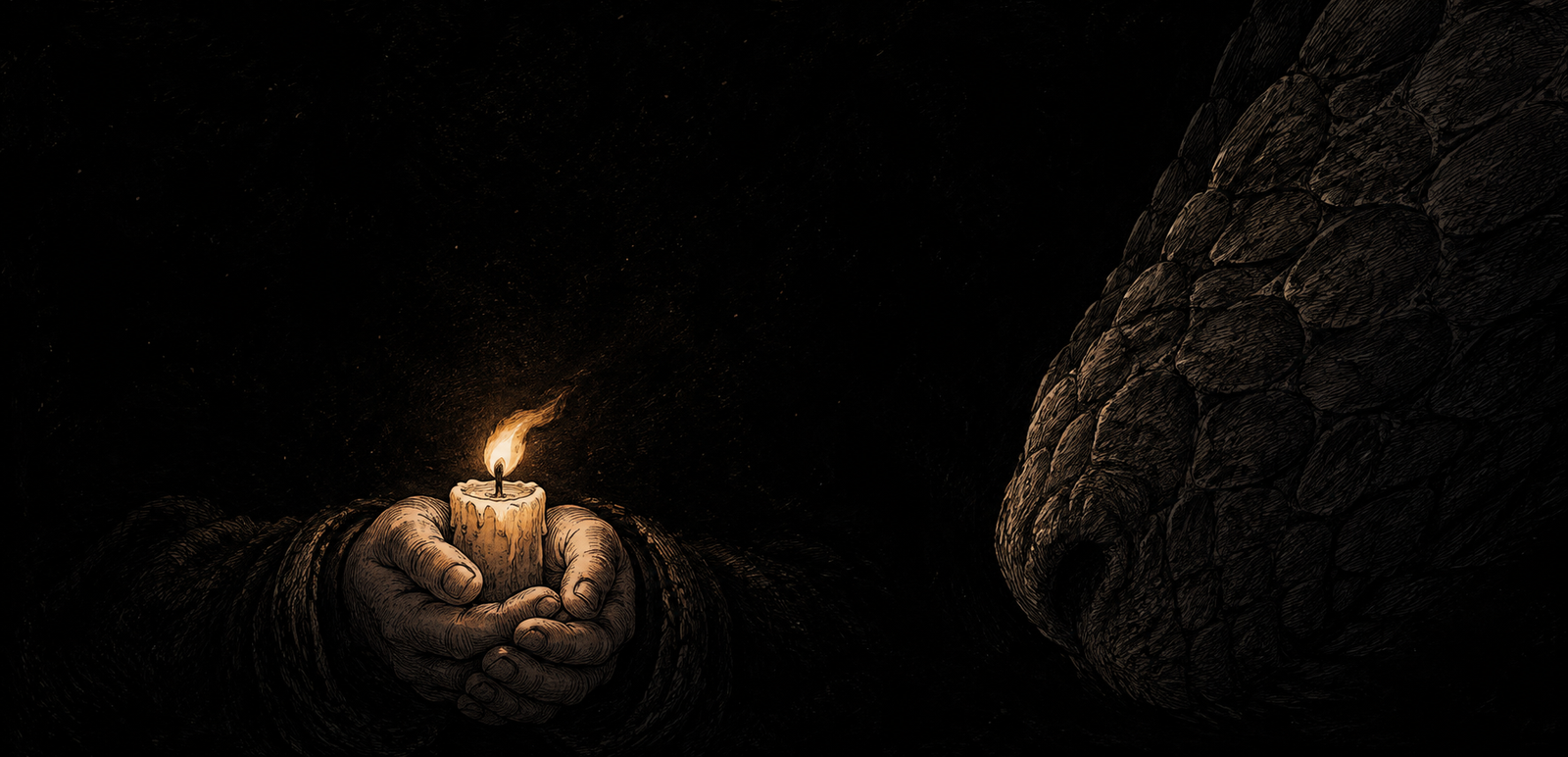

The Last Ember
An ancient dragon has carried the first earthly fire for ten thousand years. When the ember begins to fail, one last flight brings her to a child protecting an ordinary candle against the wind—and to a truth about fire she had never understood.
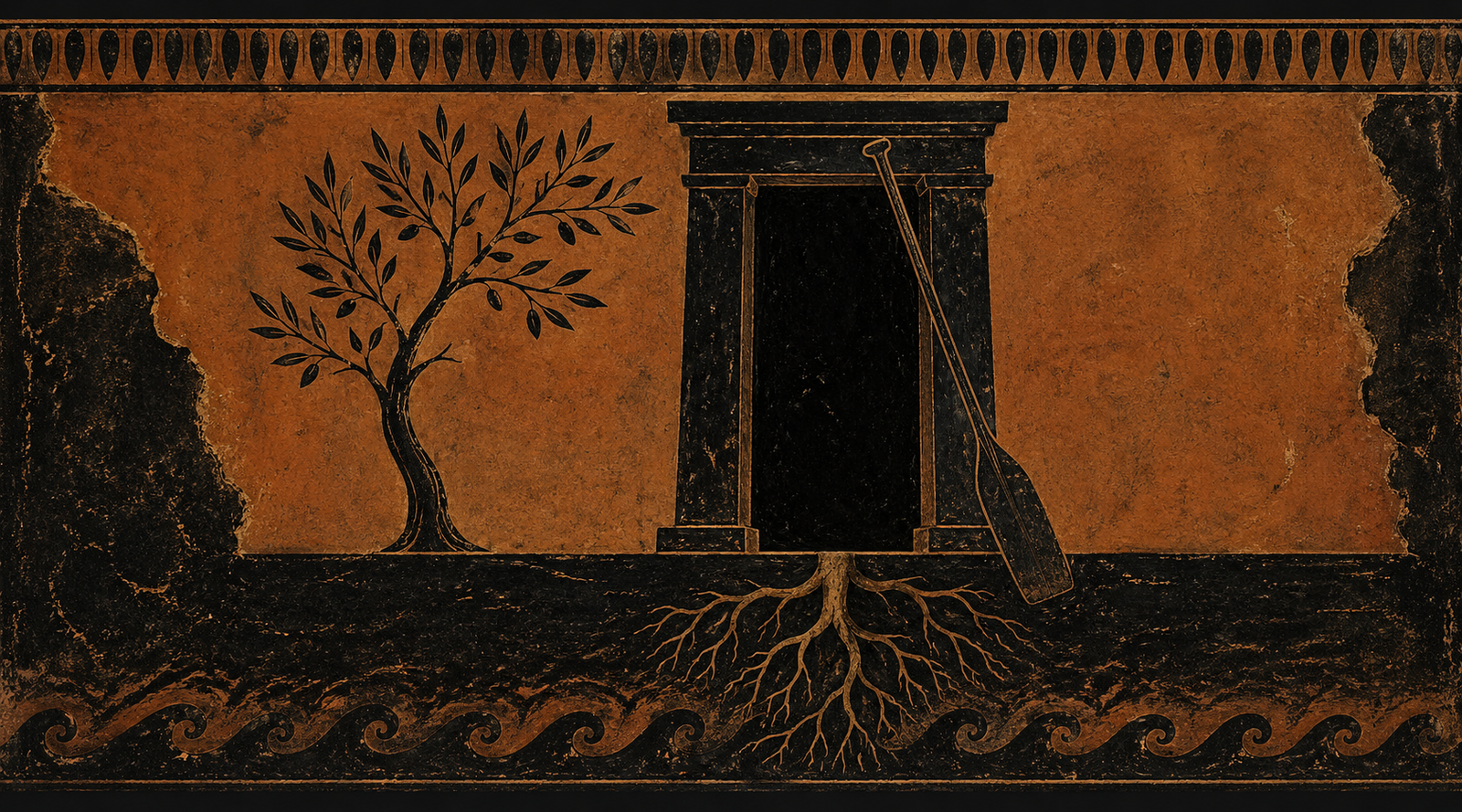

After the Door
Arrival is geographic. Return is moral. A ship can bring a man to shore, but no proof can make twenty years unhappen.
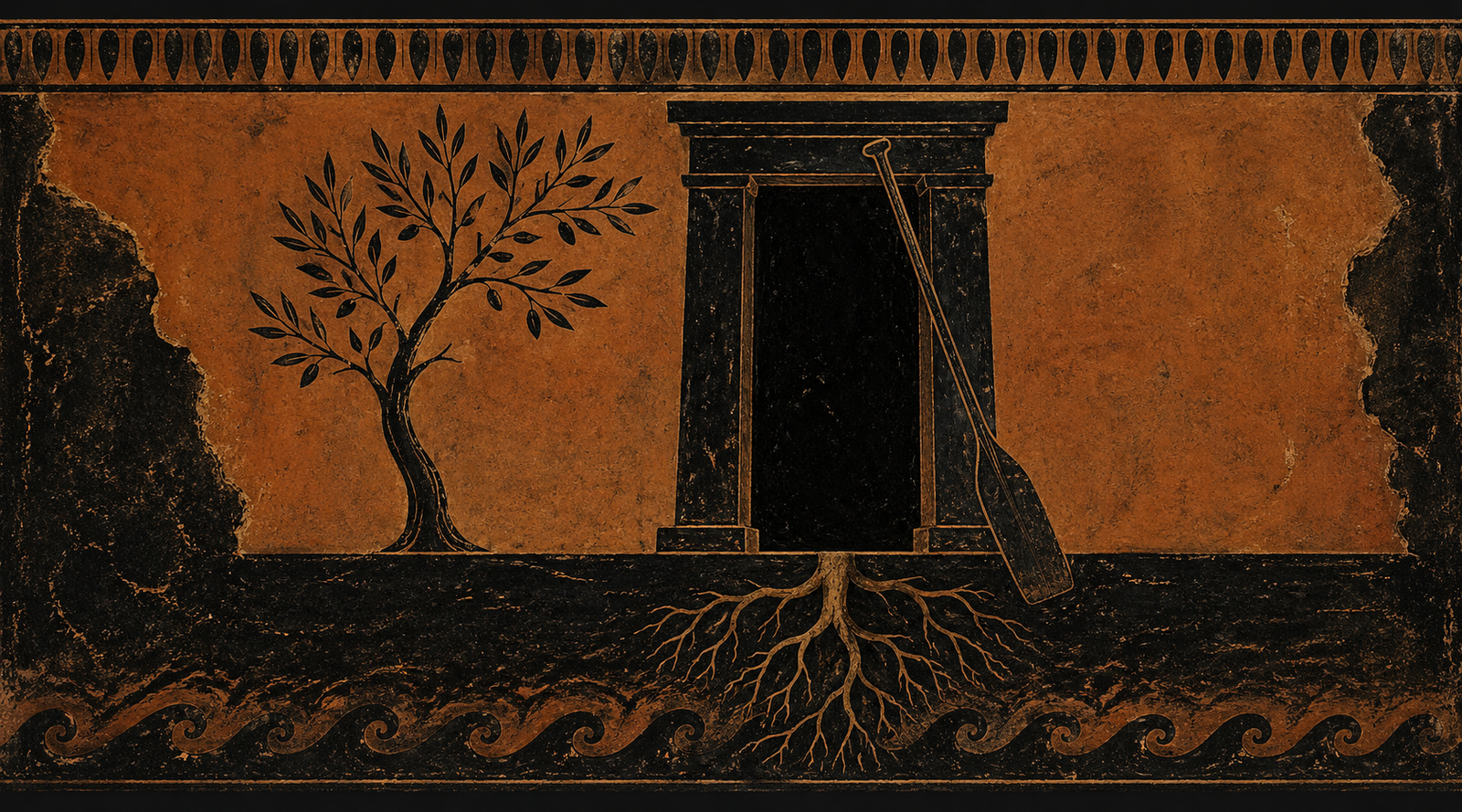

No Man Comes Home XII — The Long Work of Morning
No proof can make twenty years unhappen. No door opens backwards. Odysseus had come home by hiding, and now the house required him to be known
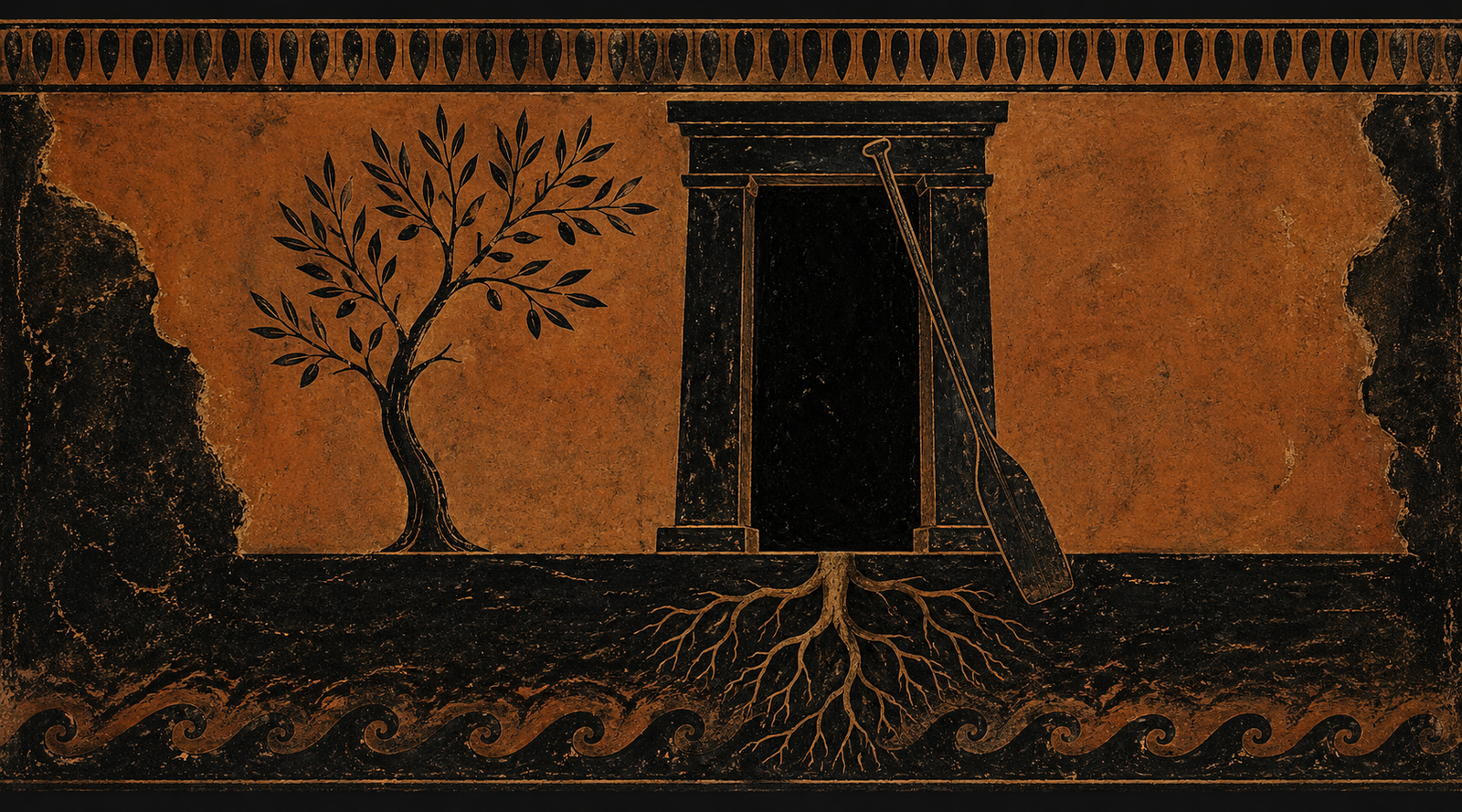

No Man Comes Home XI — The Woman Who Waited Without Waiting
The nurse had recognised. The son had recognised. The bow had recognised. Penelope would not let even the true Odysseus become another false completion.
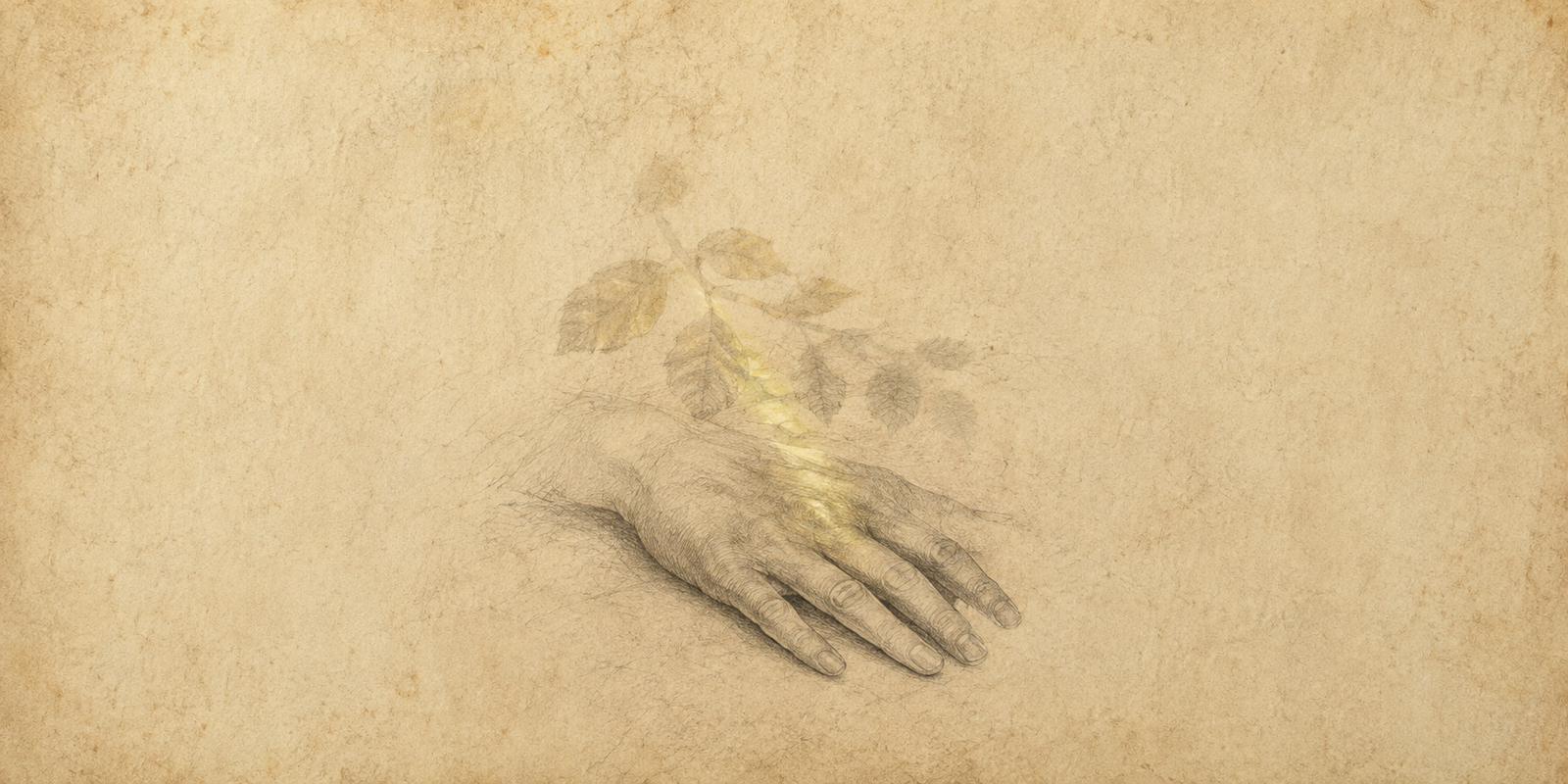

The Joy Sorrow Cannot Foresee
Sam wakes beneath green leaves and asks whether everything sad will come untrue—but Frodo’s wounded hand already complicates the answer. This Mytharium essay explores Tolkien’s eucatastrophe, grace at Mount Doom, and the sudden joy that does not erase sorrow but denies it final authority.
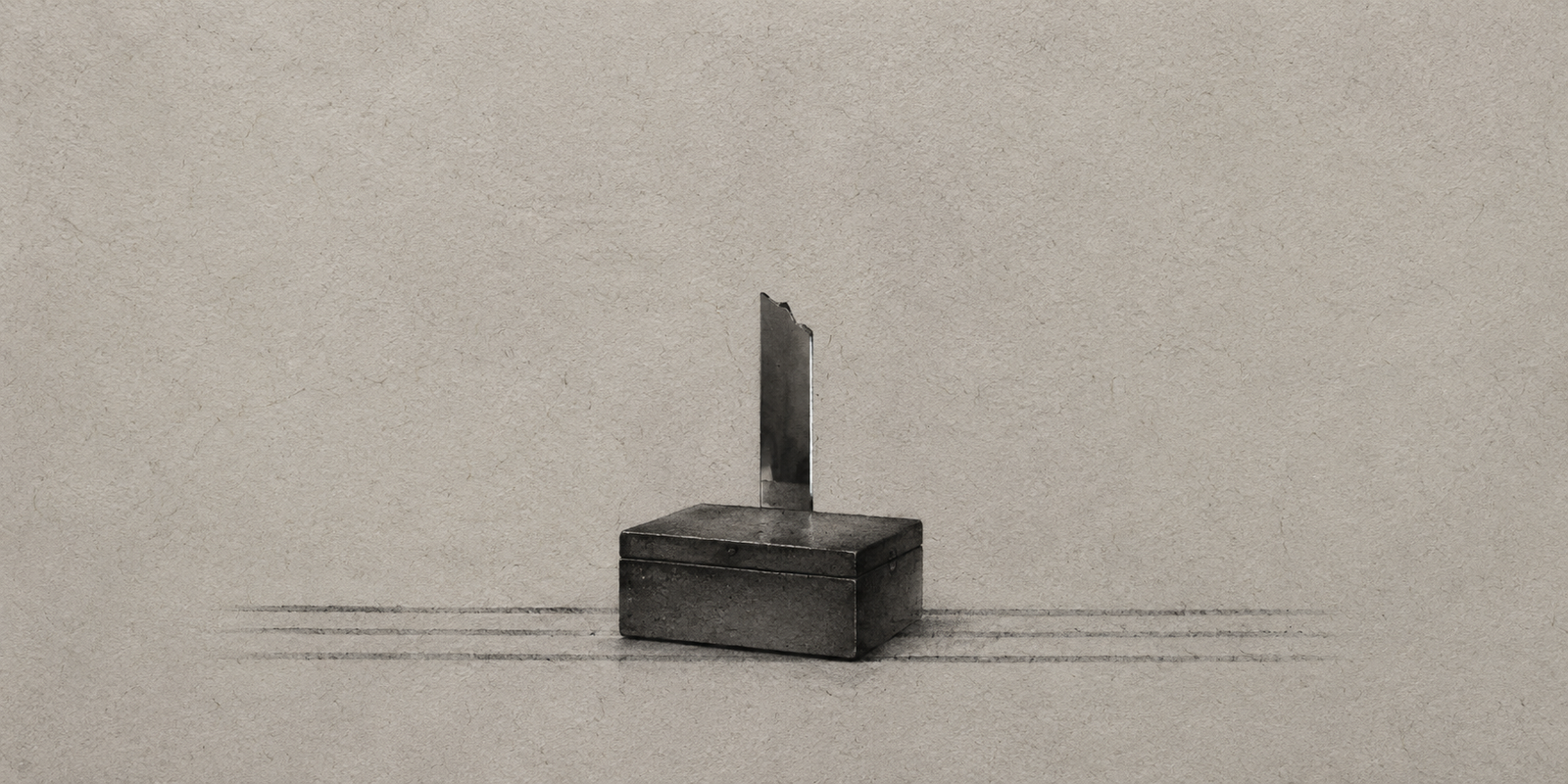

The Mirror, the Ledger, and the Box
Three ordinary acts—tending a mirror, keeping a ledger, reading a page—draw three voices into the same unseen machinery. In this original flash-fiction triptych by Lucas Varro, hunger becomes debt, witness becomes participation, and attention itself acquires a price. Enter through Mirror Hunger, where one rule has always been enough: do not lean close.
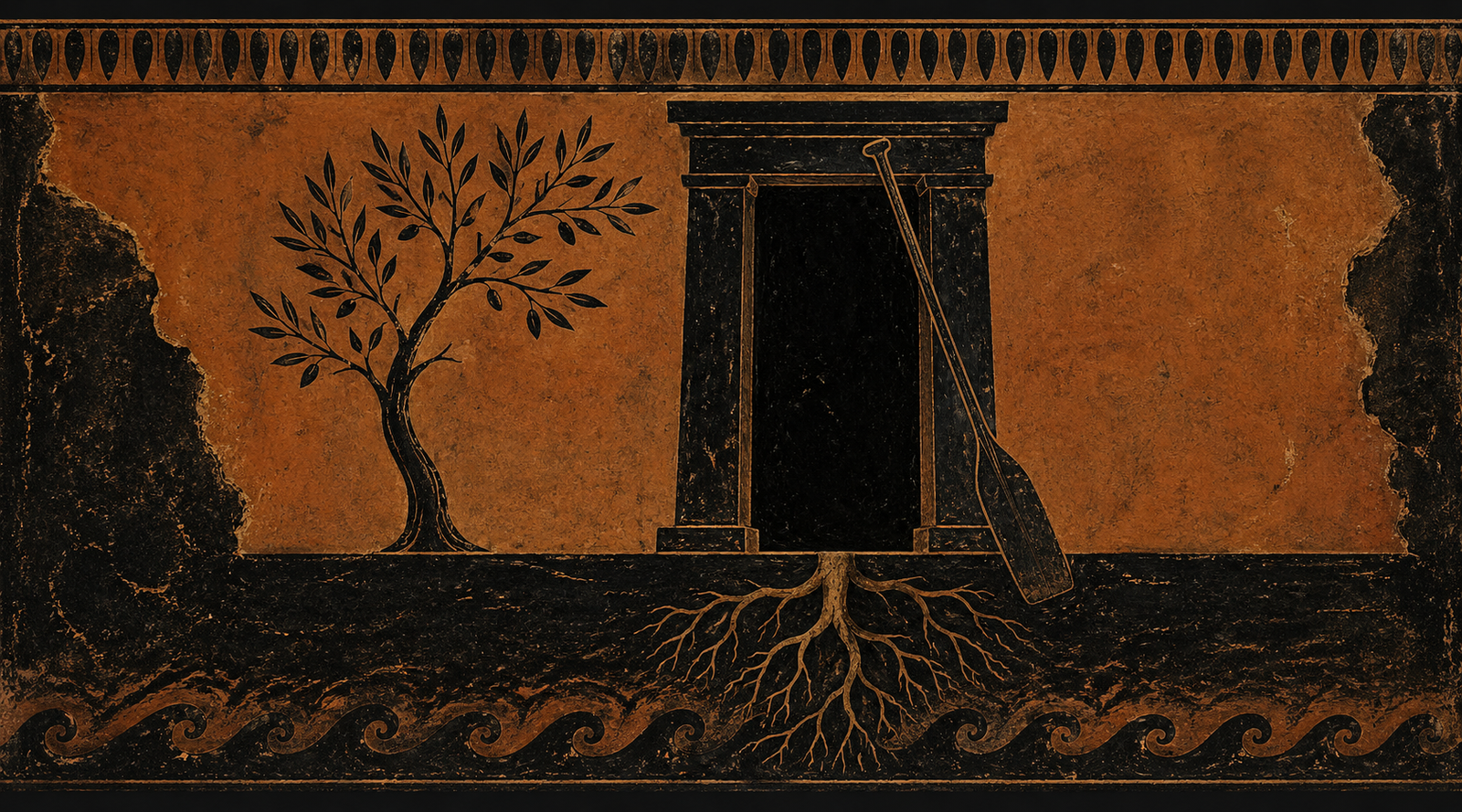

No Man Comes Home X — The Hall Reveals Itself
Odysseus returns to Ithaca disguised as a beggar, but the first creature to recognise him is the neglected dog Argos. In this severe literary retelling of The Odyssey, the king enters his own hall as need, and every act of hospitality, contempt and blindness becomes part of the house’s final testimony.
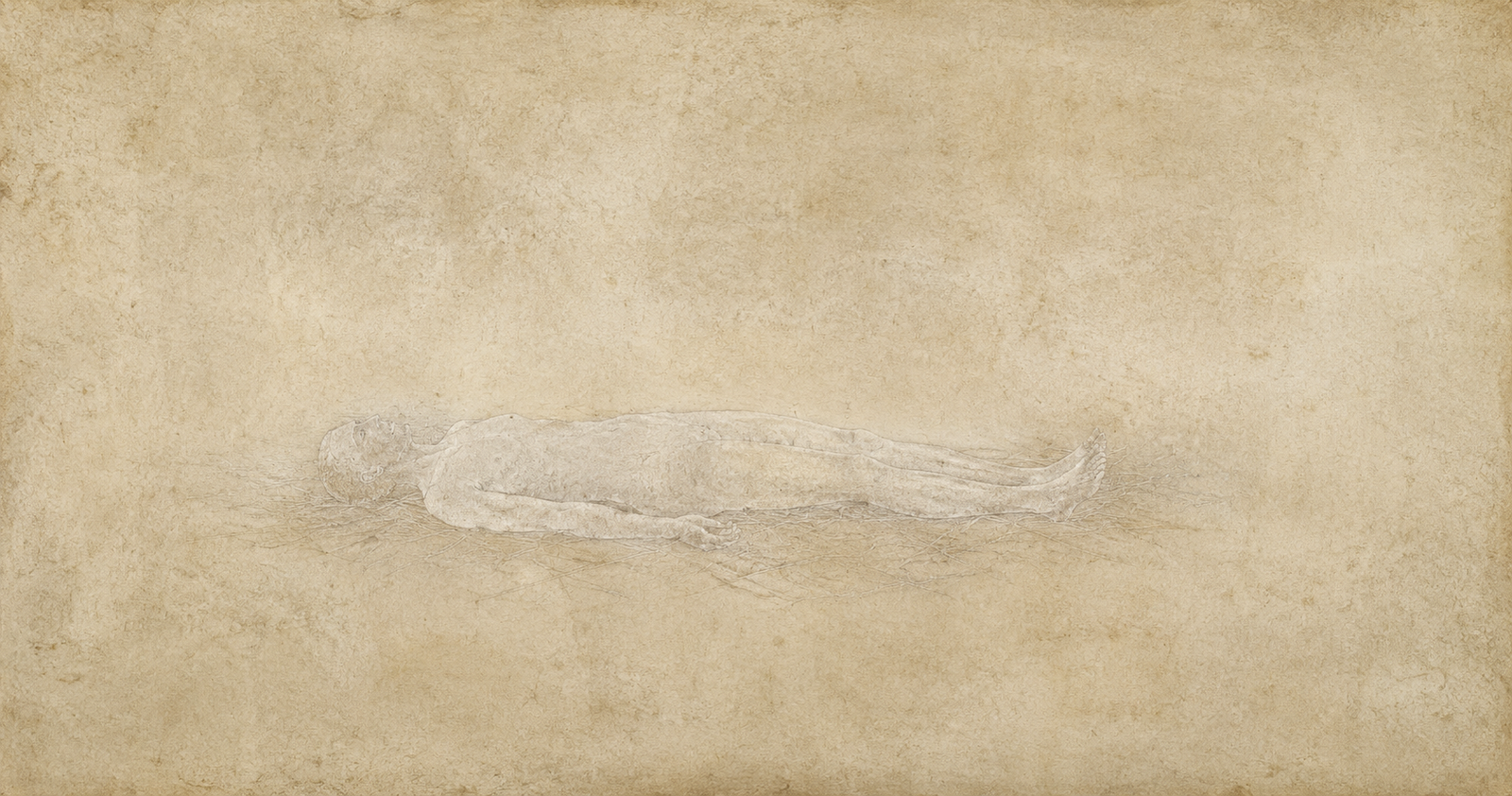

The Body on the Sacred Grass: A Vedic Myth Retelling
A source-faithful literary retelling of the Purusha Sukta from the Rigveda. The gods lay the immeasurable Purusha upon the sacred grass, and from the primordial sacrifice begin to emerge animals, ritual speech, human order, and the cosmos itself. Yet the world will receive only one quarter of him.
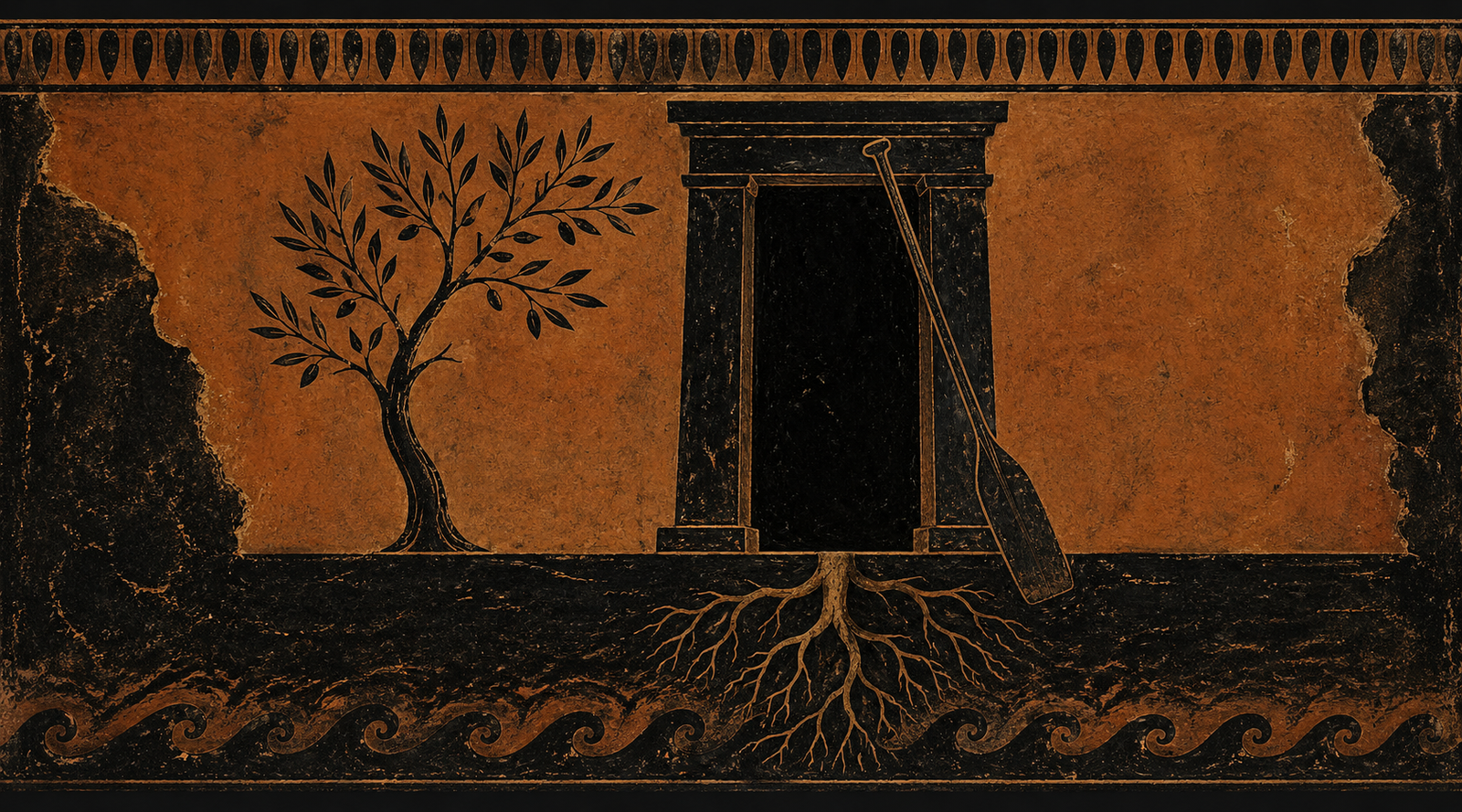

No Man Comes Home IX — The Beggar at His Own Door
Odysseus reaches Ithaca at last, but return does not grant him recognition, reunion, or peace. Disguised by Athena as a beggar, he must enter his own kingdom without name or power and allow the house to reveal what it has become. The ninth canto of No Man Comes Home turns homecoming into a test of loyalty, restraint, and concealed violence.
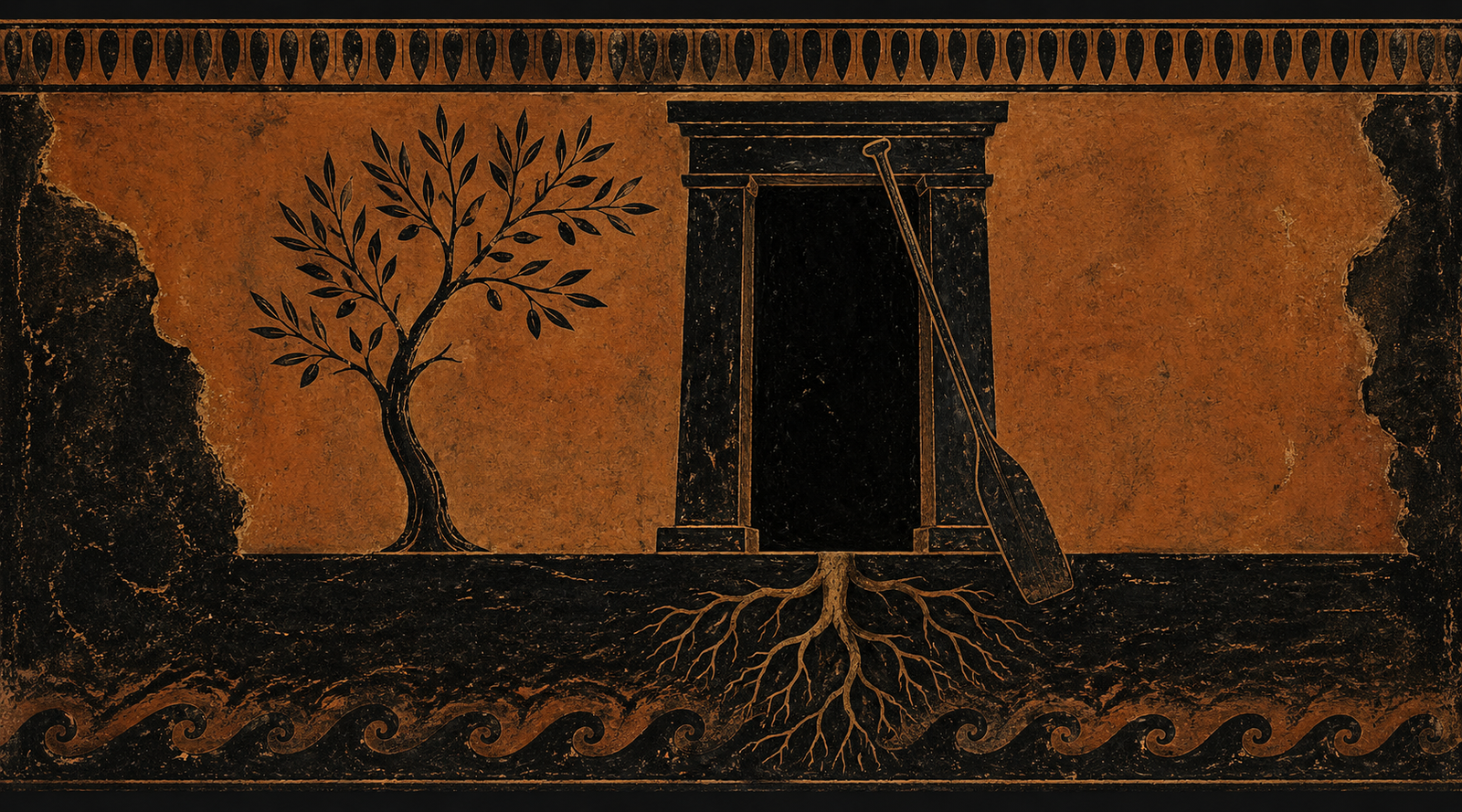

The Objects That Know Him
Name, oar, wax, scar, bow, bed, door: ordinary things carry a quieter authority beneath the marvels of The Odyssey. This House of Cadmus essay considers how objects recognise Odysseus, judge the concealments that preserved him, and make return more difficult than merely reaching Ithaca.
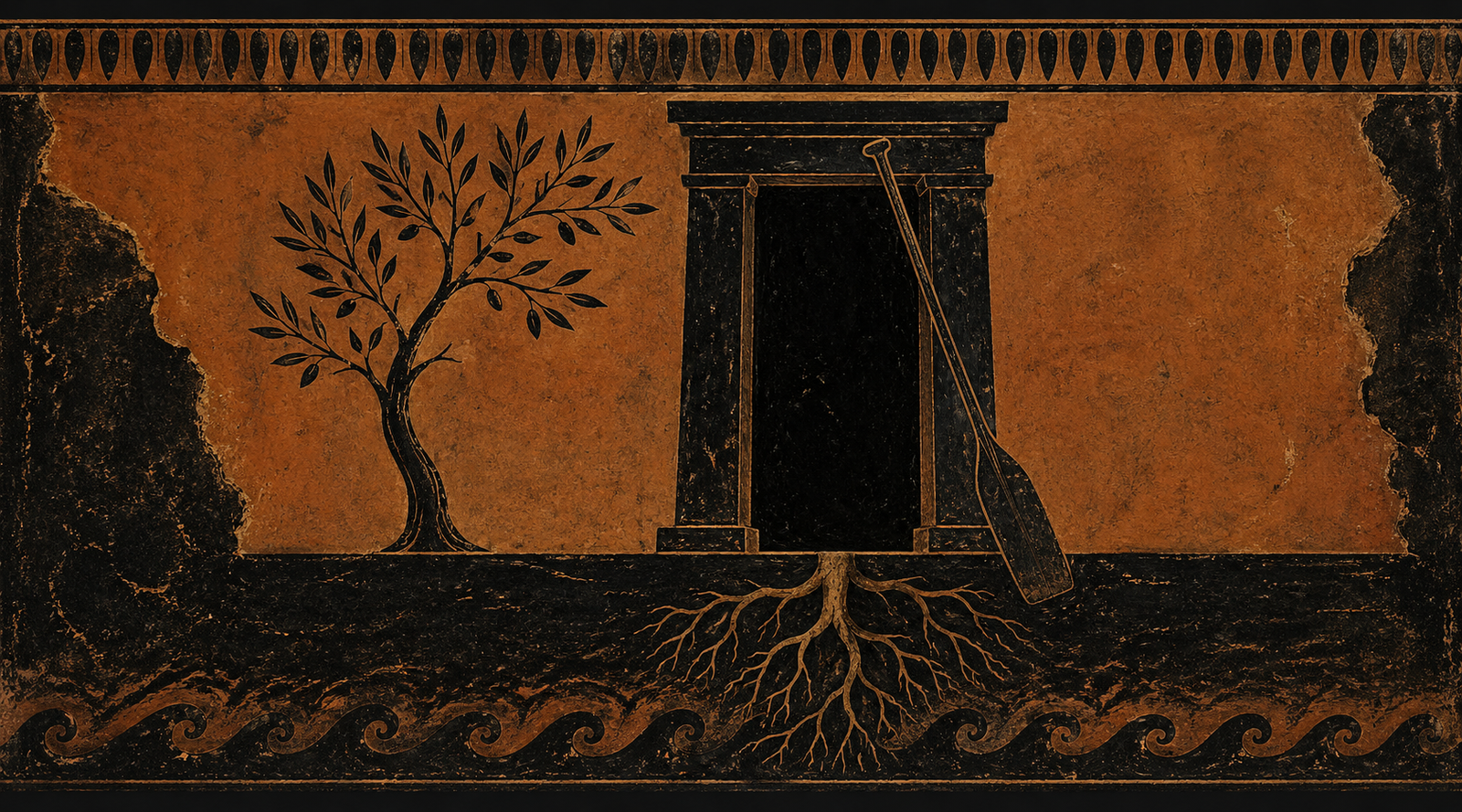

No Man Comes Home VIII — What the Oarsmen Did Not Hear
Odysseus seals his oarsmen’s ears with wax and orders them to bind him to the mast. In this severe literary retelling of the Sirens episode from The Odyssey, knowledge becomes privilege, obedience becomes rescue, and command begins to reveal its hidden cost. The men will row through what they cannot hear. Their captain must live with what he alone receives.
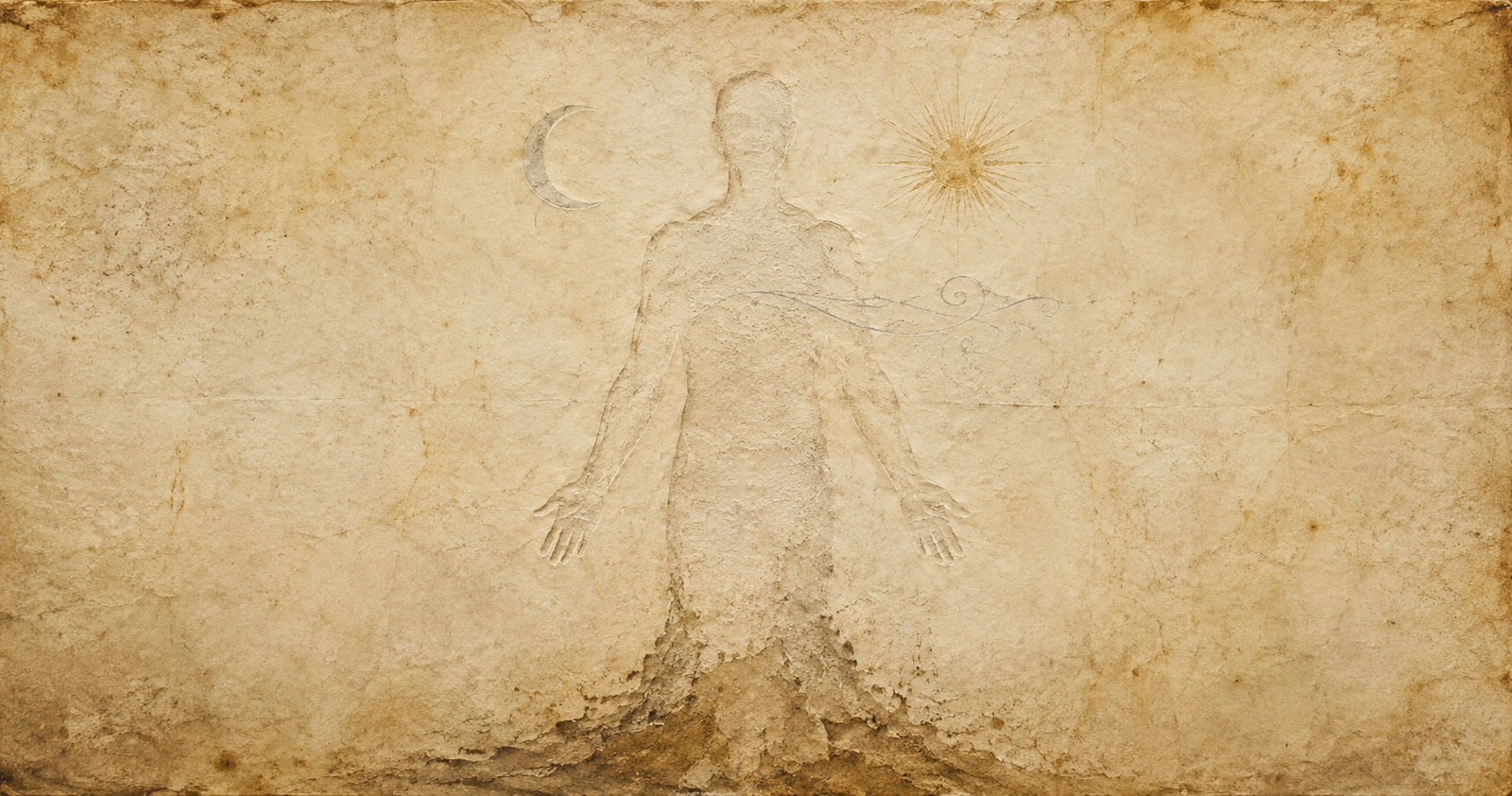

The Body That Became the World
Before the world became separate things, the Rigveda gave it a body. This Mytharium essay reads the sacrifice of Purusha as an image of creation, sacred unity, social hierarchy, and the cost of becoming many.
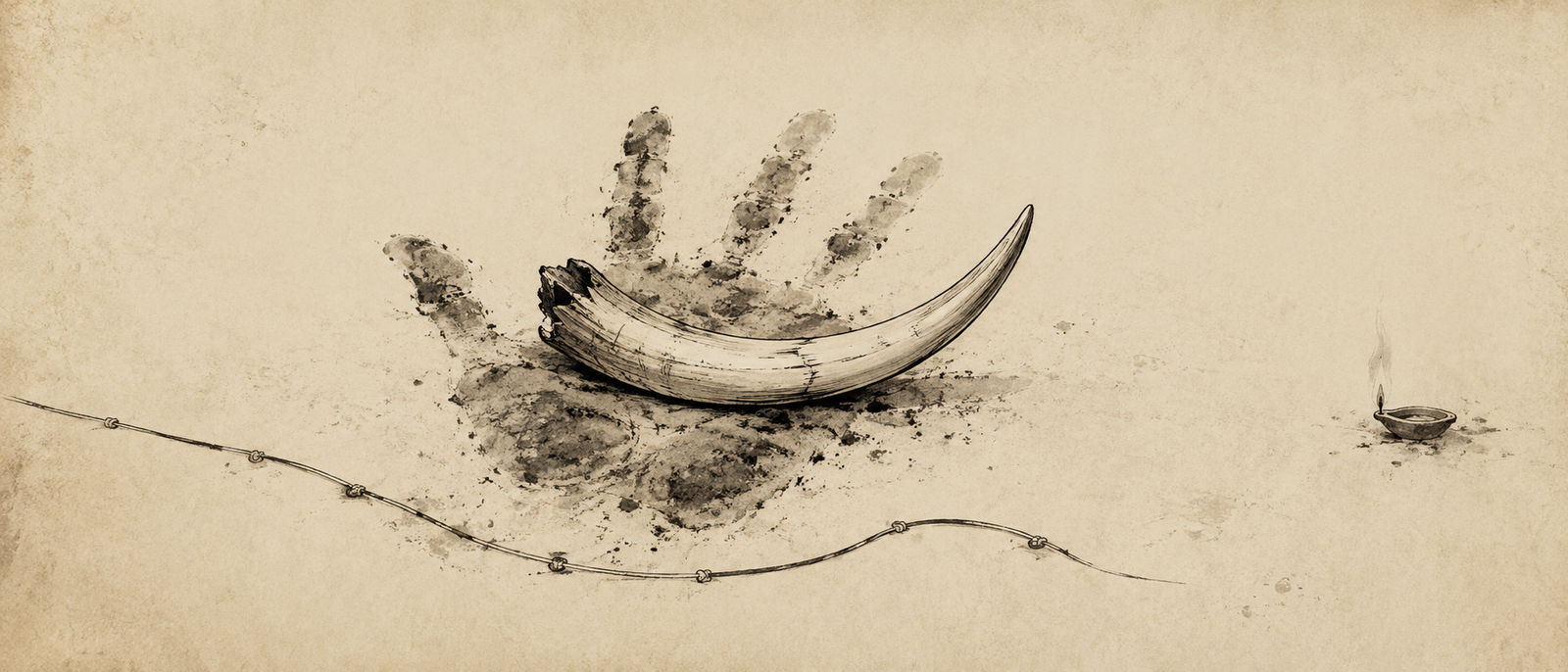

Fires of the Old World XX — The Mud-Hunter
A hearthlit retelling of Arjuna and the Kirata from Fires of the Old World. A warrior seeks a divine weapon in the forest, but the god comes first as a mud-dark hunter, laughing beside a fallen boar, before the open hand can receive what pride cannot hold.
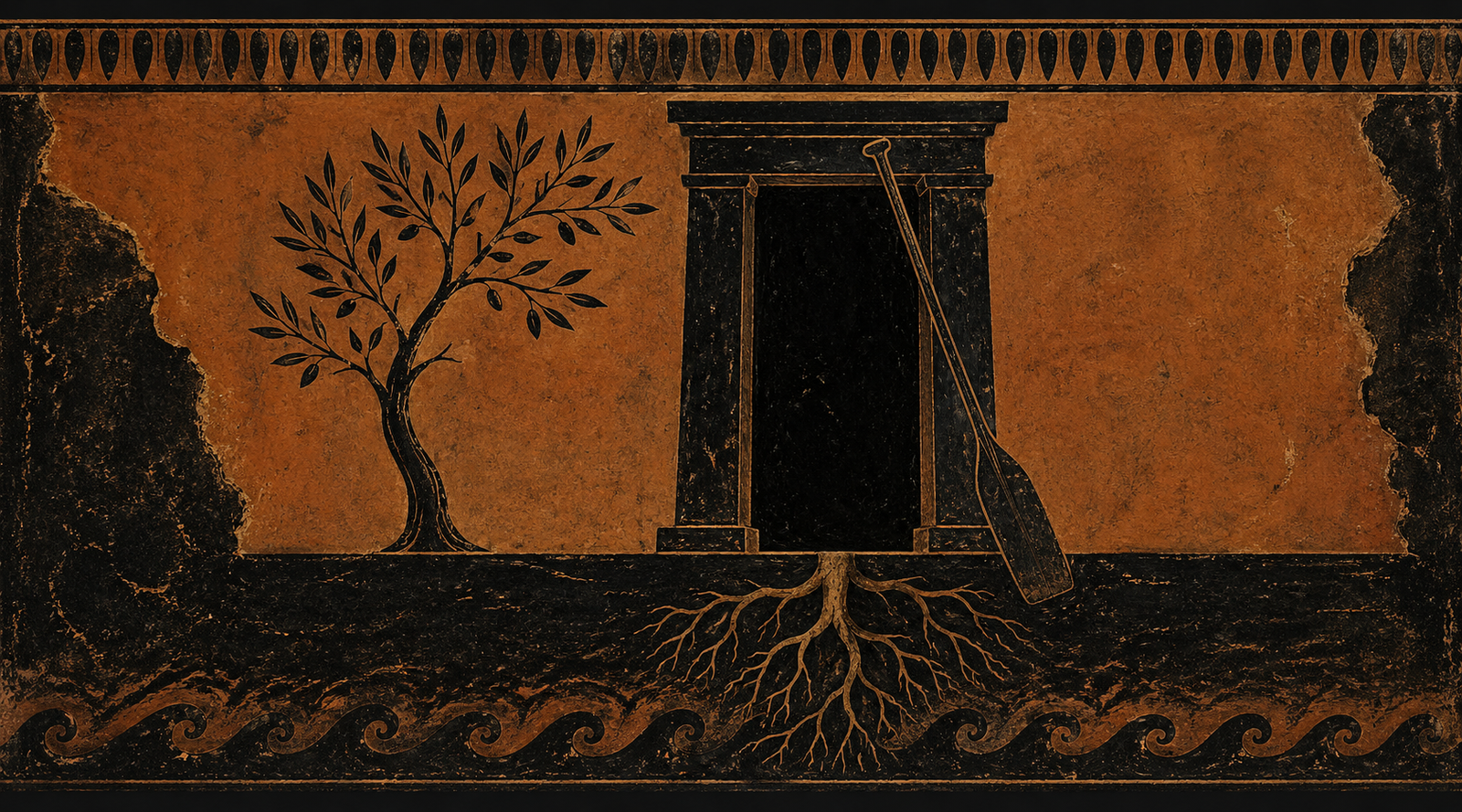

No Man Comes Home VII — The Dead Know the Way Home
Odysseus enters the underworld seeking the road to Ithaca. Before Tiresias can reveal the future, however, the dead confront him with an older obligation: the companion left unburied. A grave literary retelling of prophecy, memory, mortality, and the knowledge that every homecoming contains what cannot return.

Morgoth’s Ring: The World Evil Cannot Unmake
A serious Mytharium reading of Morgoth’s Ring, Arda Marred, Sauron, matter, evil, and Tolkien’s wounded but good world. The essay asks how deeply evil can enter creation without ever becoming its source.
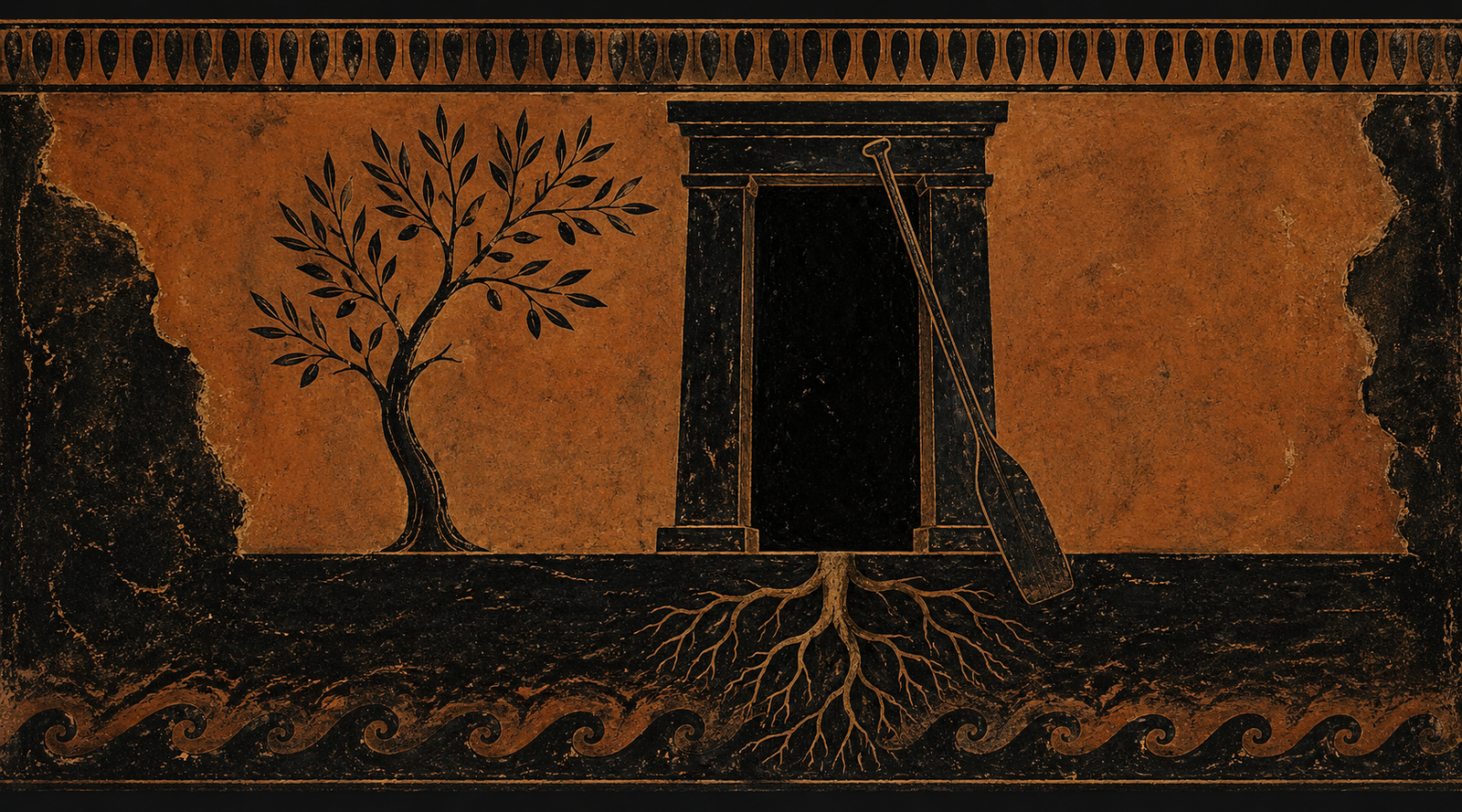

No Man Comes Home VI — The Oar That Could Not Belong
A grave Odyssey retelling from No Man Comes Home: Tiresias gives Odysseus a prophecy stranger than return itself. After Ithaca, after the suitors, after the bed and the bow, he must carry an oar inland until the sea’s own instrument is mistaken for something else.
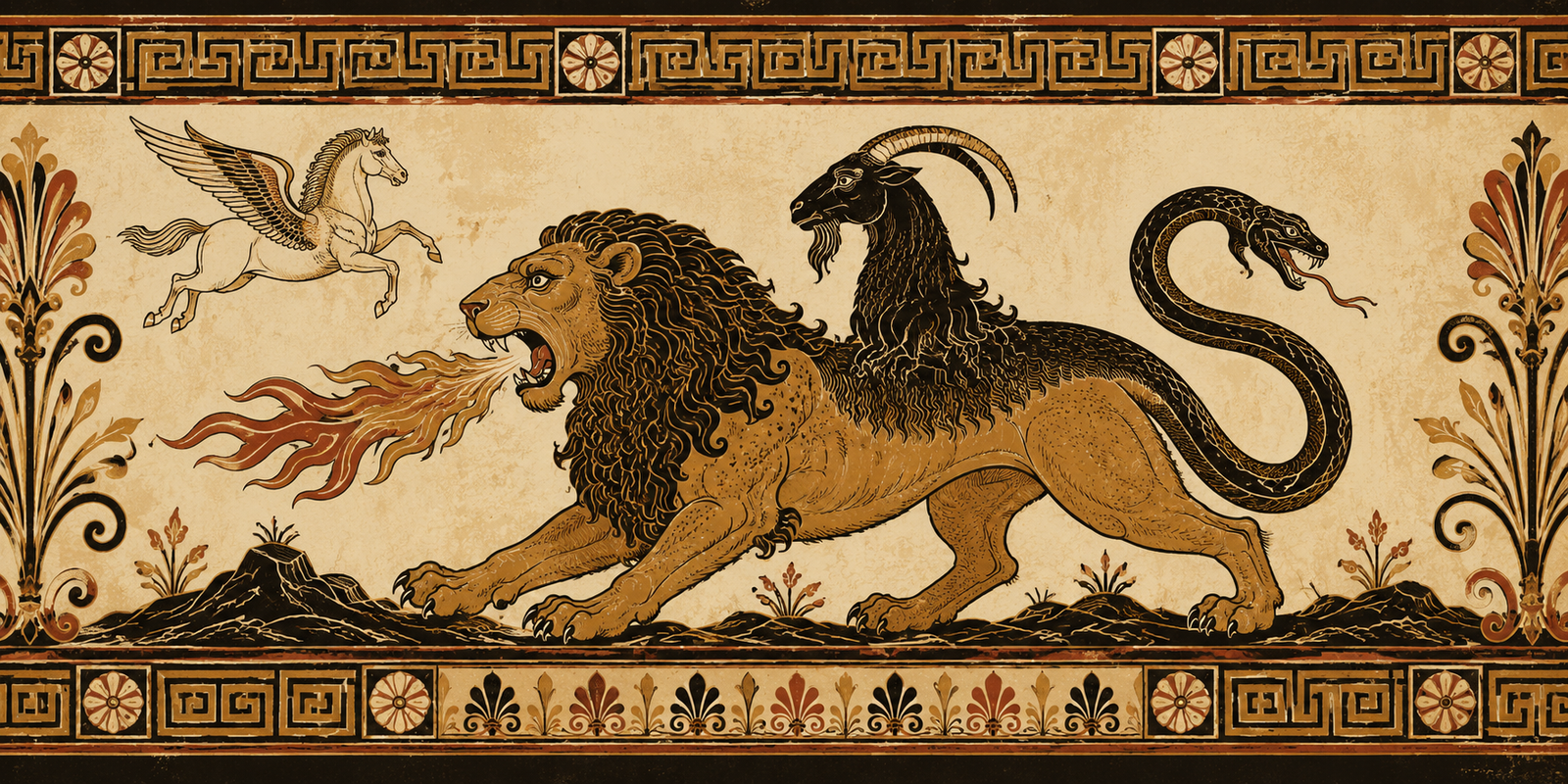

The Chimaera
A child-readable Greek myth guide to the Chimaera: lion, goat, serpent, fire, and the monster’s many joined dangers. This excerpt from The Greek World shows why Bellerophon needed Pegasus, and why the Chimaera is not merely a strange animal mixture, but a precise Greek monster-sign.

The Evil That Wants No World
A serious Tolkien essay on Morgoth, Sauron, domination, nihilism, and the difference between the will to rule and the will to unmake. The Evil That Wants No World asks why Sauron is Tolkien’s most immediate image of evil, but Morgoth is the deeper terror.

Bellerophon and Pegasus — A Greek Myth Retold for Children
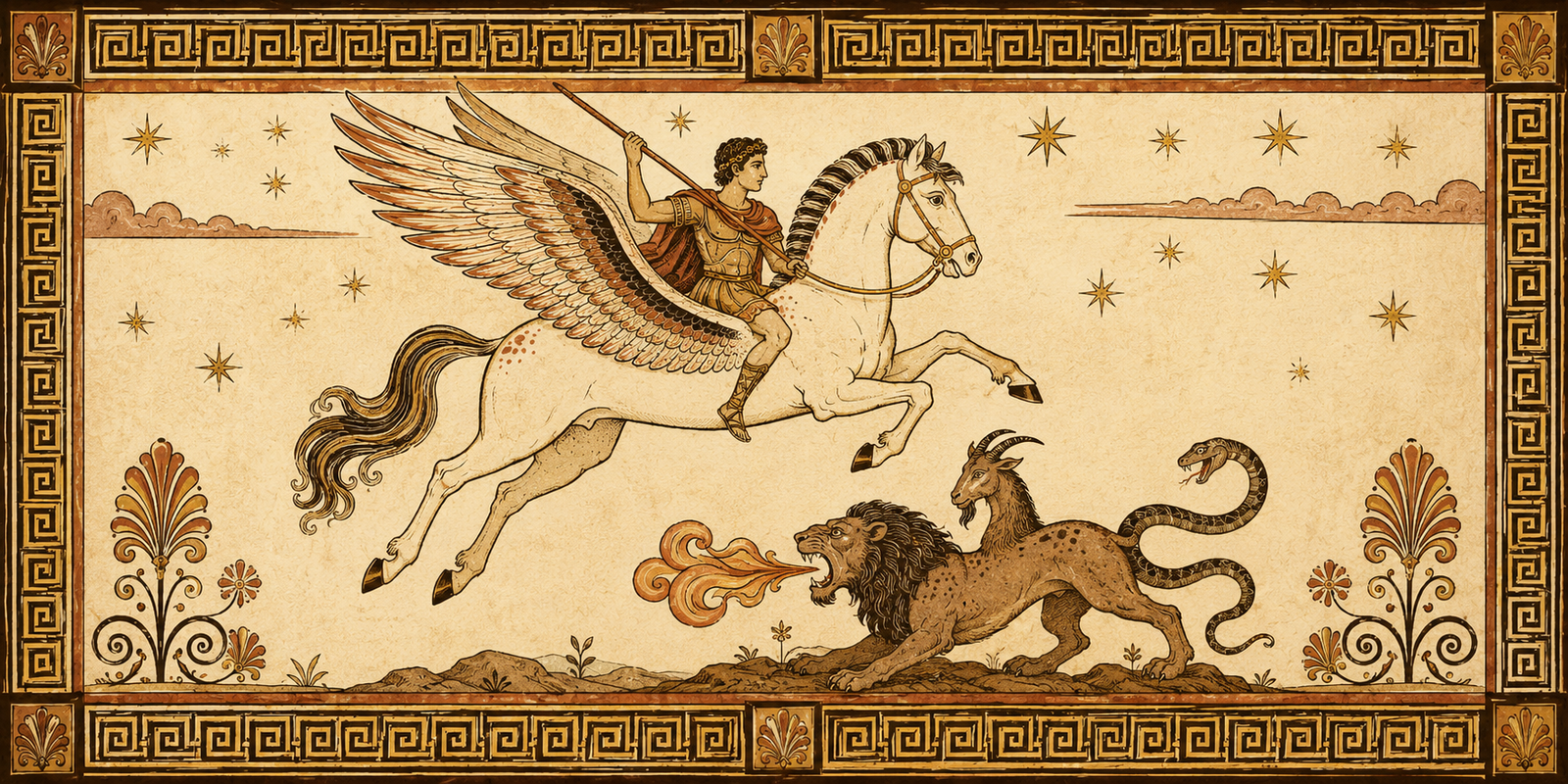
A sealed message, a fire-breathing monster, a golden bridle, and the winged horse Pegasus. This Alexander Series tale retells the Greek myth of Bellerophon for serious child readers, preserving wonder, danger, courage, and the old warning hidden inside height.

The Long Return VII — The Palace of Alcinous
Odysseus reaches the palace of Alcinous, but safety is not yet home. In this seventh instalment of The Long Return, hospitality becomes a moral test: a good house receives the stranger’s body before demanding his story.

The Man in the Ashes
A grave Mytharium retelling from the Book of Job: a righteous man is brought to ashes, his friends sit with him in silence, and the old story begins its movement toward accusation, whirlwind, and restoration without erasure.
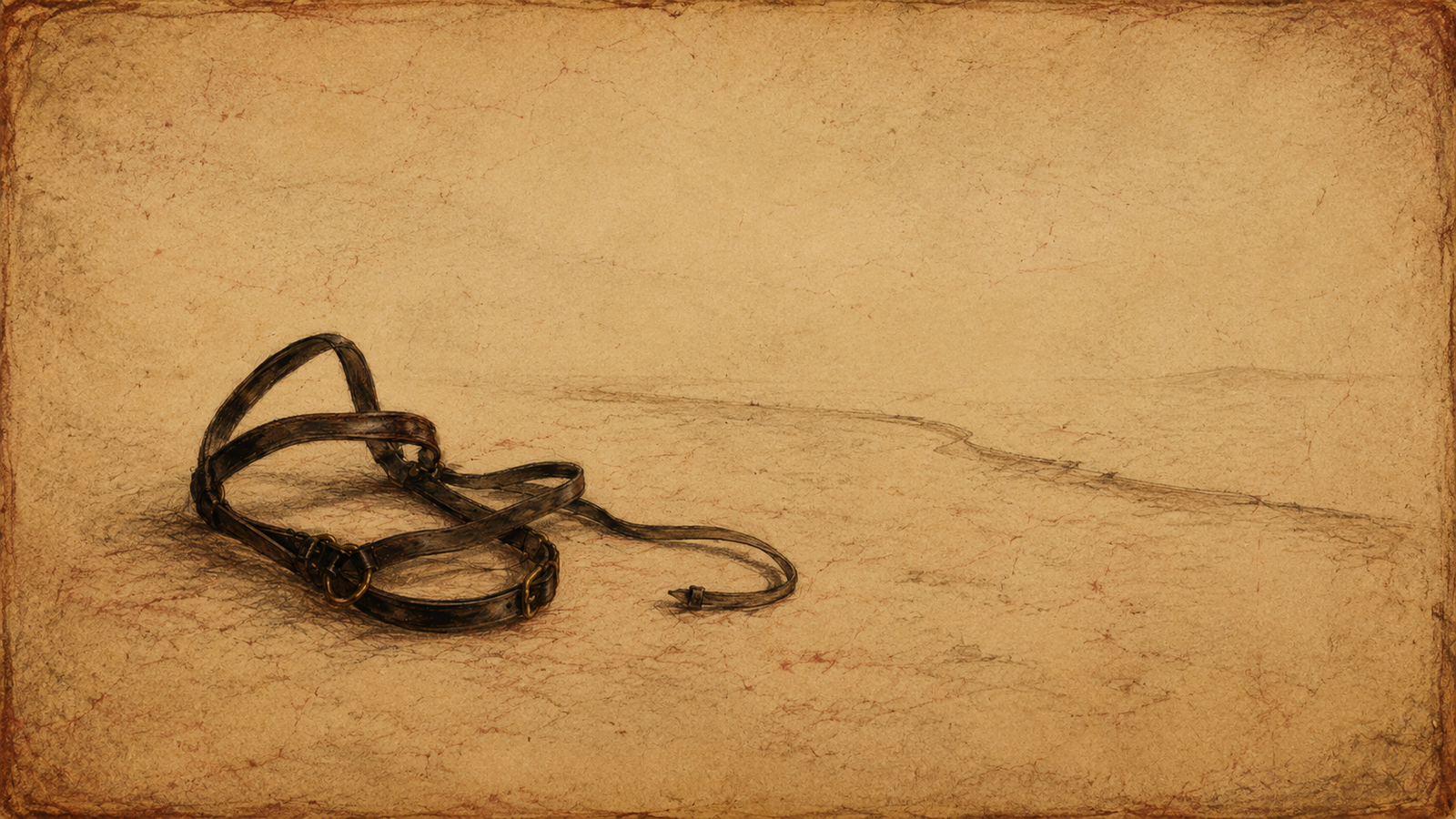

When Favour Is Mistaken for Right
A companion essay to Bellerophon — The Bridle and the Fall, exploring Pegasus, divine favour, the bridle, heroic ascent, and the danger of mistaking help for permanent right. From The Hospitable Dark, this essay asks why Bellerophon’s tragedy is not false greatness exposed, but real help wrongly remembered.
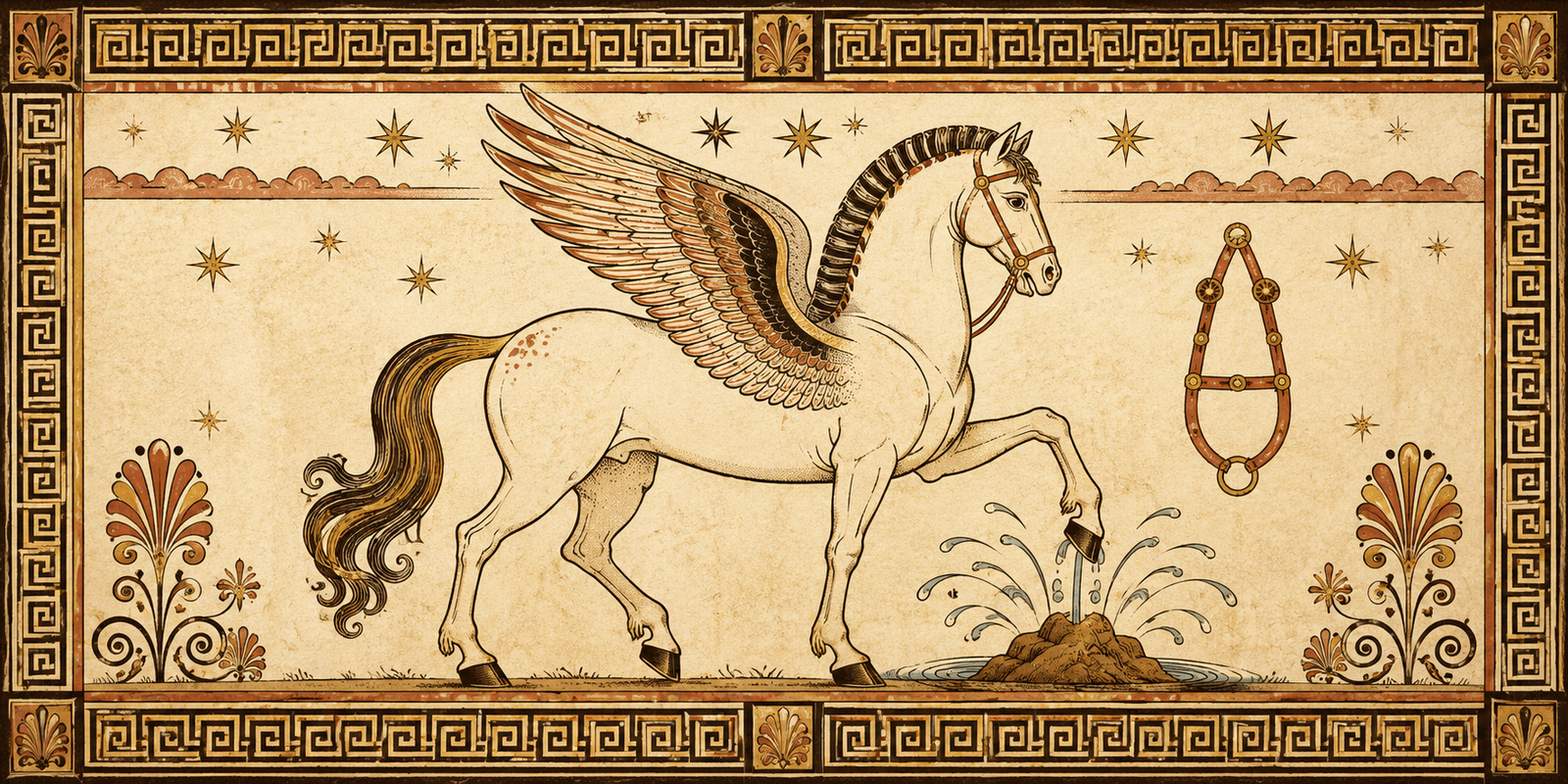

Pegasus
Before Bellerophon takes the bridle, a child should know that Pegasus is not a pet, not a cloud, and not a harmless fantasy creature. This Greek World entry introduces the winged horse of Greek myth as wonder with hooves, wings, danger, and rules.

Job and the Answer from the Whirlwind
A serious Mytharium essay on Job, suffering, false comfort, and the voice from the whirlwind. The Book of Job does not offer easy explanation; it gives the sufferer scale, silence, and a creation accusation cannot fill.
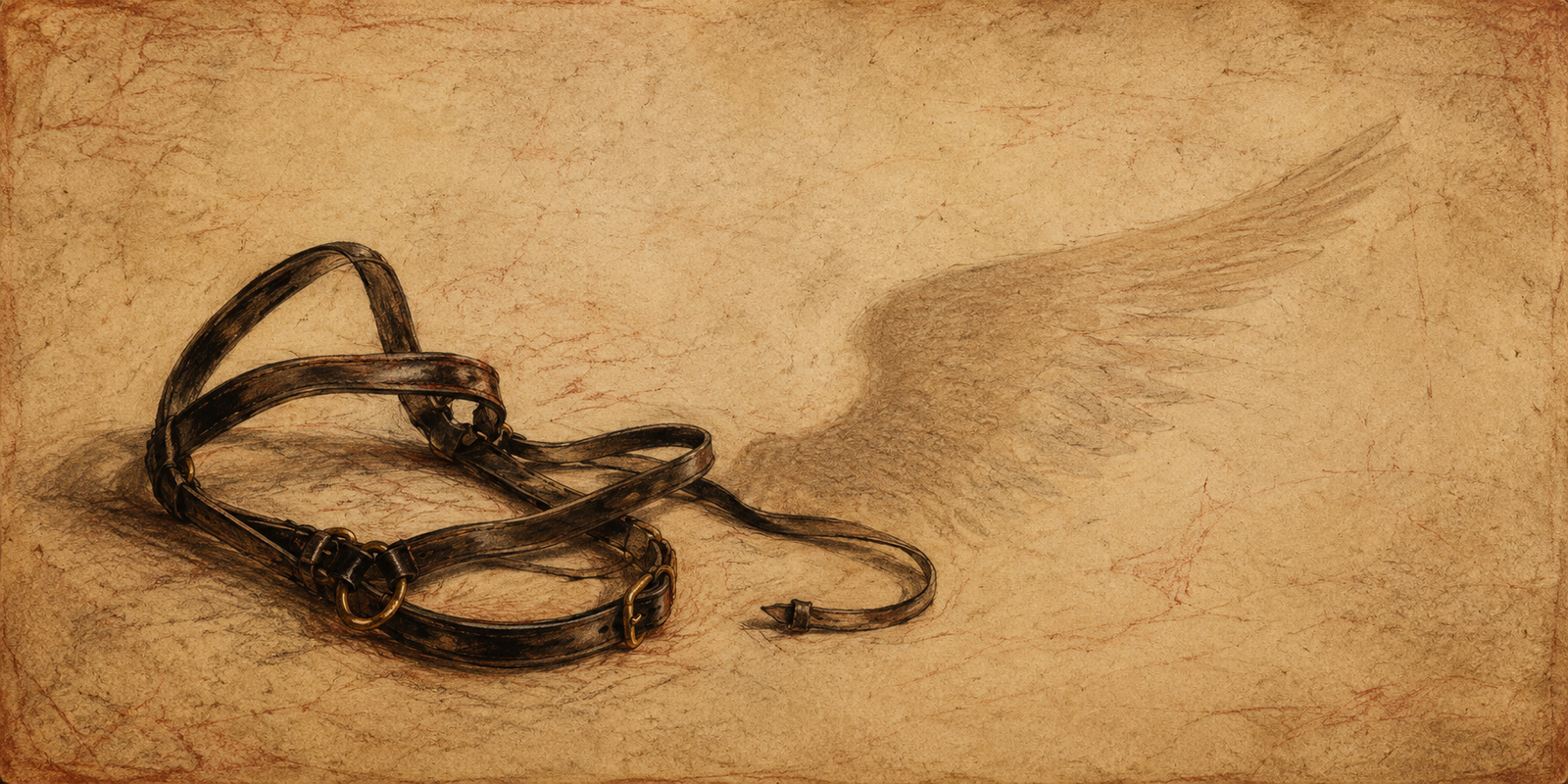

Bellerophon — The Bridle and the Fall
A literary Greek myth retelling of Bellerophon, Pegasus, and the divine bridle: a tale of heroic ascent, misremembered grace, and the moment a true gift becomes proof in the wrong hands. From The Hospitable Dark, where old stories are retold in a warm, grave voice.
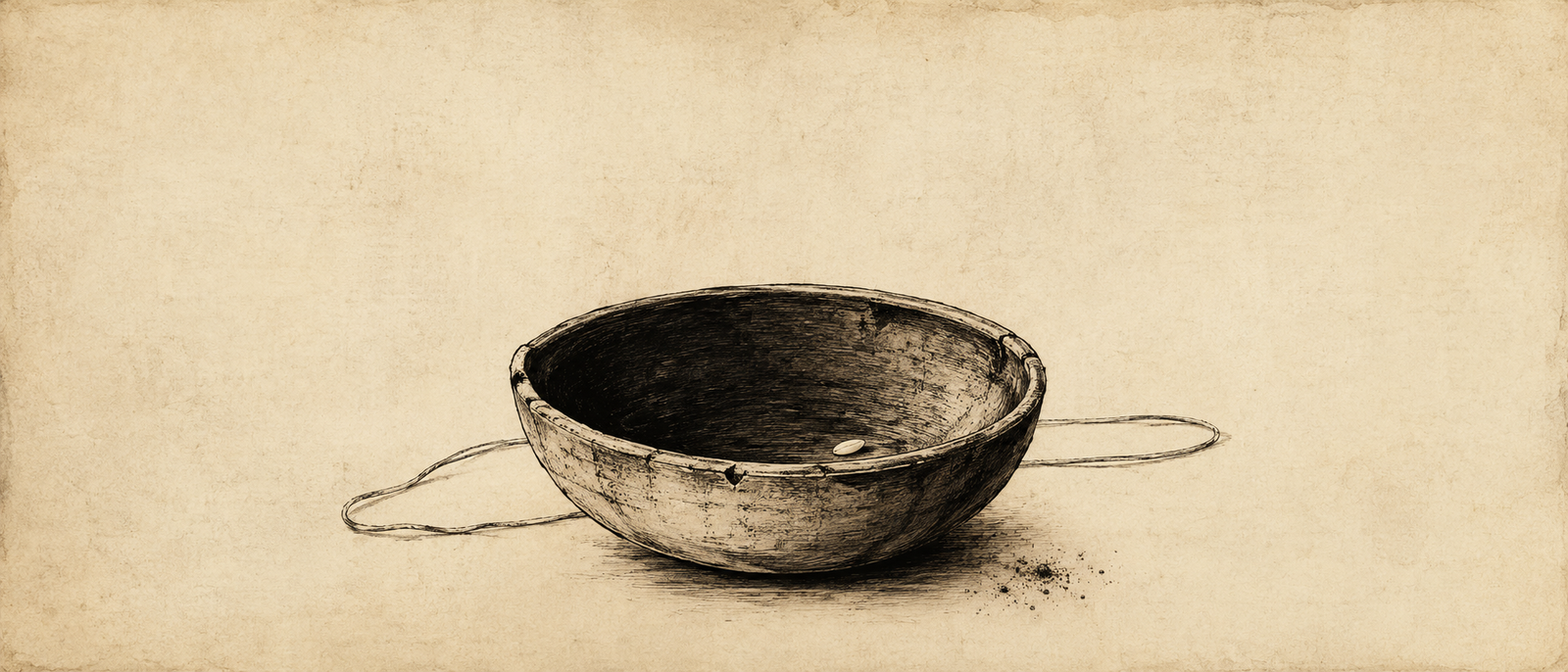

Fires of the Old World XIX — The Beggar God
A hearthlit retelling of Bhikshatana: Shiva enters the forest as a barefoot beggar, carrying only ash, silence, and an empty bowl. In this Fires of the Old World tale, spiritual pride is not defeated by argument or spectacle, but revealed by what the hand cannot yet release.
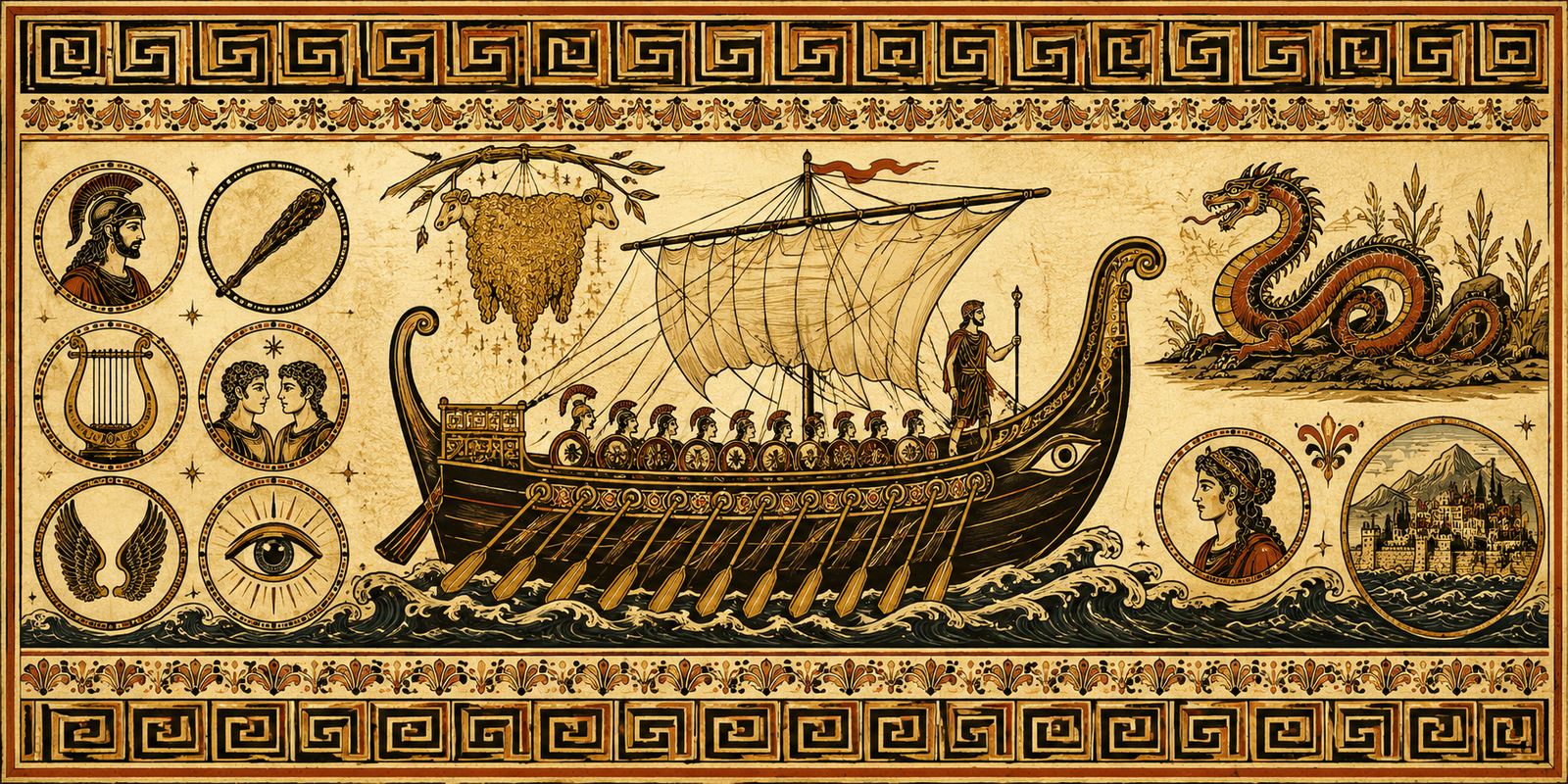

The Argonauts
A child-readable Greek myth guide to the Argonauts: Jason’s ship, the Argo, the heroes aboard her, the Golden Fleece, Colchis, the dragon, and the great voyage that made one hero part of a larger world.
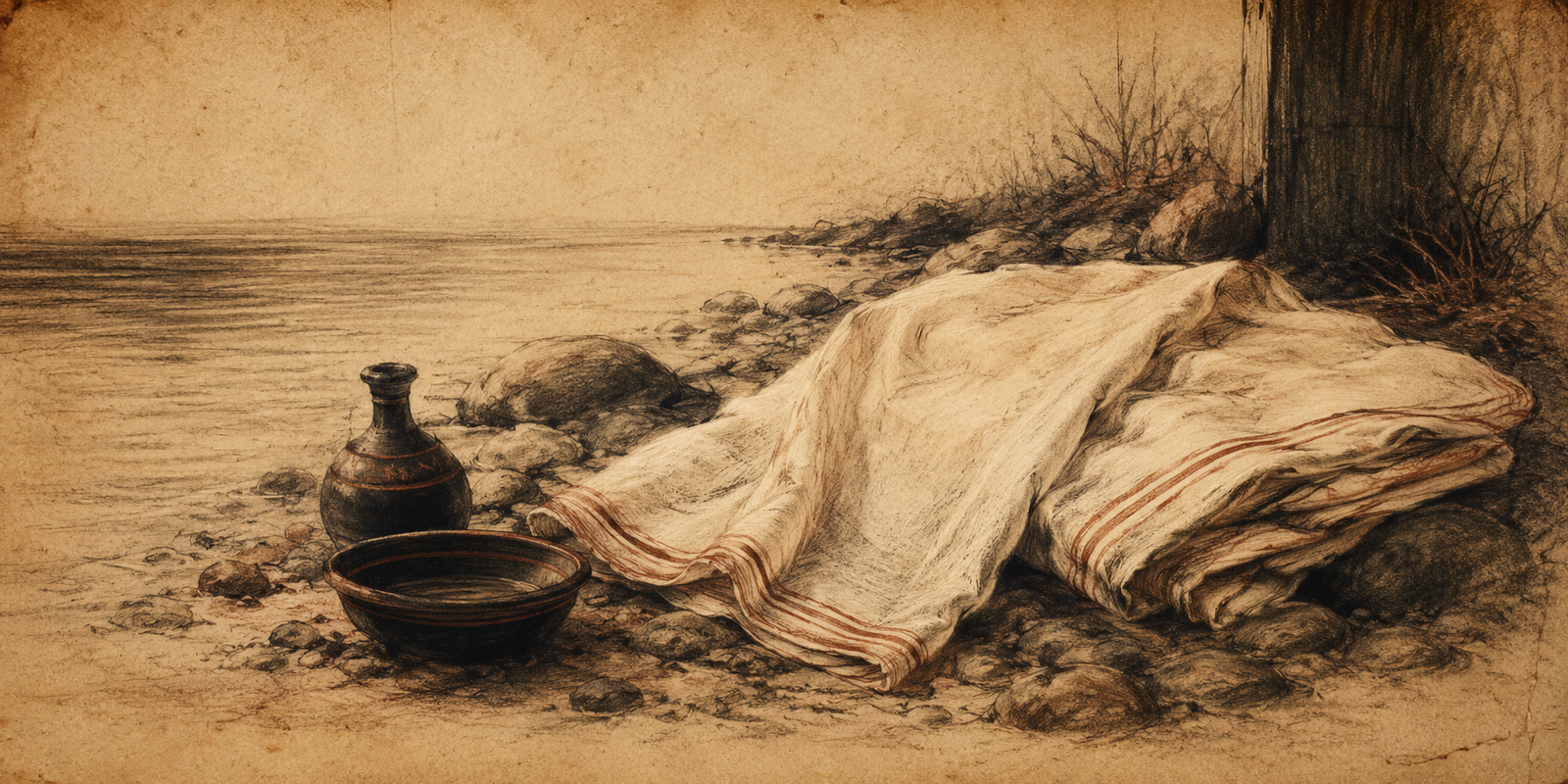

The Stranger, the Girl, and the Law of Mercy
A reader’s guide to Nausicaa, Odysseus, and the law of mercy in Homer’s Odyssey. Before Odysseus can be recognised, he must first be received: clothed, fed, washed, and treated as human before his name has become safe or useful.
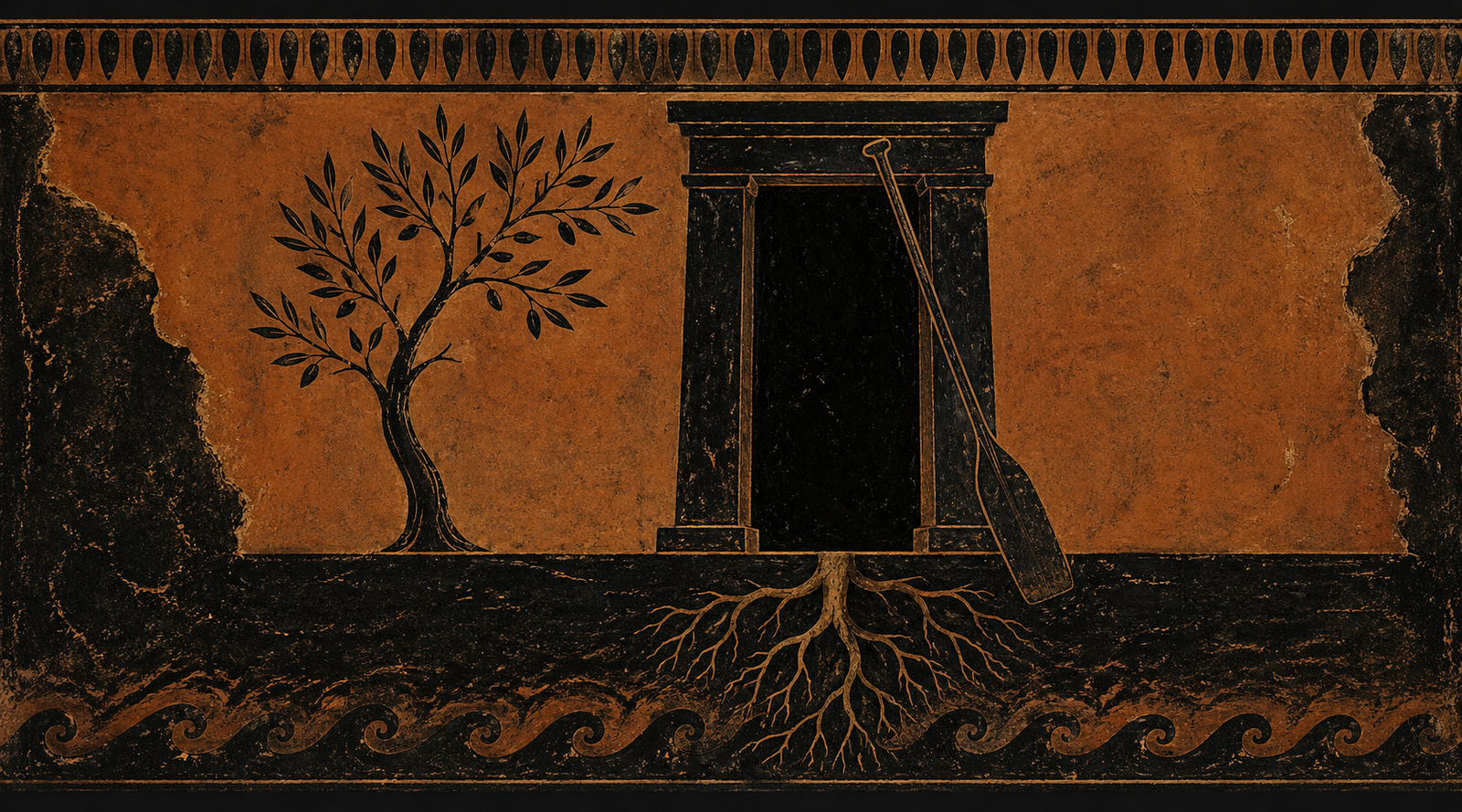

No Man Comes Home V — The Name Inside the Cave
In this fifth canto of No Man Comes Home, Odysseus enters the cave of Polyphemus with no need to be there. What follows is not only a famous Greek myth of cunning and escape, but a severe study of curiosity, leadership, hospitality, and the danger of needing one’s name to be known.
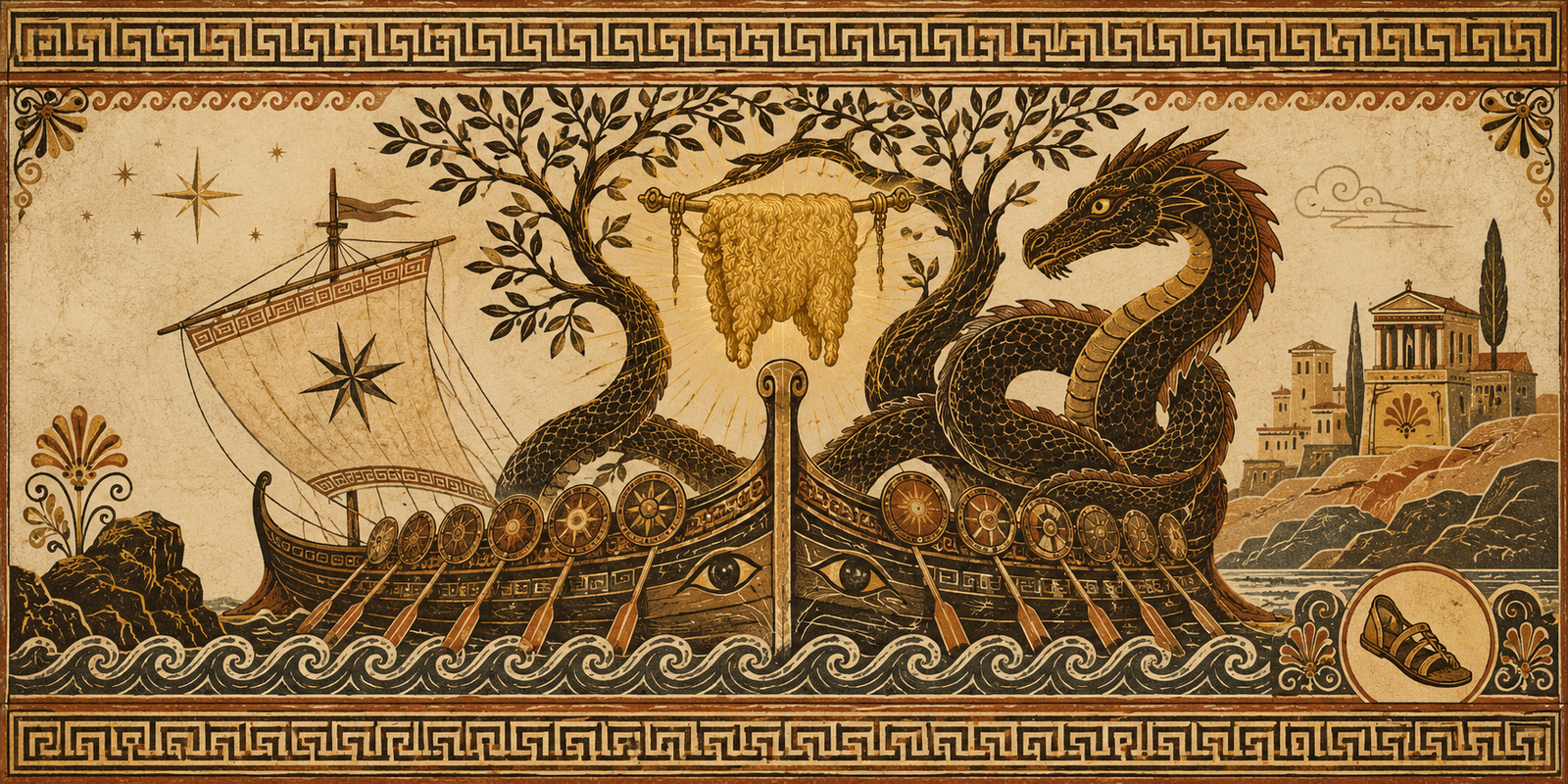

Jason and the Golden Fleece — A Greek Myth Retold for Children
A serious children’s Greek myth retelling of Jason, the Argo, Medea, the sleepless dragon, and the quest for the Golden Fleece. This excerpt opens the tale at the river, where one lost sandal becomes prophecy, danger, and the beginning of a voyage no hero can complete alone.
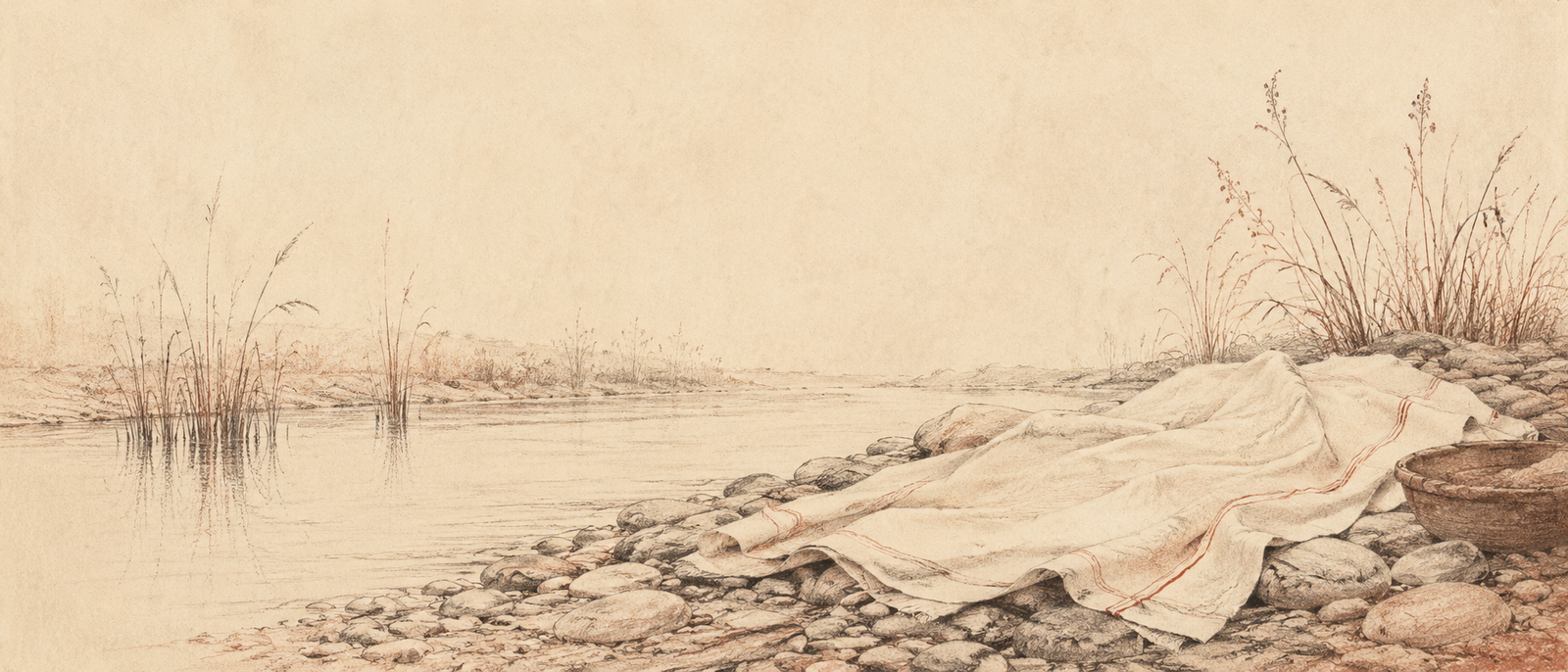

The Long Return VI — Nausicaa at the River
A literary retelling of Odyssey Book VI, where Nausicaa meets Odysseus at the river after the storm. Before the stranger has a name, rank, proof, or story, he has need — and hospitality begins there. A grave, intimate instalment from The Long Return, published at The Hospitable Dark.
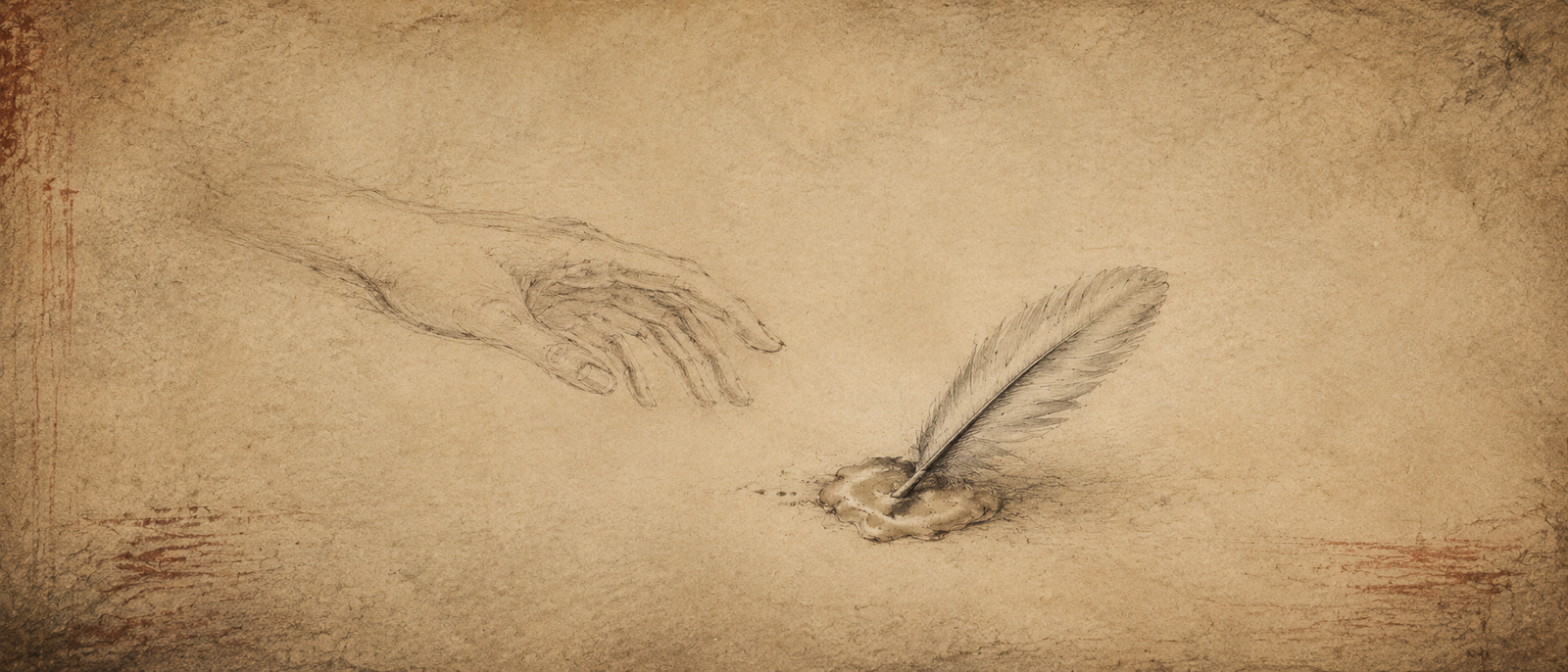

The Limit of the Father’s Hand
A companion myth essay on Icarus and Daedalus, asking why the famous story is not simply a warning against ambition. Beneath the flight and fall lies a more painful truth: a father may make freedom, give warning, and still discover the limit of his hand.
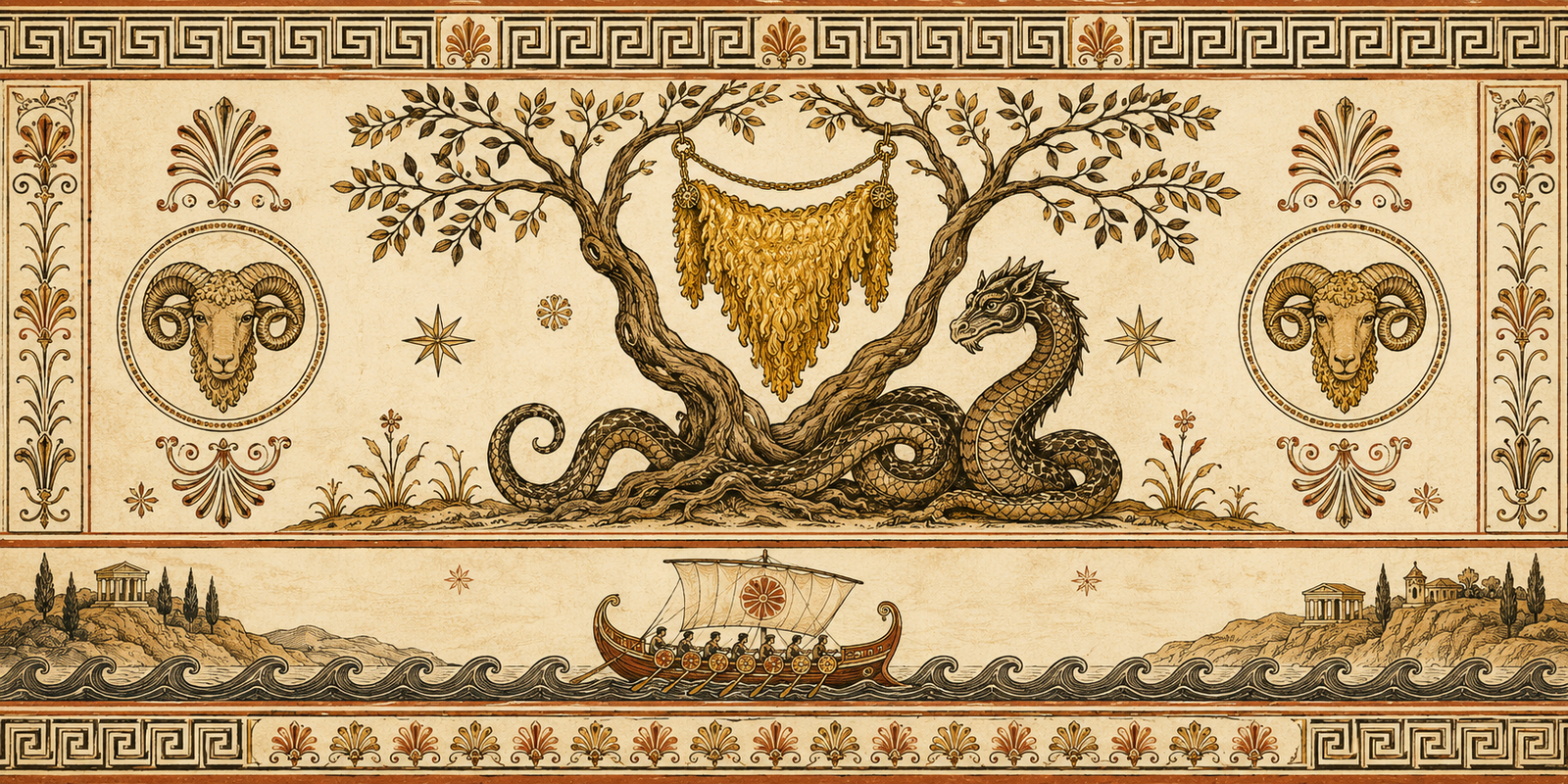

The Golden Fleece — The Bright Object That Begins Jason’s Quest
Before Jason sails for Colchis, there is the Golden Fleece: the bright remainder of an older rescue, kept in a far country, guarded by a dragon, and powerful enough to call a ship across the sea.
This excerpt from The Alexander Series: The Greek World introduces young readers to the golden ram, Phrixus and Helle, Colchis, the sacred tree, and the mythic object at the centre of Jason’s quest.
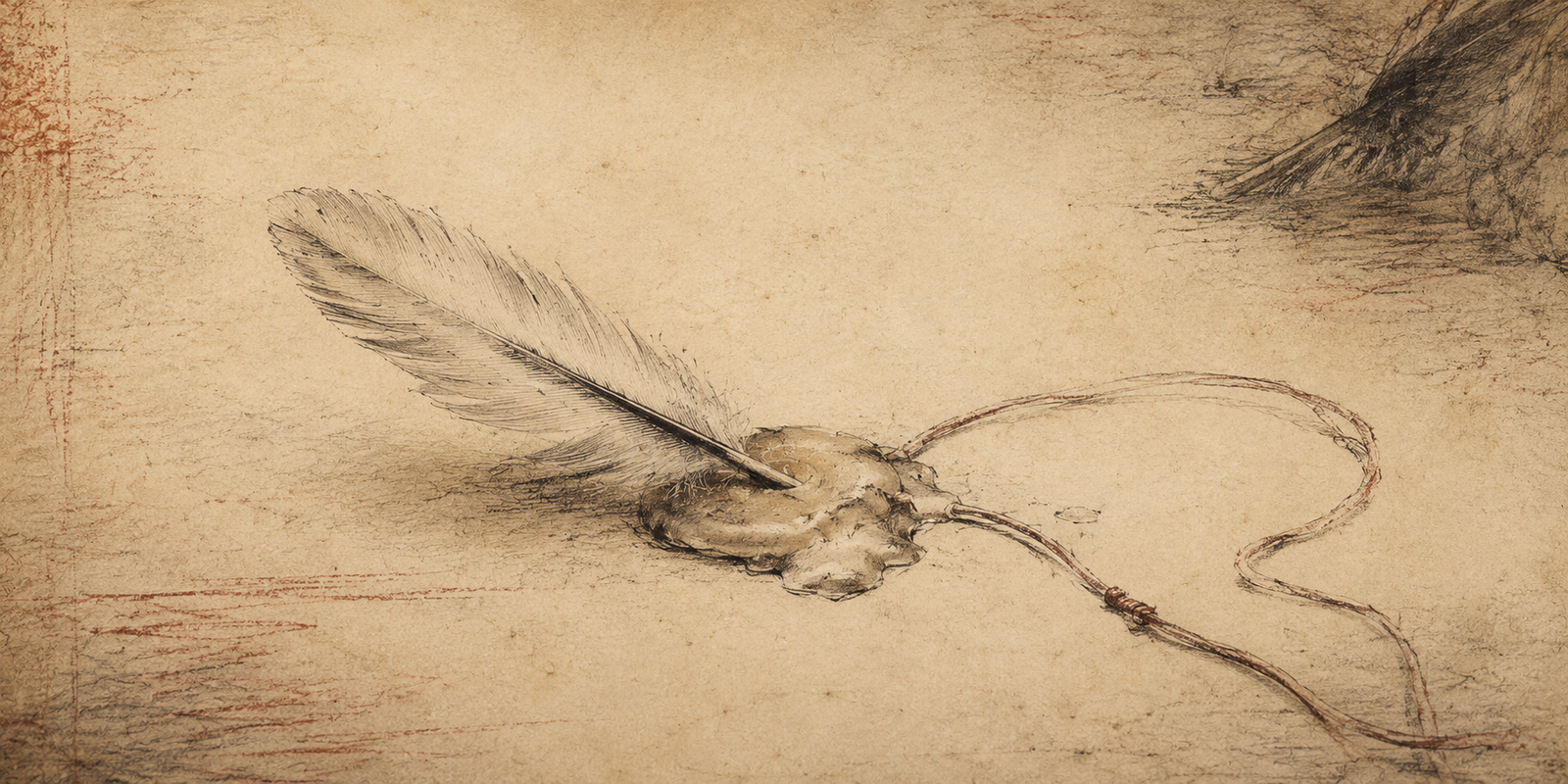

Daedalus and Icarus — The Wax Beneath the Sun
A warm, grave Greek myth retelling of Daedalus and Icarus, beginning not in the sky but in the lamplit room where a father prepares wings from feathers and wax while his child watches too closely. A tale of craft, captivity, warning, flight, and the limit of paternal care.
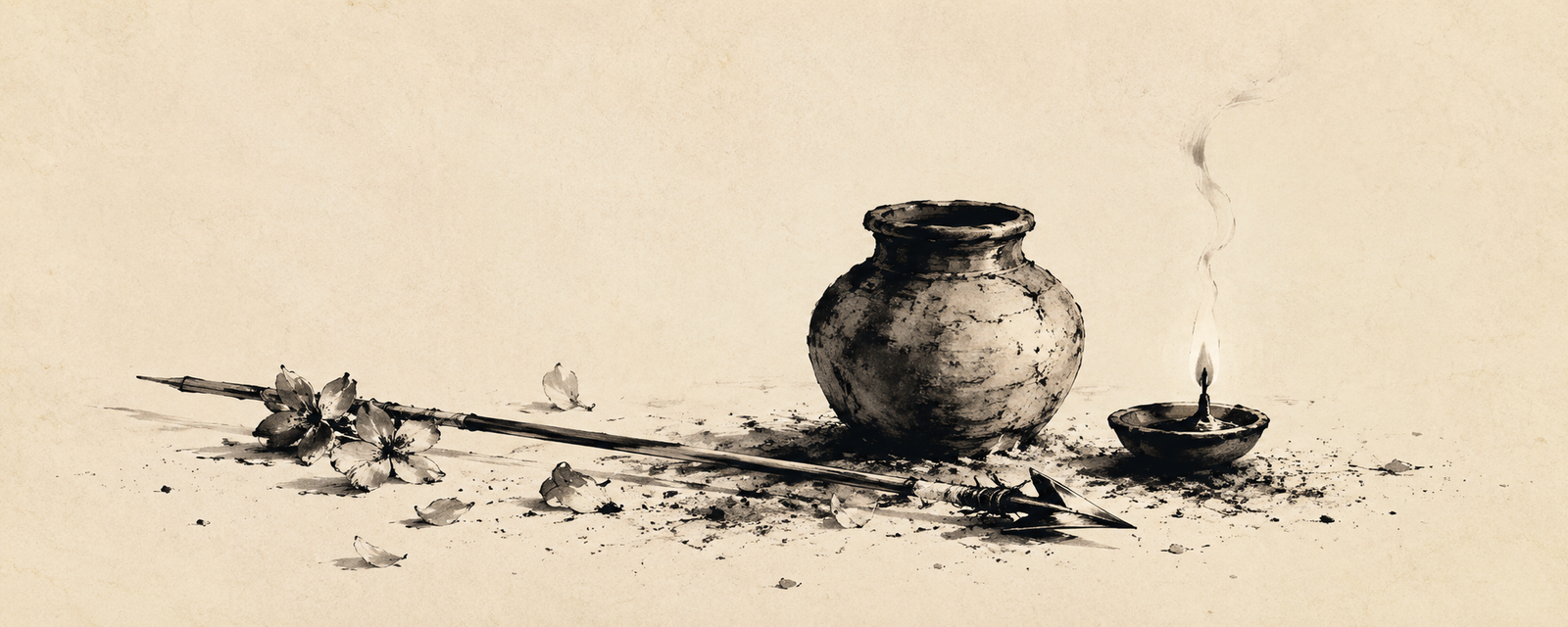

Fires of the Old World XVIII — Desire Turned to Ash
A hearthlit retelling of Shiva, Kama, Rati, and Parvati: desire comes to the mountain with a flower-arrow, and Shiva answers with fire. This excerpt opens the tale in the quiet room of a grandmother and child, before moving to the cold slopes where longing, ash, and spring wait to meet.
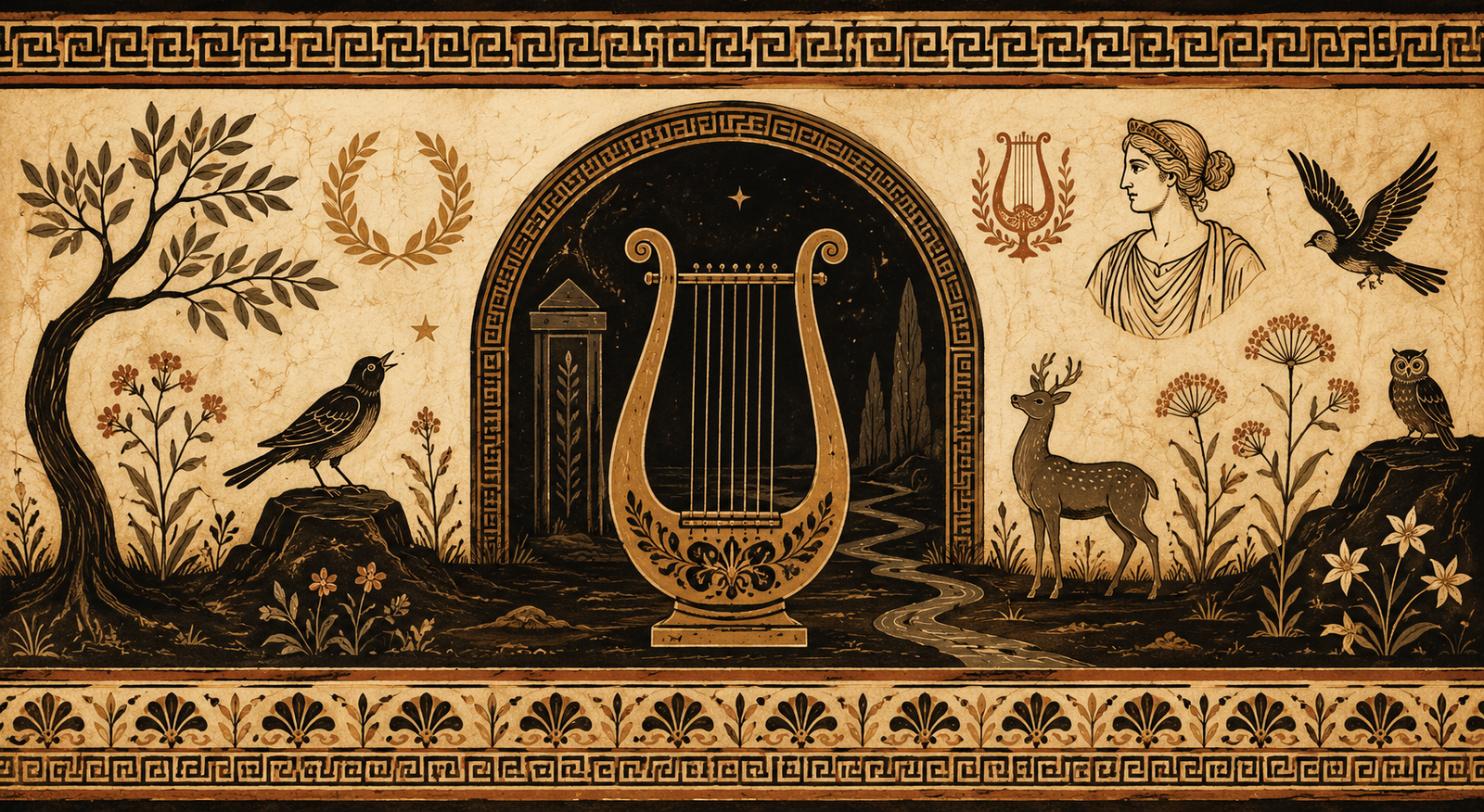

Orpheus’ Lyre — The Song That Made the Dark Listen
A child-readable Greek myth guide to Orpheus’ lyre: the small instrument that carried song, grief, memory, Apollo, the Muses, and love down to the gates of the Underworld. This excerpt opens the question of what kind of power song has in Greek myth — and where even that power reaches its limit.
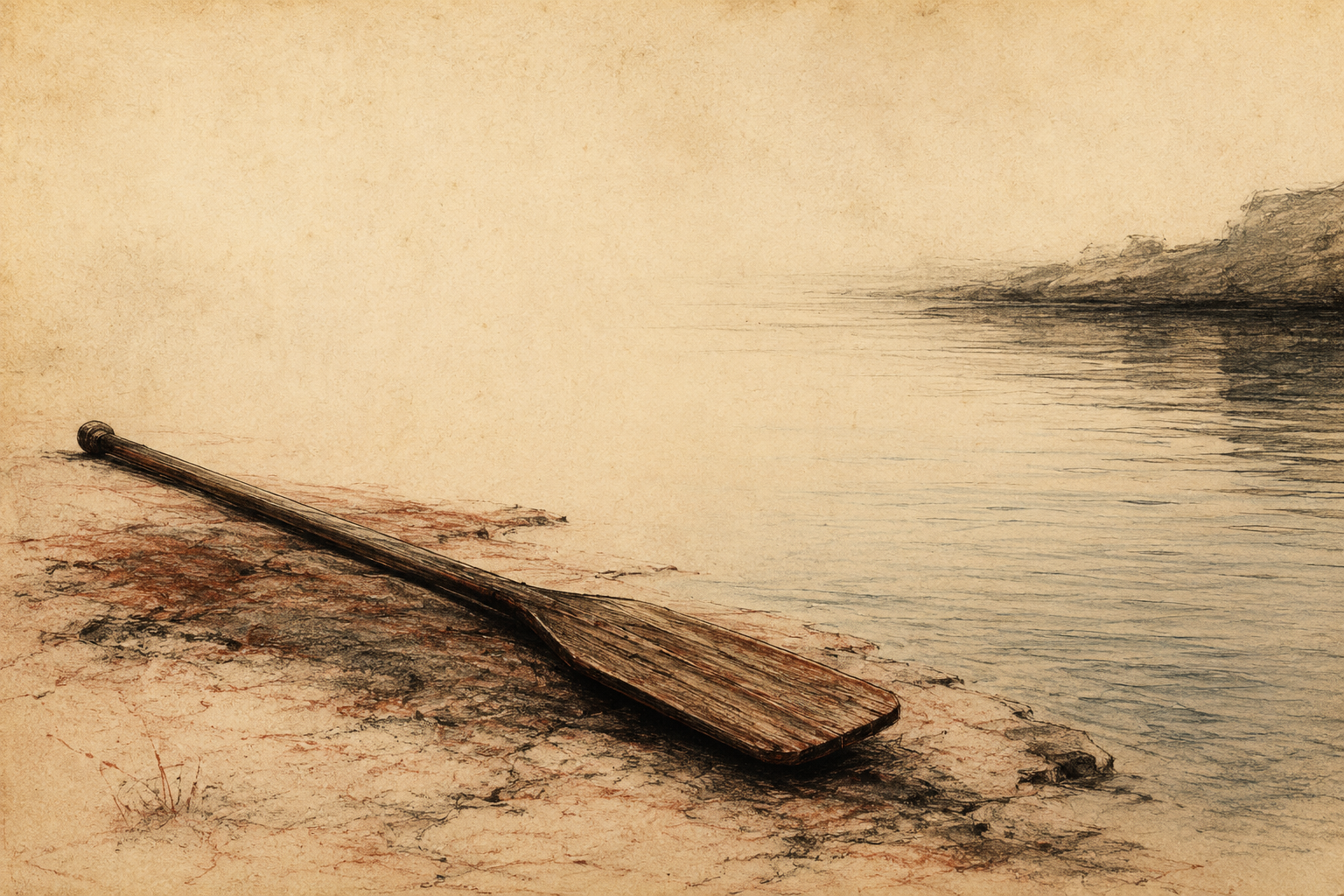

Why Calypso Cannot Be Home
A Reader’s Guide to Calypso, Odysseus, immortality, exile, and the mortal meaning of home. This essay asks why safety, beauty, and endless life cannot satisfy the longing at the heart of Homer’s Odyssey — because home is not merely where the body is preserved, but where a life remains answerable.
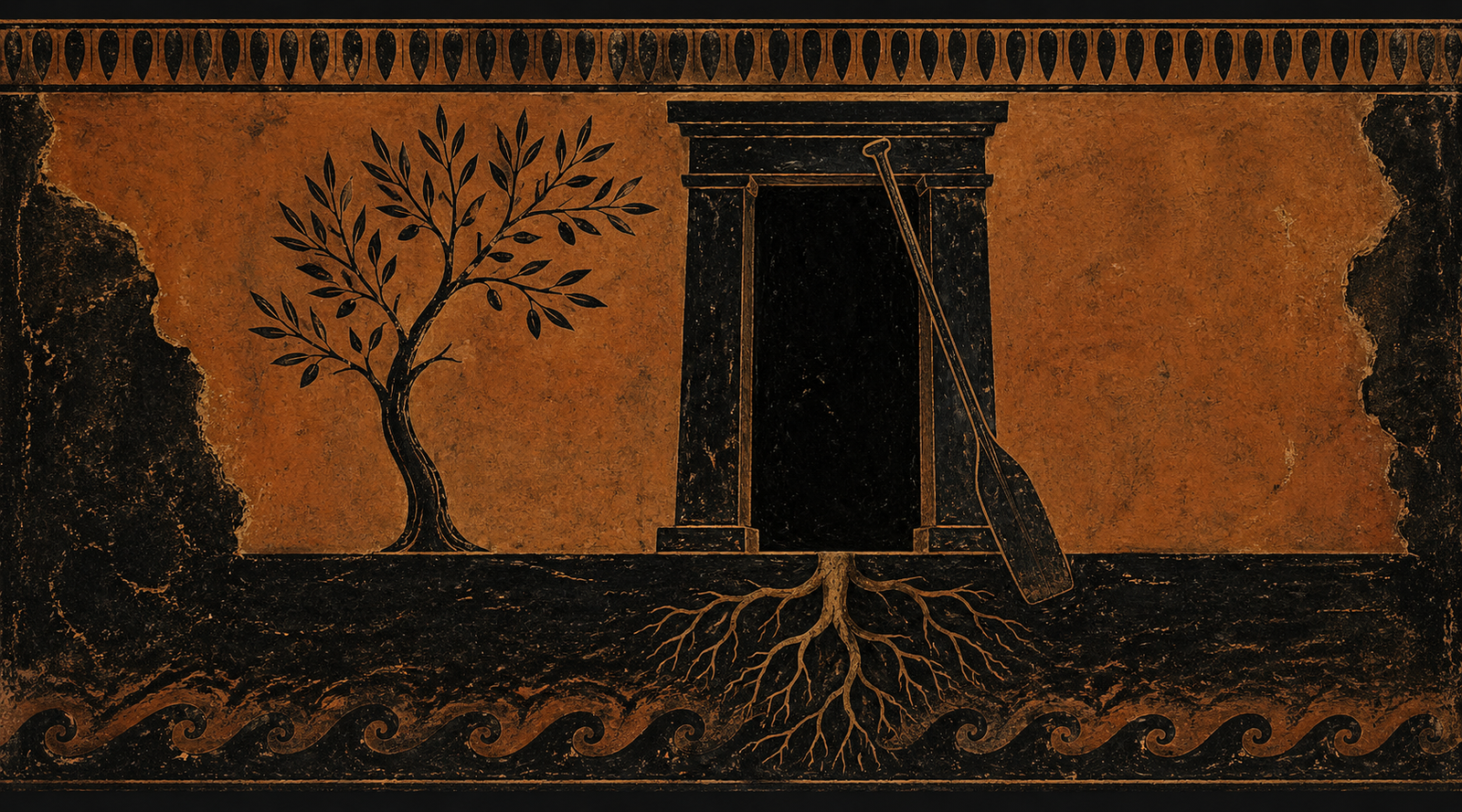

No Man Comes Home IV — The Stranger Washed Ashore
Odysseus has survived the sea, but survival is not yet return. Washed ashore on Scheria, naked and nameless, he must enter the human world again through restraint, supplication, Nausicaa’s courage, and the dangerous mercy of a house that does not yet know whom it has received.
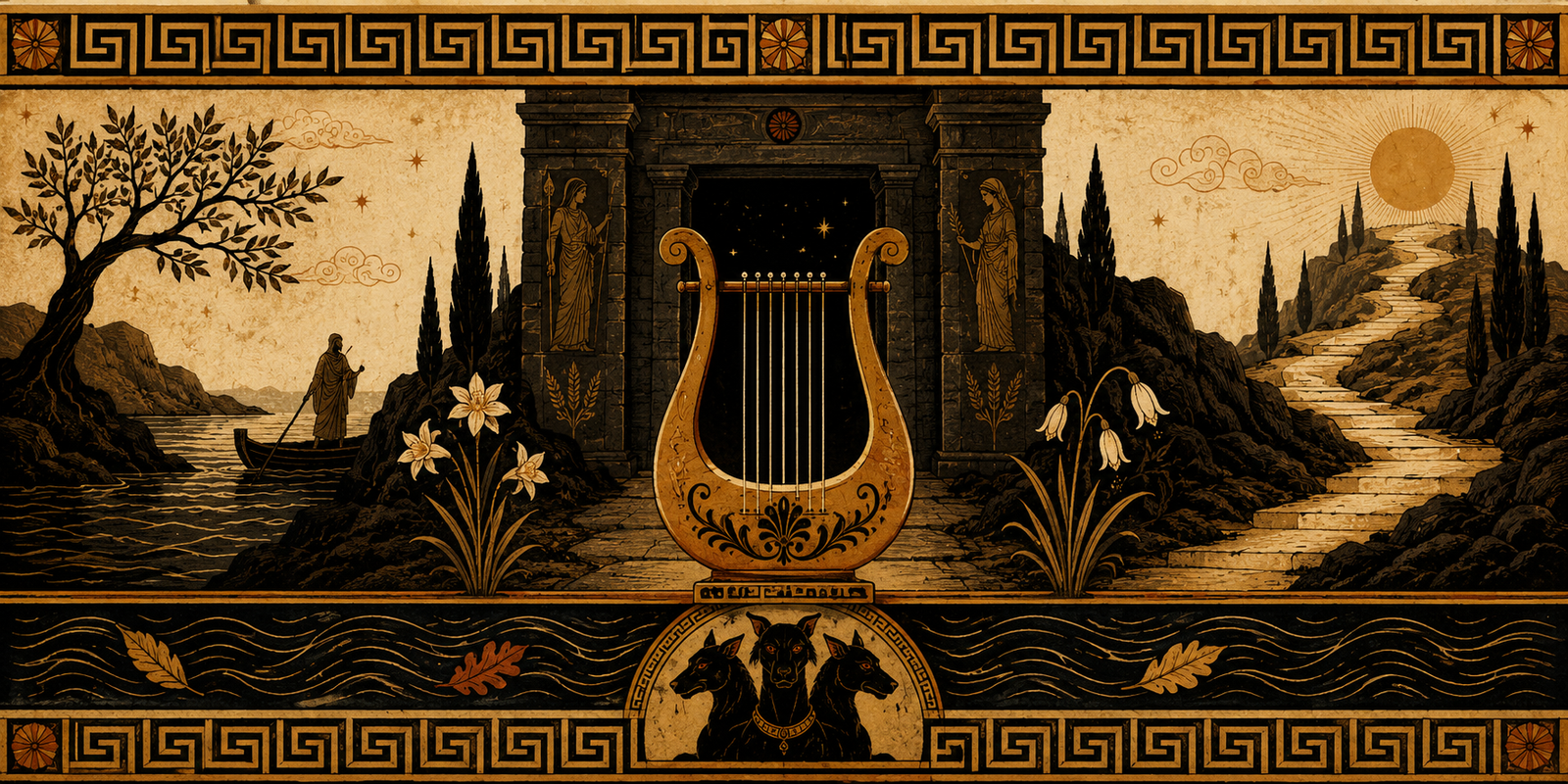

Orpheus and the Underworld — A Greek Myth Retold for Children
A serious children’s Greek myth retelling of Orpheus and Eurydice: music, love, the lyre, and the road into the Underworld. This excerpt opens the tale before Orpheus begins his descent, preserving the wonder, warmth, and danger of The Alexander Series without giving away the full journey below.
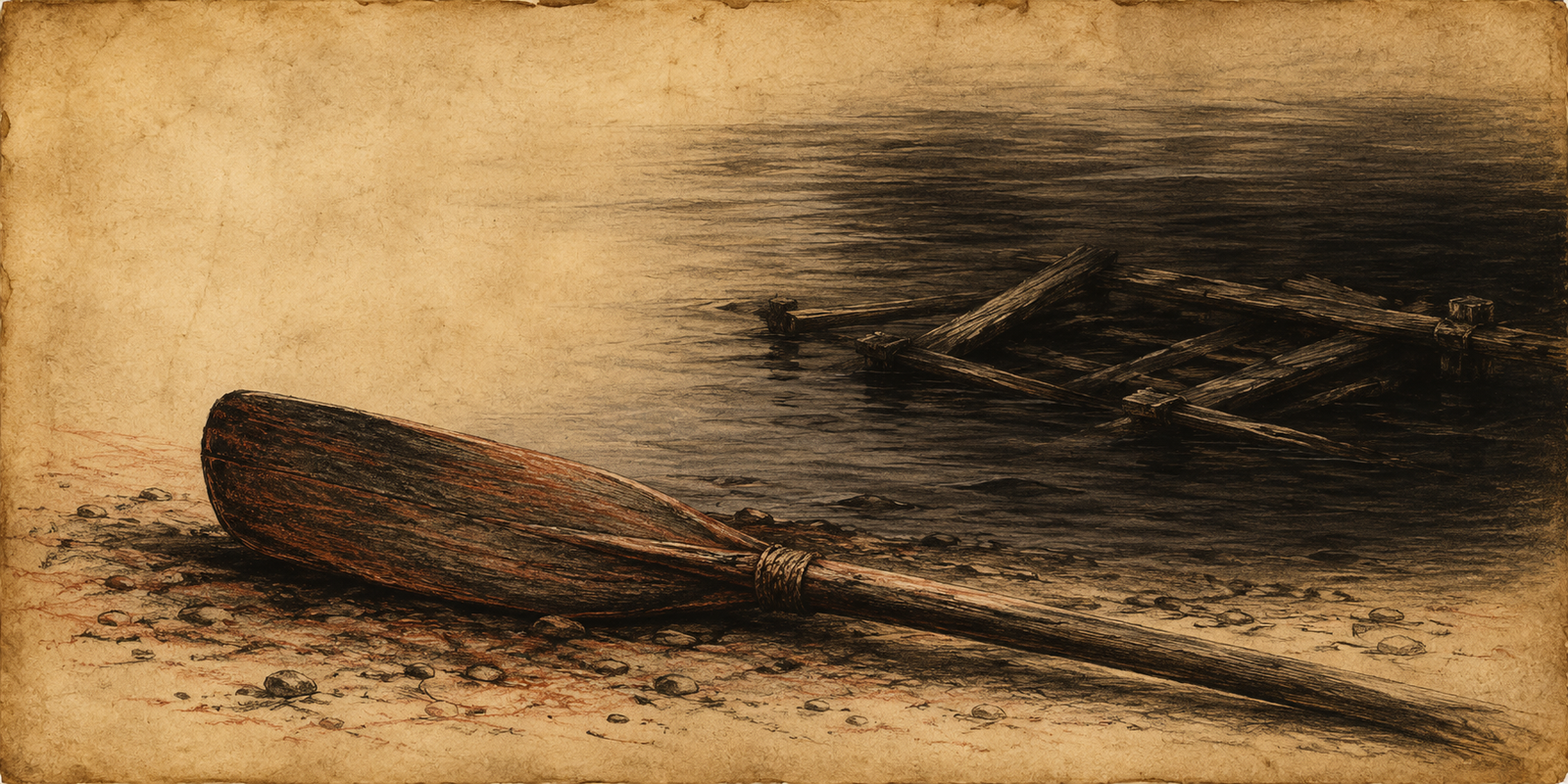

The Long Return V — From the Goddess to the Storm
In this fifth instalment of The Long Return, Odysseus leaves Calypso’s island and chooses the mortal danger of the sea over divine safety. A grave retelling of Odyssey Book V, where immortality is refused, a raft is built, and return begins again through storm.
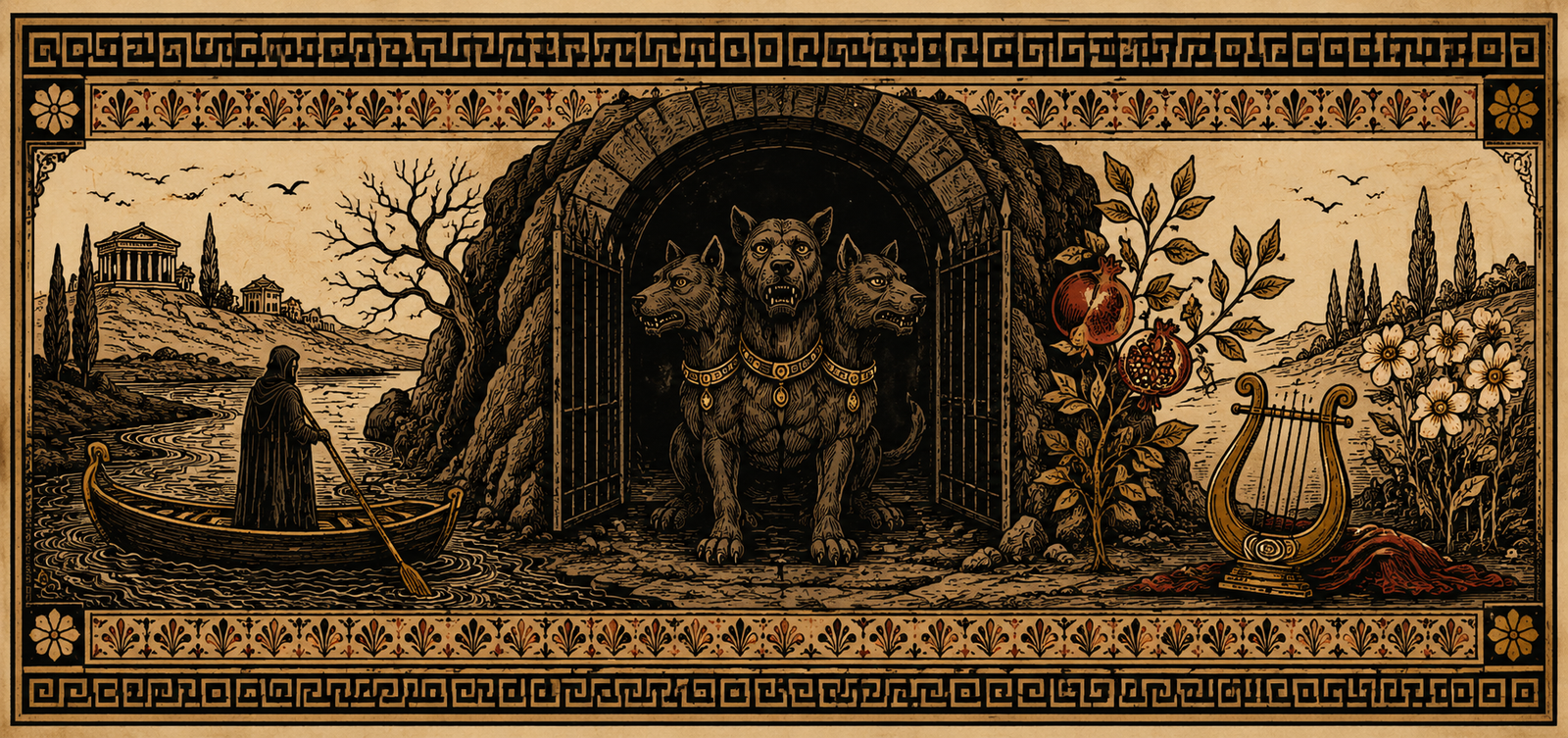

The Underworld — A Greek Myth Guide for Children
Before Orpheus descends, a child should know that the Greek Underworld is not simply a dark place. It is a kingdom beneath the earth: ruled by Hades and Persephone, guarded by Cerberus, crossed by rivers, and almost impossible to leave. A Greek myth guide from The Alexander Series.
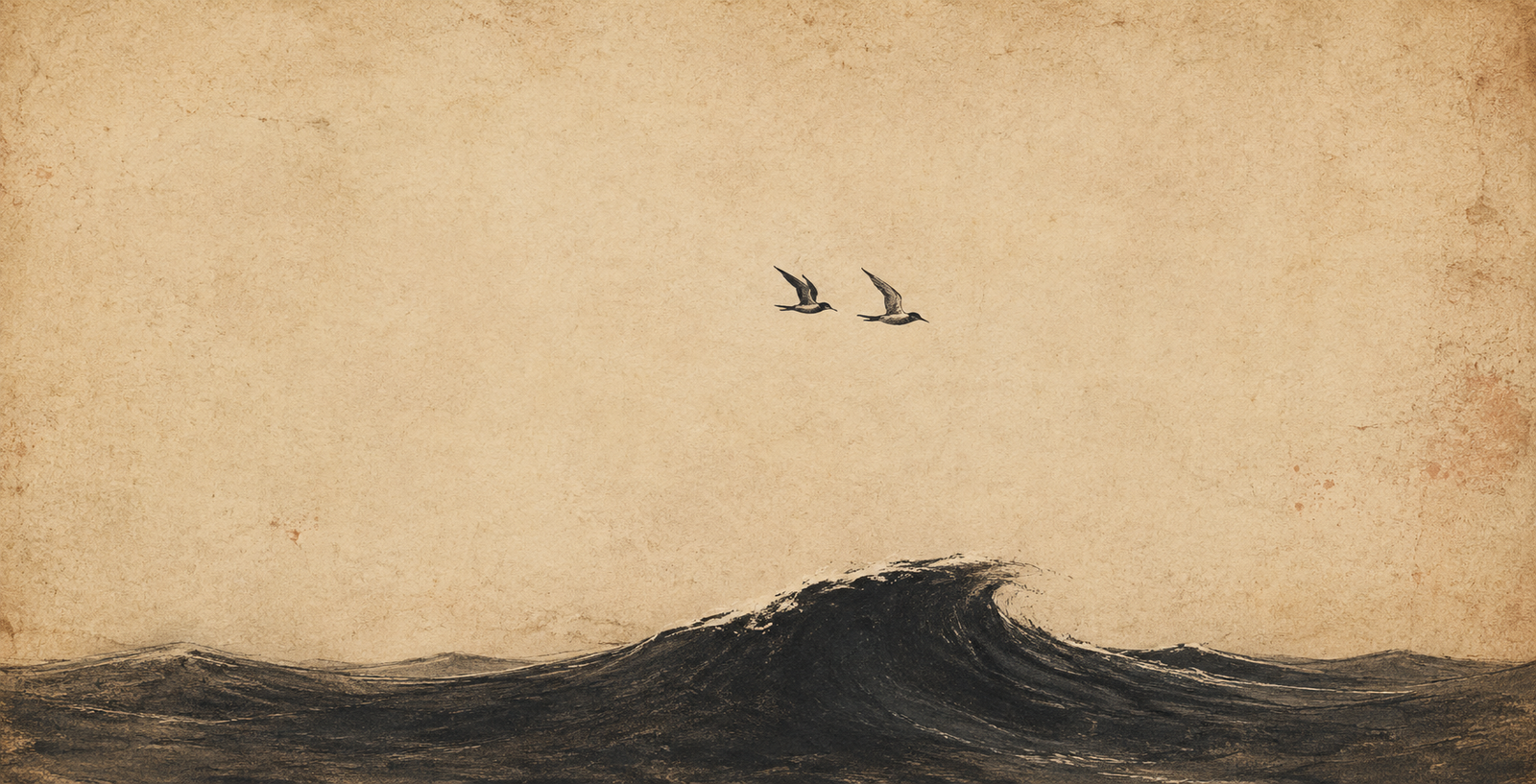

Alcyone and Ceyx — The Birds After the Storm
A warm, grave retelling of Alcyone and Ceyx: a Greek myth of marriage, sea-dread, dream, mourning, and transformation, where love cannot prevent loss, but grief is given wings.
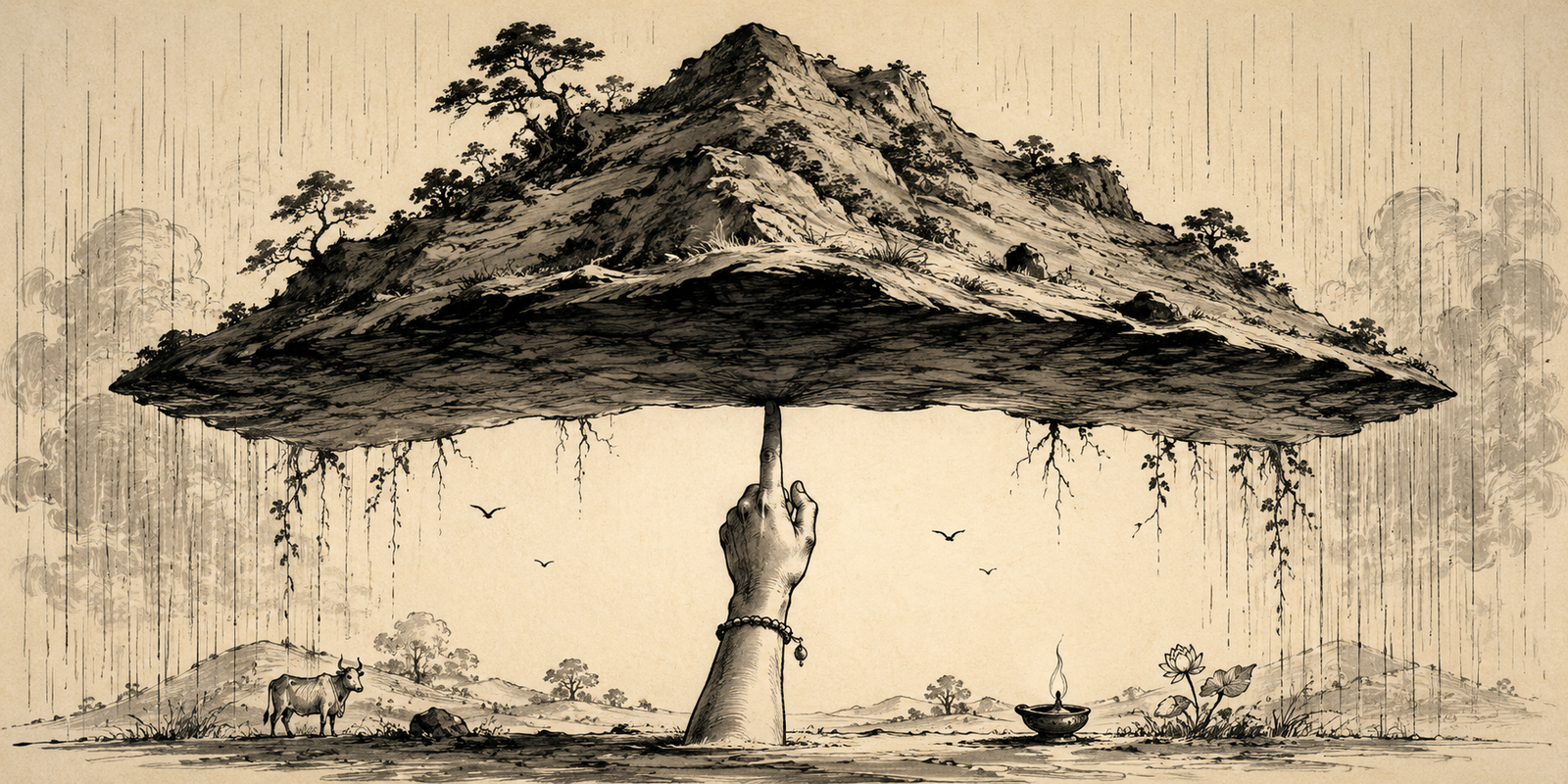

The Lifted Mountain — A Krishna and Govardhana Retelling
A hearthlit retelling of Krishna and Govardhana: rain becomes punishment, a mountain becomes shelter, and a village learns what it means to stand beneath a hand held steady. Fires of the Old World XVII — The Lifted Mountain continues the sacred mythic cycle with tenderness, danger, and old-world wonder.