
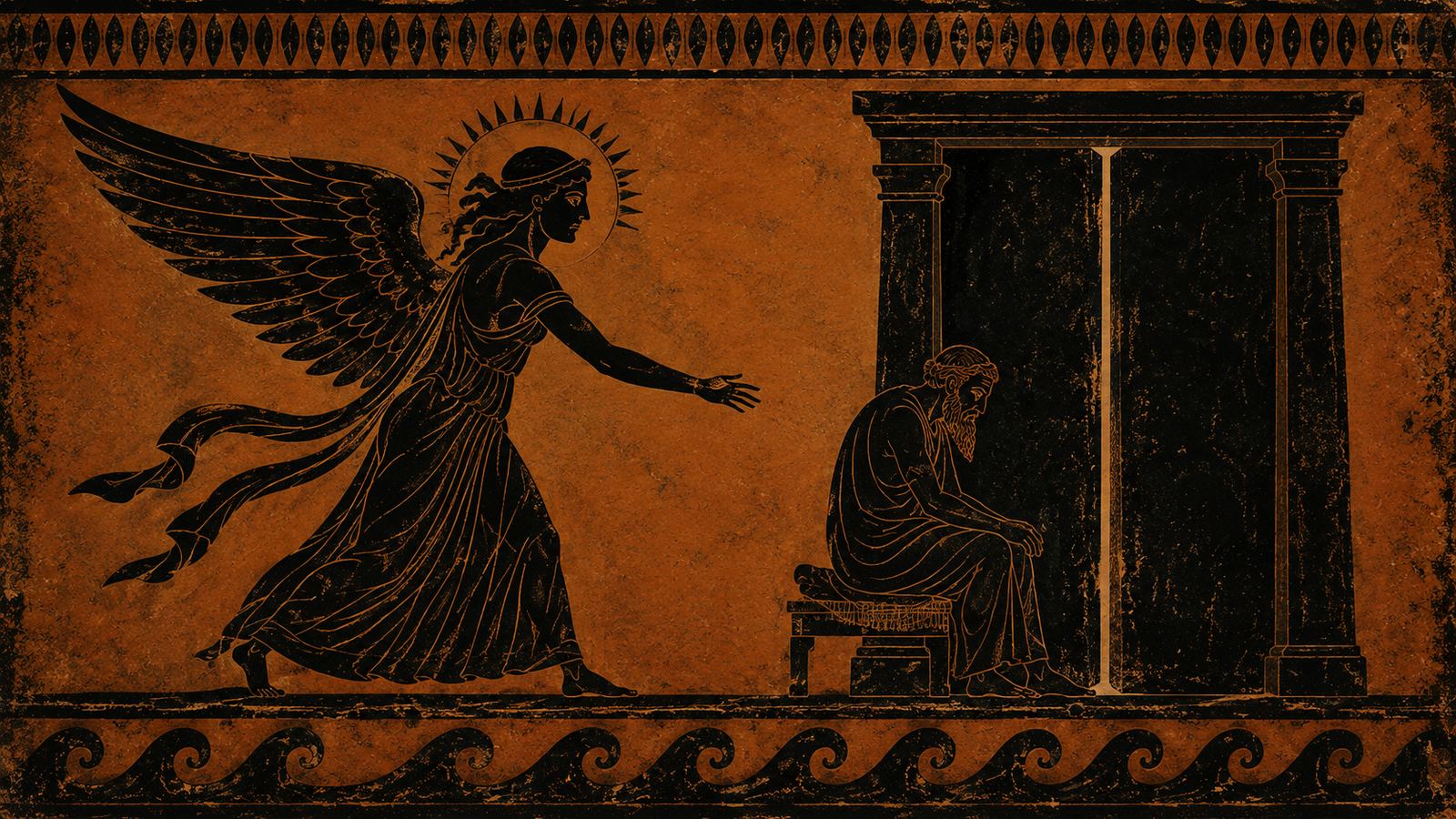

Tithonus — Behind the Shining Doors
Dawn asked only that the man she loved should never die.
At first it seemed only a kindness.
Dawn had always touched him before it touched other men.
In Troy, while the roofs were still dark and the courtyards held the last coolness of night, Tithonus would wake to a change so slight it could not yet be called light.
Stone lost some fraction of its weight. The air thinned. Edges began to separate from one another.
Then the east opened, and what had been merely the world became visible again.
That was when Eos saw him.
Not as men later told it, as though a goddess looked down and chose the most beautiful mortal as one might choose a horse or a cup.
She saw him rising from sleep.
His body still carried the warmth of darkness. His face had not yet arranged itself for the day. His hair was loose. One hand rested open beside him.
Eos knew every form of beginning.
She knew the first line of light above the sea, the first bird breaking silence, the first colour returning to a mountain after night.
But she had never seen anything begin as a mortal did.
A god awakens into continuance.
A mortal awakens having spent another night of what has been given.
She did not yet understand the difference.
She only loved him.
So she took him east.
Men in Troy said that a goddess had favoured him.
They said he had gone among the deathless.
For a while his name remained in the courtyards where he had walked. Someone remembered a thing he had said. Someone else spoke of the way he rode, or laughed, or stood looking beyond the walls when rain was coming.
Then those who remembered him grew old.
Others took their places.
Troy continued beneath the sun.
Gates opened.
Bread was kneaded.
Children became fathers.
Fathers were burned.
The river went down to the sea.
Far beyond them, where morning entered the world, Tithonus lived with Dawn.
Her chambers were made of arrival.
Lintels whitened before the day was named. Curtains took the first movement of wind. Bronze vessels gathered pale fire along their rims. Nothing there seemed wholly still, because everything waited upon return.
And every morning she returned.
Tithonus would hear her before he saw her: a stir in the outer rooms, a brightening against the eastern wall.
Then Eos came to him carrying the colour that would soon be given to the whole earth.
She loved the way sleep left him slowly. She loved his shoulders under the linen, the ease with which his body rose, the small pause before speech.
She loved his hands.
She loved his mouth.
She loved the particular life moving through him.
And because she loved it, she came at last to fear the thing that gave it shape.
One morning she placed her hand against his chest.
His heart moved beneath her palm.
She had heard such hearts before.
Quick.
Faithful.
Temporary.
“What is it?” he asked.
She did not answer.
She was listening to the small mortal sound that would one day stop.
The next morning she went to Zeus.
She did not ask for riches, or victory, or wisdom, or a place for Tithonus among the stars.
She asked only that he should not die.
It seemed the smallest possible request.
Zeus granted it.
Nothing happened.
That was part of the cruelty.
Tithonus did not blaze. No divine fire entered his limbs. His mortal body did not become suddenly terrible or bright.
He remained the man she had loved.
He woke the next morning.
Then the next.
For many years there seemed no difference between the blessing she had asked for and the happiness she had meant to preserve.
His legs still carried him quickly through the courts. His hands remained strong. His back remained straight.
When Eos called from another room, he turned towards her voice without effort.
Years passed beneath them.
Troy changed.
Men younger than Tithonus had once been grew grey. Trees planted after his departure thickened into shade. Walls fell and were raised again. Children whose names he had never heard became old enough to speak of their own childhoods.
Still he remained.
Then one morning Tithonus put his hand upon the edge of the bed before standing.
The gesture was almost nothing.
Eos saw it.
He saw her see it.
Neither spoke.
Later there was stiffness in one knee.
Then both.
His fingers no longer closed so readily in the cold hour before sunrise. After sleeping, his neck sometimes resisted the first turn of his head. His breath remained deep, but pauses entered it where none had been before.
Tithonus laughed at these things at first.
His hair whitened.
Eos told him it suited the morning.
Perhaps she meant it.
Lines gathered beside his eyes. His face lost the ease of youth and acquired another kind of exactness. The bones came closer to the world.
His hands became veined.
His shoulders narrowed.
Eos still touched him.
Still lay beside him.
Still returned every morning.
But Dawn returned unchanged.
Tithonus did not.
That difference grew between them more slowly than any wall.
He began taking longer on the stairs.
Then he avoided them.
A chair was placed where he usually stood by the eastern opening. At first he laughed at it. Later he used it without comment.
There came a morning when Eos entered and found him still trying to rise.
His arms pressed against the couch. The shoulders answered. The legs did not.
He stopped.
Breathed.
Tried again.
By the time he managed to stand, light had crossed half the floor.
He looked at it as though something had left without him.
Eos crossed the room quickly.
Then, as she came near, more slowly.
Speed had become an insult.
She put one hand beneath his arm. The other went to his face.
Not only in tenderness.
Her palm moved across his cheek, his brow, his temple, as though the change might have some boundary she could discover by touch.
Tithonus leaned into her hand.
Once he had reached for her because he desired her.
Now he leaned because he was tired.
After that, his world began to shorten.
First he ceased walking in the outer courts. Then the farther rooms went unused. A morning came when the journey from the bed to the window left him trembling, so the chair was moved nearer.
Later the bed was moved nearer too.
Cushions were brought. Edges were softened. Doors were kept closed against cold air. Food was cut smaller. Servants learned to enter quietly.
Everything was done out of kindness.
That was part of the cruelty too.
A life may be diminished entirely by acts of care.
No single mercy seemed wrong.
Tithonus had once lived beneath the open sky of Troy.
Now his kingdom was the distance between a bed and a window.
Still Eos came.
Every morning.
She could not do otherwise.
That was her nature.
She reddened the eastern sky. She loosened birds into song. She laid brightness over sea and mountain. She opened the day for shepherds, sailors, kings, slaves, mothers nursing children, soldiers waking beneath their cloaks.
Then she returned to the chamber of the man who could no longer rise to greet her.
There were mornings when he smiled.
There were mornings when his eyes moved over her face before recognition came.
His voice lasted longer than his strength.
At first it merely thinned. A sentence required more breath. He could no longer call across the room.
Then words began to arrive imperfectly.
Names escaped him.
Questions returned.
Once, when the chamber was already full of morning, he asked whether Dawn had come.
Eos stood very still.
“Yes,” she said.
He nodded.
A little later he asked again.
Other mornings were different.
He would look at her with such steadiness that she could almost believe nothing essential had altered.
On one of them he lifted his hand towards hers.
The hand shook.
She took it.
For a while neither spoke.
Then Tithonus said, “You have not changed.”
She held his hand until the trembling eased.
The years continued.
There was no illness that deepened towards an end. No wound. No final fever.
Nothing arrived that death might use as a door.
Age went on removing what it had always removed. Strength left him. His hands lost their steadiness. The body that had once carried him over Trojan walls and courtyards folded further into itself. Appetite faded. Memory opened gaps through which whole days disappeared.
His voice diminished until speech itself became uncertain.
But leaving had been forbidden.
Only existence remained protected.
At last Eos could no longer keep him in the rooms through which she passed each morning.
He required quiet.
Warmth.
Watching.
The bright outer chamber had become dangerous to him. He might fall. Cold air troubled him. Some mornings even the first light made him turn his face away.
So another room was prepared.
Deeper within.
A narrow opening admitted the morning gently. The bed was low. The air scarcely moved. Nothing in the chamber could harm him.
Eos brought him there herself.
He weighed almost nothing.
She remembered the young man she had carried from Troy.
Now she carried what her wish had kept.
She lowered him onto the bed.
His eyes opened.
For a moment they rested on her face.
“Is this where I stay?”
Eos looked towards the doorway.
Beyond it the eastern rooms were already beginning to brighten.
“Yes,” she said.
She sat beside him until the first birds called.
Then she rose.
Tithonus made a small sound.
She stopped.
Whether it had been a word, she could not tell.
She waited.
Nothing followed.
Then she went out.
The doors closed behind her.
They were beautiful doors.
Shining.
Made for the house of a goddess.
That morning Eos opened the sky.
Across the world, darkness withdrew.
Light entered Troy.
It struck walls Tithonus had never seen and roofs raised long after everyone who had known him was dead.
A boy ran barefoot into a courtyard.
A woman opened shutters.
Someone lifted bread from an oven.
The river brightened.
The world began.
Behind the shining doors, Tithonus continued.
His voice became difficult to distinguish from other small sounds of the chamber.
Sometimes Eos heard something like a word.
Sometimes a thin repetition.
Sometimes only a dry, high insistence laid upon the air.
Morning after morning.
Year after year.
She heard it.
Perhaps that was why the narrow opening remained.
The light could still enter.
It could not heal.
The ancients said that in the end Tithonus became a cicada.
They said the human body dwindled until another form remained: a little dry creature made almost entirely of shell and voice, clinging somewhere near the eastern window.
Each morning the first light touched it.
And it answered.
Others said no transformation came.
That somewhere beyond the edge of the world, behind shining doors, Tithonus remained exactly as the gift required.
Not dead.
Not living as men mean living.
Still there when darkness withdrew.
Still there when the birds began.
Still there when Dawn went out to open the world.
Every morning the world begins again.
Dark roofs take light.
Birds wake.
Water receives the sky.
The east opens as though nothing has ever failed.
And somewhere inside that returning brightness, something old beyond measure is still making its small, dry sound.
—
The House of Cadmus retells the old myths as living stories: tales of inheritance, desire, power, loss, transformation, and the conditions under which human beings must live.
—
Coming next in Tithonus Tale Week
Friday — Free Companion
The Mercy of an Ending
A reflection on Tithonus, mortality, and the difference between preserving existence and preserving the conditions under which a life can still be lived.
Saturday — The Workroom · Paid
How Do You Write Something That Never Ends?
The Author’s Note behind Behind the Shining Doors: on recurrence, narrowing, the gradual withdrawal of Tithonus from the reader, and the formal problem of giving tragic movement to a story whose central condition forbids completion.
Subscribe to receive the companion essay free, and become a paid subscriber to enter The Workroom.
—
Receive the next work
Subscribe free to receive new work from the House of Cadmus Library by email.
More from the Library

See Also
A concise and impartial dictionary of absence, promises, quarrels, ordinary objects, and the troublesome instability of words.
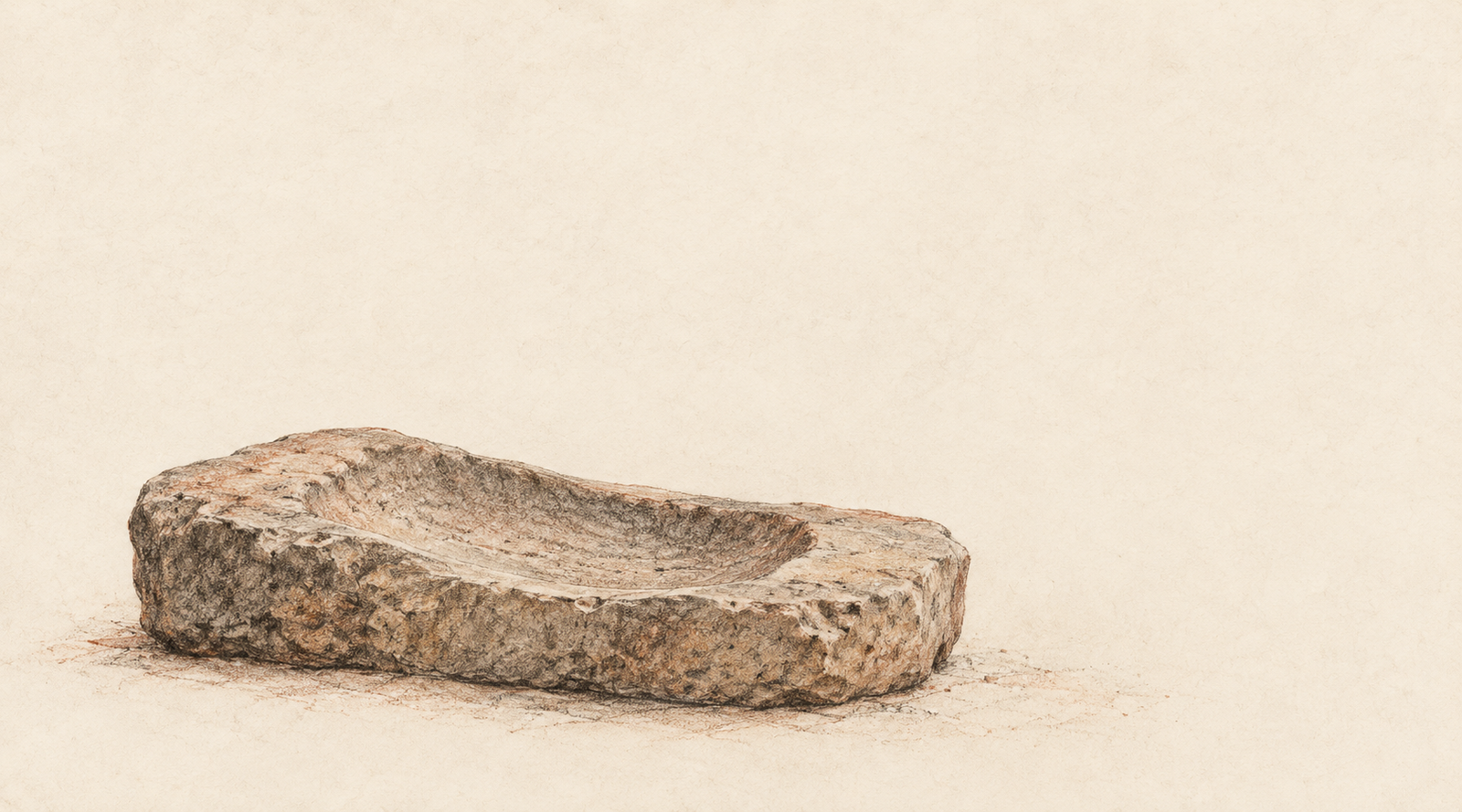

The City of Service
The temple we inherit is a building from which almost all necessity has been removed. Nothing must be brought for it to continue being what we call a temple. The sanctuary asks nothing of us. Stone is good at this kind of independence.
A living temple was otherwise.
Water had to come in. So did grain, cloth, oil, aromatic substances, fuel. The things required for worship arrived because someone carried them across a threshold.
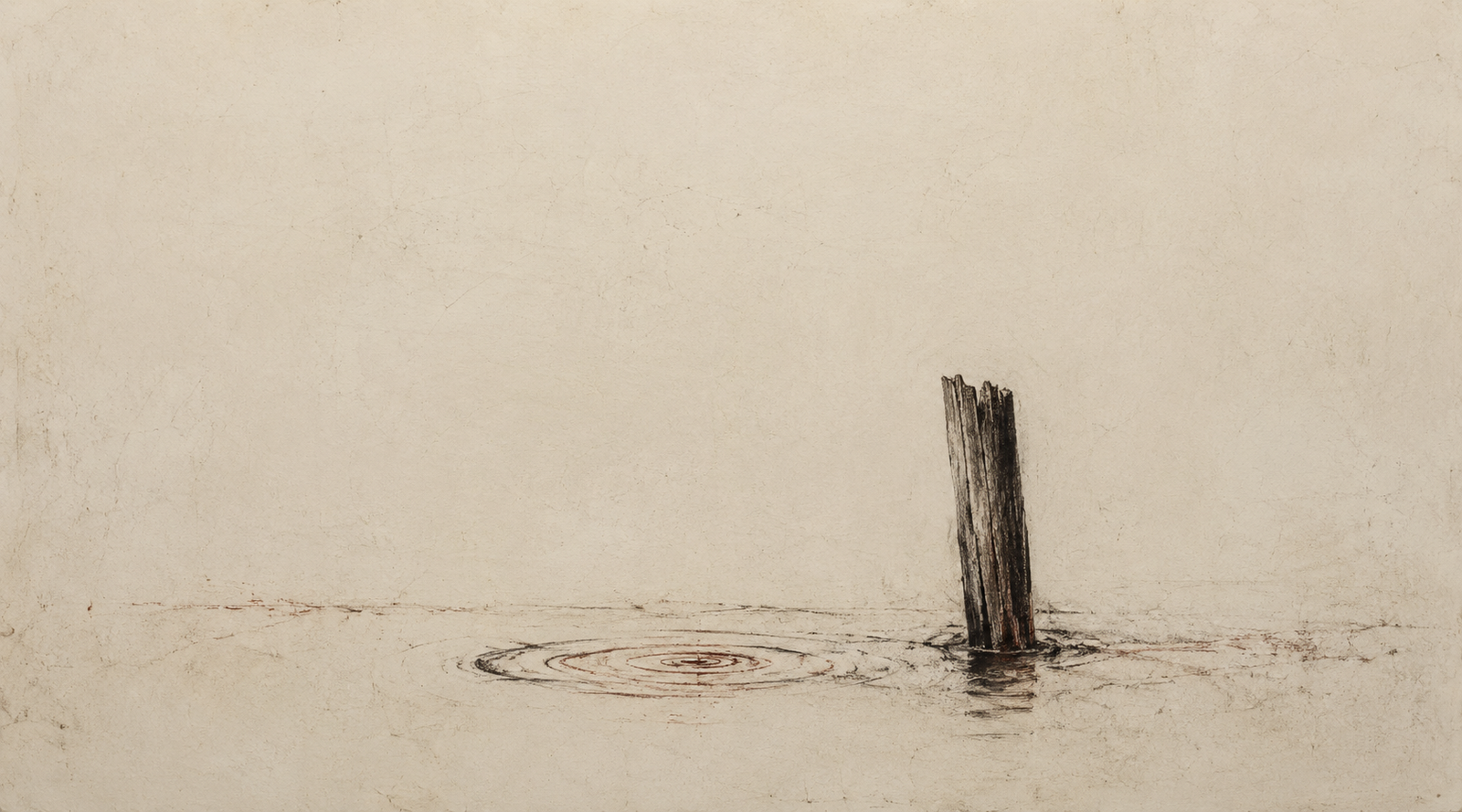

Houses of Wood, Light, and Smoke
Some of Angkor’s most intimate ruins do not rise above the ground at all. They are postholes, low mounds, hearths and ponds: durable traces of a domestic city built largely from things that decay. To restore that city is to see Angkor not only as stone, but as wood, smoke, water, repair, and people living within calling distance.