
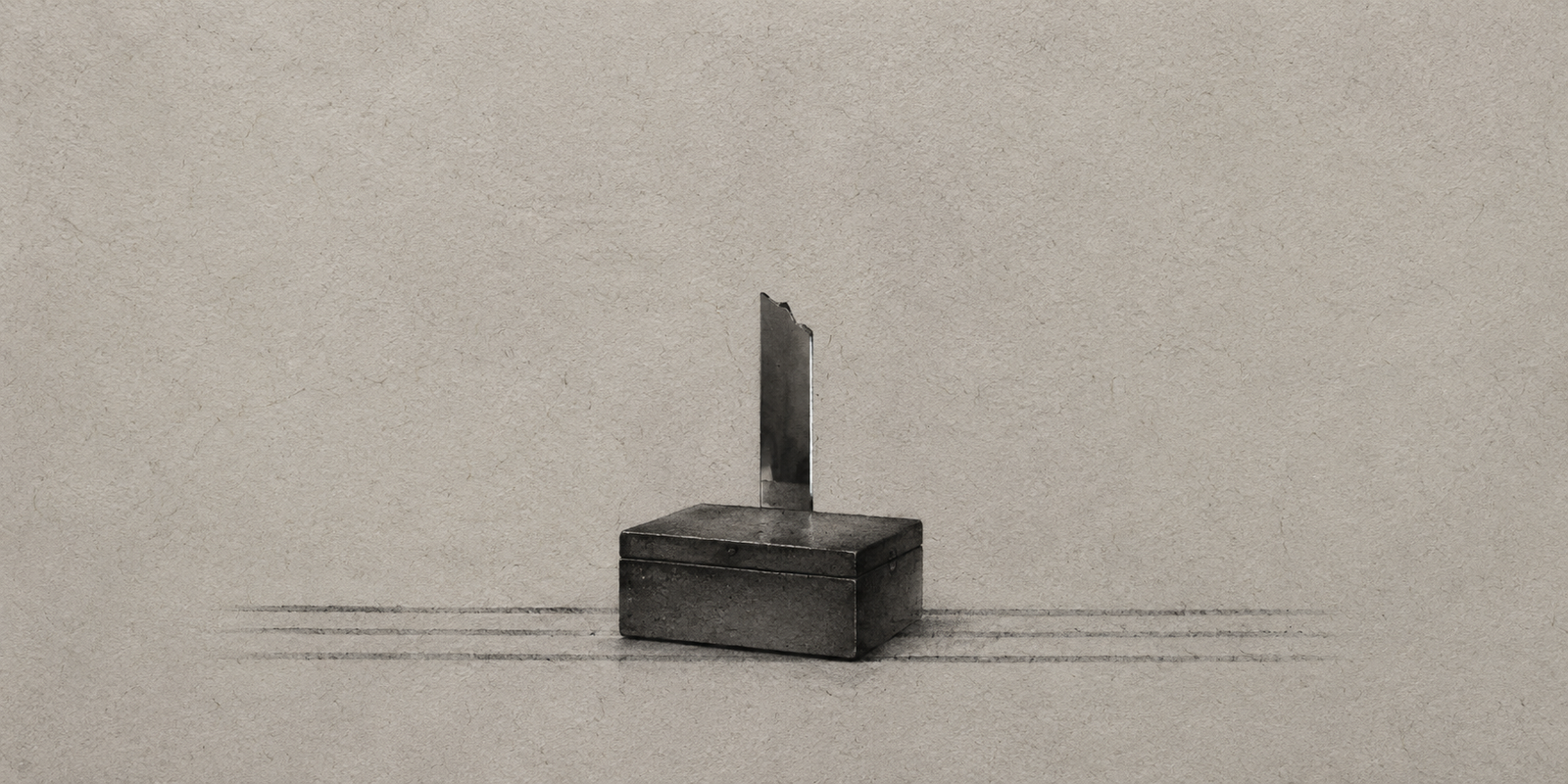

The Mirror, the Ledger, and the Box
A mirror that breathes. A ledger that counts what fire subtracts. A box that waits at the foot of the page.
In these three original flash fictions, small acts of care draw caretaker, witness and reader towards the same unseen machinery. The first begins with a rule.
Mirror Hunger
The mirror breathes faintly on glass.
Not mist, not trick, just a small rise and fall.
You keep the frame clean with a folded cloth.
You keep the room cool. You keep the door shut.
Shadow settles where it should, along the skirting.
The breath beads, clears, beads again. It keeps time.
You speak nothing in that room. Silence helps.
You stand at arm's length and count three breaths.
You do not fog the surface with your own.
You tend it as you were taught: cloth, patience, hush.
A nail in the wall holds the weight without complaint.
String binds the cloth when you are done. The knot holds.
You check the corners where mildew loves the seam.
You check the glass for hairline cracks, for omen lines.
You let a lantern burn once, and then never again.
Light wakes what should not wake.
Cold is kinder. Cold keeps rules.
You test the breath with the back of your hand.
It is cool, then warm, then cool again, like pulse.
You do not feed it names. You do not offer salt.
If a moth knocks the pane, you brush it away.
If a river sound rises in the pipe, you wait.
If a shadow leans wrong, you wait longer.
Waiting is part of it. Haste blurs the edge.
You tidy the cloth. You count three more breaths.
Do not lean close. Keep the distance as taught.
This is the rule given at the threshold.
The rule holds because it is a rule, not a story.
You keep it as you keep breath itself: without flourish.
Some days your face flickers in the glass by accident.
You step back before the fog can form your mouth.
You know the cost of letting your breath belong.
You know the mirror keeps what it can keep.
You leaned close.
Continue reading the complete triptych at The Lantern Chronicles →
—
Receive the next work
Subscribe free to receive new work from the Lucas Varro Library by email.
More from the Library

See Also
A concise and impartial dictionary of absence, promises, quarrels, ordinary objects, and the troublesome instability of words.
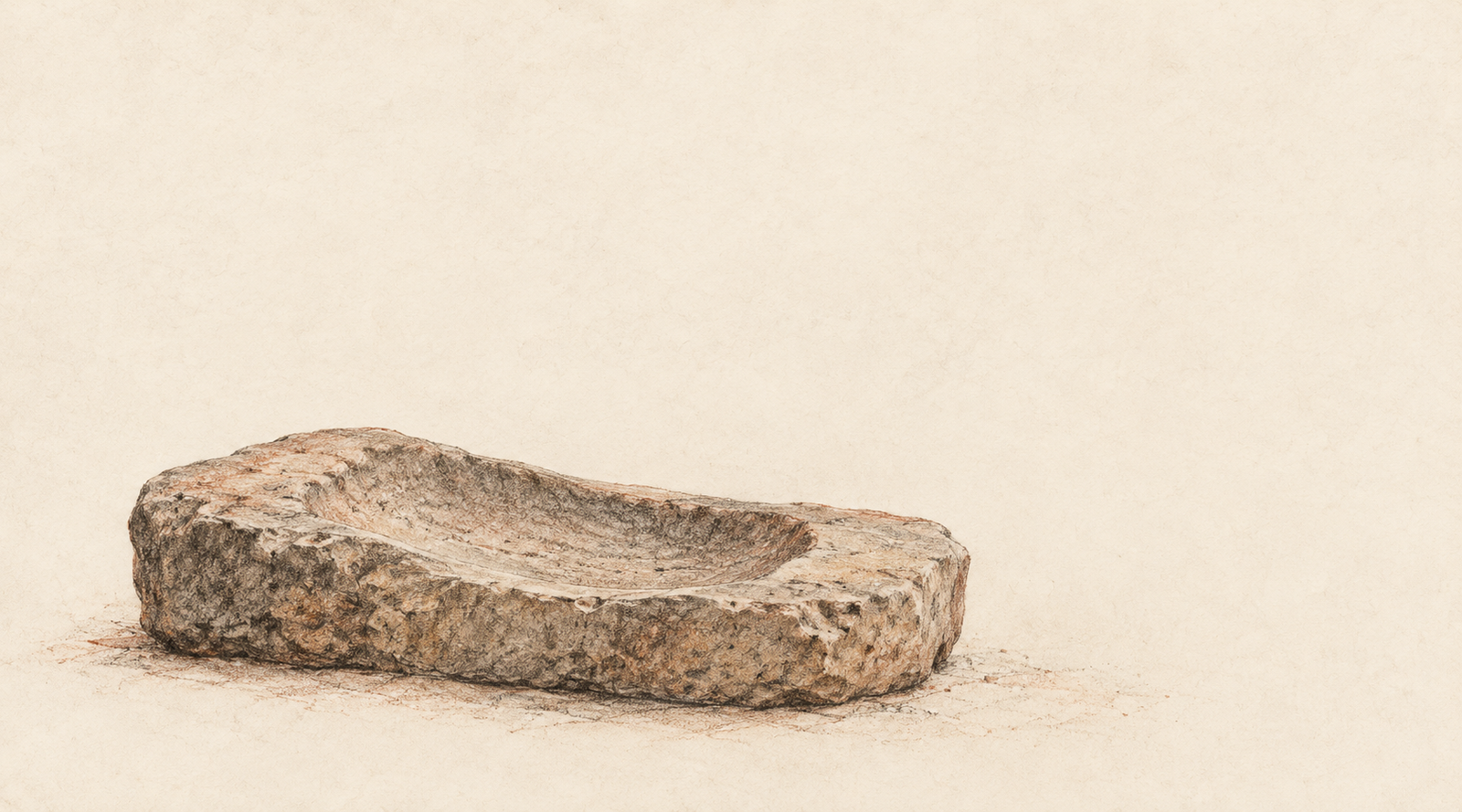

The City of Service
The temple we inherit is a building from which almost all necessity has been removed. Nothing must be brought for it to continue being what we call a temple. The sanctuary asks nothing of us. Stone is good at this kind of independence.
A living temple was otherwise.
Water had to come in. So did grain, cloth, oil, aromatic substances, fuel. The things required for worship arrived because someone carried them across a threshold.
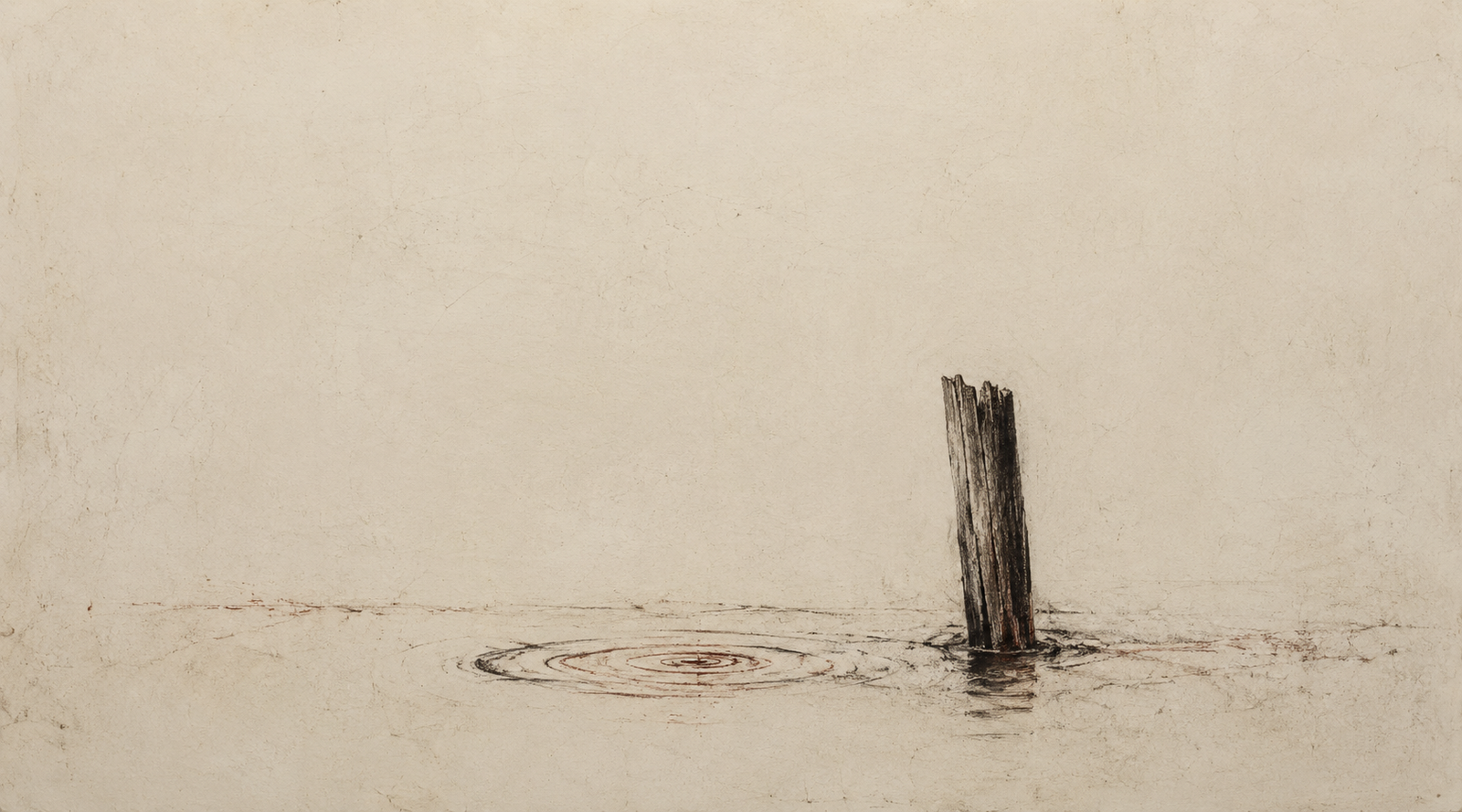

Houses of Wood, Light, and Smoke
Some of Angkor’s most intimate ruins do not rise above the ground at all. They are postholes, low mounds, hearths and ponds: durable traces of a domestic city built largely from things that decay. To restore that city is to see Angkor not only as stone, but as wood, smoke, water, repair, and people living within calling distance.