
The Library gathers the written works of Lucas Varro — journals of the temples, mythic retellings, contemplative essays, poems, and volumes shaped by shadow, silence, and wonder. Here, words stand beside images as offerings: field notes from Angkor, meditations on sacred stone, old stories rekindled, and reflections carried beyond the visible world.
Within these shelves you will find many rooms: Angkor journals, myth and legend, apsara meditations, contemplative essays, poems, children’s mythic wonder, literary retellings, and quieter devotions of the page. Wander chronologically, enter by theme, or pass through one of the dedicated publication houses now gathered within the wider Library.
For those who wish to follow these paths further, several of these writings continue on Substack and in dedicated archive blogs: The Lantern Chronicles , where myth, legend, contemplative essays, poetry, and other imaginative works are carried onward; The House of Cadmus , where Greek myth and tragedy are reopened through inheritance, violence, fate, and recurrence; The Mytharium , where myth, Tolkien, fairy stories, and old literature are read and retold with seriousness; The Alexander Series , where A. M. Sharp retells Greek myths for children who want to be trusted by stories; and The Hospitable Dark , where A. M. Sharp offers literary myth retellings shaped by darkness, shelter, endurance, and return.
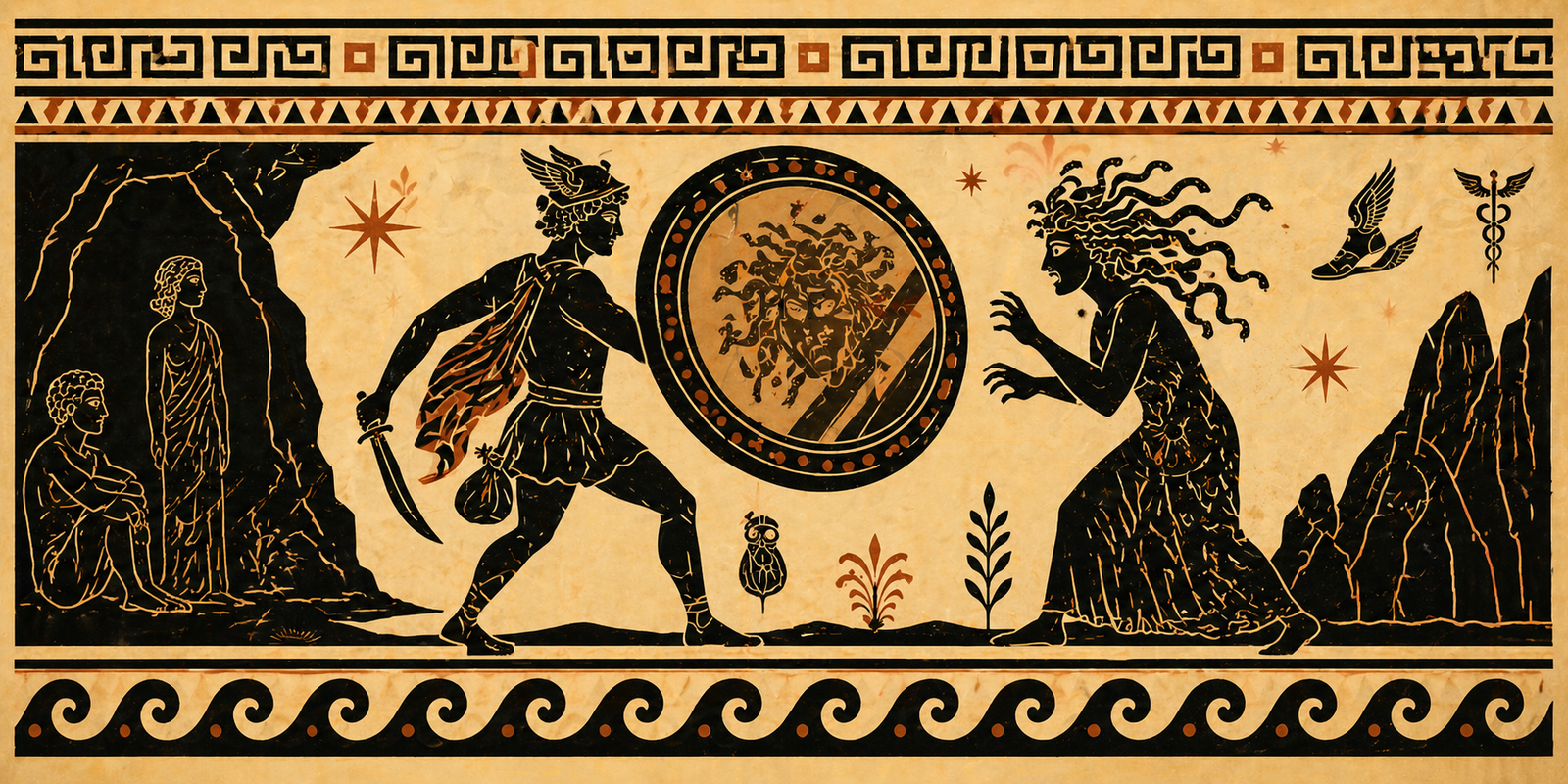

Perseus and the Shield of Athena
A serious children’s Greek myth retelling of Perseus, Athena’s shield, Medusa, and the courage to protect someone loved. Written for The Alexander Series, this tale gives children real danger, clear warmth, divine help, and the old strange wonder of Greek myth without making the story smaller.
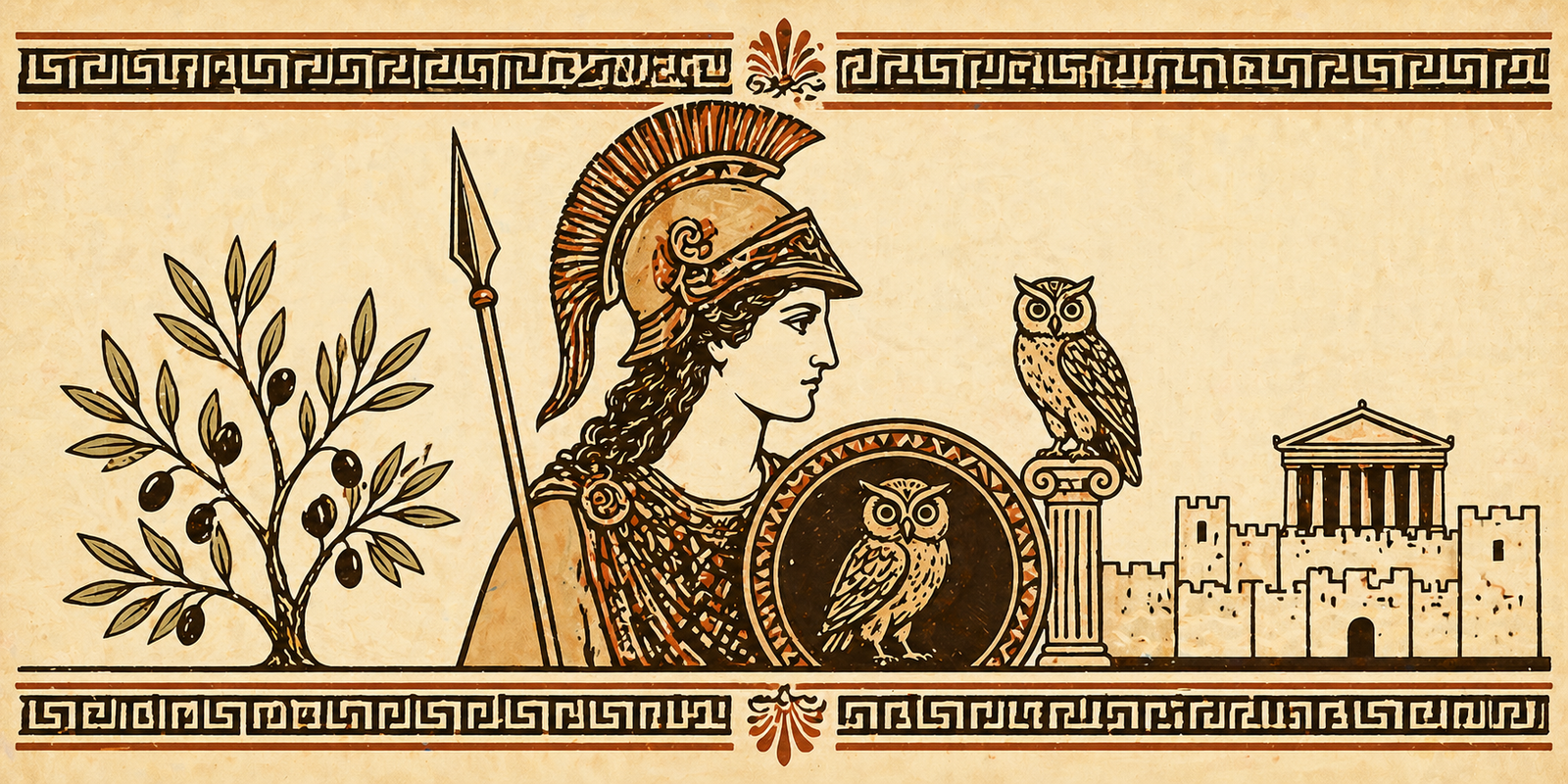

Athena: The Shield, the Owl, and the Courage to Think
Before Perseus meets the Gorgon, a child should know Athena: goddess of wisdom, shields, strategy, owls, olive trees, and courage under pressure. This Greek World entry introduces Athena’s signs and her sharper kind of help — not rescue from danger, but the wisdom to stand inside it without losing one’s mind.

Fires of the Old World XII — The Brother’s Shadow
A grave retelling of Rama, Sugriva, and Valin: brotherhood, kingship, fear, vow, and the hidden arrow. In The Brother’s Shadow, a wrong is answered, a throne begins to turn, and the forest keeps the cost after justice has spoken.
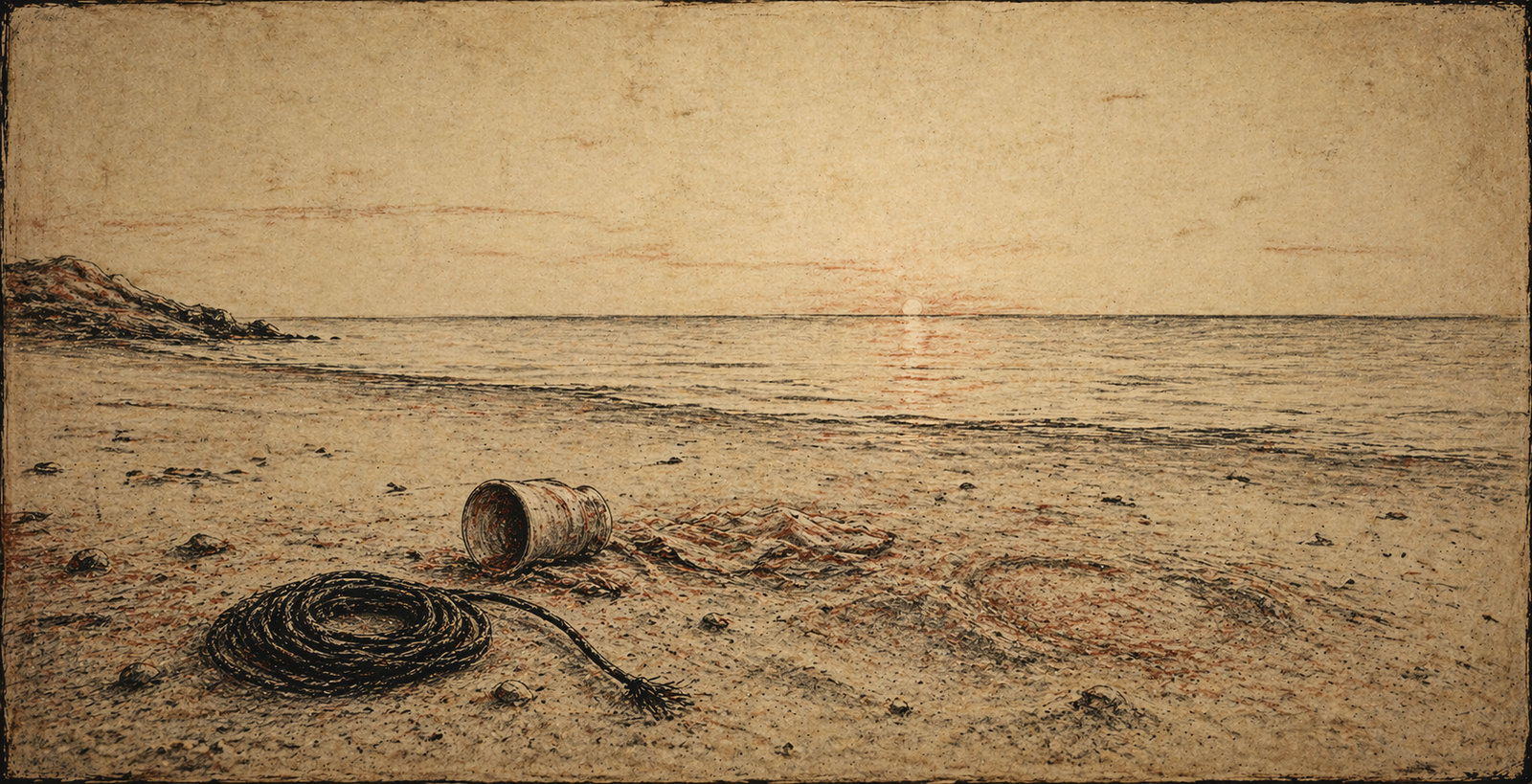

Ariadne — The Shore After Naxos
A literary retelling of Ariadne on Naxos from The Hospitable Dark, beginning after the Labyrinth, after the promise, and after the ship has gone. The thread remains in her hand, but the future it bought has already sailed without her.
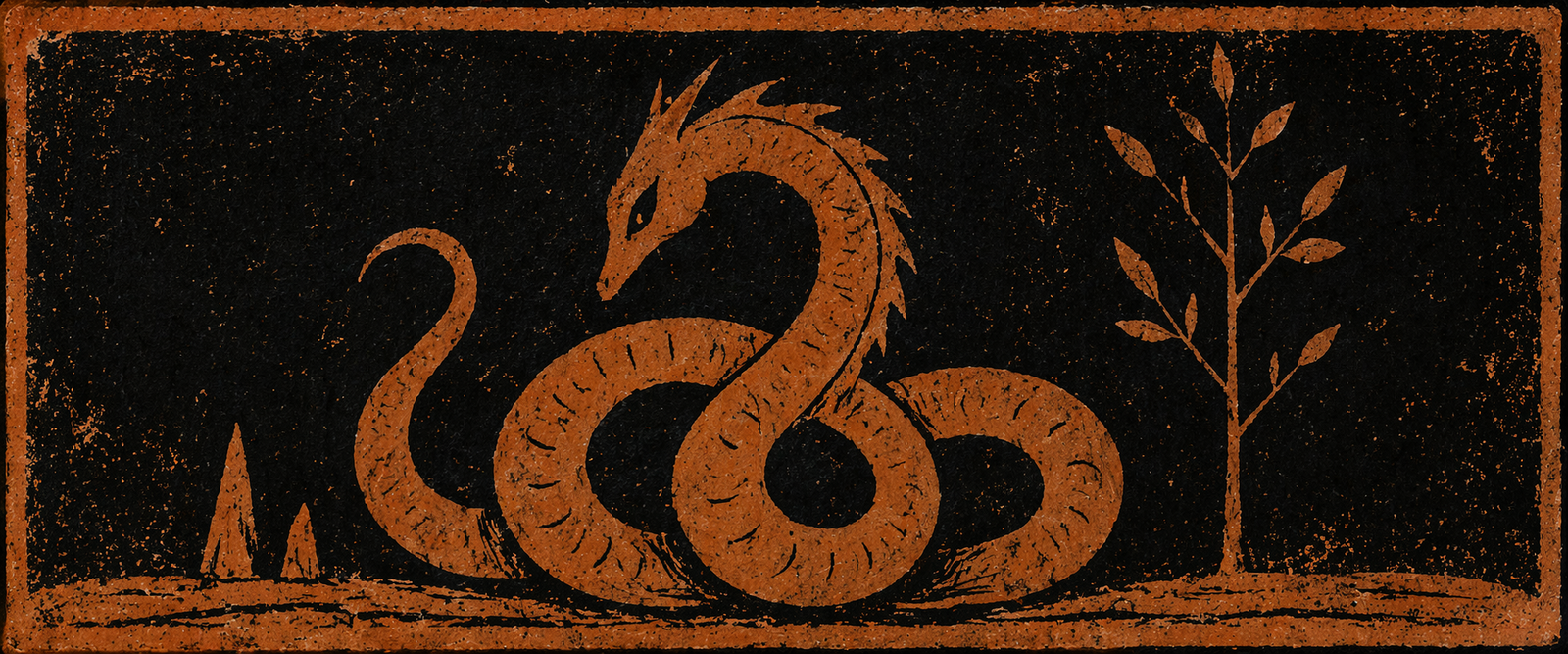

Cadmus and the Cost of Founding
Cadmus is not merely the namesake of the House. He is one of its governing laws: that what is founded on old and violent ground carries its materials forward into the future.

Fires of the Old World XI — The Exiled Monkey King
A hearthlit retelling of Rama, Sugriva, Hanuman, and the grief beneath alliance. In The Exiled Monkey King, a frightened ruler hides on Mount Rishyamuka, a brother’s wound remains unproven, and friendship begins when one exile sets down his bow before another.
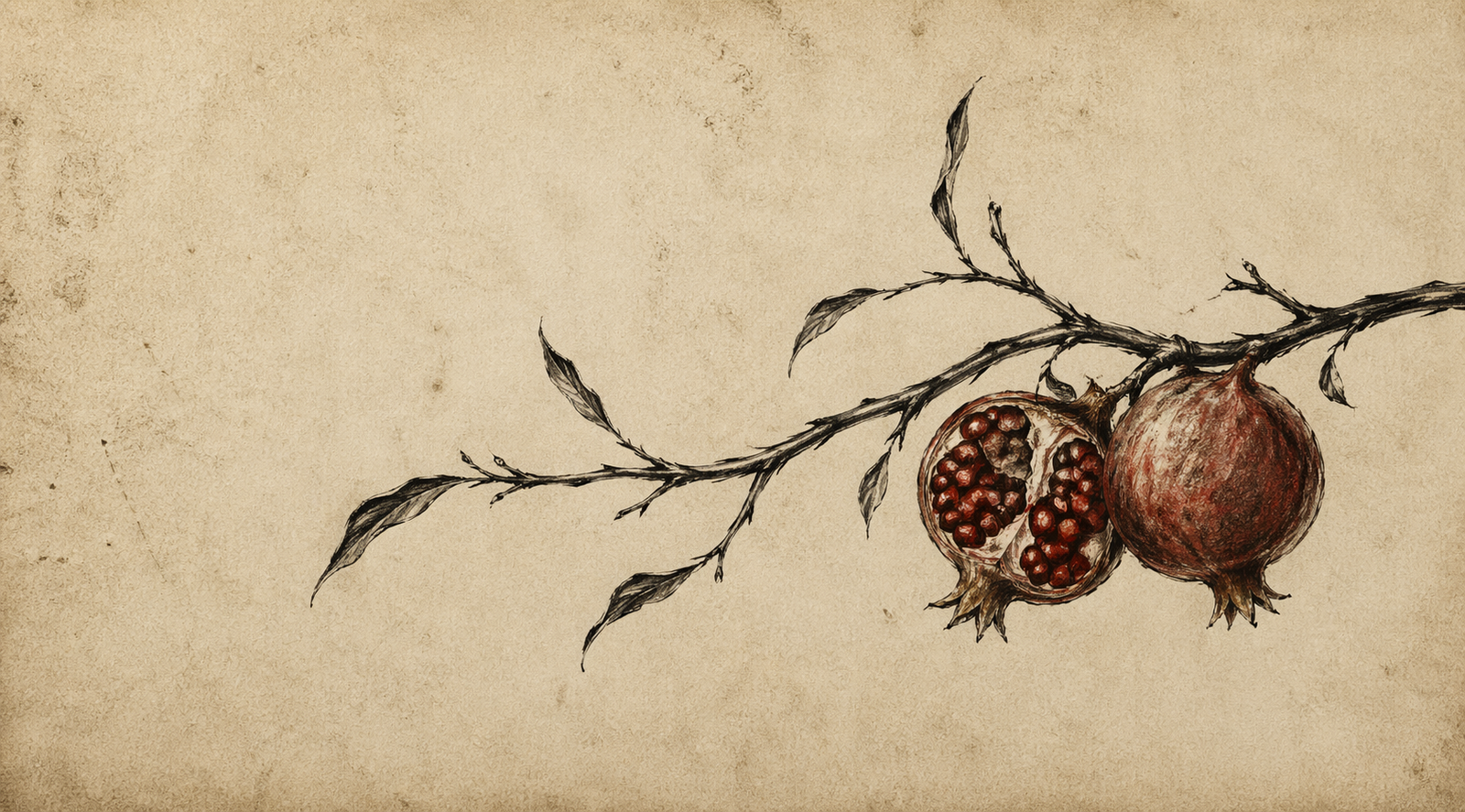

Demeter and Persephone — The First Winter
A literary retelling of Demeter and Persephone from The Hospitable Dark, beginning not with theology or seasonal explanation, but with a daughter gathering flowers, a mother’s grief, and the first winter that enters the world when love refuses to consent to loss.
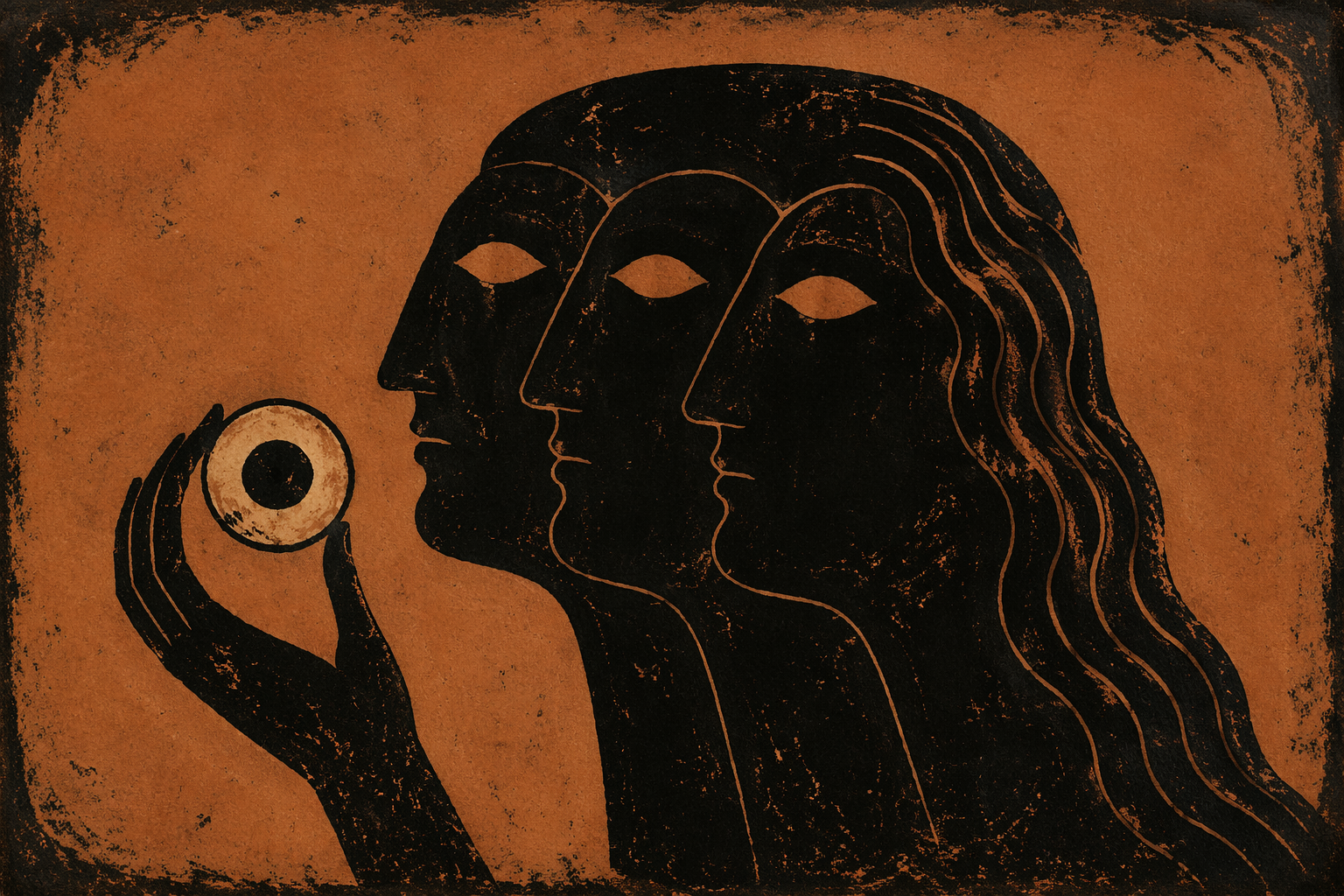

The Graeae — The Sharing of Sight
The Graeae possess one eye and one tooth between them. But this First World retelling is not about lack alone. It is about the law of passage: what must be shared, what must cross open space, and what becomes vulnerable when necessity moves from one hand to another.
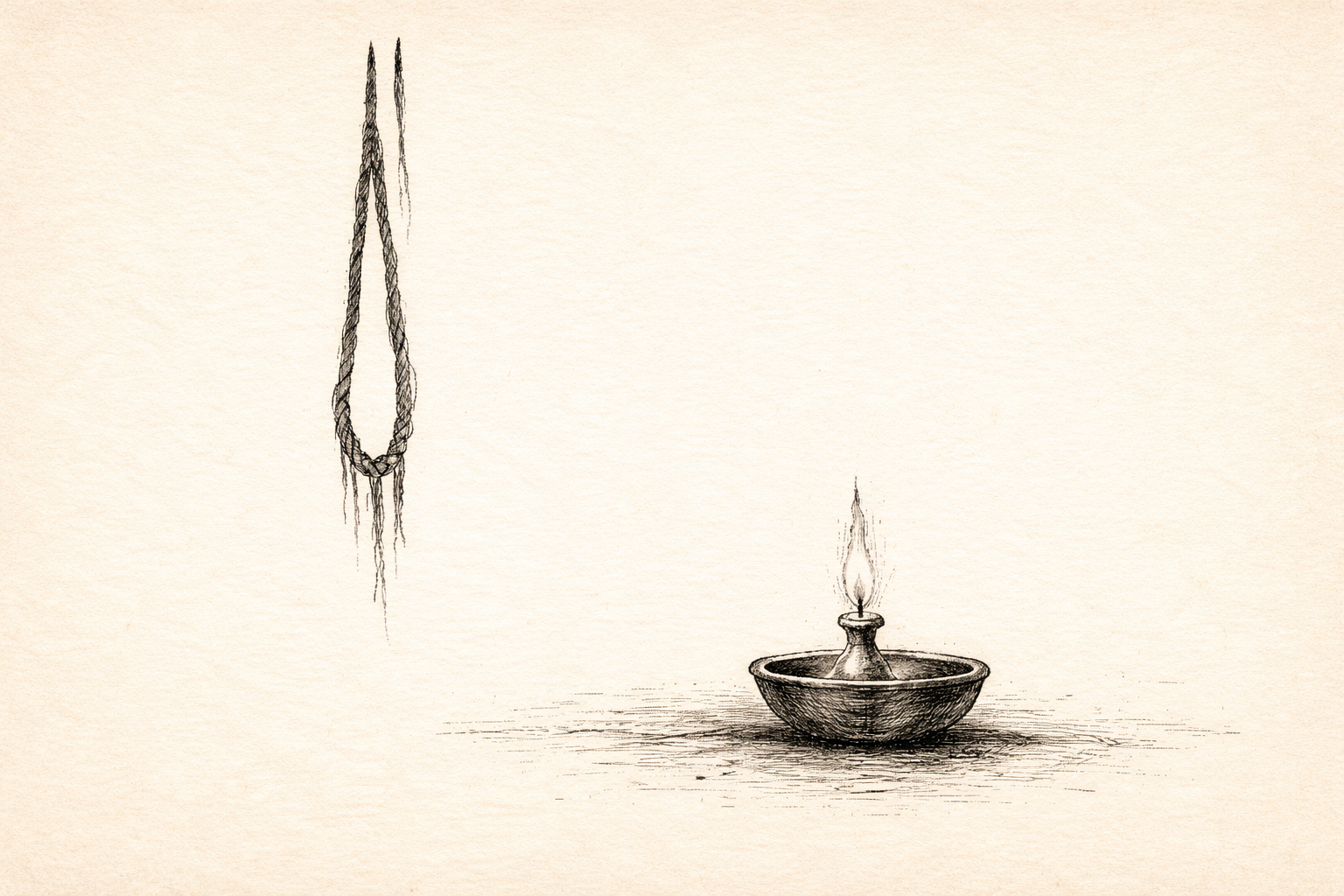

Fires of the Old World X — The Neckless Hunger
A hearthlit retelling of Rama, Lakshmana, and Kabandha: a road at dusk, a monster without a head, a lamp that does not fail. In The Neckless Hunger, violence opens into release, hunger remembers its buried name, and the southern road begins through fire.
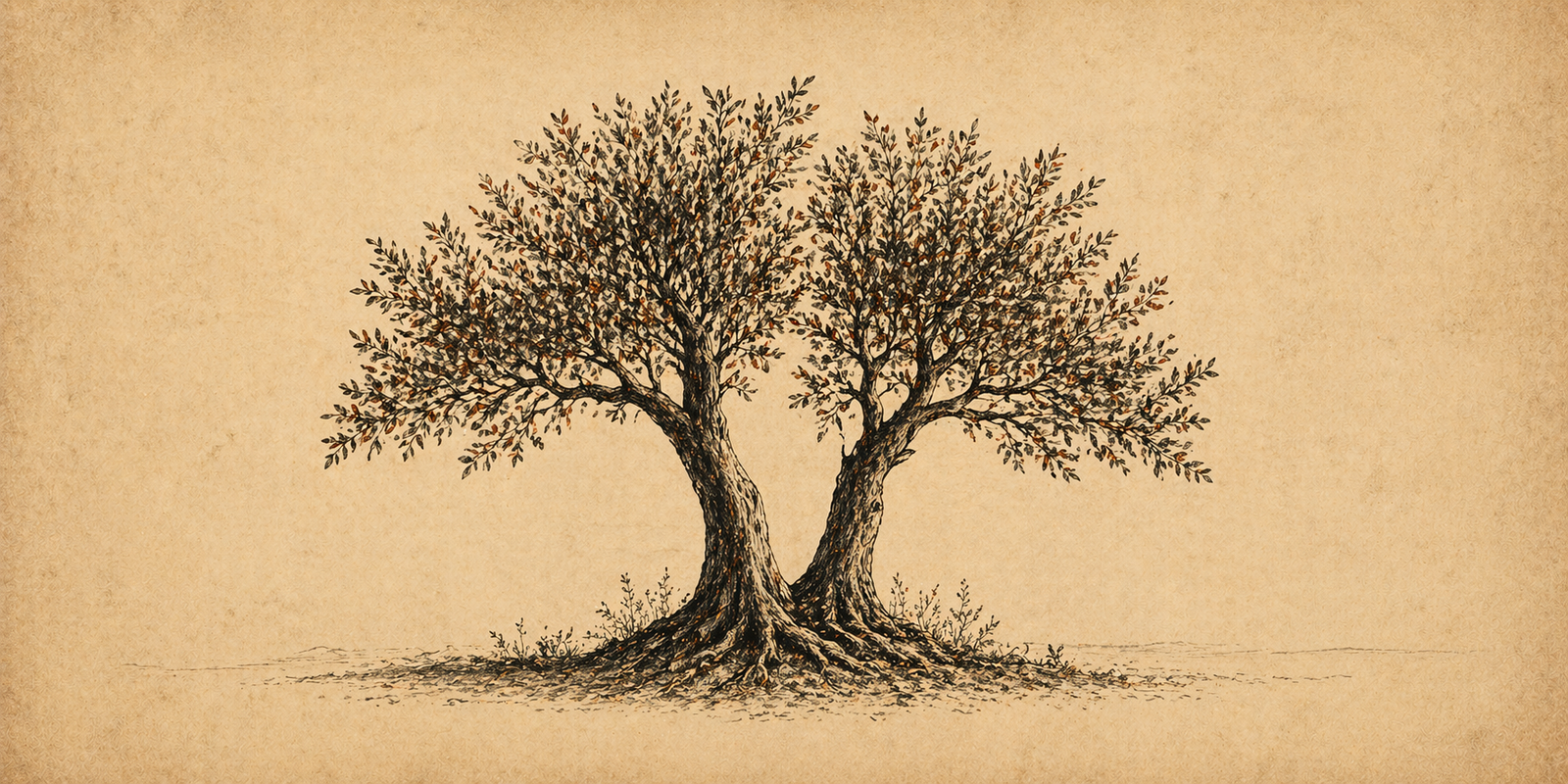

Philemon and Baucis — The Two Trees
A literary retelling of Philemon and Baucis from The Hospitable Dark, beginning not with miracle or punishment, but with poverty, marriage, and a poor house still capable of welcome. In this old myth, hospitality becomes sacred law, and two lives rooted together are finally given visible form.
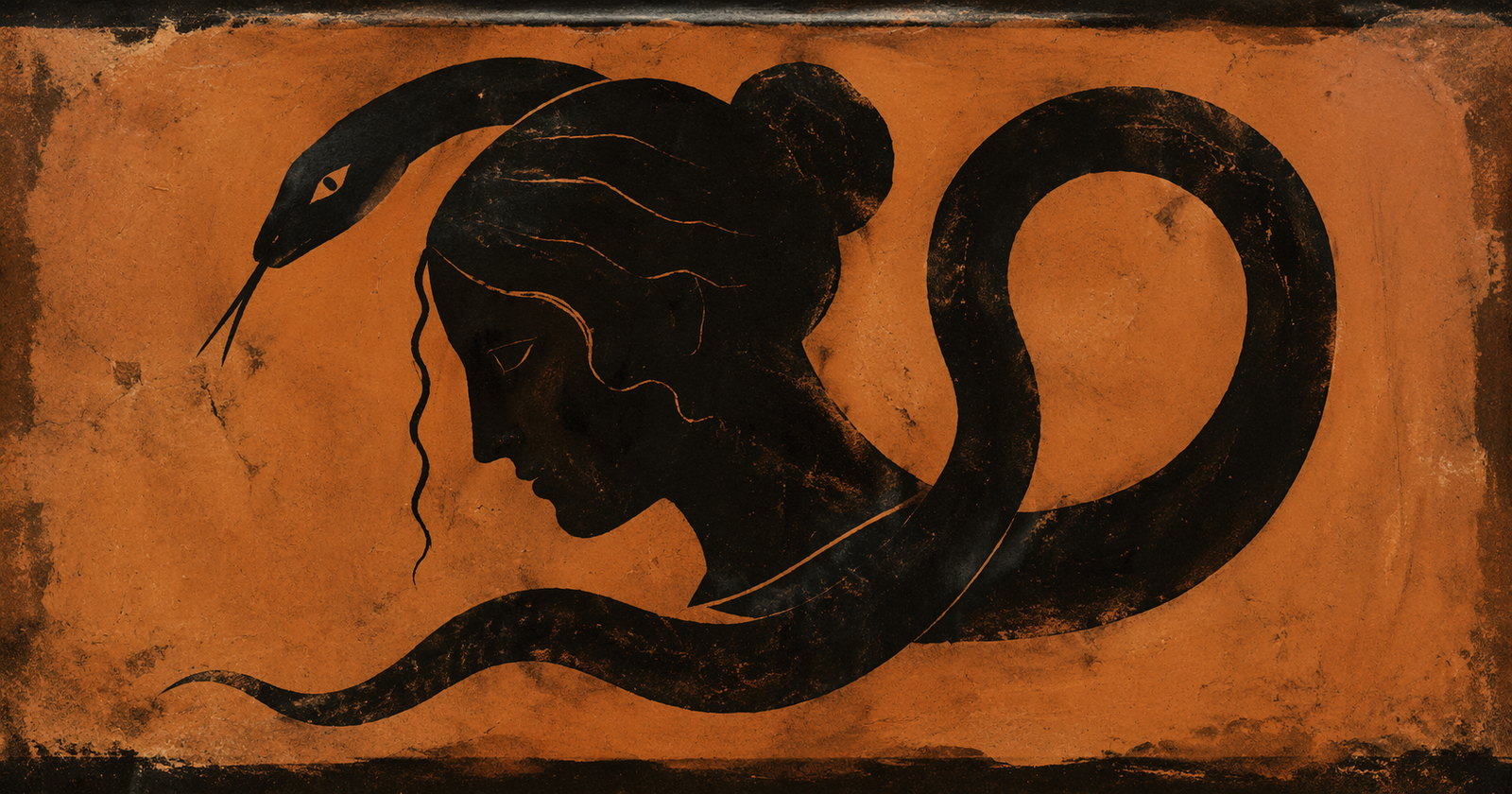

Prometheus — The Fire Under Penalty
Prometheus sees human incompletion hardening into order. To leave fire withheld would also be an act. This First World retelling follows the theft of fire not as sentimental gift, but as passage taken under penalty — an alteration of the mortal world paid for in bound flesh.
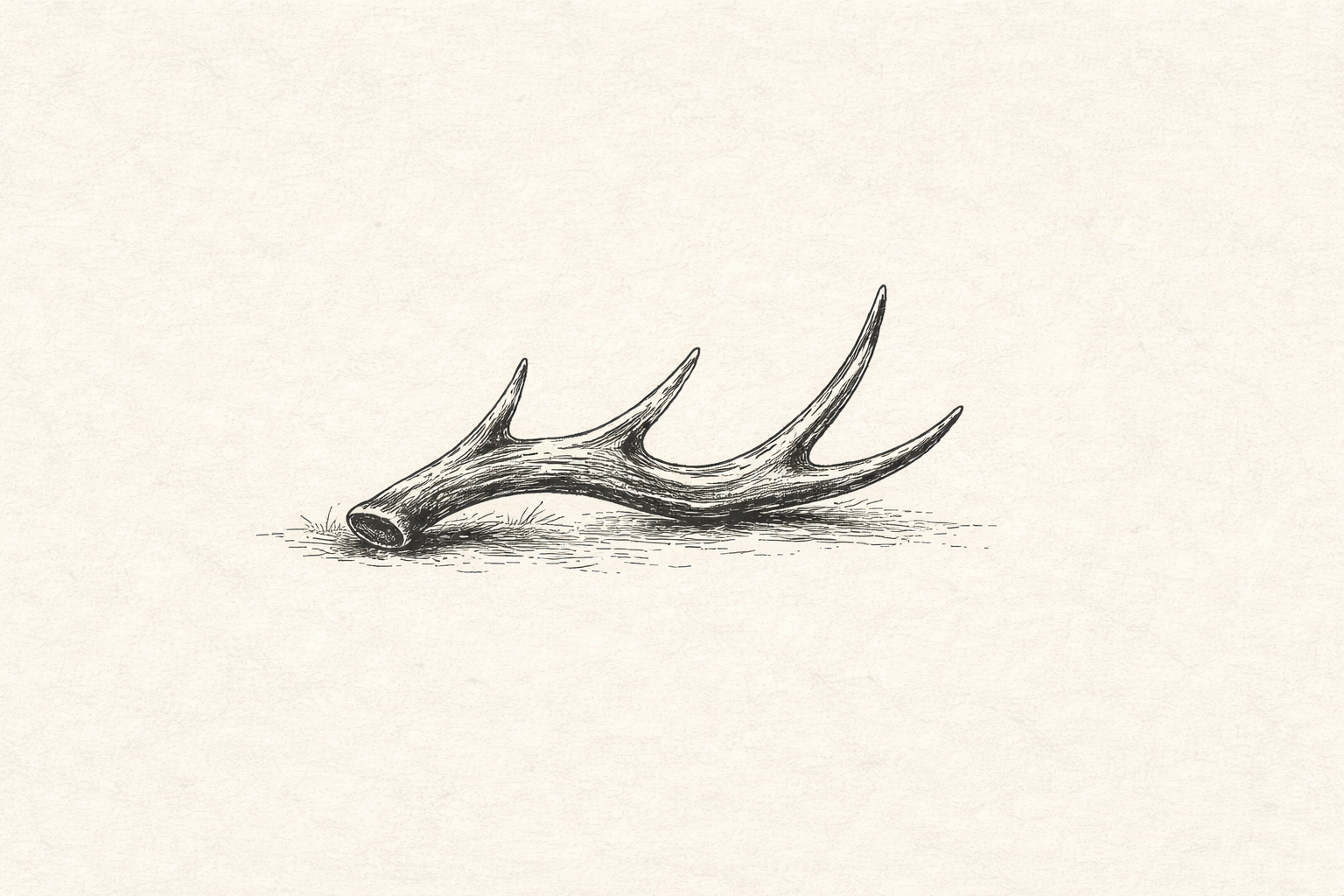

Fires of the Old World IX — The Golden Deer
A hearthlit retelling of Rama, Sita, Lakshmana, Marica, and the golden deer. In Fires of the Old World IX — The Golden Deer, beauty becomes bait, love walks toward danger, and one pale line in the dust is all that stands between exile and ruin.
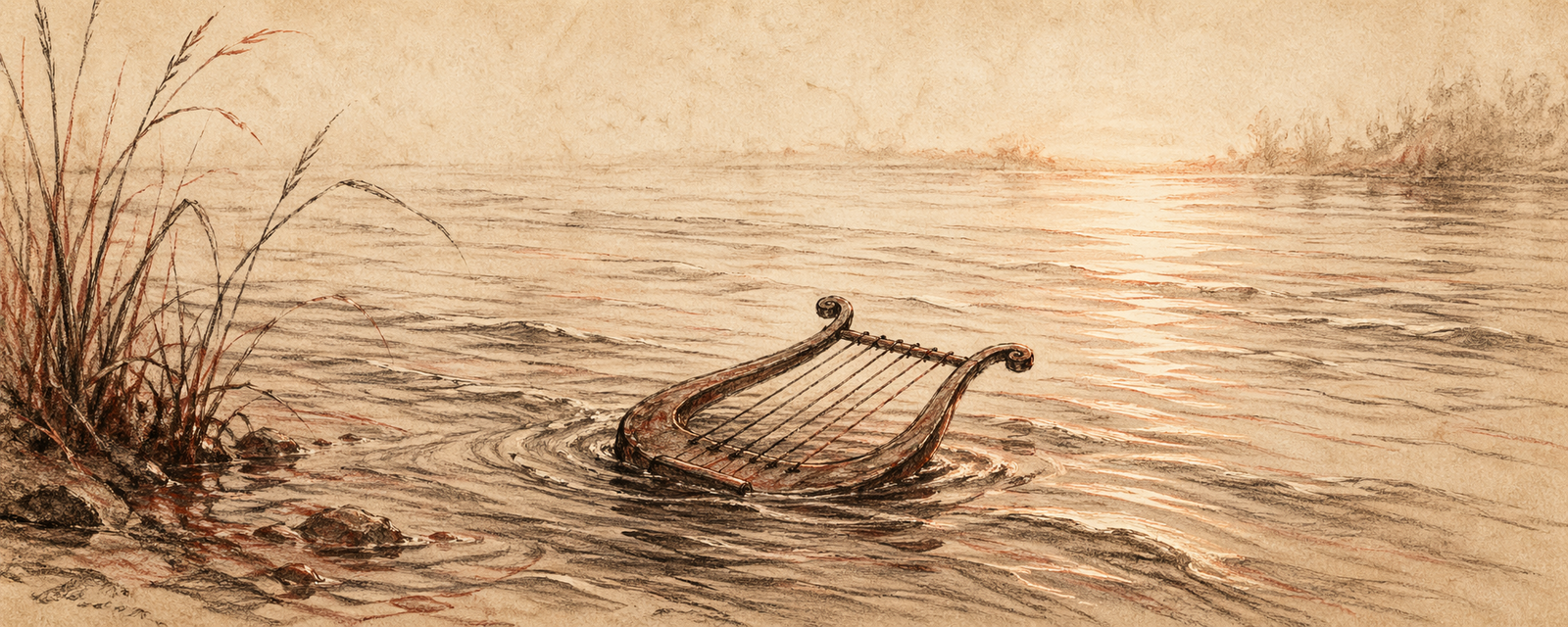

Orpheus — The Weight of Turning
A grave literary retelling of Orpheus and Eurydice from The Hospitable Dark, beginning not in the underworld, but in the ordinary morning love will later make sacred: a lyre, a doorway, a shared room, and the first unbearable shape of loss.


Fires of the Old World VIII — The Bow That Waited
A luminous retelling of Rama, Sita, and the great bow at Mithila. In The Bow That Waited, princes strain and fail before a sleeping weight, until one quiet hand lifts what force could not move, and a garland settles where thunder has just broken.
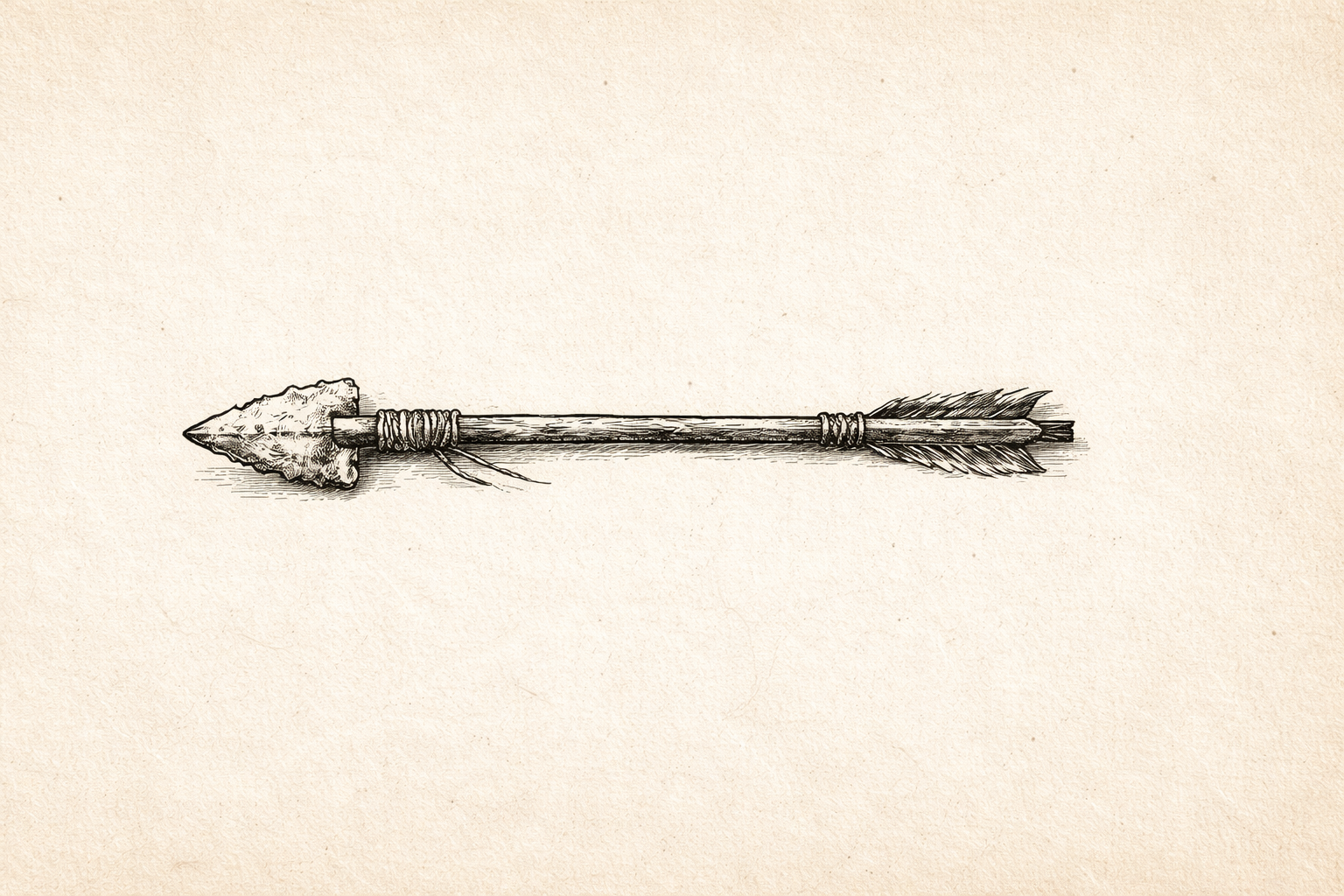

Fires of the Old World VII — The First Arrow
A hearthlit retelling of Rama and Tataka: the first arrow, the first true crossing, and the cost that does not end with the shot. In Fires of the Old World VII — The First Arrow, a boy enters the forest, a life is taken, and childhood does not return whole.
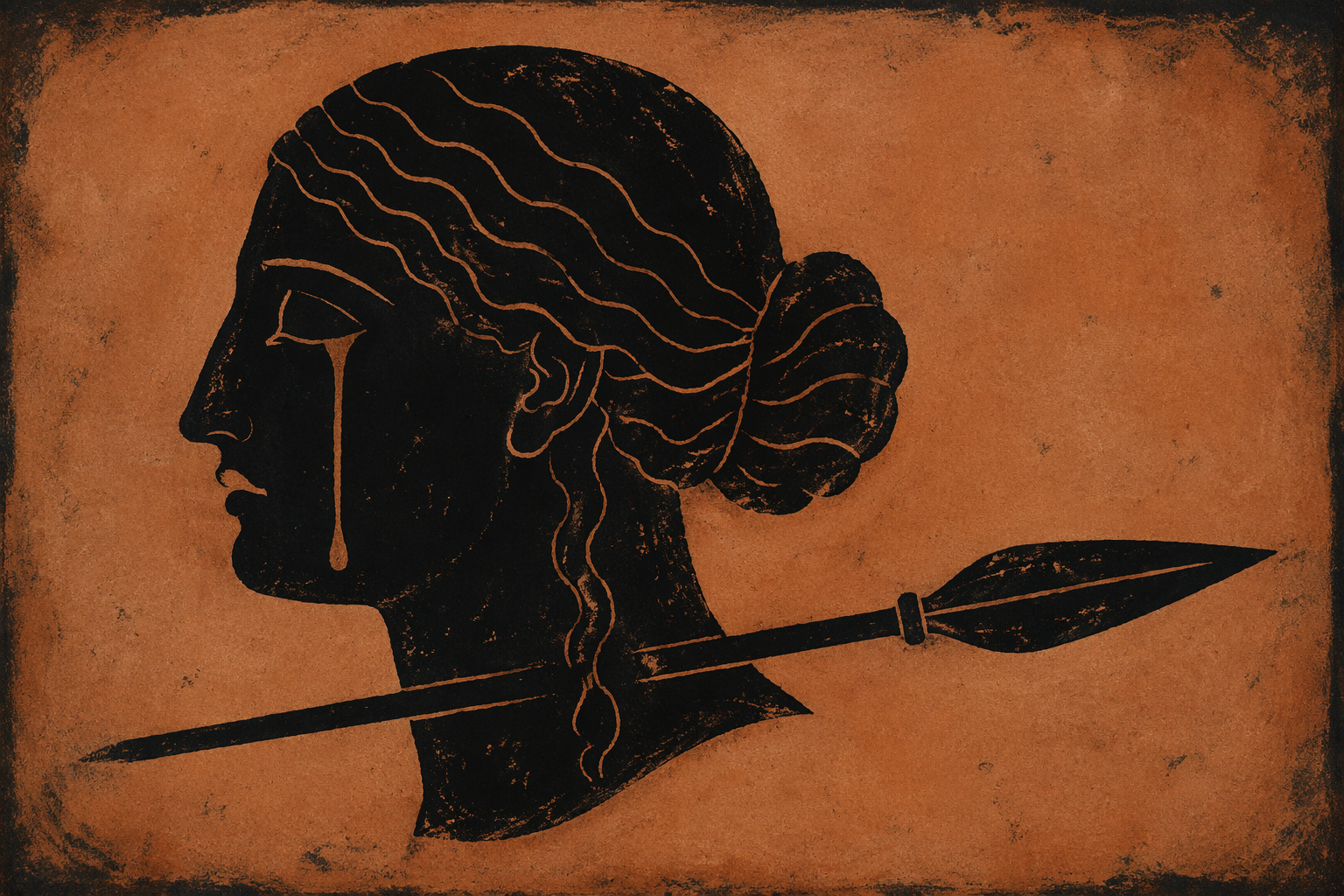

Narcissus and Echo
Echo is left with speech but stripped of beginning. Narcissus is brought before an image that answers every look and yields nothing. This First World retelling returns the old myth to its harsher structure: voice without origin, reflection without crossing, and metamorphosis without consolation.
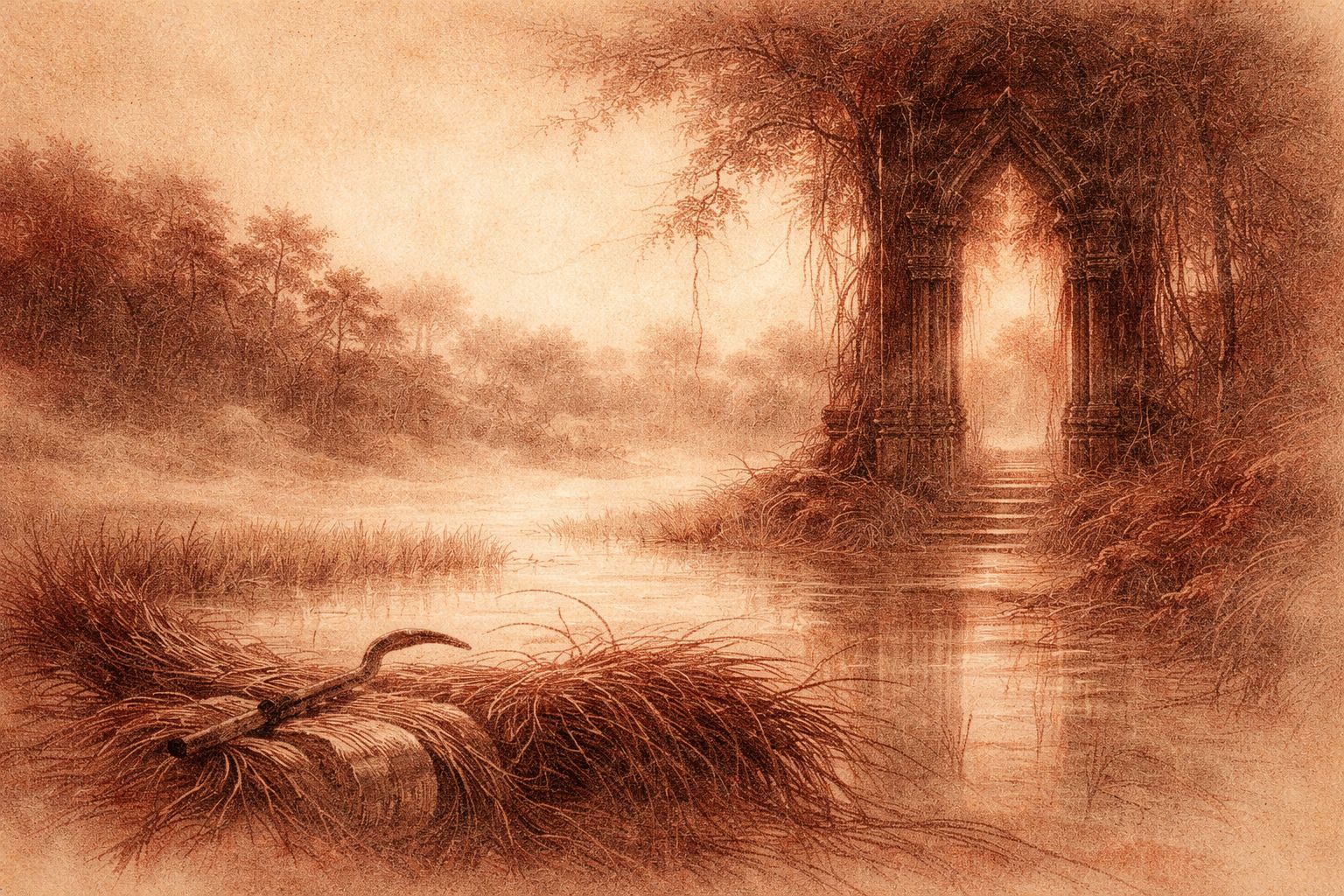

The Pact of the Silent Cut
In this harvest tale, the field does not punish. It withdraws legibility. A single broken form—the first cut made without silence—turns labour heavy, speech sour, and human effort strange to itself. The Pact of the Silent Cut enters a world where attention is devotion, and where the body must begin before the mouth can speak.
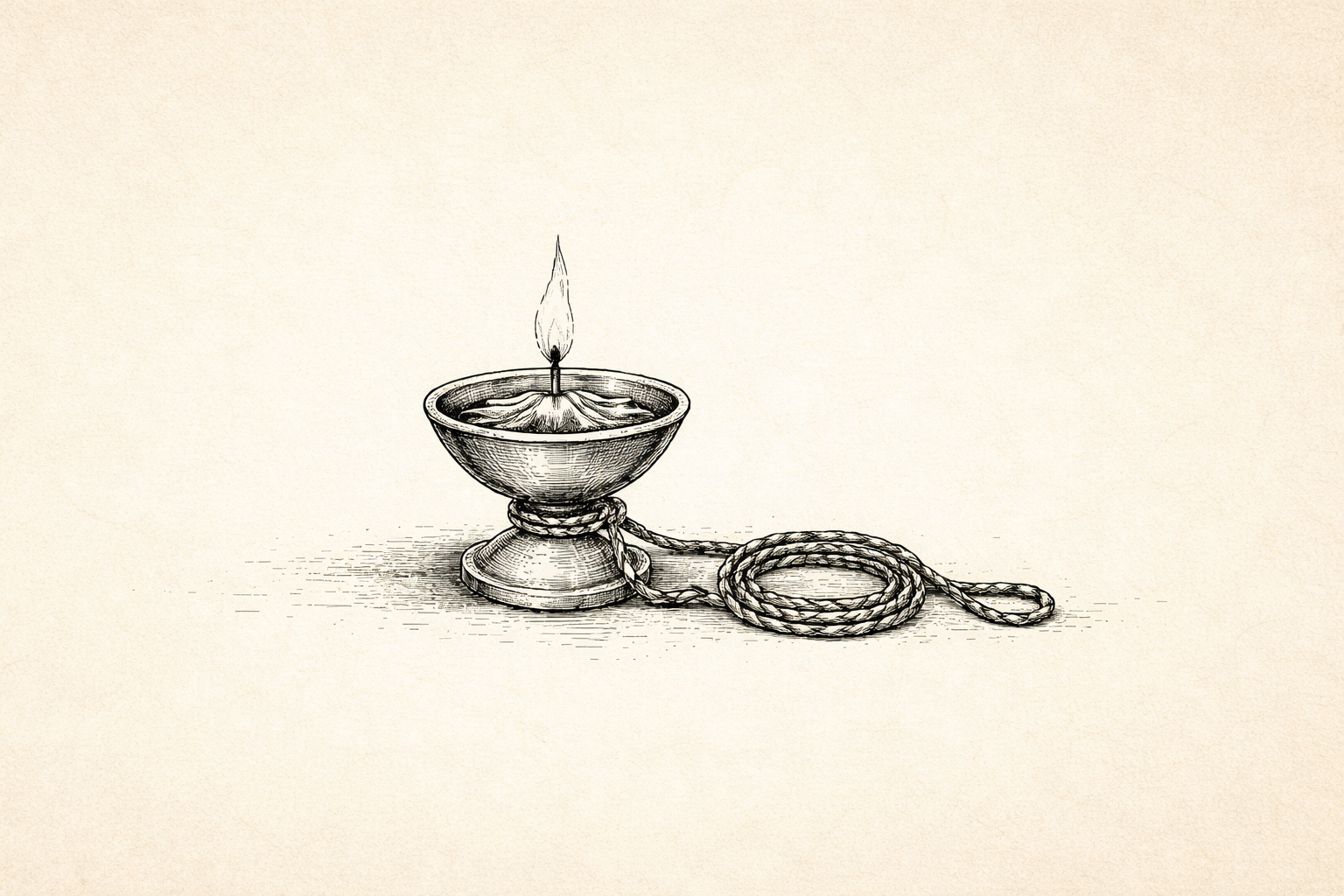

Fires of the Old World VI — The Mountain Under His Hand
A hearthlit retelling of Ravana at Mount Kailasa: a king comes with crown, measuring cord, and storm in him, only to meet a stillness no force can move. In The Mountain Under His Hand, pride is not defeated by spectacle, but pressed slowly into song, ash, and recognition.
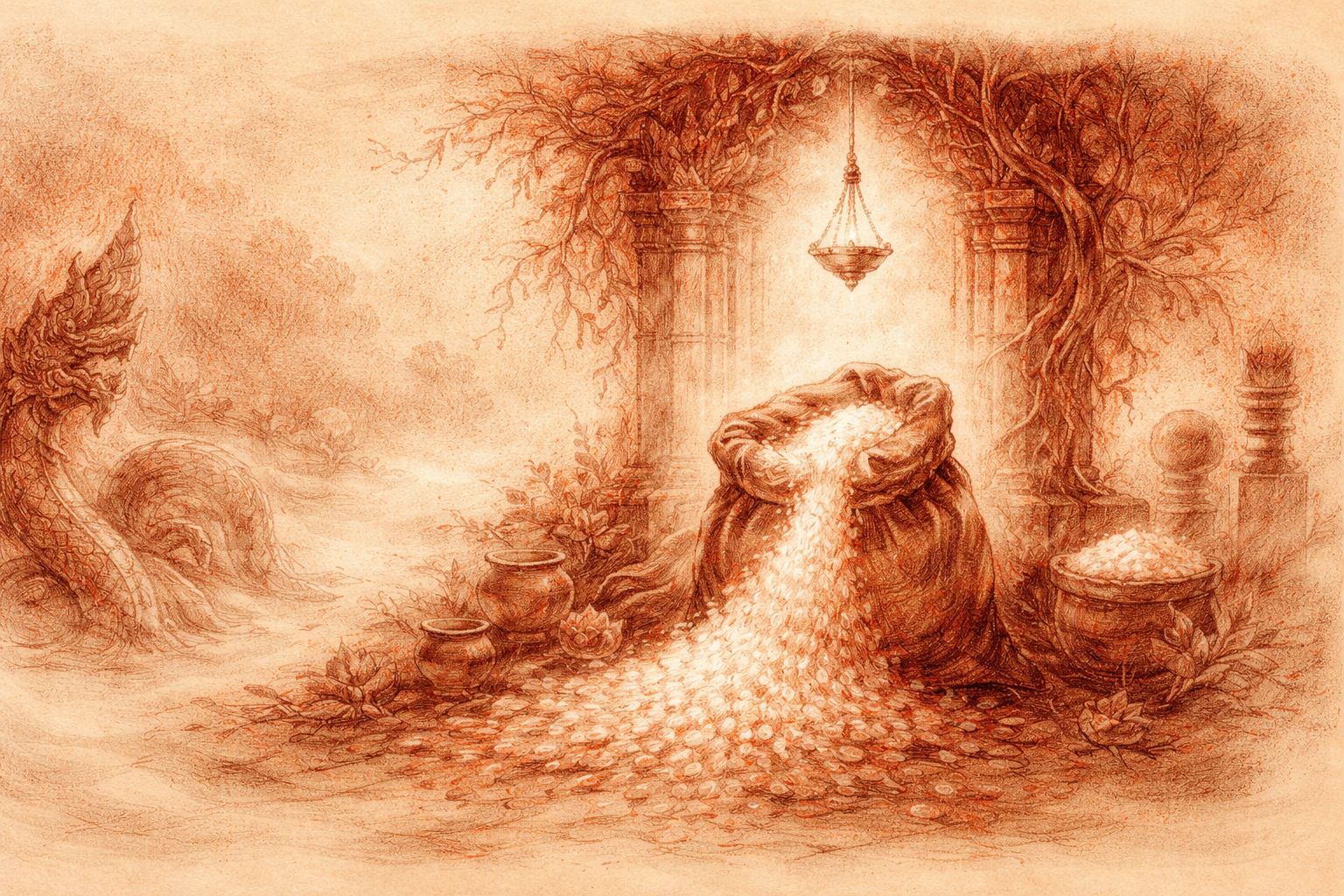

The Pact of the Uncounted Grain
A village does not starve only when rice runs out. It begins to thin when everything is counted, explained, and held too tightly. The Pact of the Uncounted Grain remembers an older law: that once each season, abundance must pass through human hands without measure, or the world begins, quietly, to lose its meaning.

Fires of the Old World V — Three Steps of the World
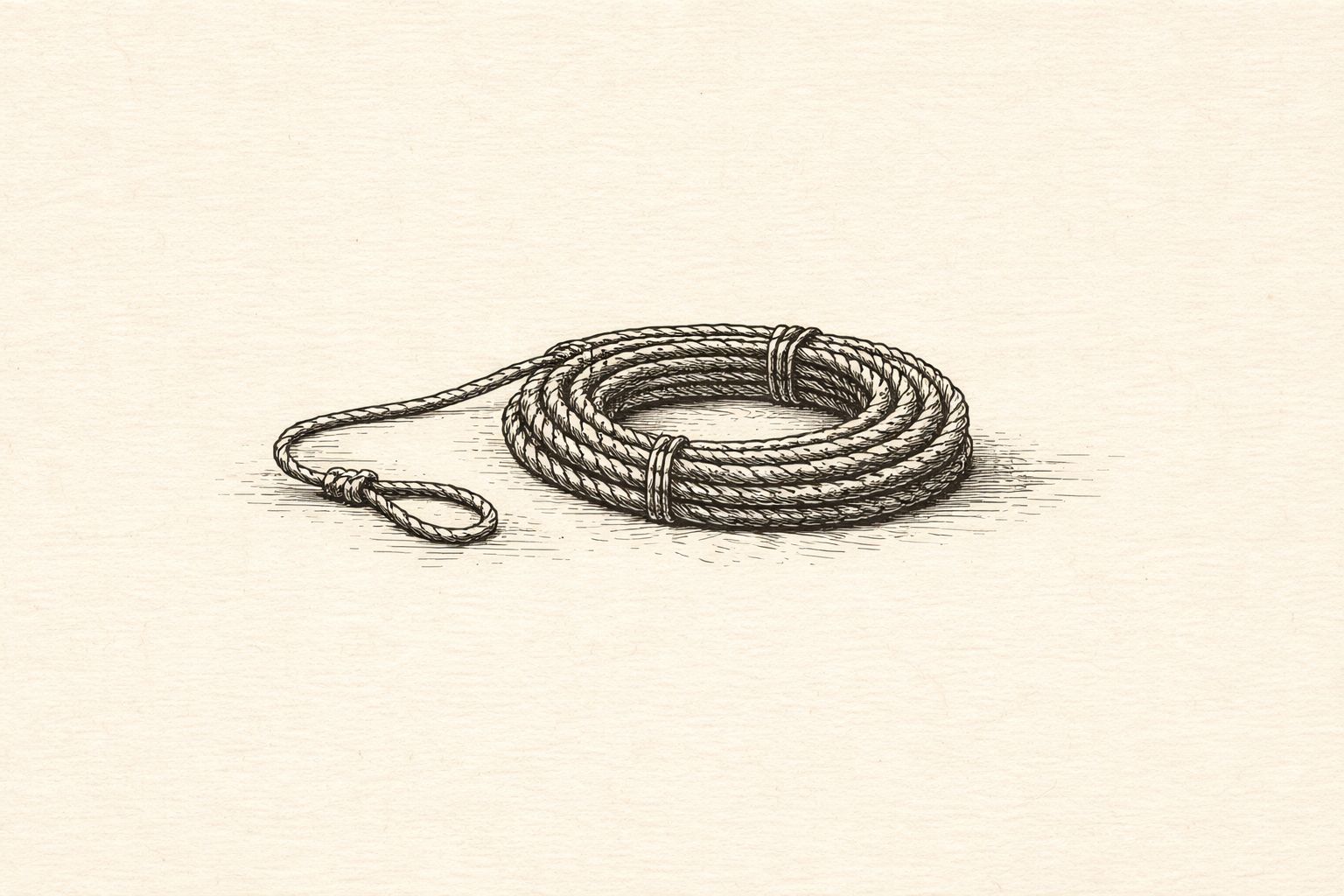
A hearthlit retelling of King Bali, Vamana, and the three steps that measure the world. In this tale from Fires of the Old World, generosity becomes vow, vow becomes surrender, and a king discovers that some gifts ask not merely for land, but for the ground beneath the self.

Orpheus — The Weight of Turning
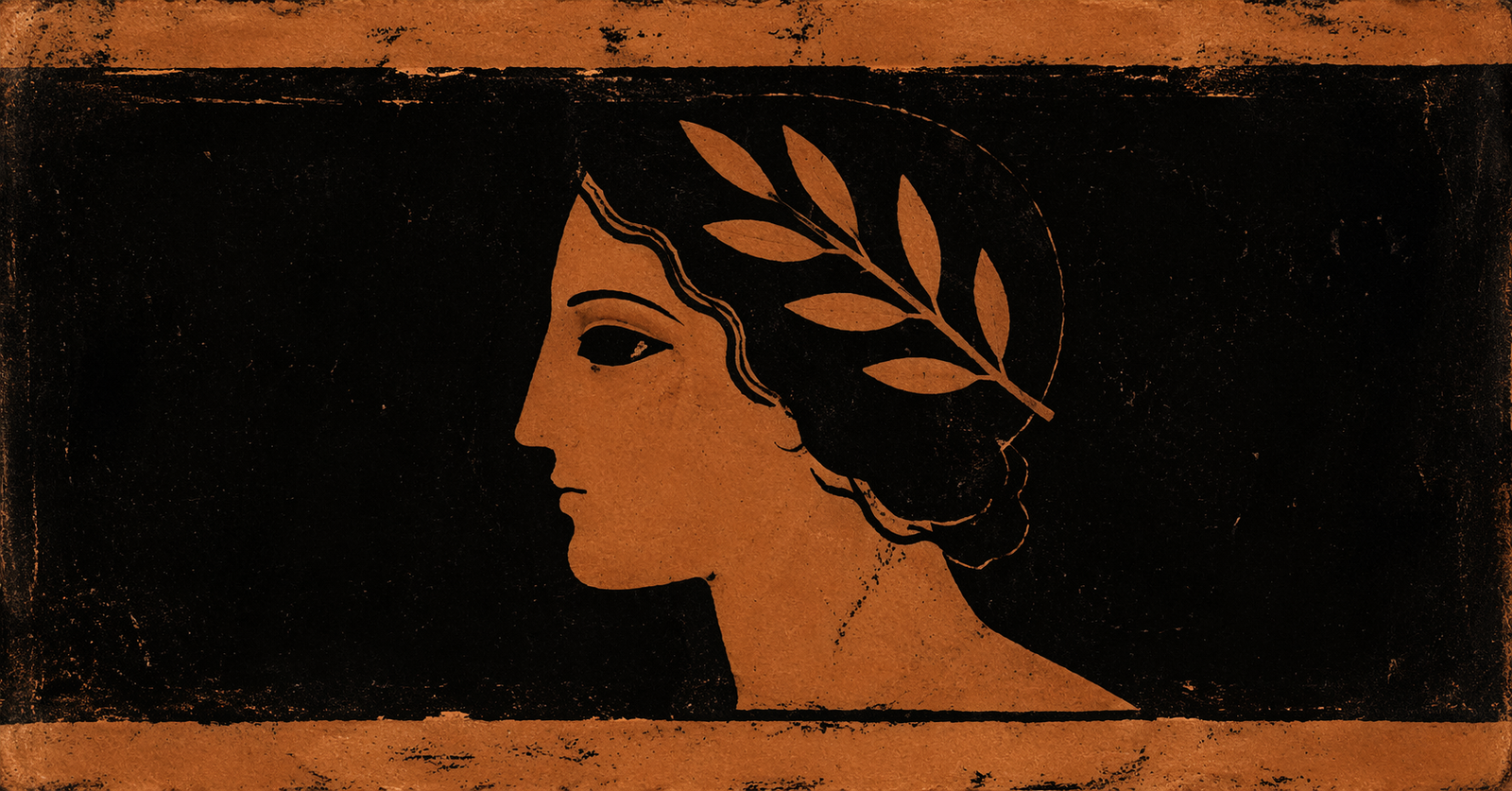
Orpheus enters the underworld already divided. In this House of Cadmus retelling, the command not to turn is not a test, but a law of passage: Eurydice may follow only while he does not demand proof. The tragedy begins where love, uncertainty, and the body’s hunger for confirmation meet.

The Pact of the Last Sheaf
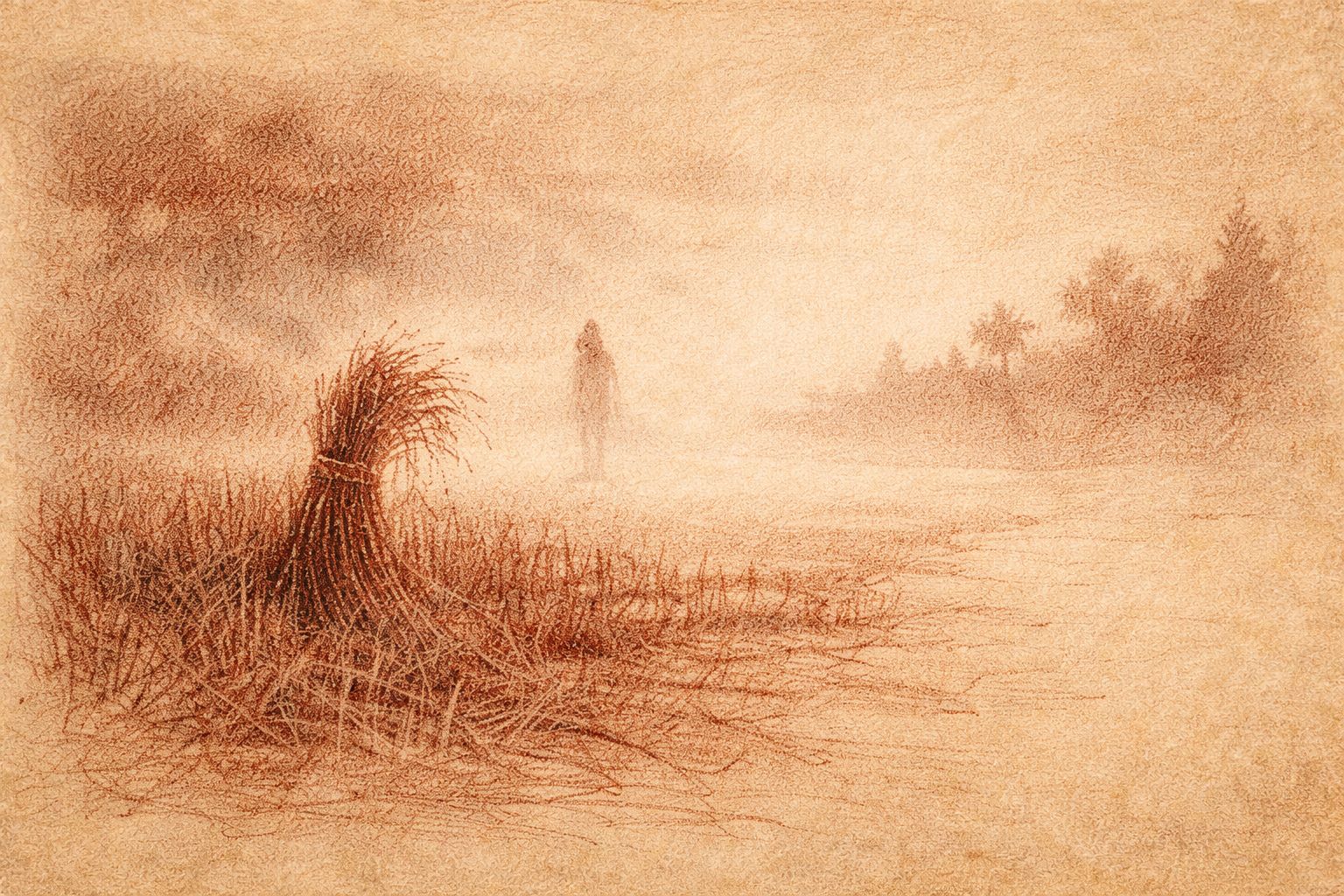
At the edge of the field where cut meets uncut, one sheaf stands listening. The jars are full, the bread is warm, yet something waits in the narrowing light. Not hunger, not blessing—only the hand that can pass by without closing.

Fires of the Old World IV — The Blue Throat
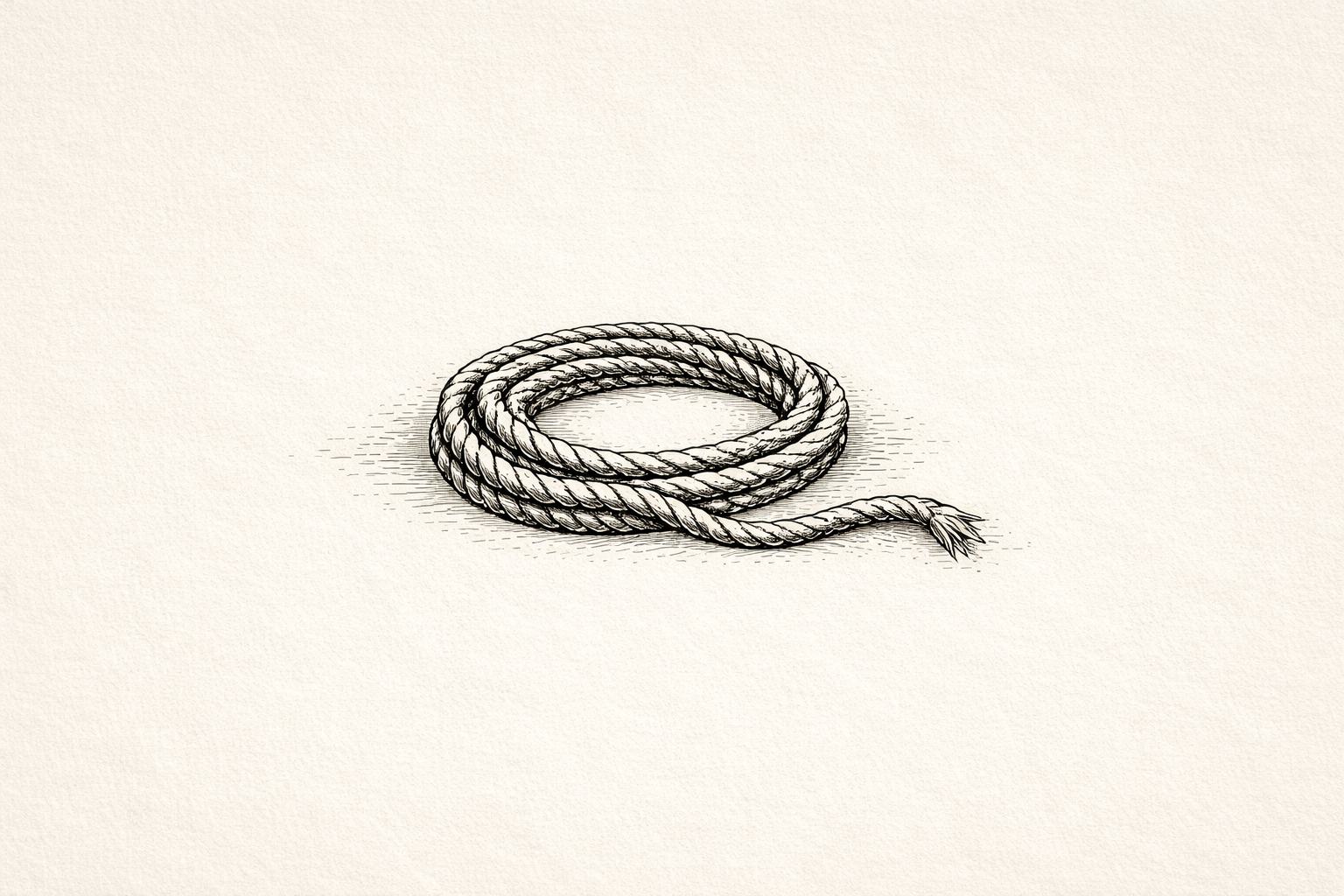
A mythic retelling from Fires of the Old World: gods and asuras churn the first sea, seeking what lasts. But before the gifts can rise, poison enters the open air—and one god must hold in his own throat what the world cannot survive.
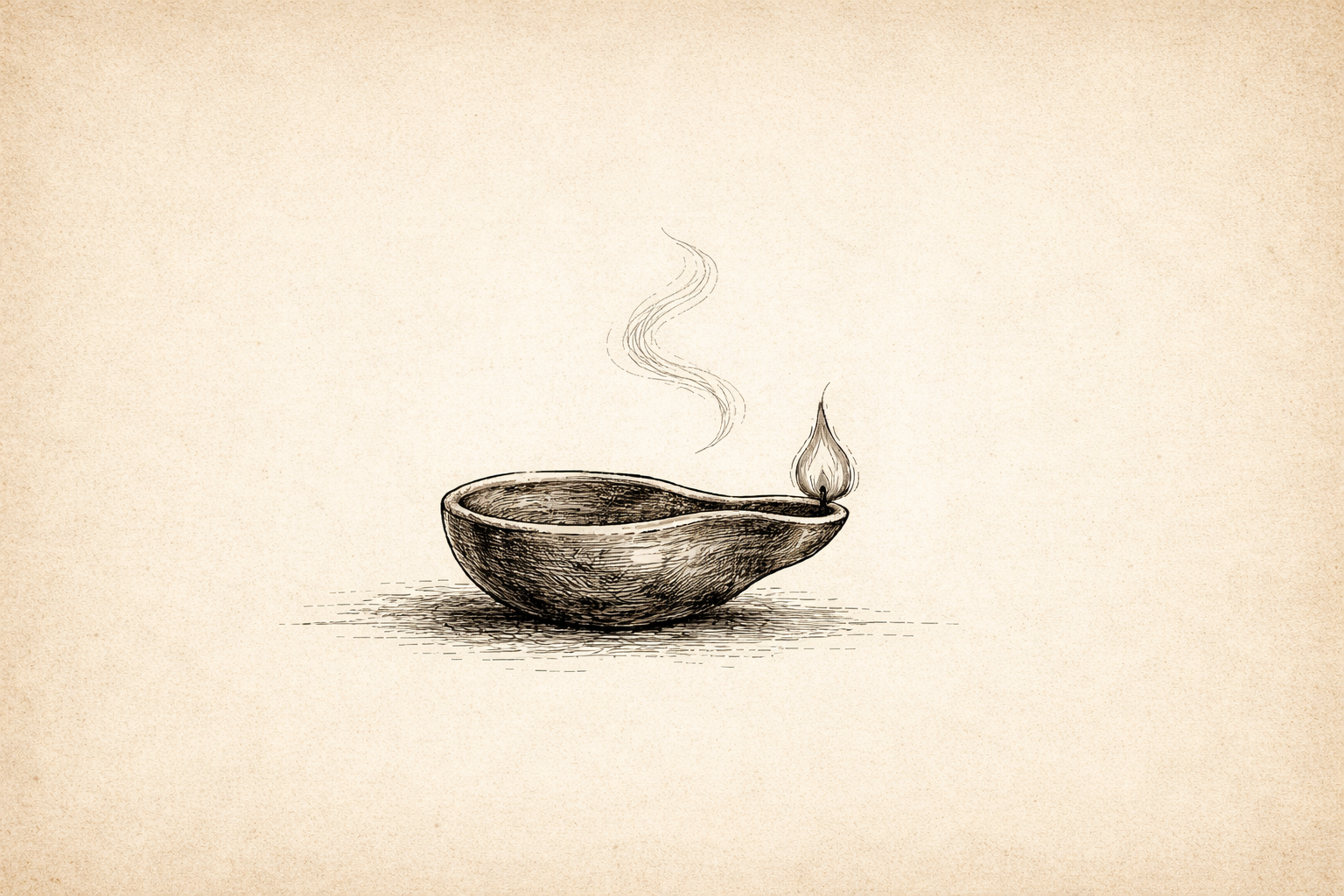

Fires of the Old World III — The Ocean-Rope
A mythic retelling from Fires of the Old World: gods and demons come to the Milk Sea seeking what lasts. But the ocean must be churned with mountain, turtle, and living serpent-rope—and before any blessing rises, the first gift is poison.
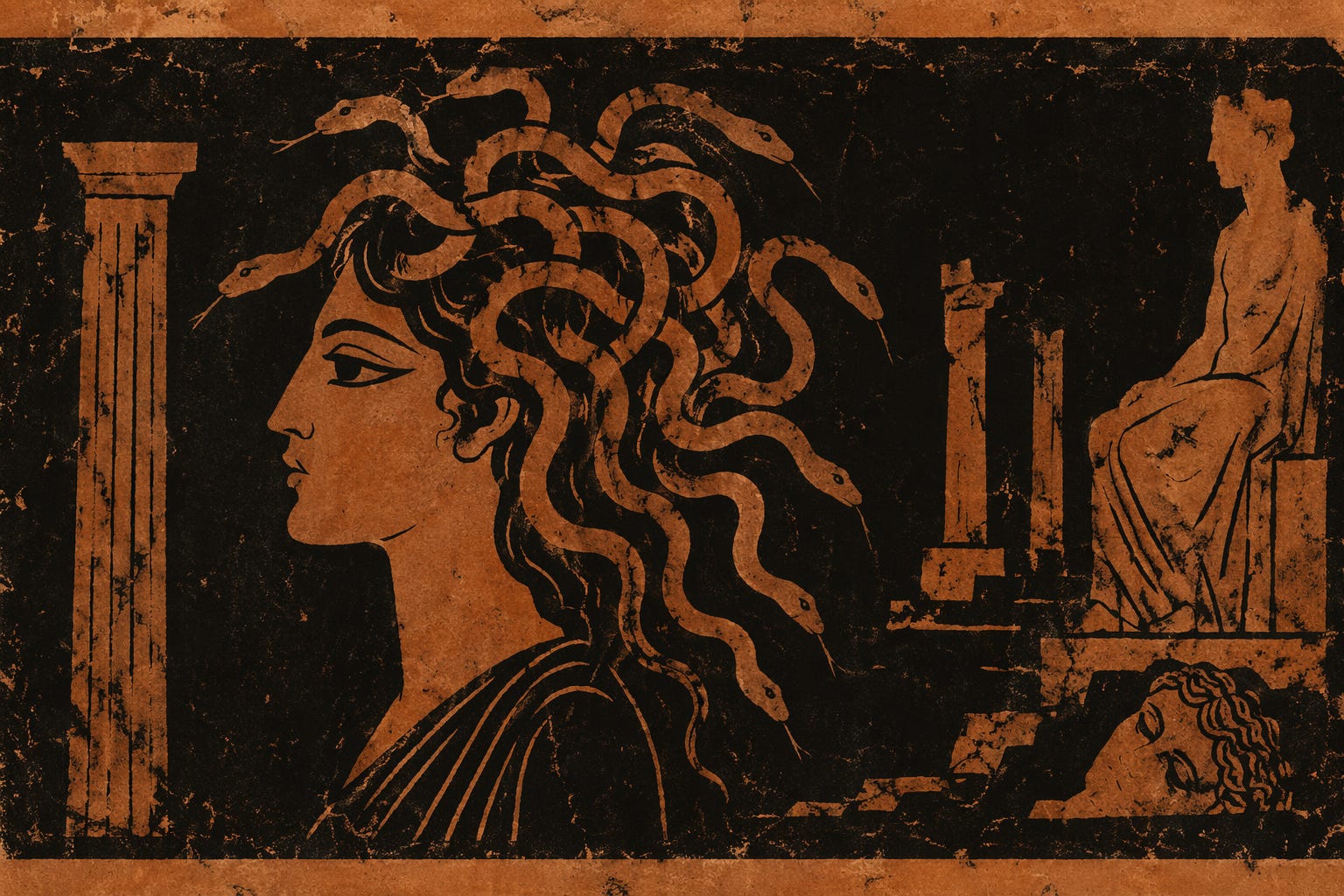

Medusa — The Mirror of Silence
Medusa speaks from the broken sanctuary: not as ornament of horror, but as witness. This House of Cadmus retelling returns to the silence before the name monster, where holiness fails, false naming begins, and the gaze becomes the place where others can no longer endure what looks back.
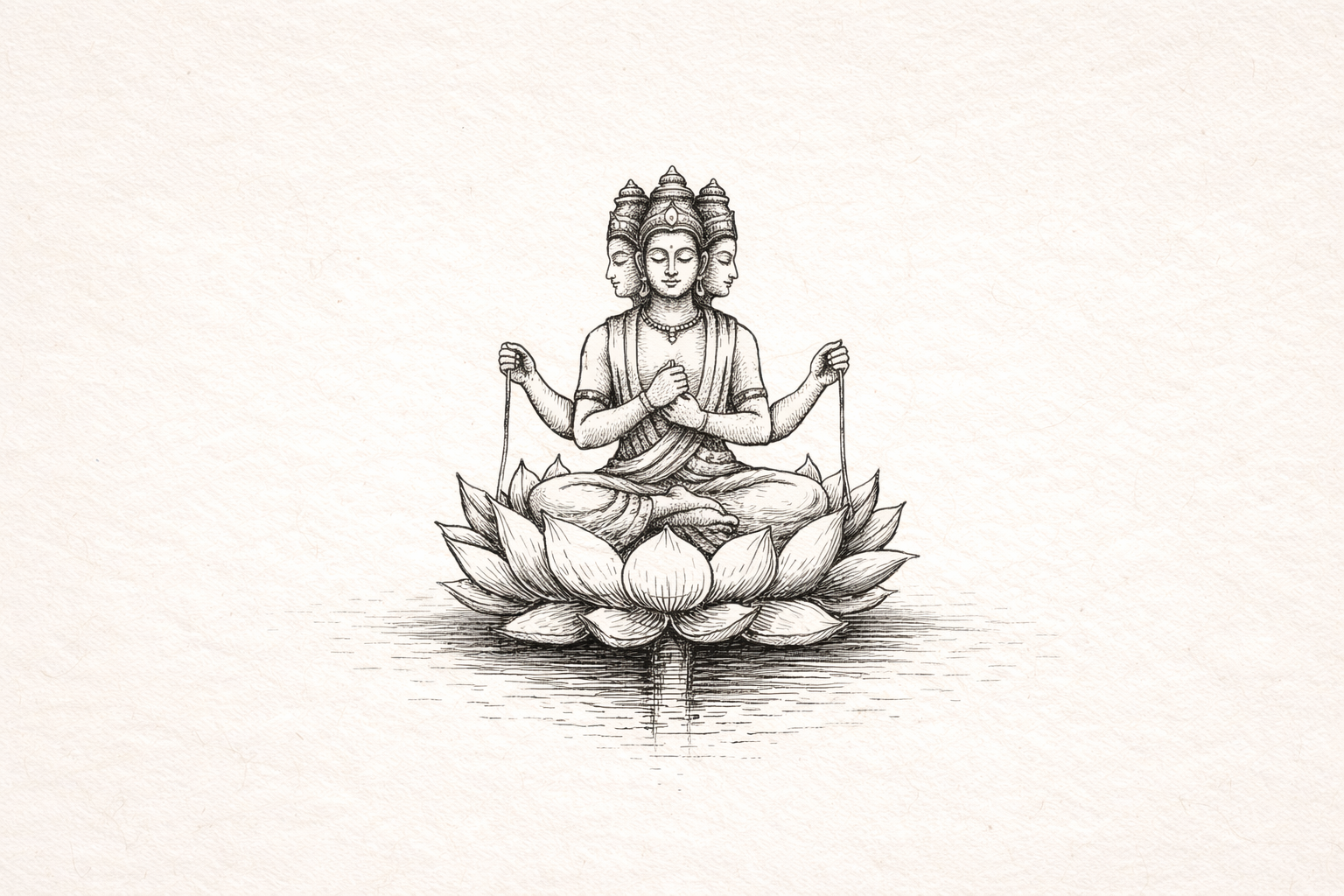

Fires of the Old World II — Lotus-Birth
A mythic retelling from Fires of the Old World: from the navel of the Sleeping God, a lotus rises through the unmeasured deep. In its bloom, Brahma opens his eyes and discovers the first burden of creation: where there is no bottom, measure must begin.
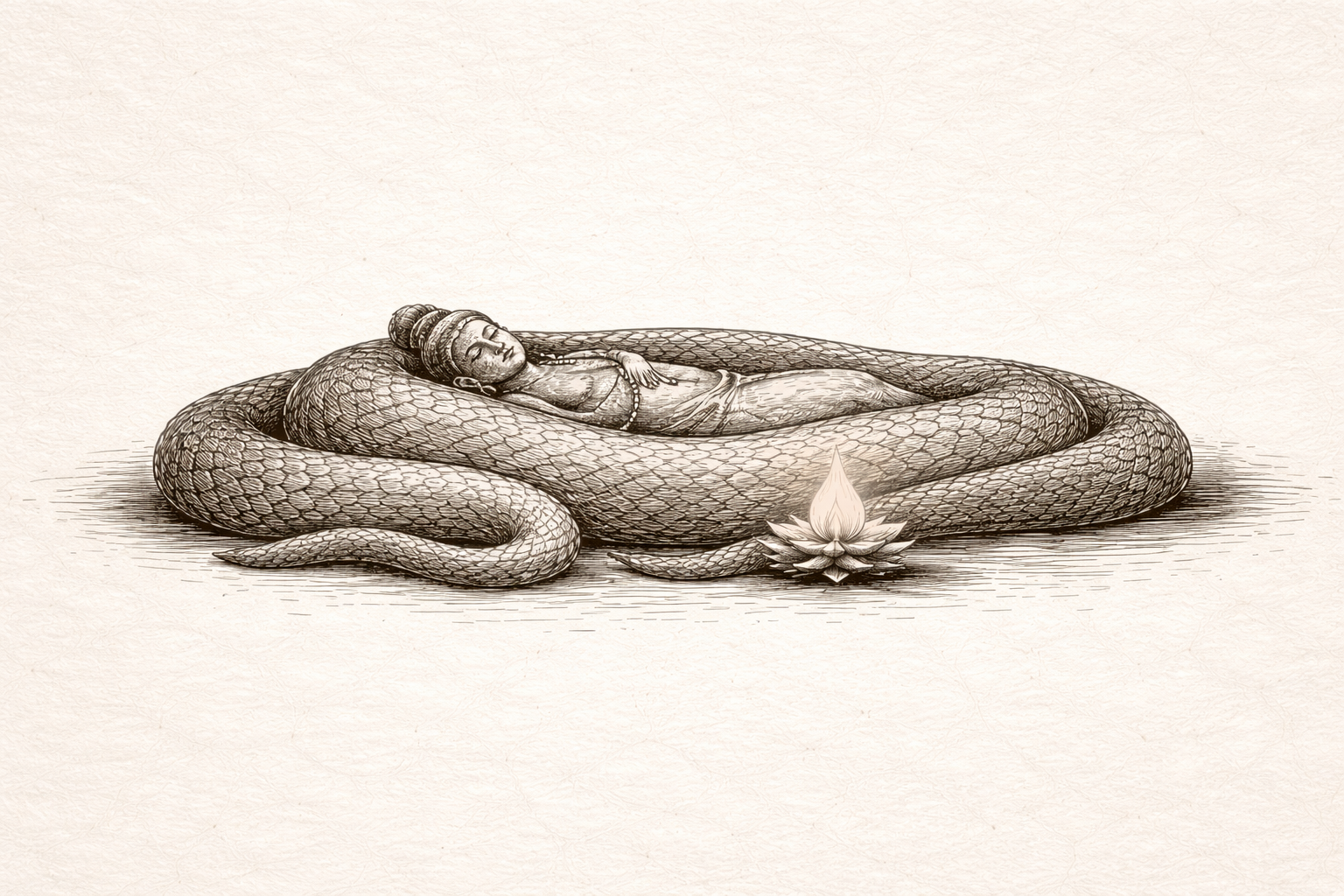

Fires of the Old World I — The Coiled Cradle
A hearthlit mythic retelling from Fires of the Old World: before the world has learned names, hunger, or counting, the Sleeping God rests upon Ananta’s coils. But in the deep, something restless approaches the cradle, and the first lesson of beginnings waits to be spoken.
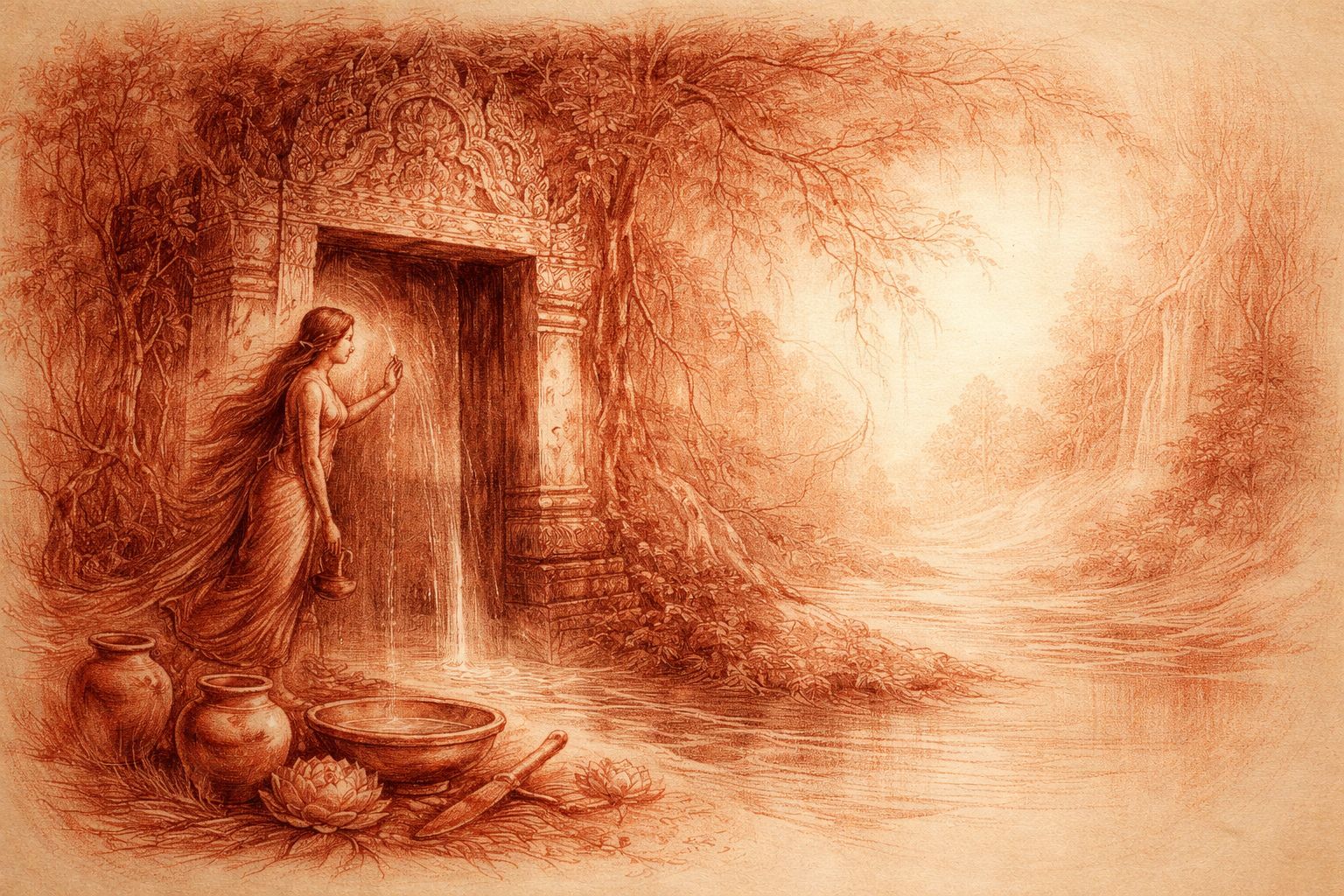

Salt-Wife at the Rain Gate
In a year of drought, a woman comes from the flats and asks for a vow instead of rain. Salt is withheld. Water arrives only by measure. A gate listens. This is not a story about abundance, but about keeping—what land, seasons, and people owe each other when gifts are no longer enough.
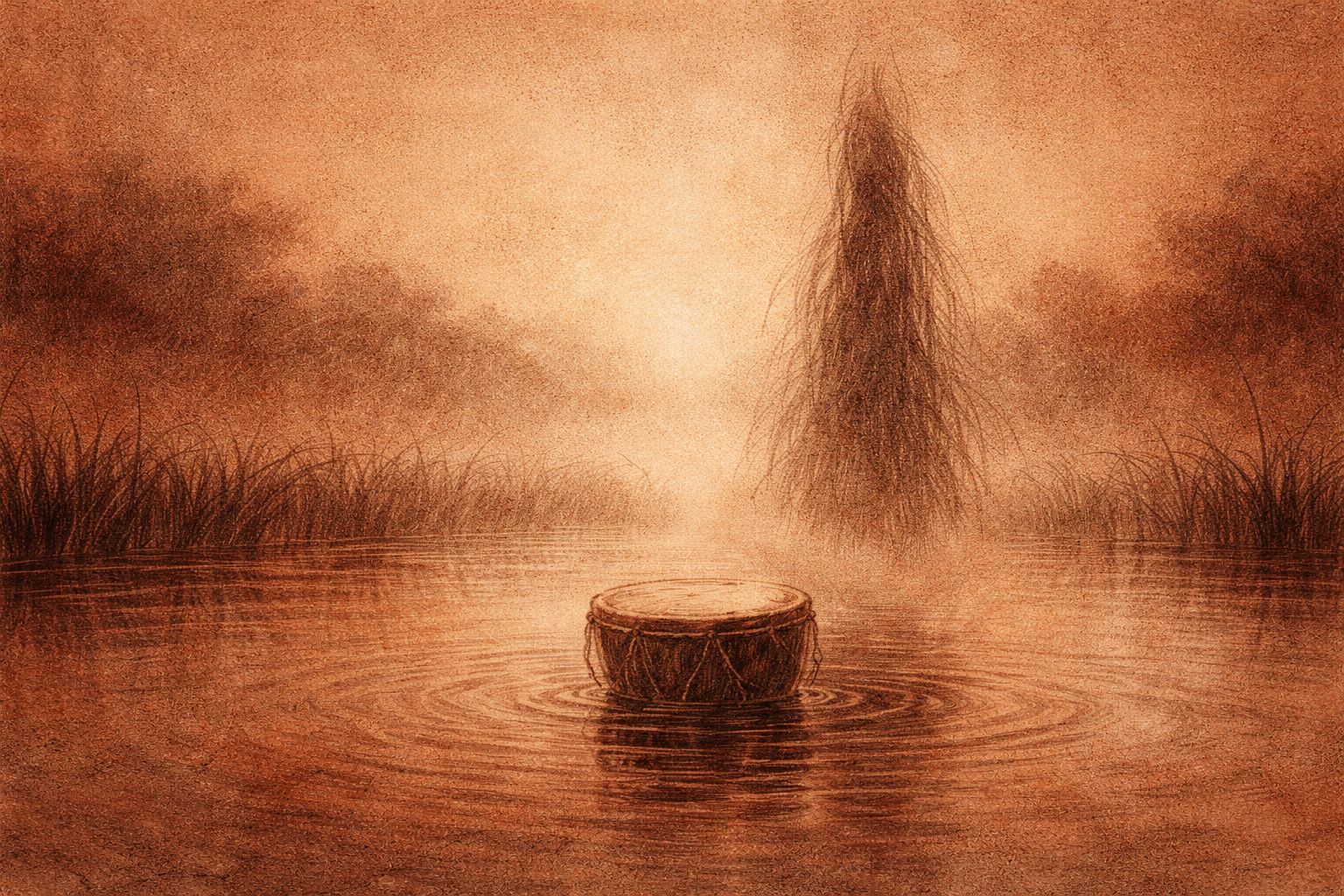

Rice-Ghost and the Seven Drums
At harvest, the danger is not hunger but forgetting how to listen.
This folklore retelling speaks of drums struck for silence, of grain taken without gratitude, and of a narrow figure who does not punish—only waits. A tale of pacts made not with spirits, but with attention itself.
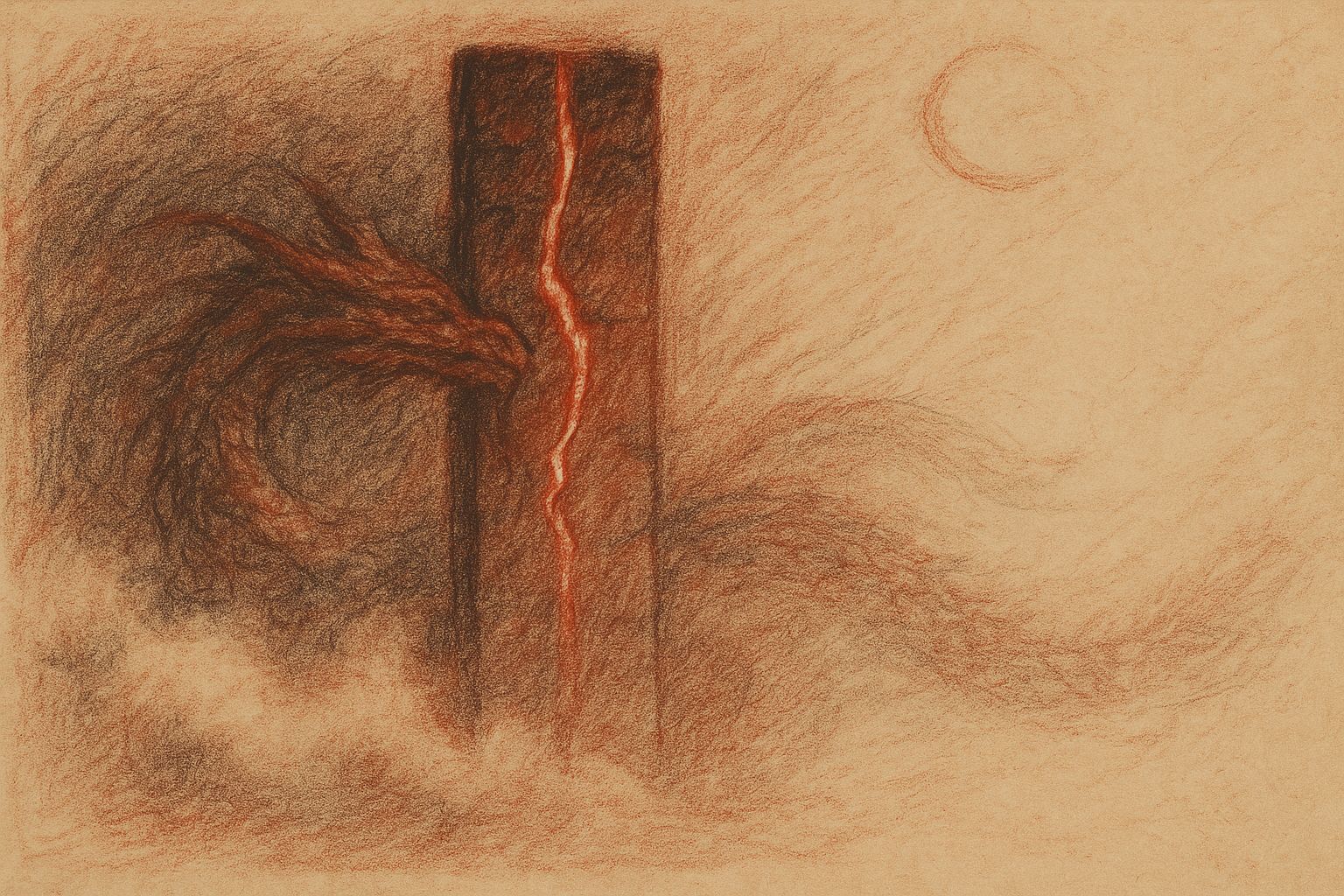

I Was Stone, I Am Dragon
I was stone, sealed in the earth’s dark marrow, until a single crack taught me the colour of pain and the meaning of release. From silence I tore wings, from pressure I learned fire. I rose into sky and storm as dragon—hunger, flame, and the echo of freedom.
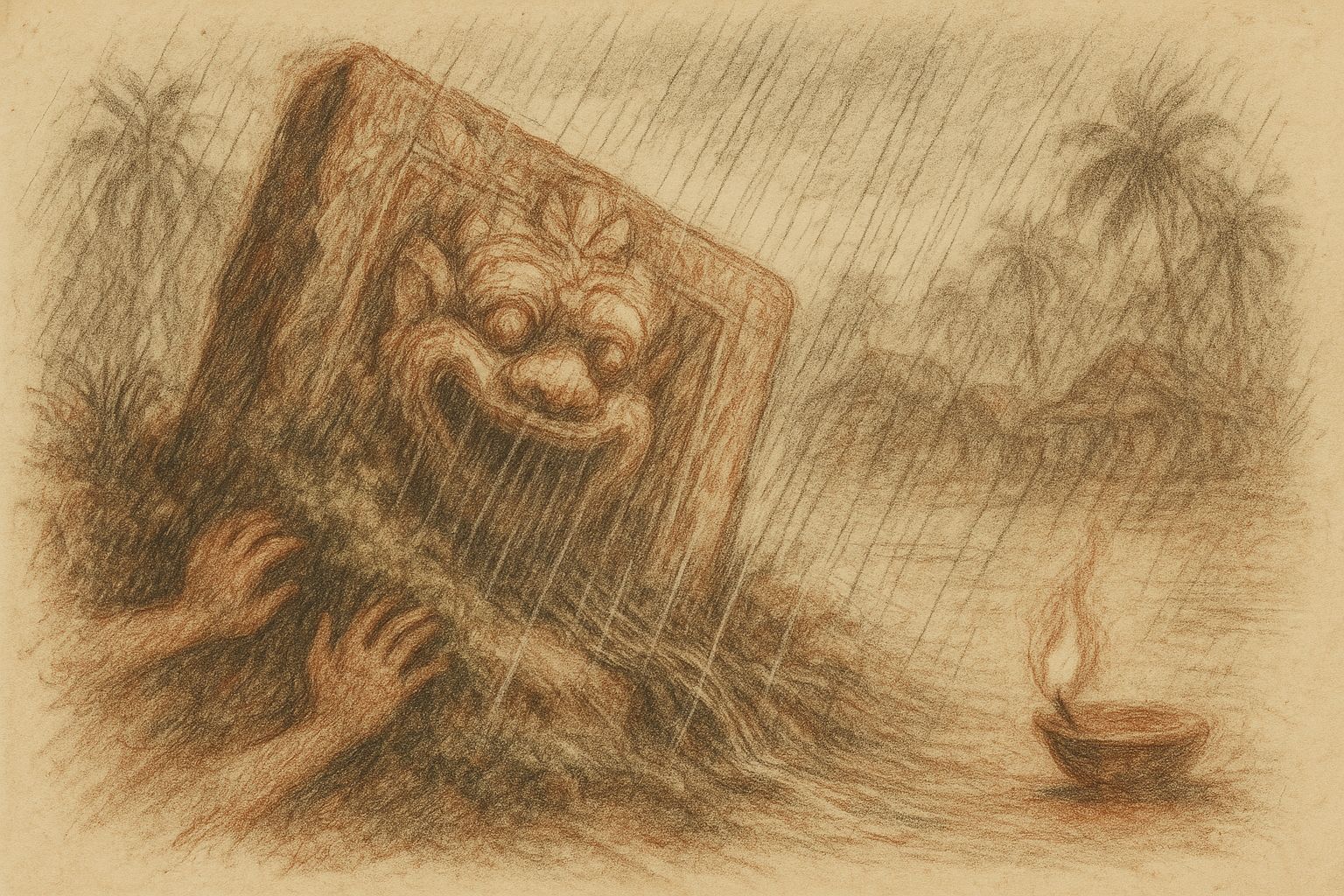

The First Rain of the Monsoon
When a child uncovers a moss-covered shrine, the drought-stricken village remembers what had been forgotten. Through song, offering, and touch, rain returns to stone. A tale of renewal where memory becomes water, and blessing falls when voices rise together in reverence.
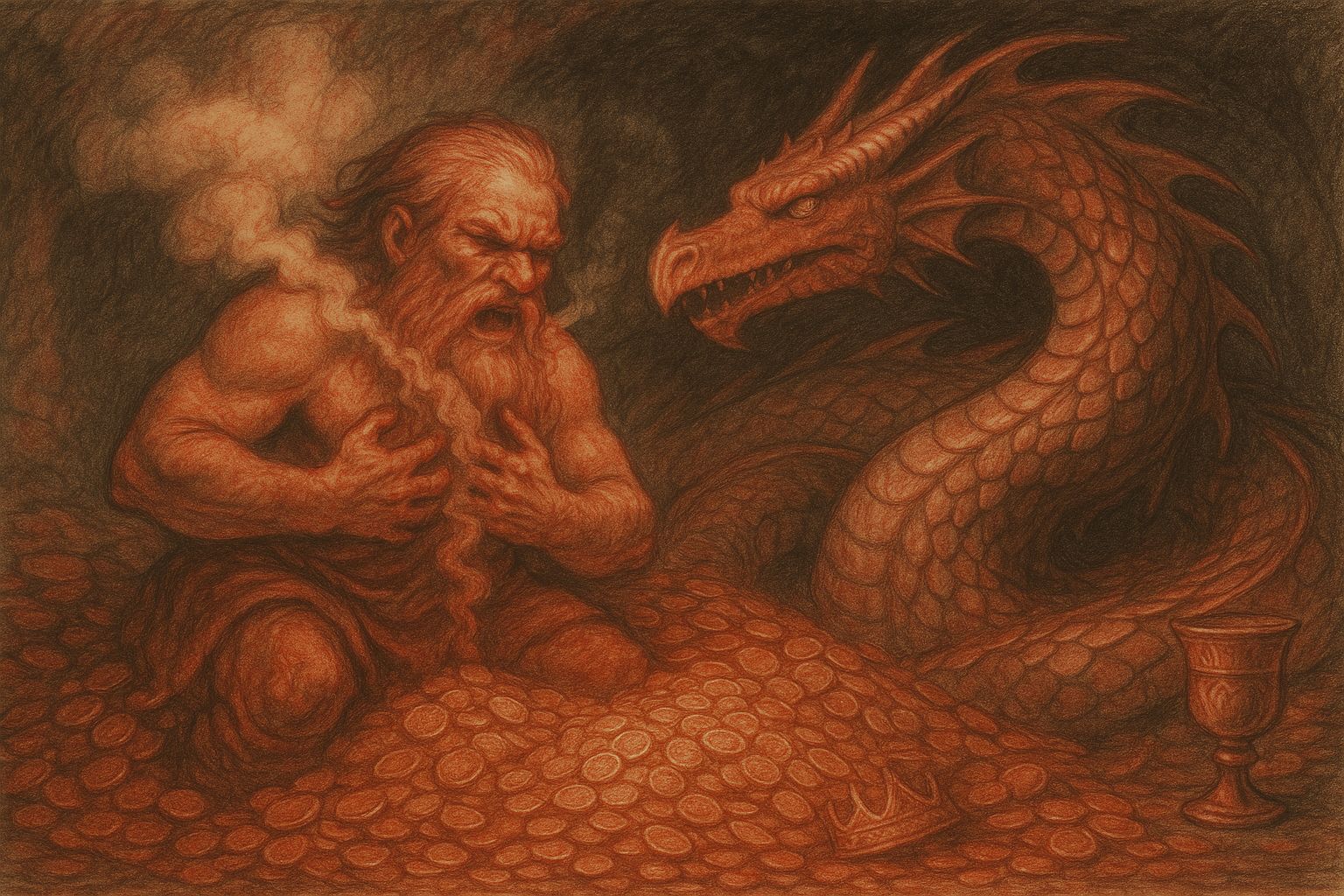

The Wound That Guards Itself
Smoke coils in a cavern where hunger teaches ribs to glow. A dwarf becomes dragon, wound becomes guardian, and gold learns the weight of silence. This tale does not sing of heroes—it measures breath against coin, armour against prayer, until the wound itself chooses silence as its last guard.
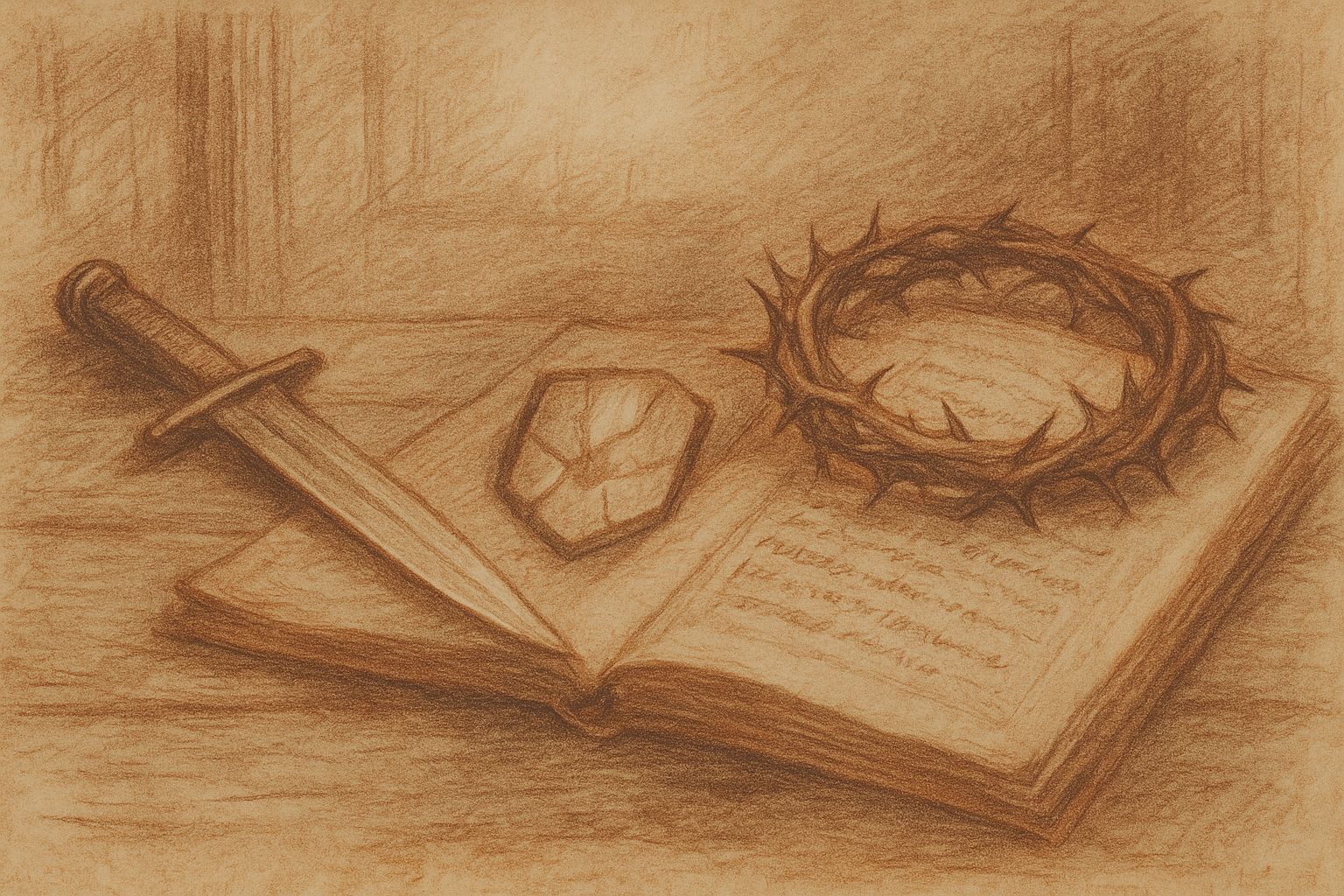

Ledger of the Bright Knife
Ash gathers on the tongue like a vow, the mirror waits, and the ledger of debts refuses to close. A knife gleams in the half-dark, remembering what hands forget. In this flash of confession and cost, silence itself burns colder than fire.
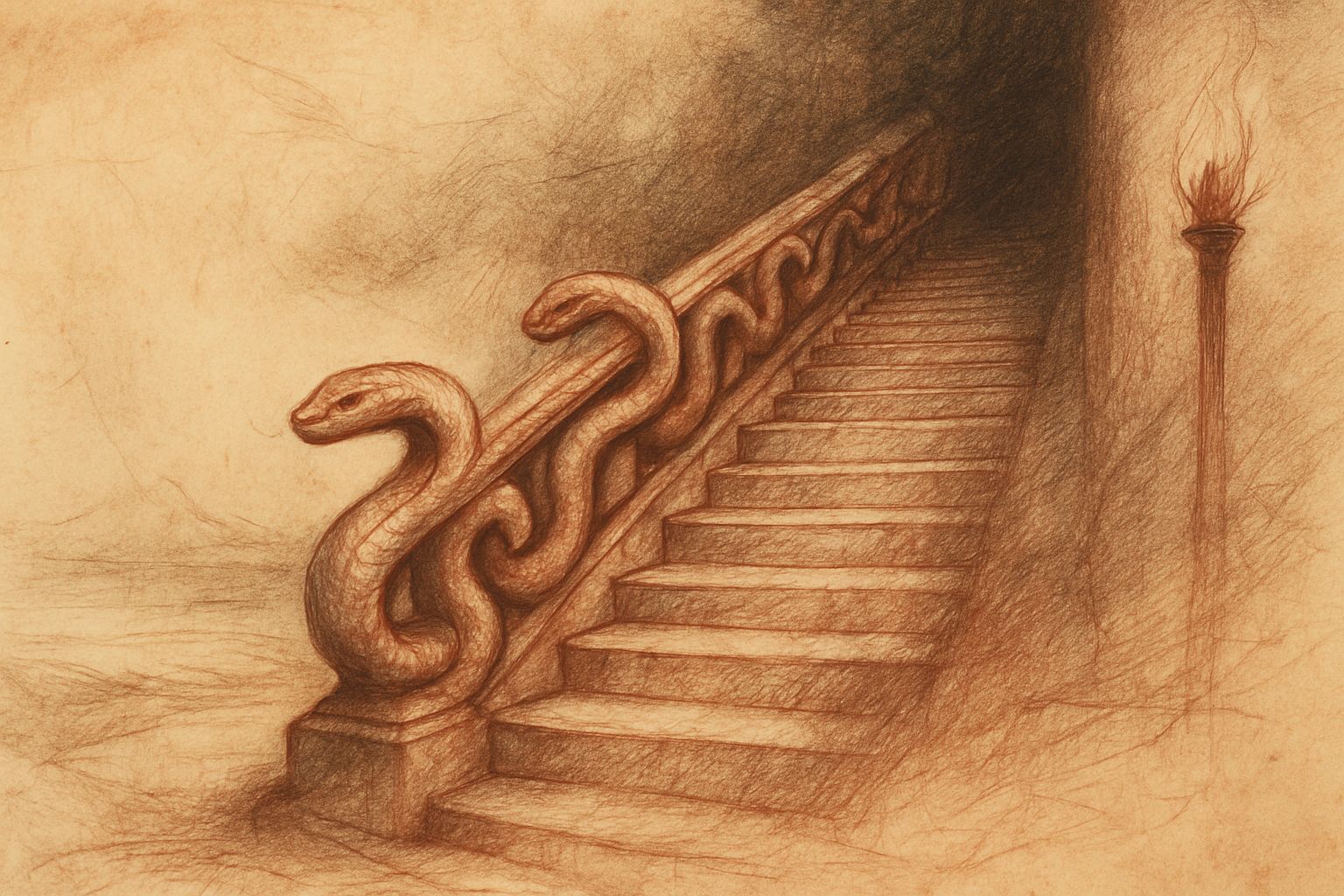

The Silence of Scales
A staircase inhales, and silence thickens between stone scales. Each step remembers serpents once carved, pearl-light gathering in its breath. In this luminous flash gem, a traveller climbs toward hush and revelation, where silence itself becomes flame. A tale brief as an exhalation, yet lingering like pearl-light beneath moss.
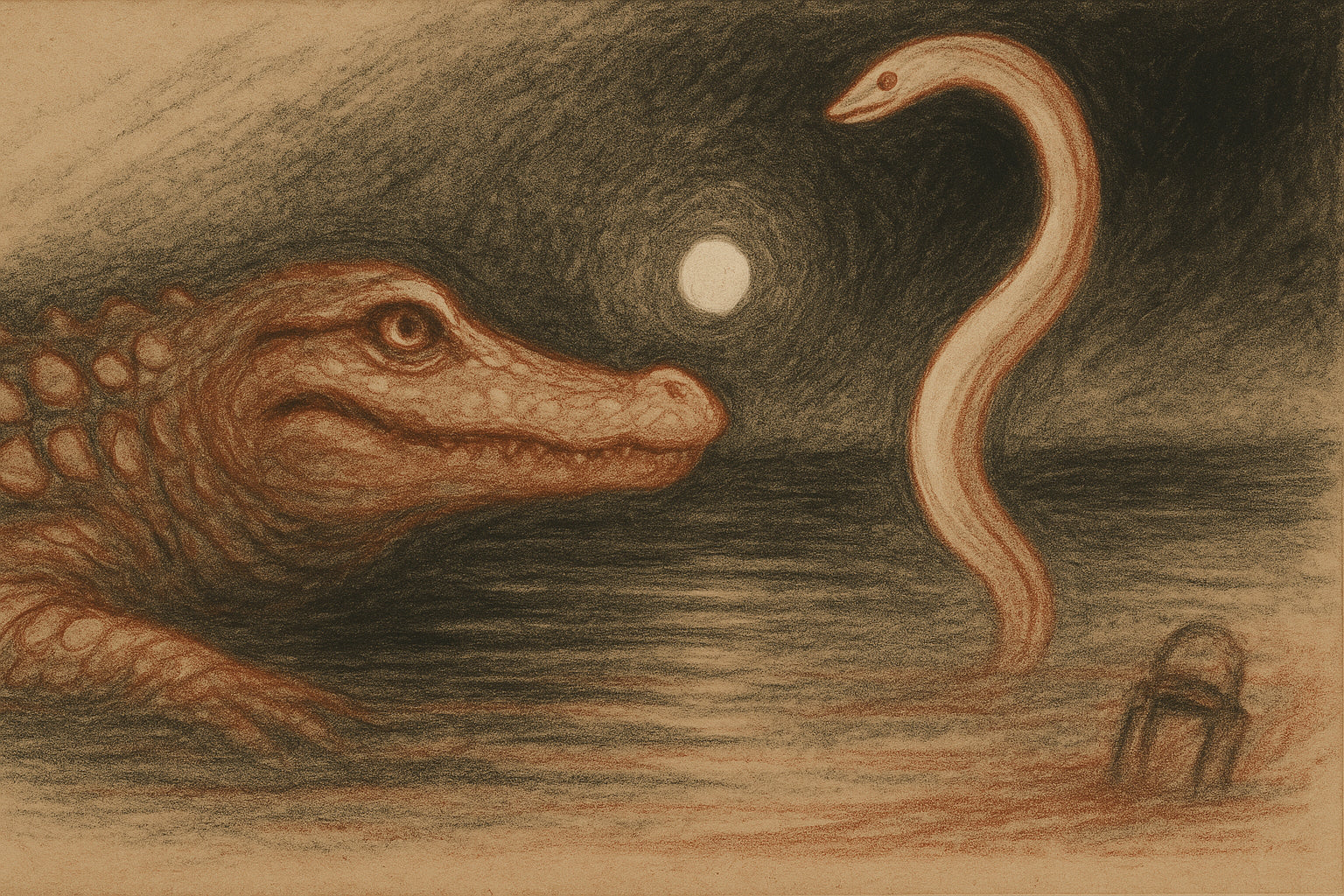

The Crocodile and the Moon Eel: A Tide-Bargain
A crocodile waits in hush where river bends to moonlight. From the silt, a pearl-lit eel rises, whispering a bargain of scale and tide. What is given is never returned whole: hunger meets silence, storm keeps watch, and the river writes its law in breath.
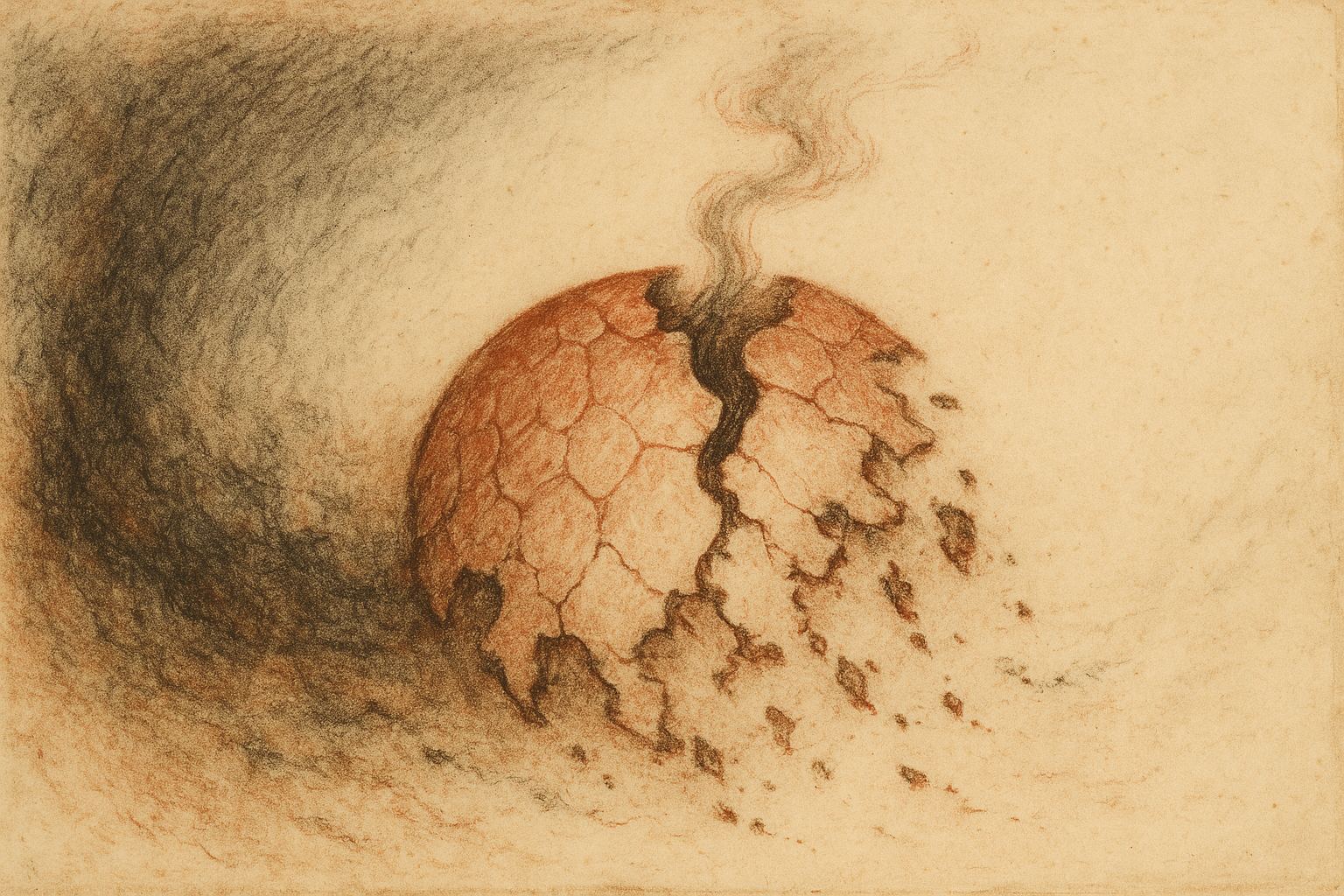

The Stoor Worm
The Worm of Salt and Silence rises from the ocean's depths, devouring, transforming, and shaping the land. As a boy enters its jaws, the boundaries of hunger and creation collapse, giving birth to a new world. This myth of death and rebirth unfolds in tides of flame and silence.
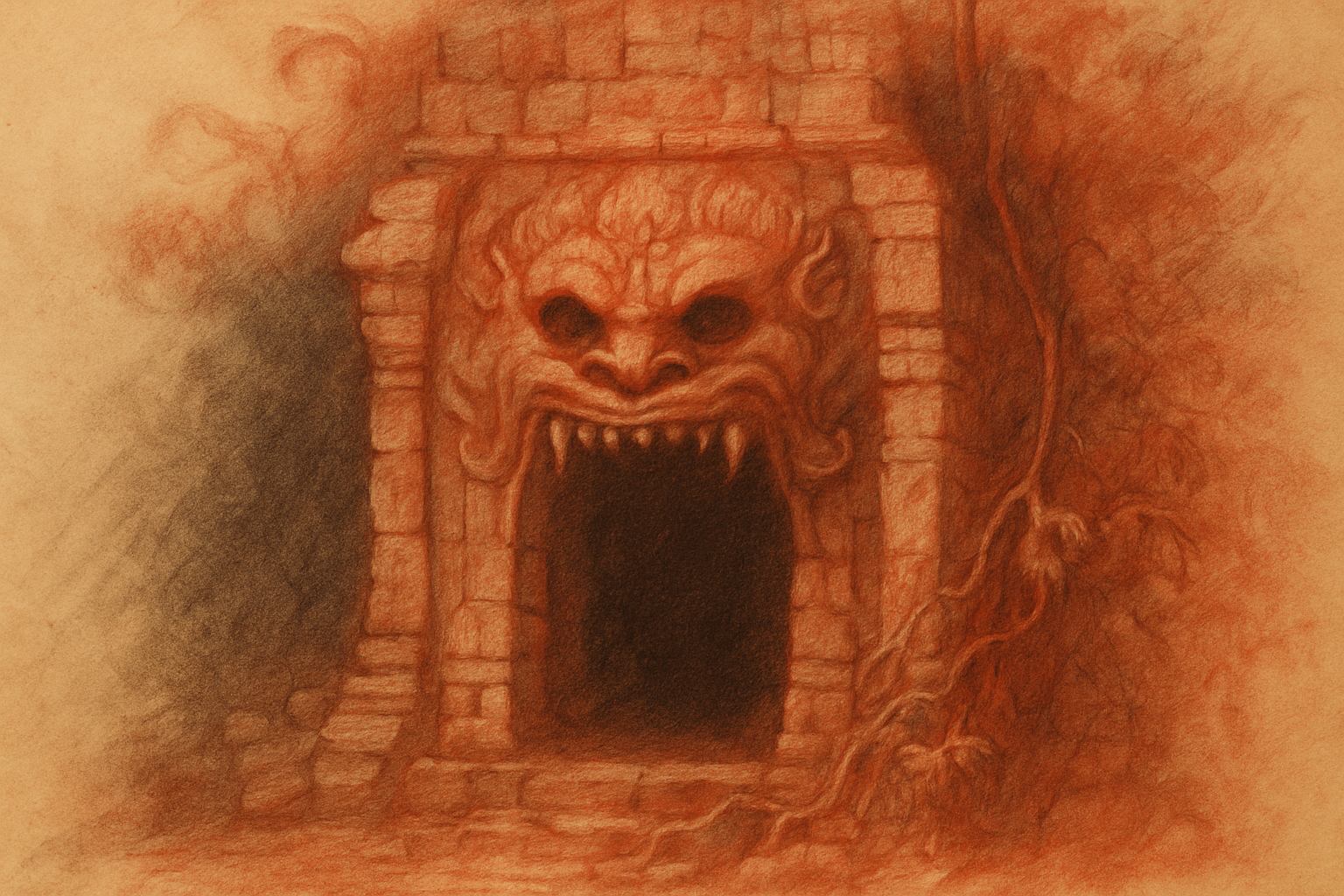

The Gate Beneath the Temple
Beneath stone, a voice awakens—hunger robed as devotion, silence swollen into mouth. Prayers fall like crumbs through chasms, crowns ring in the dark, ash leans heavy as a crown. The gate you named wall listens still, drawing every vow into its ribs. Attend: silence does not preserve—it devours.
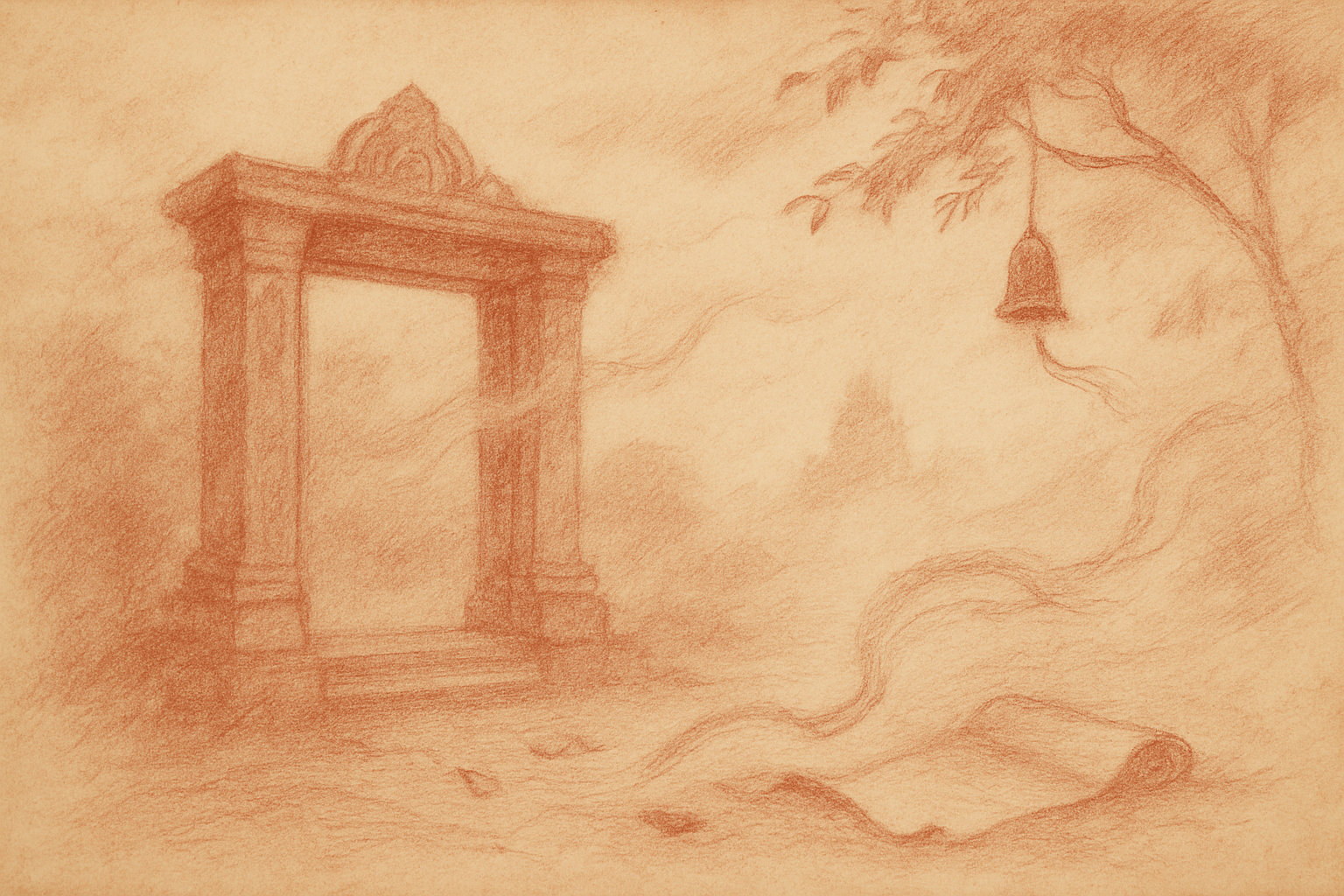

A Scroll Carried by Wind
Zhou Daguan came to Angkor to observe—but found a kingdom that defied explanation. This introductory scroll welcomes new readers into The Wind That Carried Me to Zhenla: a poetic resurrection of the 13th-century emissary’s journey, revoiced with reverence, wonder, and the hush of temple stone.
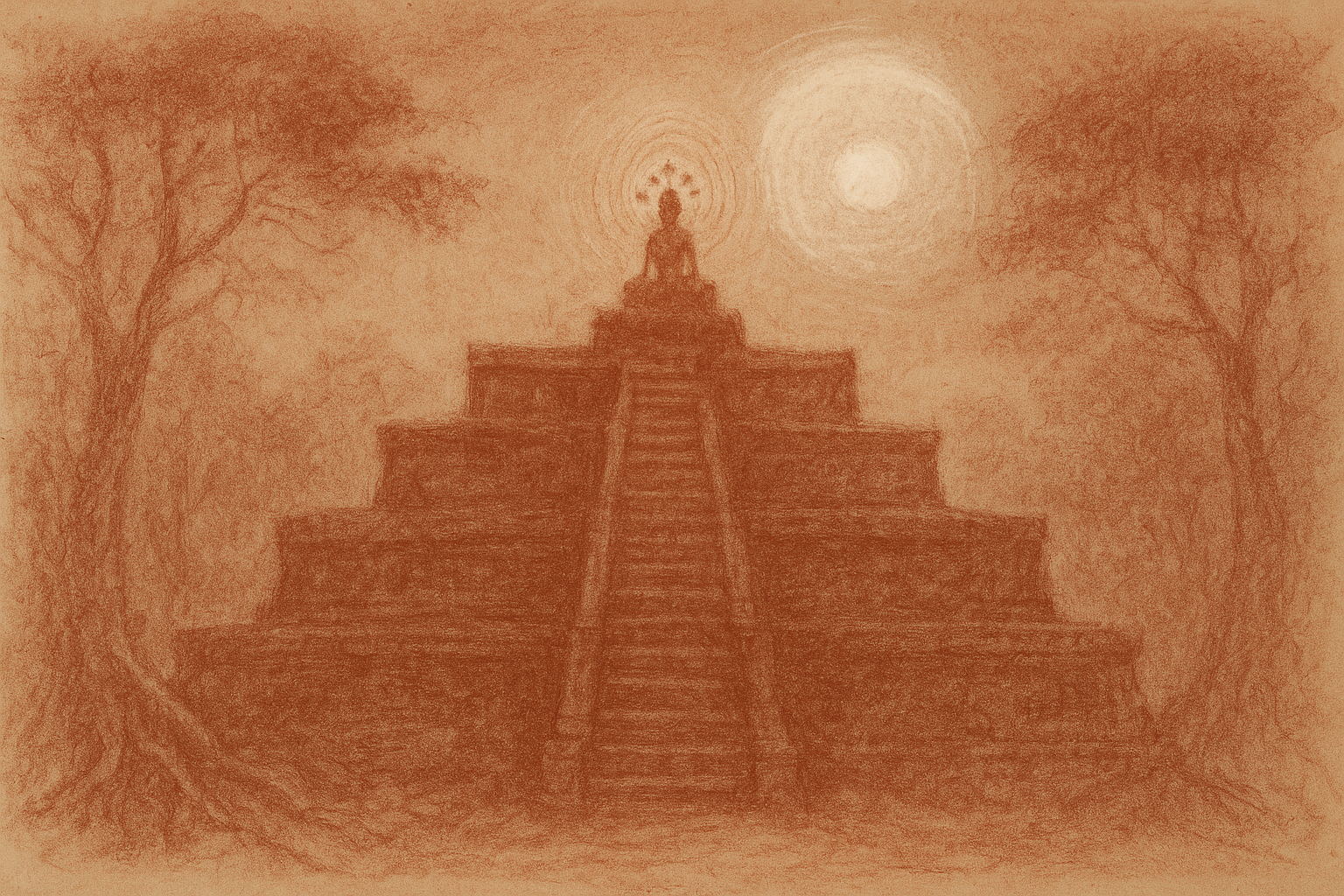

The Goddess of the Golden Tower
There is a tower the moon remembers—where a king once climbed in silence, and a goddess wove humility into gold. Though the spire has faded, her presence lingers in the hush between breath and stone, waiting for the next soul who dares to kneel before the unseen.
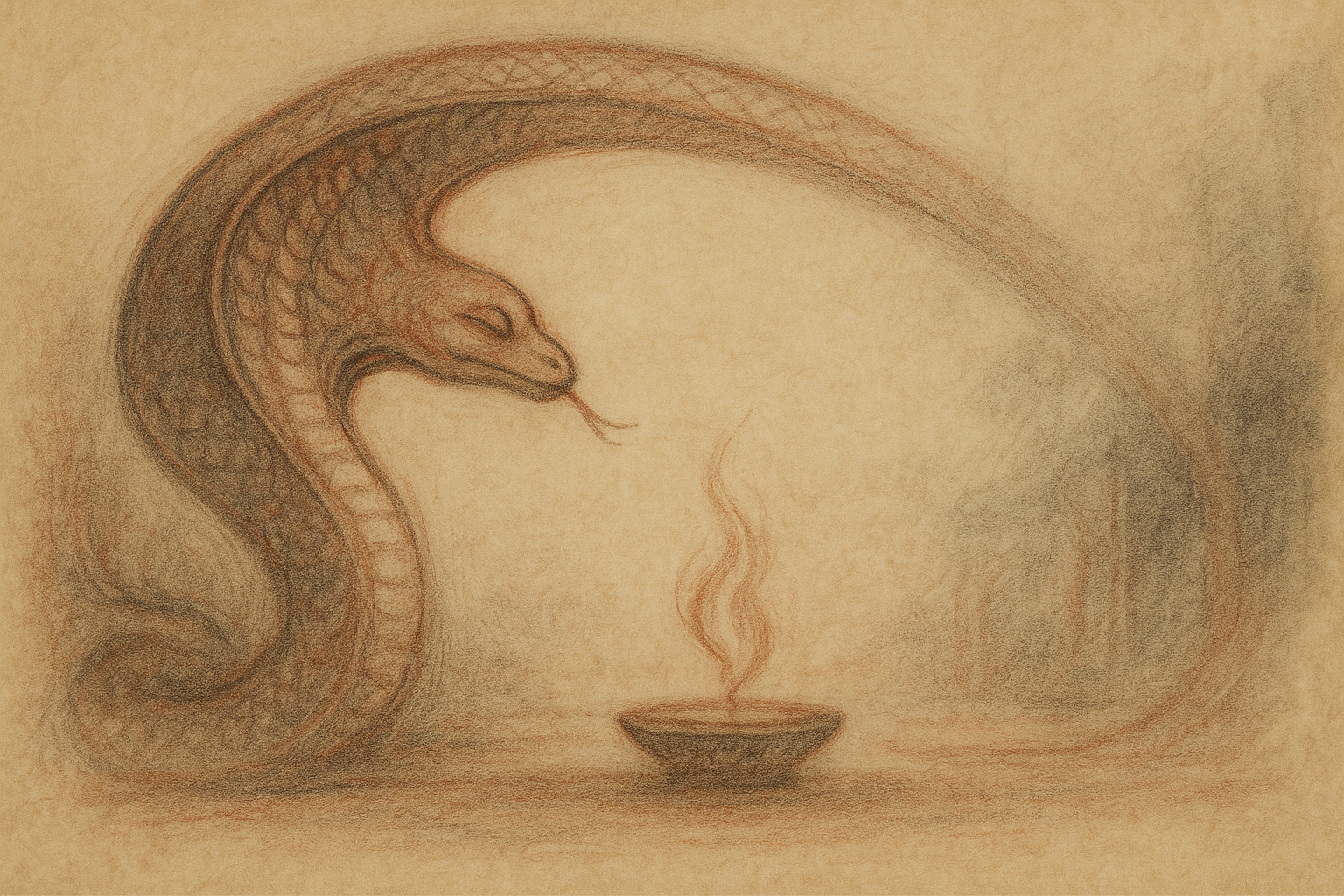

The Seer Who Dreamed the Sea, the Serpent Who Dreamed the Land
He came not to conquer, but to listen.
She rose not to resist, but to remember.
Between serpent-light and cupped flame, they walked into water.
And the land began to dream itself into being.
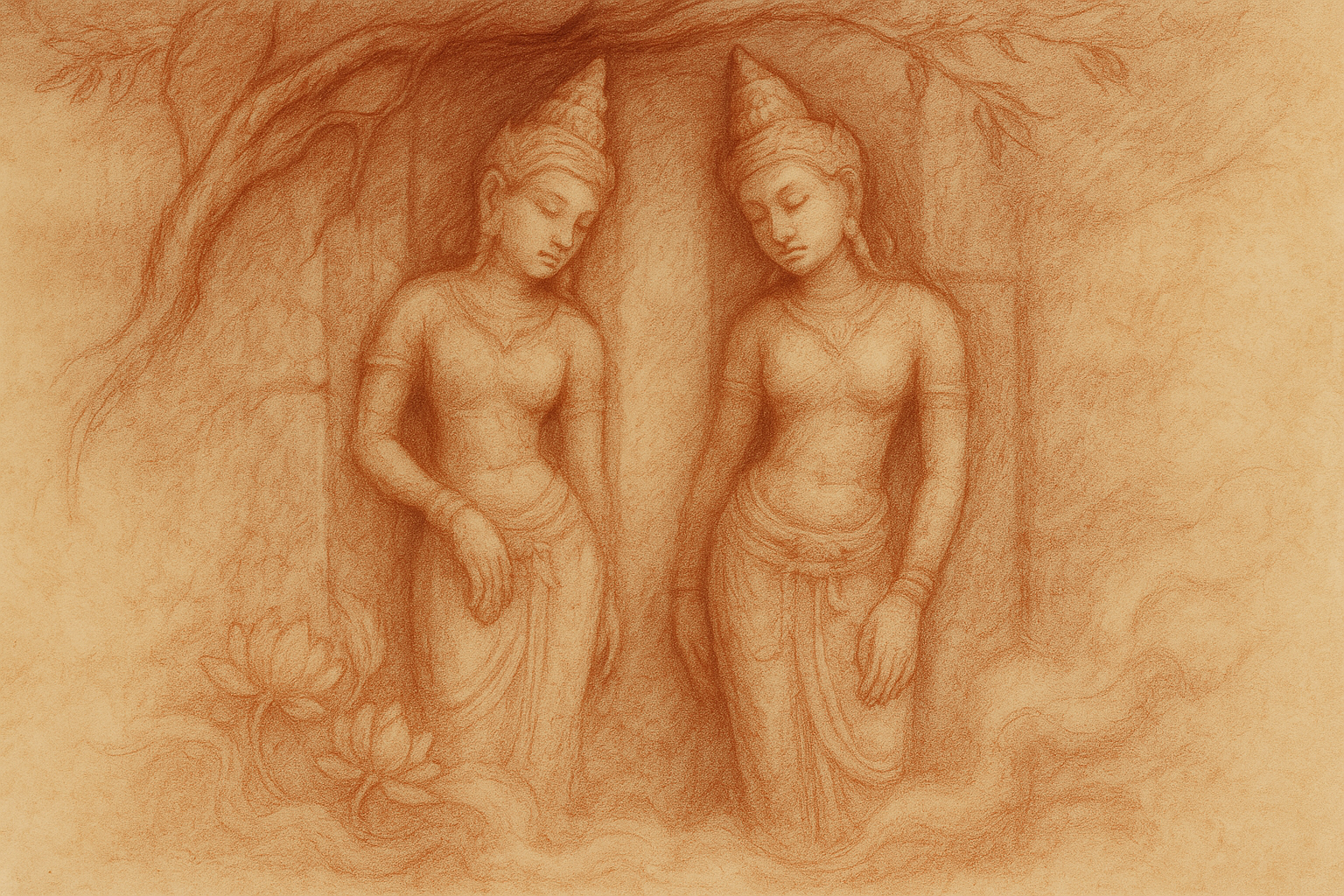

The Lotus Sisters
In a quiet niche of temple stone, two apsaras lean gently toward one another. No names remain—only silence, soft as lotus petals, waiting to receive those who kneel. Moonlight, mist, and memory gather at their feet, where something sacred listens without speaking and changes those who linger.
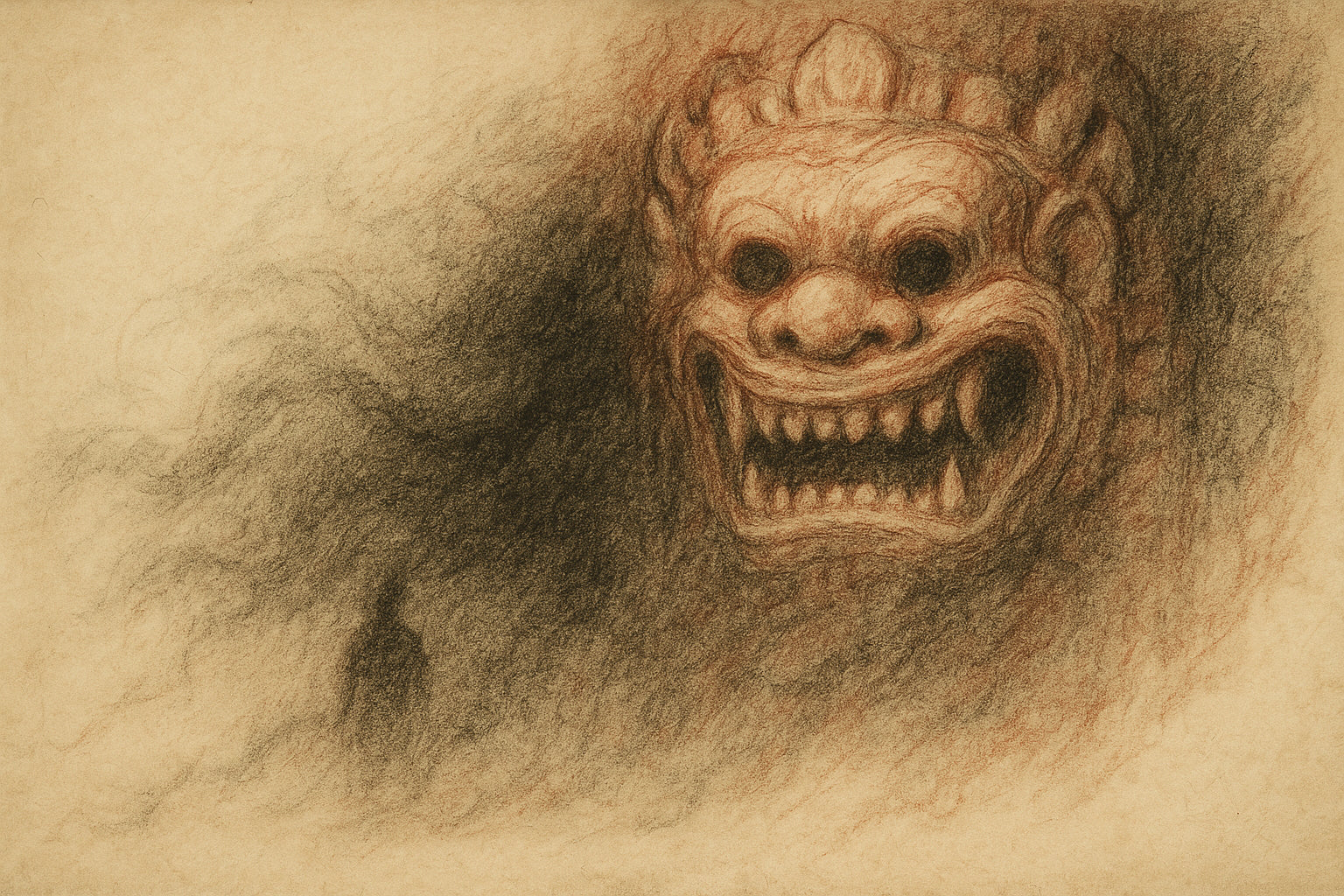

Shadow Behind the Gate
The mouth above the gate bears no name. Its teeth are carved from memory, its eyes from silence. Something ancient waits there—counting what you carry, asking what you’ve come to lose. Some say it watches the temple. But others know: it watches you.
Read More
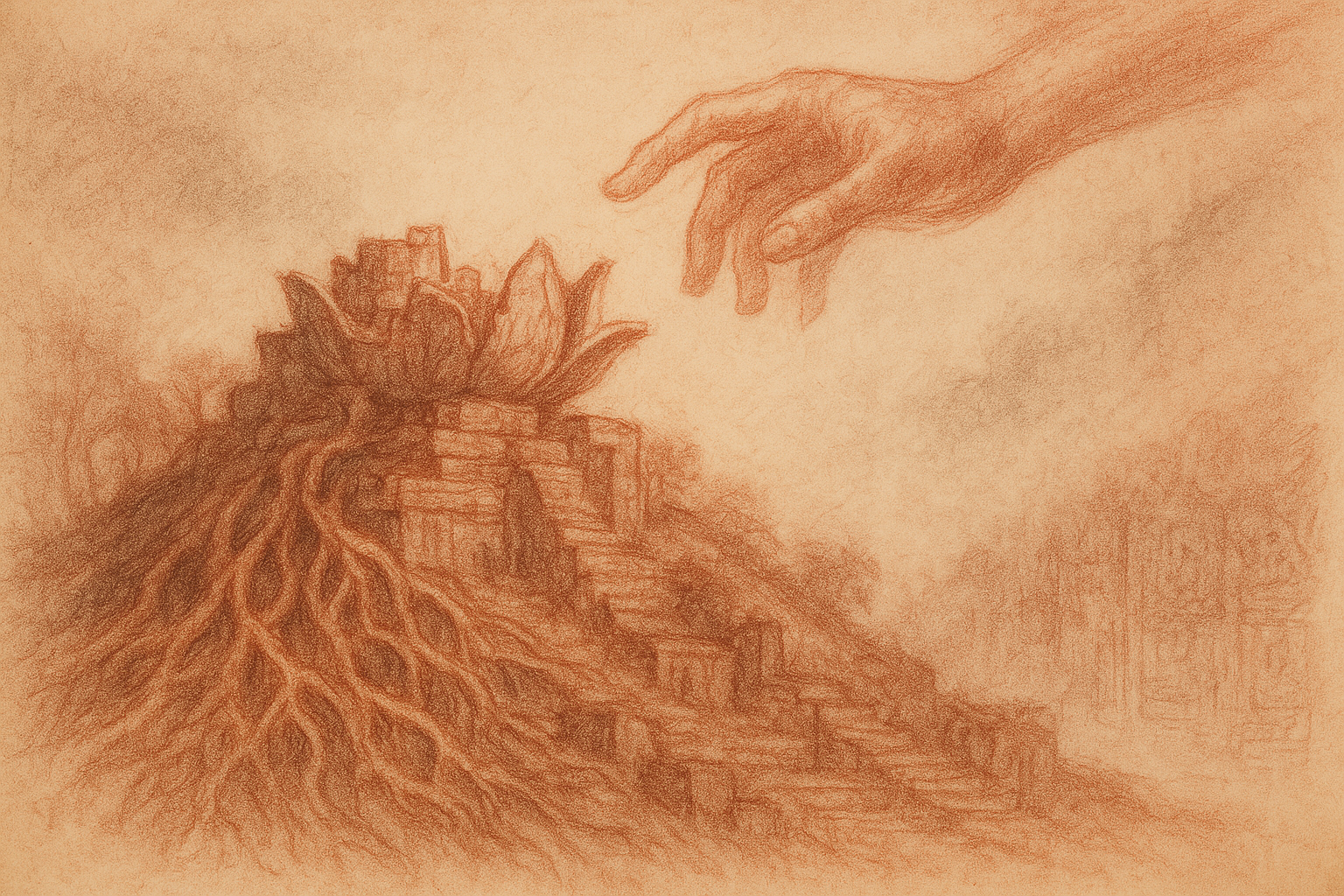

The Giant of Phnom Bakheng
In the twilight before memory, a giant shaped a temple from silence and devotion. But kings arrived with haste in their hearts—and so the summit was never finished. Still, beneath moonlight, his unseen hands lift silence like stone, teaching us the slow beauty of what remains incomplete.
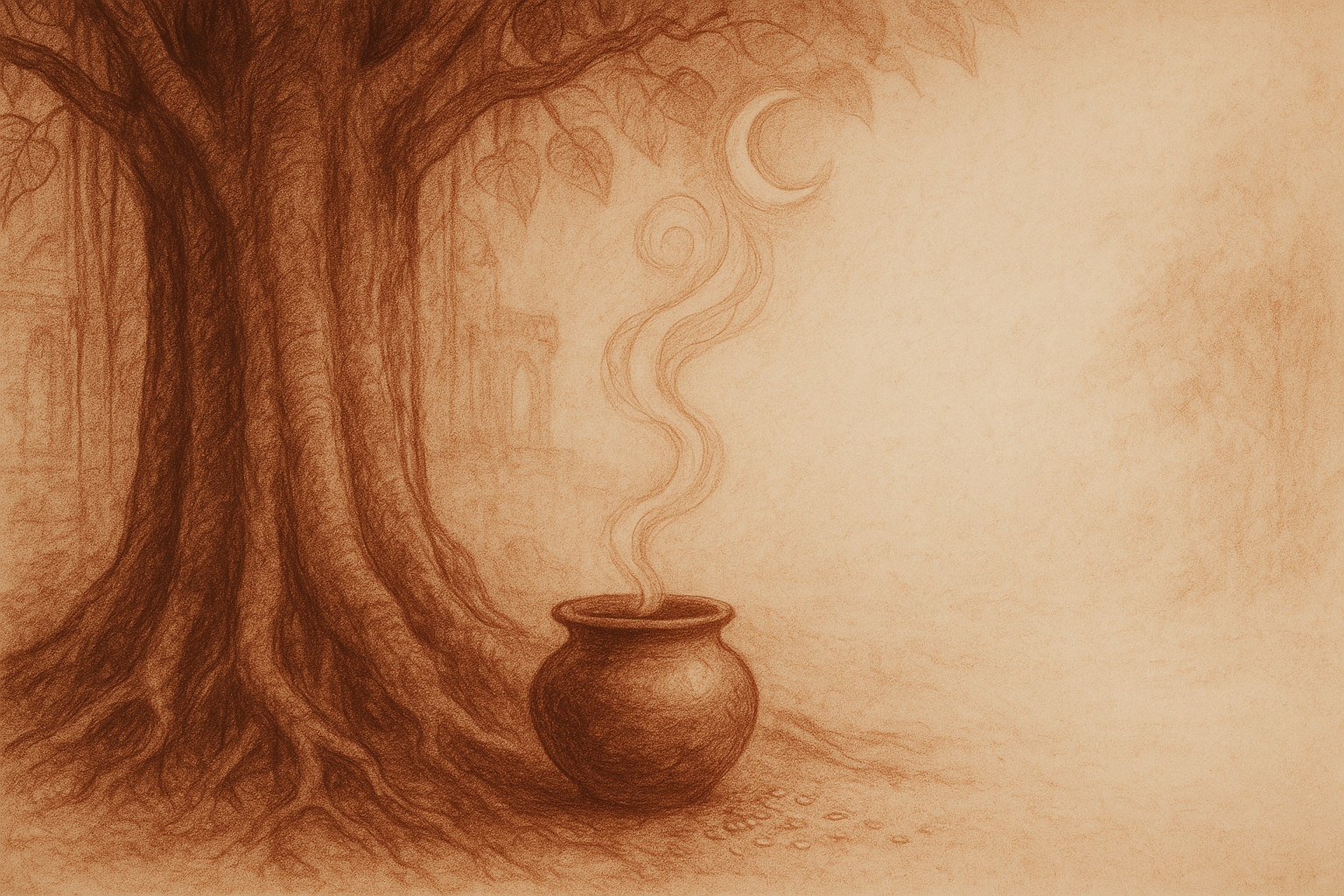

The Rice Pot That Talked Beneath the Bodhi Tree
Beneath the laughing moon and the sheltering banyan, a widow listens kindly to the wind. One morning, a cracked rice pot murmurs back—beginning a quiet miracle that floods a village not with gold, but with enough. Some stories feed the body. This one feeds the soul.
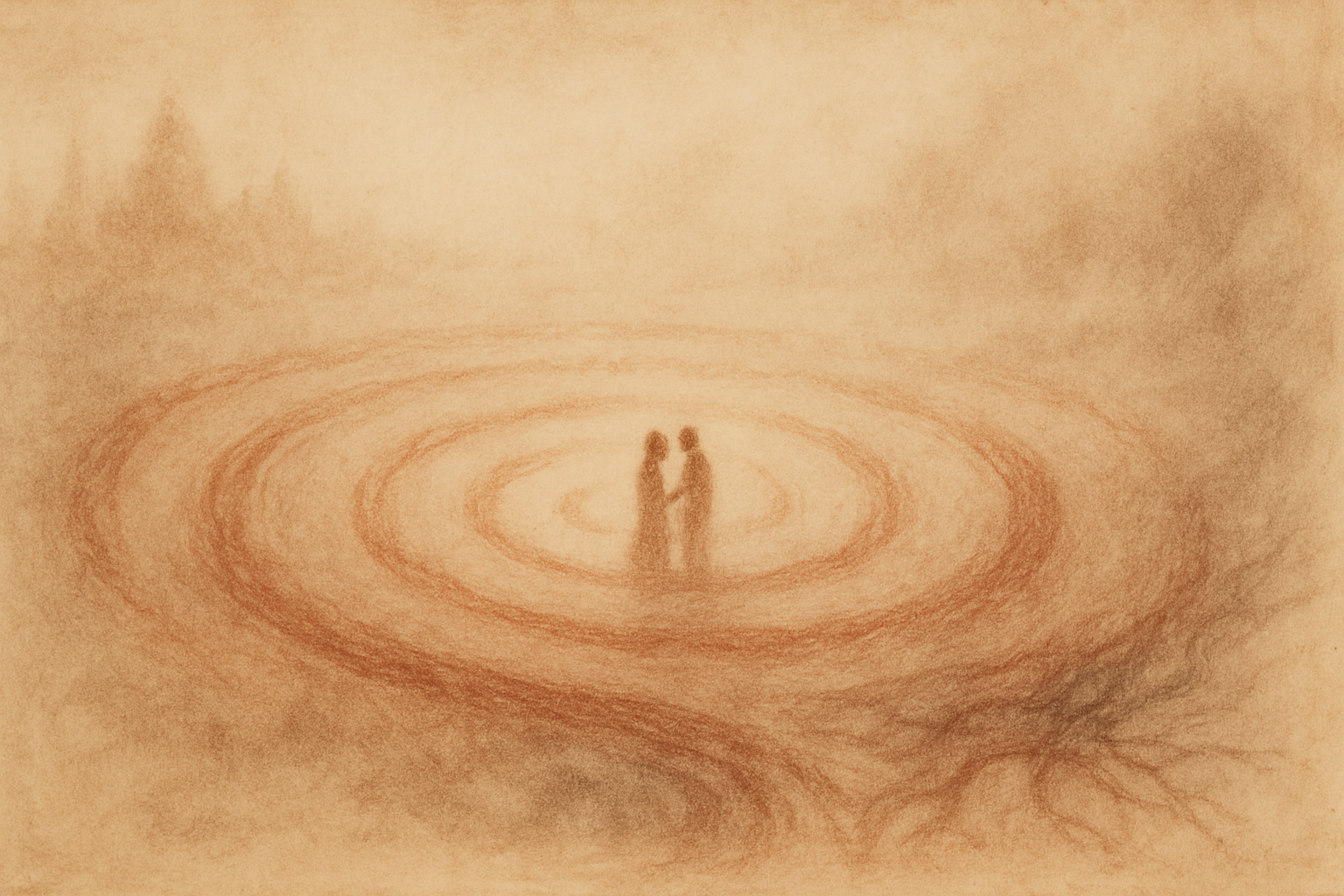

The Nāga Princess and the Dawn of the Kingdom
Beneath a tamarind tree at the edge of the world,
a prince meets the serpent’s daughter—
and follows her into the roots of the earth,
where fire, vow, and lotus awaken the land
that has not yet been named.
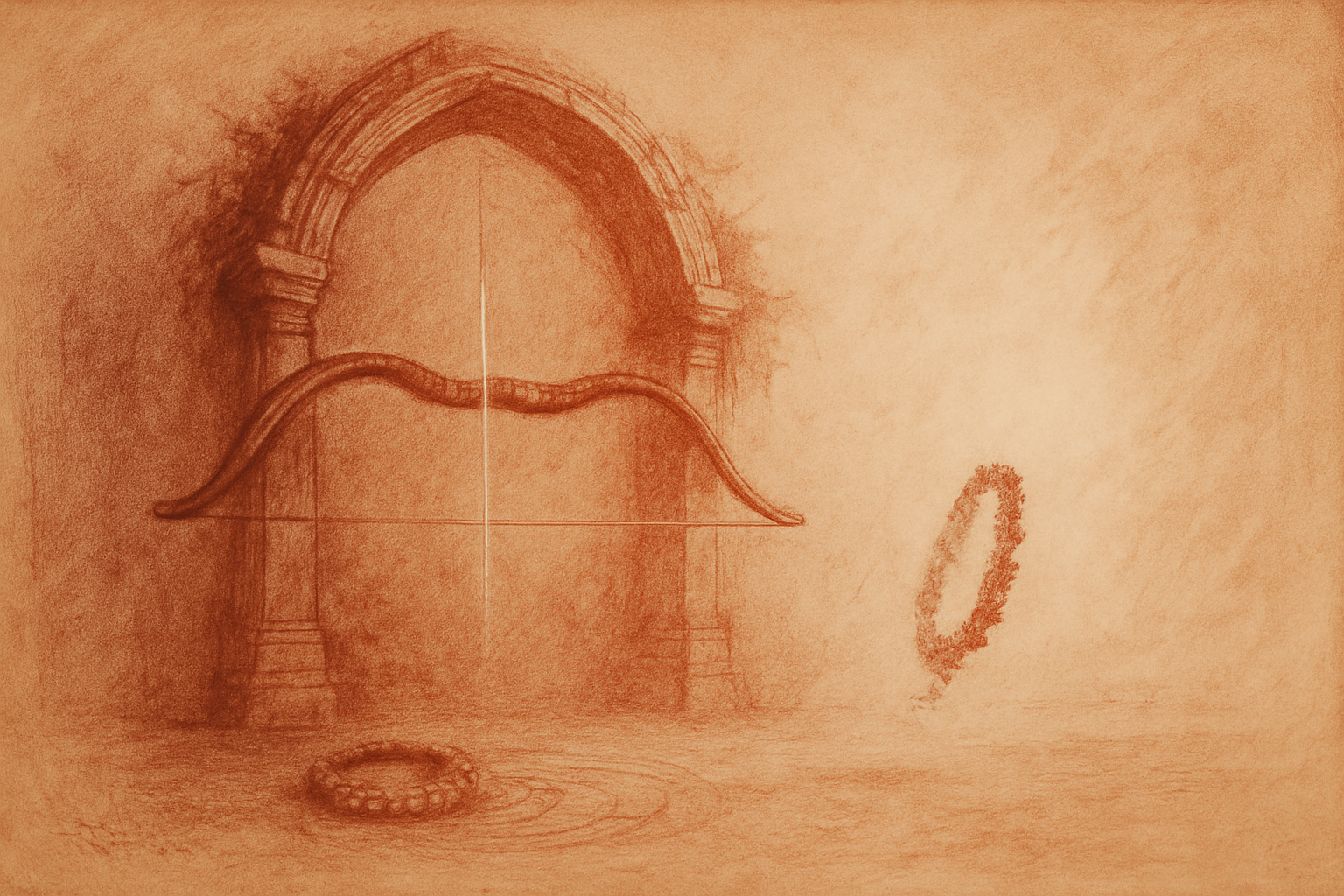

The Trial of the Bow
Even the gods turned their faces away.
The garland did not fall.
And in the silence between breath and string,
recognition passed from soul to soul—
like a memory the world had been waiting to remember.
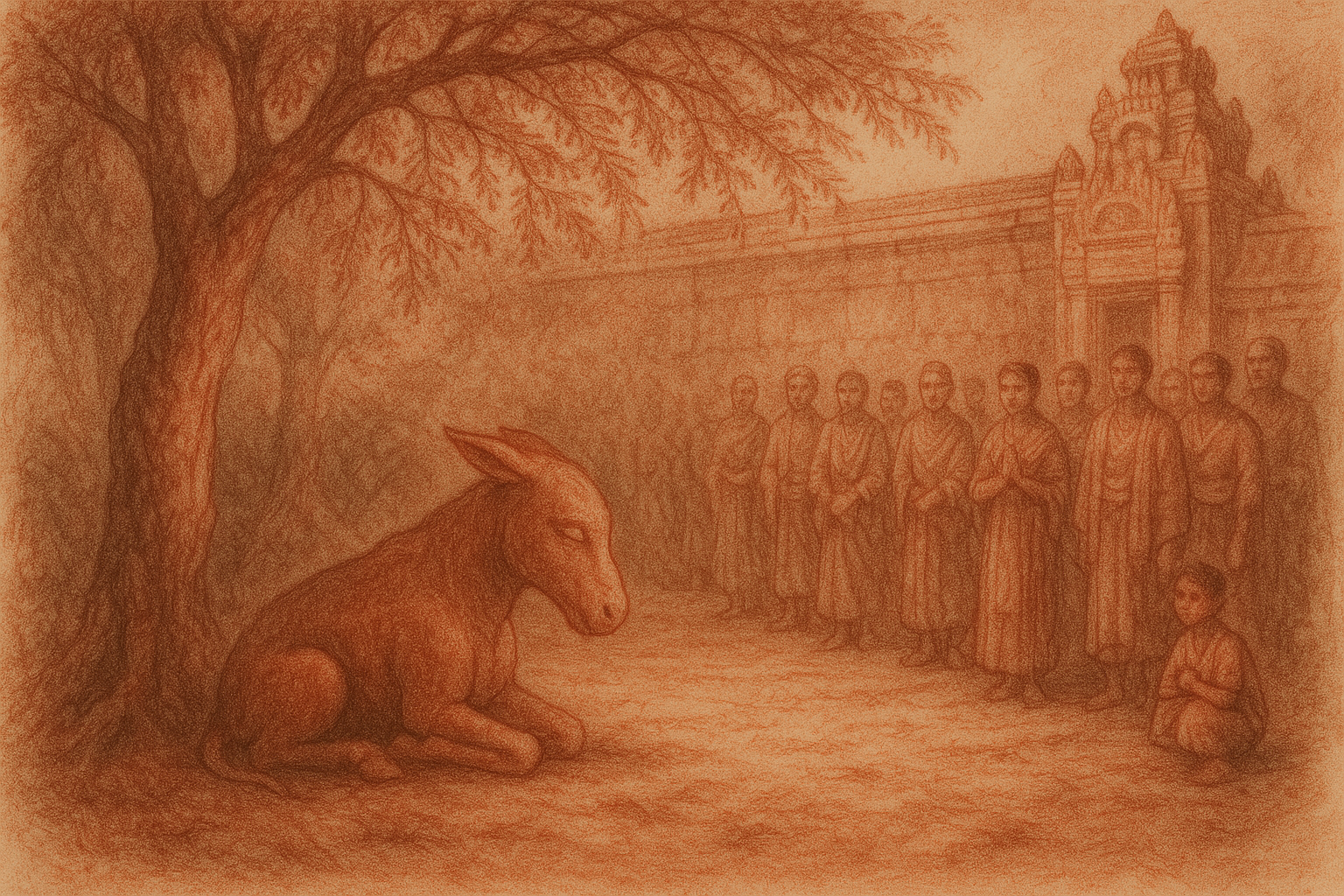

The Wise Donkey and the Drunken Merchant
Beneath the tamarind shade, a donkey knelt in the dust.
It did not speak, but they listened.
Ears twitched. Eyes closed. Breath steady as wind.
Some say it was tired. Others, enlightened.
All agreed: it never lied.
And the merchant’s voice faded like smoke from a cracked bell.
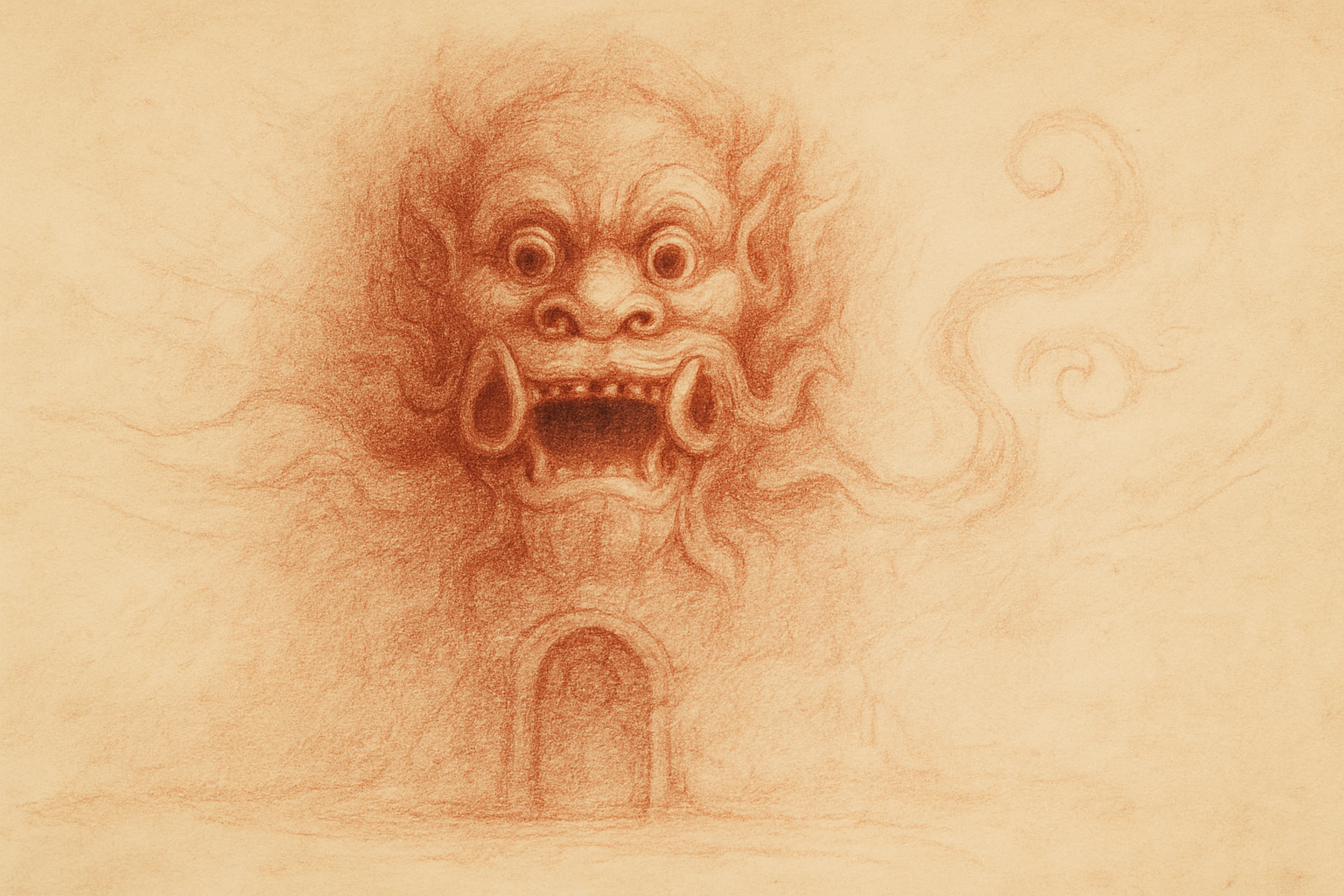

The Face That Devoured Itself
He opened his jaws to destroy the world, but the god said no. Begin with your tail. And so he turned inward, swallowing pride, flame, and form—until only the face remained, watching the threshold in perfect stillness.
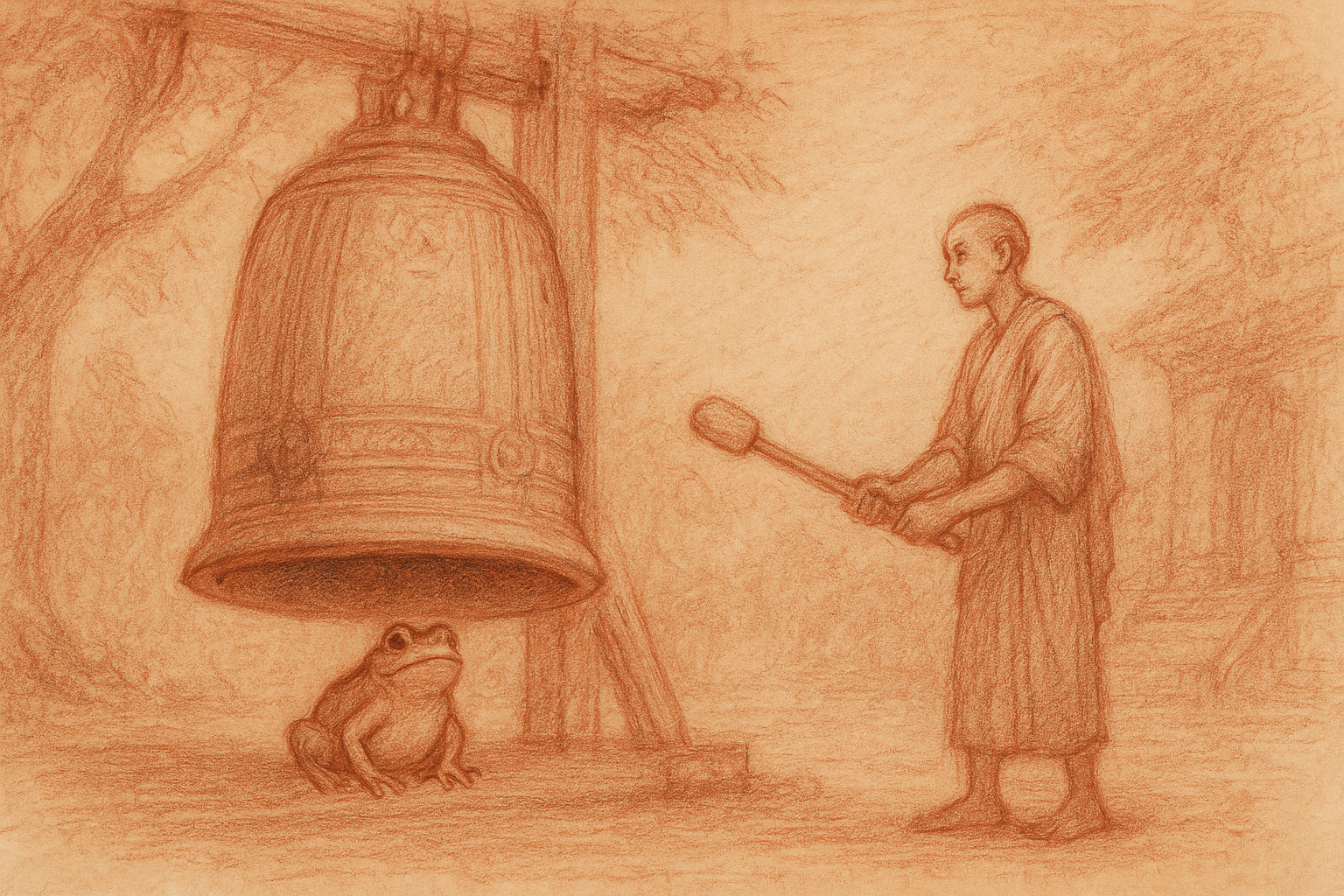

The Frog and the Bell
A small frog nestles beneath a temple bell and believes he is the source of its sacred voice. But when silence returns, something deeper awakens. In the hush that follows thunder, even folly can become a mirror. And even a frog may bow to the sound that is not his.