

Fires of the Old World V — Three Steps of the World
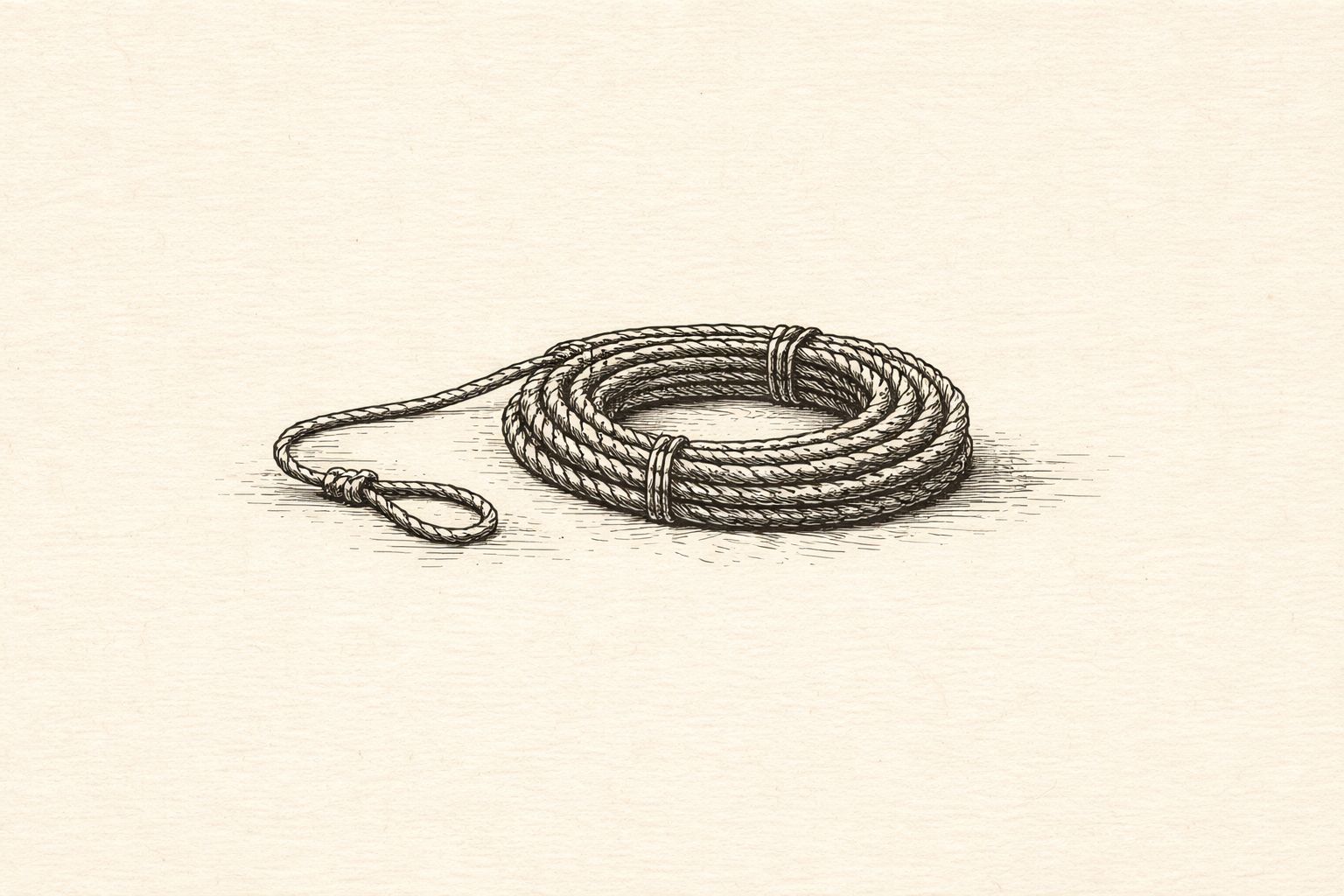
By the time the oil in the little clay lamp had sunk to half its bowl, the night insects had begun their thin silver singing outside the door. The mat was cool beneath the children’s ankles. Smoke from the cooking fire still clung to the rafters. Grandmother sat with the measuring cord coiled beside her wicker basket, and when the youngest touched it with one finger and asked why a cord should matter to kings, she smiled and drew it into her lap as though it were a sleeping snake.
“In the old days,” she said, “when the worlds still answered quickly, there was a king named Bali, and his hand was so open that no beggar left it empty.”
He was a great king, that Bali. His banners crossed plains and mountain roads. His horses drank from rivers that had once belonged to other lords. His granaries were full. His war-drums had grown quiet, because few still dared to challenge him. Yet those who came hungry to his gates found rice. Those who came in rags found cloth. Those who came weeping found a place to sit until their grief had spent itself.
So his fame travelled farther than his armies.
It entered forest hermitages. It crossed ferry water. It rose with market dust. It passed from caravan to caravan until even the gods heard it spoken.
“He gives like rain,” said some.
“He gives like a tree gives shade,” said others.
And because praise can grow dangerous when it ripens too long in one place, the high ones turned their gaze towards Bali’s court.
At that time the king was keeping a great vow of giving. Fires burned in the sacrificial ground. Ghee hissed on the coals. Conches sounded at dawn and dusk. Day after day Bali sat beneath a white parasol bright with jewels and swore that whoever came to him at the rite would not depart unanswered.
Widows asked for oil and received oil enough for many nights. Old soldiers asked for cattle. Young husbands asked for seed. If a poor man trembled, Bali placed the gift in his hands himself. If a child asked for fruit, Bali chose the ripest. So the vow deepened. So the fame widened.
His guru, Shukra, watched all this with narrow eyes.
A king may be praised for strength. A king may be praised for justice. But praise for generosity is a sweeter wine, and sweet wine clouds even a steady head.
Then one morning, when the sun had not yet burned the dew from the grass around the rite-ground, a small brahmin came walking towards the king.
He was young to look upon, and slight. His umbrella was made of palm leaf. His matted hair was tied neatly. His deer-skin sat over one shoulder. In one hand he carried a water-pot. In the other he held a measuring cord, wound in a loop. Dust clung to his bare feet. He seemed the kind of holy guest who would ask for little and bless much.
Yet when he entered the ground, the horses stamped.
The fire leaned.
Even the bright cloth above the king stirred once without wind.
Bali rose at once. He stepped down from his seat and offered the boy water for his feet. He offered a low stool. He offered grain, honey, curds, and a place in the shade. The boy accepted the water but remained standing, calm as moonlight in a brass bowl.
“What do you seek?” Bali asked. “Cattle? Gold? Land? Villages? A grove of fruit trees? Speak without fear. A supplicant does not leave my hand unsatisfied.”
The little brahmin looked at him, and his gaze was mild.
Then he said, “Grant me three steps. No more than that.”
Some nearby laughed before they could stop themselves. Three steps? A strip of earth hardly fit for a sleeping dog. A king rich enough to pour out elephants, and a petitioner asking for the space beneath two outstretched arms and one more besides.
Bali smiled too, though not in mockery.
“You ask too little,” he said. “Take more. Take a field where your students may gather. Take cows for milk. Take servants to tend the ground. A man should not come once before a full vessel and leave with only a sip.”
But the brahmin only touched the measuring cord against his wrist, as if feeling its weight.
“He who cannot be content with three steps of land will not be content with a continent. Grant what I ask.”
The words were plain. They fell like seeds.
Shukra, listening, felt cold move through his bones. He peered more closely. The small face was serene. The bare feet were dusty. The voice was gentle. Yet behind that gentleness there stood something measureless. The old teacher’s mouth dried.
He bent close to Bali.
“Do not promise,” he whispered. “This is no ordinary petitioner. There is power here that has come covered. Delay. Test him. Send him away with treasure instead.”
Bali turned his head slightly. “You would have me refuse a brahmin at my vow-fire?”
“I would have you keep your kingdom.”
But Bali had already lifted the ritual vessel. His face had changed. Not hardened. Not softened. It had simply grown still.
“What is a vow worth,” he said, “if it only holds before small requests?”
Shukra’s hand caught his wrist.
“What is a kingdom worth,” he answered, “if a king lets it pass through his fingers for the pleasure of seeming generous?”
For a moment king and teacher remained thus, joined at the arm. Around them the fires crackled. Fat hissed on coals. The little brahmin waited with quiet patience. The measuring cord hung from his hand in a pale loop.
Then Bali freed himself.
“A kingdom can be lost by fear as surely as by battle,” he said.
He raised the vessel.
Water flowed over his palm, bright in the morning light. The gift was sealed.
At once Shukra cried out, as one cries when a knife enters flesh. But the boy-brahmin only inclined his head.
The first step began before anyone understood it had begun.
He grew.
Not with the lurching violence of a tale told badly to startle children, but with a terrible ease. His shoulders lifted above men. His head rose above banners. The parasol became a petal beside him. His skin held the colour of rain-filled cloud. Firelight moved across him and seemed to remember its source. The umbrella vanished like a dry leaf in floodwater. The deer-skin widened into horizon.
His breath crossed the rite-ground like wind across water.
Those who stood nearest fell backward. Priests covered their eyes. Horses screamed and tore their tethers. The earth felt suddenly too small for what it carried.
One foot lifted.
It came down upon the world.
That first step crossed the whole breadth of the earth. Forest and field. City and trackless waste. Snow crest and thorn scrub. Doorstep, well-mouth, market lane, charnel ground, king’s road, ferryman’s bank. All fell within it. The sole of that foot measured plains the way a woman measures cloth upon her arm. Mountains were no more than wrinkles beneath its shadow.
Bali felt the ground strike upward through his legs.
The second step rose.
Now the giant form pierced cloud. Sunfire caught at his crown. The moon seemed no higher than his waist. When that second foot descended, it spanned the heavens. It crossed the bright roads where gods had walked secure. It passed the vault where storm is born. It covered the upper worlds in a single terrible grace.
Then there was nowhere left.
The great being, whom none could mistake any longer, stood over all things in splendour beyond bearing. His voice rolled out, and though it was vast, every creature heard it close to the ear.
“O Bali. You promised three steps. Two have taken all you possessed. Where shall I place the third?”
The words entered the king like iron.
Around him his court was ash-pale. His warriors clutched broken standards. His servants knelt, shaking. Shukra stared at the ground, grief and fury wrestling in his face. The rite-ground was no rite-ground now. It was only a little patch of earth beneath an immeasurable foot.
Bali’s throat tightened.
His hands trembled.
That was the cost.
Not the loss of banners. Not the loss of throne. Those no longer weighed anything in him.
The true cost was this: to stand inside his own vow with no room left for pride, and still consent.
He drew one breath.
Then another.
The third caught in his chest.
He removed his crown. Gold struck the ground softly. He unwound the rich cloth from his shoulders. He set aside his sword. Last of all he bent, not to a priest or elder, not to a conqueror of armies, but to the bare foot that had measured the worlds.
“Place it here,” he said, and bowed his head.
The aftershock moved through everything.
A queen cried out once, then covered her mouth with both hands. One old soldier who had never knelt in battle sank to his knees without feeling it happen. The ritual flame flattened, then steadied, blue at its heart. And Bali, waiting for the weight, felt sweat run cold down his neck where the foot might fall.
The third step came down upon his head.
It did not crush him into blood. It pressed him through splendour, through pride, through the last hard ring of self-regard, and sent him down below, where the roots of things drink in darkness and old treasures keep their shine without sun. Even there, cast from the high world, Bali kept his dignity. He did not plead. He did not spit bitterness. He stood in that deep realm as a king stands after battle, stripped and breathing, knowing which part of him had survived.
And the great one, now gentle again, regarded him with favour.
“You have lost what can be counted,” he said. “You have kept what cannot.”
So Bali was granted a kingdom below, wide and wondrous. He was granted honour. He was granted remembrance. In some tellings he was granted one day each year to rise and see whether the people still keep faith with generosity and welcome. In some tellings the very earth remembers the pressure of his bowed head.
Grandmother paused there and ran the measuring cord once through her fingers.
Outside, a gecko clicked from the wall. The oil lamp burned low. One of the children had drawn both feet up beneath the hem of her wrap and was staring at the cord as if it might suddenly lengthen across the room.
“Was he punished?” the youngest asked at last.
Grandmother looked towards the doorway, where the night waited cool and dark beyond the threshold.
“He was measured,” she said. “And he was found larger than his kingdom.”
She set the cord upon the mat between them. In the dim light it made a small pale circle, no wider than a begging bowl.
“That is the way with some gifts. You think you are giving land. Then the gift asks for the ground beneath your own head.”
No one spoke after that. The children listened to the insects. They listened to the hush inside the room.
At last the youngest leaned forward and laid his palm upon the cord, as gently as Bali had once poured water over his hand. It was only rough fibre. It smelled faintly of dust and smoke.
When the lamp finally went out, the last thing they felt in the dark was the cord against the mat, cool beneath their feet.
—
Receive the next work
Subscribe free to receive new work from the Lucas Varro Library by email.
More from the Library


See Also
A concise and impartial dictionary of absence, promises, quarrels, ordinary objects, and the troublesome instability of words.

The City of Service
The temple we inherit is a building from which almost all necessity has been removed. Nothing must be brought for it to continue being what we call a temple. The sanctuary asks nothing of us. Stone is good at this kind of independence.
A living temple was otherwise.
Water had to come in. So did grain, cloth, oil, aromatic substances, fuel. The things required for worship arrived because someone carried them across a threshold.

Houses of Wood, Light, and Smoke
Some of Angkor’s most intimate ruins do not rise above the ground at all. They are postholes, low mounds, hearths and ponds: durable traces of a domestic city built largely from things that decay. To restore that city is to see Angkor not only as stone, but as wood, smoke, water, repair, and people living within calling distance.