


The Nāga Princess and the Dawn of the Kingdom
From The Serpent and the Star · Temple Tales
He followed the serpent into the underworld,
not to conquer—
but to become.
—
Long ago—
before the kingdom had a name,
before rice fields mirrored the sky,
before stone was carved into prayer—
a prince set sail from the country of his birth.
He was not the first
to leave behind a land
that had forgotten how to listen.
But he was the first to carry silence with him—
a lamp cupped gently between his ribs.
The sea received him
with neither welcome nor wrath.
It watched. It weighed.
And in the hush between breaking waves,
he began to dream.
Not of conquest.
Not of kingship.
But of serpents—
luminous, coiling through constellations,
their breath braided with wind and starlight,
their eyes wide with memory.
They called him downward.
After many nights and salt-dark weeks,
his ship drifted to a shore
where the sea yields to mangrove and mist,
and dawn opens slowly—
as if the earth itself were remembering light.
There, beneath a tamarind tree
that trembled with the breath of unseen watchers,
she stood.

She was not waiting.
She was simply there—
and the land held its breath.
Neang Neak.
Daughter of the Nāga King.
Sister to river and moon.
She whose pulse echoed the earth.
She was not waiting.
She was simply there.
Yet the prince saw her
as if for the first time
of many lifetimes.
Her gaze held the colour of rain-soaked stone.
Her hair poured over her shoulders like dark water.
And on her bare arms shimmered
the faintest trace of scale—
not as curse,
but as memory.
She did not ask his name.
She asked only this:
“Will you come below?”
And he—
tired of rising for thrones
that stood on nothing but pride—
said yes.
Together they descended—
through root and rock and silence,
through the dreaming breath of the deep world—
until they reached the chamber
of the Nāga King.

They did not fall.
They followed breath and silence—
into the heart of the world.
He was vast.
Older than sunlight.
His coils glistened like wet stone,
and his gaze flowed
with the slow turning of the Mekong.
He did not speak with words.
He spoke in water.
In the weight of time.
In the deep thunder of rivers
moving beneath mountains.
What do you bring? he asked—without asking.
And the prince,
with nothing in his hands,
knelt.
“I bring only my vow,” he said.
“That I will not rule her.
Only walk beside.”
The Nāga King blinked once—
and the underworld blinked with him.
Then the chamber flared into golden glow—
a thousand flame-lamps kindled
by nothing but breath.

No crown. No decree.
Only lotus, vow, and flame—
and the blessing of the deep.
The wedding began.
The princess wore no crown,
only a single lotus behind her ear.
The prince wore the river’s scent,
and a robe that had once been white.
The Nāgas danced in sacred spirals,
and the cavern walls shimmered
with a joy older than fire.
No priest. No scroll.
Only the earth bearing witness,
and the silence
of those who had come before.
When they returned to the world above,
a mist lay across the land—
soft as breath upon a mirror.
The Nāga King rose once more—
lifting his tail
and drawing a great spiral into the soil.

The land did not rise to meet them—
it unfolded from the spiral
of their vow.
“This land,” he said—though none heard aloud—
“shall be yours.”
And so the kingdom began—
not with sword nor decree,
but with a kiss beneath the roots.
—
Ever since,
when the royal bride walks behind her husband,
it is not subservience.
It is the echo of Neang Neak—
encircling the prince in serpent grace,
binding earth to sky,
past to future,
seen to unseen.
Look to the temples.
To lintels and pediments.
To balustrades.
Look to the coils of stone
winding through shadow and light.
The serpent is there.
She always has been.
—
Receive the next work
Subscribe free to receive new work from the Lucas Varro Library by email.
More from the Library


See Also
A concise and impartial dictionary of absence, promises, quarrels, ordinary objects, and the troublesome instability of words.

The City of Service
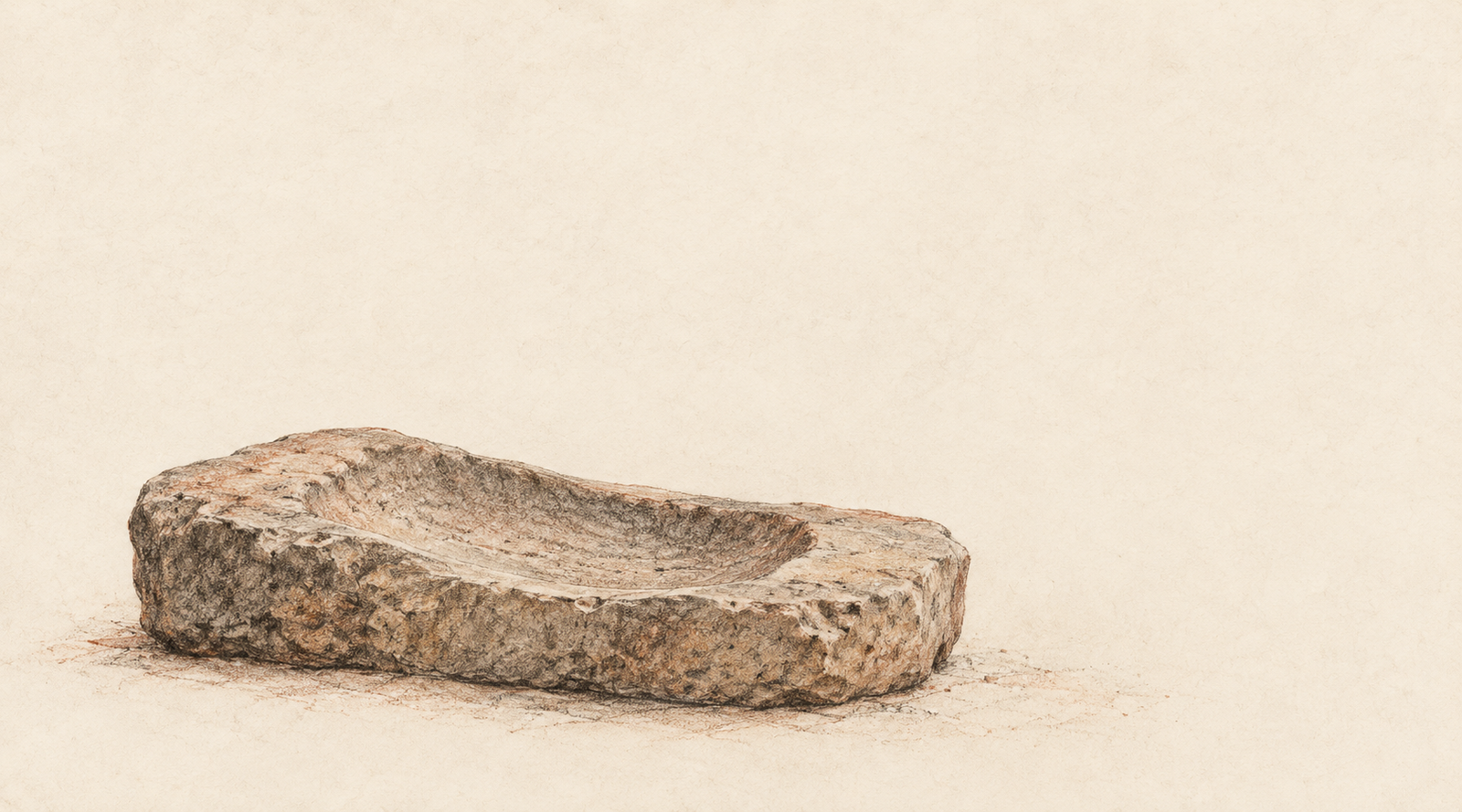
The temple we inherit is a building from which almost all necessity has been removed. Nothing must be brought for it to continue being what we call a temple. The sanctuary asks nothing of us. Stone is good at this kind of independence.
A living temple was otherwise.
Water had to come in. So did grain, cloth, oil, aromatic substances, fuel. The things required for worship arrived because someone carried them across a threshold.

Houses of Wood, Light, and Smoke
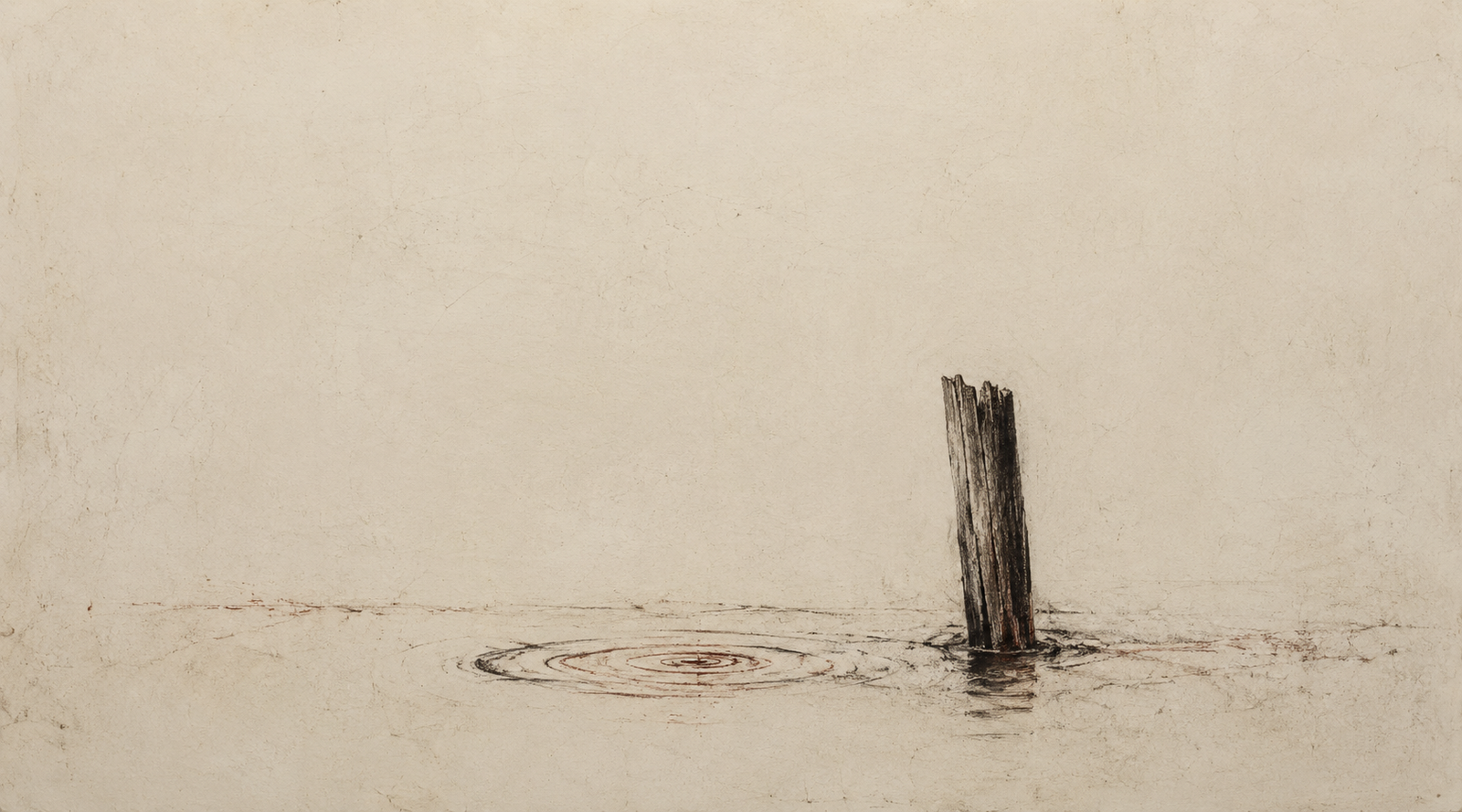
Some of Angkor’s most intimate ruins do not rise above the ground at all. They are postholes, low mounds, hearths and ponds: durable traces of a domestic city built largely from things that decay. To restore that city is to see Angkor not only as stone, but as wood, smoke, water, repair, and people living within calling distance.