
The Library gathers the written works of Lucas Varro — journals of the temples, mythic retellings, contemplative essays, poems, and volumes shaped by shadow, silence, and wonder. Here, words stand beside images as offerings: field notes from Angkor, meditations on sacred stone, old stories rekindled, and reflections carried beyond the visible world.
Within these shelves you will find many rooms: Angkor journals, myth and legend, apsara meditations, contemplative essays, poems, children’s mythic wonder, literary retellings, and quieter devotions of the page. Wander chronologically, enter by theme, or pass through one of the dedicated publication houses now gathered within the wider Library.
For those who wish to follow these paths further, several of these writings continue on Substack and in dedicated archive blogs: The Lantern Chronicles , where myth, legend, contemplative essays, poetry, and other imaginative works are carried onward; The House of Cadmus , where Greek myth and tragedy are reopened through inheritance, violence, fate, and recurrence; The Mytharium , where myth, Tolkien, fairy stories, and old literature are read and retold with seriousness; The Alexander Series , where A. M. Sharp retells Greek myths for children who want to be trusted by stories; and The Hospitable Dark , where A. M. Sharp offers literary myth retellings shaped by darkness, shelter, endurance, and return.
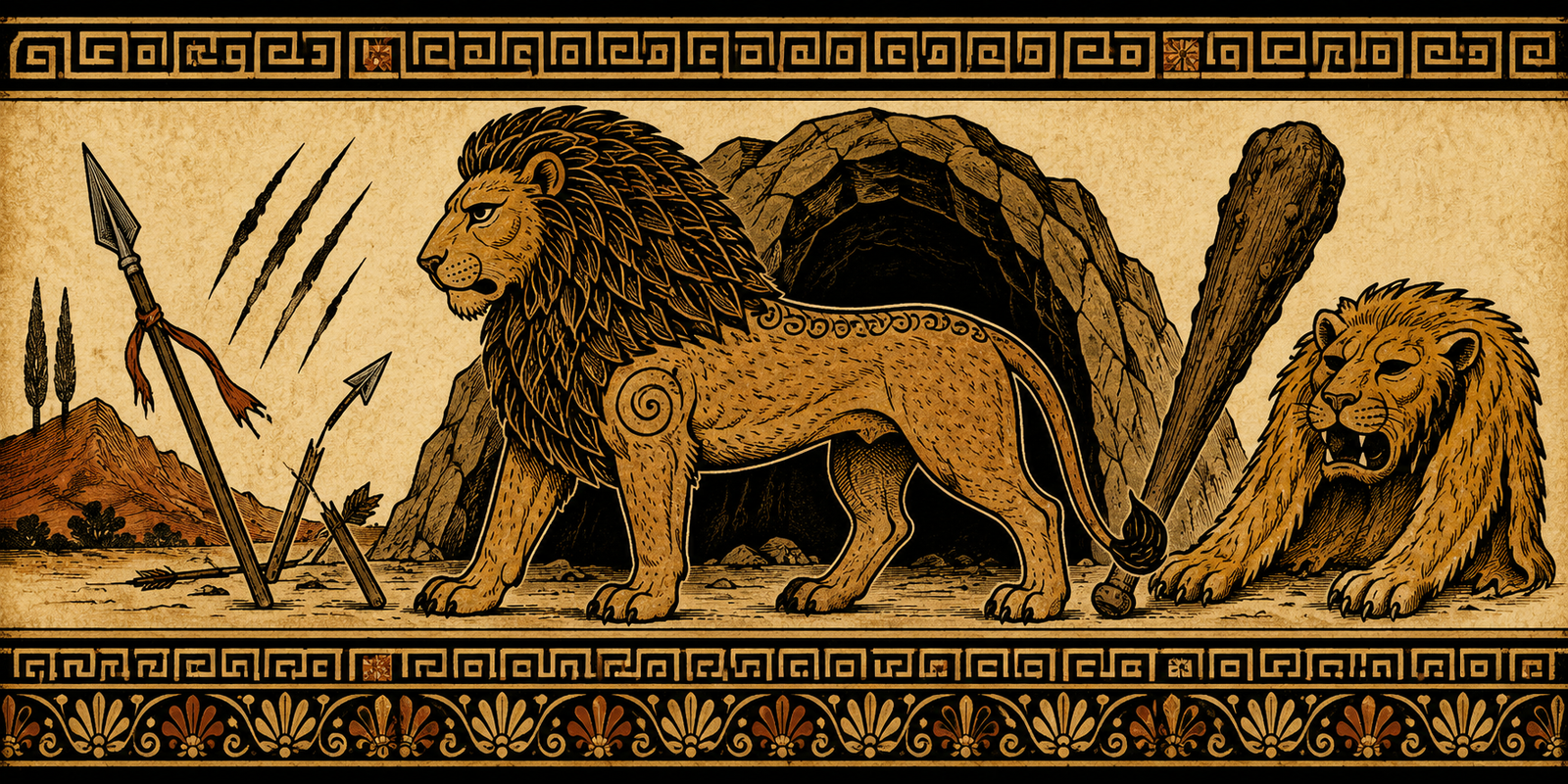

The Nemean Lion
A child-readable Greek World guide to the Nemean Lion: the monster no weapon could pierce, the cave where Heracles had to come close, and the lion skin that became his first great sign.
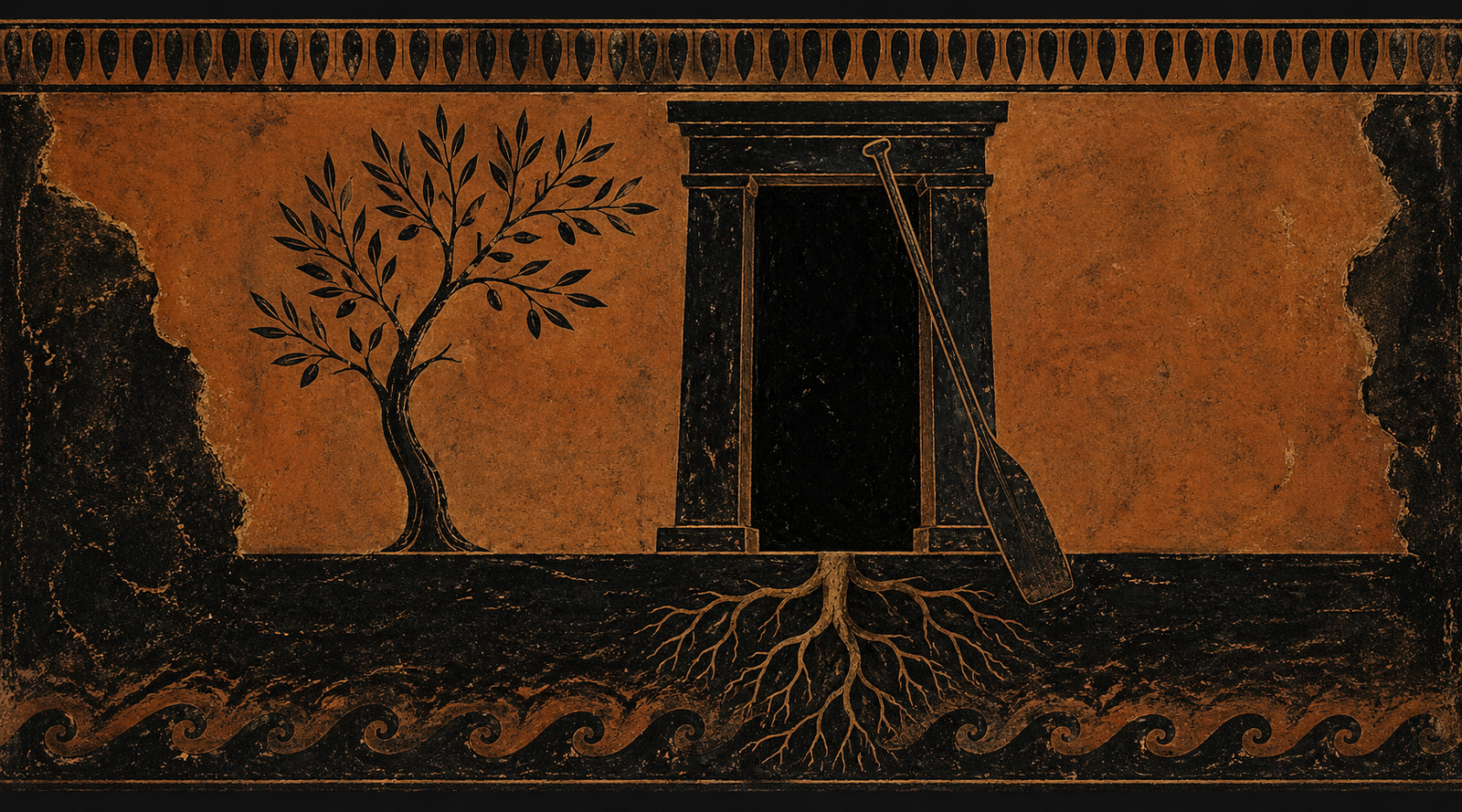

No Man Comes Home III — The Island of the Kept Man
Calypso’s island saves Odysseus, then begins to steal him. In the third canto of No Man Comes Home, immortality is not offered as thunder or command, but as tenderness becoming law. To return, Odysseus must choose mortality, consequence, and the road that may kill him.
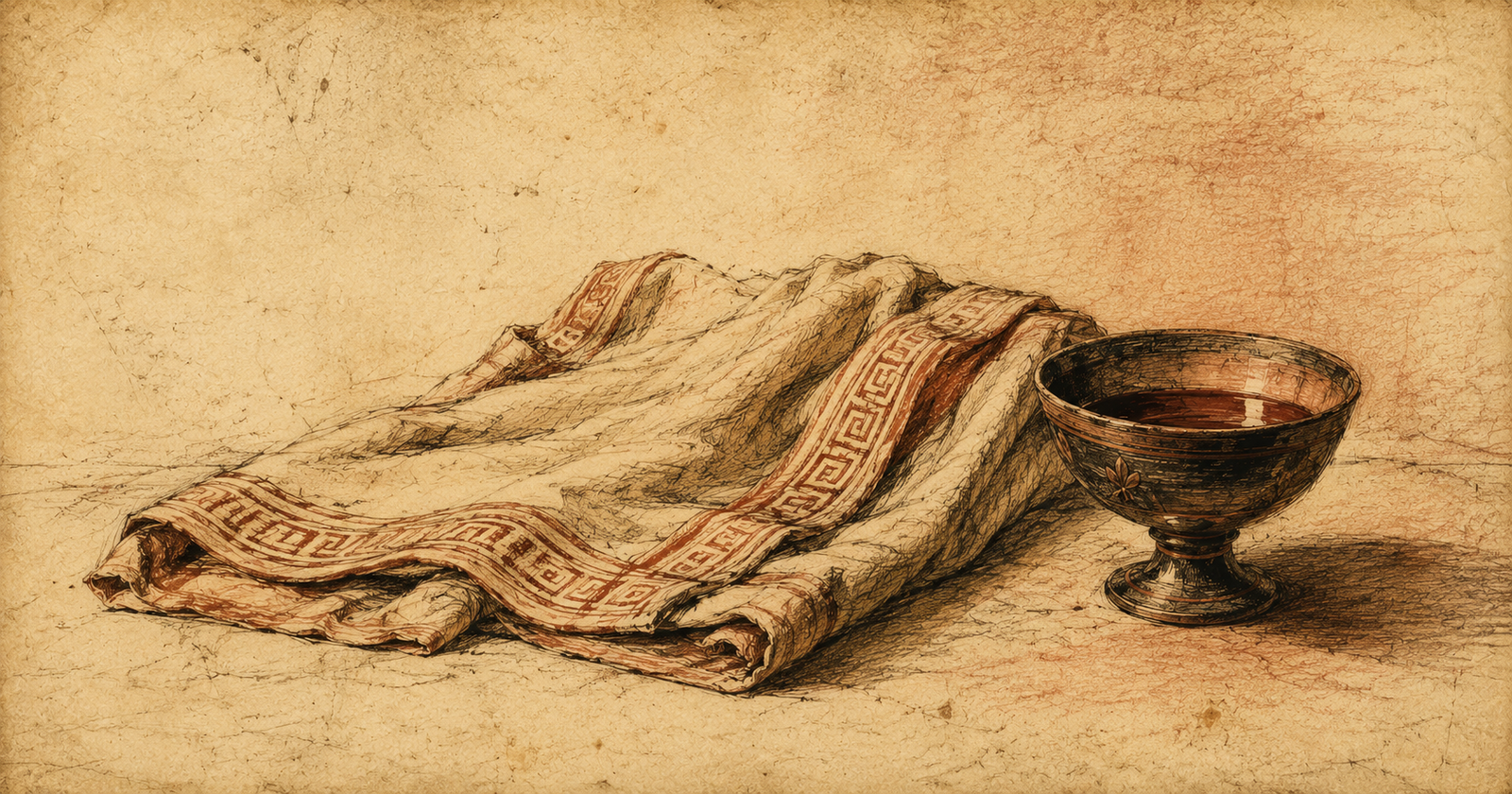

What War Leaves Behind in Beautiful Rooms
A Long Return reader’s guide to Helen, Menelaus, Telemachus, and the polished aftermath of Troy. This essay explores why Sparta’s beautiful rooms are so unsettling in Homer’s Odyssey, and how war leaves behind not only ruins, but ceremony, composure, competing memories, and grief made habitable.
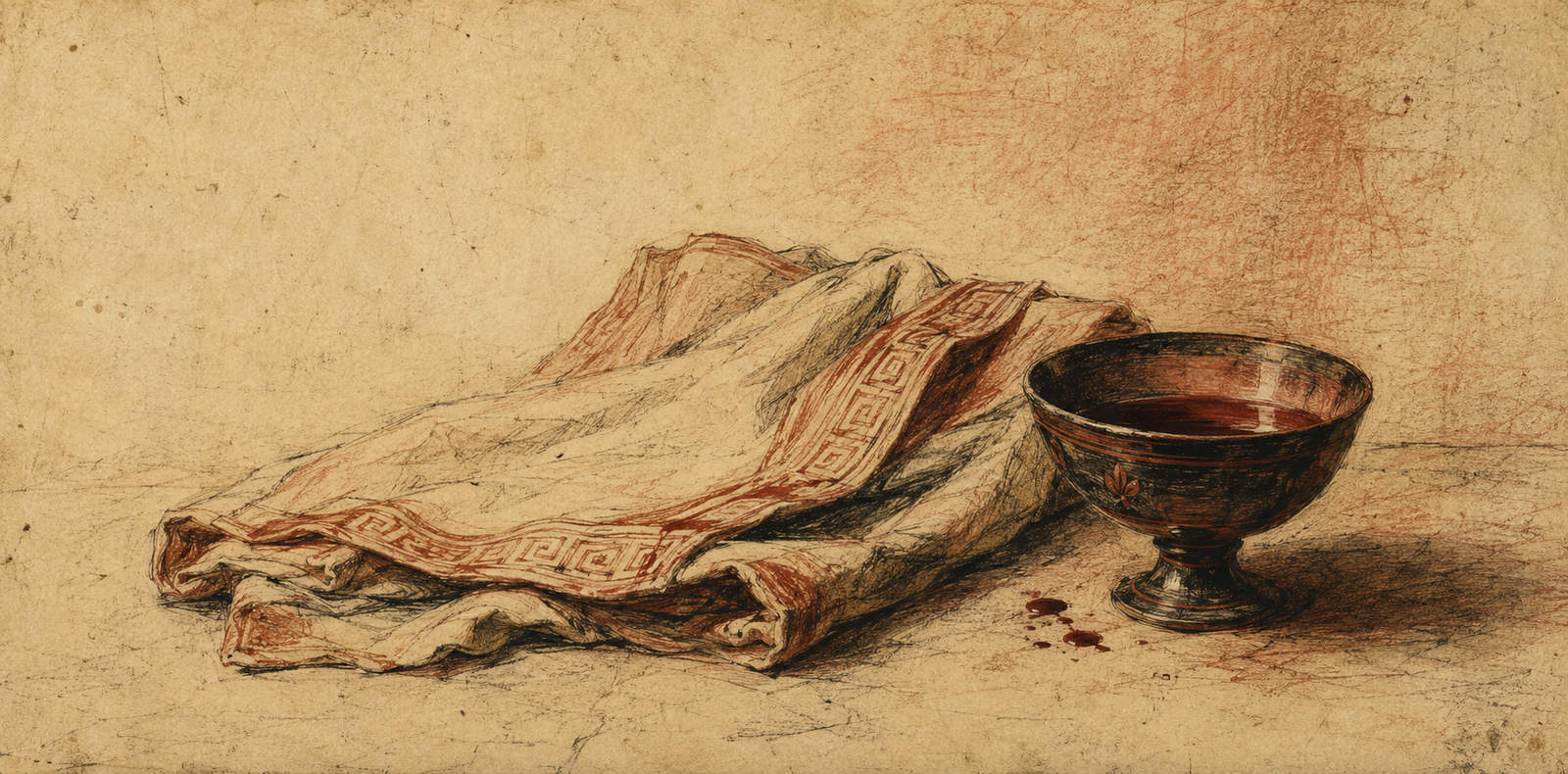

The Long Return IV — Helen, Menelaus, and the Sea-God’s Word
In this fourth instalment of The Long Return, Telemachus enters the beautiful house of Menelaus and Helen, where hospitality, grief, fame, and memory gather uneasily around the absent Odysseus. A grave Odyssey retelling about what war leaves behind, and how a son learns that a famous father becomes harder to know.
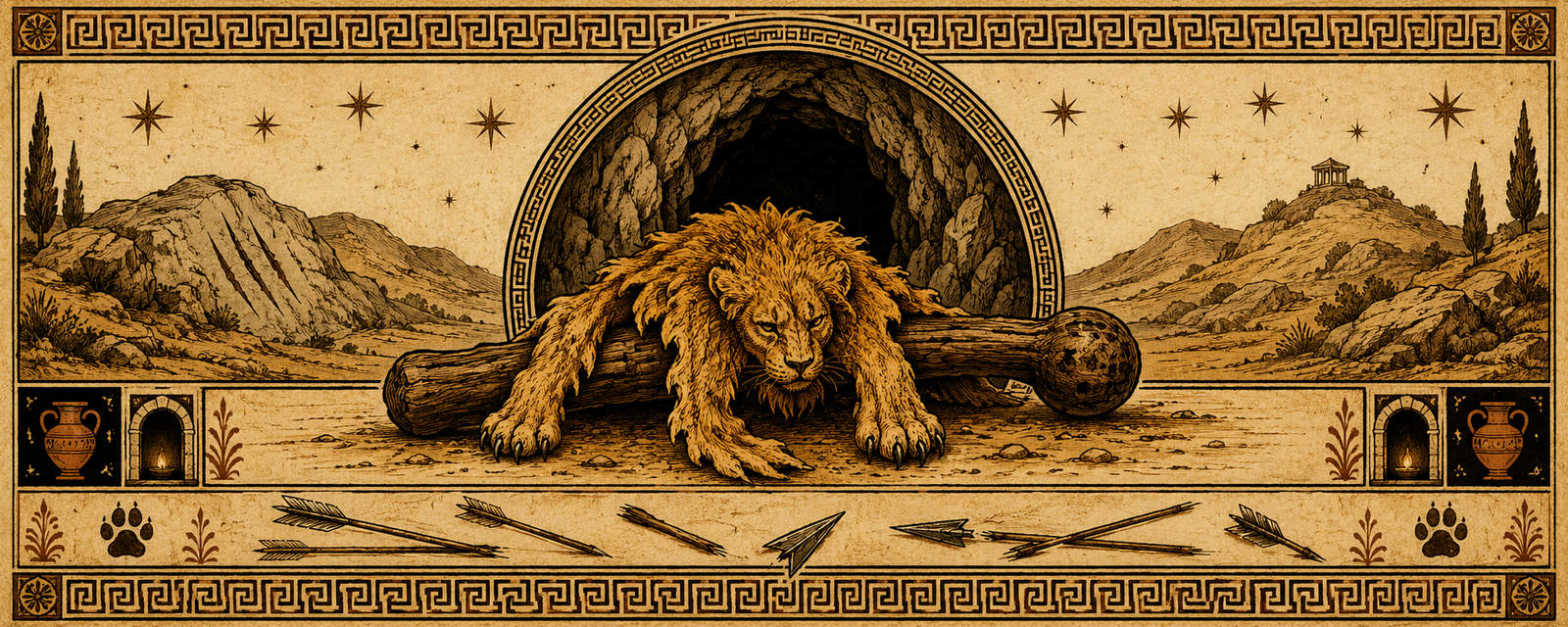

Heracles and the Lion
A serious children’s Greek myth retelling of Heracles and the Nemean Lion: a valley closing its doors before sunset, a monster no weapon can harm, and a hero who must learn what strength becomes when the cave is waiting.
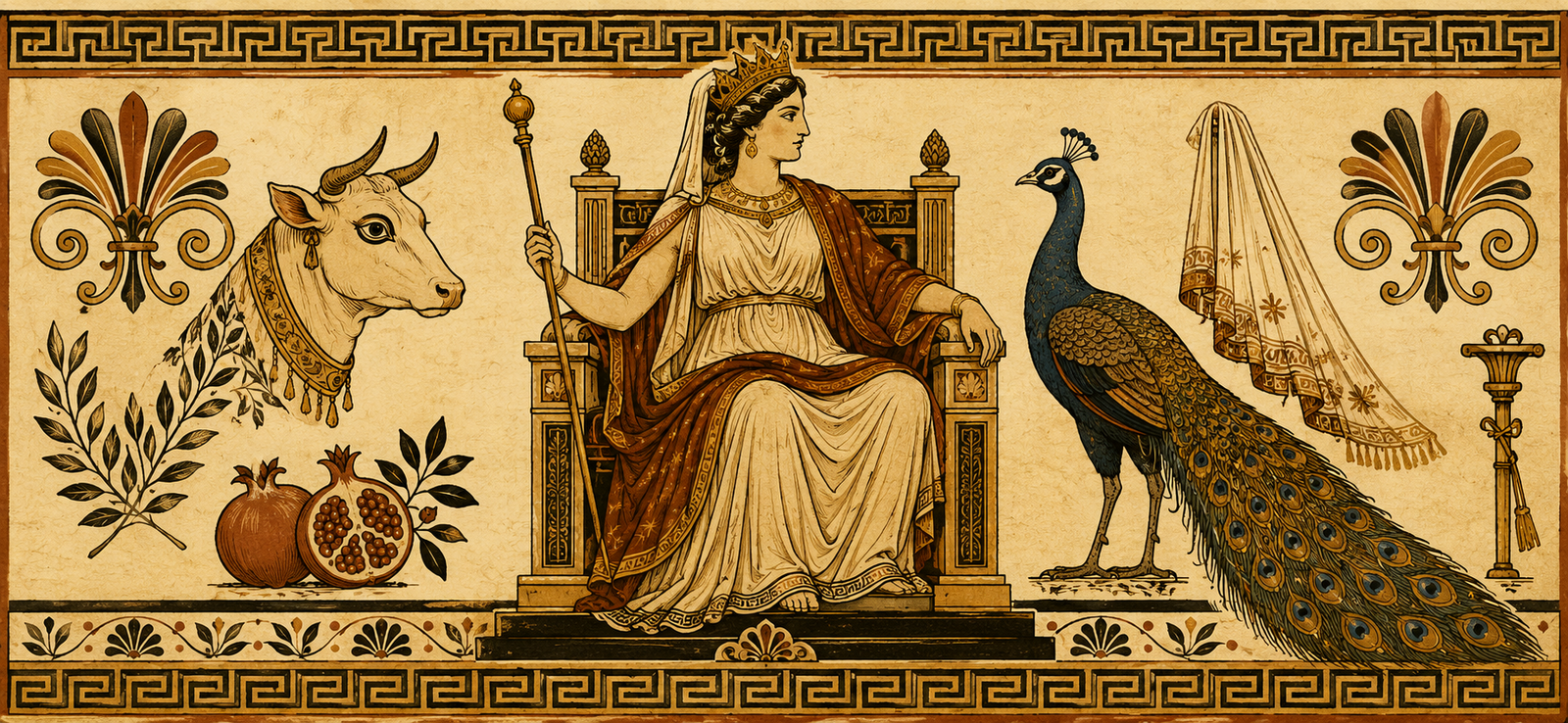

Hera — Queen of Olympus and the Pressure Behind Heracles
Before Heracles faces the lion, a child should know Hera: queen of Olympus, guardian of marriage, throne, sceptre, veil, and wounded honour. This Greek World entry introduces Hera not merely as a villain in Heracles’ story, but as the divine pressure that makes his strength matter.

The Danger of Being Proved Right
A companion essay to Phaethon — The Borrowed Sun, exploring proof, shame, paternal love, and the danger of being publicly vindicated too late. This Hospitable Dark myth essay looks beyond the simple warning against ambition and asks why Phaethon needed the sky to answer a wound.

Phaethon — The Borrowed Sun
A warm, grave retelling of the Greek myth of Phaethon, where a boy’s wounded need for proof leads him from his mother’s courtyard to the chariot of the Sun. In The Borrowed Sun, catastrophe begins not with ambition, but with doubt, shame, and a father’s love given in the wrong shape.
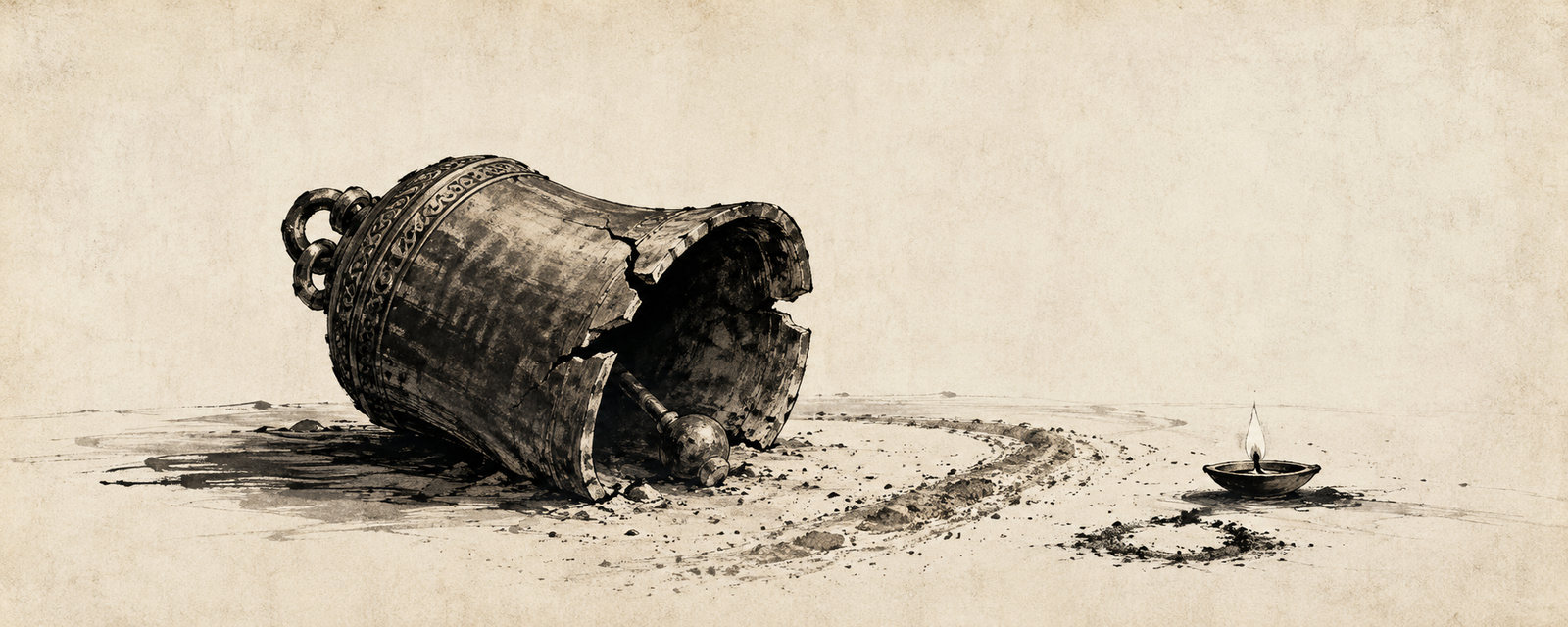

Fires of the Old World XVI —The Wrestling Hall
A hearthlit retelling of Krishna and Kamsa in the wrestling hall of Mathura. A broken bell hangs above the sand. A fearful king watches two boys enter without armour, without drums, and without fear. In this tale, power does not end in thunder, but in one calm hand closing without hate.
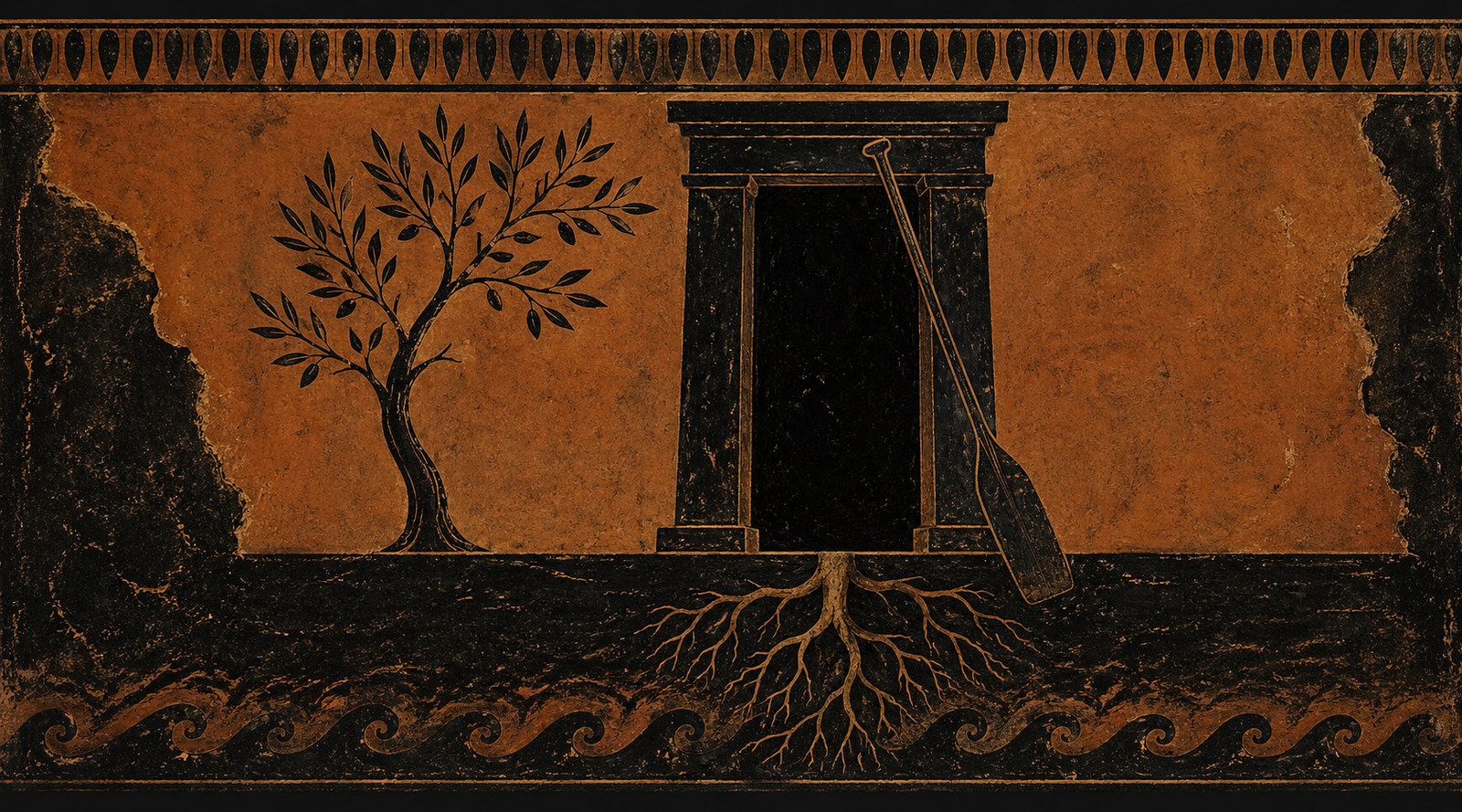

No Man Comes Home II — The Son Sent Out
Telemachus leaves Ithaca not as a hero, but as a son forced into motion by a house that will not correct itself. Seeking news of Odysseus, he discovers that a father’s absence can become larger in other men’s mouths than in the life of the child who has carried it. He wanted certainty. He received scale.
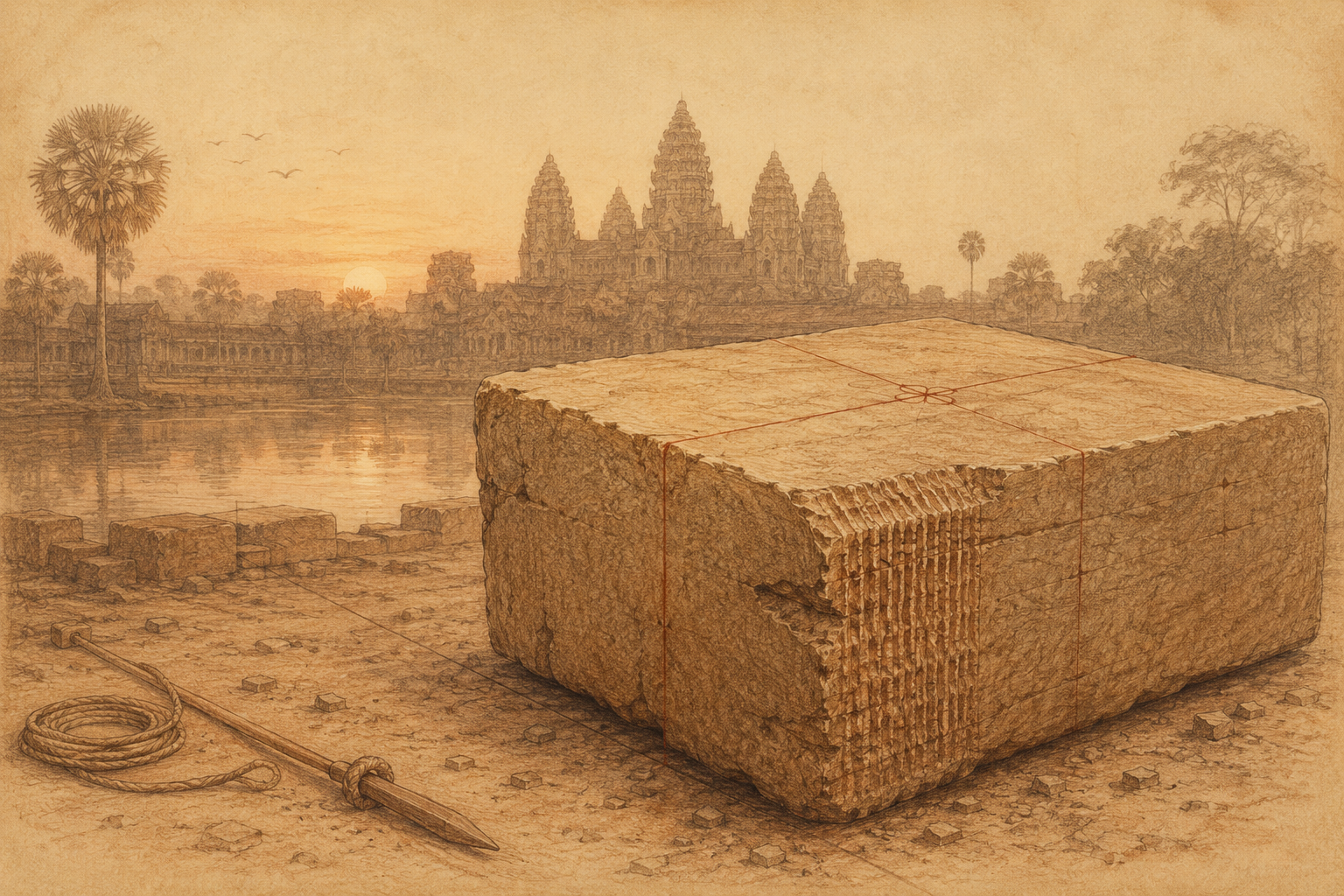

Where a Name Could Not Follow
A boy in the sandstone quarries beneath Phnom Kulen learns the first law of sacred building: not strength, not speed, but attention. Where a Name Could Not Follow imagines the life of an unnamed Angkorean stone-master whose hands helped move mountain into temple — and whose name vanished where the stone endured.
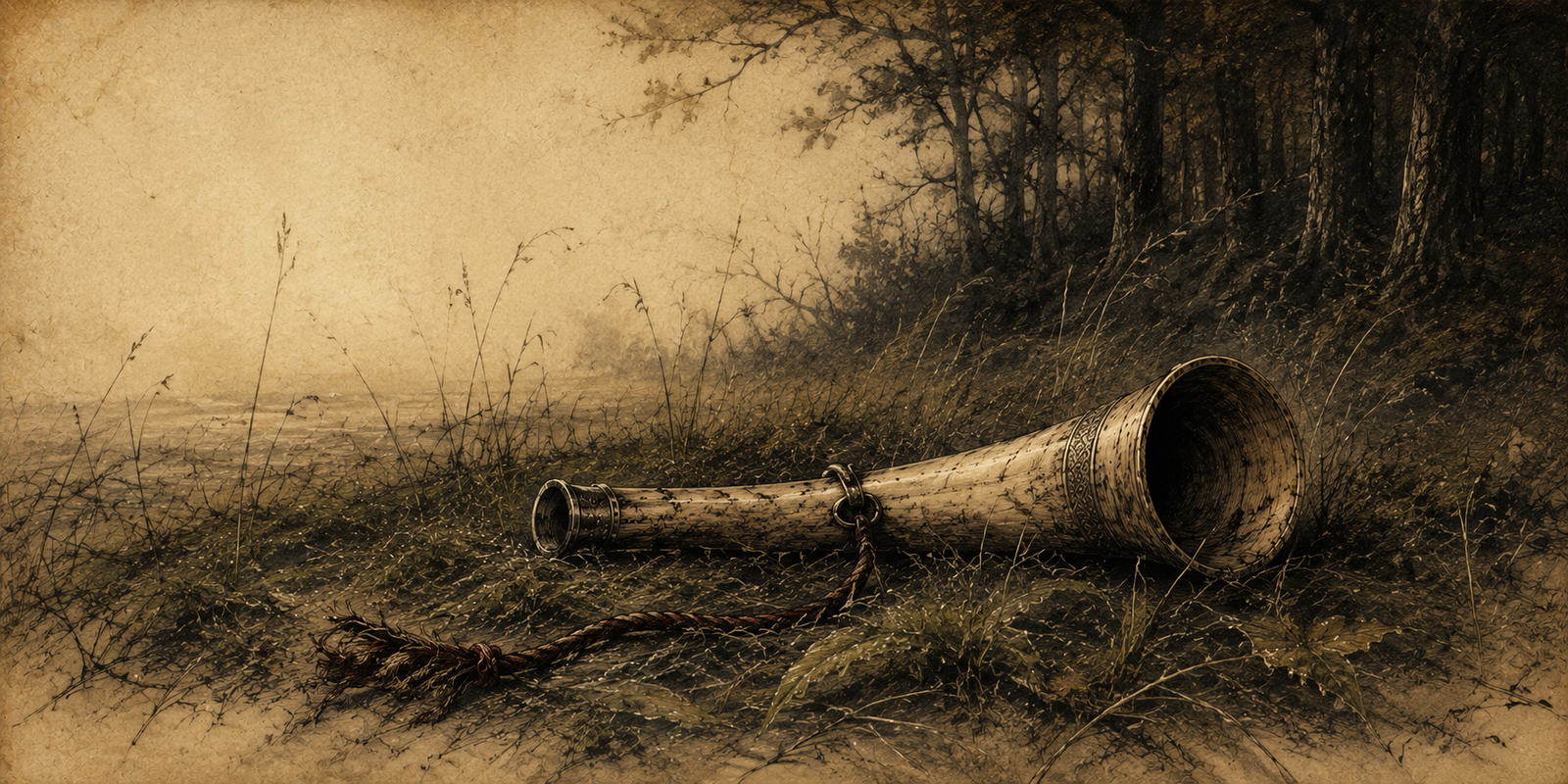

When Sight Becomes Trespass
A companion myth essay on Actaeon, Artemis, forbidden sight, and the terrible moment when seeing becomes trespass. When Sight Becomes Trespass asks why Actaeon’s story cannot be reduced to simple guilt or divine cruelty, and why the old myth still wounds through transformation, failed recognition, and the loss of being seen.
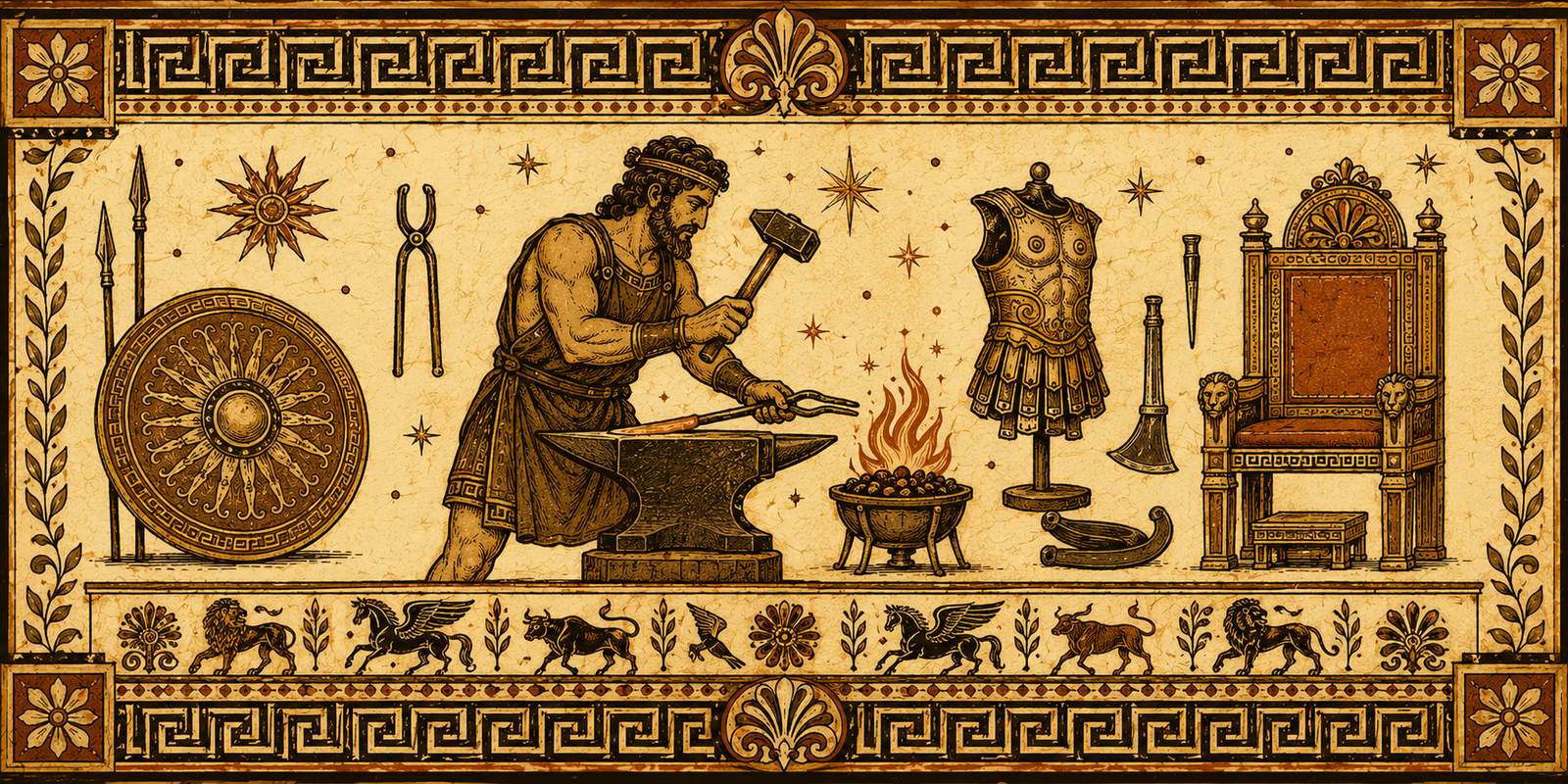

Hephaestus — The God of the Forge
After Daedalus and the Wings, The Greek World turns to Hephaestus: god of the forge, fire, metalwork, armour, traps, thrones, and impossible crafted wonders. A child-readable Greek myth guide to the divine maker whose objects can protect, shame, arm, trap, and astonish.
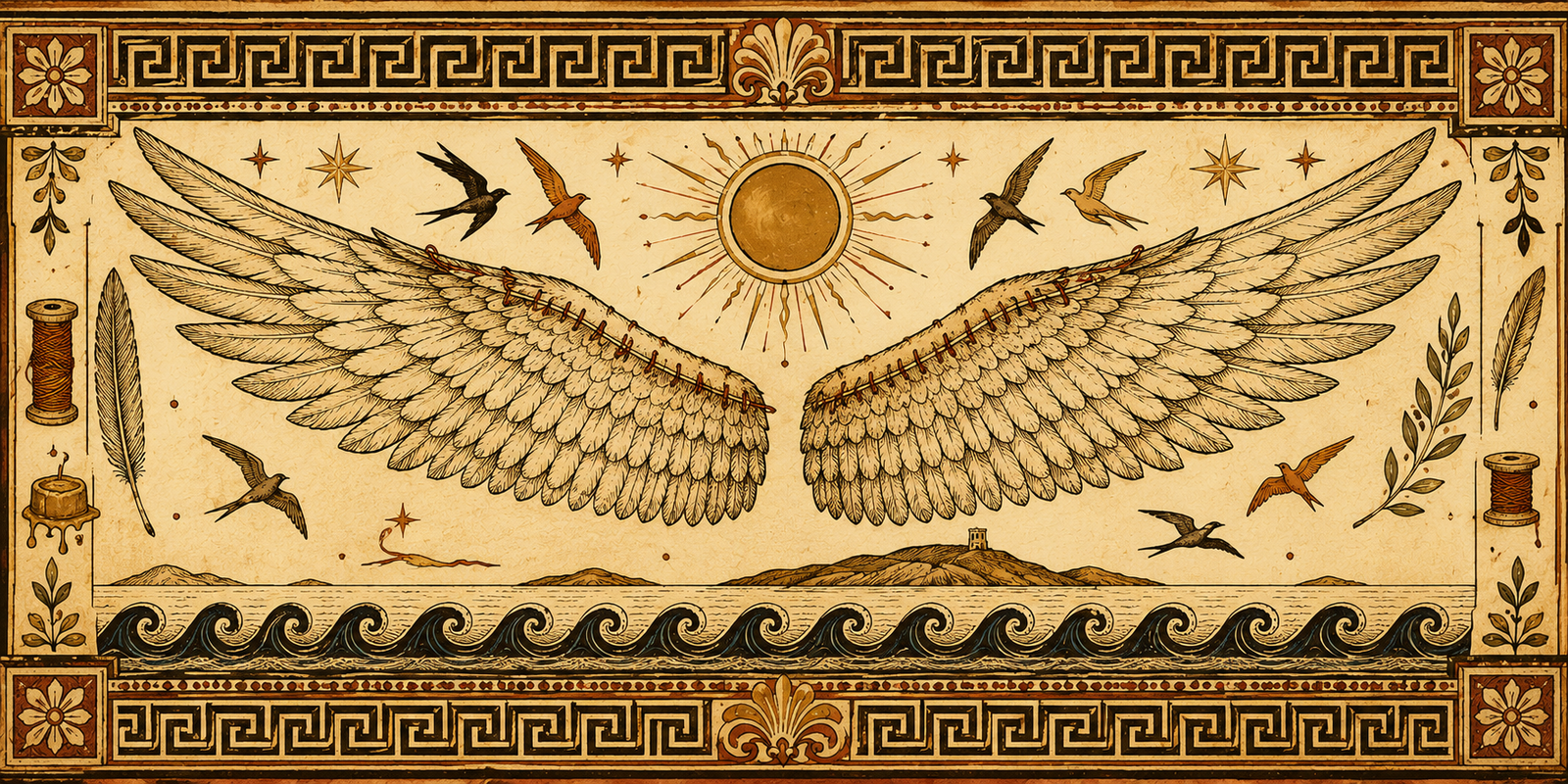

Daedalus and the Wings
A child-honouring Greek myth retelling of Daedalus and Icarus: a maker, a son, a prison with no door, and two wings stitched from feathers, wax, and hope. This Alexander Series tale preserves the wonder and sorrow of the myth without reducing it to a lesson about flying too close to the sun.
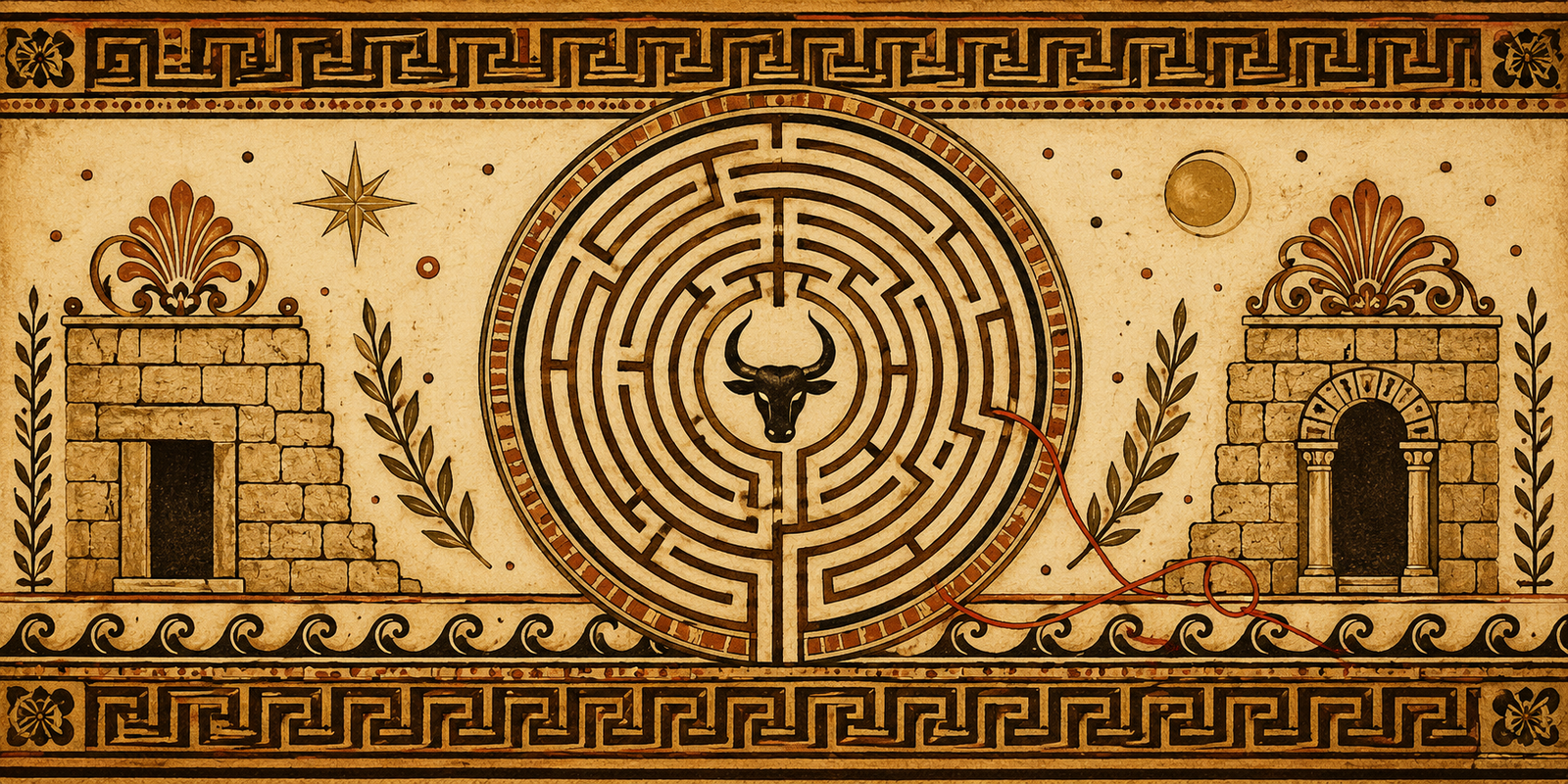

The Labyrinth
Before Daedalus made wings, he made the Labyrinth: a house of turns built to hold the Minotaur and hide the truth of Crete. This Greek World entry prepares child readers for Daedalus and the Wings by showing the maze not as a puzzle, but as one of Greek myth’s great signs of secrecy, danger, memory, and return.
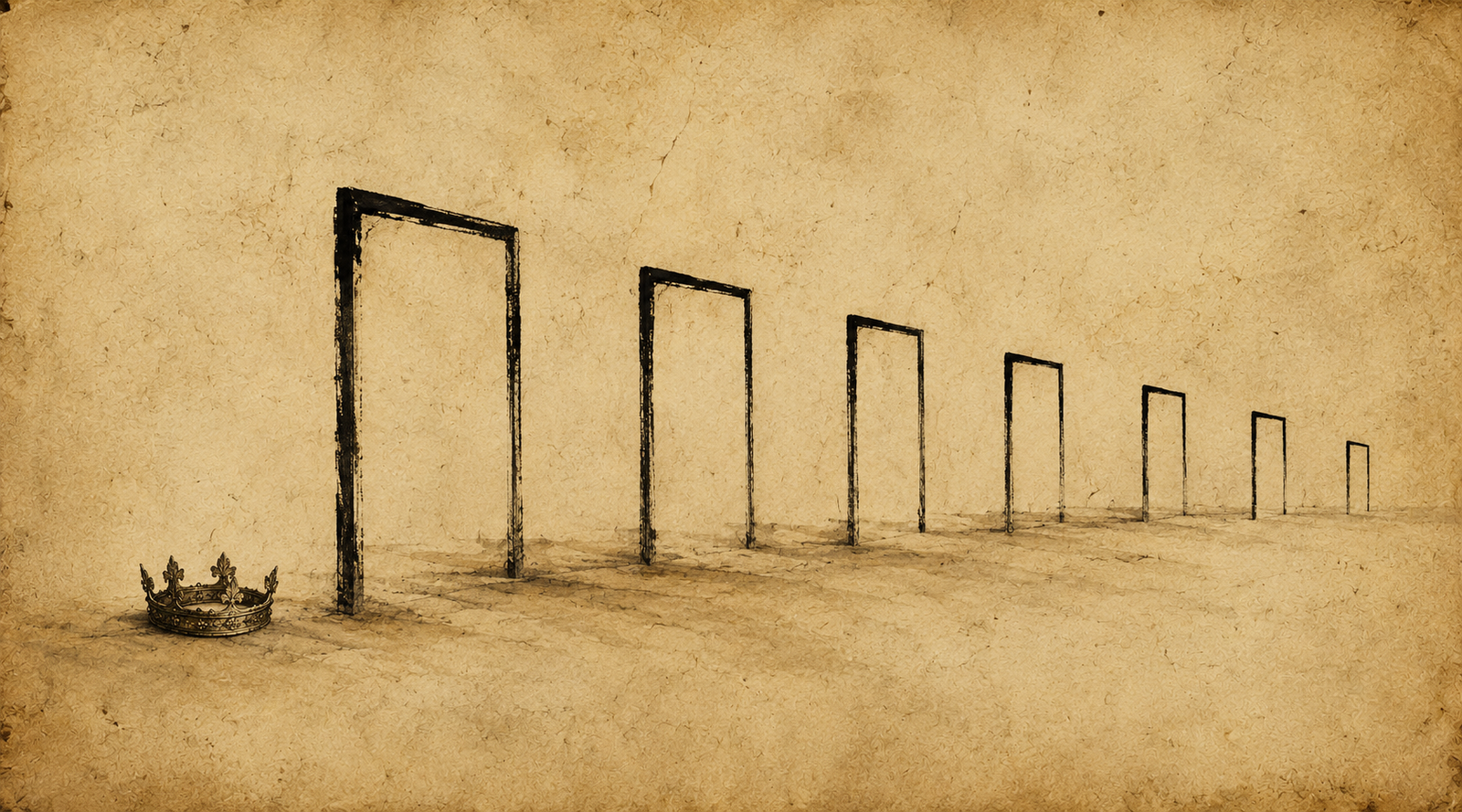

The Seven Gates: Inanna’s Descent Retold
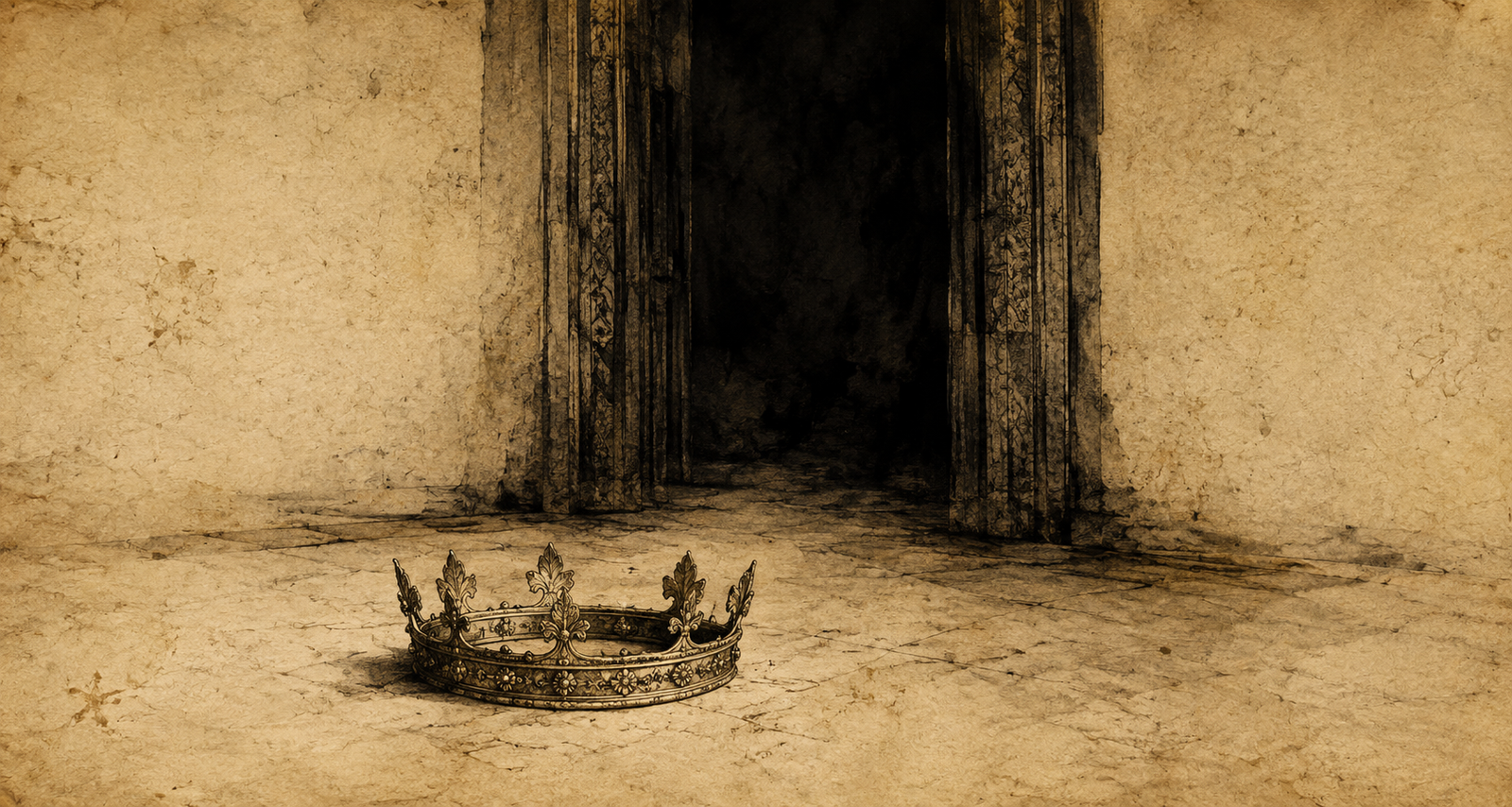
A source-faithful Mytharium retelling of Inanna’s descent into the underworld. Inanna enters crowned, robed, adorned, and named, but the great below has rites of its own. Gate by gate, every sign by which the upper world has known her is taken away.

Inanna Goes Down Naked
A Mytharium essay on Inanna’s descent into the underworld: the crown removed at the first gate, the stripping away of power’s visible signs, and the old story’s severe understanding that no true return leaves the self unchanged.

Fires of the Old World XV — The Serpent-River Dance
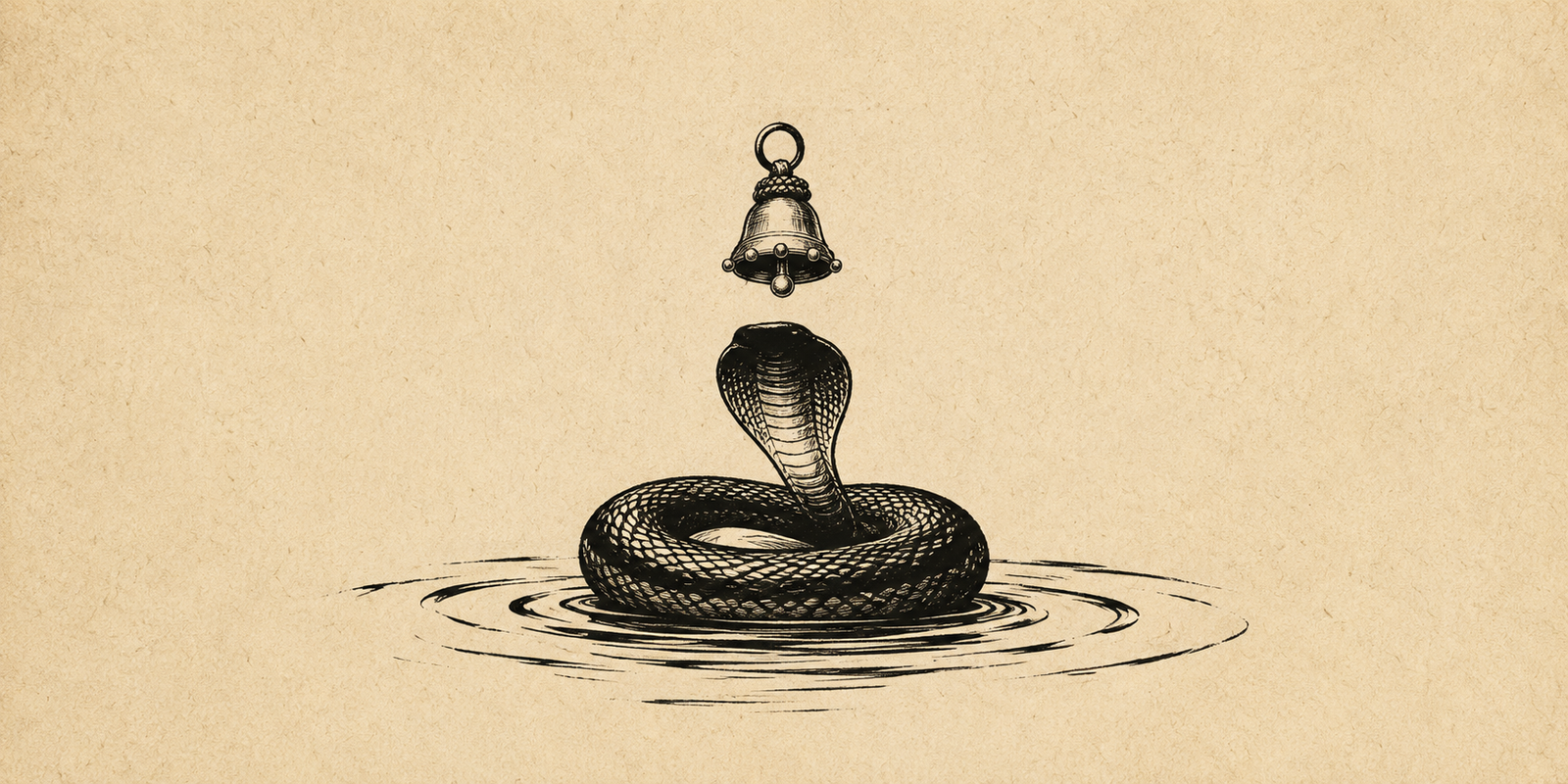
A hearthlit retelling of Krishna and Kaliya, the poisoned river, and the child who danced on the serpent’s hood until the water breathed again.

Actaeon — The Stag in the Clearing
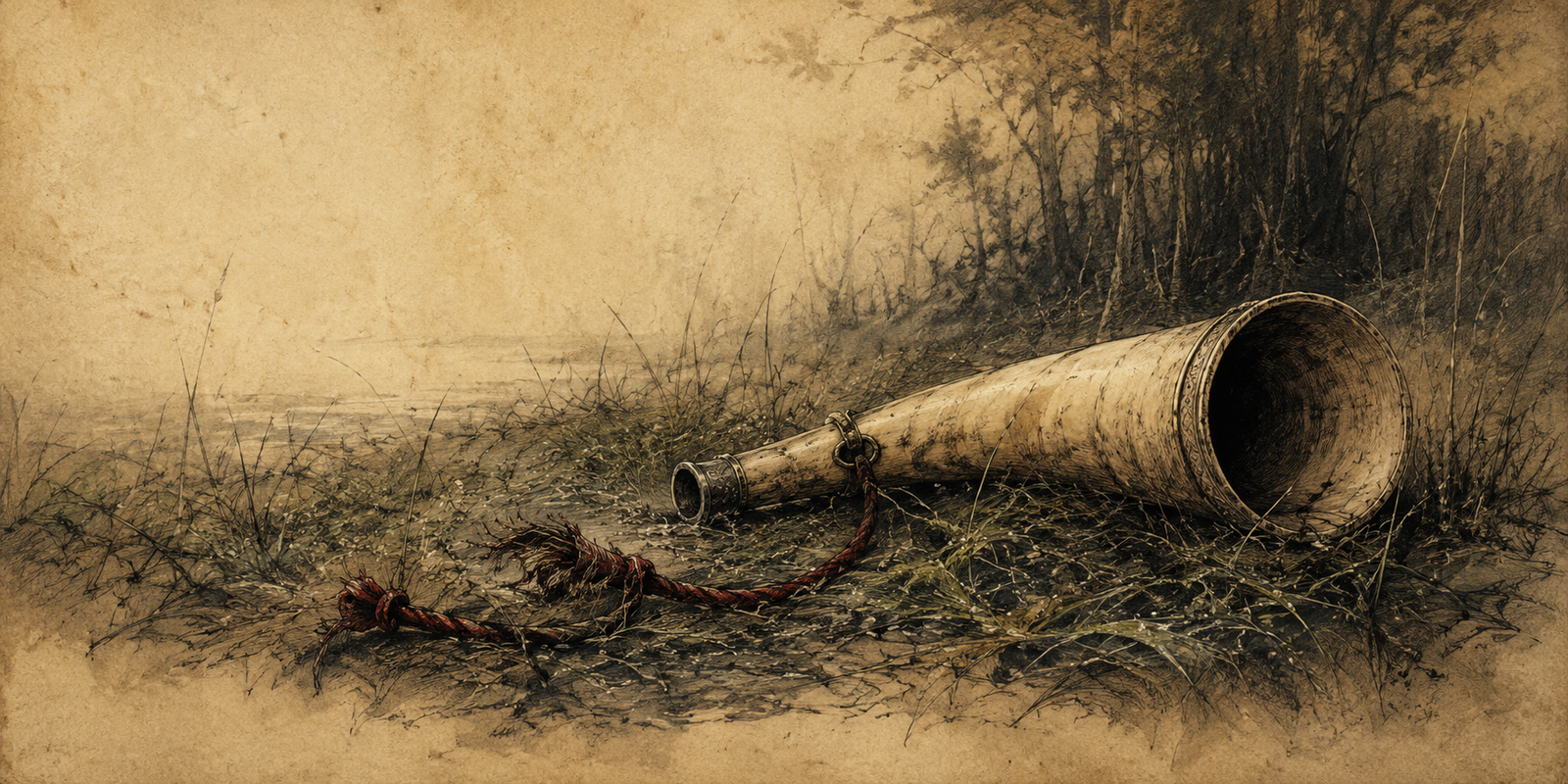
A literary Greek myth retelling of Actaeon, the hunter who sees what was never meant for mortal eyes. In The Stag in the Clearing, The Hospitable Dark enters the forest through dogs, leather, wet grass, and dawn laughter before the old story turns towards transformation, terror, and the failure of recognition.

No Man Comes Home I — The House Without the Man
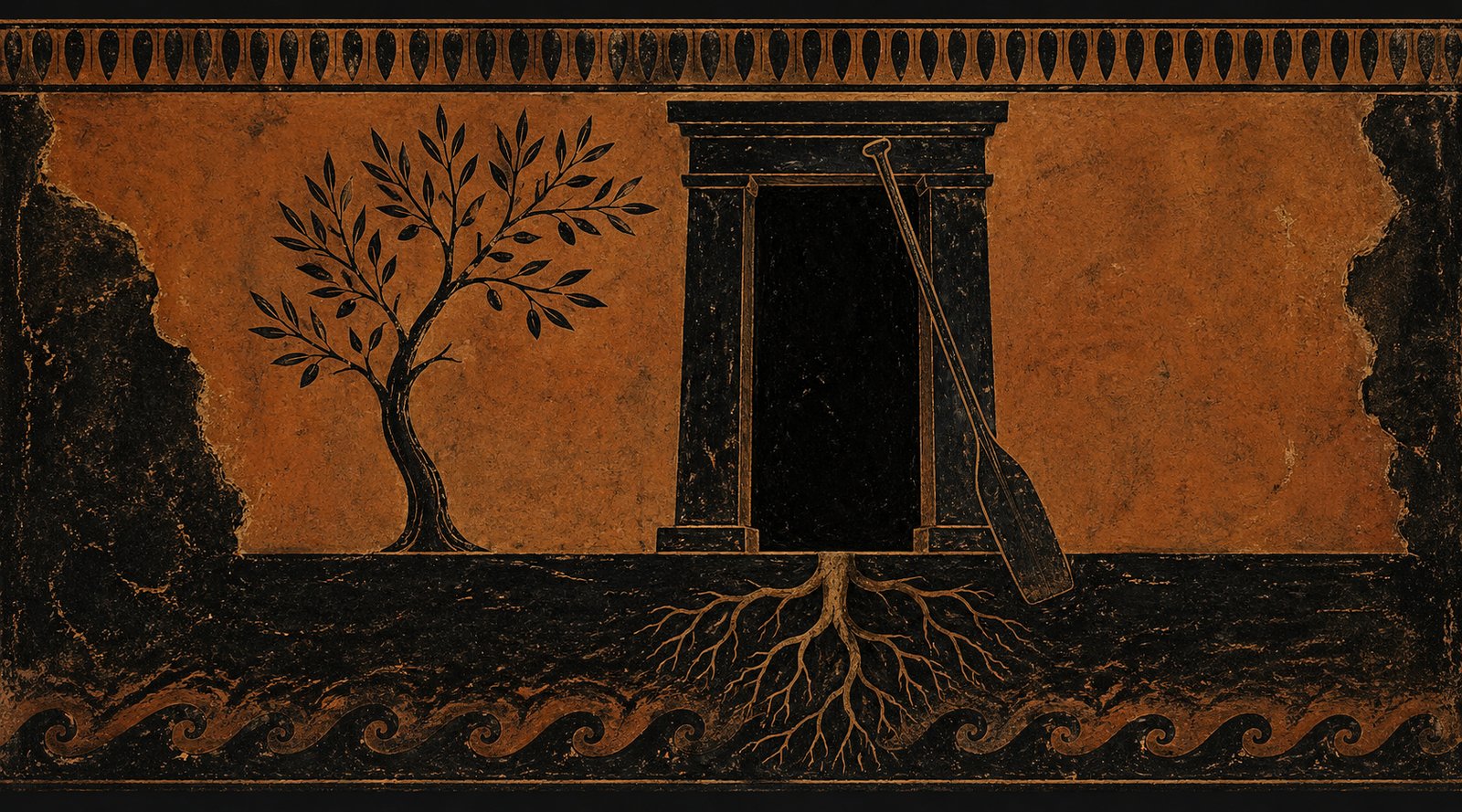
Before Odysseus returns, Ithaca has already become a battlefield. Penelope rules by delay, Telemachus grows beneath the weight of absence, and the suitors corrupt hospitality from within. The first canto of No Man Comes Home begins not with the hero, but with the damage made by his absence.
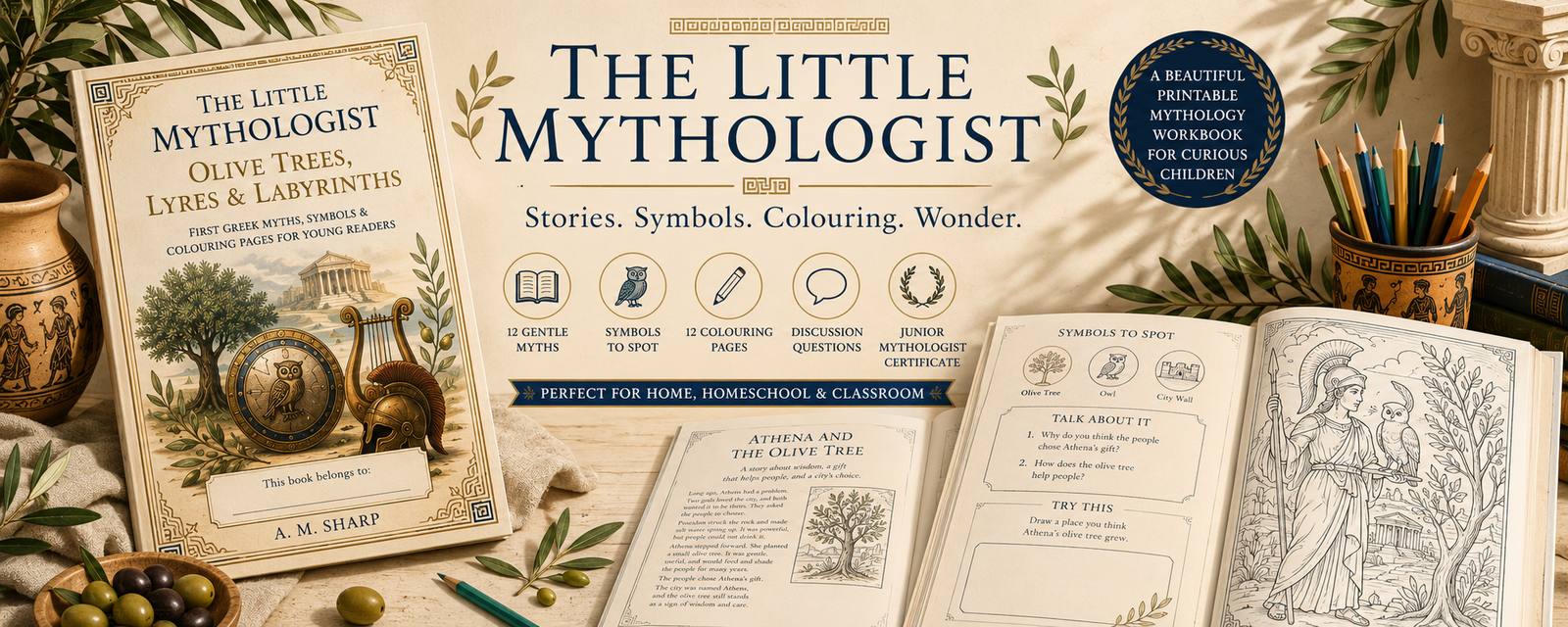

Old Stories, Young Hands — The Little Mythologist Printable Greek Mythology Workbook
Introducing The Little Mythologist, a printable Greek mythology workbook for children aged 6–10. Created as a hands-on companion to The Alexander Series, it includes twelve Greek myth retellings, colouring pages, symbols to notice, questions to discuss, activities, and a Junior Mythologist Certificate. Try the free sample or view the full workbook on Etsy.

Memory, Fathers, and the Education of Telemachus
Telemachus reaches Pylos seeking news of Odysseus, but Nestor gives him something more difficult than certainty: memory. This reader’s guide to The Long Return III — An Old King Remembers explores fathers, sonship, hospitality, Troy’s aftermath, and the first hard education Telemachus receives from old grief.

The Long Return III — An Old King Remembers
Telemachus reaches Pylos seeking news of Odysseus, but Nestor’s house gives him something harder than certainty: hospitality, old grief, and the memory of what happened after Troy. In this third instalment of The Long Return, a young man begins to understand that sonship may become an ordeal long before the father returns.
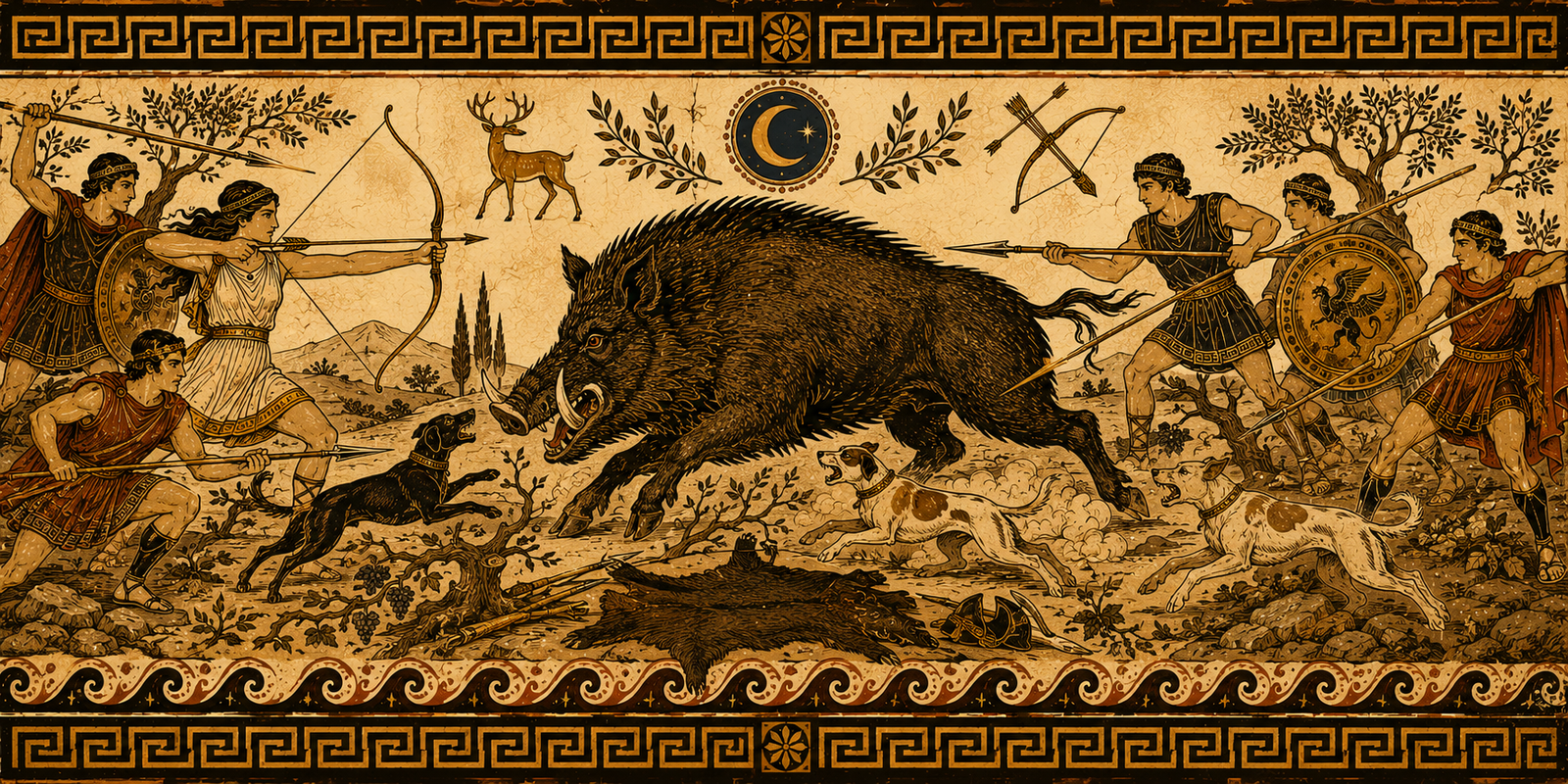

The Calydonian Boar Hunt: Artemis, Atalanta, and the Monster in the Fields
After Atalanta’s race, this Greek World entry places her among hunters, heroes, dogs, spears, and the terrible boar sent by Artemis. The Calydonian Boar Hunt is more than a monster story: it shows divine anger, Atalanta’s courage, Meleager’s honour, and the dangerous pride that remains after the beast falls.
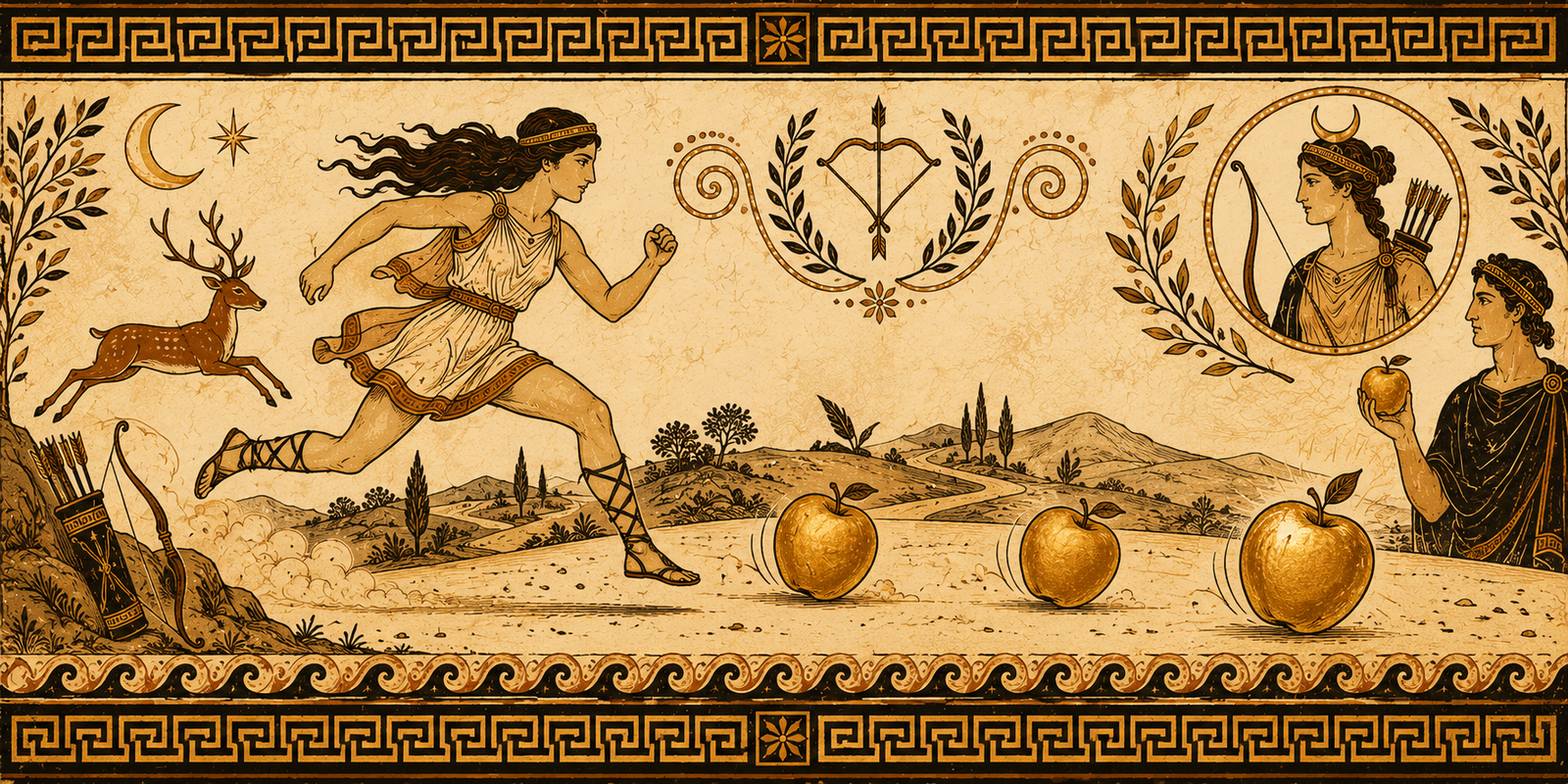

Atalanta Runs for Her Freedom: The Girl No One Could Catch
Atalanta can outrun every man who comes to claim her. Raised by the wild and watched, perhaps, by Artemis, she runs as if the whole world has opened beneath her feet. But when Hippomenes arrives with three golden apples, beauty itself falls onto the path — bright enough to interrupt even the fastest runner in Greece.
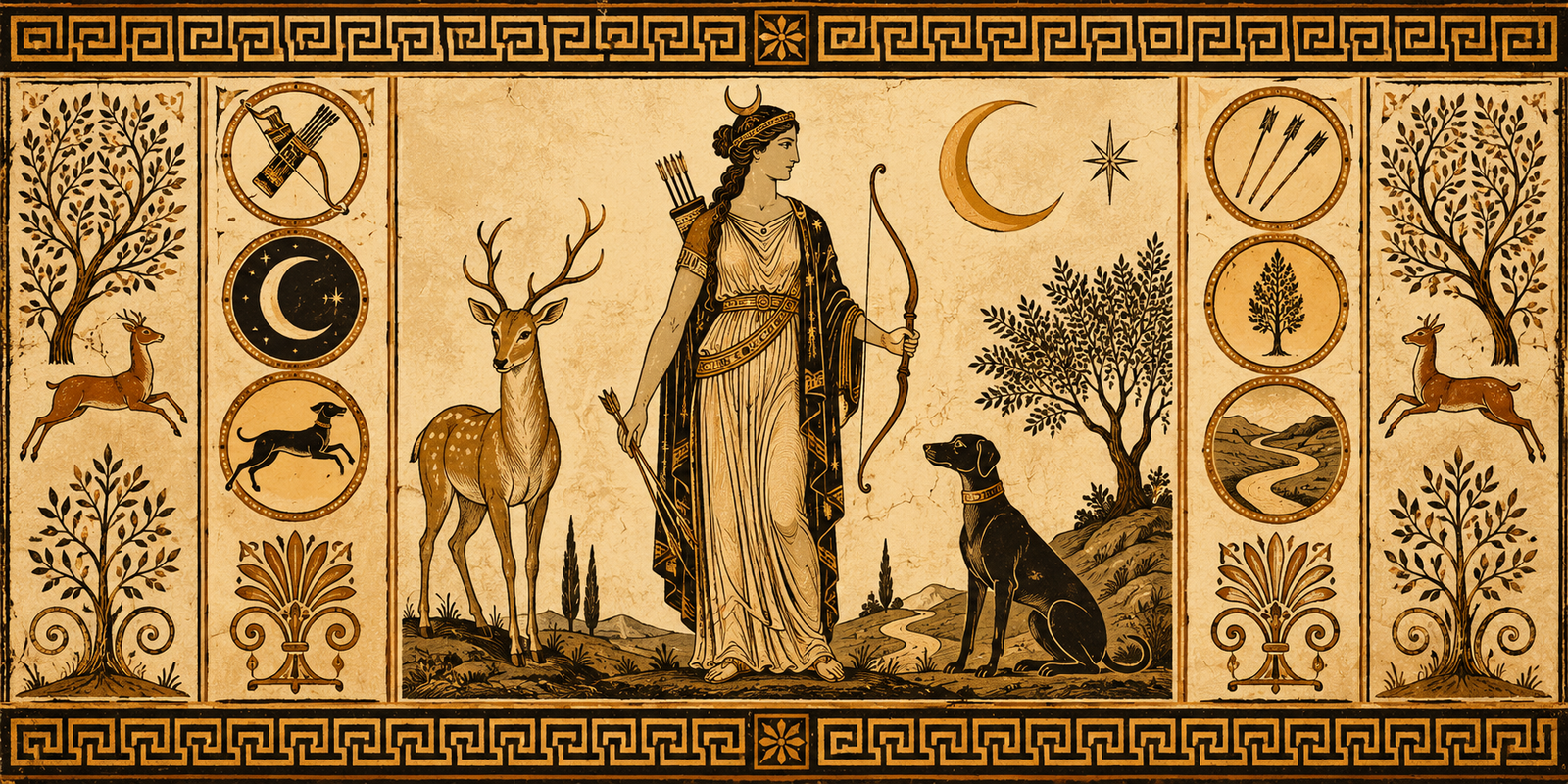

Artemis: The Bow, the Deer, and the Wild Path
Before Atalanta runs, a child should know Artemis: goddess of the bow, the deer, the moonlit path, and the wild places that do not belong to anyone. This Greek World entry introduces Artemis with clarity, danger, and wonder — not as a gentle nature figure, but as the severe, watchful goddess behind Atalanta’s speed.
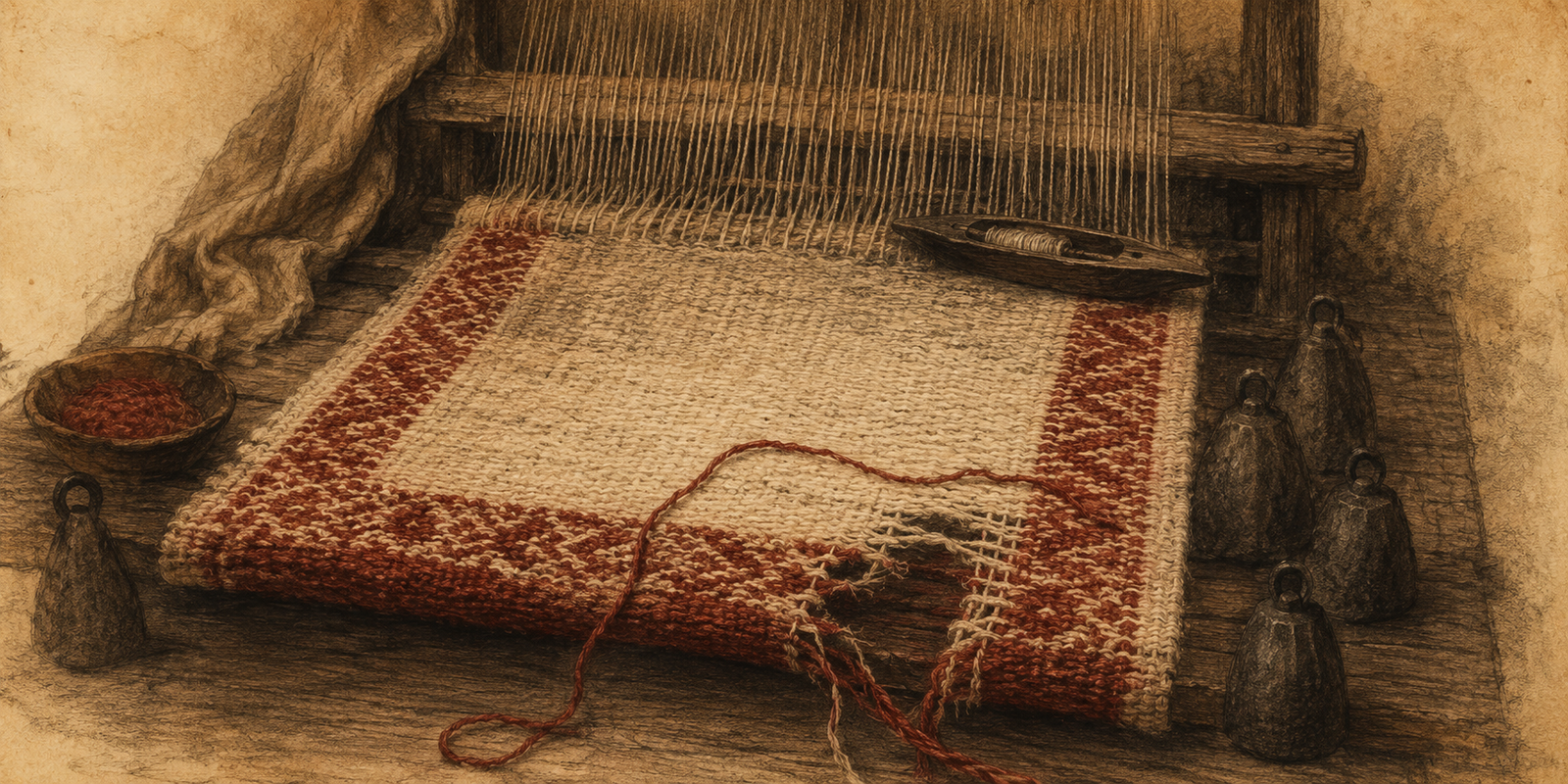

Arachne — The Weaver and the Goddess
A literary Greek myth retelling of Arachne, Athena, mortal skill, pride, divine asymmetry, and transformation. Before the punishment, before the spider, there is a girl at a loom, tired of watching labour mistaken for blessing — and dangerous enough to ask a goddess to look.
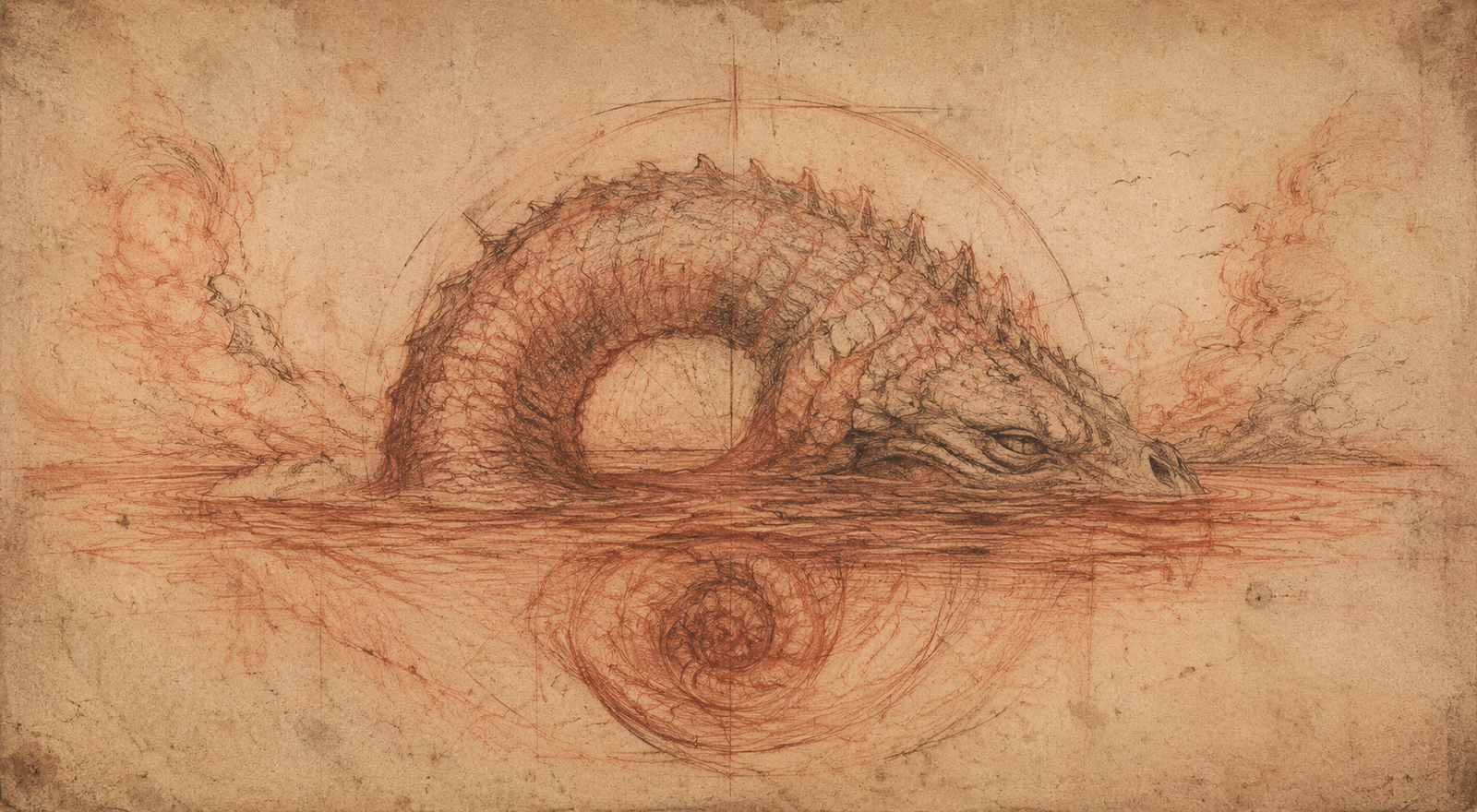

Leviathan — The Coiling Deep
The sea is not empty. It waits beneath every voyage, beneath every prayer spoken over salt. In Leviathan — The Coiling Deep, horizon becomes body, conquest becomes foam, and the old terror of the unmastered world rises in silence beneath the ships of men.
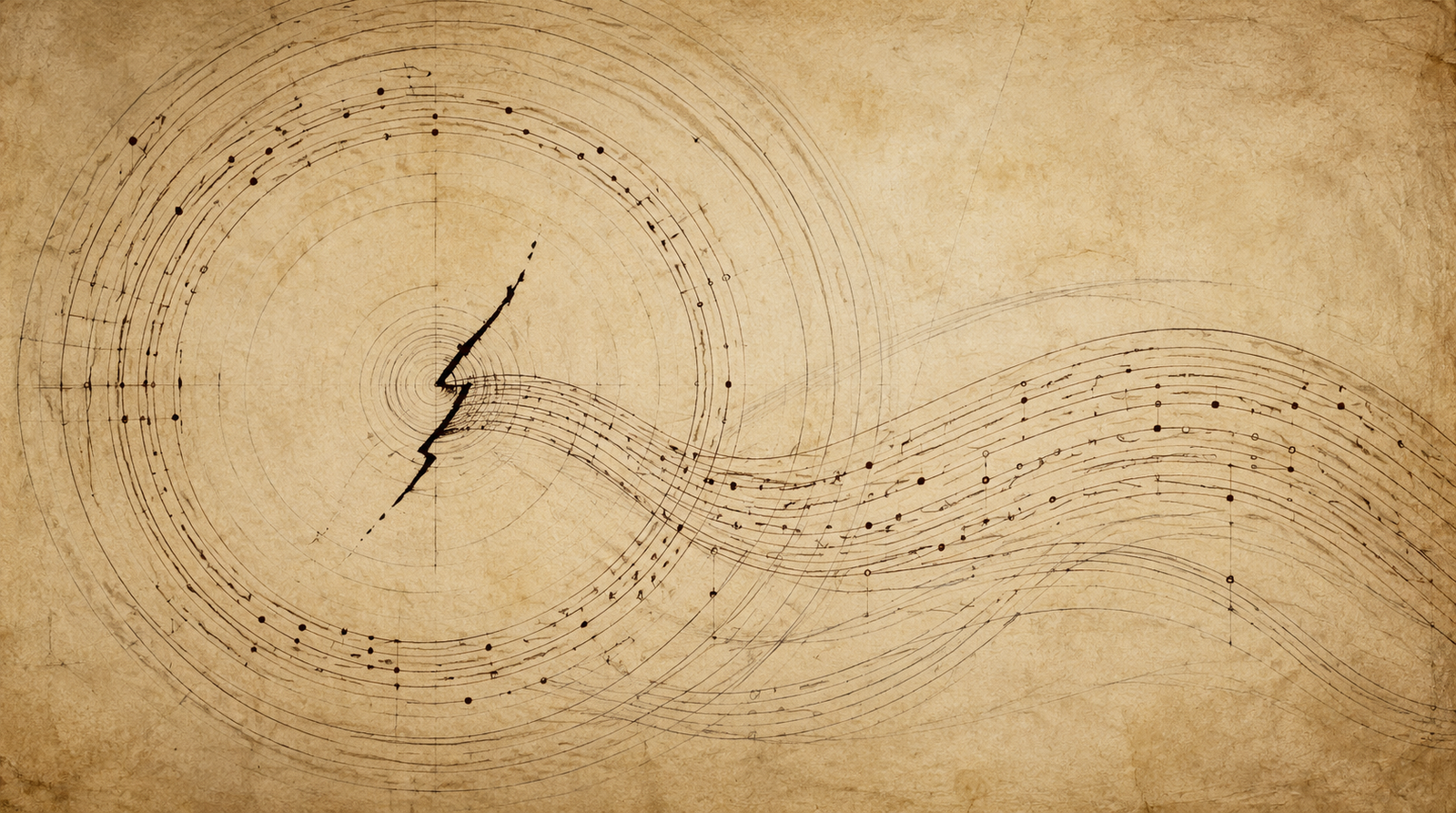

The Music of the Ainur and the Problem of Discord
A serious Mytharium essay on Tolkien’s Ainulindalë, Melkor’s discord, Ilúvatar’s Music, and the problem of evil in The Silmarillion. Before Arda is seen, it is heard; before evil has a body, it has a sound.
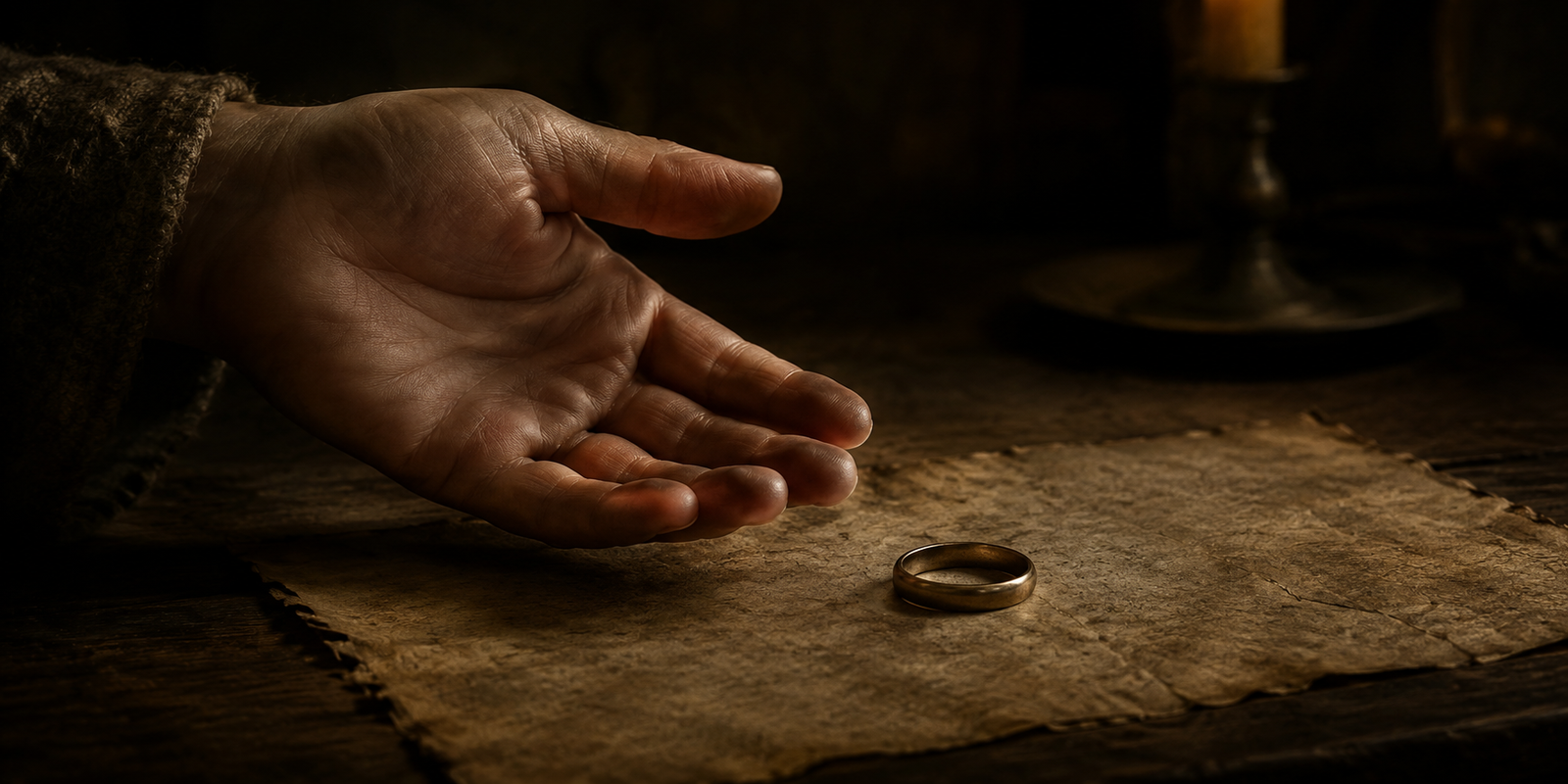

If Gandalf Took the Ring
A serious Mytharium reading of Gandalf, the One Ring, and the danger of righteous power in Tolkien’s The Lord of the Rings. Gandalf refuses the Ring not because it would be useless to him, but because it would be useful—and because goodness armed with absolute power may become the most dangerous domination of all.
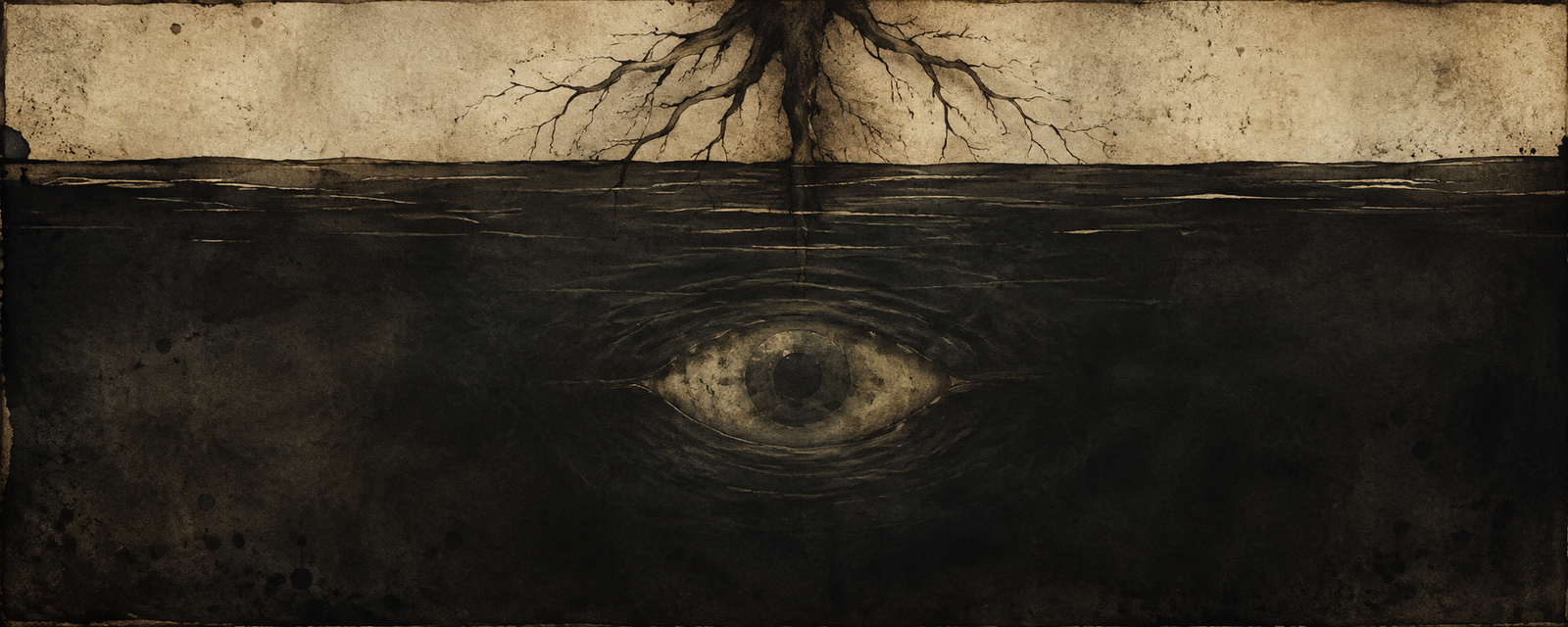

The Eye in the Well
A source-faithful Mytharium retelling of Odin’s pledge at Mimir’s Well. Beneath the root of Yggdrasil, the god asks for one drink from the dark water. The well does not answer to names. It asks what he will leave.
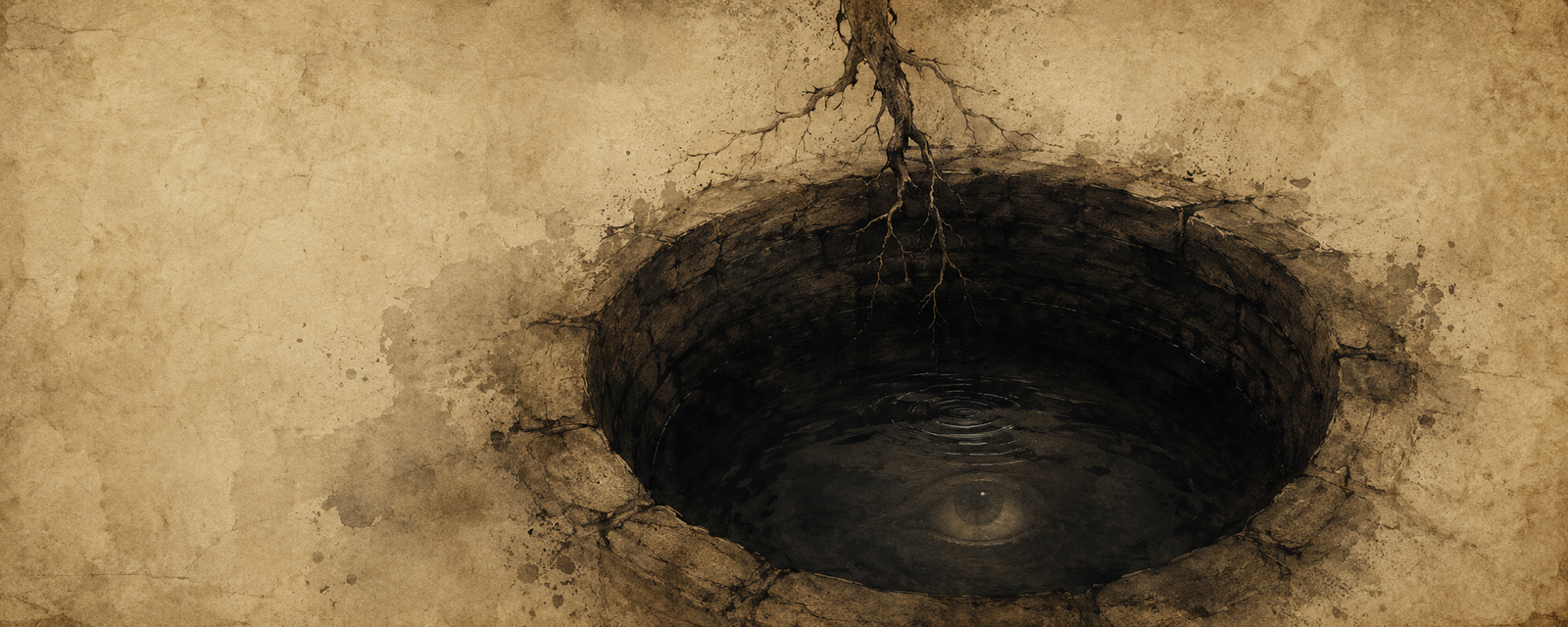

Odin at the Well
A serious Mytharium essay on Odin, Mimir’s Well, and the price of wisdom in Norse myth. Odin does not leave the well whole. He leaves an eye in the dark water, and whatever wisdom comes to him afterwards is shaped by that absence.
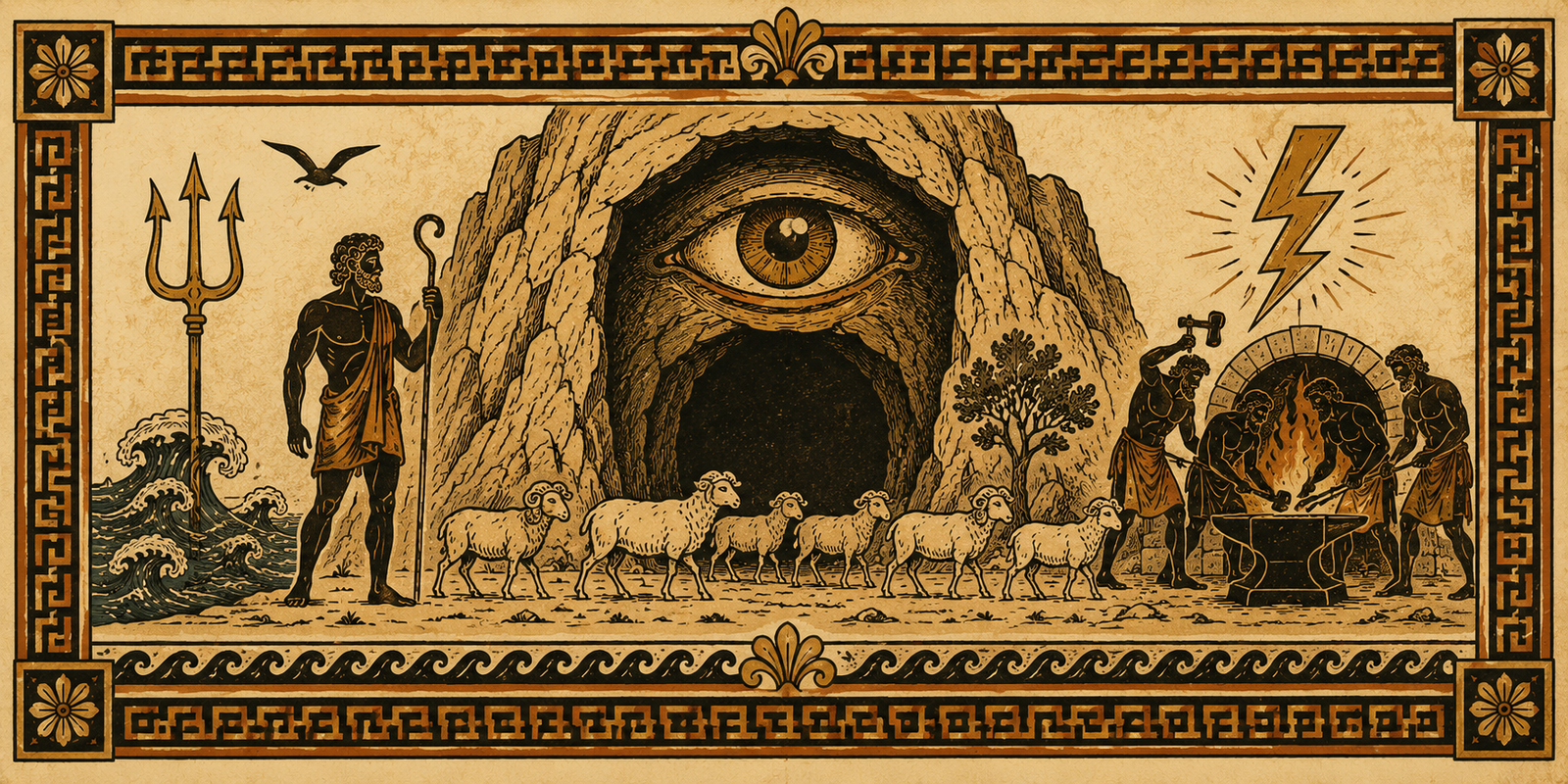

Cyclopes: One Eye in the Dark
After Odysseus escapes the cave, this Greek World entry turns back to ask what a Cyclops really is. Polyphemus is the one-eyed danger in the dark, but the older Cyclopes belong to fire, thunder, divine weapons, and the beginning of the world. The first answer is simple. The second answer is stranger.


The Long Return II — The Debate in Ithaca
The second instalment of The Long Return, a grave prose retelling of Homer’s Odyssey from The Hospitable Dark. Telemachus calls the men of Ithaca together and discovers that rightful speech cannot restore a house when the people around it have grown used to its ruin.
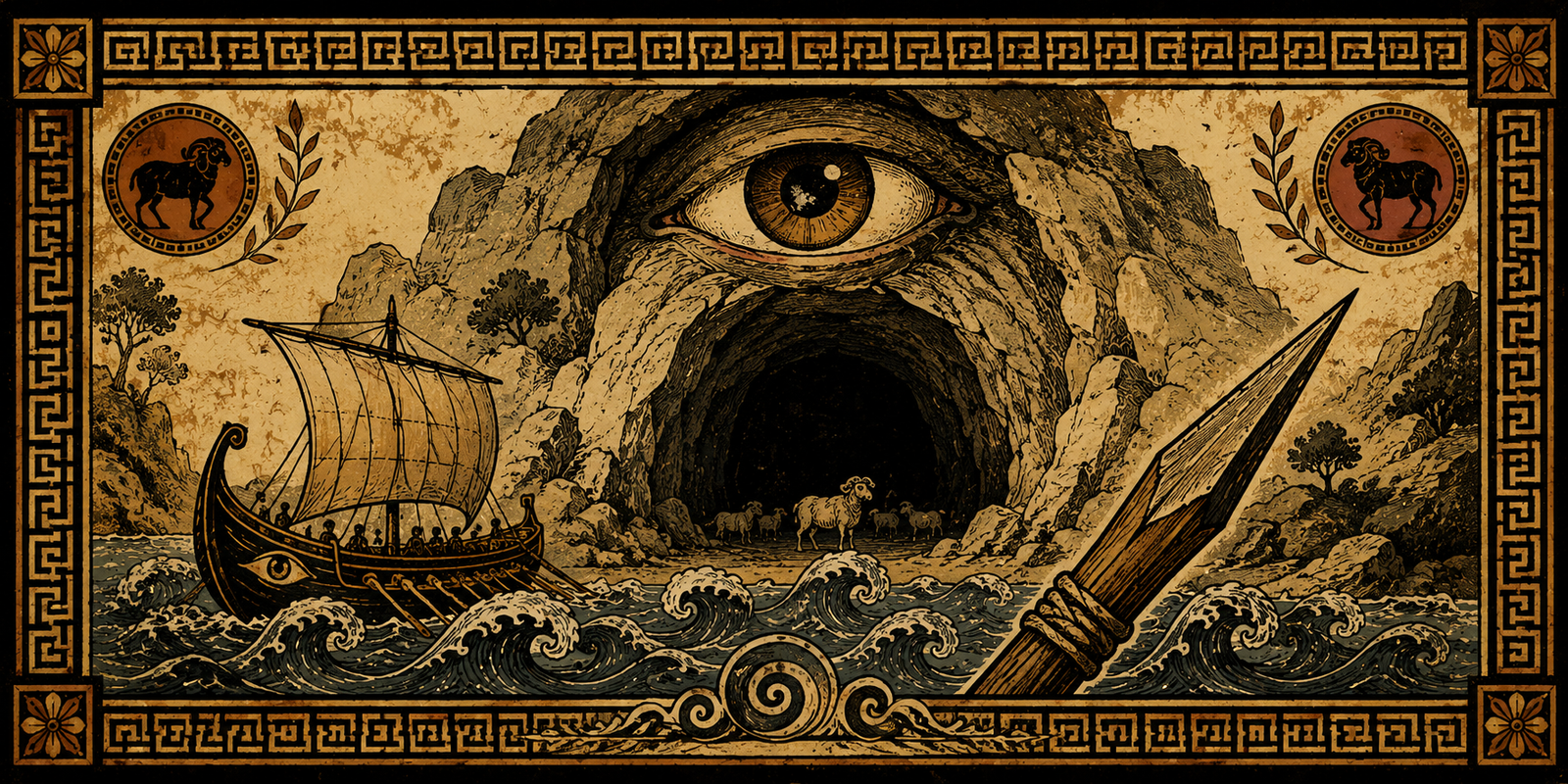

Odysseus in the Cave of the Cyclops
A serious children’s Greek myth retelling of Odysseus, the Cyclops, the cave, Nobody, and the danger of a name spoken too soon. Written for The Alexander Series, this tale carries monster-fear, cleverness, danger, warmth, and the first shadow of Poseidon’s remembered anger.

“On Fairy-Stories” as the Key to Everything
A Mytharium essay on Tolkien’s “On Fairy-Stories” as the hidden grammar of Middle-earth: Sub-creation, Recovery, Escape, Enchantment, and Eucatastrophe as the laws by which Tolkien’s imagined world breathes, suffers, and refuses despair.
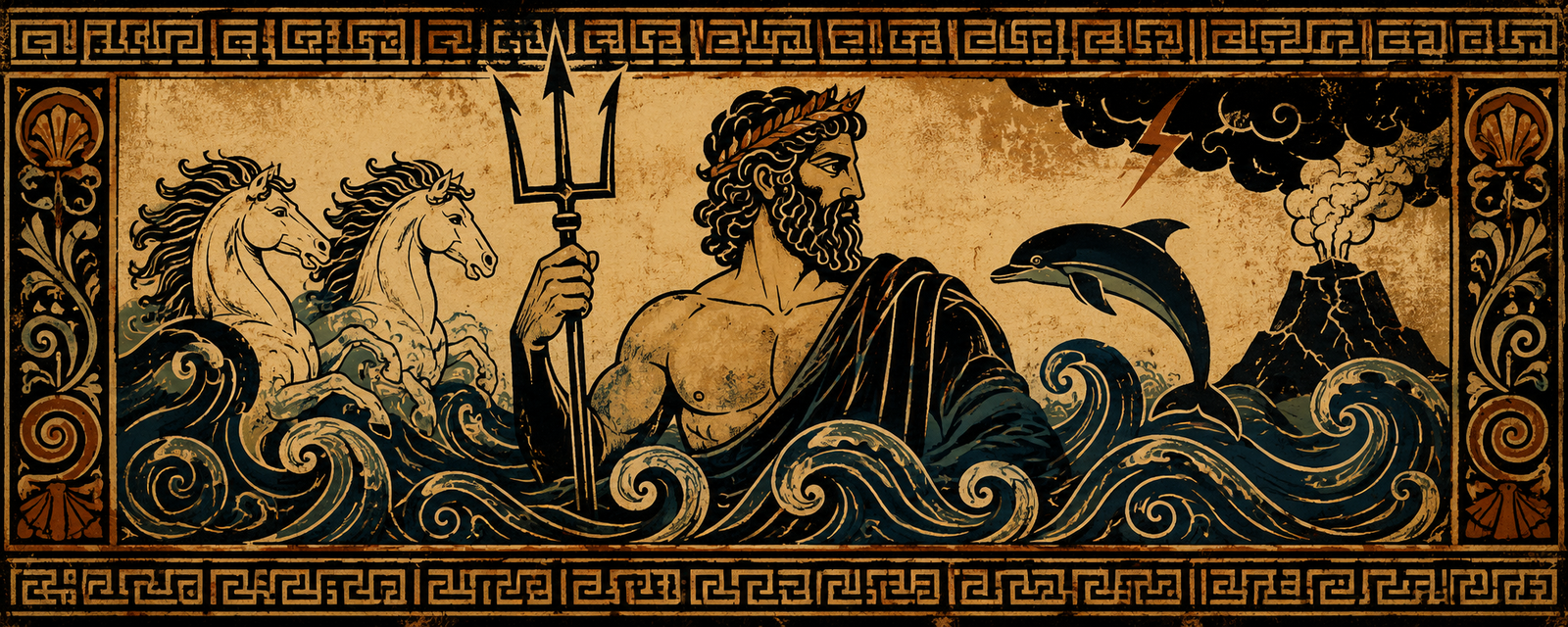

Poseidon: The Sea Is Not Only Water
Before Odysseus enters the Cyclops’ cave, a child should know Poseidon: god of the sea, storms, horses, earthquakes, and remembered insults. This Greek World entry shows that the sea in Greek myth is not scenery. It is a realm with a will of its own — and sometimes it remembers.
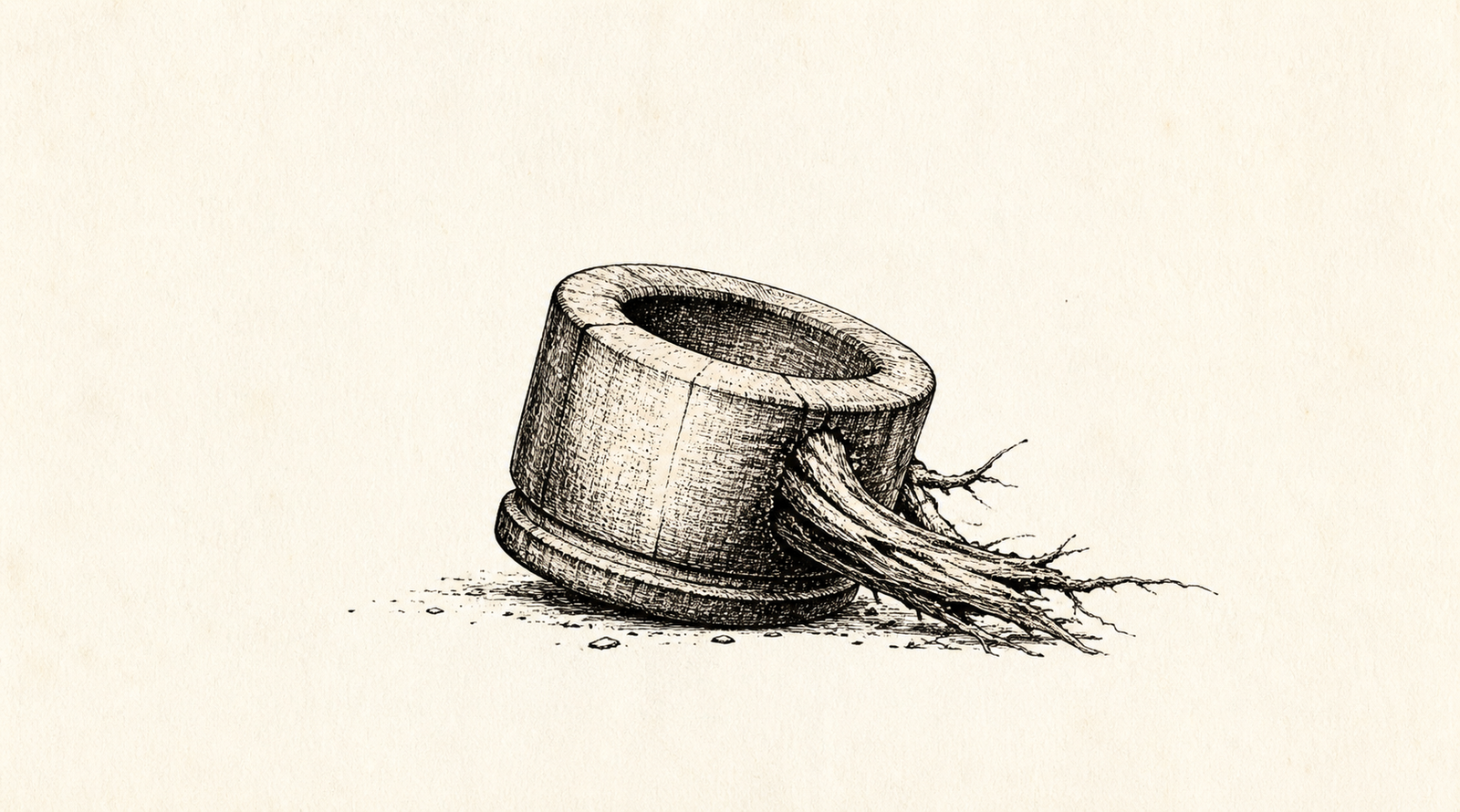

Fires of the Old World XIV — The Fallen Trees
A hearthlit Krishna tale from Fires of the Old World: a child is tied to a mortar, two Arjuna trees wait beneath their bark, and what falls is not only wood. This mythic retelling gathers household dust, sacred childhood, pride, curse, and the strange mercy of release.
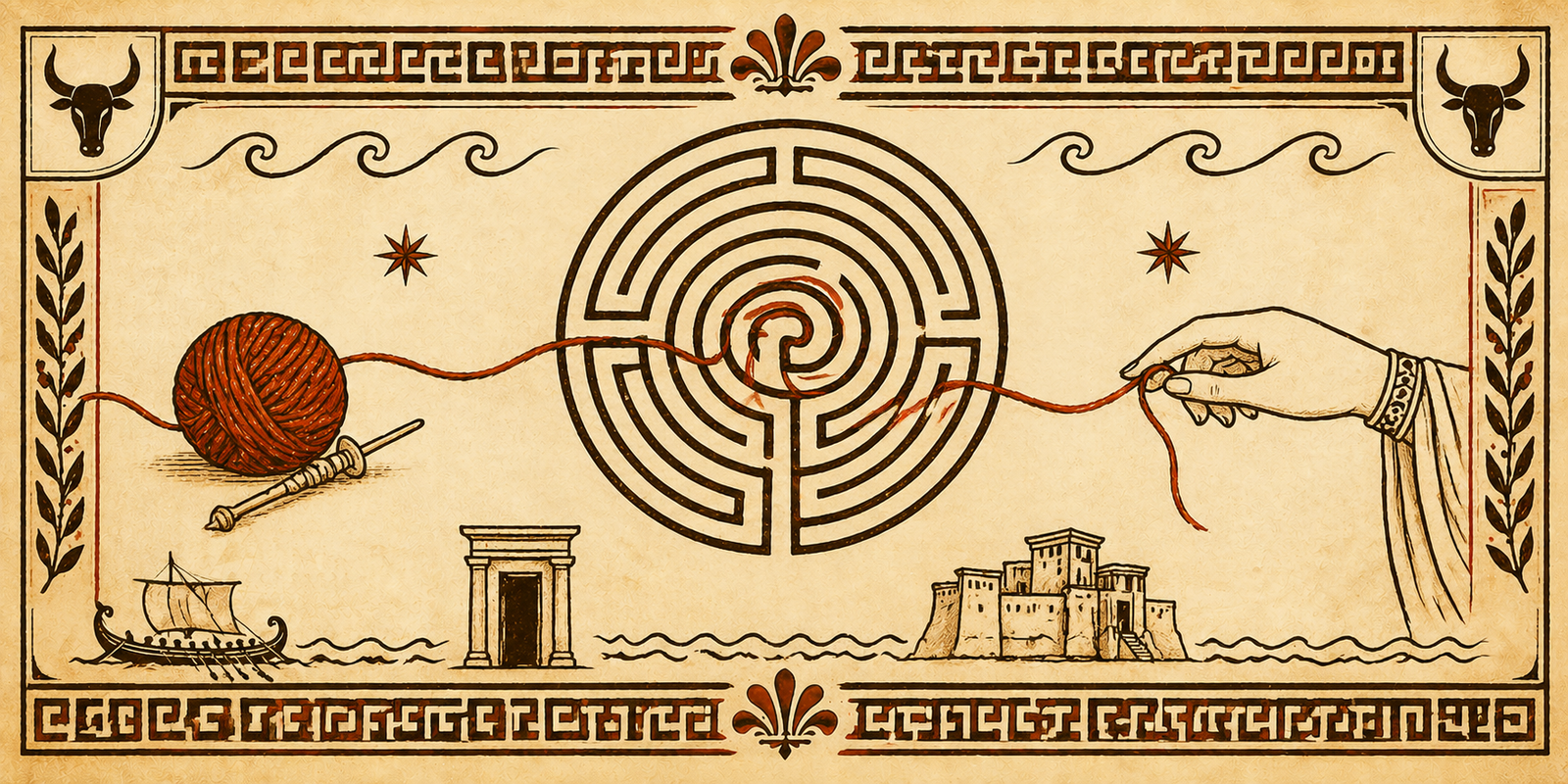

Ariadne’s Thread: The Small Thing That Leads Courage Home
After Theseus escapes the Labyrinth, this Greek World entry turns to the smallest object in the story: Ariadne’s thread. It does not defeat the Minotaur. It defeats being lost. A child-readable guide to Ariadne, the Labyrinth, courage, return, and the quiet line that leads the hero home.

The Long Return I — The Boy and the Goddess
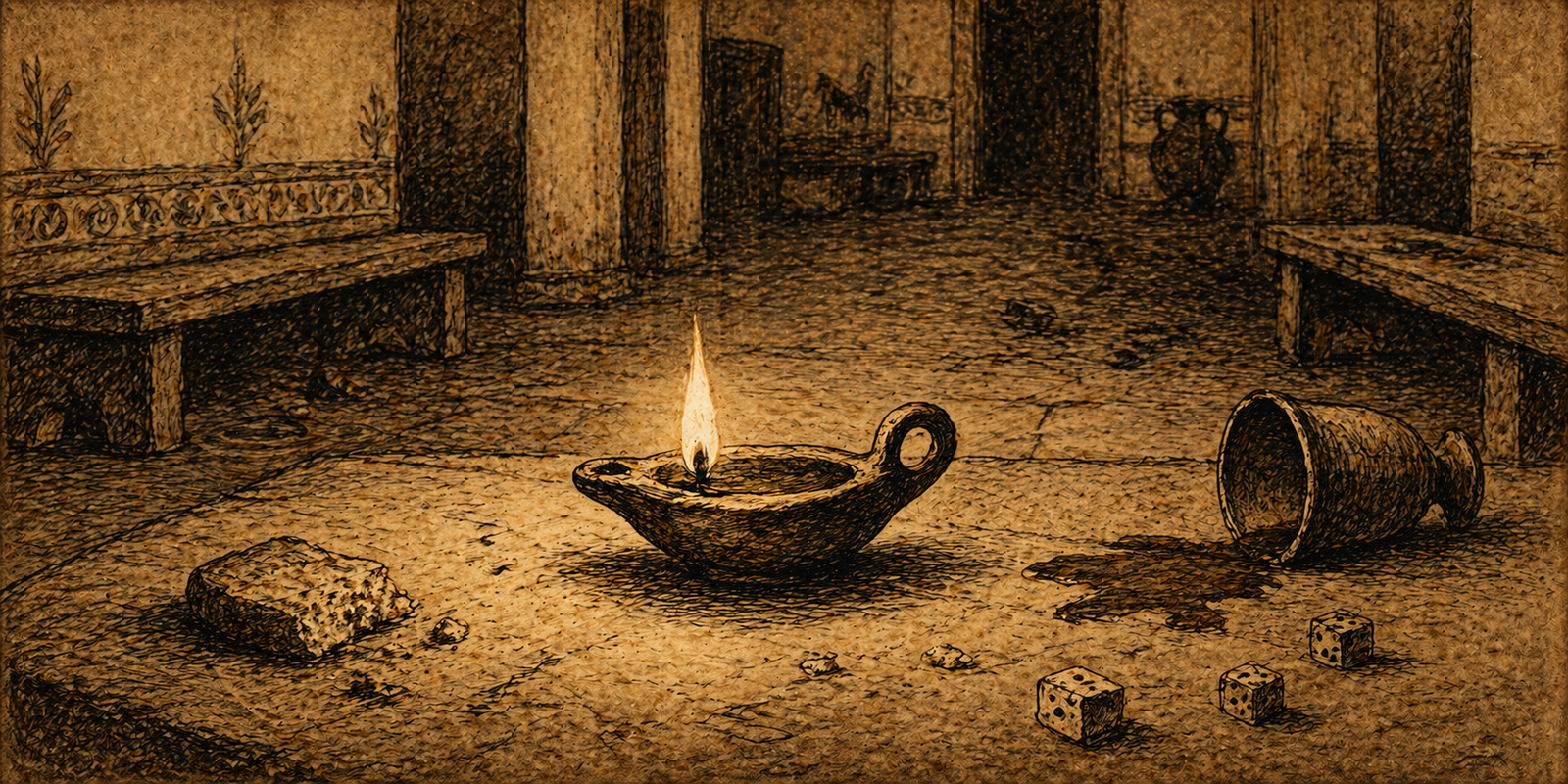
The opening instalment of The Long Return, a prose retelling of Homer’s Odyssey from The Hospitable Dark. Before Odysseus comes home, his son must learn how to stand inside the occupied house his father left behind.

Theseus and the Thread
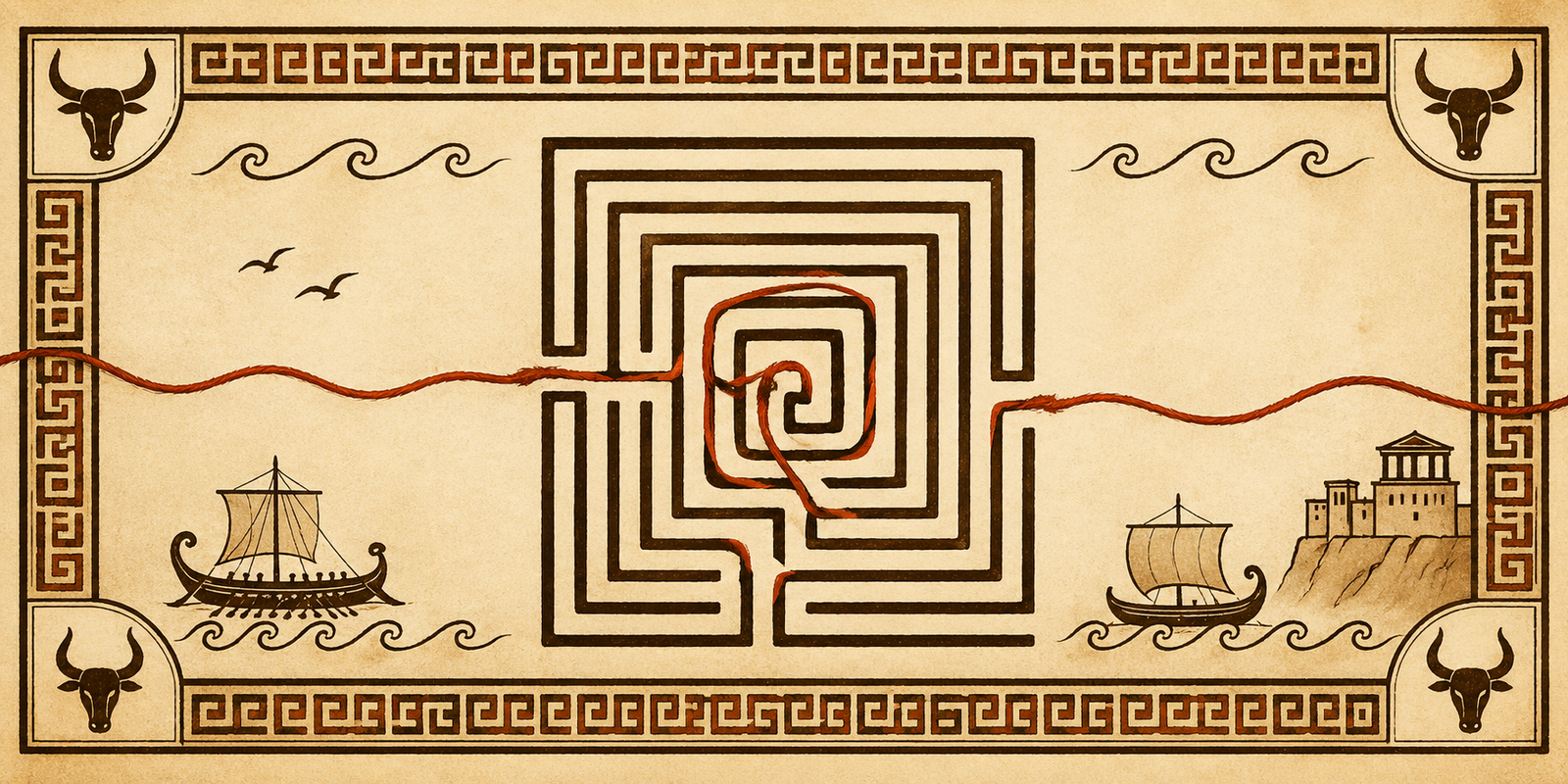
A serious children’s Greek myth retelling of Theseus, Ariadne’s thread, the Minotaur, and the Labyrinth. Written for The Alexander Series, this tale carries real danger, warmth, courage, and wonder — reminding young readers that a sword may face the monster, but a thread remembers the way home.

The Minotaur: The Monster at the Centre of the Labyrinth
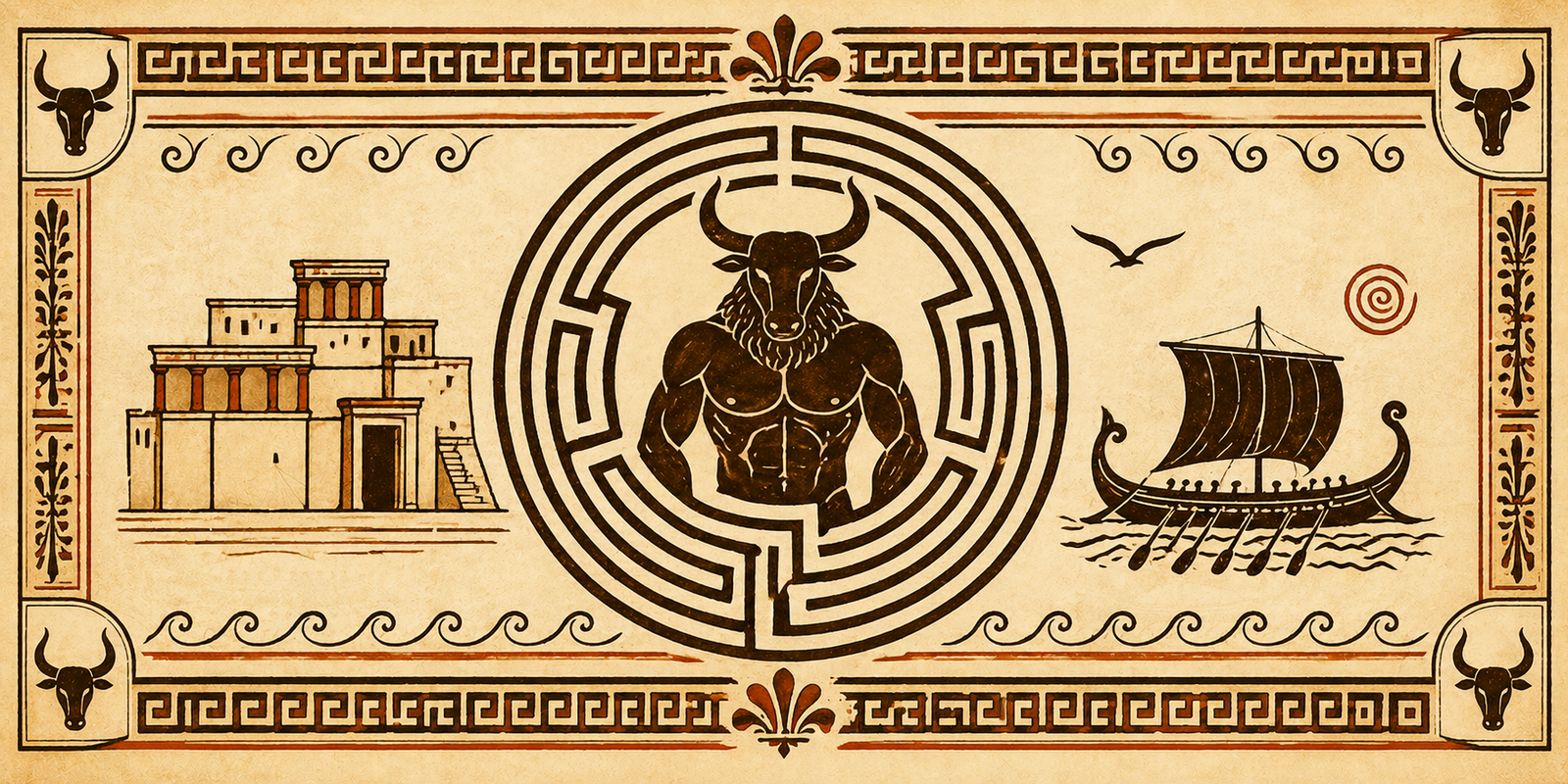
Before Theseus enters the Labyrinth, a child should understand the Minotaur: not only a monster, but a secret hidden inside a royal house. This Greek World entry opens the dark centre of Crete — King Minos, Poseidon’s anger, Daedalus’s maze, and the creature no one sent into the Labyrinth was expected to survive.

Fires of the Old World XIII — The Child Like a Secret
A hearthlit retelling of Krishna’s birth: prophecy, prison, Vasudeva’s midnight crossing, Shesha’s shelter, Yogamaya’s revelation, and Kamsa’s fear. In The Child Like a Secret, the divine enters the world not as spectacle first, but as a sleeping child carried through rain.
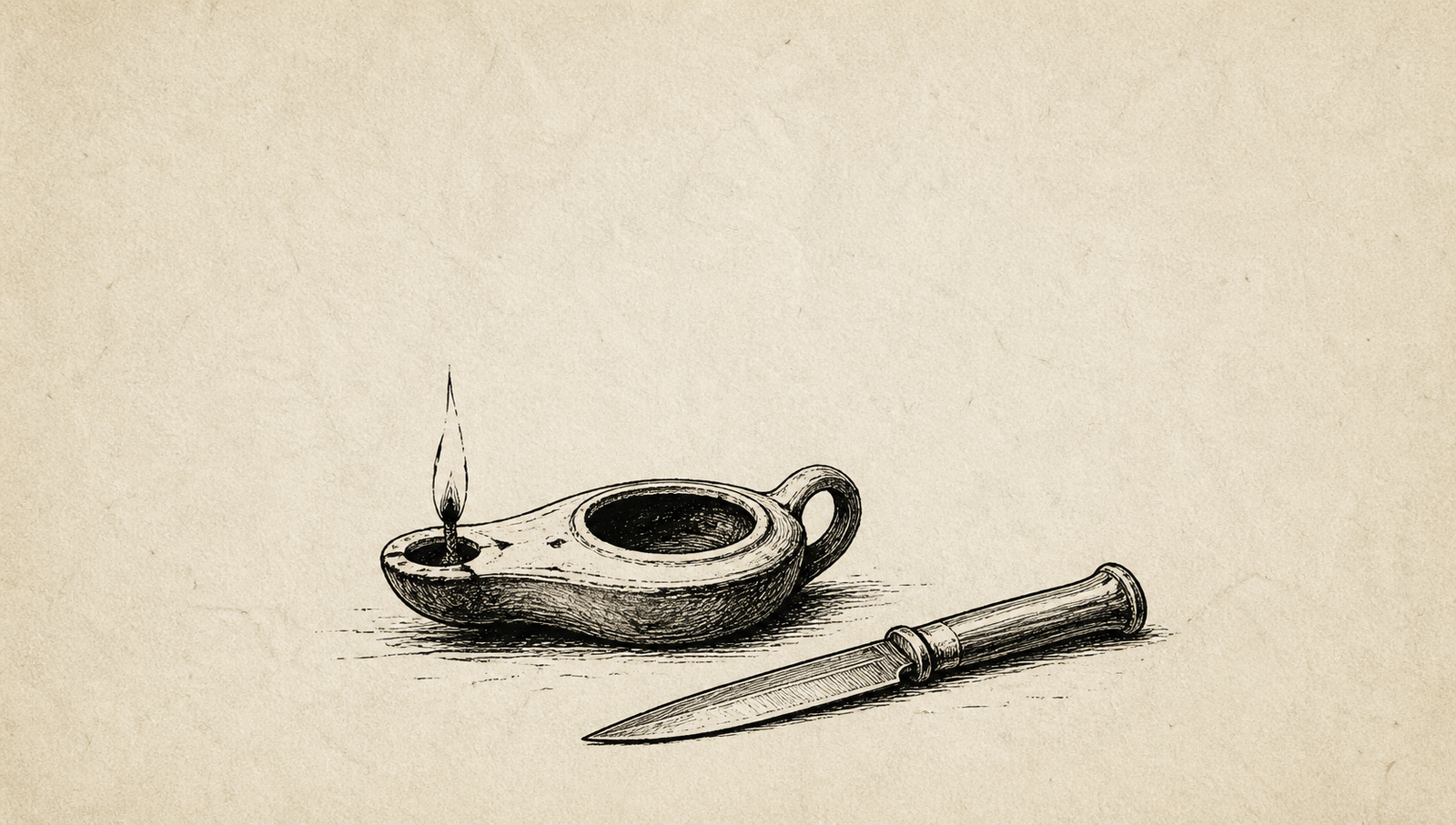

Eros and Psyche — The Lamp and the Wound
A grave literary retelling of Eros and Psyche from The Hospitable Dark, beginning with a mortal girl worshipped for beauty, a hidden god, and a lamp raised not from curiosity alone, but from the need for love to bear the light.
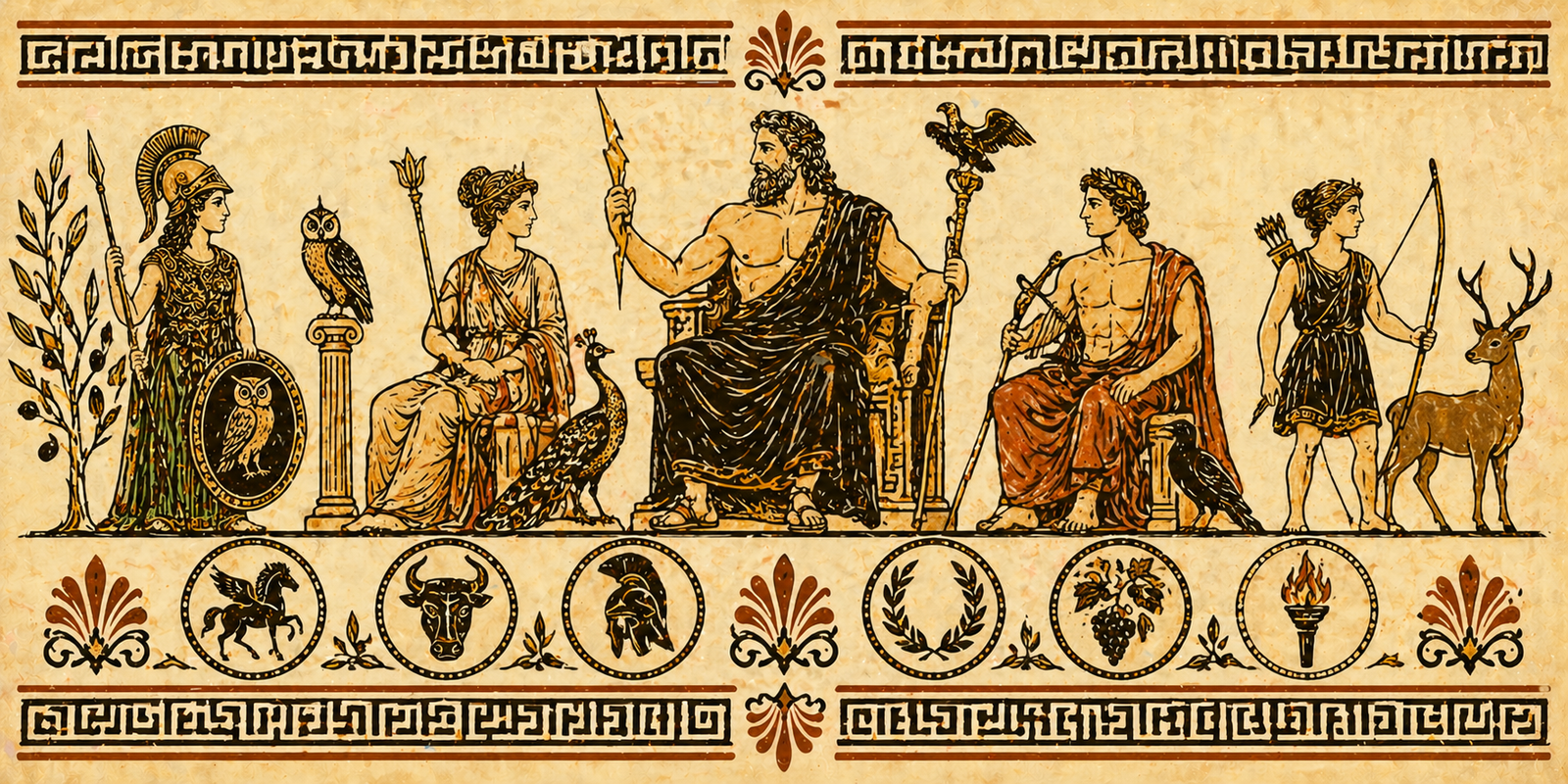

Zeus and His Children: The Stormy Family Tree of Greek Myth
In Greek myth, being Zeus’s child is never merely lucky. This Greek World entry introduces children to Zeus’s stormy family tree: Athena, Apollo, Artemis, Hermes, Dionysus, Perseus, Heracles, Helen, Minos, and the strange truth that divine parentage may bring glory, danger, trouble, or all three.
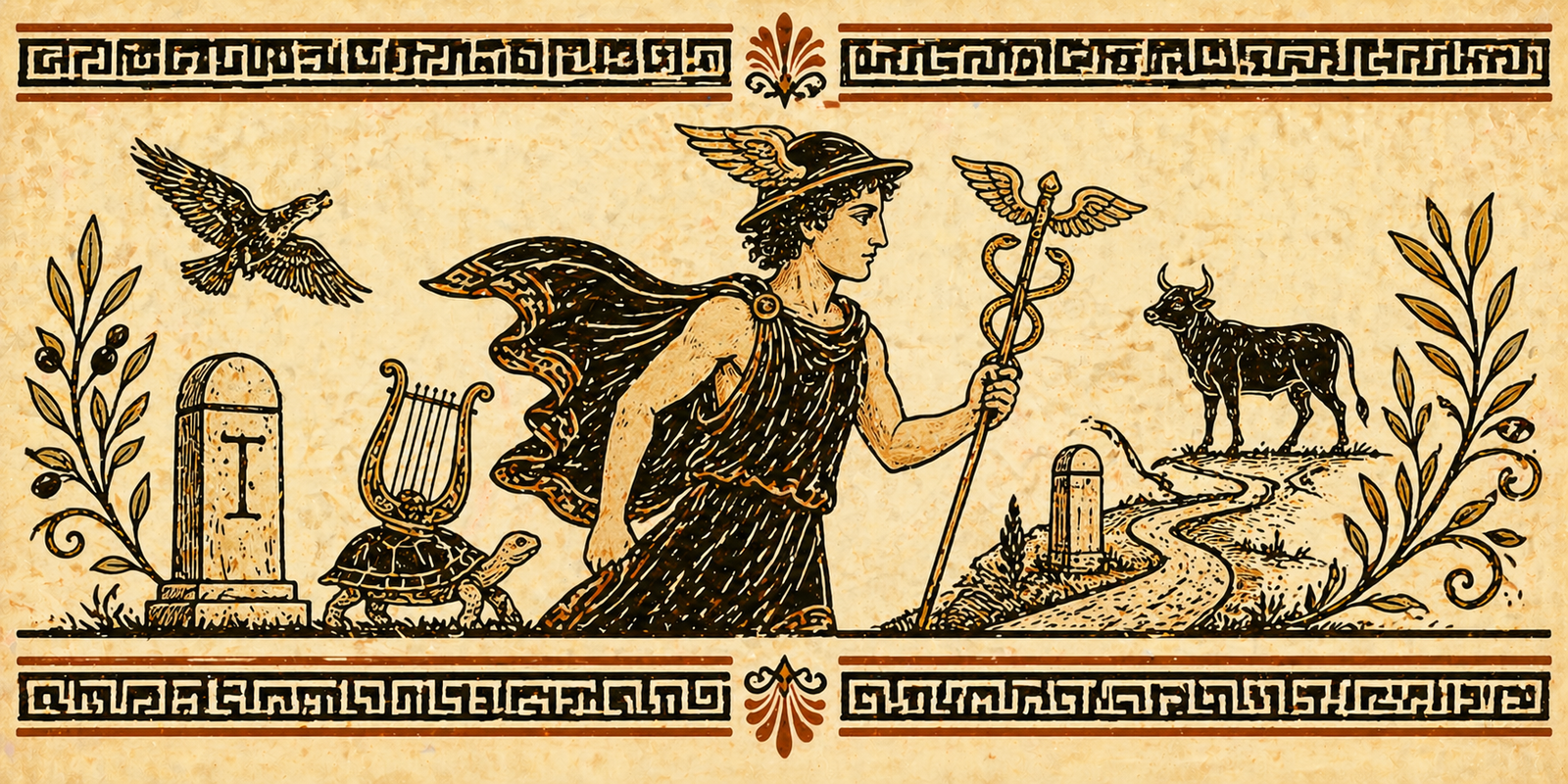

Hermes: The Road, the Message, and the Trick
Hermes is not the strongest god. He is quicker than that. This Greek World entry introduces children to the messenger of the gods: guide of travellers, friend of roads, master of tricks, and the god who appears when a hero needs more than courage to survive.
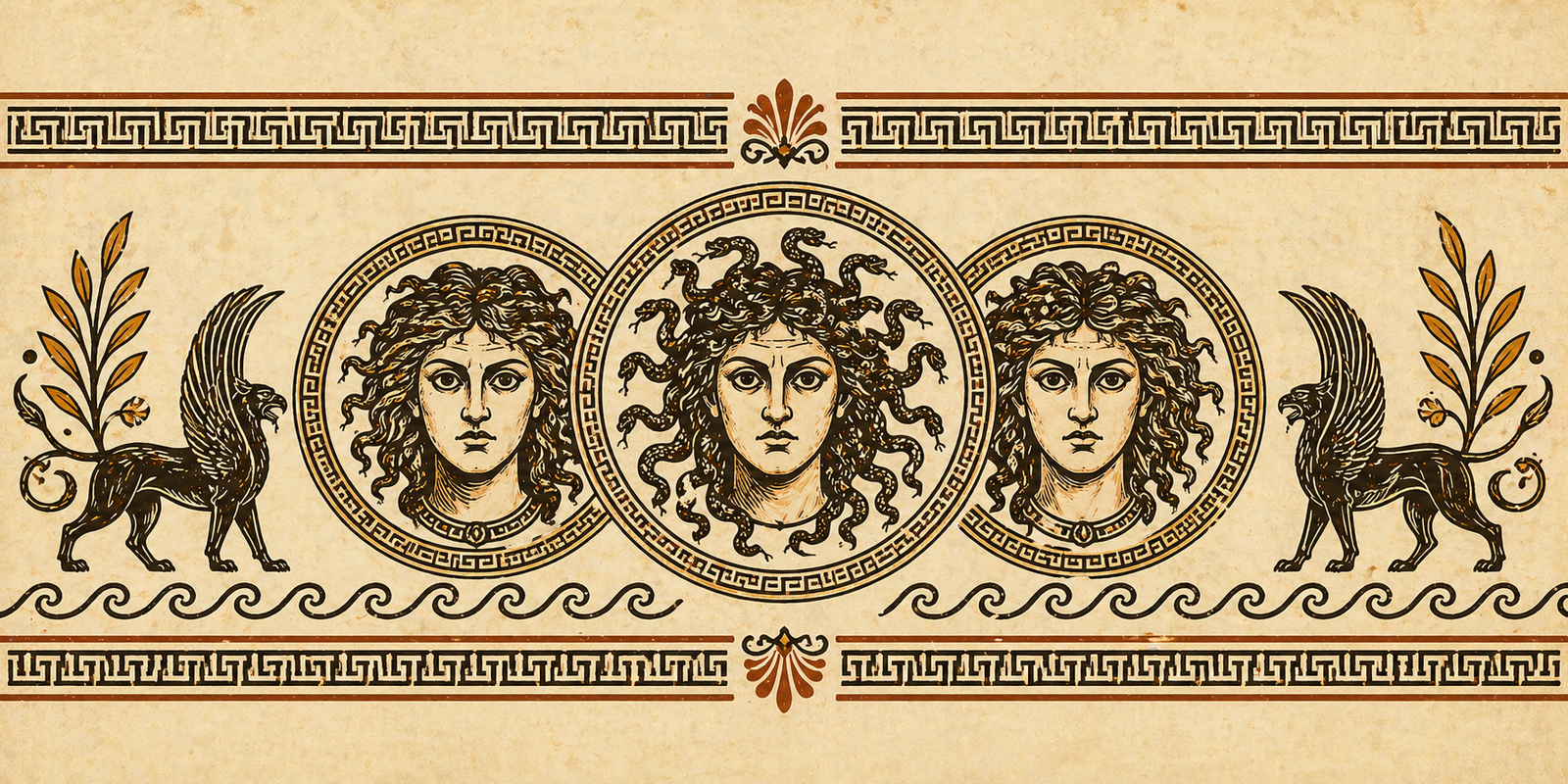

The Gorgons: Medusa, the Shield, and the Danger of Looking
After Perseus survives Medusa, this Greek World entry asks what a Gorgon really is. The Gorgons are not ordinary monsters. Their danger lies in looking itself. A child-readable guide to Medusa, her immortal sisters, Athena’s shield, reflected sight, and the strange wisdom needed to face a fear indirectly.
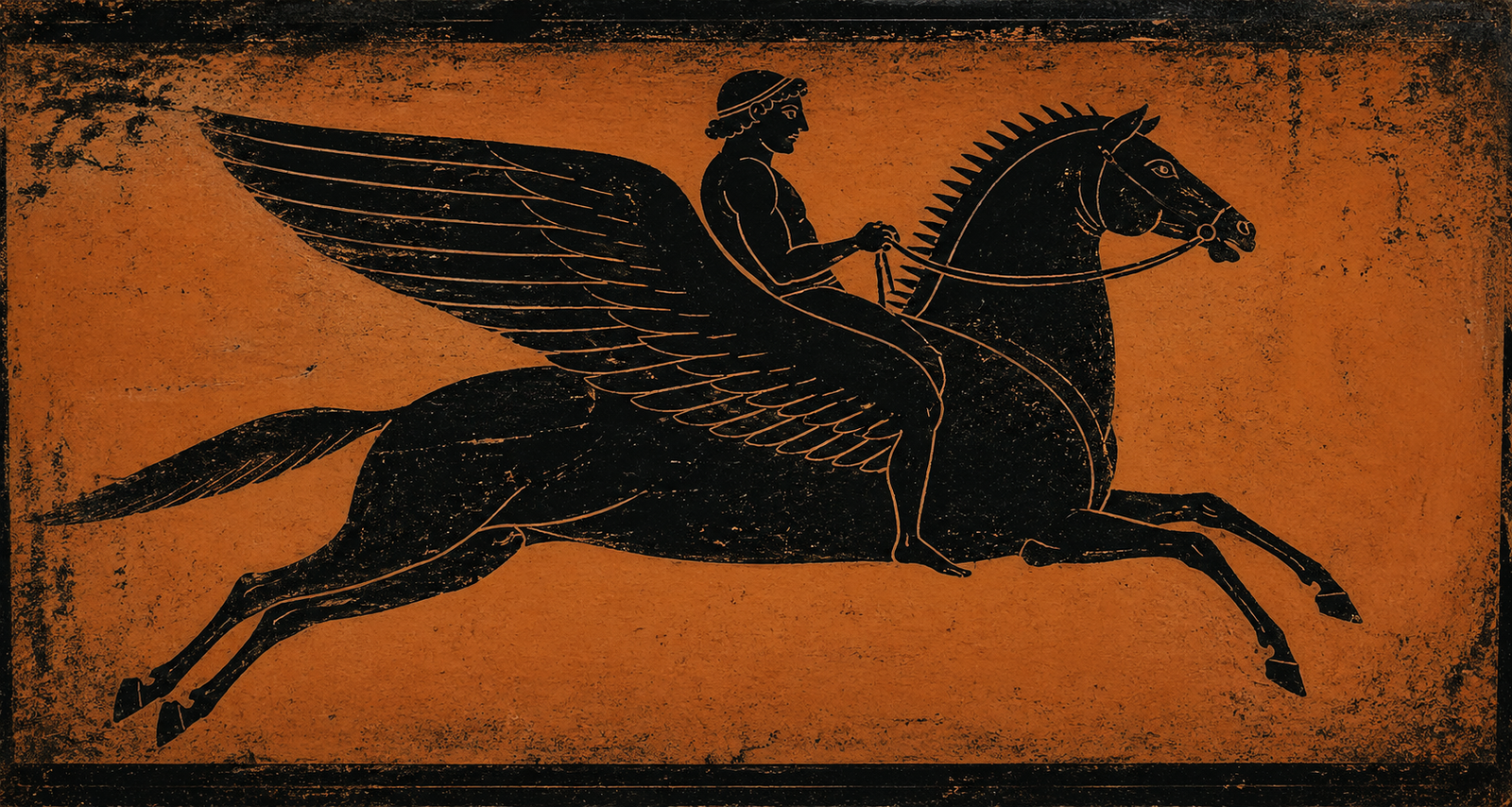

Bellerophon and the Borrowed Height
Bellerophon begins not in triumph, but under sentence: renamed by blood, purified beneath guest-law, and sent east carrying the sealed order for his own death. This House of Cadmus Greek myth retelling follows the man who rises by Pegasus — and mistakes borrowed height for possession.
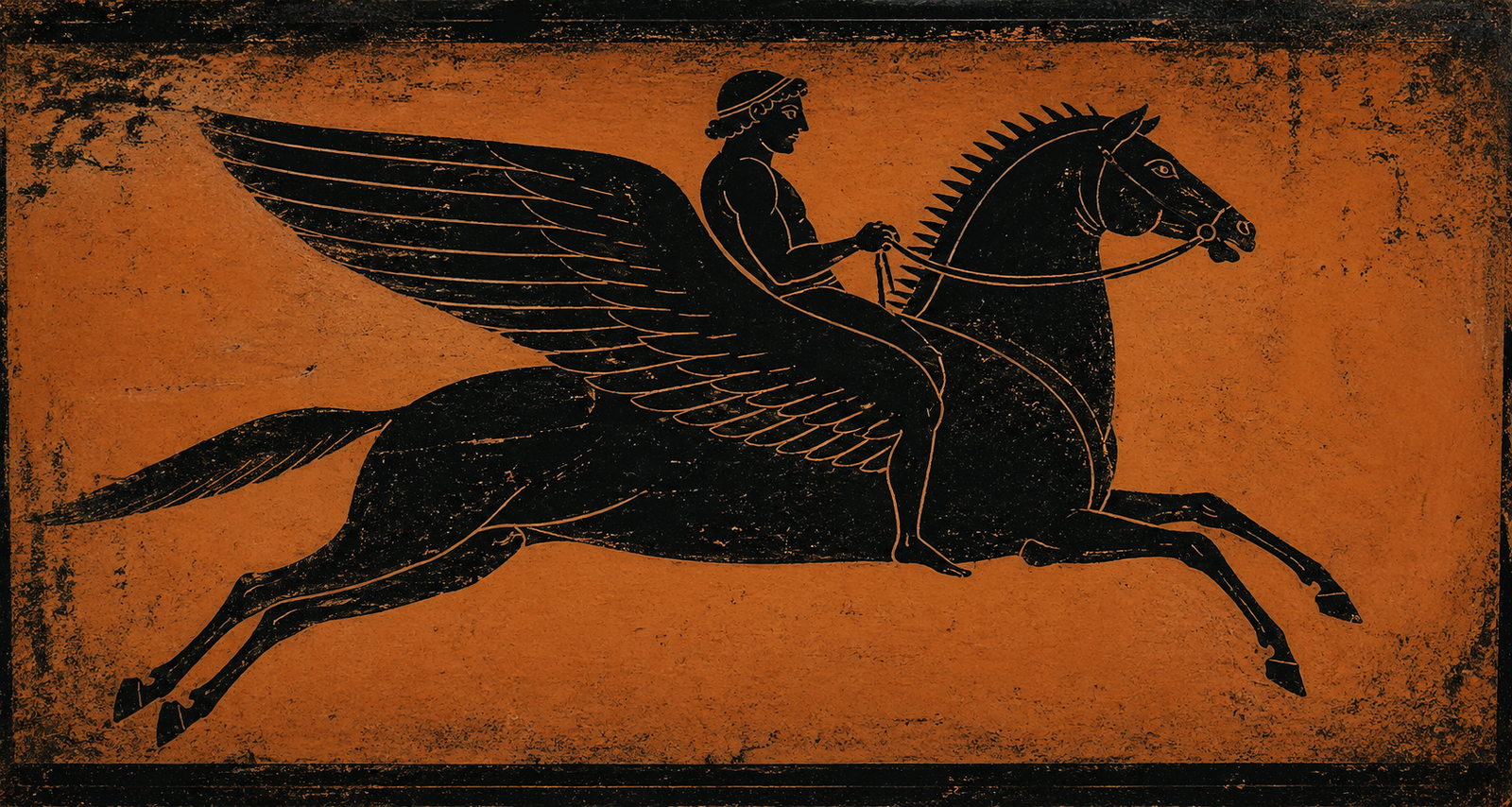

Bellerophon, Pegasus, and the Danger of Borrowed Height
Bellerophon is not only the man who rode Pegasus and fell. Beneath the famous image lies a darker structure: guest-law, written death, divine assistance, and the danger of borrowed height.