
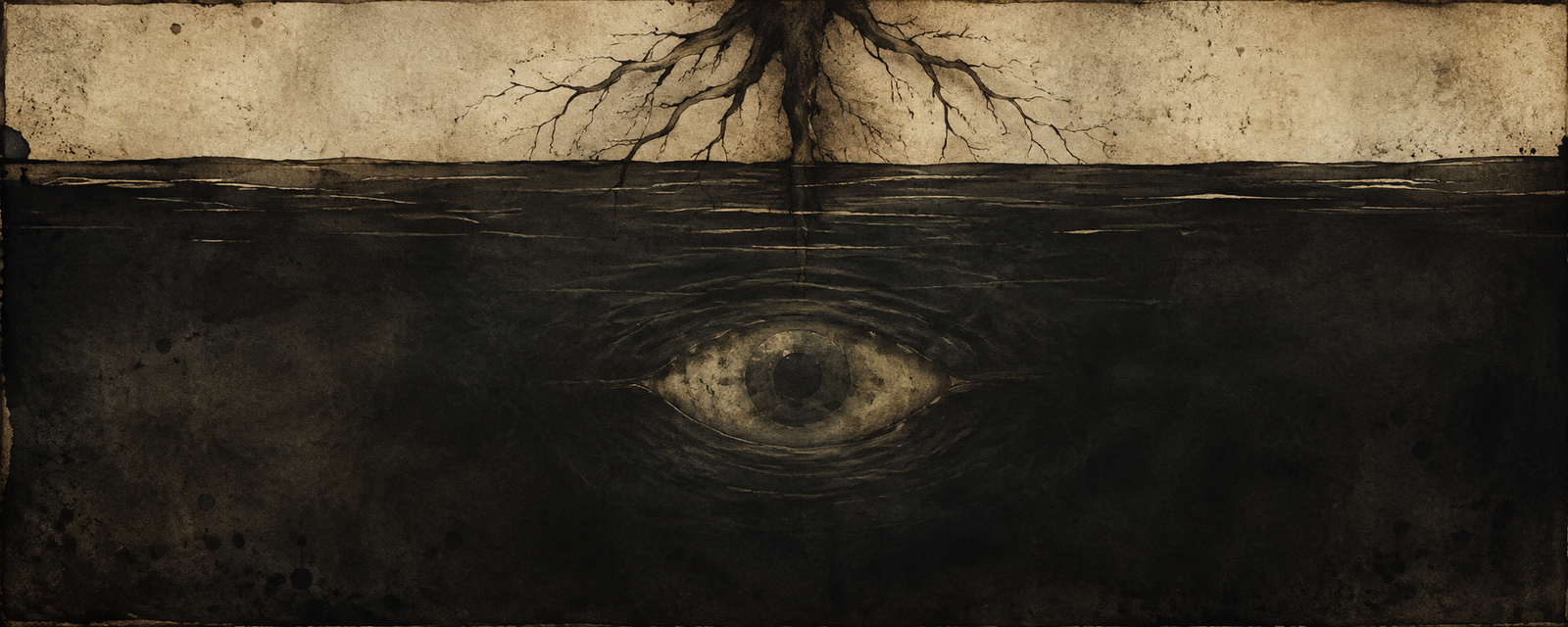

The Eye in the Well
A companion mythic retelling of Odin’s pledge at Mimir’s Well.
Odin had many names.
Men used them when they feared him, when they praised him, when they called over the slain and hoped he was listening. The ravens knew other names. The dead knew others. The old halls had heard more than any singer could keep.
But the dark under the root did not answer to names.
A spear could win a field and leave the future closed. A throne could command obedience and hear nothing from beneath the worlds. Praise could fill a hall until the roof-beams shook, and still the wolf would wait where praise could not reach.
So Odin went down.
Above him rose the ash of the worlds, vast and living. Its branches held weather, gods, men, beasts, halls, roads, fires, and seas in their hidden order. Its roots went elsewhere. One reached towards the old place of frost and beginning, where the world remembered what it had been before it became world.
There, under the root, was Mimir’s Well.
No wind troubled it. No bird crossed it. The water lay dark and inward, as if it had been thinking before thought began. It did not shine. It received. It kept.
Mimir was there.
He did not rise. The well was his, and its silence gathered around him like age. Morning by morning he drank from it and was wise, for the water held wisdom and intelligence, and something deeper than either: memory, the stored dark of what had not passed away.
Odin stood before him.
At the edge of that water, even a god had to wait. The root above him did not bend. The well made no welcome. Mimir looked into its darkness, as though Odin’s coming had long ago been placed there.
“One drink,” Odin said.
Mimir did not look up.
“Not for nothing.”
The well was still.
“What will you leave?” Mimir asked.
Odin looked into the water.
He saw no bottom. He saw root and darkness. He saw frost before form, kings not yet crowned, pyres not yet lit, swords not yet lifted from the forge.
Far off, in the depth of what was coming, the wolf waited.
Odin did not look away.
He gave the eye.
No thunder answered. No cry shook the root. The old places do not always mark great bargains with splendour. The water received what was given. The pledge passed into darkness and was hidden there.
Only then did Mimir allow the drink.
Odin bent to the well.
The water entered him without comfort. It carried memory, intelligence, and the taste of things that cannot be learned from above. It carried what had been, what moved unseen, and what would come whether gods wished it or not.
He drank once.
That was enough.
When Odin rose, the worlds had not changed. The root remained. Mimir remained. The well remained, dark and unstirred.
But Odin had changed.
He saw with one eye now. With the other, he belonged to the well.
From that day, every road he walked was divided. One part of him moved above, among gods, warriors, ravens, spears, halls, storms, and kings. Another part remained below, in the water beneath the root, where memory gathered around the pledge.
The gods saw the one-eyed face and knew he had paid.
They did not know what the payment kept.
Odin did not speak of the bargain. He carried it in the altered balance of his face. He carried it in the way far things came nearer to him. A bright hall could stand before him, loud with fire and feasting, and still he saw the ash-shadow at its beams.
He heard songs and also the silence after songs. He watched the young boast of what they would do, and the wolf remained where the water had shown it: waiting at the edge of the gods.
Still he gathered. Still he planned. Still he sent his ravens out over the worlds.
The well kept what it had taken.
Morning by morning, Mimir drank from the water in which the pledge remained. The eye did not return to the face of the god. It did not become a jewel, a star, or a kindly sign in the sky. It stayed below, where no boast could reach it.
Above, Odin went on with one eye open to the worlds.
Below, in the dark water, the other remained.
—
Source Note: This retelling follows Snorri Sturluson’s account of Odin’s pledge at Mimir’s Well in the Prose Edda, with the wider Odin tradition of Voluspa and Havamal kept as background. It is a literary rendering, not a translation. The later tree-sacrifice for the runes is treated as a separate ordeal and appears only as an echo.
—
Receive the next work
Subscribe free to receive new work from the Mytharium Library by email.
More from the Library


See Also
A concise and impartial dictionary of absence, promises, quarrels, ordinary objects, and the troublesome instability of words.

The City of Service
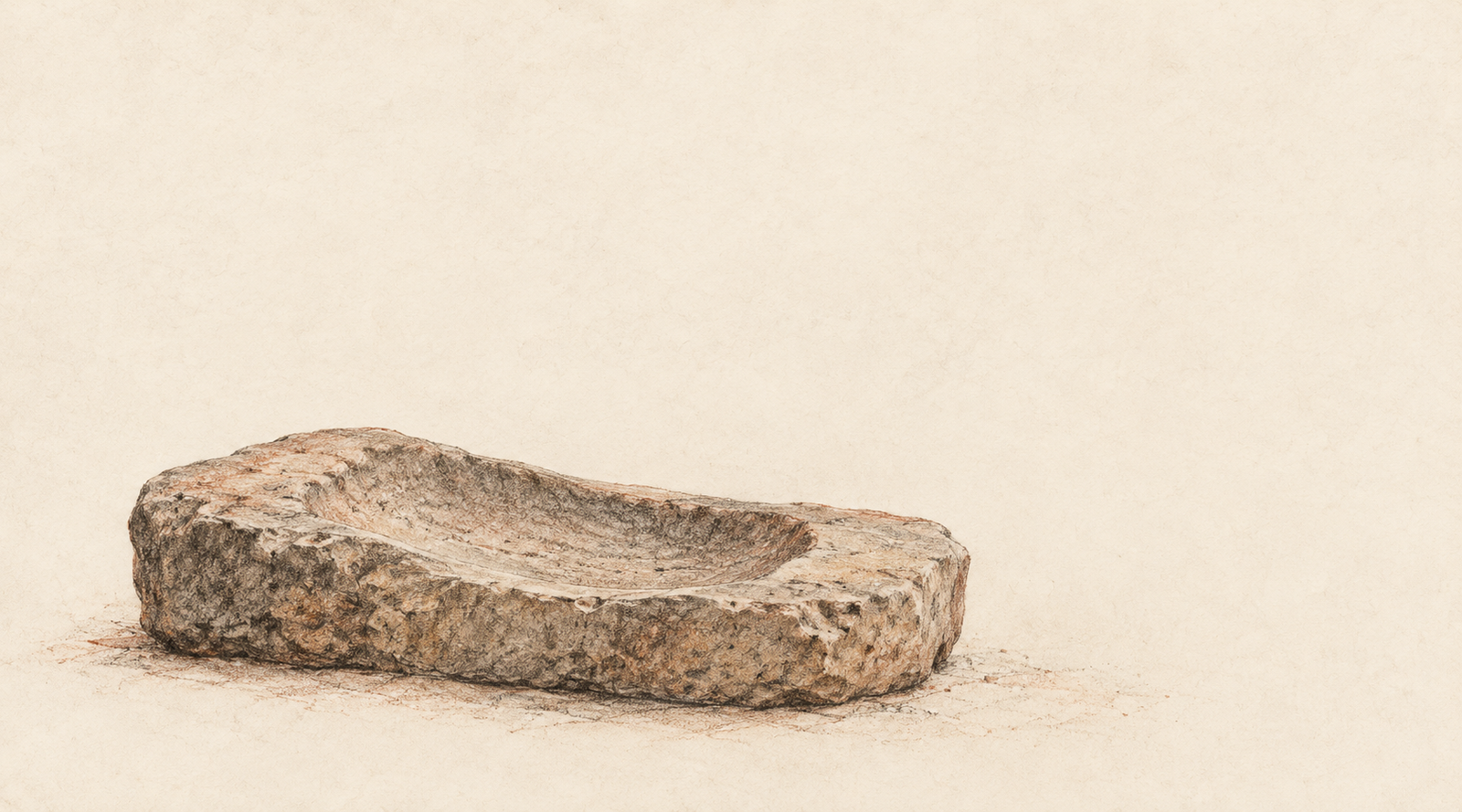
The temple we inherit is a building from which almost all necessity has been removed. Nothing must be brought for it to continue being what we call a temple. The sanctuary asks nothing of us. Stone is good at this kind of independence.
A living temple was otherwise.
Water had to come in. So did grain, cloth, oil, aromatic substances, fuel. The things required for worship arrived because someone carried them across a threshold.

Houses of Wood, Light, and Smoke
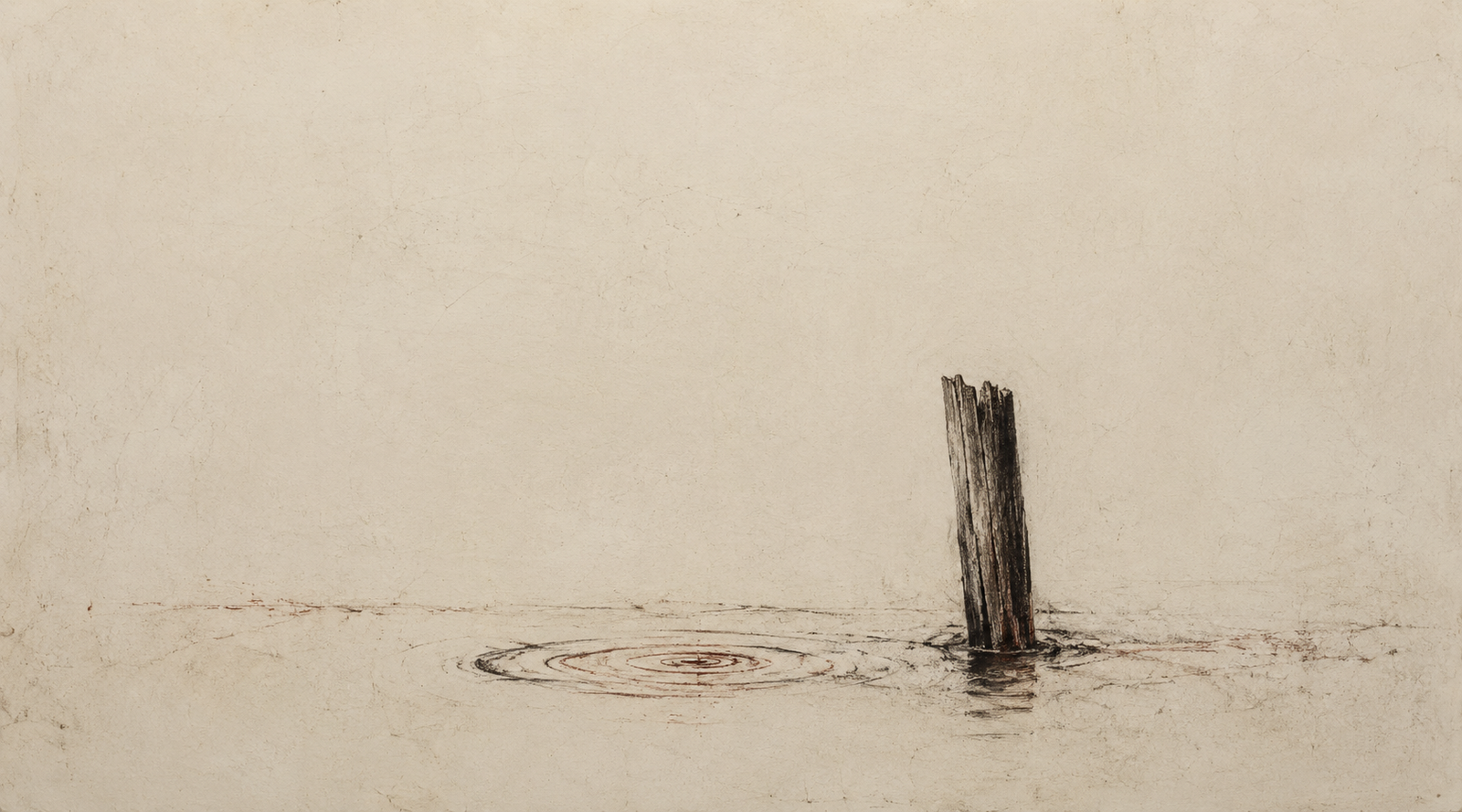
Some of Angkor’s most intimate ruins do not rise above the ground at all. They are postholes, low mounds, hearths and ponds: durable traces of a domestic city built largely from things that decay. To restore that city is to see Angkor not only as stone, but as wood, smoke, water, repair, and people living within calling distance.