

Fires of the Old World IX — The Golden Deer
When the oil lamp burned low and the insects stitched their thin silver noise beyond the eaves, the old woman drew the child nearer with the edge of her shawl. The mat was cool beneath them. Smoke from the cooking fire clung to the rafters. Outside, water slipped from leaf to leaf in the dark, patient as counting.
“Listen,” she said, and turned the wick down until the flame stood small and golden as a seed. “This is a tale of bright wanting, and of the teeth it keeps hidden.”
In the years of exile, when the princes wore bark and the princess walked the forest paths with dust upon her ankles, there came a season of deceptive peace. The leaves were washed clean. The streams ran clear over stone. Morning entered the hermitage like milk poured into a bowl. Rama gathered wood. Lakshmana mended the thatch and cut fruit with his bright, sure blade. Sita spread wet cloth upon sun-warmed branches and listened to the birds calling across the trees.
It might have seemed enough.
But old forests do not sleep for long.
Far off, beneath a stand of sal where the earth smelled of resin and wet bark, Marica waited under another’s command. Once he had trusted his own strength. Once he had moved with pleasure through fear. But he had felt Rama’s arrows before. He knew the hand that drew that bow. Ravana had come to him with eyes like banked coals and a voice smooth as oil.
“Take another shape,” the demon king had said. “Draw him away.”
Marica had bowed, though the flesh along his back had gone cold. To refuse Ravana was death. To obey him was death also. So he went into the grove alone and knelt with both palms on the ground.
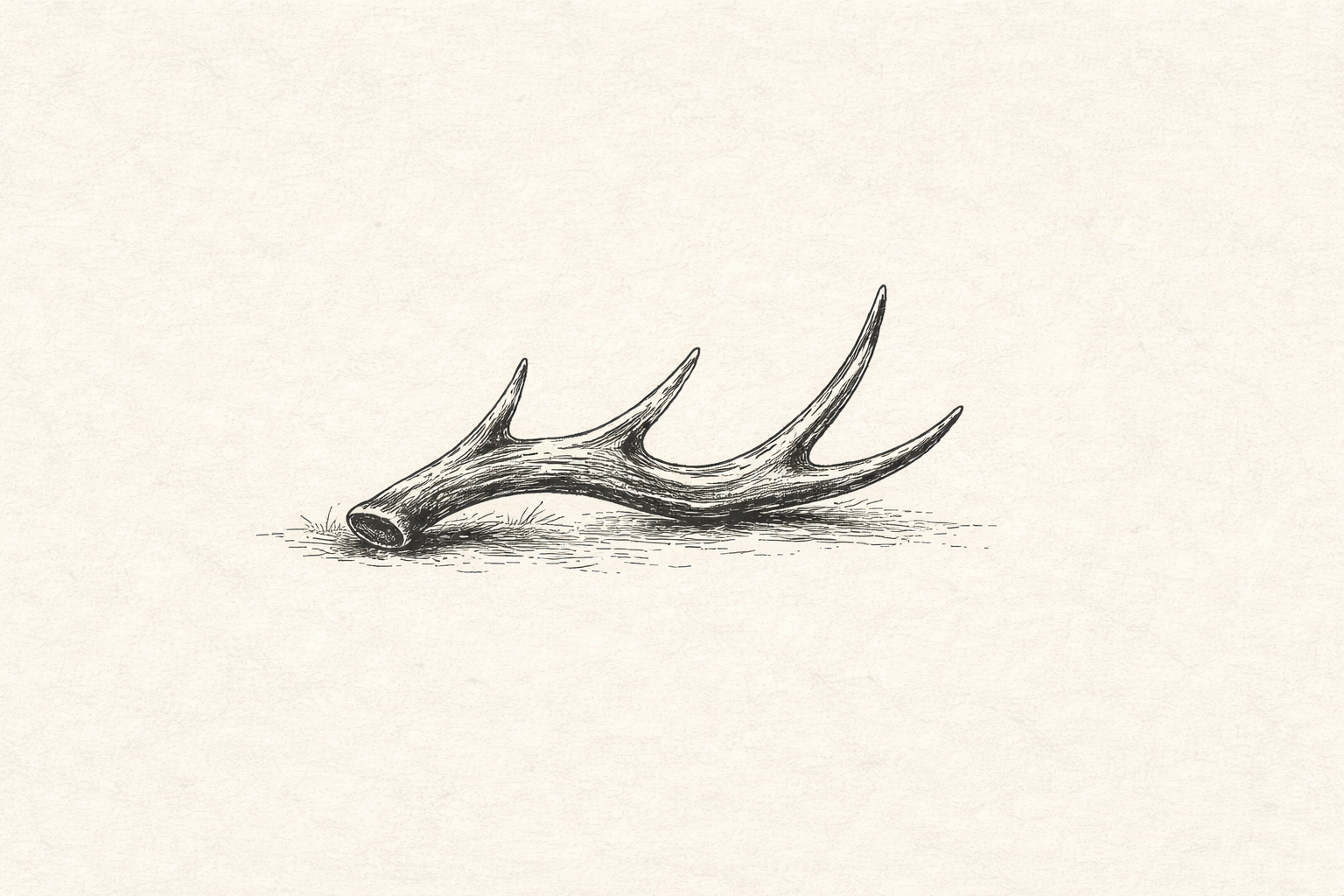
He spoke old words that tasted of iron and root. A wind rose where no branch moved. The dark hair on his limbs shrank into light. His shoulders narrowed. Bone changed its music. Gold ran over his hide, then brighter than gold, until he seemed hammered from treasure and polished with dawn. White spots flowered along his flanks like scattered jasmine. His antlers lifted, fine and shining. Even his eyes he altered, making them wide and soft, as if he had been born only to startle and flee.
When he stepped forward, the forest looked at him and did not know him.
That was the worst of it.
He came near the hermitage at the hour when sunlight thins beneath the trees and everything seems briefly blessed. He kept always just beyond certainty. A flash between trunks. A bright flank. A delicate hoof placed without sound. The kind of vision that does not only catch the eye, but catches the heart in the same motion.
Sita saw him first.
She had been gathering flowers in the clearing, her lap full of white blossoms, when the gold moved among the shadows. She lifted her head. The petals slid from her hands.
There he stood.
No creature of that wood had ever shone so. Light rested along his neck and in the hollow above his foreleg. Fire and honey moved together over his hide. The leaves around him seemed made of old dust.
She forgot the flowers.
“Rama,” she called softly. “Come and see.”
Rama stepped from the shade with wood against one shoulder. Lakshmana followed with a clay jar and a coil of cord. They both looked where she pointed.
The deer raised its head.
Lakshmana’s hand closed at once on the jar’s neck.
“No forest thing is made so,” he said.
The deer sprang aside. Its hooves scarcely bruised the moss. It stopped again and looked back.
Sita moved a little nearer. “If such a creature could be caught alive,” she said, “it would gladden these hard days. And if not, even its hide would be a marvel. I have never seen such beauty under the sun.”
Rama said nothing at first. He too saw what was wrong. The brightness was too perfect. The grace too arranged. Yet exile had pared life down to bark, ash, water, endurance. This one bright thing stood before them like a scrap of another world.
The deer lowered its muzzle, shy as a thought one almost trusts, then bounded farther off and stood half-veiled among the bamboo.
Lakshmana set down the jar.
“My brother,” he said quietly, “a snare with jewels is still a snare.”
Then Sita turned to Rama, and what was in her face was not greed. It was weariness meeting wonder. A moment’s brightness after long rough days. A soft thing seen in a hard life.
Rama saw it.
And because he loved her, and because love sometimes walks towards danger with open hands, he laid down the wood and took up his bow.
“Stay here,” he said. “If it can be taken, I will bring it back. If it is false, I will know.”
Lakshmana did not answer. He only wound the measuring cord once round his palm, as if to keep his hand from reaching after what should not be touched.
The deer flicked its tail.
Then it ran.
—
At first the chase seemed almost playful. The creature kept close enough to promise, far enough to escape. It passed through green shafts of light, over roots and stream stones, beneath flowering creepers where bees hung heavy with scent. Rama followed with the deep ease of one born to bow, his feet finding the ground without noise, his breath steady, his gaze unbroken.
Each time he thought now, the deer slipped farther on.
It led him through fern-dark hollows and over dry ridges thick with fallen teak leaves. Once it stood upon a trunk with the sun on its side, so lovely that even suspicion had to contend with wonder. Then it leapt again and vanished between the trees.
The forest changed as they went.
Birdsong thinned. The air grew close. The sweetness of crushed leaves gave way to the smell of stagnant water and old rot. Thorn-vines dragged at Rama’s calves. Sweat dried on his neck and came again. Still the creature stayed before him, always within promise, never within reach.
At last, in a clearing where the trees stood far apart and the dark earth showed through sparse grass, the deer paused. Its sides moved quickly. Foam shone at its mouth. It had drawn him far enough.
Rama stopped.
Wind crossed the clearing. It carried mud, old water, and something rank beneath.
He knew then.
The deer raised its head. For one instant the softness left its eyes.
Rama drew the bowstring back until the wood groaned.
“It was not a deer,” he said. “It was wanting.”
Then he loosed.
The arrow crossed the clearing in a single bright line and entered behind the shining foreleg.
The creature cried out, not with the thin cry of a struck animal, but with a sound dragged from another throat entirely, harsh and astonished and full of remembered pain. Gold shivered over the hide. The delicate legs buckled. Light ran from the body like water from a broken vessel.
Marica fell in his true form, vast and dark, Rama’s arrow deep in his chest. The glamour tore apart over him: one flank still gold, one arm already coarse and grey, antlers dissolving into smoke. Blood welled black around the shaft.
Rama came forward with another arrow ready.
Marica lifted his head a little. Fear was in him, but weariness was greater. He looked not fierce now, only used up, as if some part of him had been dying since Ravana spoke his name.
For a breath it seemed he might speak plainly. He might spend his last strength on warning instead of obedience.
Instead he gave Ravana what remained.
Drawing in air that scraped his wound raw, he cried out in Rama’s own voice:
“Ah, Sita! Ah, Lakshmana!”
The sound rang through the forest, exact and terrible. It struck the trunks and flew outward.
Then Marica sagged. Blood filled his mouth. One hand clawed at the earth and gathered a little dirt into his palm, as if, at the very edge, he wished to hold one honest thing.
Rama’s face hardened.
He knew at once what had been done. The arrow had not ended the matter. It had opened it.
He turned and ran.
The return was not clean. A root caught his foot on a slope and nearly brought him down. A thorn branch raked his forearm and opened a hot line of blood. Once he leapt a narrow stream and landed on loose stones that slid beneath him, wrenching his calf. He did not slow. Breath burned in his chest. Sweat stung the cut on his arm. The forest, spacious in pursuit, now crowded him with branch and briar and shadow.
He ran harder.
At the hermitage the air had changed before the cry was done fading.
Sita stood motionless. Lakshmana listened, every line of him drawn tight. The voice had been Rama’s. The distress had been shaped perfectly. Yet truth and falsehood wear the same cloak when heard from far away.
Sita turned to Lakshmana.
“Did you hear him?”
“I heard.”
“Then go.”
He did not move. “No harm can easily come to Rama.”
That answer, true in one way and unbearable in another, only deepened her fear. She spoke again, faster now, with the wild unfairness fear can pull even from a faithful heart. She accused where she should have trusted. She wounded where she had long been guarded. Each word fell between them like a spark in dry grass.
Lakshmana took them without answering. At last he bowed his head.
He unwound the measuring cord from his palm. The skin beneath it was marked red. With the point of an arrow he drew a narrow line in the dust before the hut.
“Do not cross this,” he said. “Whatever comes, remain within.”
Then he went.
The mark lay pale across the earth, slight as a crack in dry clay.
No sooner had he vanished among the trees than another figure approached: a mendicant, tall and spare, wrapped in ochre, carrying a staff and begging bowl. His voice, when he called for alms, was low and measured. His matted hair was wound high. His eyes were lowered.
But the forest drew back from him.
Sita heard the call and came to the threshold. Hospitality had been bred into her bones. To refuse a holy wanderer would shame the house that sheltered her. Yet Lakshmana’s line lay before her, pale in the dust.
The mendicant stood just beyond it.
He asked for food.
Sita brought fruit in a leaf bowl and stood within the mark. “Revered one, receive this.”
He looked up then. The modesty went out of his face.
“Will you offer from so far away?” he said. “Must a guest be fed like a stray dog?”
Shame touched her. Courtesy struggled with caution. The line in the dust seemed suddenly small.
It takes so little.
She stepped across.
At once the figure before her broke like thin clay under a heel.
The saffron robes fell from Ravana as flame strips mist from a field. He rose in his kingly terror, dark with command, adorned in pride. His hands seized her before the leaf bowl struck the ground. Fruit rolled through the dust. The begging staff splintered underfoot.
Sita cried out and fought. She caught at trees, at vines, at air. Ravana lifted her as storm wind lifts white cloth from a courtyard. His chariot came at his call. Birds burst upward. Branches lashed and bent as he bore her away through the sky.
Only the line on the ground remained, broken by her crossing.
When Rama returned, breath raw in his throat and blood drying on his arm, the clearing was wide with absence.
The hut stood open.
The flowers Sita had gathered lay crushed where they had fallen. One mango, bruised and split, bled sweetness into the dirt. The clay jar by the doorway had been overturned; its water was already gone. The line in the dust was scuffed through in one place by desperate feet.
Rama stopped as if struck.
He called her name once.
Then again.
The forest answered with nothing he could use.
Lakshmana came soon after, face strained, hands empty. He saw the doorway, the broken fruit, the mark in the dust, and understood. Neither brother spoke for several breaths. Grief stood between them, too large to walk around.
At last Rama knelt and touched the trampled earth.
His fingers found a single hair there, fine and golden in the late light. Deer hair. A small remnant left by deceit. He laid it across his palm, and it seemed too slight to have carried so much ruin.
The sun was going down. Inside the hut, the lamp had begun to smoke for want of tending. The clearing smelled of bruised leaves, dust, and split fruit turning sweet.
Rama closed his fist around the hair.
That night they did not light the evening fire.
Much later, when the old woman’s tale was done, the child sat very still beside her. Outside, the leaves moved in a wind too soft to hear except at their edges. The little lamp between them had burned low enough that the wick showed red at its root.
The child looked at the flame. “Was it wrong to love beautiful things?” he asked at last.
The old woman reached out and pinched the wick between finger and thumb. The room filled at once with the warm smell of extinguished oil.
“No,” she said. “But when a bright thing asks to be followed, look first at who is left behind.”
The smoke rose unseen.
The night smelled of lamp-black.
—
—
Receive the next work
Subscribe free to receive new work from the Lucas Varro Library by email.
More from the Library


See Also
A concise and impartial dictionary of absence, promises, quarrels, ordinary objects, and the troublesome instability of words.

The City of Service
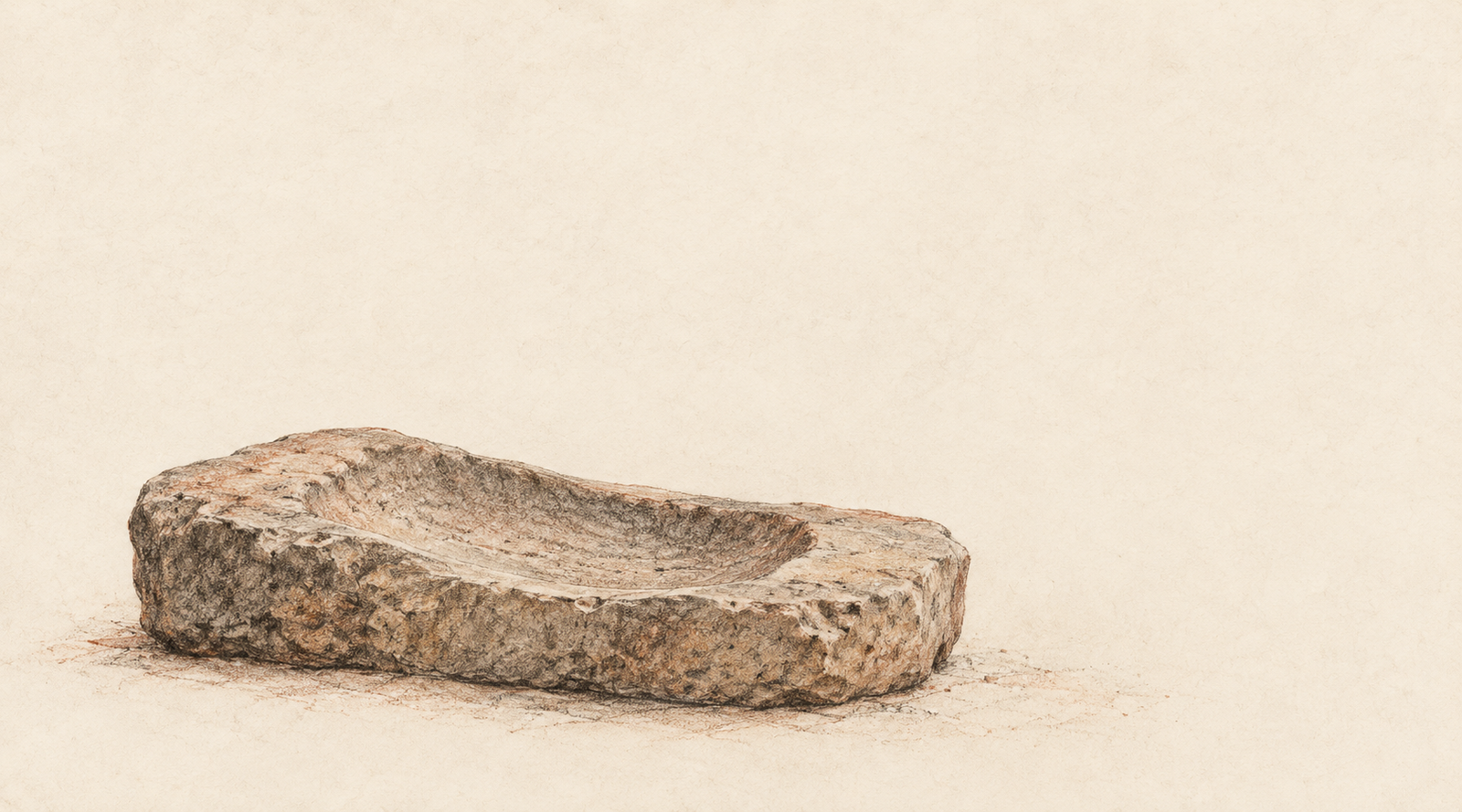
The temple we inherit is a building from which almost all necessity has been removed. Nothing must be brought for it to continue being what we call a temple. The sanctuary asks nothing of us. Stone is good at this kind of independence.
A living temple was otherwise.
Water had to come in. So did grain, cloth, oil, aromatic substances, fuel. The things required for worship arrived because someone carried them across a threshold.

Houses of Wood, Light, and Smoke
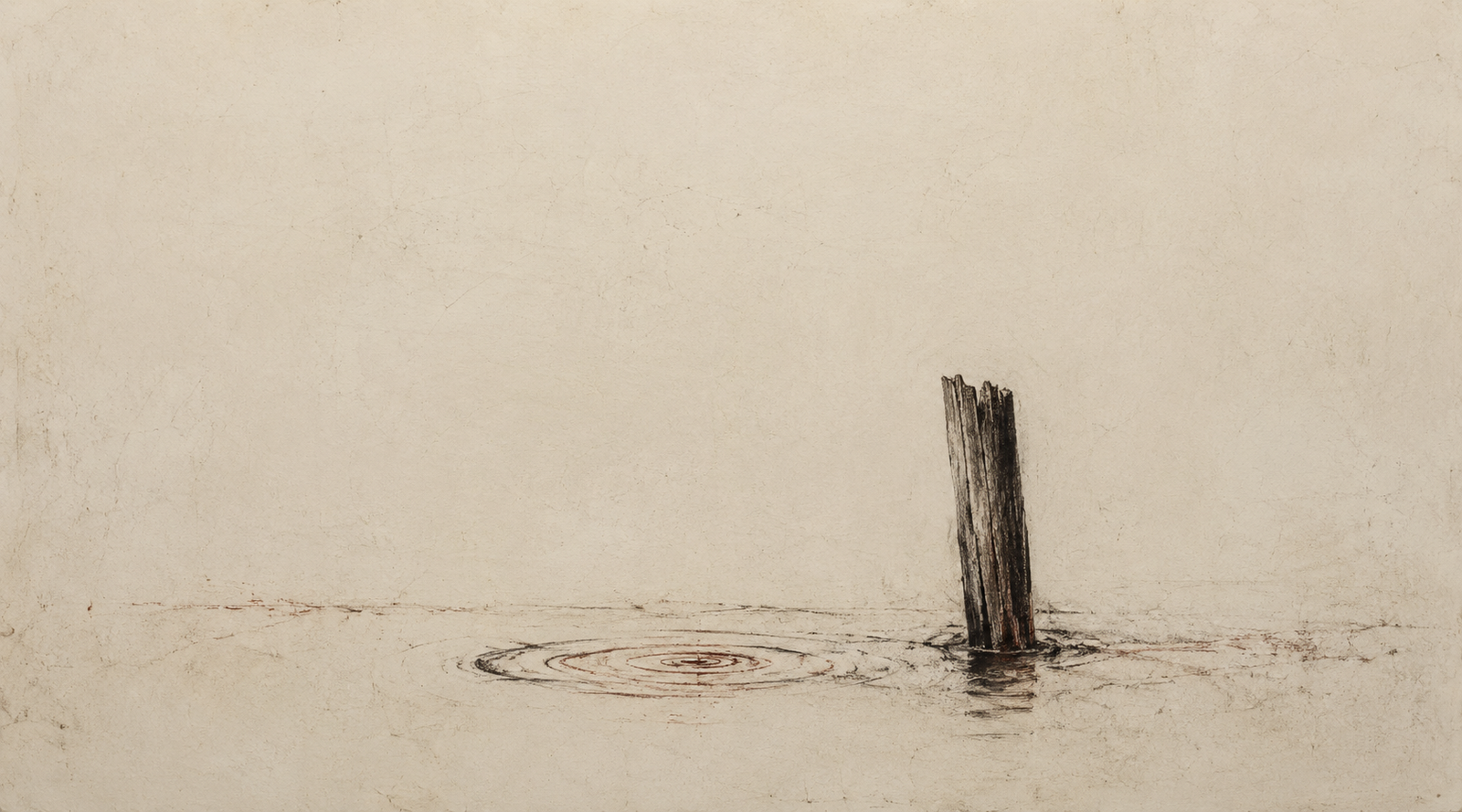
Some of Angkor’s most intimate ruins do not rise above the ground at all. They are postholes, low mounds, hearths and ponds: durable traces of a domestic city built largely from things that decay. To restore that city is to see Angkor not only as stone, but as wood, smoke, water, repair, and people living within calling distance.