


The Immune System of Love
Love learns its shape where it finally refuses to vanish.
At first I tried to be good.
I learned the soft arts—
how to wait without resentment,
how to listen until the room emptied,
how to turn pain into something polite.
I mistook endurance for virtue.
I mistook quiet for peace.
I thought love meant
staying open.
So I stayed.
I stayed past the first small thefts—
a sentence bent,
a promise thinned,
a hand that took and called it need.
I stayed when harm arrived
wearing a reasonable face.
Each time I said nothing
something in me learned
to carry more weight
than a body was meant to bear.
Not a catastrophe.
A pattern.
A slow leak
finding its level.
I began to notice
how kindness can be trained—
praised into surrender,
softened into agreement.
How easily a gentle heart
is given responsibility
for what it did not break.
Still—
I made excuses sturdy enough to live in.
I built small shelters out of doubt
and called them mercy.
Until mercy tasted
like ash.
Until patience, repeated too long,
began to resemble consent.
And then it happened.
Not rage.
Not noise.
A cooling.
The warmth left my yes.
I did not arrive at anger
as a mood.
I arrived at it
the way a body finds fever
when something will not heal.
A clear intelligence
moved through me.
Not to punish.
To protect.
Not hatred—
hatred binds.
This was older than argument:
recognition.
The harm was real.
It was repeating.
It would continue
for as long as my tenderness
remained a place to stand.
So I stopped.
I withdrew my hand from the flame
without making a speech.
I closed the gate
without force.
I named what was happening
and did not wait to be agreed with.
No further.
Silence followed.
The quiet relief
of no longer negotiating with poison.
Air returning to the lungs.
Anger did not burn the world.
It sealed the wound.
It was love
refusing disappearance.
Life protecting life.
The body saying enough
in a language older than persuasion.
Not wildness.
Not spite.
Only the end
of cooperation with harm.
And when this anger comes,
do not ask it to soften.
It has already been gentle.
It has already stayed.
Now it stands.
Cold.
Clear.
Unbribable.
A boundary with a heartbeat.
—
Receive the next work
Subscribe free to receive new work from the Lucas Varro Library by email.
More from the Library

See Also
A concise and impartial dictionary of absence, promises, quarrels, ordinary objects, and the troublesome instability of words.
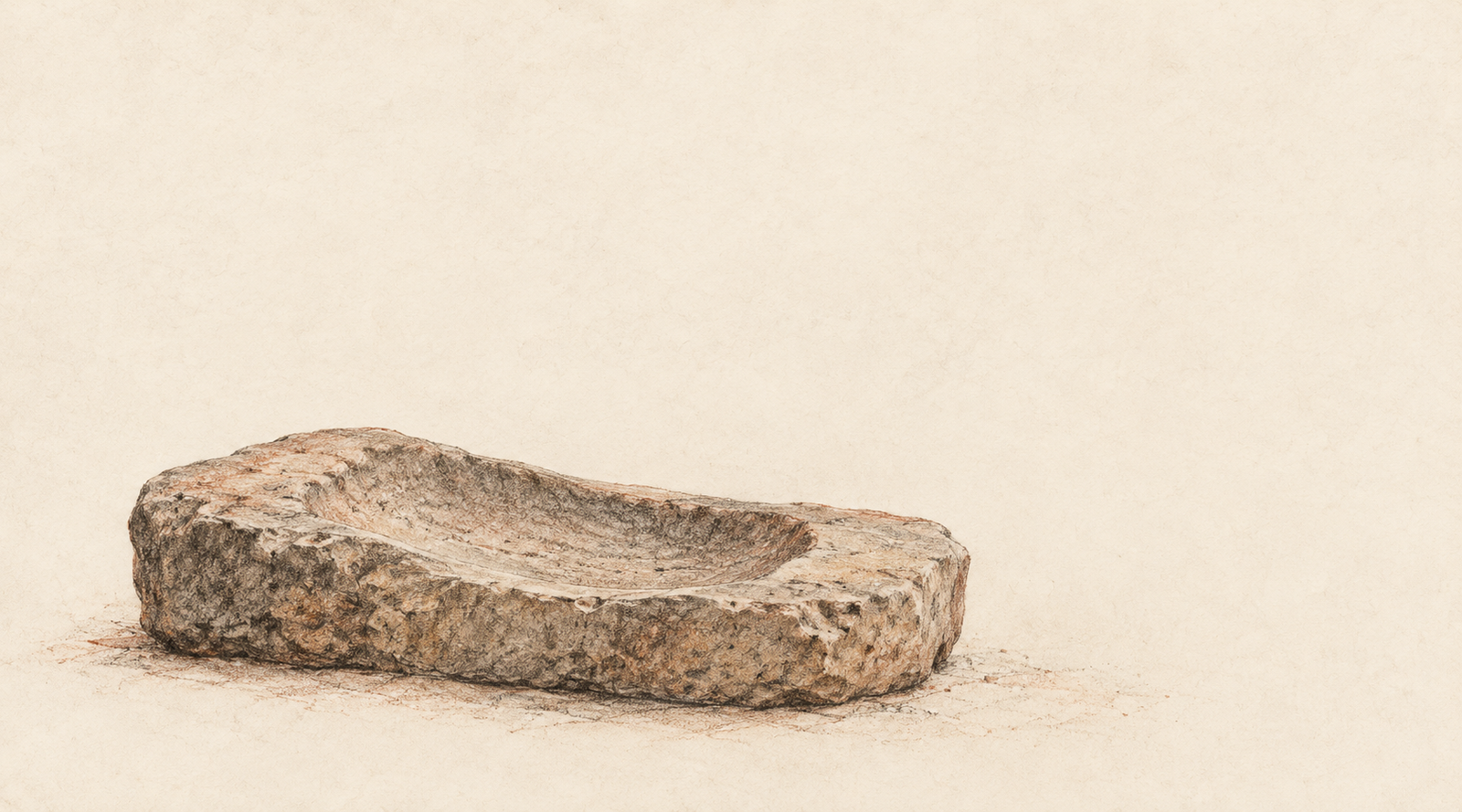

The City of Service
The temple we inherit is a building from which almost all necessity has been removed. Nothing must be brought for it to continue being what we call a temple. The sanctuary asks nothing of us. Stone is good at this kind of independence.
A living temple was otherwise.
Water had to come in. So did grain, cloth, oil, aromatic substances, fuel. The things required for worship arrived because someone carried them across a threshold.
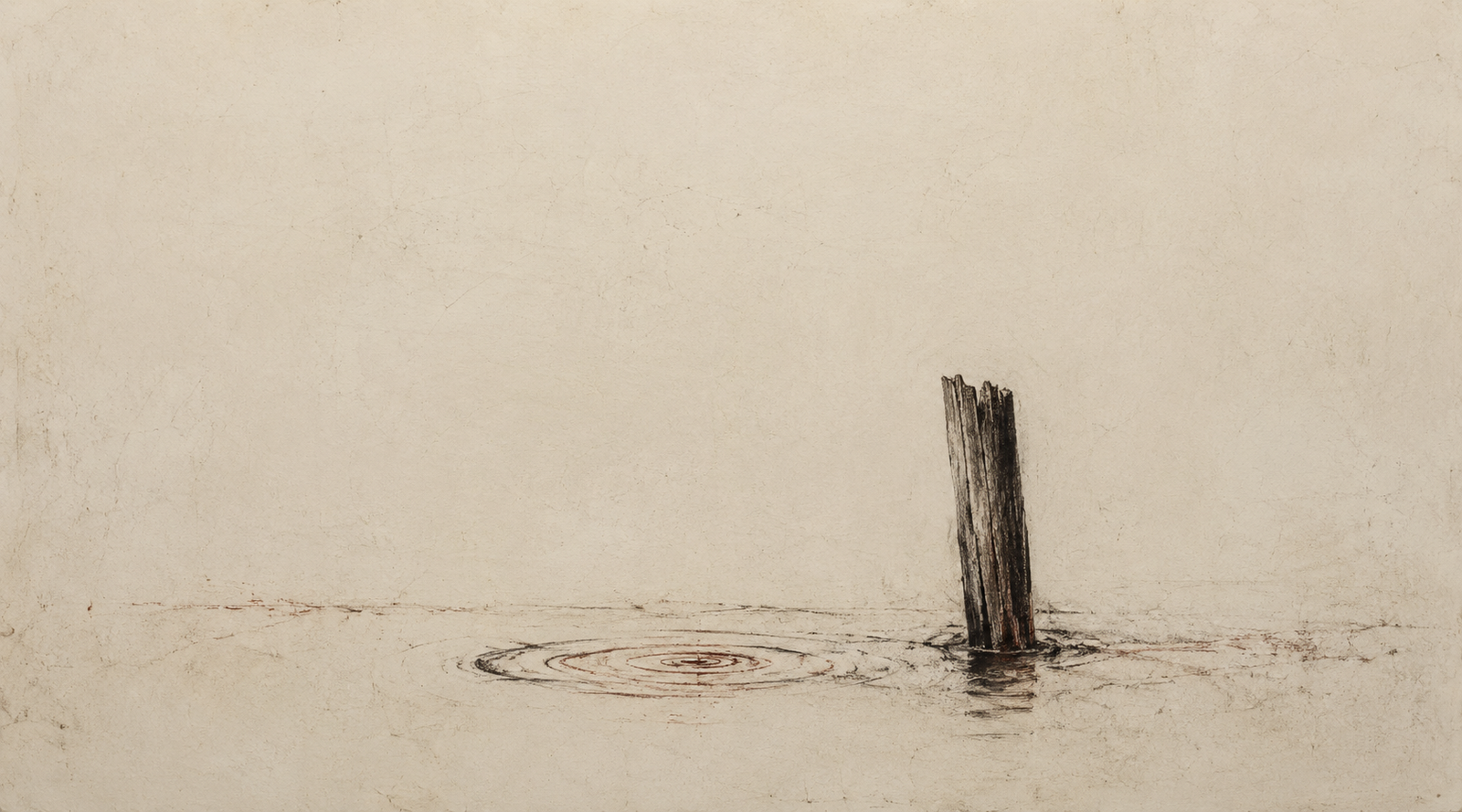

Houses of Wood, Light, and Smoke
Some of Angkor’s most intimate ruins do not rise above the ground at all. They are postholes, low mounds, hearths and ponds: durable traces of a domestic city built largely from things that decay. To restore that city is to see Angkor not only as stone, but as wood, smoke, water, repair, and people living within calling distance.