
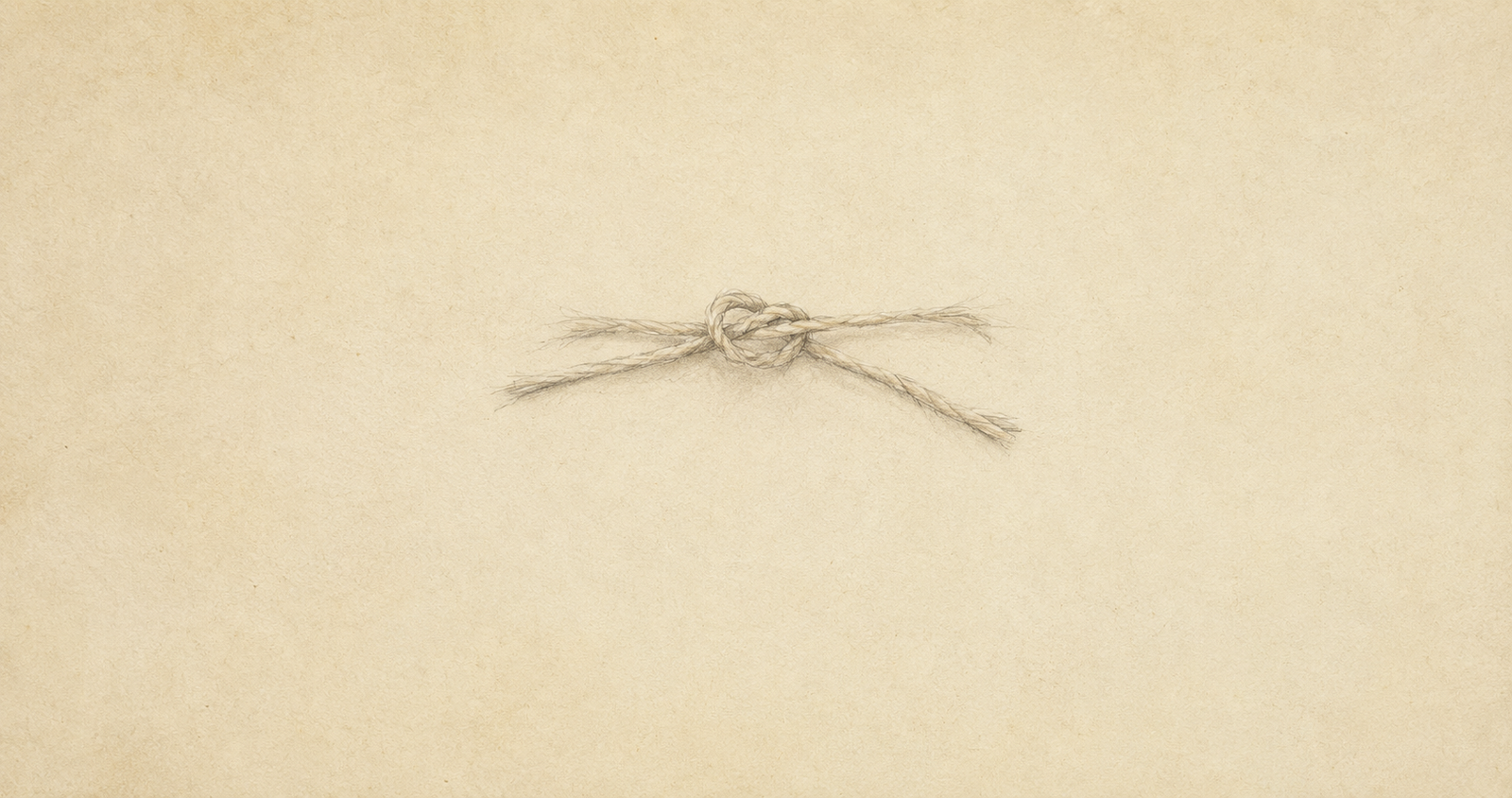

The Debt of Being Here
Before a vow is spoken, almost everything required to speak it has already been given.
The mouth.
The breath.
The language in which one person may promise something to another.
The ground beneath them. The food that kept them alive until that hour. The hands that taught their hands what holding means.
We like to imagine that a vow begins with the person who says, I will.
It does not.
Every vow is late.
It begins after the gift.
Begin with the first poem: The Mouth You Gave Me →
This sequence arose from that recognition, and from an encounter with the moral and emotional world of Cambodian Dharma songs through Trent Walker’s translations and scholarship.
Walker presents songs that live both in writing and in performance. His collection preserves them in manuscript and print while describing their use in prayer and ceremony, in acts of remembrance, offering and consecration, and beside the dying or the dead. Across the collection, they carry stories of the Buddha and those who travelled through many lives beside him. They address parents, teachers, ancestors, the earth and the awakened ones.
Many are laments.
Yet within the world Walker describes, lament is not merely sorrow given melody. It brings the mind near what it would rather avoid. Grief can become a form of attention; the voice gives that disturbance a shape that can be carried.
Here, emotion need not stand outside spiritual understanding. It can become one of the doors through which attention enters.
They stir.
Then they still.
At the centre of many songs in the collection’s Repaying Debts cycle is a Khmer word whose doubleness cannot be carried neatly into English: guṇ.
Walker explains that guṇ can mean virtue—the goodness or sustaining quality of another being—and also the debt of gratitude created by that virtue. In the songs and their surrounding tradition, the guṇ of parents, teachers, the earth and the Three Jewels names both qualities to be recognised and obligations to be remembered.
Something of this doubleness remains in ar guṇ, an everyday Khmer expression of thanks. Gratitude recognises both what is good in another and what their goodness has made possible in us.
Debt, in English, can sound cold. It suggests calculation, settlement, an account that may eventually be closed.
Guṇ names a relation no account can close.
The care that made a life possible cannot be repaid by an equivalent act. No one returns childhood to a parent. No one gives a teacher back the years spent teaching them. No offering can equal the patience of the earth.
For these poems, the answer is not settlement.
It is continuation.
What was received from one life may be carried into another. The hand once held learns to hold. The person once forgiven learns to ask forgiveness. Food is placed before someone who may never be seen. A path is swept for a stranger. A name is spoken and released. Merit is shared.
Virtue received becomes responsibility.
This is the ground from which these twelve poems arise.
They are not translations of Cambodian Dharma songs. They do not reconstruct sacred texts, reproduce Khmer metres or melodies, or speak through inherited religious personae. The songs have supplied something more fundamental: a set of moral pressures.
What have we received without noticing?
What can gratitude become besides feeling?
What does one human being owe another?
How may the absent still be answered?
What must be returned?
The sequence unfolds in three movements.
What Was Given begins with the conditions that precede the self: mouth, earth, inherited gesture, water carried before dawn.
What May Be Answered turns towards the incomplete human acts by which gratitude takes form: apology, offering, anonymous service, remembrance without possession.
What Must Be Returned enters the harder knowledge of impermanence: the borrowed body, the voice that remains beside it, the self lowered before what it reveres, and the private vow finally opened beyond the people who made it.
These poems should be read aloud.
Not because they possess the melodies or authority of the tradition that helped awaken them. They do not. But because a poem concerning debt must pass through breath. The reader should feel where the voice gathers force, where it falters, and where it learns to remain.
A full companion essay in The Workroom will follow each poem. It will return to the song, practice or idea from which the poem first took pressure, consider what was transformed and what was deliberately not borrowed, and trace how the poem’s image, cadence, form and visual field were made. It will say where the poem came from, not what the poem means.
The poem remains complete without it.
The meaning must remain inside the poem: in the cup set down, the floor swept, the seam left unfinished, the name passing out of possession.
—
The sequence
This living index will grow as each poem is published.
I · What Was Given
—
Perhaps this is what a vow finally asks of us.
Not that we keep what we love.
That we do not forget what made us possible.
That we receive without mistaking the gift for property.
That we answer without pretending the debt can be closed.
That when the hour comes to return what was never ours, we return it carrying some trace of the goodness with which it reached us.
Every vow begins after the gift.
These poems begin there.
Acknowledgement — The Debt of Being Here was prompted by the ethical and oral world of Cambodian Dharma songs, encountered through Trent Walker’s translations and scholarship in Until Nirvana’s Time: Buddhist Songs from Cambodia. The poems in this sequence are original works, not translations or reconstructions.
—
Receive the next work
Subscribe free to receive new work from the Lucas Varro Library by email.
More from the Library

See Also
A concise and impartial dictionary of absence, promises, quarrels, ordinary objects, and the troublesome instability of words.

The City of Service
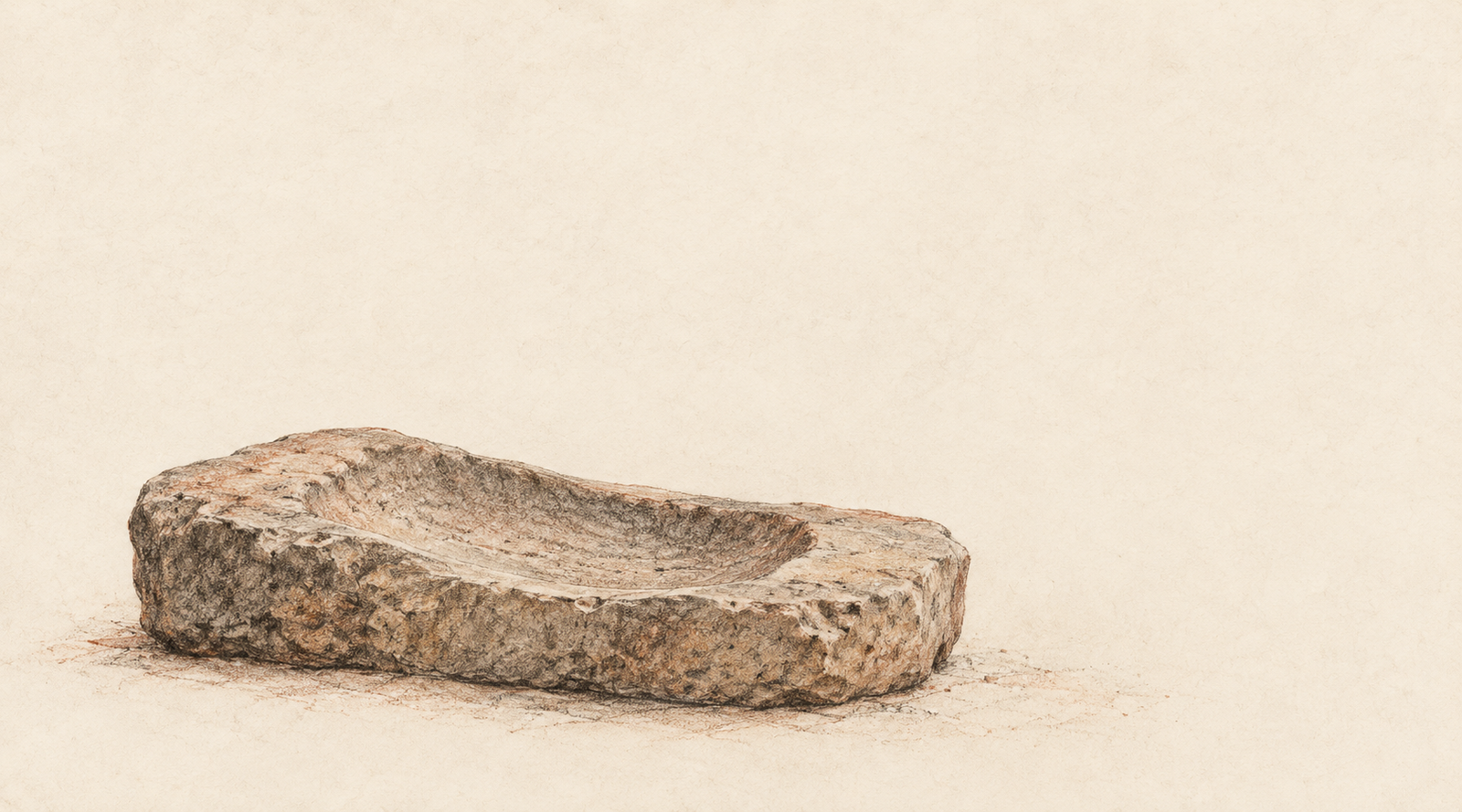
The temple we inherit is a building from which almost all necessity has been removed. Nothing must be brought for it to continue being what we call a temple. The sanctuary asks nothing of us. Stone is good at this kind of independence.
A living temple was otherwise.
Water had to come in. So did grain, cloth, oil, aromatic substances, fuel. The things required for worship arrived because someone carried them across a threshold.

Houses of Wood, Light, and Smoke
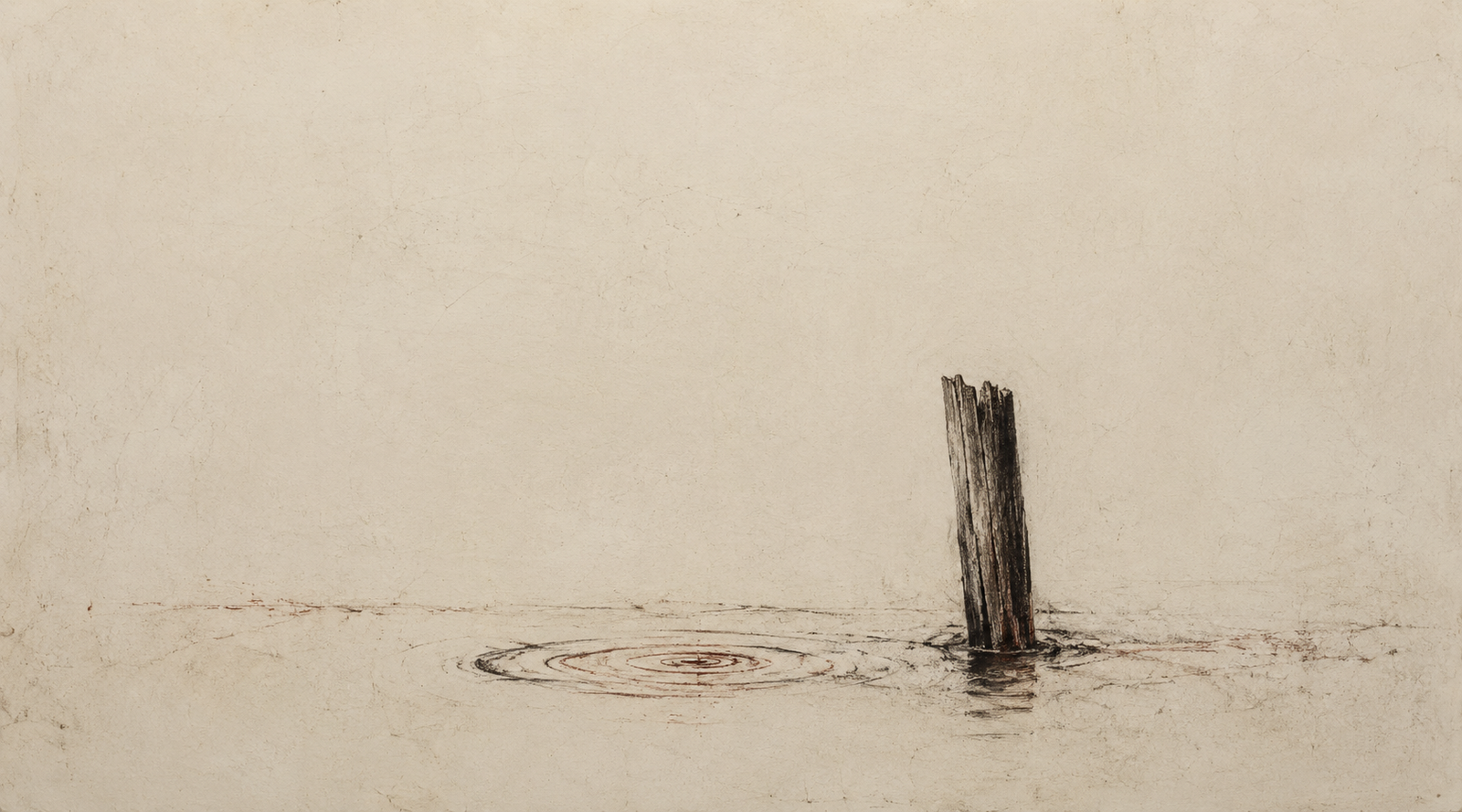
Some of Angkor’s most intimate ruins do not rise above the ground at all. They are postholes, low mounds, hearths and ponds: durable traces of a domestic city built largely from things that decay. To restore that city is to see Angkor not only as stone, but as wood, smoke, water, repair, and people living within calling distance.