

The Left Side of the Bed
A poem of time, objects, and the room kept ready.
The first winter after he sailed
I kept his sandals by the door.
Not as a sign.
They had dried badly in the salt weather,
one strap gone stiff,
the heel dark with his weight.
At night I stepped around them
with the lamp held low.
By the second spring
the boy had outgrown
the small red tunic
I had made from a torn cloak.
He would not let me mend it.
He stood in the courtyard,
thin-kneed, sun-browned,
holding the rent cloth out
like evidence.
In the fifth year
the olive jar cracked.
Rain came through
the western roof-beam
and all afternoon
I knelt with a cloth under it,
moving the bowl each time
the drip changed place.
His cup was on the shelf.
I washed it every seventh day
though no mouth had touched it.
By the ninth year
I no longer turned
when a man laughed in the yard.
The body learns
what the mind refuses.
A footstep passed.
A gate shut.
The hinge had rust in it.
That was the year
my hands changed.
The skin at the thumb split.
The nail on my first finger
thickened from thread.
At night I picked out
the day’s work.
The threads came back
in small curls
across my lap.
In the twelfth year
I moved his knife.
Only once.
It had lain too long
beside the breadboard,
its handle polished
where his palm had held it.
A servant cut figs with it
and left the blade wet.
I took it from her gently,
dried it on my sleeve,
and put it in the chest
with the cedar comb,
the bronze pin,
the belt he wore
before Troy became
a word in other men’s mouths.
By the fifteenth year
the dog stopped rising.
He slept in the old dust
near the dung heap,
one ear moving sometimes
when the wind crossed the yard.
I brought him scraps
after the men had eaten
and crouched beside him
until he found my hand.
He had gone grey first
around the eyes.
In the nineteenth year
I held his cloak to the light.
The blue had gone thin
at the shoulder.
I could see my fingers
through the cloth.
I folded it again.
Not the way servants fold.
Along the old creases.
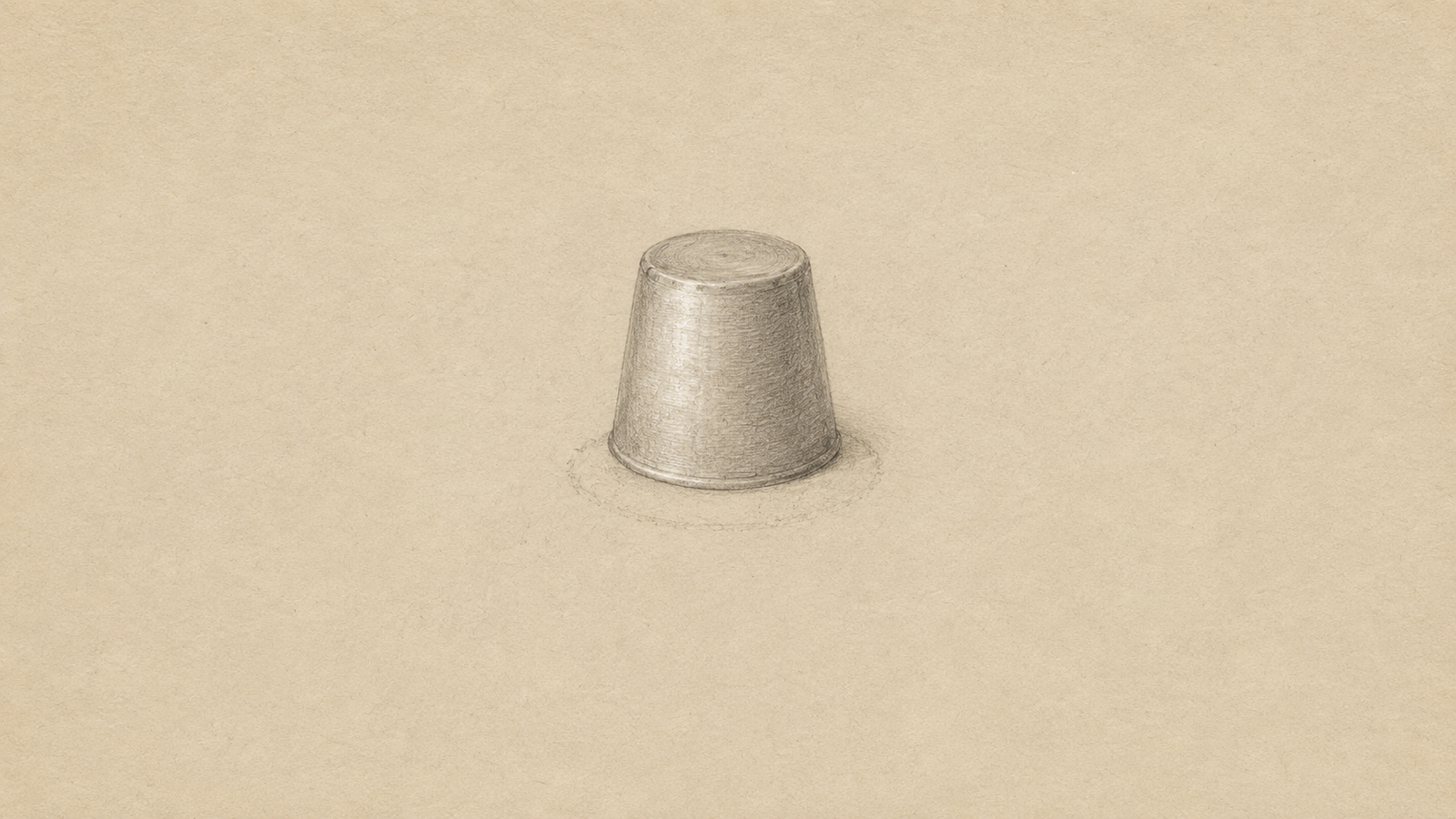
The cup stayed mouth-down.
The bed stayed where it was.
The boy’s beard came in unevenly.
The loom-stool had hollowed
under me.
And if he came now—
not as song brings men home,
not bright with sea-light,
not terrible with gods,
but hungry, salt-raw,
older at the temples,
with one hand on the lintel—
I would not run.
I would cross the room first
to lift the cup from the shelf,
rinse out the dust,
and set it down
on his side of the table.
—
For paid subscribers, I have added a Workroom note on the making of this poem: the image that started it, the words that failed, and the line that finally held.
—
Receive the next work
Subscribe free to receive new work from the Lucas Varro Library by email.
More from the Library

See Also
A concise and impartial dictionary of absence, promises, quarrels, ordinary objects, and the troublesome instability of words.

The City of Service
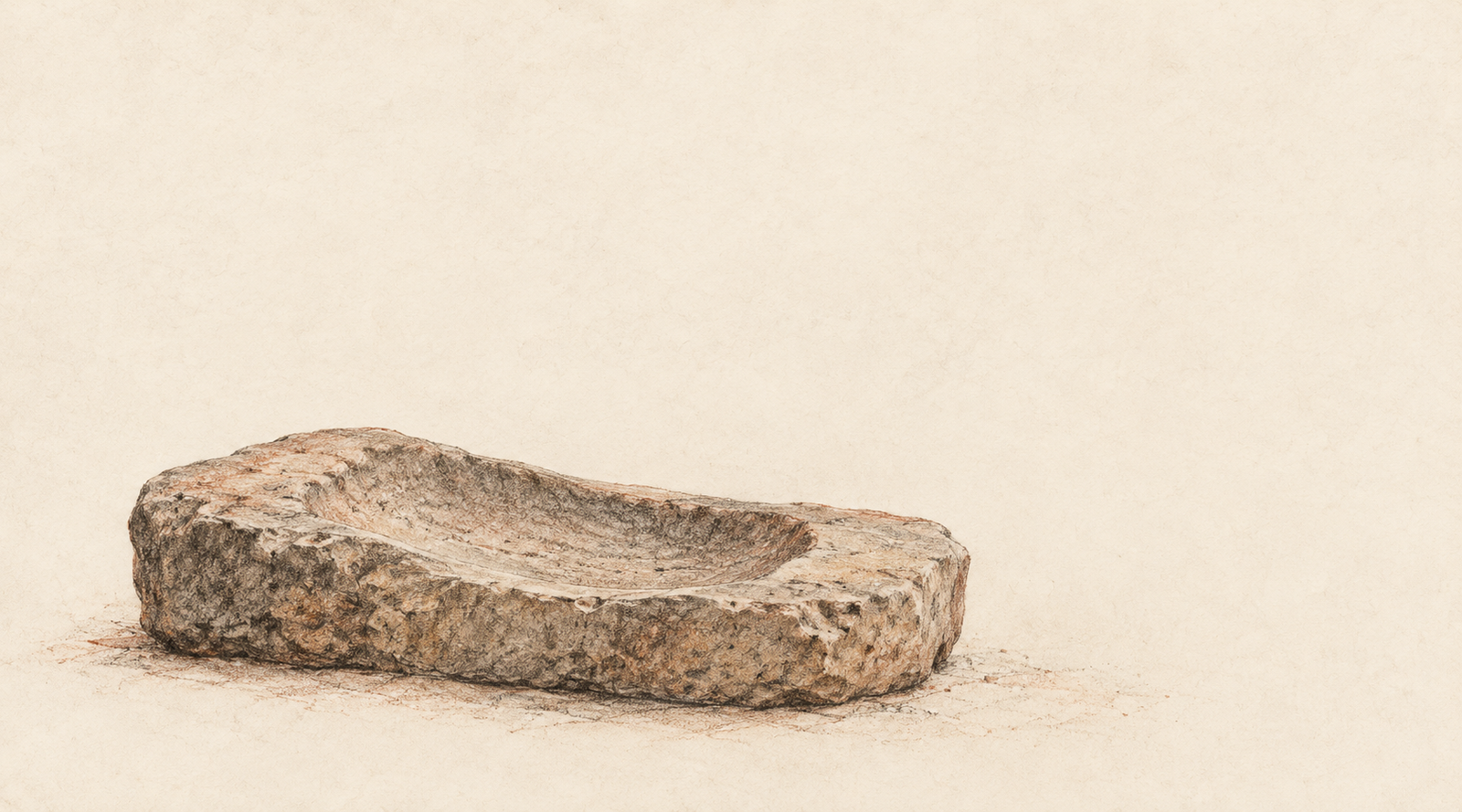
The temple we inherit is a building from which almost all necessity has been removed. Nothing must be brought for it to continue being what we call a temple. The sanctuary asks nothing of us. Stone is good at this kind of independence.
A living temple was otherwise.
Water had to come in. So did grain, cloth, oil, aromatic substances, fuel. The things required for worship arrived because someone carried them across a threshold.

Houses of Wood, Light, and Smoke
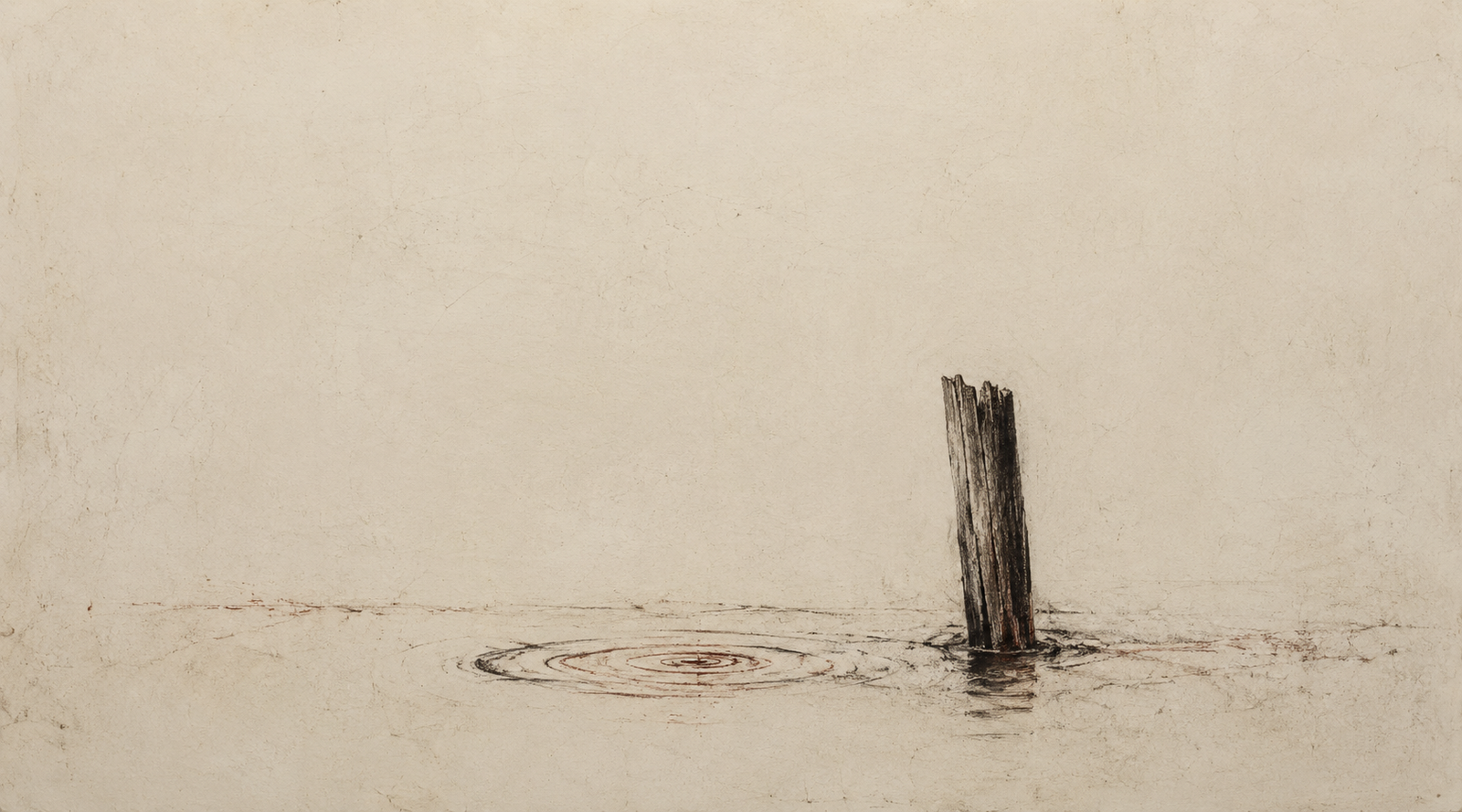
Some of Angkor’s most intimate ruins do not rise above the ground at all. They are postholes, low mounds, hearths and ponds: durable traces of a domestic city built largely from things that decay. To restore that city is to see Angkor not only as stone, but as wood, smoke, water, repair, and people living within calling distance.