

June 2026 in The Varro Library | Strangers, Stones, Wings, and the Work of Welcome
June 2026 in The Varro Library was governed by a single recurring pressure: the work of welcome before explanation.
Across the month, strangers arrived before they could be understood. Houses were tested by the bodies they received. Inheritance was weighed not by loyalty to the familiar, but by the stranger at the threshold. Gifts lifted heroes into danger. Wings, bridles, lyres, storms, temples, bowls, doors, and poems all returned to the same question: what does it mean to receive reality before we have made it safe?
The month was unusually rich. It included new pieces across The Lantern Chronicles, The House of Cadmus, The Mytharium, The Alexander Series, The Hospitable Dark, and Medium. The Alexander Series and The Hospitable Dark are written under A. M. Sharp.
At The Lantern Chronicles, the month’s moral architecture became clearest in The Living Way. The Difference Between a Concept and a Door asked when a sacred word becomes living rather than decorative. The Society That Does Not Turn Away and The Kindness That Continues extended that question into mercy, civilisation, and structure. The Story Is Not Finished Yet resisted premature judgement, while The Stranger Is Where Inheritance Is Weighed brought the whole month to its sharpest human test: the stranger is where our inheritance either becomes recognition or remains a possession.
Medium also carried part of this moral architecture outward. The Society That Does Not Turn Away and The Kindness That Continues were published there on June 15, extending the Library’s concern with mercy, structure, and civilisation beyond the Substack ecosystem. Your God Is Not Proven by Your Empire, published near the end of the month, gave the same pressure a sharper theological edge: empire may display power, but it does not prove God.
The same publication also continued Fires of the Old World, moving through Krishna, Shiva, shelter, desire, and the beggar god. These tales carried old mythic force without turning it into explanation: The Wrestling Hall, The Lifted Mountain, Desire Turned to Ash, and The Beggar God.
In The Angkor Library, The Serpent Beneath the Kingdom, The Face That Looks Four Ways, and The Stone Is Not the World deepened the work of seeing Angkor without reducing it to symbol, puzzle, or atmosphere. In The Vow, four short poems — What the Hand Knew, What the Rain Carried, The Fly, and At the Lip — held the month at the edge of speech.
At The House of Cadmus, No Man Comes Home continued its high-art Odyssey retelling. June carried Telemachus outward and Odysseus through exile, Calypso, Scheria, the Cyclops’ name, and the inland oar. Return became stranger than homecoming. It became the question of what remains of a man when the sea that shaped him no longer explains him.
At The Mytharium, Job sat in ashes and Tolkien’s evil returned in a darker register. Job and the Answer from the Whirlwind and The Man in the Ashes refused easy consolation, while The Evil That Wants No World considered Tolkien’s vision of evil beyond domination: not merely the will to rule the world, but the will that would rather no world exist.
At The Alexander Series, A. M. Sharp continued a serious, luminous body of Greek myth for younger readers and the adults who read with them. June moved from Heracles and the Nemean Lion to Orpheus, Jason, the Golden Fleece, Pegasus, Bellerophon, Hera, the Argonauts, and the Chimaera. The central pattern was not merely adventure. It was impossible pressure: the monster no weapon can pierce, the dark that cannot be forced open, the gift that helps without making height belong to the hero.
At The Hospitable Dark, also under A. M. Sharp, the month’s governing theme became domestic, grave, and narrative. The tales moved through Phaethon, Alcyone and Ceyx, Daedalus and Icarus, and Bellerophon. The Long Return continued through Helen and Menelaus, Calypso, Nausicaa, and Alcinous. The essays asked why Calypso cannot be home, what war leaves behind in beautiful rooms, what mercy does before identity is known, and how favour becomes dangerous when it is mistaken for right.
The Workroom notes across the month made the hidden labour visible: the line that had to become quieter, the doorway that changed an argument, the bowl that needed no rival object, the poem that refused to make the waterfall meaningful too quickly, and the essays that became stronger by resisting their first intelligence.
June’s archive is therefore not best understood as abundance alone. It is a month of thresholds.
The body before the story.
The stranger before inheritance.
The gift before entitlement.
The house before explanation.
The stone before interpretation.
The poem before meaning.
Begin here
Begin with this if you want the month’s moral centre:
The Stranger Is Where Inheritance Is Weighed
Begin with this if you want hospitality, house, and the Odyssey:
The Long Return VII — The Palace of Alcinous
Begin with this if you want Angkor, sacred architecture, and the hidden force beneath the kingdom:
The Serpent Beneath the Kingdom
Begin with this if you want myth at its most severe:
Job and the Answer from the Whirlwind
Begin with this if you want the month in miniature, almost without explanation:
At the Lip
Selected June archive
The Lantern Chronicles
The Room After Anger
Sixty
Fires of the Old World XVI — The Wrestling Hall
Fires of the Old World XVII — The Lifted Mountain
Fires of the Old World XVIII — Desire Turned to Ash
Fires of the Old World XIX — The Beggar God
The Difference Between a Concept and a Door
The Society That Does Not Turn Away
The Kindness That Continues
The Story Is Not Finished Yet
The Stranger Is Where Inheritance Is Weighed
The Serpent Beneath the Kingdom
The Face That Looks Four Ways
The Stone Is Not the World
At the Lip
The Question No One Asks Correctly
Medium
Your God Is Not Proven by Your Empire
The Kindness That Continues
The Society That Does Not Turn Away
The House of Cadmus
No Man Comes Home II — The Son Sent Out
No Man Comes Home III — The Island of the Kept Man
No Man Comes Home IV — The Stranger Washed Ashore
No Man Comes Home V — The Name Inside the Cave
No Man Comes Home VI — The Oar That Could Not Belong
The Mytharium
Job and the Answer from the Whirlwind
The Man in the Ashes
The Evil That Wants No World
The Alexander Series — A. M. Sharp
Hera
Heracles and the Lion
The Nemean Lion
The Underworld
Orpheus and the Underworld
Orpheus’ Lyre
The Golden Fleece
Jason and the Golden Fleece
The Argonauts
Pegasus
Bellerophon and Pegasus
The Chimaera
The Hospitable Dark — A. M. Sharp
Phaethon — The Borrowed Sun
Alcyone and Ceyx — The Birds After the Storm
Daedalus and Icarus — The Wax Beneath the Sun
Bellerophon — The Bridle and the Fall
The Long Return IV — Helen, Menelaus, and the Sea-God’s Word
The Long Return V — From the Goddess to the Storm
The Long Return VI — Nausicaa at the River
The Long Return VII — The Palace of Alcinous
Why Calypso Cannot Be Home
The Stranger, the Girl, and the Law of Mercy
When Favour Is Mistaken for Right
How to Receive a Stranger
More from the Library

See Also
A concise and impartial dictionary of absence, promises, quarrels, ordinary objects, and the troublesome instability of words.

The City of Service
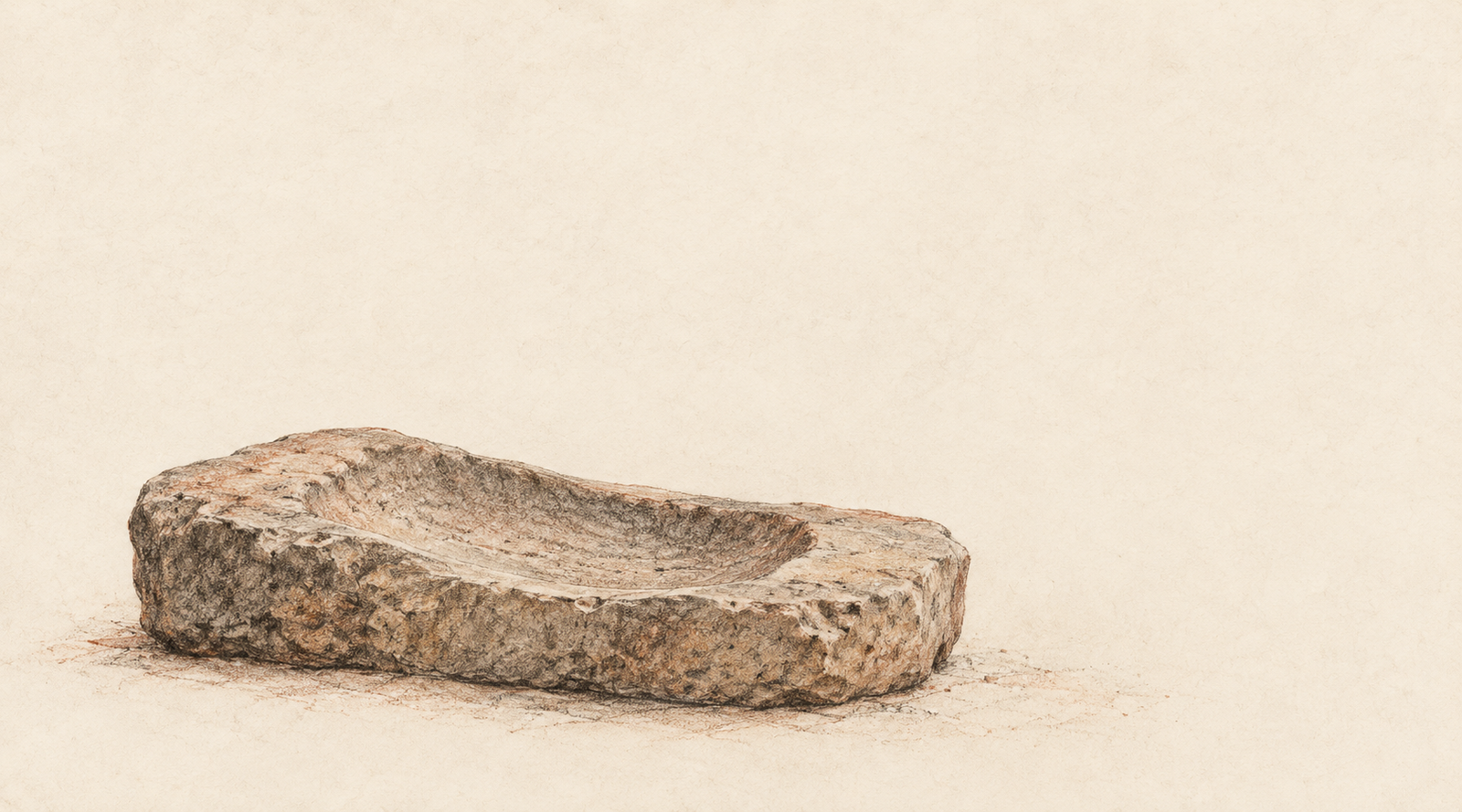
The temple we inherit is a building from which almost all necessity has been removed. Nothing must be brought for it to continue being what we call a temple. The sanctuary asks nothing of us. Stone is good at this kind of independence.
A living temple was otherwise.
Water had to come in. So did grain, cloth, oil, aromatic substances, fuel. The things required for worship arrived because someone carried them across a threshold.

Houses of Wood, Light, and Smoke
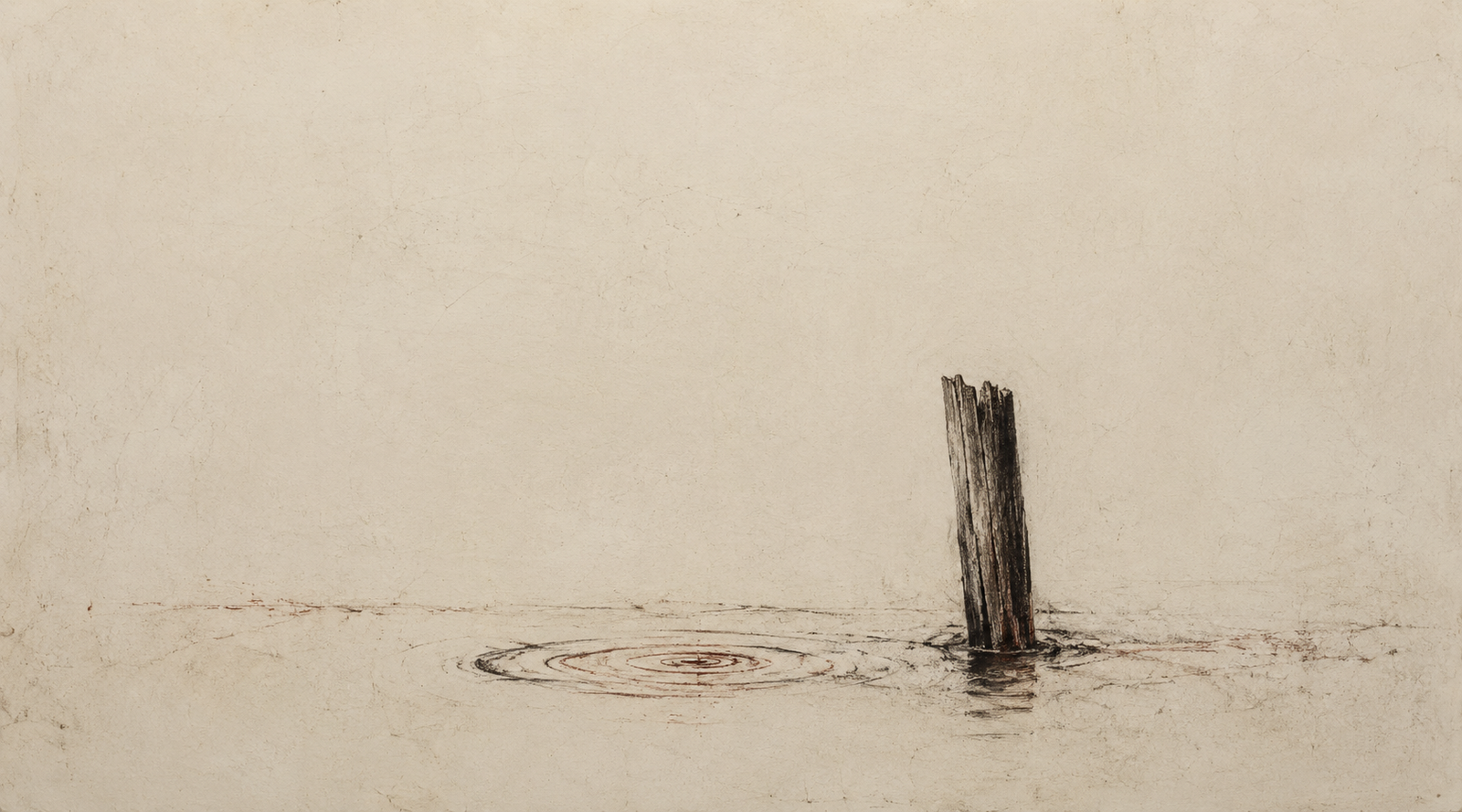
Some of Angkor’s most intimate ruins do not rise above the ground at all. They are postholes, low mounds, hearths and ponds: durable traces of a domestic city built largely from things that decay. To restore that city is to see Angkor not only as stone, but as wood, smoke, water, repair, and people living within calling distance.