

Fires of the Old World V — Three Steps of the World
In this hearthlit retelling from Fires of the Old World, the story of King Bali and the small brahmin who asks for three steps of land becomes a tale of generosity, vow, measure, and surrender. What begins beside a clay lamp, with a grandmother’s measuring cord coiled like a sleeping snake, opens slowly toward one of the great mythic reversals: the moment a gift becomes larger than the giver.
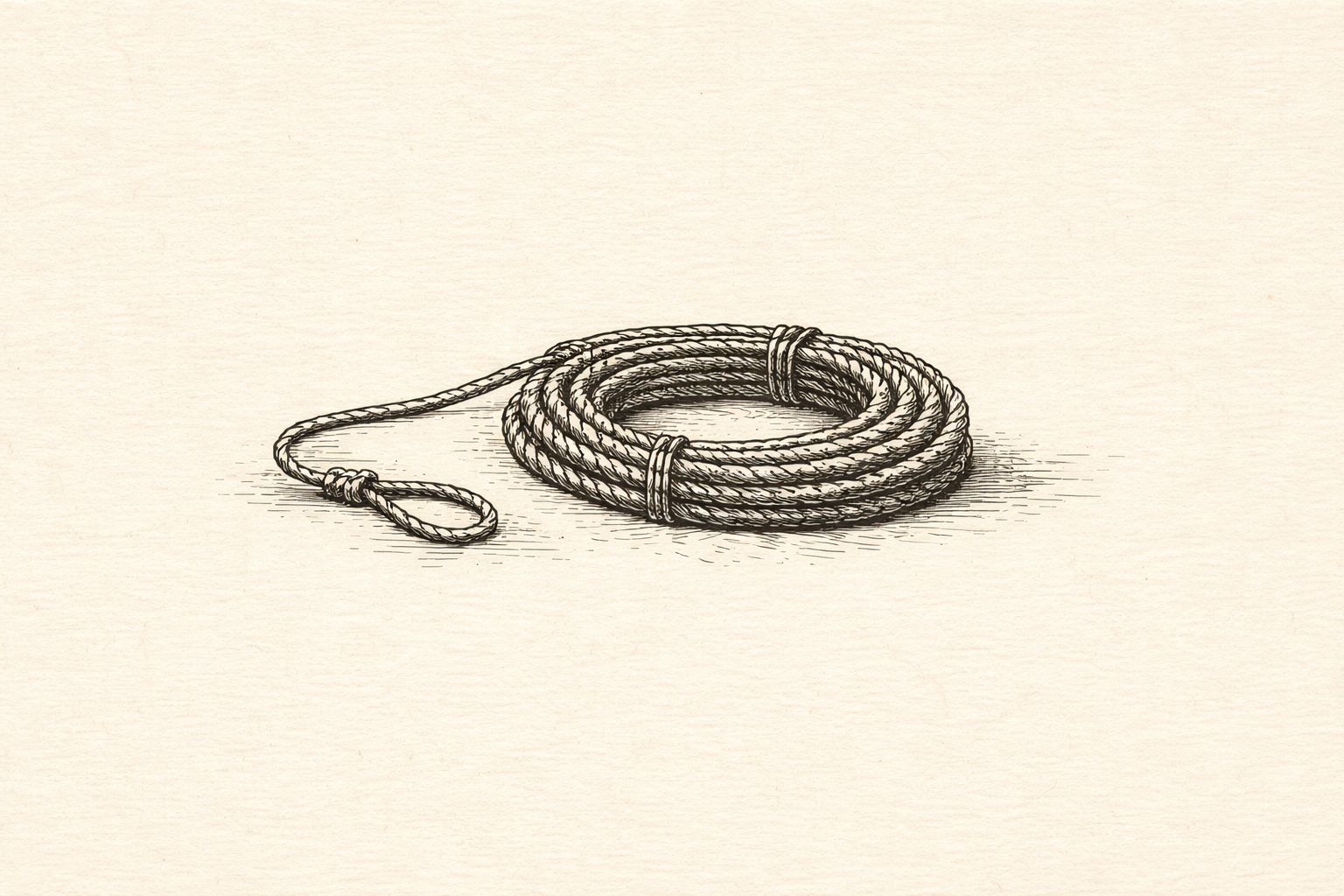
By the time the oil in the little clay lamp had sunk to half its bowl, the night insects had begun their thin silver singing outside the door. The mat was cool beneath the children’s ankles. Smoke from the cooking fire still clung to the rafters. Grandmother sat with the measuring cord coiled beside her wicker basket, and when the youngest touched it with one finger and asked why a cord should matter to kings, she smiled and drew it into her lap as though it were a sleeping snake.
“In the old days,” she said, “when the worlds still answered quickly, there was a king named Bali, and his hand was so open that no beggar left it empty.”
He was a great king, that Bali. His banners crossed plains and mountain roads. His horses drank from rivers that had once belonged to other lords. His granaries were full. His war-drums had grown quiet, because few still dared to challenge him. Yet those who came hungry to his gates found rice. Those who came in rags found cloth. Those who came weeping found a place to sit until their grief had spent itself.
So his fame travelled farther than his armies.
It entered forest hermitages. It crossed ferry water. It rose with market dust. It passed from caravan to caravan until even the gods heard it spoken.
“He gives like rain,” said some.
“He gives like a tree gives shade,” said others.
And because praise can grow dangerous when it ripens too long in one place, the high ones turned their gaze toward Bali’s court.
At that time the king was keeping a great vow of giving. Fires burned in the sacrificial ground. Ghee hissed on the coals. Conches sounded at dawn and dusk. Day after day Bali sat beneath a white parasol bright with jewels and swore that whoever came to him at the rite would not depart unanswered.
Widows asked for oil and received oil enough for many nights. Old soldiers asked for cattle. Young husbands asked for seed. If a poor man trembled, Bali placed the gift in his hands himself. If a child asked for fruit, Bali chose the ripest. So the vow deepened. So the fame widened.
His guru, Shukra, watched all this with narrow eyes.
A king may be praised for strength. A king may be praised for justice. But praise for generosity is a sweeter wine, and sweet wine clouds even a steady head.
Then one morning, when the sun had not yet burned the dew from the grass around the rite-ground, a small brahmin came walking toward the king.
Continue reading: Fires of the Old World V — Three Steps of the World at The Lantern Chronicles on Substack.
Also in The Lantern Chronicles

The Mirror, the Ledger, and the Box
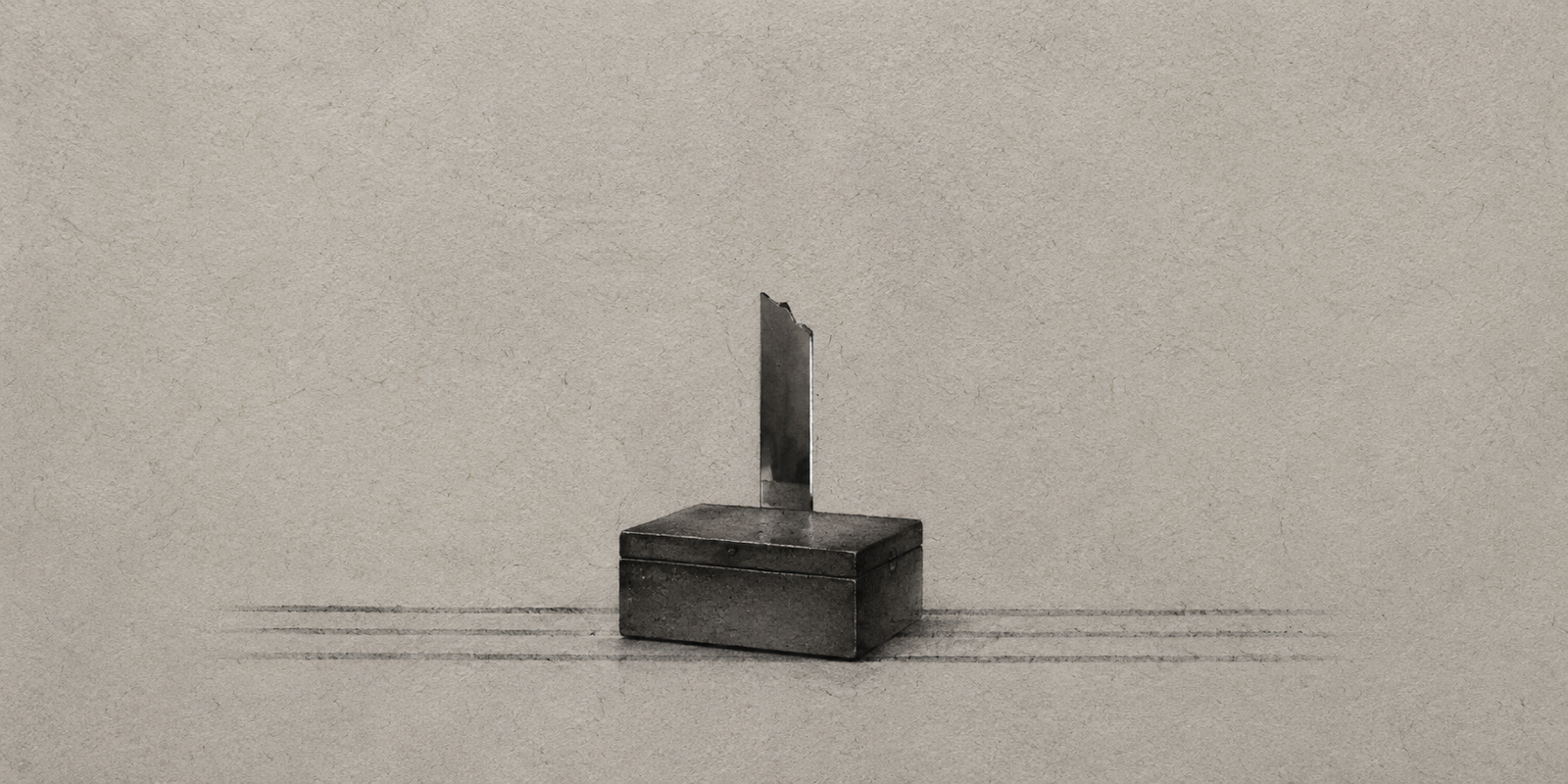
Three ordinary acts—tending a mirror, keeping a ledger, reading a page—draw three voices into the same unseen machinery. In this original flash-fiction triptych by Lucas Varro, hunger becomes debt, witness becomes participation, and attention itself acquires a price. Enter through Mirror Hunger, where one rule has always been enough: do not lean close.

What the Hand Knows
When does effort become interference? This contemplative essay from The Living Way explores wu wei, attention and the human compulsion to force—whether in work, conversation, ambition or the private demand that reality unfold according to plan.

The Beauty Time Is Allowed to Make
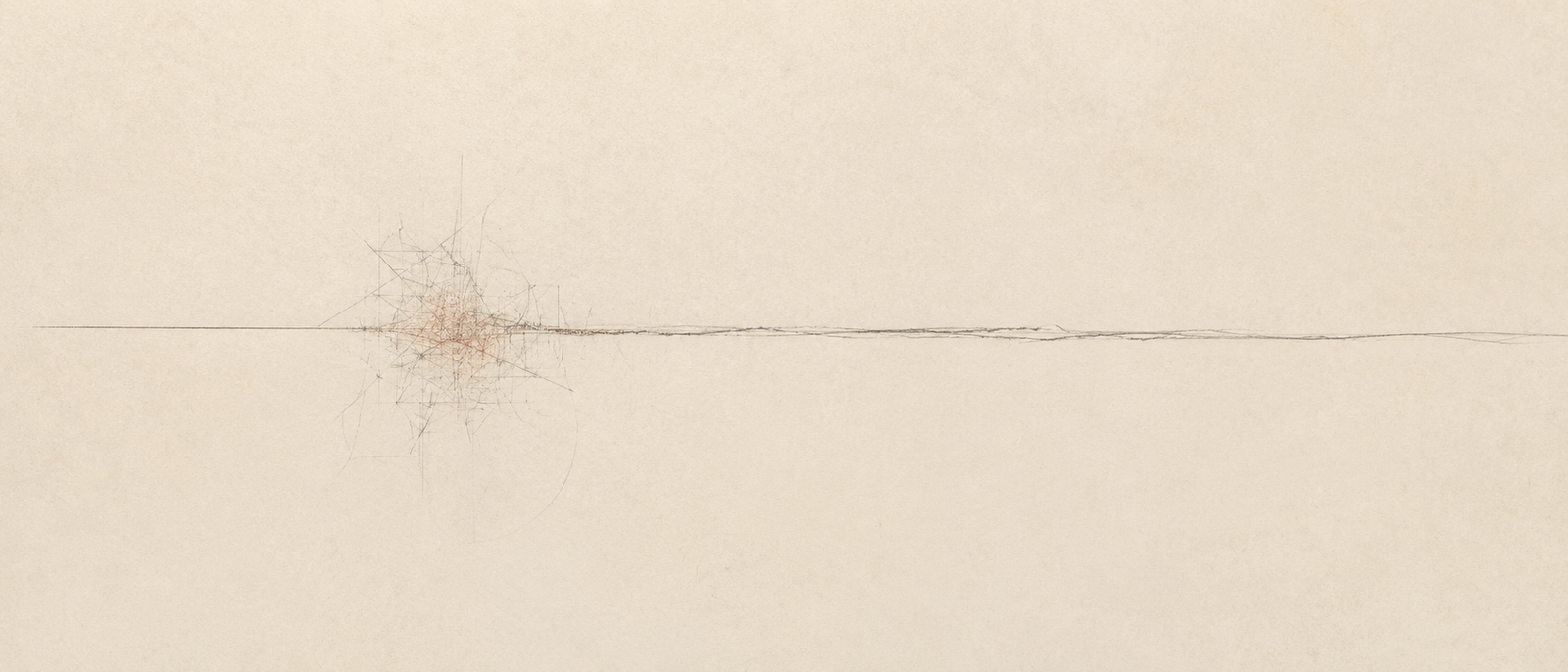
A literary-philosophical essay on wabi-sabi, handmade kozo paper, and the modern demand for seamlessness. Beginning with red chalk meeting a resistant surface, Lucas Varro asks whether value must arrive untouched—and whether care becomes destructive when it begins erasing the visible history of objects and human lives.
Continue Reading
If this piece found something in you, you may wish to continue the journey elsewhere.
On The Lantern Chronicles, I gather writings from Angkor, myth and legend, contemplative essays, and poetry — works shaped by silence, beauty, wonder, memory, and the deeper questions that follow us through the world.
It is a place for stone and story, reflection and vow, shadow and revelation.
You would be most welcome there.