

A Chamber Lit from Within
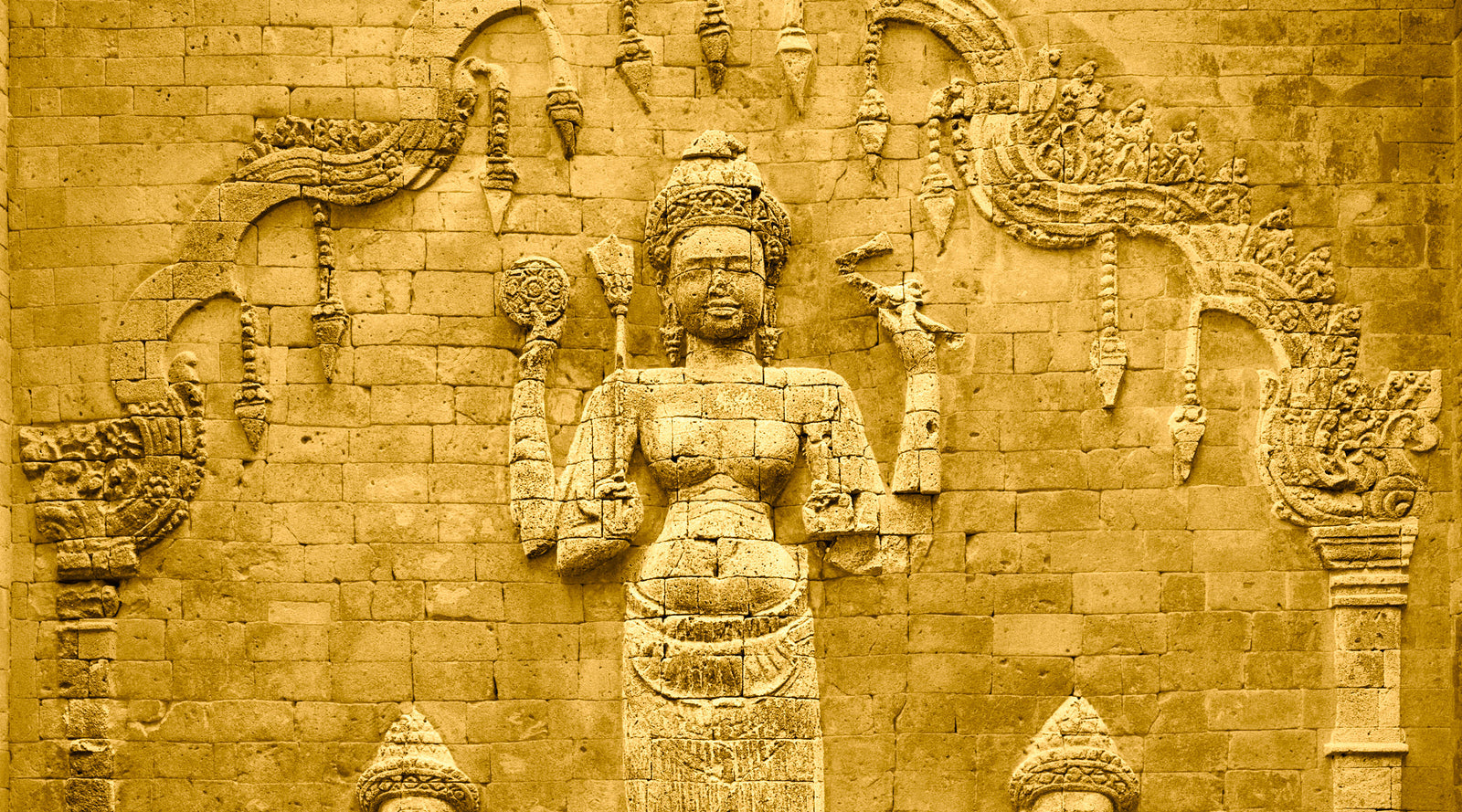
The sun was beginning its descent, gold leaning low through the canopy, when I entered the sanctuary at Prasat Kravan. The bricks, ancient and porous, radiated a soft warmth, but it was the figure of Lakshmi who held the light.
Carved over a thousand years ago, she rose from the wall with four arms in effortless balance, one hand cradling a disc, another a trident—symbols of Vishnu and Shiva, creation and dissolution. Yet it was not iconography I felt, but presence.
In that moment, the room did not seem abandoned. It was not ruin but reliquary. The air held the echo of quiet voices, oil lamps, breath. The goddess was not remembered—she was still remembering.
Molten hush descends—
gold keeps the prayer alive,
stone exhales soft light
I set the tripod gently. A long exposure followed, though it felt less like taking than receiving. The lens opened, and the chamber offered itself—brick, dust, and glow—to the silver sheet of film.
Later, in the studio, I would return to that warmth. Chiaroscuro helped me shape the curve of her presence, hand-toning allowed the golden memory to emerge. But nothing I added could replace what the light had given freely: a trace of the divine still breathing in the body of brick.
More from the Library


See Also
A concise and impartial dictionary of absence, promises, quarrels, ordinary objects, and the troublesome instability of words.

The City of Service
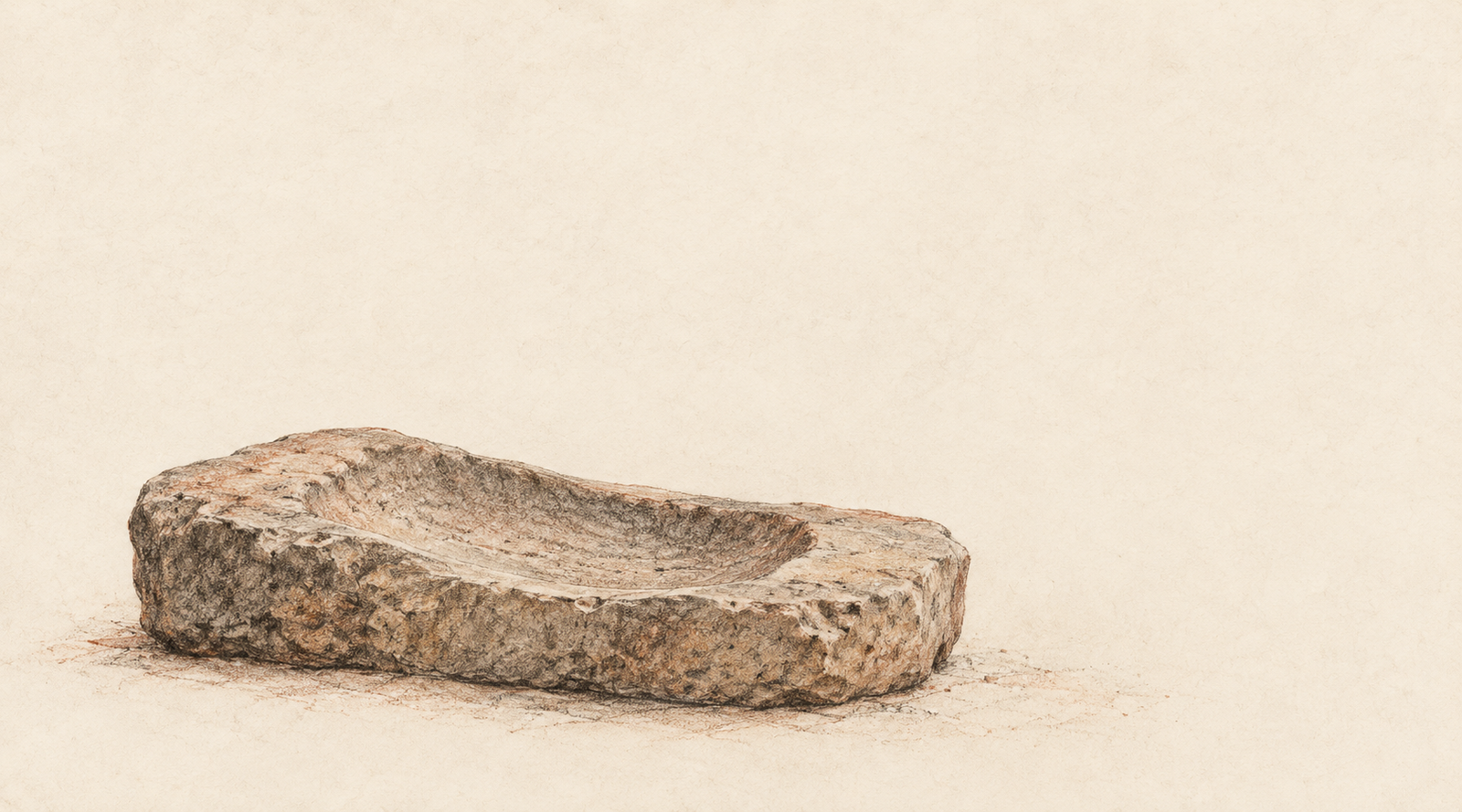
The temple we inherit is a building from which almost all necessity has been removed. Nothing must be brought for it to continue being what we call a temple. The sanctuary asks nothing of us. Stone is good at this kind of independence.
A living temple was otherwise.
Water had to come in. So did grain, cloth, oil, aromatic substances, fuel. The things required for worship arrived because someone carried them across a threshold.

Houses of Wood, Light, and Smoke
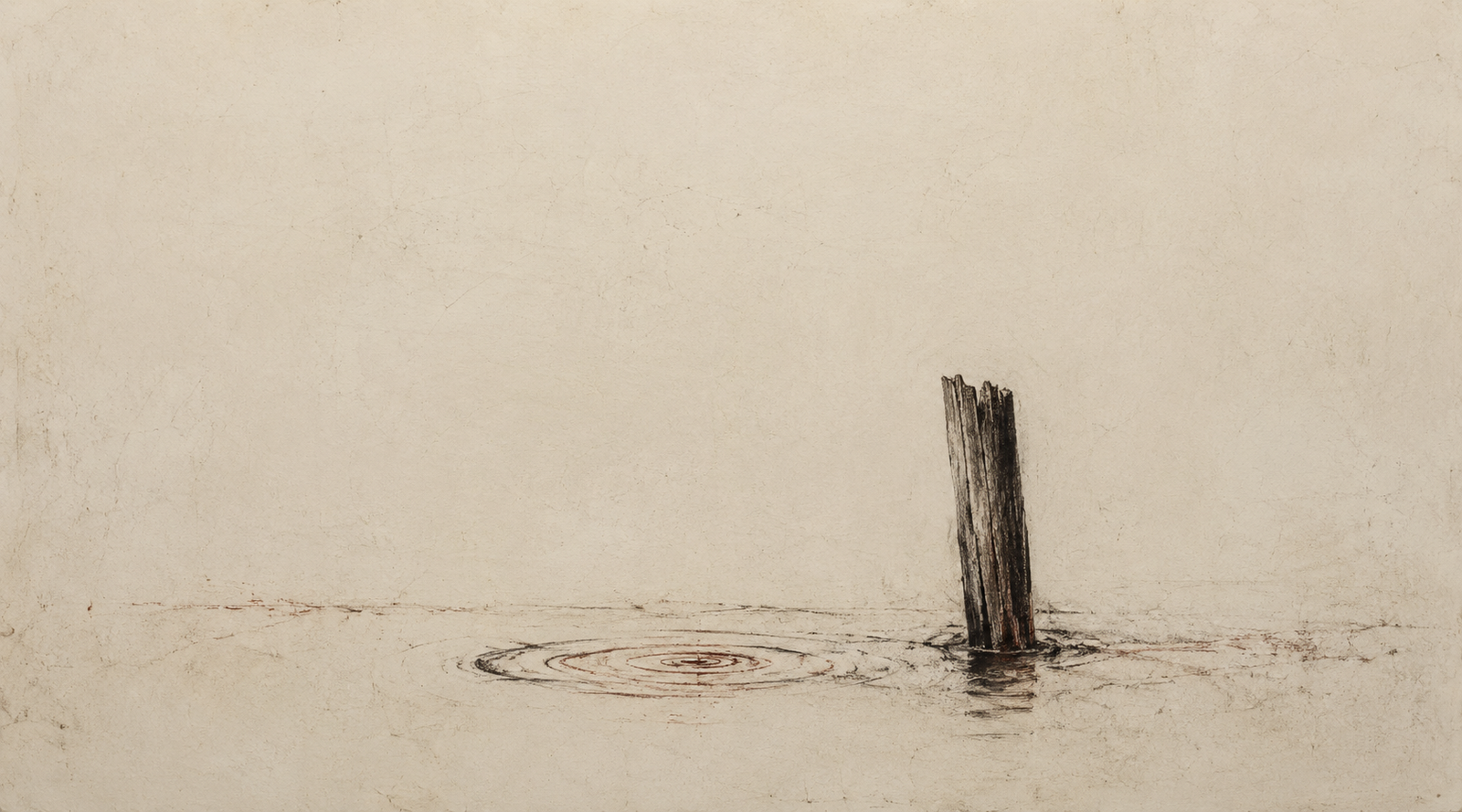
Some of Angkor’s most intimate ruins do not rise above the ground at all. They are postholes, low mounds, hearths and ponds: durable traces of a domestic city built largely from things that decay. To restore that city is to see Angkor not only as stone, but as wood, smoke, water, repair, and people living within calling distance.

$895
Kravan Temple, Angkor, Cambodia — 2020
Limited Edition Archival Pigment Print
Edition
Strictly limited to 7 prints + 2 Artist’s Proofs
Edition Number
This listing is for the first numbered print from the Large Collector Edition: 1/7
Medium
Hand-toned black-and-white archival pigment print on Hahnemühle Bamboo — a museum-grade fine art paper chosen for its quiet tactility and reverent depth, echoing the spirit of the temples.
Signature & Numbering
Each print is individually signed and numbered by the artist on the border (recto)
Certificate of Authenticity
Accompanies every print
Image Size
28 x 28 inches (71.1 x 71.1 cm)
A final breath of sun threads through the broken roof of Prasat Kravan and brushes Lakshmi into living gold. She emerges from the brick wall—not only as the goddess of wealth and beauty, but as the supreme Shakti, consort of Vishnu, and one third of the sacred Tridevi. Her arms open into blessing, her presence woven into the silence like a lamp still lit.
The chamber stills. The air holds centuries of incense, murmured prayers, and vanished flame. In that hush, I recognize not just sculpture but presence—offered, intact. I open the lens and let the moment settle into silver.
Captured on large-format black-and-white film, the image was later shaped through chiaroscuro and delicate hand-toning to restore the glow that dusk had granted. Printed on museum-grade Hahnemühle Bamboo paper, each print holds the warmth of that shrine, lovingly preserved. The edition is limited to twenty-five numbered impressions with two Artist’s Proofs.
Let this quiet ember of divine Shakti dwell as a radiant threshold in your space.
Click here to step into the Artist’s Journal and trace the path of her golden breath.
Previously titled ‘Lakshmi, Study 2, Kravan Temple, Angkor, Cambodia. 2020,’ this photograph has been renamed to better reflect its place in the series and its spiritual tone. The edition, provenance, and authenticity remain unchanged.