

A Silence Older Than Time
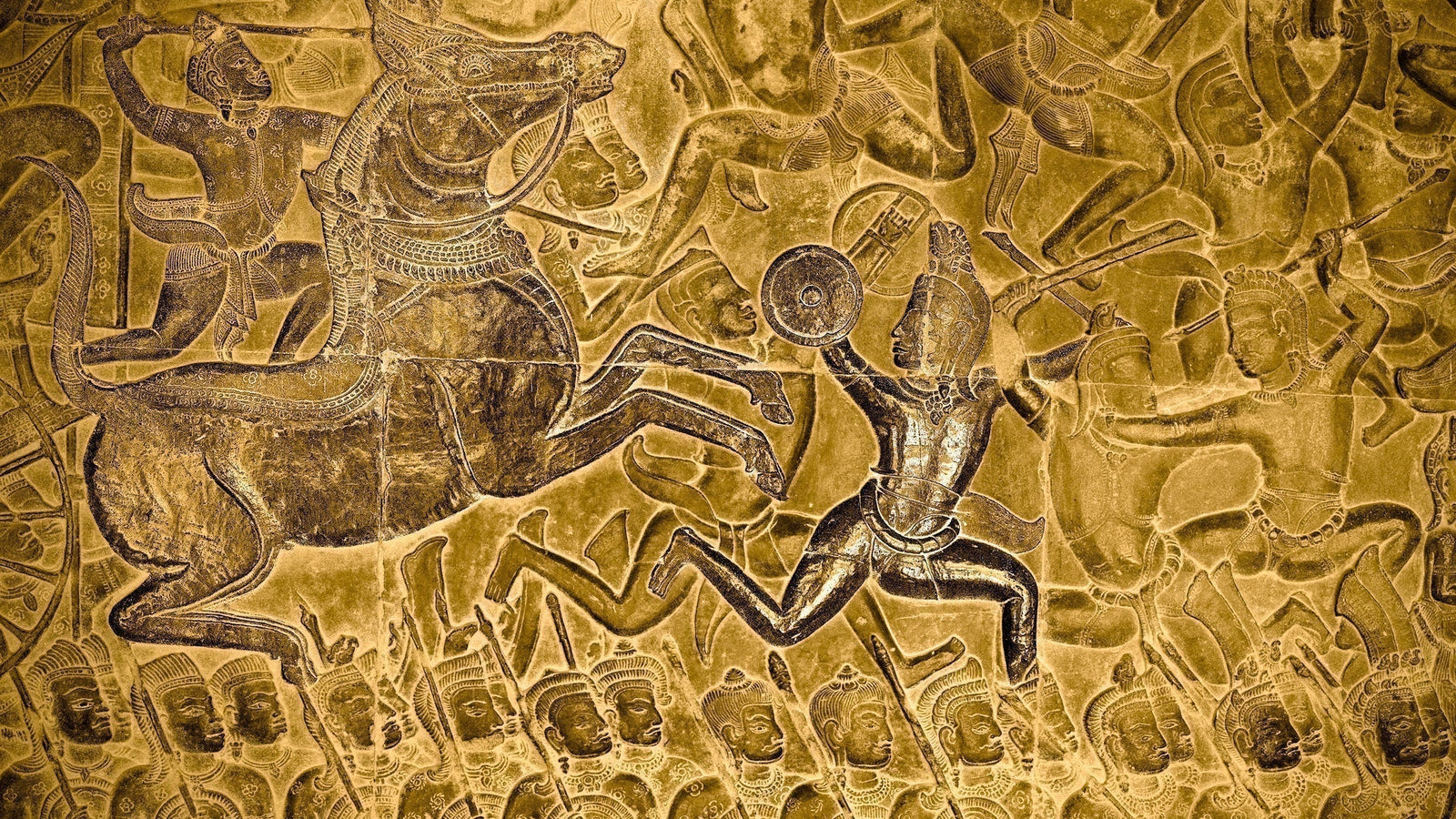
Light drifts across the relief
like breath upon water,
touching the fallen,
the fleeing,
the one who stands alone.
There are instants in the temple when the world forgets to move. In such a pause I stood, wrapped in resin-scented warmth and wing-beat hush. The frieze before me vibrated with withheld motion: horse mid-leap, warrior mid-fall, chariot mid-dream.
I did not press the shutter with intent; the image pressed itself into the silver. In that exchange, soundless iron and cooling embers returned—transformed into a single ambiguous stance: shield raised, but to what end? Surrender, awakening, or both.
Back in darkness, I treated the negative like a prayer bead—toning with quiet washes of gold to reveal, not embellish. The resulting print speaks with the breath between conflicts, the silence no victory can erase—a silence older than time.
More from the Library


See Also
A concise and impartial dictionary of absence, promises, quarrels, ordinary objects, and the troublesome instability of words.

The City of Service
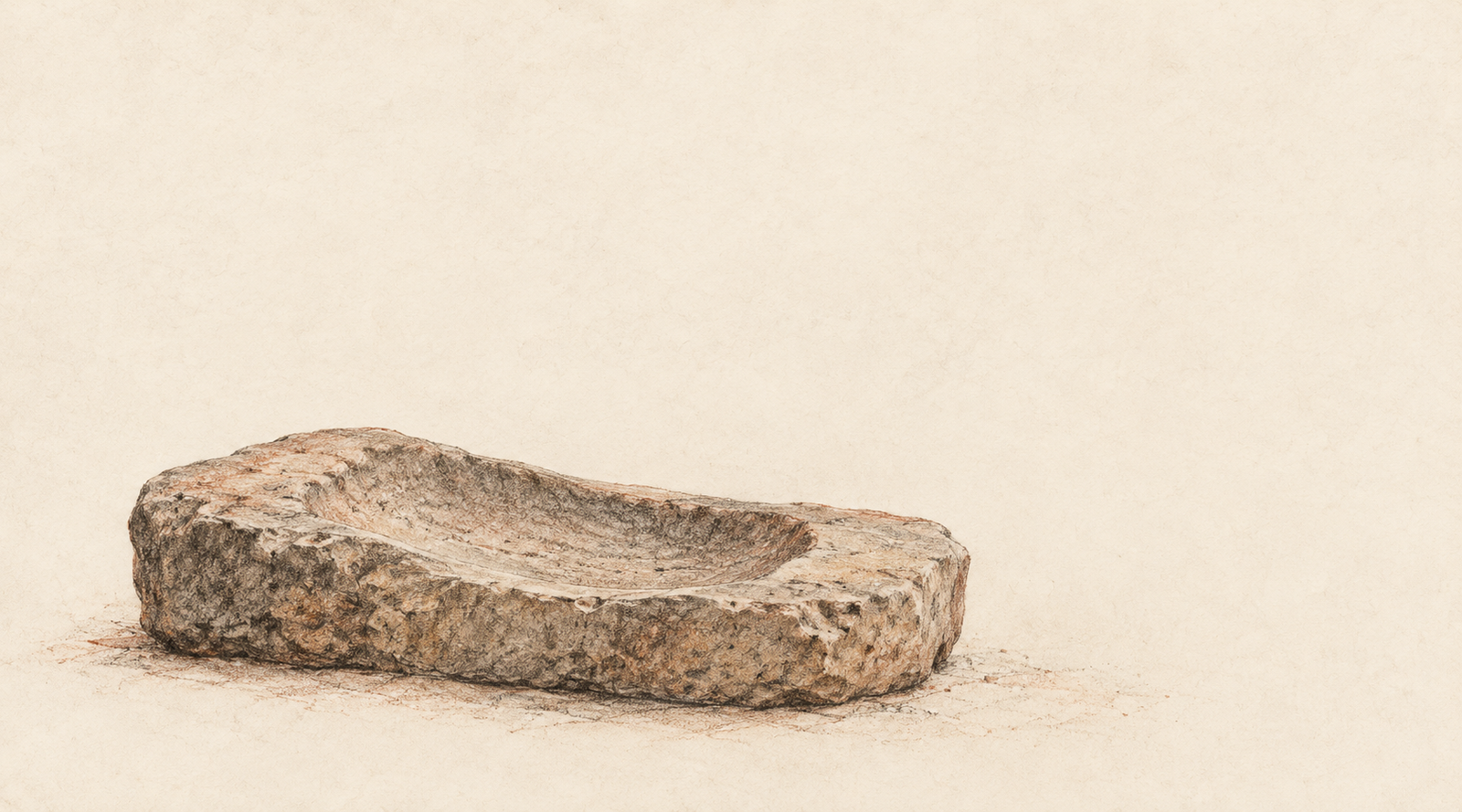
The temple we inherit is a building from which almost all necessity has been removed. Nothing must be brought for it to continue being what we call a temple. The sanctuary asks nothing of us. Stone is good at this kind of independence.
A living temple was otherwise.
Water had to come in. So did grain, cloth, oil, aromatic substances, fuel. The things required for worship arrived because someone carried them across a threshold.

Houses of Wood, Light, and Smoke
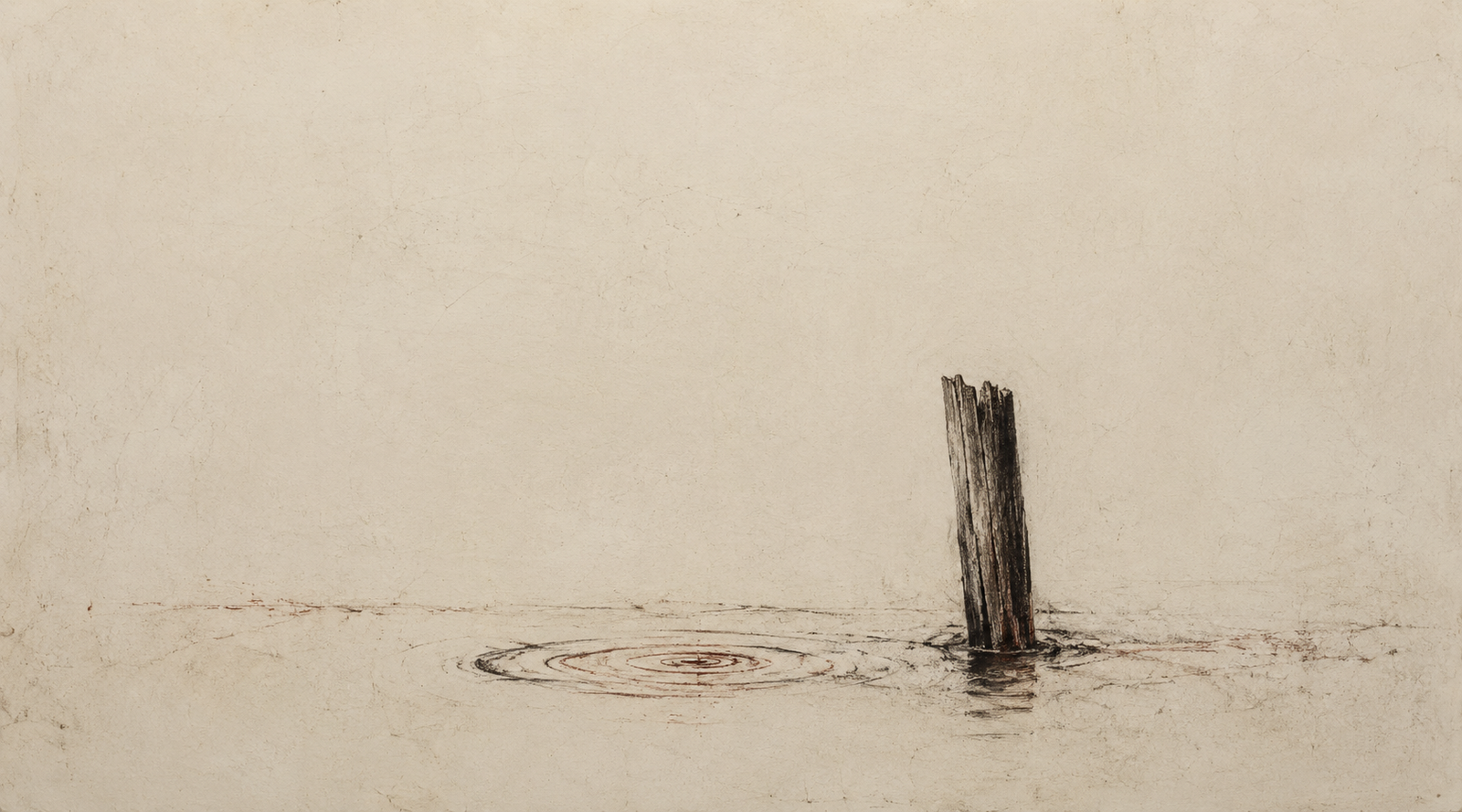
Some of Angkor’s most intimate ruins do not rise above the ground at all. They are postholes, low mounds, hearths and ponds: durable traces of a domestic city built largely from things that decay. To restore that city is to see Angkor not only as stone, but as wood, smoke, water, repair, and people living within calling distance.

$895
Angkor Wat Temple, Cambodia — 2020
Limited Edition Archival Pigment Print
Edition
Strictly limited to 7 prints + 2 Artist’s Proofs
Edition Number
This listing is for the first numbered print from the Large Collector Edition: 1/7
Medium
Hand-toned black-and-white archival pigment print on Hahnemühle Bamboo — a museum-grade fine art paper chosen for its quiet tactility and reverent depth, echoing the spirit of the temples.
Signature & Numbering
Each print is individually signed and numbered by the artist on the border (recto)
Certificate of Authenticity
Accompanies every print
Image Size
28 x 28 inches (71.1 x 71.1 cm)
“There is a radiance that survives the clang of swords.”
A golden hush settles upon Angkor Wat’s western gallery. Here, the mythical Battle of Kurukshetra no longer roars; it breathes. A lone warrior—shield lifted—stands in the after-silence where conflict surrenders to memory. Late-afternoon light glides across the relief, awakening an inner glow that seems to rise from the stone itself.
During a solitary visit in 2020, photographer Lucas Varro waited, listening for that subtle radiance. Exposing large-format black-and-white film in a single, patient breath, he received the scene rather than seized it. In the darkroom he coaxed warmth into silver, hand-toning each print with whispers of gold that echo the canopy-filtered light of that evening.
Printed on museum-grade Hahnemühle Bamboo, renowned for its velvety surface and sustainable heart, every sheet becomes a quiet sanctuary for tone and texture. Limited to 25 signed prints (+ 2 Artist’s Proofs), the work offers permanence not only in craft but in contemplative presence.
Should this image find its way to your wall, may it stand as a still point—an illuminated threshold where stone remembers, and light speaks without sound.
Follow the quiet path into the Artist’s Journal to wander deeper into this hush.
Previously titled ‘Battle of Kurukshetra I, Study II, Angkor Wat Temple, Cambodia. 2020,’ this photograph has been renamed to better reflect its place in the series and its spiritual tone. The edition, provenance, and authenticity remain unchanged.