

Axis of Dawn
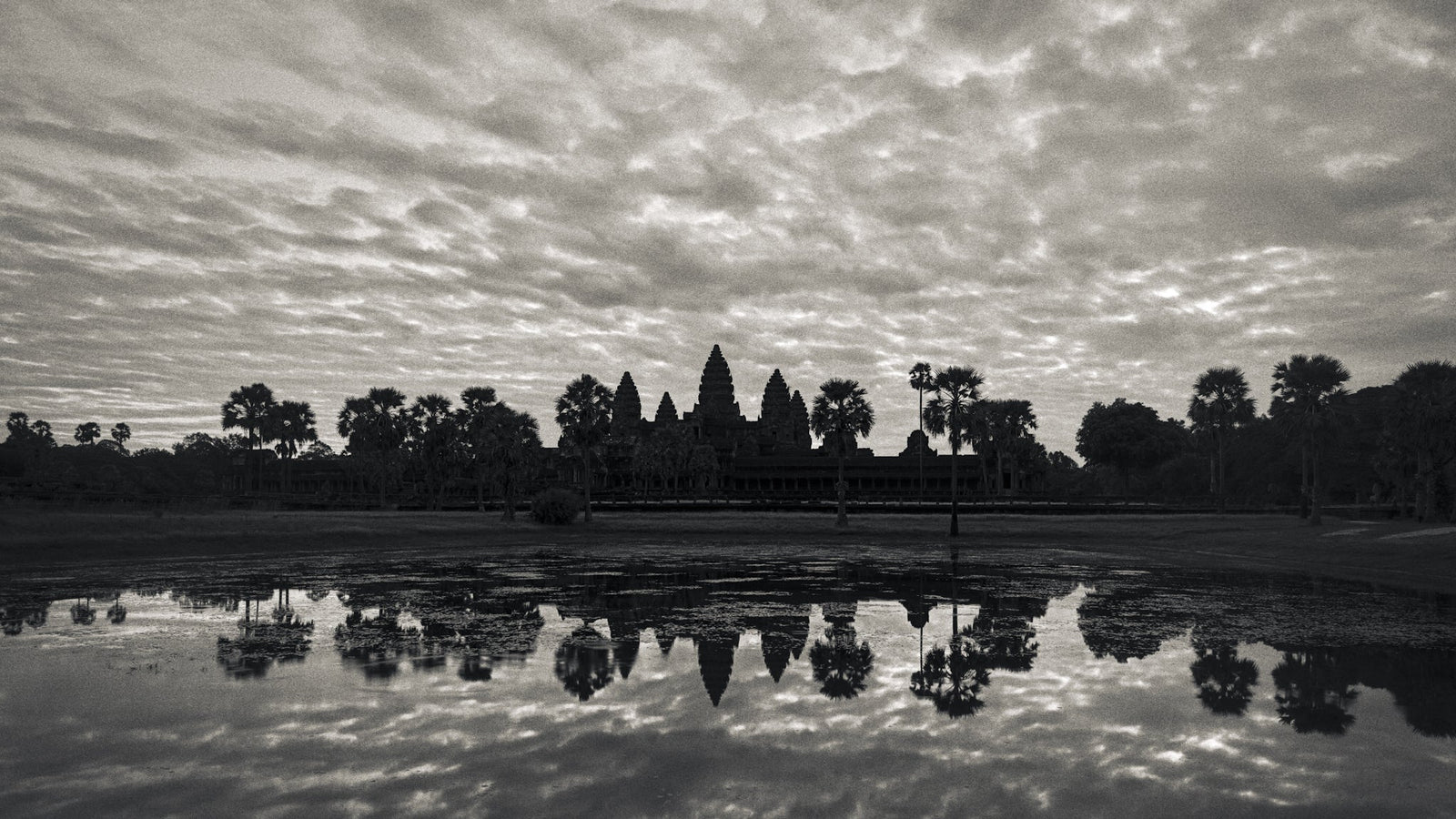
Before sun-rise, the towers of Angkor Wat do not rise; they are revealed—drawn upward by the slow brightening of cloud even as their twin silhouettes deepen upon the lotus pond. Lucas Varro stands motionless at water’s edge, camera poised, breath folded into the larger stillness. The long exposure that follows gathers cloud-drift, palm murmur, and stone prayer into one continuous filament of time.
Captured on 8 × 10 black-and-white negative, the scene moves next into the dim sanctuary of the studio. There, classical chiaroscuro and hand-toning transform technique into offering: shadows tempered like incense smoke, highlights cooled to the quiet of morning marble. Printed on warm-toned Hahnemühle Bamboo, the image carries the tactile memory of that predawn air.
Curatorially, Sacred Reflection functions as the axis mundi within the Spirit of Angkor series—a visible hinge where ascent meets descent, where Mount Meru’s symbolism and its water-borne echo form a mandala of unity. The print’s symmetry invites meditative regard: to gaze is to be momentarily suspended between heaven’s unfolding and earth’s recall.
For collectors, rarity intertwines with devotion. The edition is limited to 25 archival pigment prints plus 2 Artist’s Proofs, each signed and numbered on the border recto and accompanied by a Certificate of Authenticity. Acquiring the piece is less possession than guardianship of a stillness that will not repeat. Place it where dawn’s hush is welcome, and the mirror of quiet will remain.
More from the Library


See Also
A concise and impartial dictionary of absence, promises, quarrels, ordinary objects, and the troublesome instability of words.

The City of Service
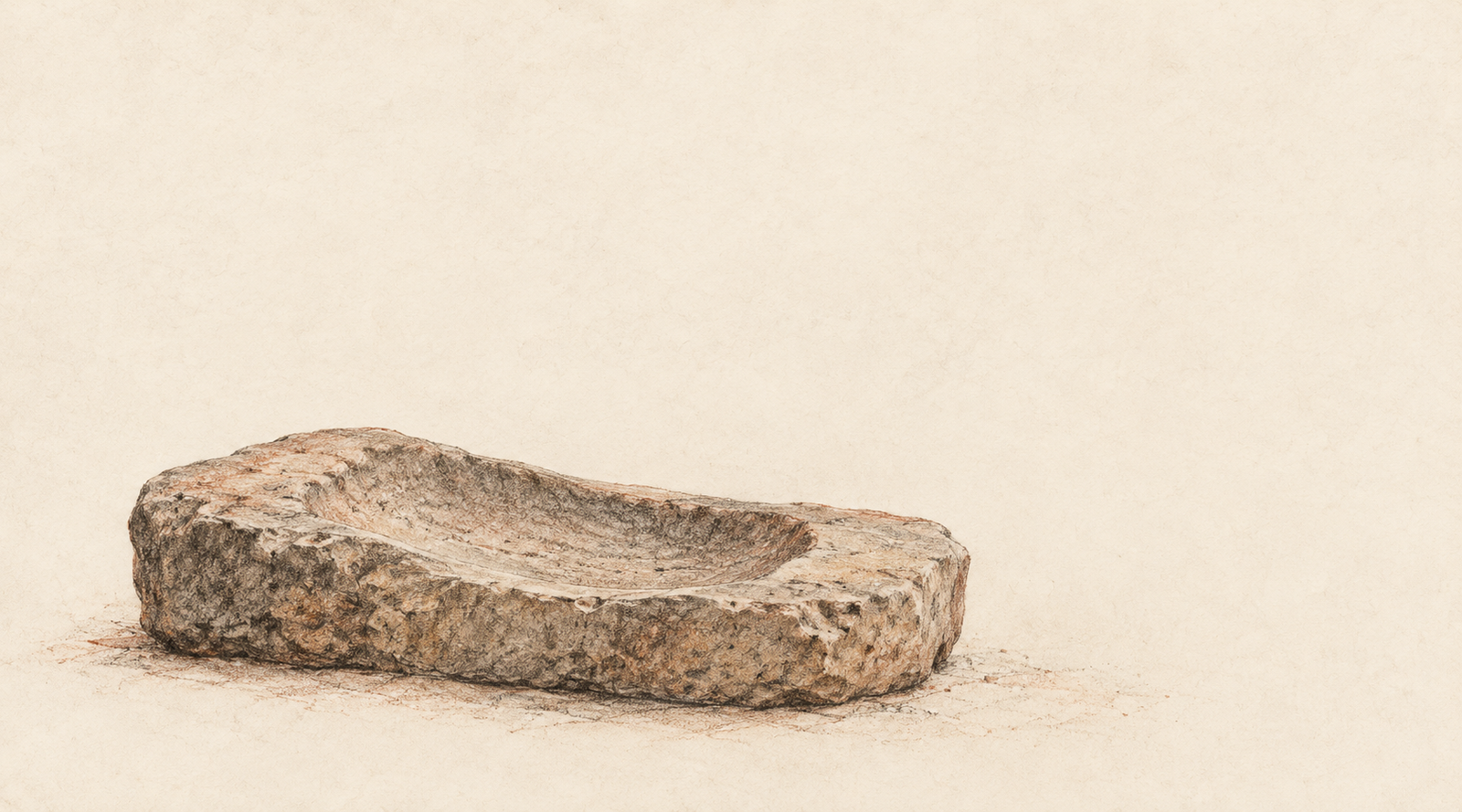
The temple we inherit is a building from which almost all necessity has been removed. Nothing must be brought for it to continue being what we call a temple. The sanctuary asks nothing of us. Stone is good at this kind of independence.
A living temple was otherwise.
Water had to come in. So did grain, cloth, oil, aromatic substances, fuel. The things required for worship arrived because someone carried them across a threshold.

Houses of Wood, Light, and Smoke
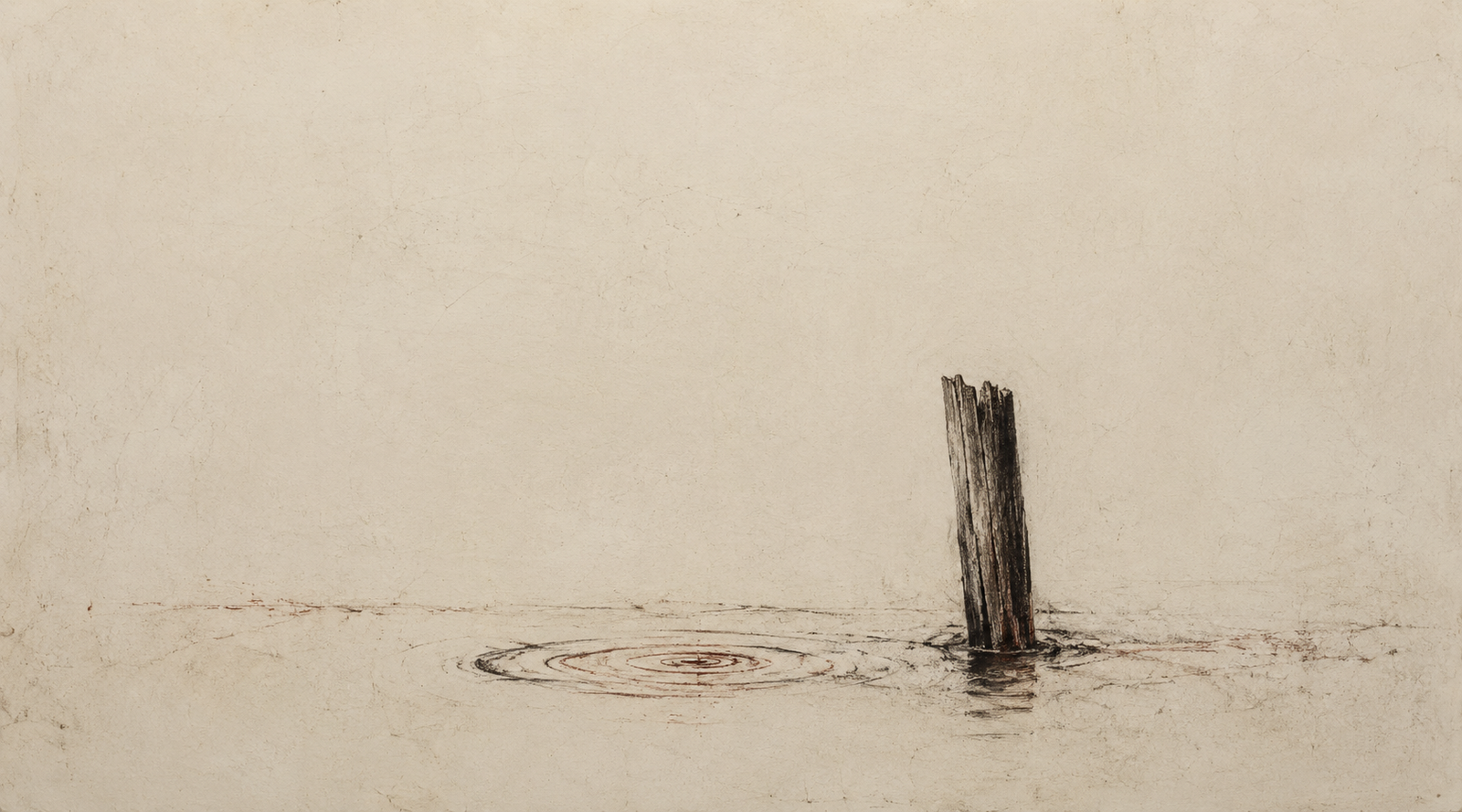
Some of Angkor’s most intimate ruins do not rise above the ground at all. They are postholes, low mounds, hearths and ponds: durable traces of a domestic city built largely from things that decay. To restore that city is to see Angkor not only as stone, but as wood, smoke, water, repair, and people living within calling distance.

$895
Angkor Wat Temple, Angkor, Cambodia — 2020
Limited Edition Archival Pigment Print
Edition
Strictly limited to 7 prints + 2 Artist’s Proofs
Edition Number
This listing is for the first numbered print from the Large Collector Edition: 1/7
Medium
Hand-toned black-and-white archival pigment print on Hahnemühle Bamboo — a museum-grade fine art paper chosen for its quiet tactility and reverent depth, echoing the spirit of the temples.
Signature & Numbering
Each print is individually signed and numbered by the artist on the border (recto)
Certificate of Authenticity
Accompanies every print
Image Size
28 x 28 inches (71.1 x 71.1 cm)
Dawn enters on a breath so soft it barely stirs the palms. Over the lotus pond, the five towers of Angkor Wat rise not in stone, but in reflection—sky doubling back into water, memory leaning toward form.
The hush is complete. Wind holds its voice. Light kneels. In this early hour, Lucas Varro stood unseen, lens poised at the water’s edge. Reverence guided the exposure—a slow inhalation of the moment as the towers drifted into mirrored stillness.
Captured on 8×10 black-and-white film, the image was later shaped in the darkroom through classical chiaroscuro and hand-toned with care. Shadow and light were coaxed gently forward, honoring the atmosphere of that silent hour.
Each impression is a museum-grade archival pigment print on sustainable Hahnemühle Bamboo, limited to 25 prints with 2 Artist’s Proofs, signed and numbered on the border recto.
Let this reflection become the still water of your interior shrine.
To step softly into the hush of mirrored dawn, click here and enter the Artist’s Journal.
Previously titled ‘Dawn Reflection, Angkor Wat Temple, Cambodia. 2020,’ this photograph has been renamed to better reflect its place in the series and its spiritual tone. The edition, provenance, and authenticity remain unchanged.