
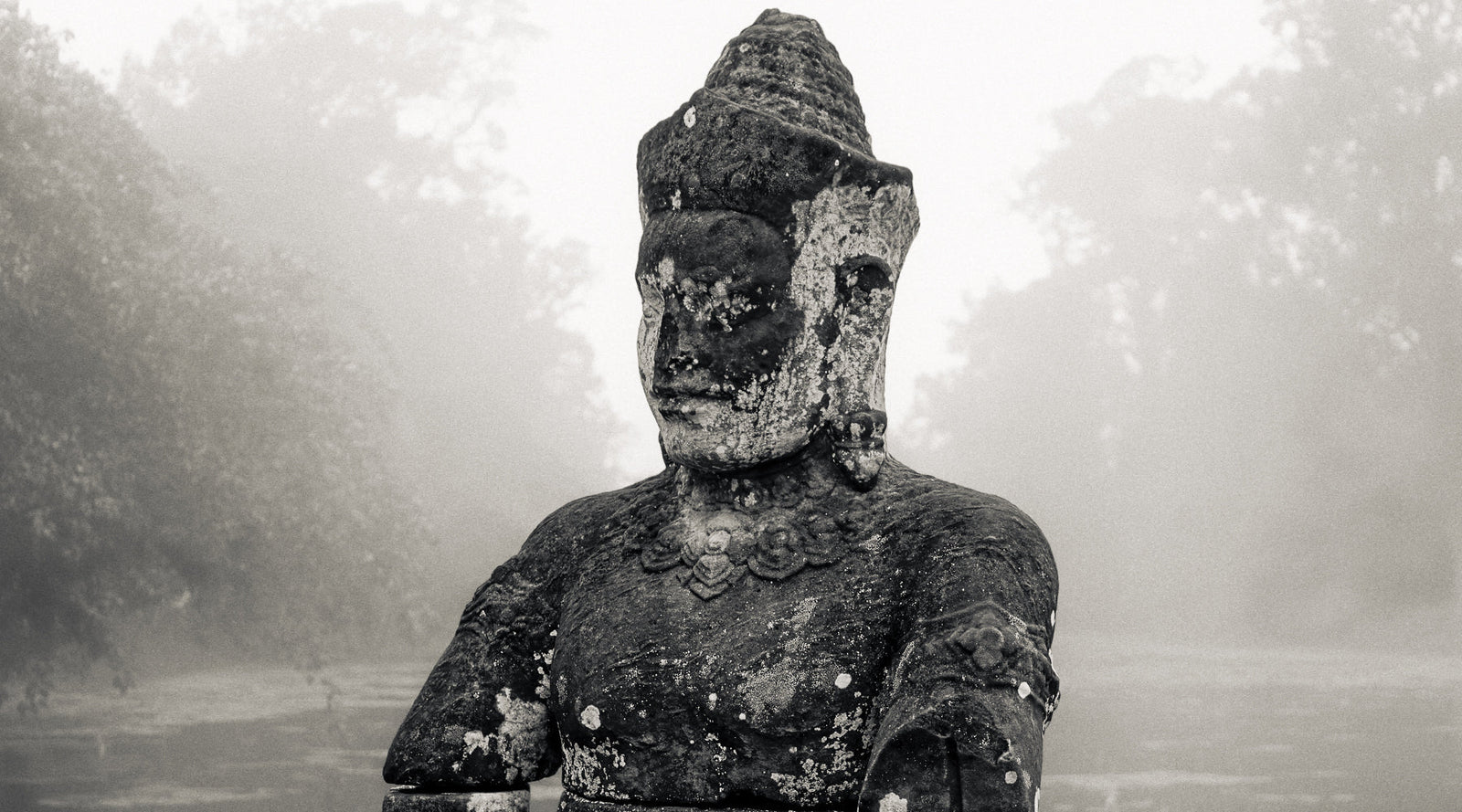

Breath Held in Stone
The trees did not speak. Even the wind withdrew, letting only the mist breathe. The moat received the silence without a ripple. The Deva stood at the threshold—not protecting, not commanding, simply there. His lean was not a gesture. It was listening.
Though his arms were worn by time, they still rested around the naga Vasuki—as if not restraining but remembering. This was not the posture of defence, but of devotion.
In the darkroom, I remembered that silence. I did not shape it into a print. I returned to it, again and again, coaxing the shadows until they softened like breath returning to a body.
His arm does not guard.
It listens. Rests.His torso leans like memory
into the unseen—
not broken, but softened
by centuries of quiet rain.The naga coils at his side.
They are joined still.
Not by force,
but by remembrance.Mist does not hide them.
It anoints.
More from the Library


See Also
A concise and impartial dictionary of absence, promises, quarrels, ordinary objects, and the troublesome instability of words.
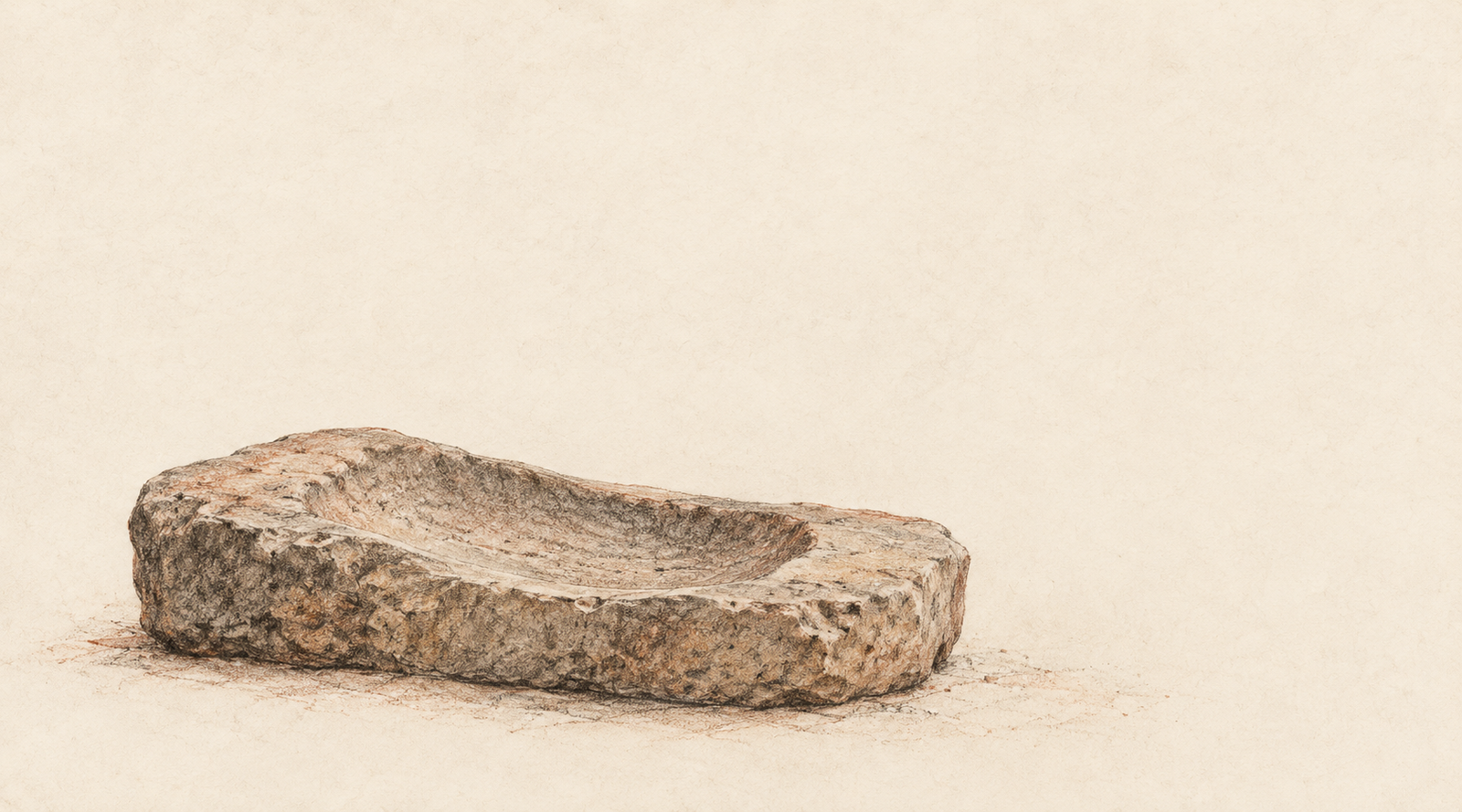

The City of Service
The temple we inherit is a building from which almost all necessity has been removed. Nothing must be brought for it to continue being what we call a temple. The sanctuary asks nothing of us. Stone is good at this kind of independence.
A living temple was otherwise.
Water had to come in. So did grain, cloth, oil, aromatic substances, fuel. The things required for worship arrived because someone carried them across a threshold.
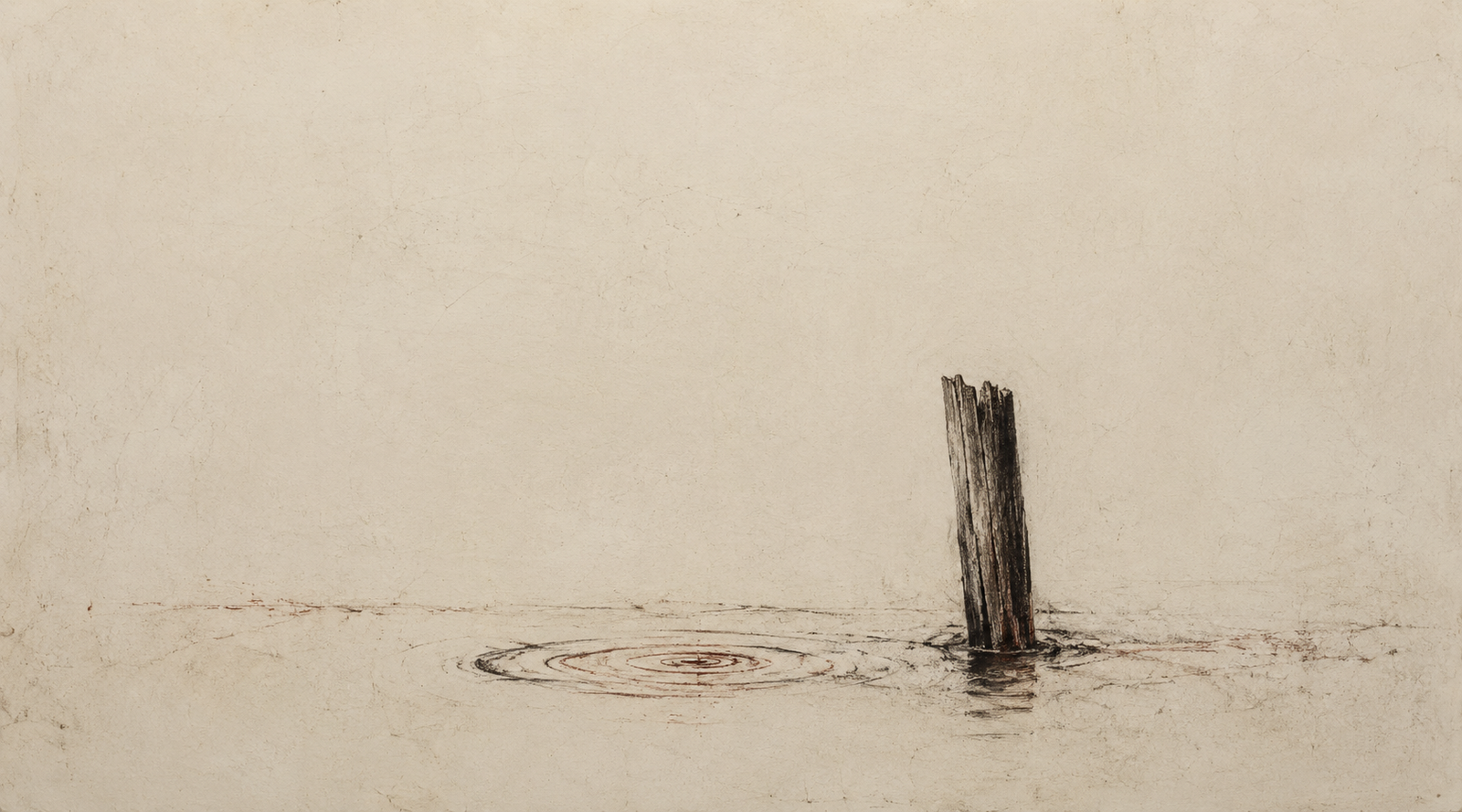

Houses of Wood, Light, and Smoke
Some of Angkor’s most intimate ruins do not rise above the ground at all. They are postholes, low mounds, hearths and ponds: durable traces of a domestic city built largely from things that decay. To restore that city is to see Angkor not only as stone, but as wood, smoke, water, repair, and people living within calling distance.

$895
Preah Khan Temple, Angkor, Cambodia — 2024
Limited Edition Archival Pigment Print
Edition
Strictly limited to 7 prints + 2 Artist’s Proofs
Edition Number
This listing is for the first numbered print from the Large Collector Edition: 1/7
Medium
Hand-toned black-and-white archival pigment print on Hahnemühle Bamboo — a museum-grade fine art paper chosen for its quiet tactility and reverent depth, echoing the spirit of the temples.
Signature & Numbering
Each print is individually signed and numbered by the artist on the border (recto)
Certificate of Authenticity
Accompanies every print
Image Size
28 x 28 inches (71.1 x 71.1 cm)
The morning opens like a held breath over Preah Khan, mist unraveling across the moat until stone and water share the same hush. A guardian Deva—scarred by centuries yet unbowed—leans toward the unseen, his remaining arms still gently encircling the naga Vasuki, his silence deeper than the water below.
In that pale interval before birdsong, Lucas Varro stood motionless, feeling the statue’s weathered poise reflect the stillness within his own chest. The lens became less an instrument than a listening ear, attending to the syllables of light as they brushed lichen-flecked skin.
Captured on medium-format analogue black-and-white film with a long exposure that welcomed the drifting vapor, the negative journeyed home to the darkroom. There, classical chiaroscuro guided shadows into dimension, and careful hand-toning breathed warmth into silver so the final print might pulse with the same quiet awe that stirred beside the moat.
Printed as a museum-grade archival pigment work on sustainable Hahnemühle Bamboo paper and restricted to twenty-five numbered prints with two Artist’s Proofs, each sheet embodies a vow of presence and rarity.
Welcome this vigil of quiet stone.
Click here to follow the misted path into the Artist’s Journal.