

Listening Between Stone and Dawn
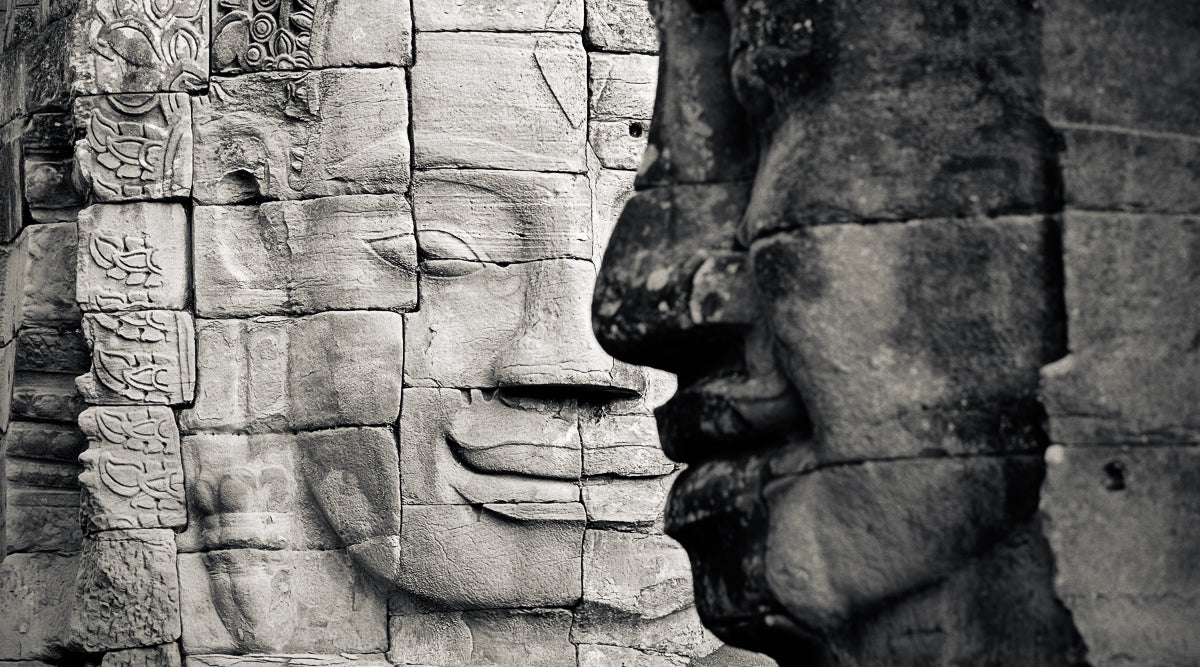
Moss beneath my soles, damp and cool. A lone bird calls, then vanishes into grey. I wait in the hush before sun. Two faces emerge: one dark, one luminous. Not statues, but presences—aware, enduring, impossibly kind.
I do not frame them. I am framed by them. I become the camera’s stillness, its breath.
Face to face with centuries,
I walk the breathline
between stone and rising light.Dust of lost devotions
settles on my tongue—
warm iron,
silent chant,
a root gripping deeper into shadow.One carved mouth leans
into its dawn-lit twin;
something passes between them—
not speech,
but knowing.
Later, in the darkroom, I will follow this same rhythm—one of devotion, not technique. What passes between stone becomes silver. What remains is breath.
More from the Library


See Also
A concise and impartial dictionary of absence, promises, quarrels, ordinary objects, and the troublesome instability of words.

The City of Service
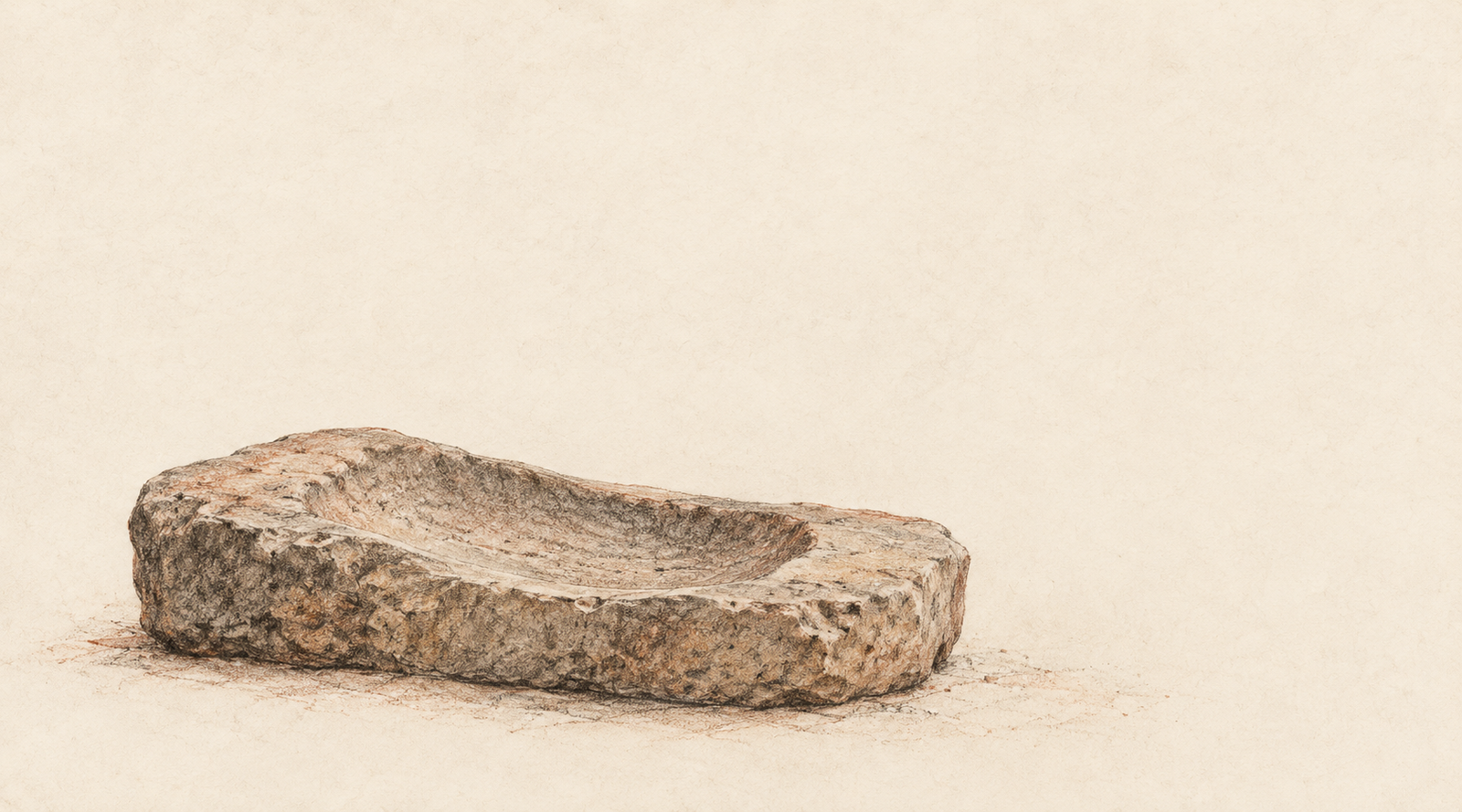
The temple we inherit is a building from which almost all necessity has been removed. Nothing must be brought for it to continue being what we call a temple. The sanctuary asks nothing of us. Stone is good at this kind of independence.
A living temple was otherwise.
Water had to come in. So did grain, cloth, oil, aromatic substances, fuel. The things required for worship arrived because someone carried them across a threshold.

Houses of Wood, Light, and Smoke
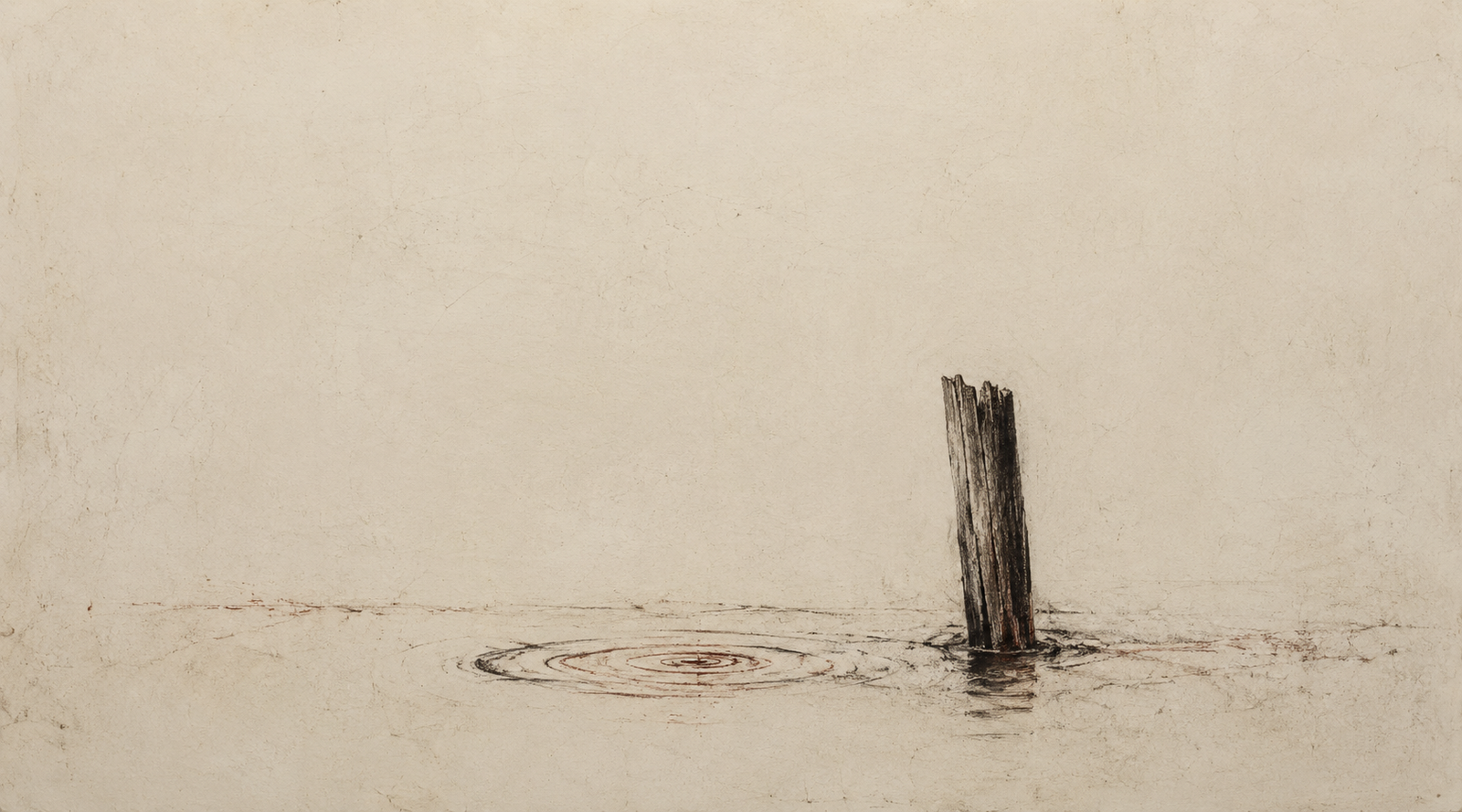
Some of Angkor’s most intimate ruins do not rise above the ground at all. They are postholes, low mounds, hearths and ponds: durable traces of a domestic city built largely from things that decay. To restore that city is to see Angkor not only as stone, but as wood, smoke, water, repair, and people living within calling distance.

$395
Bayon Temple, Angkor, Cambodia — 2018
Limited Edition Archival Pigment Print
Edition
Strictly limited to 15 prints + 2 Artist’s Proofs
Edition Number
This listing is for print 9/15 from the 12-inch Intimate Collector Edition.
Medium
Hand-toned black-and-white archival pigment print on Hahnemühle Bamboo — a museum-grade fine art paper chosen for its quiet tactility, warm natural tone, and reverent depth.
Signature & Numbering
Individually signed and numbered by the artist on the border (recto)
Certificate of Authenticity
Accompanies every print
Image Size
12 × 12 inches (30.5 × 30.5 cm)
Dawn gathers in Bayon’s corridors like water in a stone bowl, cool and unhurried. Two faces emerge from the worn architecture: one held in pale morning light, the other passing through shadow at the edge of sight. Their exchange feels less like carving than thought made visible — stone remembering itself in silence.
This intimate collector edition asks to be approached closely. At twelve inches square, the image does not command the room; it draws the body nearer. The viewer stands before the print almost face to face, close enough to enter the grain of weathered stone, the softness of worn lips, the dark hush between one profile and another. At this scale, Bayon becomes a quiet shrine of attention.
I pressed the shutter only when my breathing seemed to match the temple’s. Medium-format black-and-white film received the moment’s slow cadence; in the darkroom, shadow and glow were drawn into balance until the two faces seemed to hold one another across time. Hand-toning followed, giving each print its own quiet pulse.
Printed on Hahnemühle Bamboo, signed, numbered, and accompanied by a certificate of authenticity, this fifth numbered print from the 12-inch edition is prepared as a small threshold of reflection: a piece of Bayon’s dawn held close enough for silence to deepen.
May it find the wall where your own stillness waits.
Enter the Artist’s Journal to walk deeper into the hush behind this image.
Previously titled ‘Face Towers I, Bayon Temple, Angkor, Cambodia. 2018,’ this photograph has been renamed to better reflect its place in the series and its spiritual tone. The edition, provenance, and authenticity remain unchanged.