


Stone-Root Symphony: A Curatorial Reflection
“To endure together is to pray together.”
Before the eastern gopura of Ta Prohm, a centuries-old spung tree clasps fractured sandstone the way a monk gathers his robe—tightly, reverently, without haste. Lucas Varro arrived before dawn, letting the long shutter breathe in mist, bird-song, and the metallic scent of rain-washed stone. Medium-format black-and-white film became a chalice for what cannot be catalogued by sight alone: the slow exhalation where living root merges with carved wall.
In the darkroom, chiaroscuro is practised like liturgy. Highlights are restrained, shadows opened the way temple doors part at sunrise—just wide enough to admit the first oblique beam. Gold toning then tempers the cool silver, recalling the quiet warmth nestled beneath bark and within sandstone pores. The resulting print negotiates a balance familiar to Khmer cosmology: Mount Meru rising even as it erodes, permanence twined inseparably with decay.
Within the Spirit of Angkor cycle, this photograph marks a fulcrum. Earlier images lean toward architectural clarity; later works explore near-abstraction. The Silence Between Root and Stone inhabits the hinge, showing structure dissolving into growth without either surrendering identity. For curators, it provides a visual thesis: that Angkor’s genius lies in dialogue, not dominance, between built and born forms.
For collectors, the finished work offers a rarer dialogue still. Each 8 × 8-inch impression, printed on Hahnemühle Bamboo paper—fibres half forest, half parchment—is signed and numbered: twenty-five prints, two artist’s proofs. To bring one home is less acquisition than stewardship. The image will occupy a wall with quiet authority, reminding the room that endurance is never solitary; it is shared breath, shared silence, shared light.
More from the Library


See Also
A concise and impartial dictionary of absence, promises, quarrels, ordinary objects, and the troublesome instability of words.

The City of Service
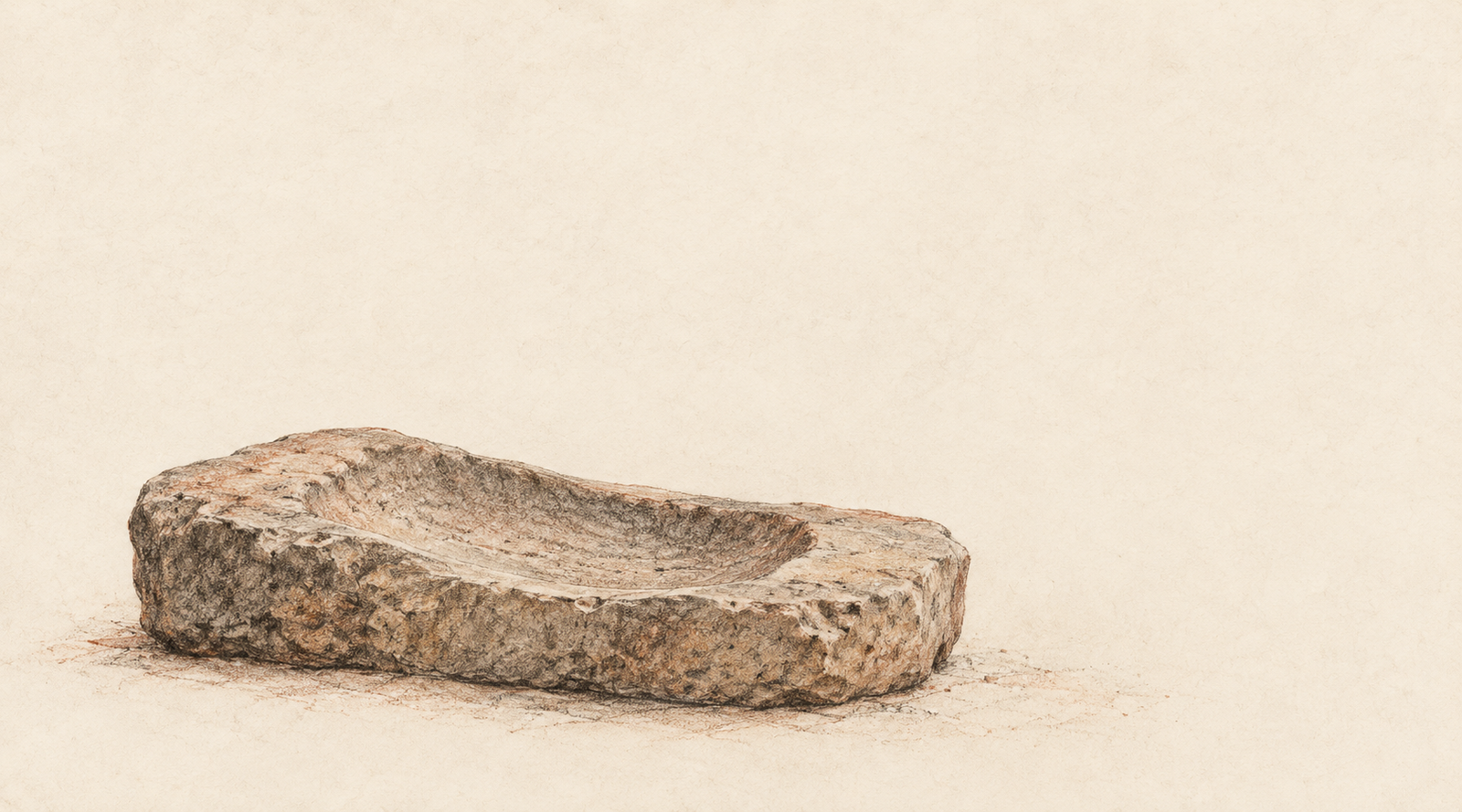
The temple we inherit is a building from which almost all necessity has been removed. Nothing must be brought for it to continue being what we call a temple. The sanctuary asks nothing of us. Stone is good at this kind of independence.
A living temple was otherwise.
Water had to come in. So did grain, cloth, oil, aromatic substances, fuel. The things required for worship arrived because someone carried them across a threshold.

Houses of Wood, Light, and Smoke
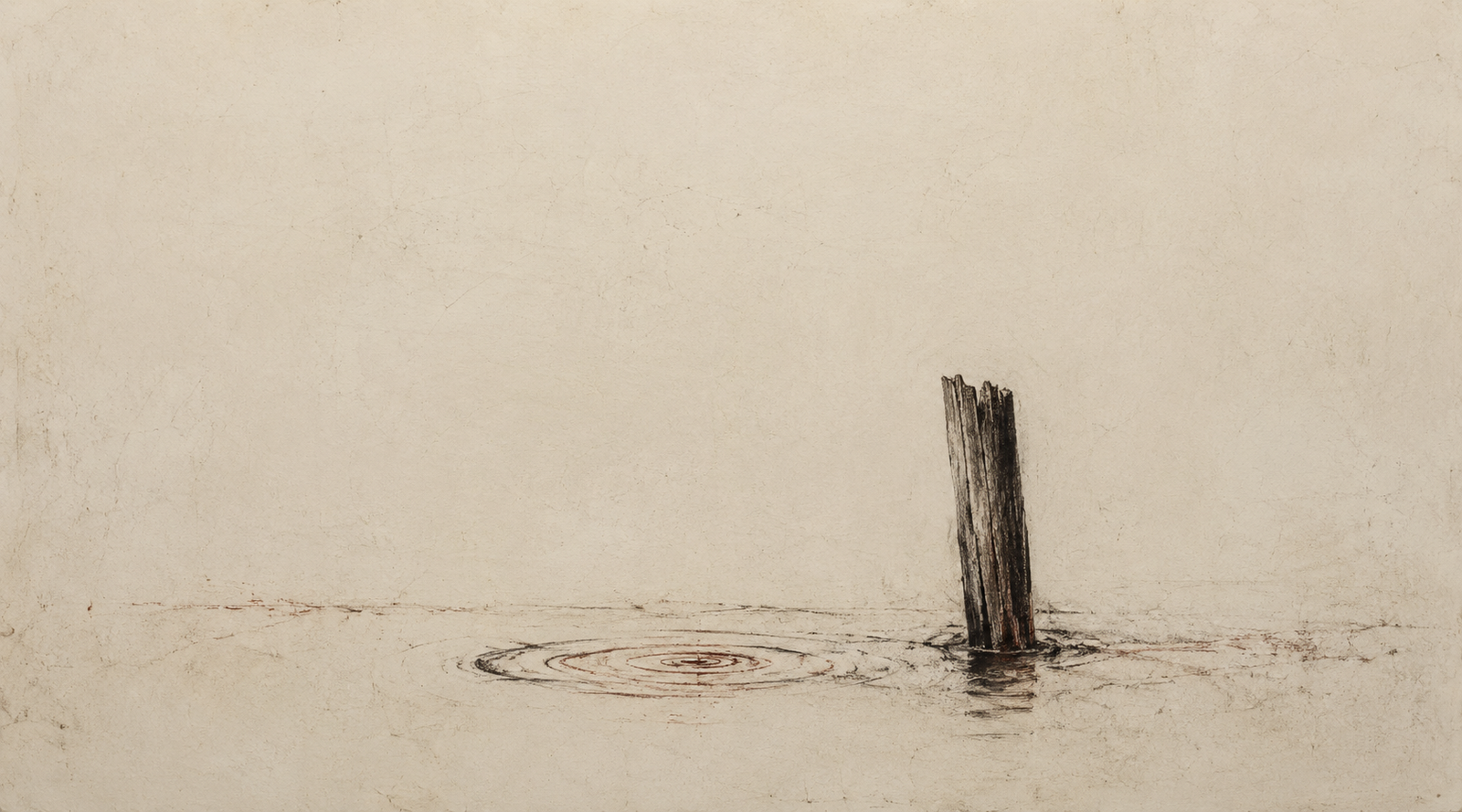
Some of Angkor’s most intimate ruins do not rise above the ground at all. They are postholes, low mounds, hearths and ponds: durable traces of a domestic city built largely from things that decay. To restore that city is to see Angkor not only as stone, but as wood, smoke, water, repair, and people living within calling distance.

$895
Ta Prohm Temple, Angkor, Cambodia — 2020
Limited Edition Archival Pigment Print
Edition
Strictly limited to 7 prints + 2 Artist’s Proofs
Edition Number
This listing is for the first numbered print from the Large Collector Edition: 1/7
Medium
Hand-toned black-and-white archival pigment print on Hahnemühle Bamboo — a museum-grade fine art paper chosen for its quiet tactility and reverent depth, echoing the spirit of the temples.
Signature & Numbering
Each print is individually signed and numbered by the artist on the border (recto)
Certificate of Authenticity
Accompanies every print
Image Size
28 x 28 inches (71.1 x 71.1 cm)
Mist still clings to the crumbling gate when the first breath of dawn slides between trees, lighting the spung’s vast roots like slow-moving water turned to wood. Stone and bark share one pulse; silence settles over their entwined bodies as though the jungle itself were praying.
Standing alone in that pale hush, Lucas Varro felt the temple inhale his presence, then exhale memory back through dripping leaves. Each droplet, each moss-soft contour became a syllable in an unspoken mantra the camera was called to receive.
Medium-format black-and-white film opened for the length of a whispered prayer, letting shadow unfold its depths. Weeks later, under darkroom glow, chiaroscuro revealed the subtle topography of moist stone. Gold hand-toning lent warmth to the midtones, creating a print that seems to breathe when light falls across it.
Strictly limited to twenty-five prints with two artist’s proofs, each 8 × 8 inch impression is signed on the border recto and born on sustainable Hahnemühle Bamboo paper—its gentle fibres echoing the living grain of root and wall.
Welcome this stillness; let it gather its hush in the quiet heart of your space.
Click here to walk deeper into the dawn-lit silence of the Artist’s Journal.