

When Light Touched Her Wrist
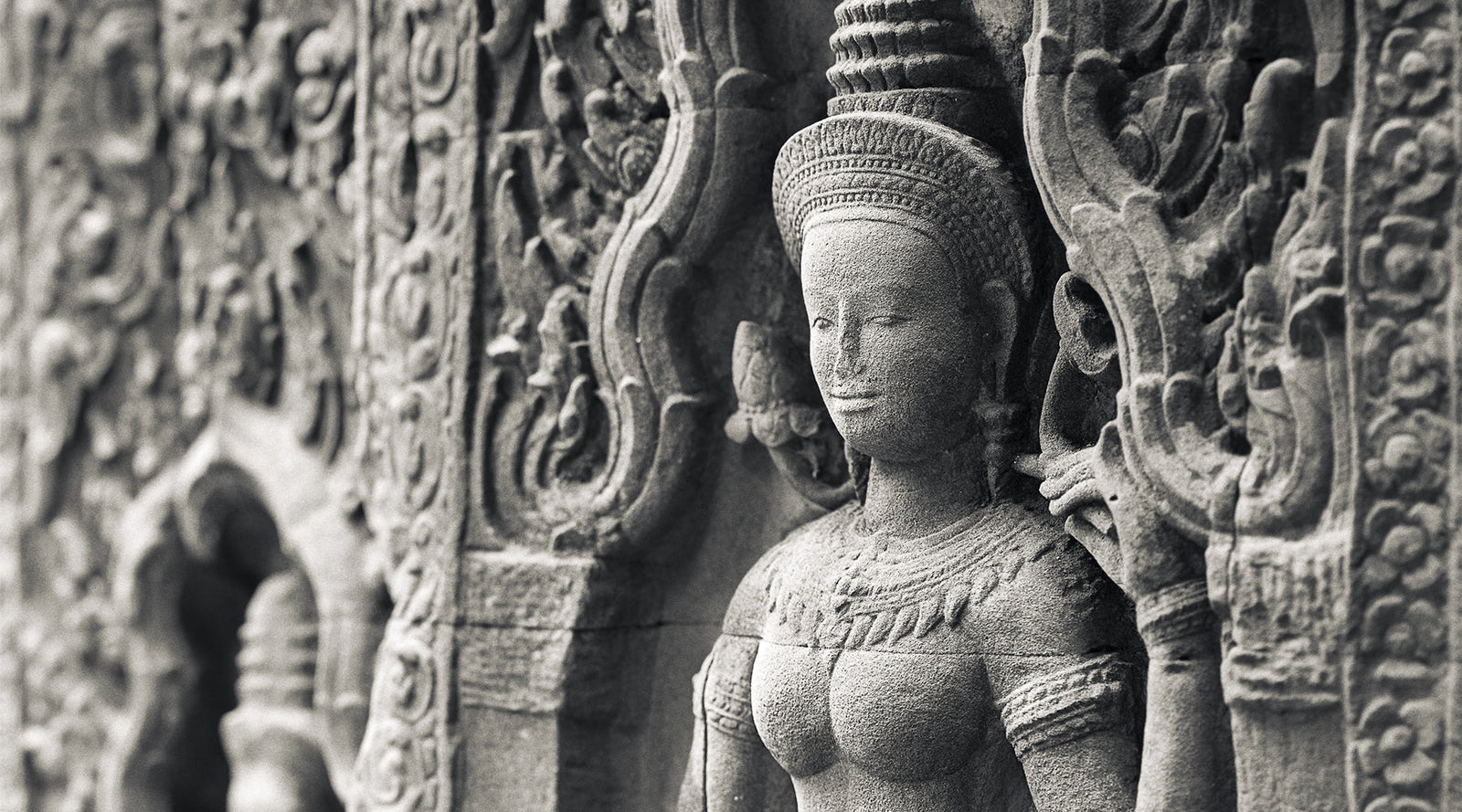
A fine mist clung to the stone. Even the leaves seemed to hold their breath. I paused at the edge of the western gallery, where a corridor folds inward like prayer. Her form waited just ahead—half in shadow, half in becoming.
I did not move toward her at once. I stood and watched. Her hand, her brow, the soft lean of her shoulder had all been smoothed by time, as though rain had re-sculpted her in its own slow language. It was not reverence I felt, but something quieter—older. A sorrowful grace, as if beauty and impermanence had become one body.
The camera hung at my side. When I finally raised it, I did so gently, letting her image settle onto the ground glass. The light reached her wrist. That was the moment I waited for.
The photograph was an act of stillness. The poem came later.
She leaned into light
as if it had spoken her name—
softly, from across
the centuries.Not carved,
but weathered into being—
like a hymn remembered
by stone.Rain had touched her lips.
Time had kissed
the sharpness from her brow.
What remained
was presence.Not perfection—
but the mercy of enduring
with grace.
More from the Library


See Also
A concise and impartial dictionary of absence, promises, quarrels, ordinary objects, and the troublesome instability of words.

The City of Service
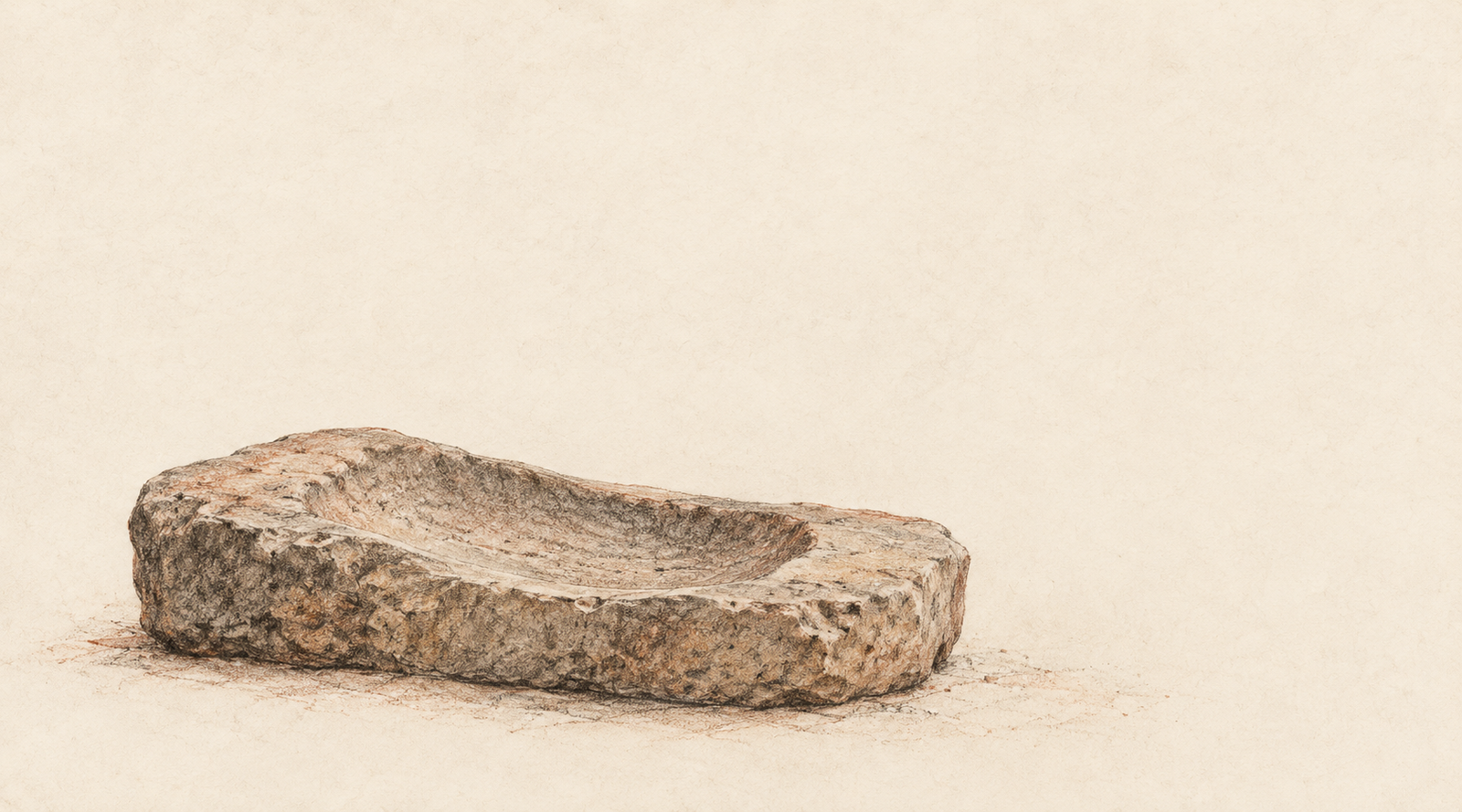
The temple we inherit is a building from which almost all necessity has been removed. Nothing must be brought for it to continue being what we call a temple. The sanctuary asks nothing of us. Stone is good at this kind of independence.
A living temple was otherwise.
Water had to come in. So did grain, cloth, oil, aromatic substances, fuel. The things required for worship arrived because someone carried them across a threshold.

Houses of Wood, Light, and Smoke
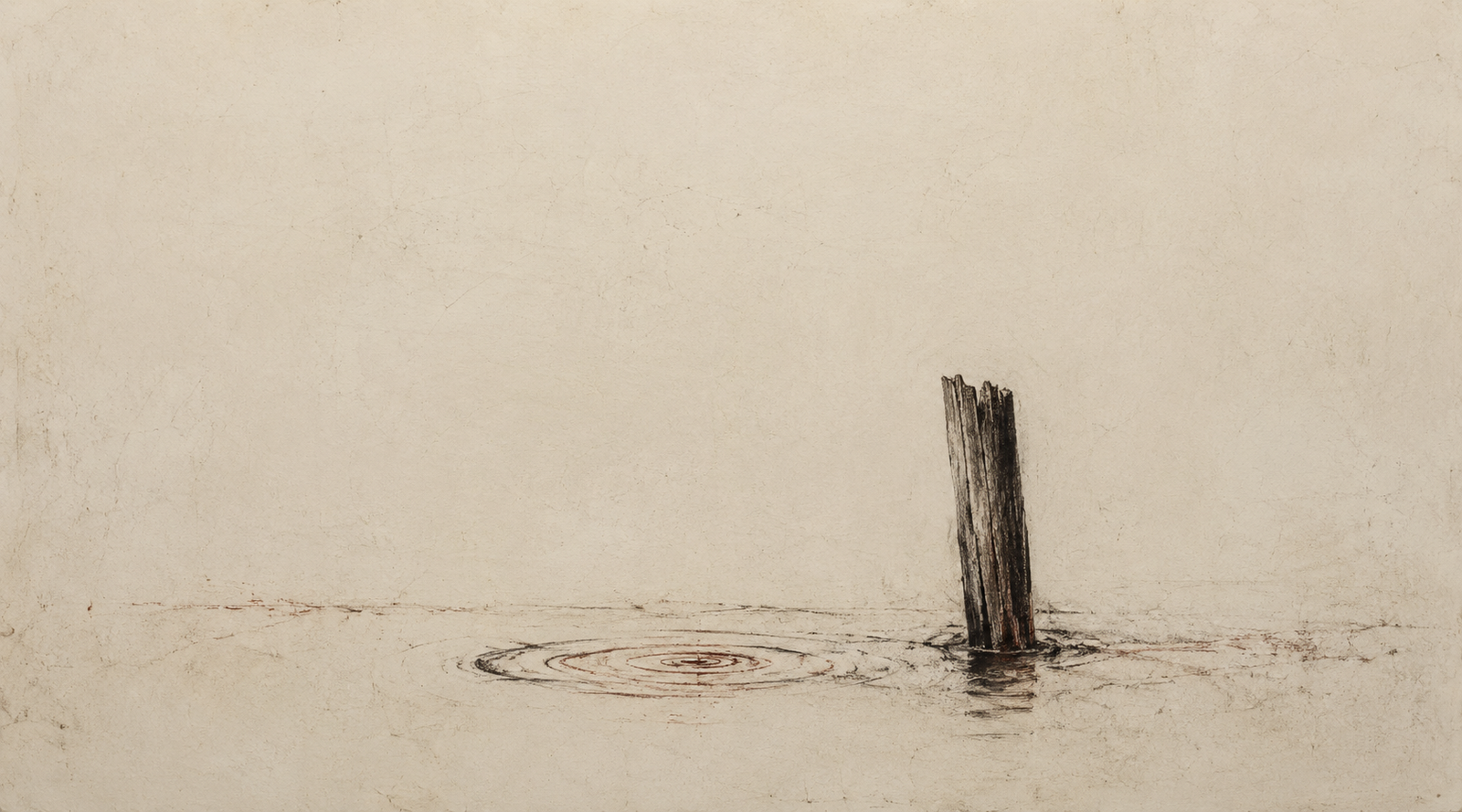
Some of Angkor’s most intimate ruins do not rise above the ground at all. They are postholes, low mounds, hearths and ponds: durable traces of a domestic city built largely from things that decay. To restore that city is to see Angkor not only as stone, but as wood, smoke, water, repair, and people living within calling distance.

$895
Preah Khan Temple, Angkor, Cambodia — 2020
Limited Edition Archival Pigment Print
Edition
Strictly limited to 7 prints + 2 Artist’s Proofs
Edition Number
This listing is for the first numbered print from the Large Collector Edition: 1/7
Medium
Hand-toned black-and-white archival pigment print on Hahnemühle Bamboo — a museum-grade fine art paper chosen for its quiet tactility and reverent depth, echoing the spirit of the temples.
Signature & Numbering
Each print is individually signed and numbered by the artist on the border (recto)
Certificate of Authenticity
Accompanies every print
Image Size
28 x 28 inches (71.1 x 71.1 cm)
Dawn drifts across Preah Khan like a whispered psalm, finding an apsara carved mid-breath, her worn features turned toward a light that has travelled centuries to meet her.
Stone damp with night rain exhales; moss darkens the thresholds; silence grows until it feels almost visible—an unseen veil between the present and something immeasurably older.
I approached barefoot, each muted footfall dissolving into the hush. In that suspended moment her gesture seemed to move without moving, inviting the heart to remember a rhythm older than speech.
Captured on large-format black-and-white film, the exposure lingered, allowing low light to carve shadow like water over stone. In the studio, meticulous hand-toning and classical chiaroscuro extended the devotion, revealing subtleties of grain and breath otherwise lost.
Printed as a museum-grade archival pigment print on Hahnemühle Bamboo paper, this work is limited to twenty-five impressions, with two Artist’s Proofs—each signed, numbered, and accompanied by a certificate.
Welcome her stillness as a quiet threshold within your own space.
Previously titled ‘Apsara I, Preah Khan Temple, Angkor, Cambodia. 2020,’ this photograph has been renamed to better reflect its place in the series and its spiritual tone. The edition, provenance, and authenticity remain unchanged.