


When Silence Lifts Its First Light
A journal page, rain-stained at the edges, remembers how the path to Ta Prohm glimmered like obsidian under a velvet dawn. Long before rooster-cry or tourist echo, the temple seemed to drift in its own dream. Stones exhaled cool vapour; the spung’s pale roots shimmered, half ghost, half blessing, spiralling down the gate as if gravity itself had slowed to prayer.
I stopped beside a dislodged lintel and listened. Bat wings brushed the dark like turning pages. Somewhere in the highest canopy a single myna rehearsed a rising note and then thought better of it. The hush that followed did not feel empty; it felt articulate, as though the very mortar might speak if given one more moment of breath.
The tripod legs settled into damp moss with a softened click. I let the camera rest, refusing to hurry the shutter. Film is a patient witness: it asks first for surrender, then for trust. Minutes lengthened. Mist thickened. My pulse slowed until it seemed to sync with unseen sap.
roots lean into stone
rainlight gathers its quiet
on a single leaf
The shutter finally opened, equal parts prayer and release. Silver halides drank the dim stratified light, tasting bark, lichen, and the faint metallic scent of soaking sandstone. Dawn drifted in almost imperceptibly; the spung brightened by degrees, an alabaster vein glowing through the jungle heart. When I closed the lens, a fraction of that luminous hush lodged itself in the negative—fragile, invisible, waiting.
Weeks later, under safelight, I coaxed tone from shadow, inviting warmth to settle where the scene had once been cold. Hand-toning became meditation: each wash of gold searching for the tremor of first light, each rinse whispering enough. When the print dried, the hush was still intact. Some mornings refuse to fade; they become companions who follow the viewer home, asking only that a little stillness be kept for them on the wall.
More from the Library

See Also
A concise and impartial dictionary of absence, promises, quarrels, ordinary objects, and the troublesome instability of words.

The City of Service
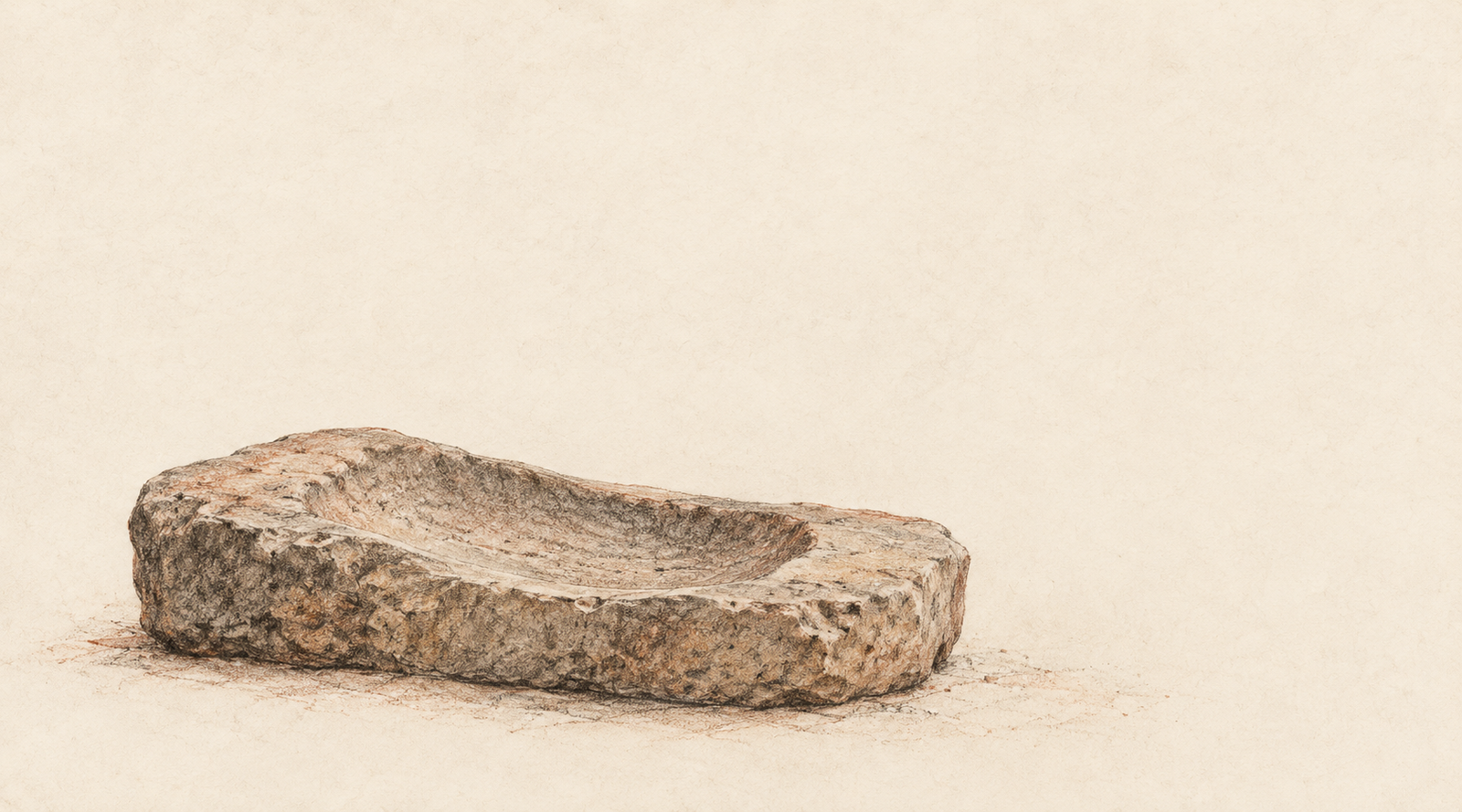
The temple we inherit is a building from which almost all necessity has been removed. Nothing must be brought for it to continue being what we call a temple. The sanctuary asks nothing of us. Stone is good at this kind of independence.
A living temple was otherwise.
Water had to come in. So did grain, cloth, oil, aromatic substances, fuel. The things required for worship arrived because someone carried them across a threshold.

Houses of Wood, Light, and Smoke
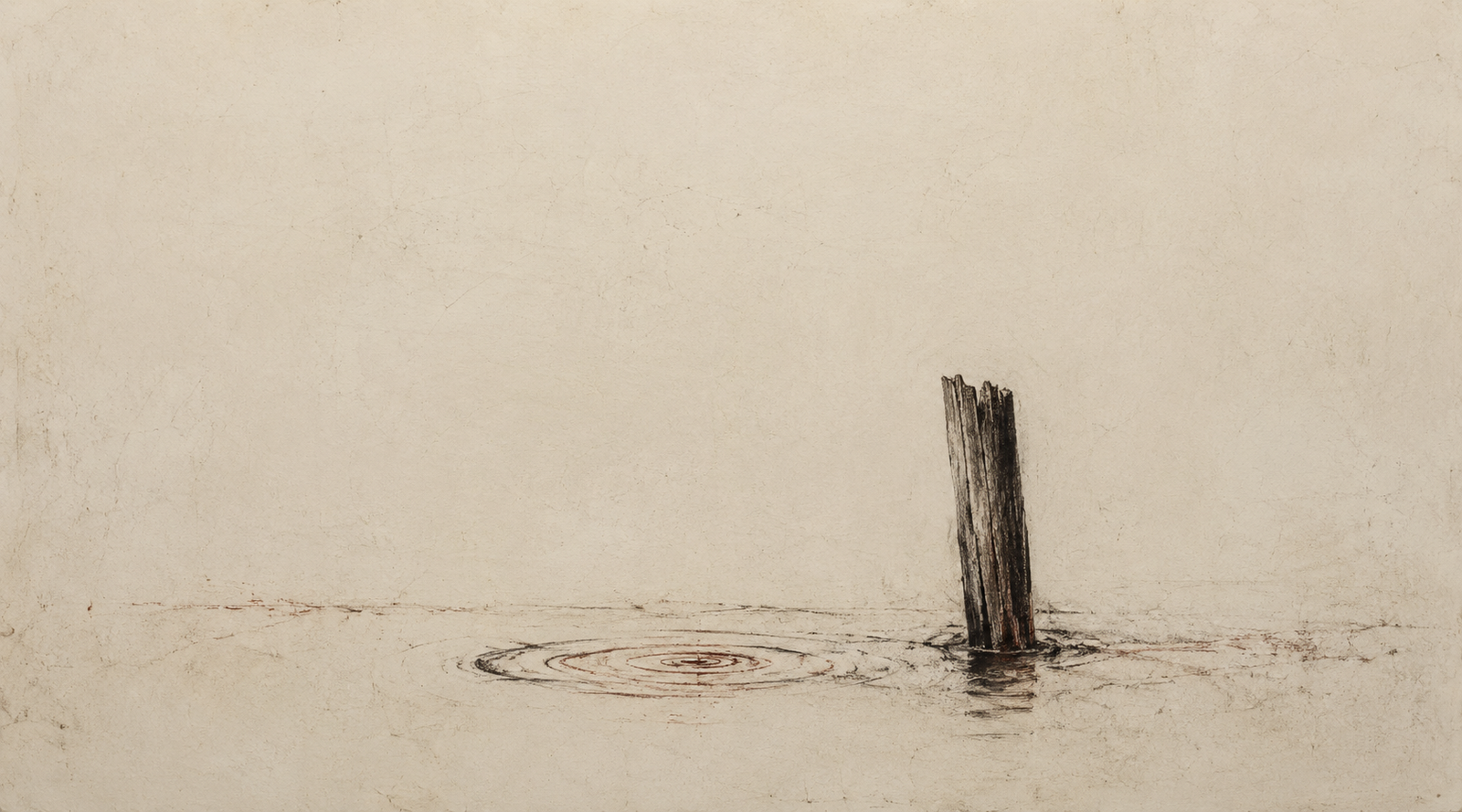
Some of Angkor’s most intimate ruins do not rise above the ground at all. They are postholes, low mounds, hearths and ponds: durable traces of a domestic city built largely from things that decay. To restore that city is to see Angkor not only as stone, but as wood, smoke, water, repair, and people living within calling distance.

$895
Ta Prohm Temple, Angkor, Cambodia — 2020
Limited Edition Archival Pigment Print
Edition
Strictly limited to 7 prints + 2 Artist’s Proofs
Edition Number
This listing is for the first numbered print from the Large Collector Edition: 1/7
Medium
Hand-toned black-and-white archival pigment print on Hahnemühle Bamboo — a museum-grade fine art paper chosen for its quiet tactility and reverent depth, echoing the spirit of the temples.
Signature & Numbering
Each print is individually signed and numbered by the artist on the border (recto)
Certificate of Authenticity
Accompanies every print
Image Size
28 x 28 inches (71.1 x 71.1 cm)
Mist still clings to the crumbling gate when the first breath of dawn slides between trees, lighting the spung’s vast roots like slow-moving water turned to wood. Stone and bark share one pulse; silence settles over their entwined bodies as though the jungle itself were praying.
Standing alone in that pale hush, Lucas Varro felt the temple inhale his presence, then exhale memory back through dripping leaves. Each droplet, each moss-soft contour became a syllable in an unspoken mantra the camera was called to receive.
Medium-format black-and-white film opened for the length of a whispered prayer, letting shadow unfold its depths. Weeks later, under darkroom glow, chiaroscuro revealed the subtle topography of moist stone. Gold hand-toning lent warmth to the midtones, creating a print that seems to breathe when light falls across it.
Strictly limited to twenty-five prints with two artist’s proofs, each 8 × 8 inch impression is signed on the border recto and born on sustainable Hahnemühle Bamboo paper—its gentle fibres echoing the living grain of root and wall.
Welcome this stillness; let it gather its hush in the quiet heart of your space.
Click here to walk deeper into the dawn-lit silence of the Artist’s Journal.