

Where Silence Touches the Face of Stone
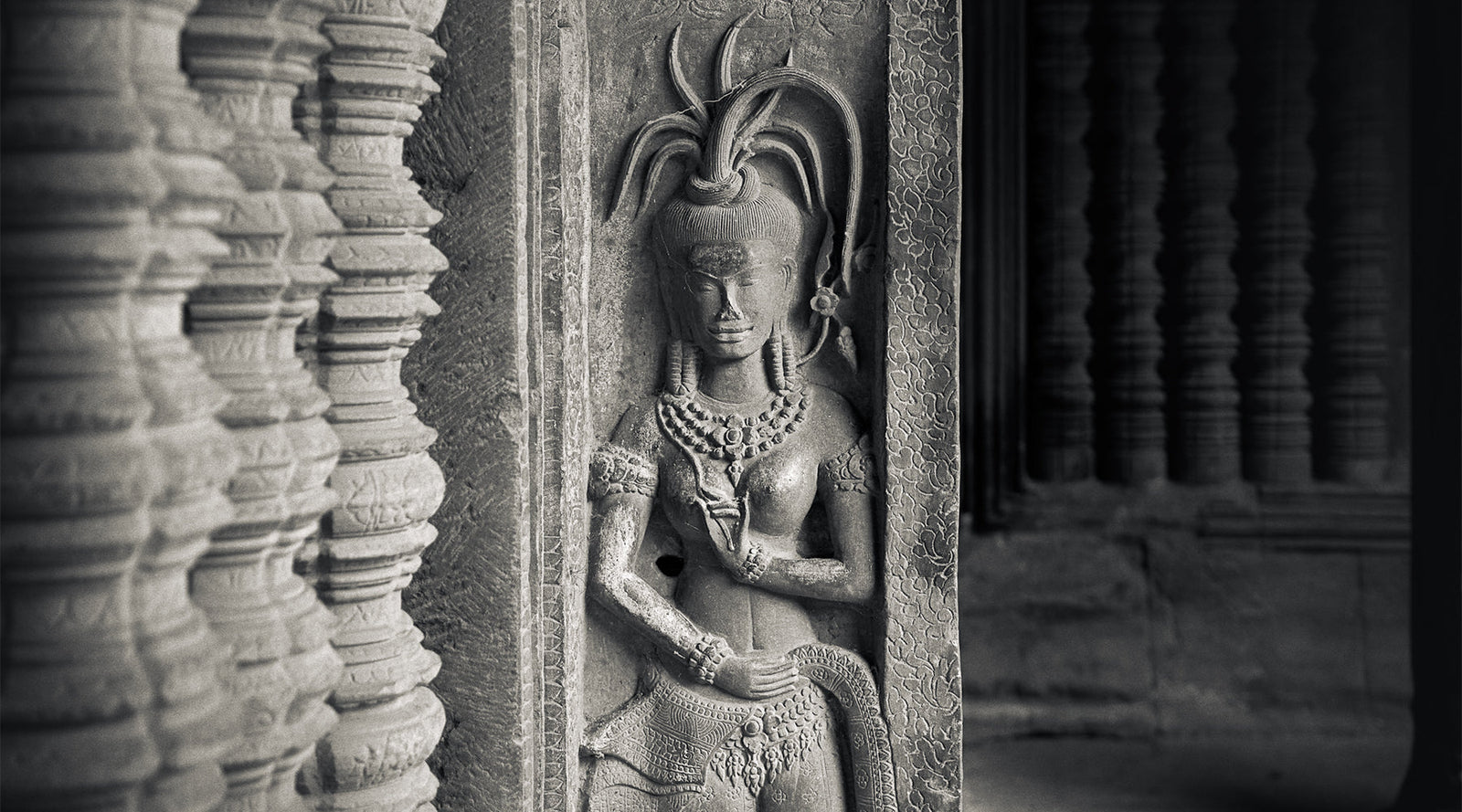
She stood where the light returns slowly. The balusters caught it first, then the far edge of the lintel, and finally her face. Not all at once—like dawn, she arrived by degrees. Her lotus hand poised just below the heart. Her gaze lowered. Not offering. Not withholding. Simply present.
The shutter opened. I did not breathe. It closed again.
What I brought home was not her. It was the silence she kept.
light brushes her gaze
as if the stone remembers
how to welcome dawn
More from the Library


See Also
A concise and impartial dictionary of absence, promises, quarrels, ordinary objects, and the troublesome instability of words.

The City of Service
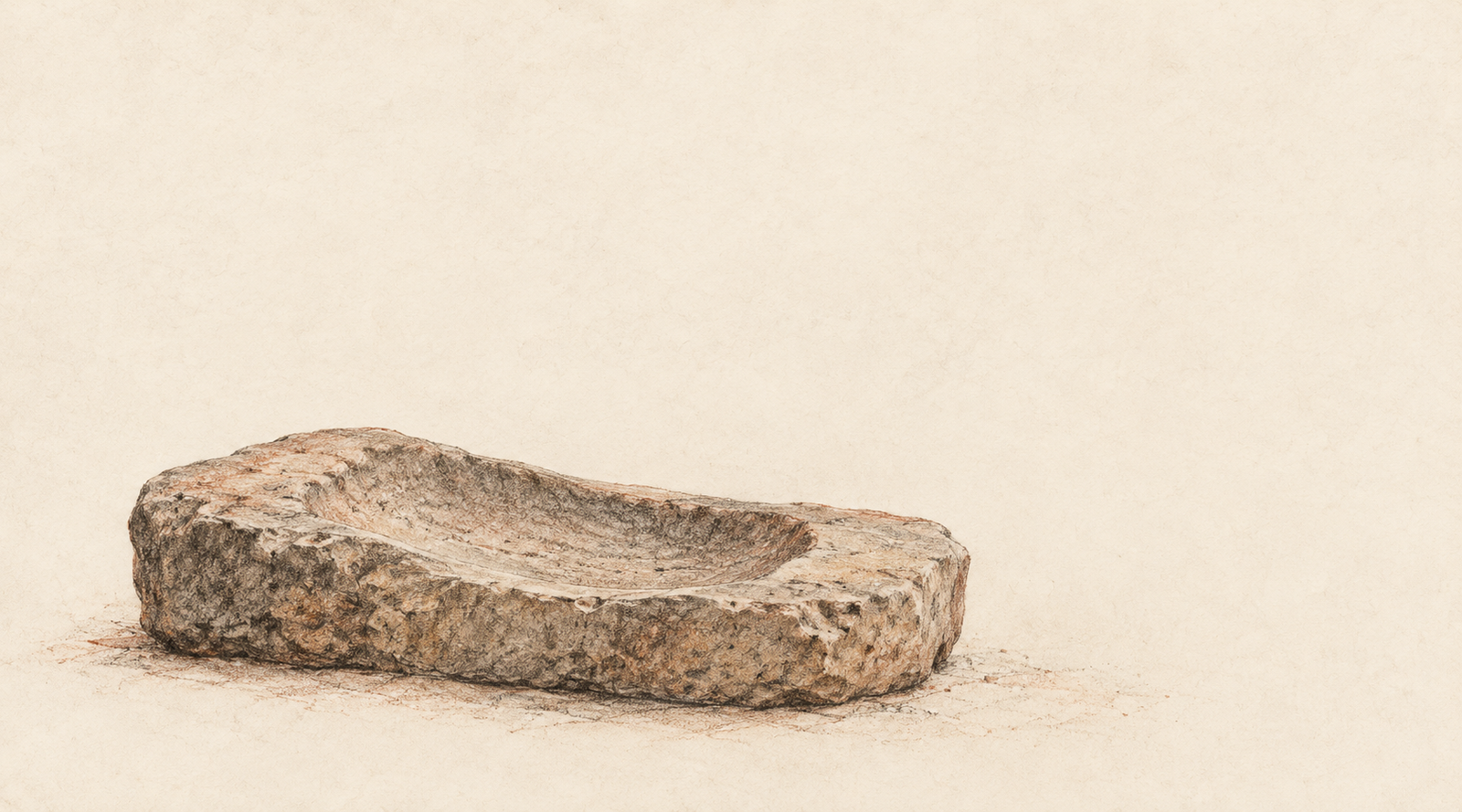
The temple we inherit is a building from which almost all necessity has been removed. Nothing must be brought for it to continue being what we call a temple. The sanctuary asks nothing of us. Stone is good at this kind of independence.
A living temple was otherwise.
Water had to come in. So did grain, cloth, oil, aromatic substances, fuel. The things required for worship arrived because someone carried them across a threshold.

Houses of Wood, Light, and Smoke
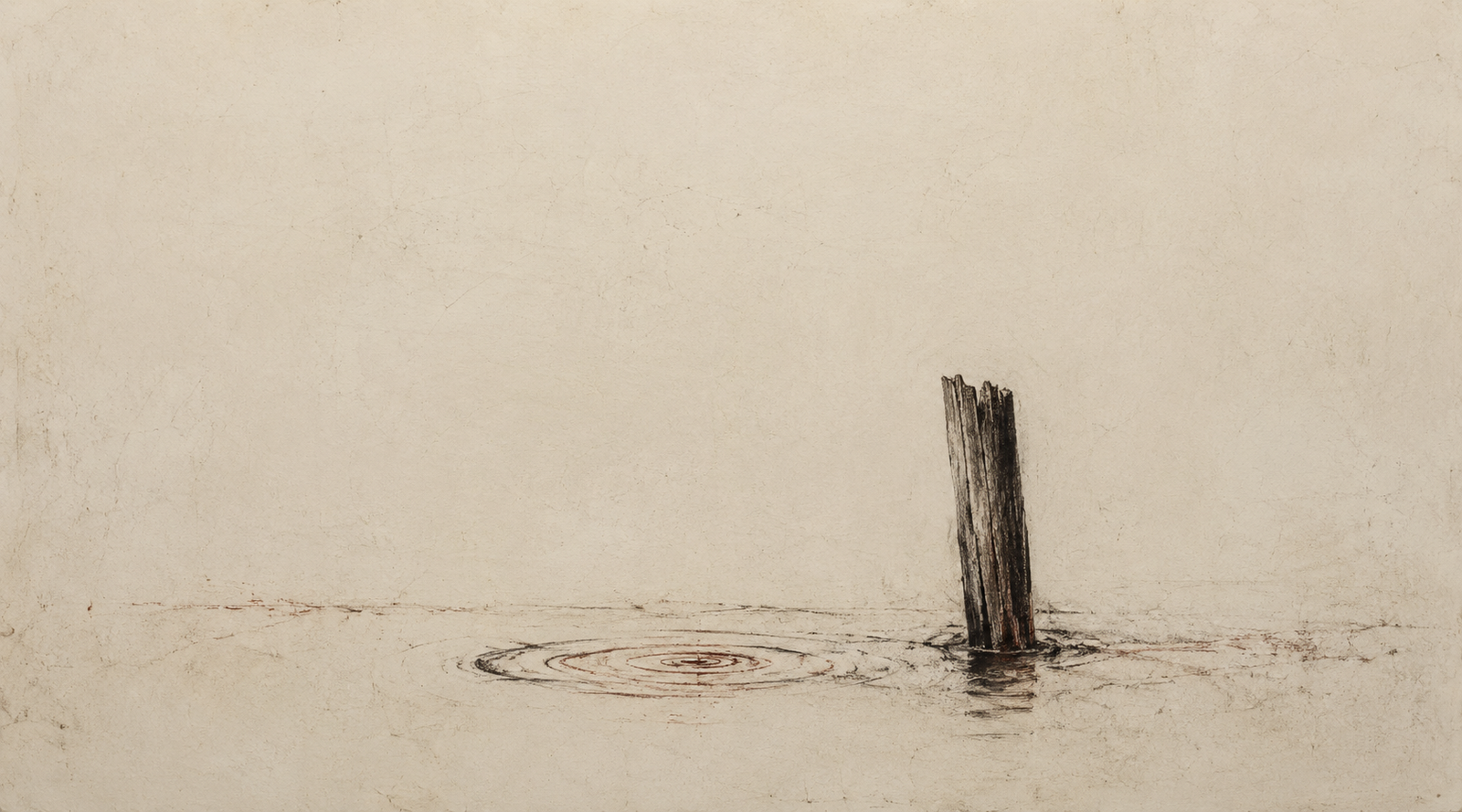
Some of Angkor’s most intimate ruins do not rise above the ground at all. They are postholes, low mounds, hearths and ponds: durable traces of a domestic city built largely from things that decay. To restore that city is to see Angkor not only as stone, but as wood, smoke, water, repair, and people living within calling distance.

$895
Angkor Wat, Angkor, Cambodia — 2020
Limited Edition Archival Pigment Print
Edition
Strictly limited to 7 prints + 2 Artist’s Proofs
Edition Number
This listing is for the first numbered print from the Large Collector Edition: 1/7
Medium
Hand-toned black-and-white archival pigment print on Hahnemühle Bamboo — a museum-grade fine art paper chosen for its quiet tactility and reverent depth, echoing the spirit of the temples.
Signature & Numbering
Each print is individually signed and numbered by the artist on the border (recto)
Certificate of Authenticity
Accompanies every print
Image Size
28 x 28 inches (71.1 x 71.1 cm)
Light arrives as a breath, threading the broken roof of Angkor Wat’s Cruciform Galleries and finding a Devata carved into shadow. A lotus rests in her hand; her gaze bows toward the floor as if listening for a music long withdrawn. For one reverent moment, the centuries loosen their grip.
The corridor—quiet as inhalation—echoes with neither chant nor footfall. Columns recede into darkness, yet the stone figure lifts a tremor of dawn into the heart of the temple. She is remembrance carved into presence.
I met her in that hush. Composed on large-format black-and-white film during a prolonged exposure, the negative gathered silence instead of motion. In the darkroom I coaxed chiaroscuro forward, hand-toning each print until light spoke with the softness I first felt.
Printed on warm-toned Hahnemühle Bamboo paper, this museum-grade archival pigment print is part of a strictly limited edition of twenty-five, with two Artist’s Proofs. Each piece is signed, numbered, and accompanied by a Certificate of Authenticity.
A sanctum of stillness for those willing to receive.
To step into the silence behind the image, click here to explore the Artist’s Journal.
Previously titled ‘Apsara I, Angkor Wat Temple, Cambodia. 2020,’ this photograph has been renamed to better reflect its place in the series and its spiritual tone. The edition, provenance, and authenticity remain unchanged.