

Where Teeth Become Flame
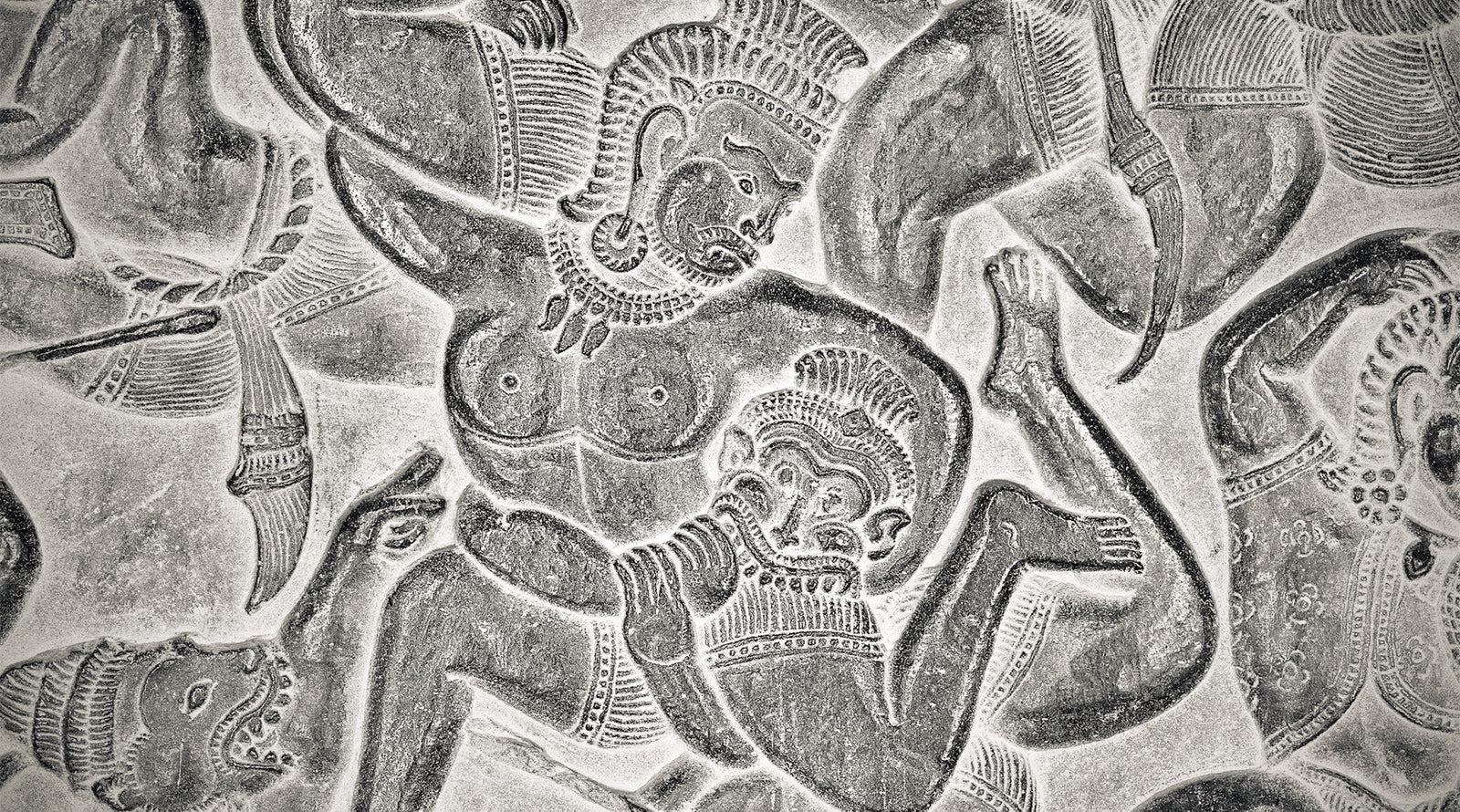
A hush moves through the Western Gallery—not wind, not footfall, but the weight of breath holding its shape. The scent of sandalwood clings to the seams of stone. I pause beside a relief I have passed many times. Today it catches.
Limbs whirl in carved tumult, but I see only two: vanara and rakshasa. A monkey’s jaw clenched against demon flesh, not in fury, but in something deeper. This is not the climax of battle. It is its still center. A mouth made votive. A bite that burns clean.
The shutter opens as I still my body. Film gathers the silence. Long exposure lets devotion pool in silver. Later, hand-toning will reveal what light alone cannot: how even violence, when offered in full surrender, can become holy.
I breathe, then write—just two lines in my notebook:
Even stone sings when bitten—
hear the startled hymn
between pulse and dust.
And so it sings. In muscle curved like flame. In thigh and tooth. In the hush that fills the frame when love becomes fearless. When duty sheds its weight and becomes light.
More from the Library


See Also
A concise and impartial dictionary of absence, promises, quarrels, ordinary objects, and the troublesome instability of words.

The City of Service
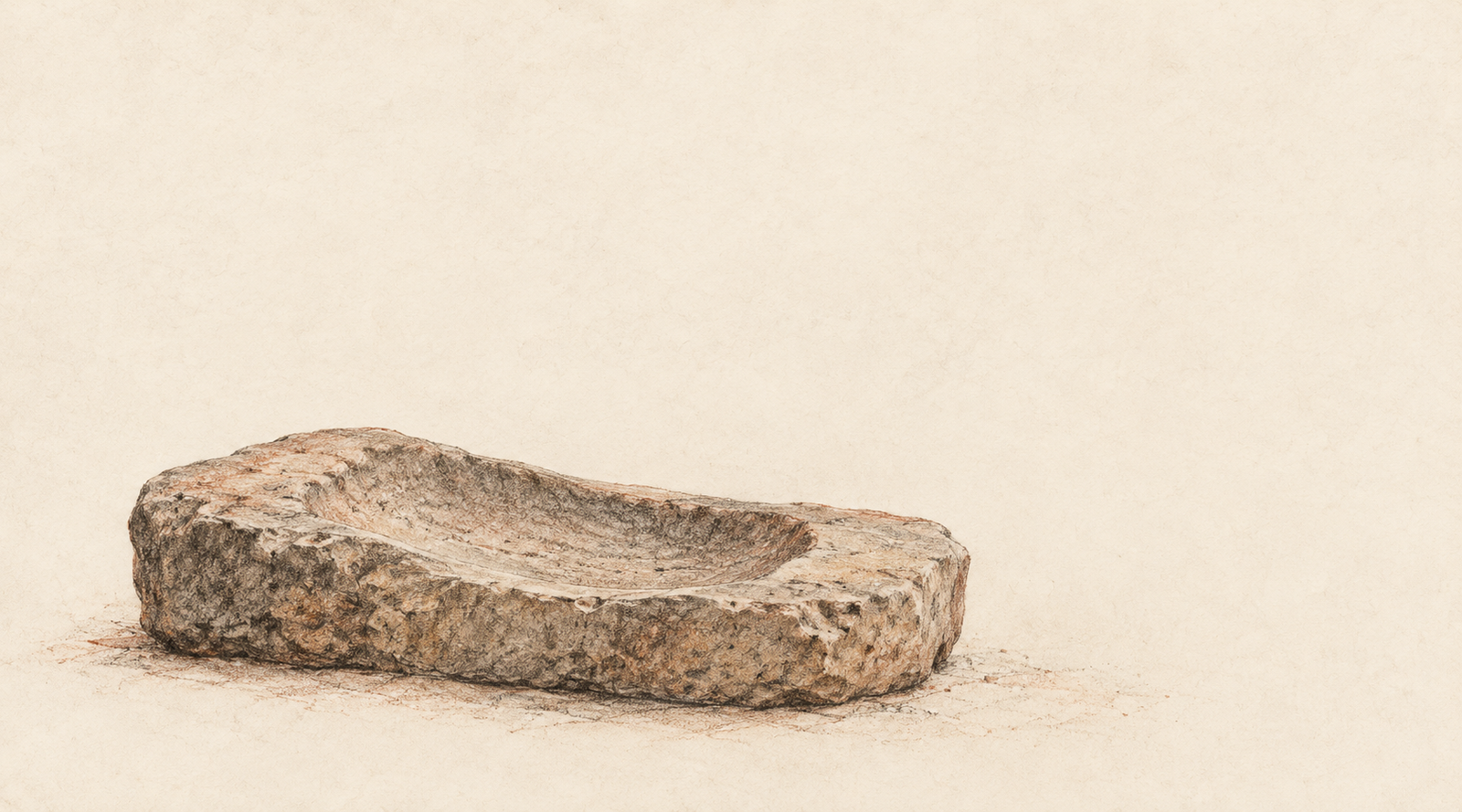
The temple we inherit is a building from which almost all necessity has been removed. Nothing must be brought for it to continue being what we call a temple. The sanctuary asks nothing of us. Stone is good at this kind of independence.
A living temple was otherwise.
Water had to come in. So did grain, cloth, oil, aromatic substances, fuel. The things required for worship arrived because someone carried them across a threshold.

Houses of Wood, Light, and Smoke
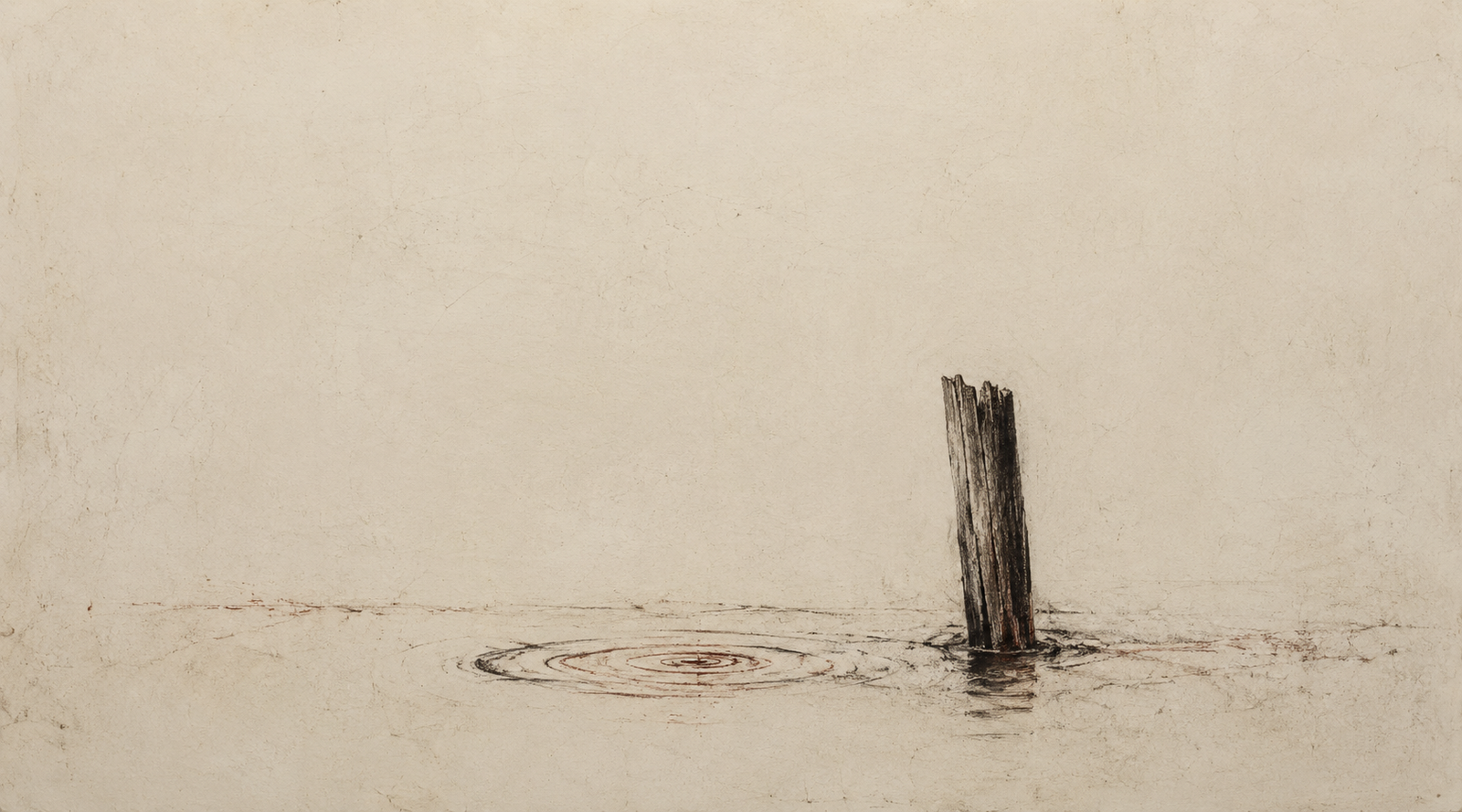
Some of Angkor’s most intimate ruins do not rise above the ground at all. They are postholes, low mounds, hearths and ponds: durable traces of a domestic city built largely from things that decay. To restore that city is to see Angkor not only as stone, but as wood, smoke, water, repair, and people living within calling distance.

$895
Devotion, Unbound
Angkor Wat Temple, Angkor, Cambodia — 2020
Limited Edition Archival Pigment Print
Edition
Strictly limited to 7 prints + 2 Artist’s Proofs
Edition Number
This listing is for the first numbered print from the Large Collector Edition: 1/7
Medium
Hand-toned black-and-white archival pigment print on Hahnemühle Bamboo — a museum-grade fine art paper chosen for its quiet tactility and reverent depth, echoing the spirit of the temples.
Signature & Numbering
Each print is individually signed and numbered by the artist on the border (recto)
Certificate of Authenticity
Accompanies every print
Image Size
28 x 28 inches (71.1 x 71.1 cm)
Before the birds herald day, a dusky hush clings to Angkor Wat’s Western Gallery. Within that hush, two figures ignite—a vanara’s jaws closing upon a rakshasa’s thigh, their limbs blazing across the centuries in unwavering purpose. The wall itself seems to inhale, holding the precise moment when loyalty surpasses fear.
This stillness hums with unseen currents: sandalwood breeze, latent thunder, the breath of hundreds of stone warriors who bear silent witness. Yet all sound recedes into the gravity of this single bite, chiselled conviction etched into sandstone and darkness alike.
Lucas Varro knelt for this encounter as one might kneel at a shrine: heart quiet, shutter poised, body stilled to receive what the wall would disclose. Medium-format black-and-white film gathered the lingering night; long exposure let devotion root itself in silver. Later, chiaroscuro shaping and hand-toning coaxed hidden embers to the surface, until violence revealed its secret tenderness.
Strictly limited to twenty-five prints with two Artist’s Proofs, each sheet rests on museum-grade Hahnemühle Bamboo paper whose warm fibers cradle the image like well-worn prayer beads. Signed, numbered, and accompanied by a certificate of authenticity, every impression bears the trace of the artist’s steady hand.
Invite this fierce serenity into the room where your quietest questions wait.
To walk further into the silence behind the stone, click here to enter the Artist’s Journal.
Previously titled ‘Battle of Lanka I, Study I, Angkor Wat Temple, Cambodia. 2020,’ this photograph has been renamed to better reflect its place in the series and its spiritual tone. The edition, provenance, and authenticity remain unchanged.