
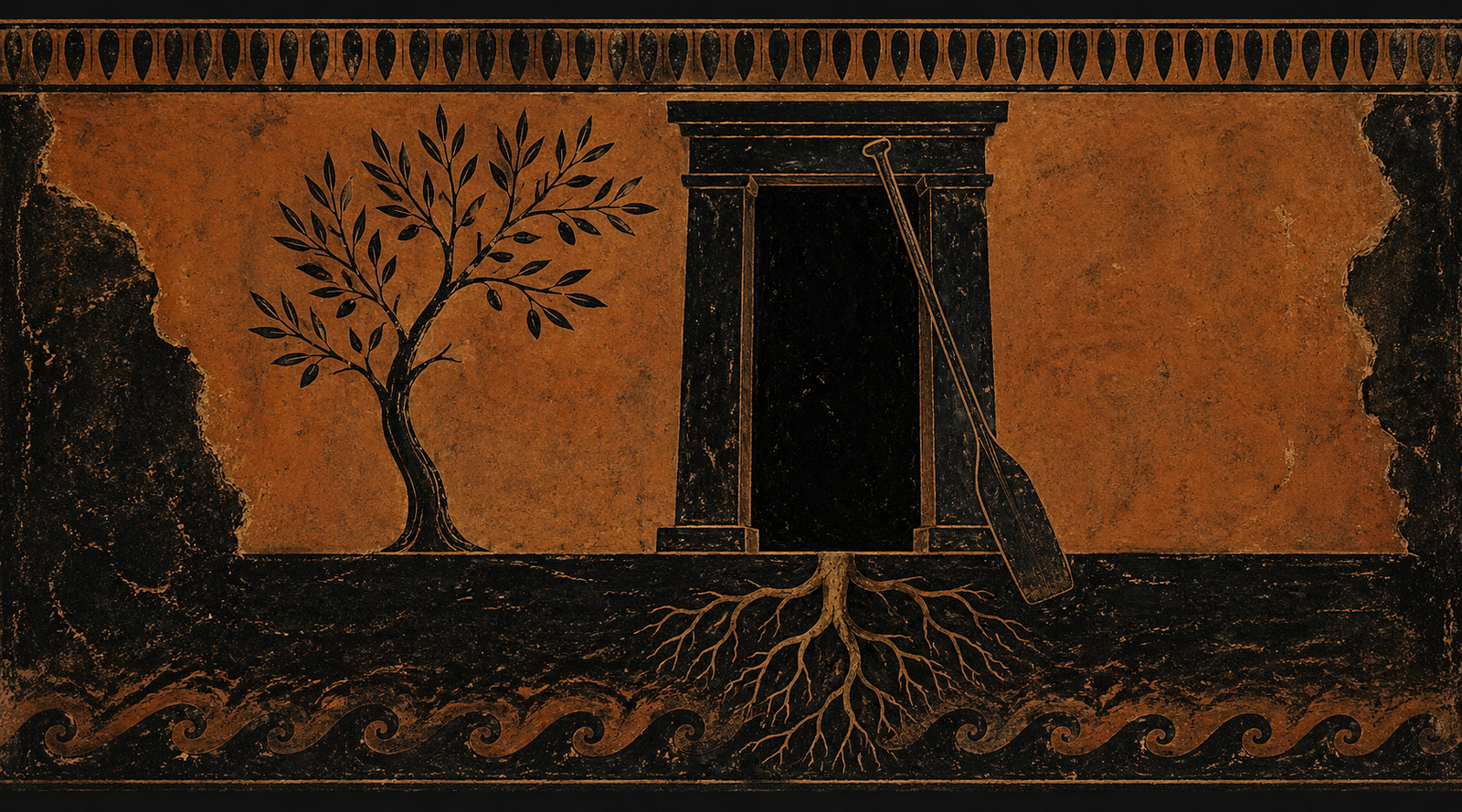

No Man Comes Home IX — The Beggar at His Own Door
In the ninth canto of No Man Comes Home, Odysseus reaches Ithaca at last—but the island does not recognise him. Homecoming begins not with restoration, but with concealment: the returned king must become powerless before his house can reveal what it has become.
He was home.
He could not yet go home.
That was the law of the hour.
Athena told him enough.
The house was full of enemies. The suitors had not tired of eating. Penelope had not yielded. Telemachus had gone seeking him and was returning through danger. Servants had divided in loyalty. The old father grieved apart. The dog still lived, if life is the name for breath remaining near the end of hope. The bed waited. The bow waited. The whole house had become a question no man could answer by walking through the door as himself.
Odysseus listened.
He did not ask first to see his wife.
This should not be softened.
Love was there. Longing was there. But the old habit of danger arranged him faster than longing could. The room of his mind filled with positions: suitors, servants, son, weapons, thresholds, allies, timing, concealment, proof. He had returned by the sea and immediately became inland strategy.
Athena knew him.
That was why she did not despise him.
Together they hid the gifts.
This was the first labour of return.
Not reunion.
Concealment.
They carried splendour into darkness and stored it where the land itself could keep it from men who would turn honour into plunder. Bronze and gold disappeared into the cave. The Phaeacian gifts, evidence of welcome, were put away before the house could see them. Return began by hiding what return had earned.
Then Athena touched him.
The body changed.
Not restored.
Reduced.
Skin slackened. Hair thinned and greyed. Shoulders bent. The old brightness withdrew. His clothing became poor. His flesh seemed marked by deprivation. His eyes kept more than they should have kept, but everything around them was lowered into age and damage. The man who had once been made more beautiful before Nausicaa was now made less than himself before Ithaca.
This, too, was a gift.
A terrible one.
A king cannot test his house by being recognised at the door. Recognition would summon habit, loyalty, fear, performance. Men behave differently before a known power. The house had to reveal itself to the powerless shape before the powerful man judged it.
So Athena made him a beggar.
The disguise did not simply hide him.
It accused the house.
Hospitality begins where usefulness is absent. A beggar at the door brings no alliance, no dowry, no cattle, no threat worth fearing, no name worth flattering. He brings only need. How a house receives him tells the truth beneath its manners.
Odysseus would enter his own house as the question every house must answer.
Continue reading: No Man Comes Home IX — The Beggar at His Own Door at The House of Cadmus on Substack.
Also in House of Cadmus
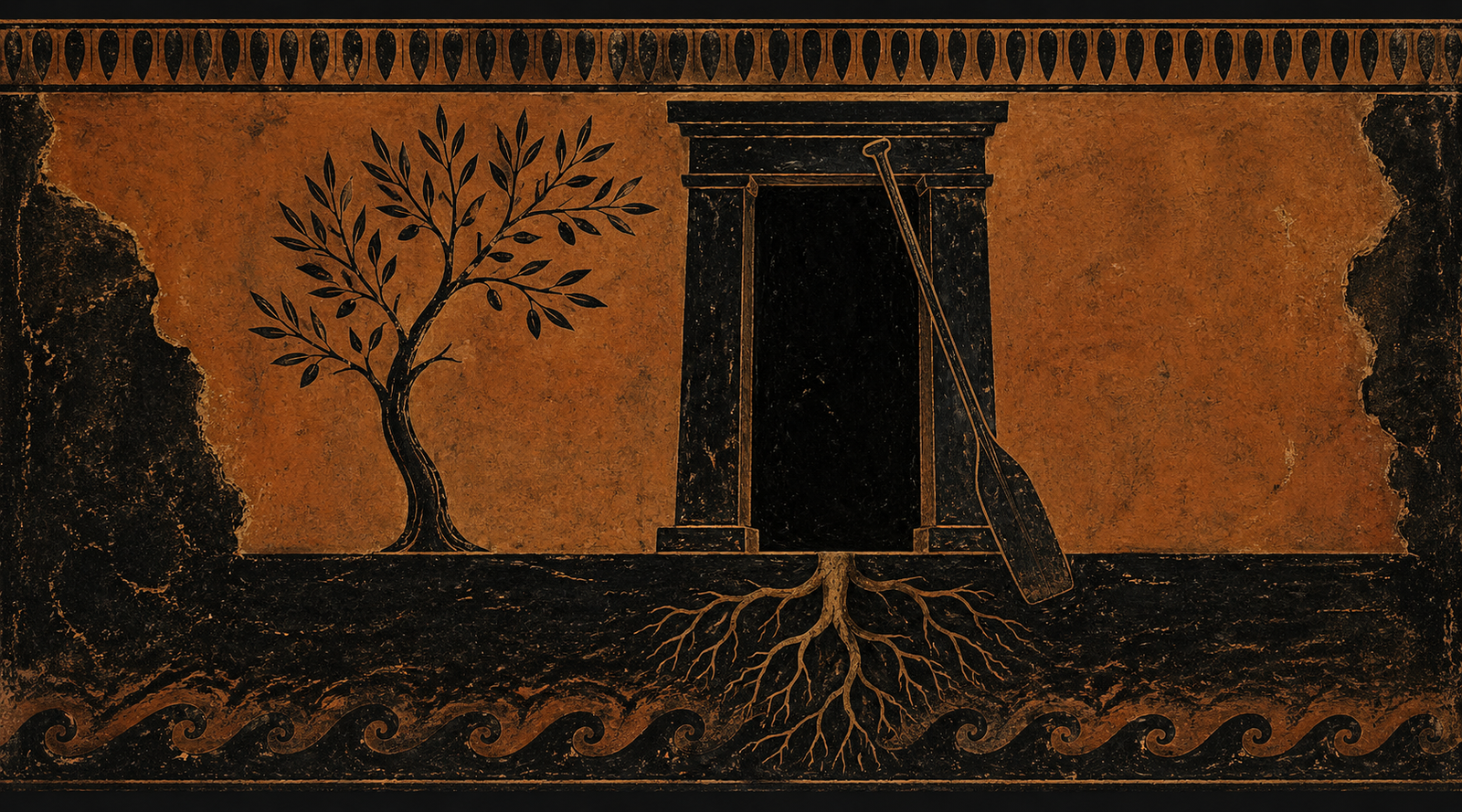

No Man Comes Home X — The Hall Reveals Itself
Odysseus returns to Ithaca disguised as a beggar, but the first creature to recognise him is the neglected dog Argos. In this severe literary retelling of The Odyssey, the king enters his own hall as need, and every act of hospitality, contempt and blindness becomes part of the house’s final testimony.
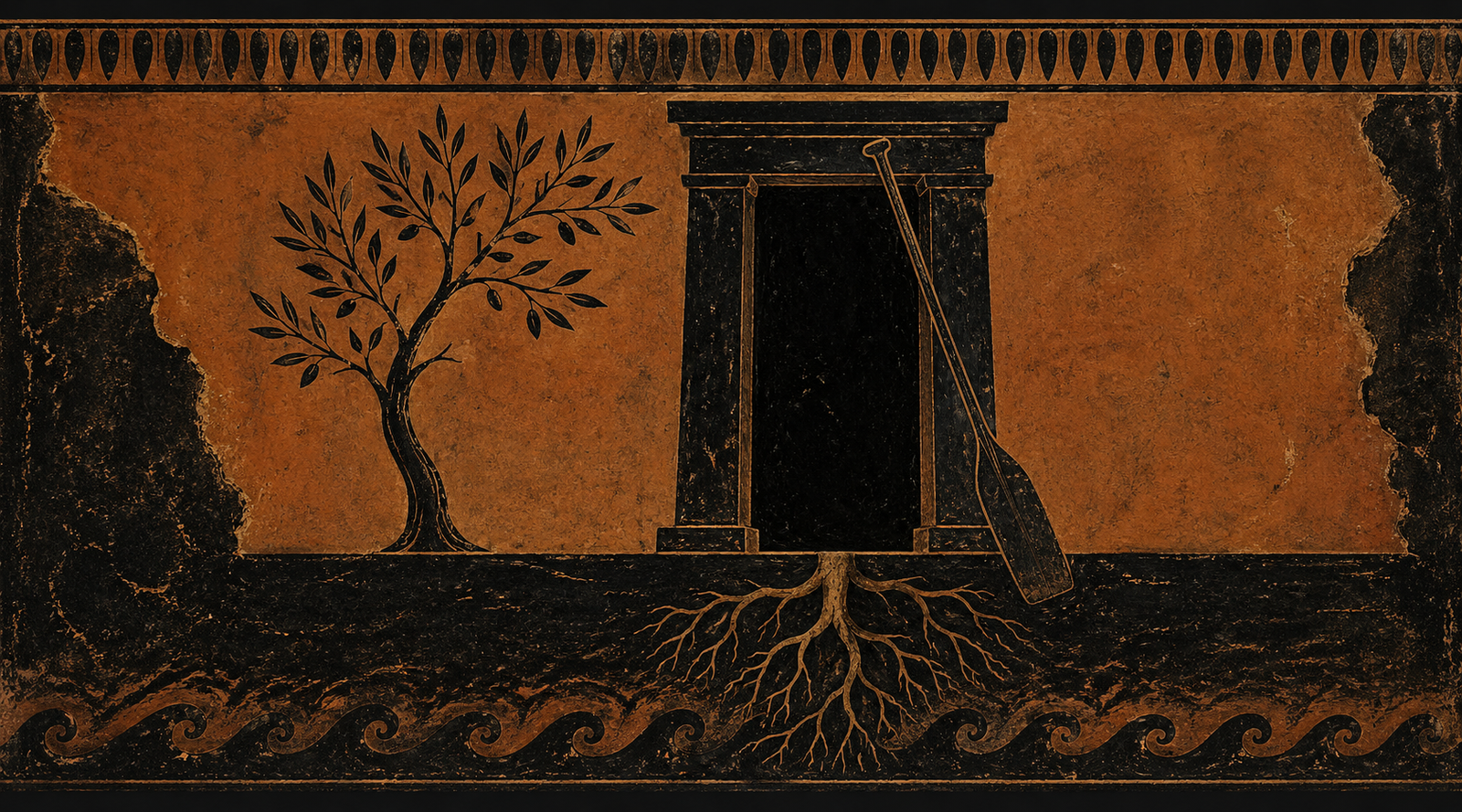

The Objects That Know Him
Name, oar, wax, scar, bow, bed, door: ordinary things carry a quieter authority beneath the marvels of The Odyssey. This House of Cadmus essay considers how objects recognise Odysseus, judge the concealments that preserved him, and make return more difficult than merely reaching Ithaca.
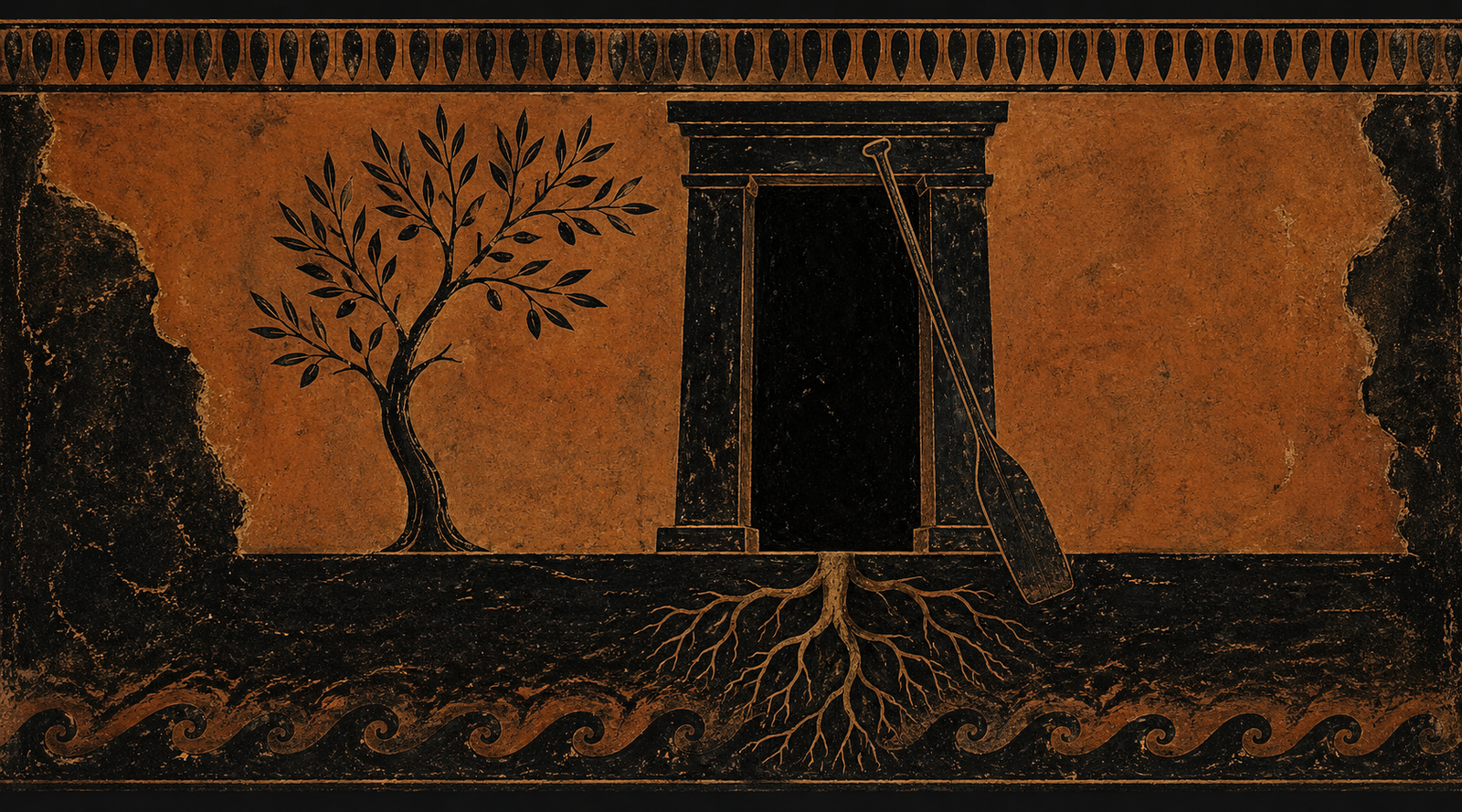

No Man Comes Home VIII — What the Oarsmen Did Not Hear
Odysseus seals his oarsmen’s ears with wax and orders them to bind him to the mast. In this severe literary retelling of the Sirens episode from The Odyssey, knowledge becomes privilege, obedience becomes rescue, and command begins to reveal its hidden cost. The men will row through what they cannot hear. Their captain must live with what he alone receives.
Continue Reading
If this piece found something in you, you may wish to continue the journey elsewhere.
On The Lantern Chronicles, I gather writings from Angkor, myth and legend, contemplative essays, and poetry — works shaped by silence, beauty, wonder, memory, and the deeper questions that follow us through the world.
It is a place for stone and story, reflection and vow, shadow and revelation.
You would be most welcome there.