
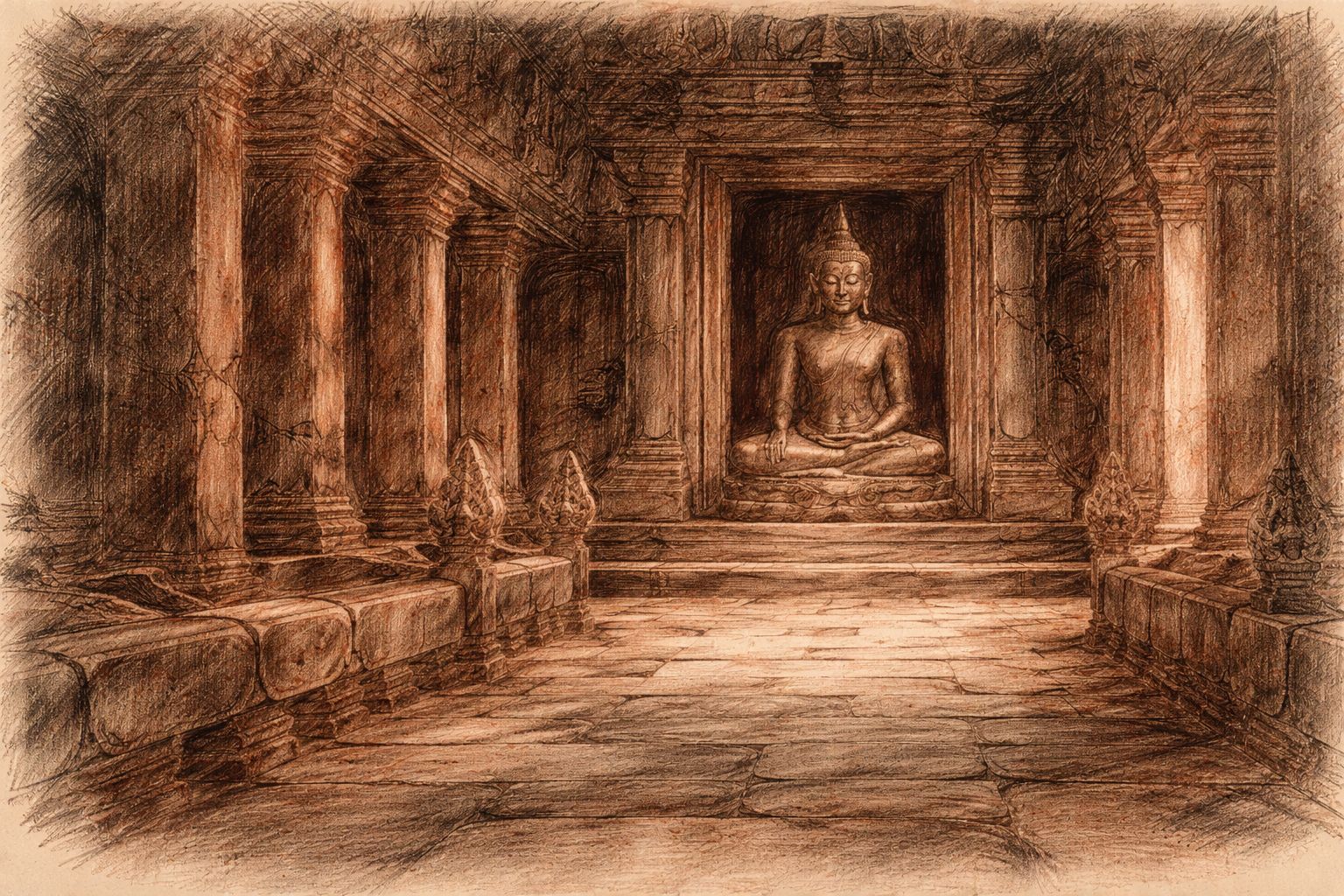

The Bodhisattva and the Discipline of Remaining
In Angkor, the Bodhisattva is not announced. He does not arrive with doctrine or command. He is encountered in posture, in pause, in the way stone seems to hesitate before completion. The figure stands—or sits—at the threshold, neither withdrawn from the world nor fully absorbed by it. What defines him is not attainment, but restraint.
The word bodhisattva appears early in the tradition, but here it takes on weight through placement rather than explanation. It is a presence shaped to remain. Not a being in transit, but one who has chosen to stop where others would pass through. In this refusal of finality, the Bodhisattva becomes legible as an ethic rather than an ideal.
In Angkorian space, compassion is not sentimental. It is architectural. It takes the form of repeated galleries, long causeways, faces turned outward. The Bodhisattva looks not because he must intervene, but because he has not turned away. His gaze does not resolve suffering; it acknowledges it, without haste.
This stance carries cost. To remain is to accept delay, weight, repetition. The Bodhisattva does not escape the world’s friction; he absorbs it, holds it long enough for others to pass. What he renounces is not enlightenment itself, but the privilege of leaving first.
Stone records this choice obliquely. Figures are carved with ornaments and crowns, yet their eyes are lowered. The body is adorned, but the gesture is quiet. Power is present, yet it is bent inward, disciplined by attention. Nothing is grasped. Nothing is released prematurely.
In the Angkorian imagination, the Bodhisattva becomes a measure for rule, for care, for making. To govern is not to ascend, but to remain exposed to consequence. To build is not to dominate space, but to make room for return. To act is to do so without exhausting the world’s patience.
The Bodhisattva does not promise rescue. He promises accompaniment. He stays close enough that suffering is not alone, yet distant enough that it must still be borne. This balance—neither intervention nor abandonment—is what gives the figure his gravity.
To encounter the Bodhisattva here is to sense a refusal that stabilises the world. A refusal to conclude. A refusal to abandon the unfinished. In that refusal, continuity becomes possible.
—
Receive the next work
Subscribe free to receive new work from the Lucas Varro Library by email.
More from the Library

See Also
A concise and impartial dictionary of absence, promises, quarrels, ordinary objects, and the troublesome instability of words.

The City of Service
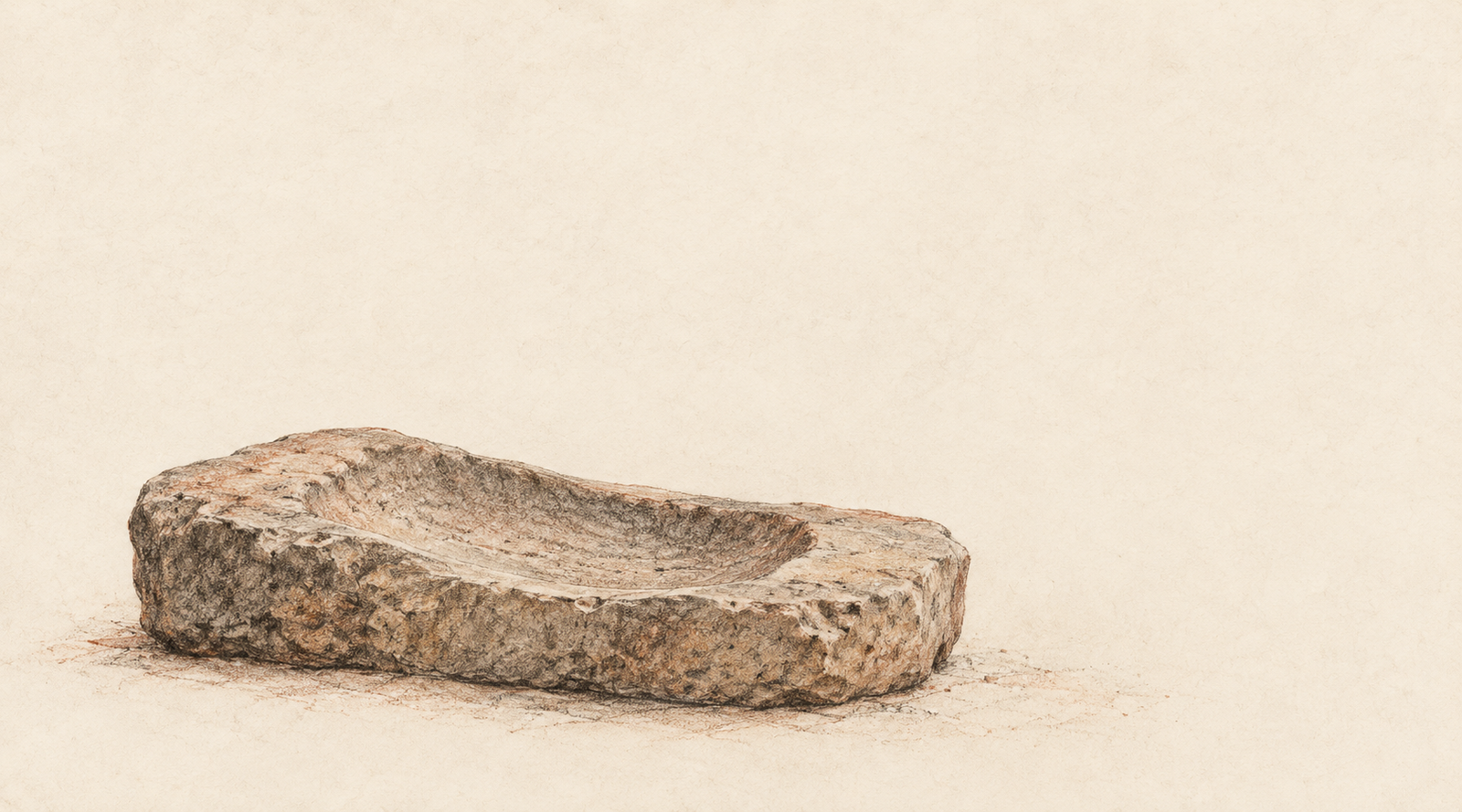
The temple we inherit is a building from which almost all necessity has been removed. Nothing must be brought for it to continue being what we call a temple. The sanctuary asks nothing of us. Stone is good at this kind of independence.
A living temple was otherwise.
Water had to come in. So did grain, cloth, oil, aromatic substances, fuel. The things required for worship arrived because someone carried them across a threshold.

Houses of Wood, Light, and Smoke
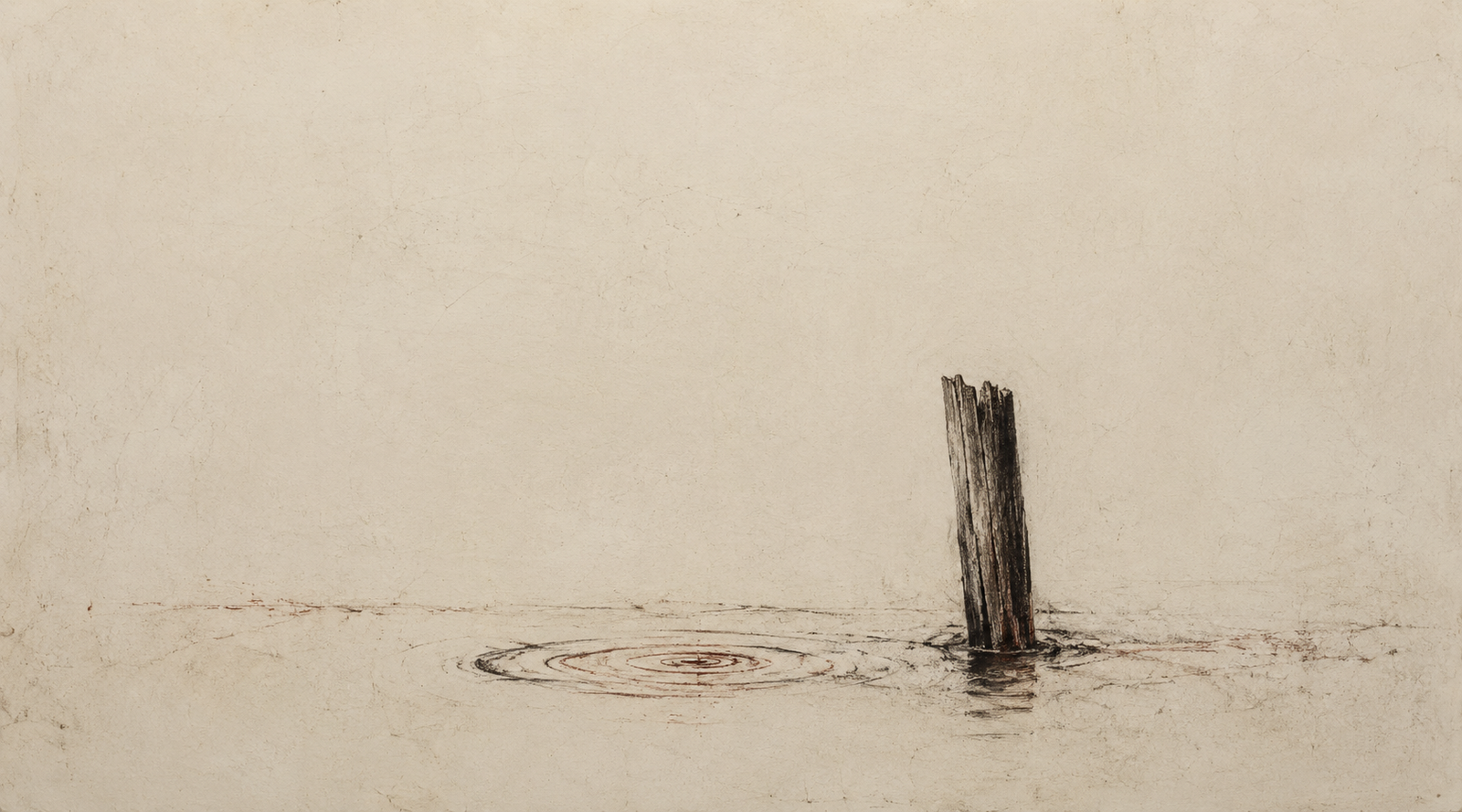
Some of Angkor’s most intimate ruins do not rise above the ground at all. They are postholes, low mounds, hearths and ponds: durable traces of a domestic city built largely from things that decay. To restore that city is to see Angkor not only as stone, but as wood, smoke, water, repair, and people living within calling distance.