

The Listening Tension Between Silence and Form
“Light is the brief permission stone gives to time.”
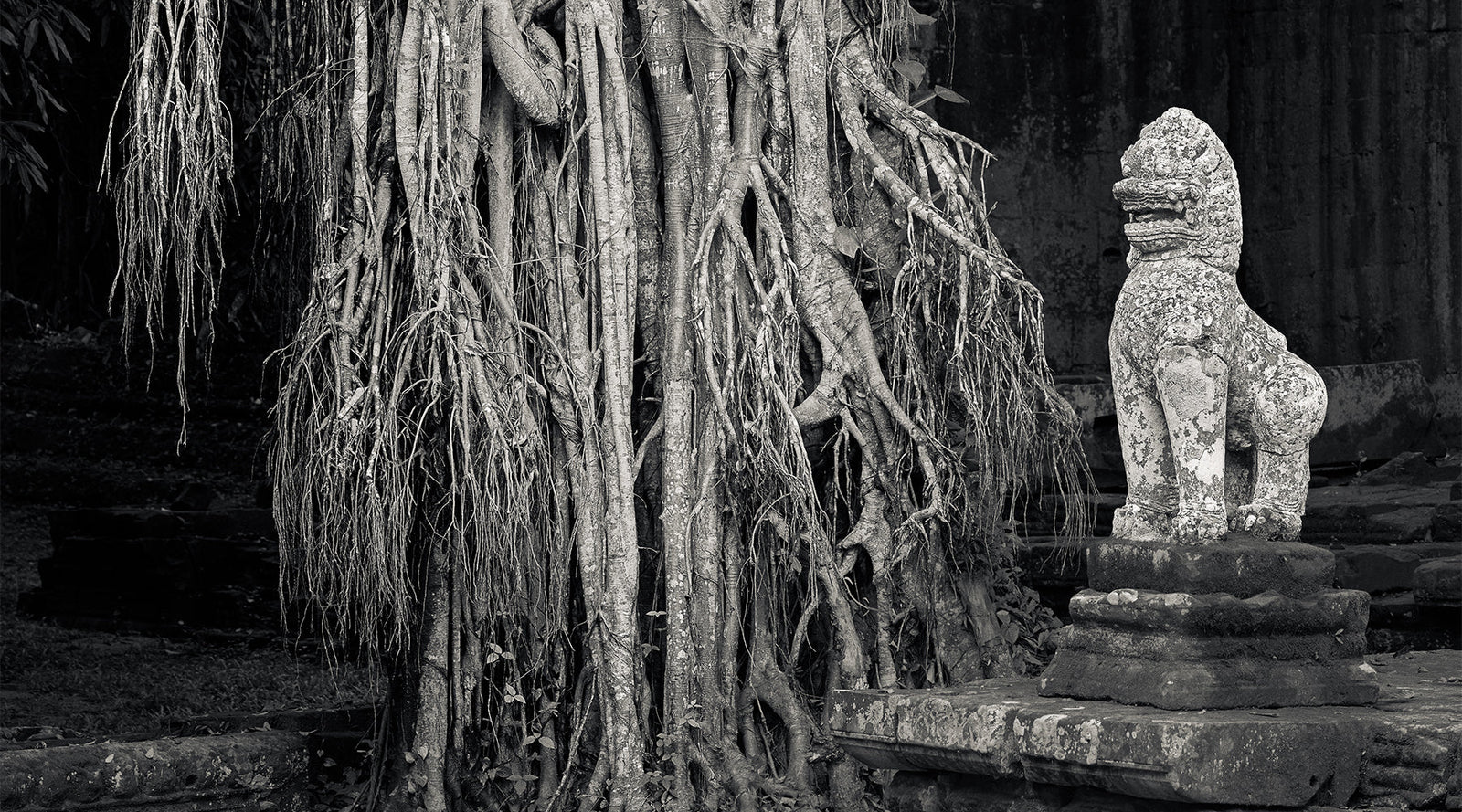
Mist rose without urgency. I stood at the edge of it, where tree and guardian cohabited the breath between root and roar. The lion’s flank was veiled in lichen so white it could have been mistaken for moonlight. Above, the fig’s roots descended with a patience I could not name.
I held still, not in preparation, but in recognition. These were not statues, not trees. They were presences. And I—if I was careful—could dissolve just enough to remain within their exchange, unseen.
The photograph would come. But first, the silence.
The earth prays downward
in braided syllables of root,
while granite keeps the relic of a roar
quiet beneath its lichen veil.Morning inhales—
shadow drawn up the ribs of stone,
photographer invisible,
listening for the hush
that names a threshold sacred.Nothing moves.
Yet presence migrates
from bark to jaw to aperture,
and the negative drinks
what no tongue could shape.
More from the Library


See Also
A concise and impartial dictionary of absence, promises, quarrels, ordinary objects, and the troublesome instability of words.

The City of Service
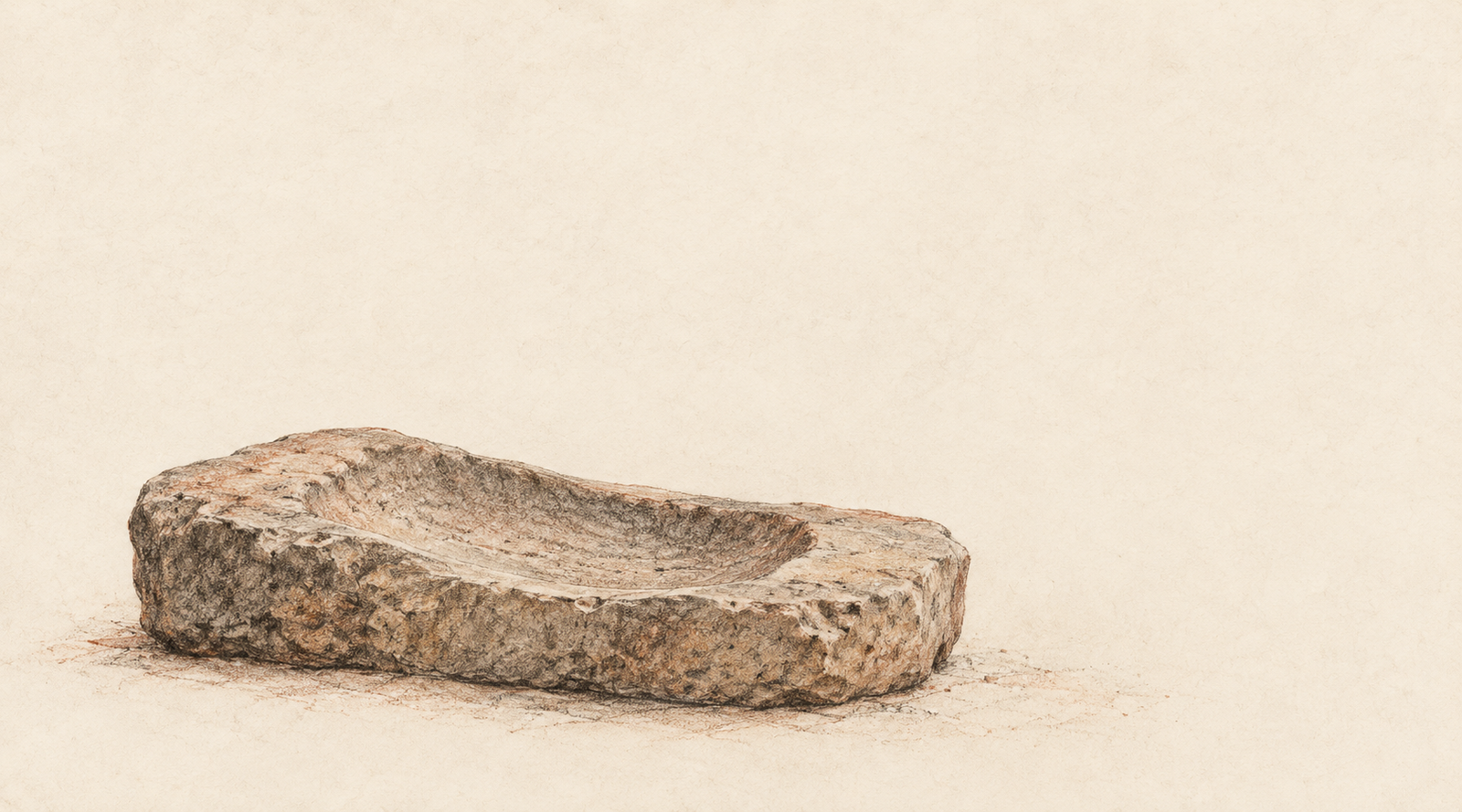
The temple we inherit is a building from which almost all necessity has been removed. Nothing must be brought for it to continue being what we call a temple. The sanctuary asks nothing of us. Stone is good at this kind of independence.
A living temple was otherwise.
Water had to come in. So did grain, cloth, oil, aromatic substances, fuel. The things required for worship arrived because someone carried them across a threshold.

Houses of Wood, Light, and Smoke
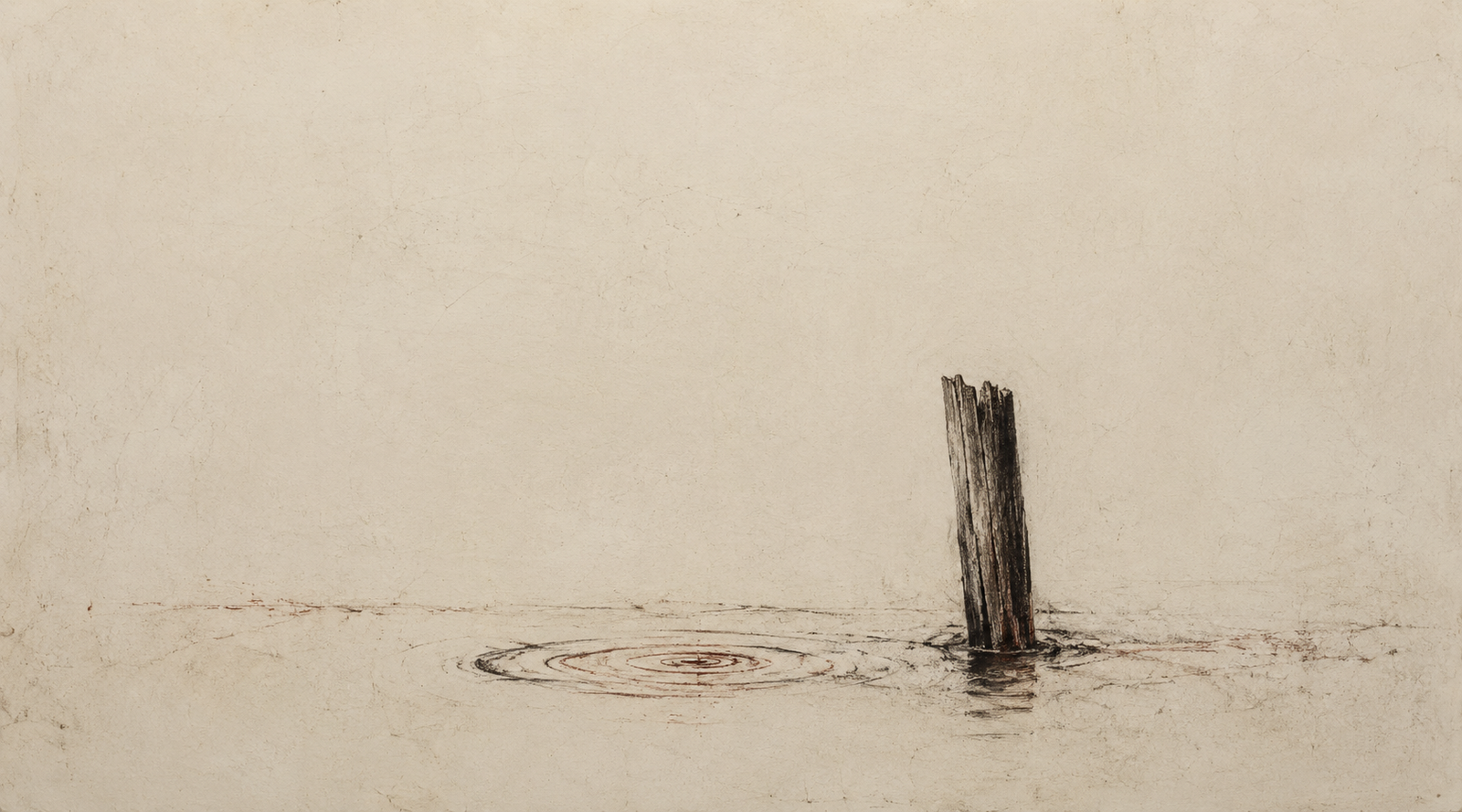
Some of Angkor’s most intimate ruins do not rise above the ground at all. They are postholes, low mounds, hearths and ponds: durable traces of a domestic city built largely from things that decay. To restore that city is to see Angkor not only as stone, but as wood, smoke, water, repair, and people living within calling distance.

$895
Preah Khan Temple, Angkor, Cambodia — 2020
Limited Edition Archival Pigment Print
Edition
Strictly limited to 7 prints + 2 Artist’s Proofs
Edition Number
This listing is for the first numbered print from the Large Collector Edition: 1/7
Medium
Hand-toned black-and-white archival pigment print on Hahnemühle Bamboo — a museum-grade fine art paper chosen for its quiet tactility and reverent depth, echoing the spirit of the temples.
Signature & Numbering
Each print is individually signed and numbered by the artist on the border (recto)
Certificate of Authenticity
Accompanies every print
Image Size
28 x 28 inches (71.1 x 71.1 cm)
A hush presses down over Preah Khan before sunrise—thick with breath, shadow, and the scent of old rain. Roots fall like robes, and the white-mottled guardian lion waits in silence.
Here, tree and statue face one another without motion. A sacred tension lingers—not of conflict, but of equilibrium—where each presence dignifies the other. Light arrives slowly, as if asking permission to touch what time has already sanctified.
Lucas Varro stood within that silence, sensing an unspoken ritual unfolding. The image was captured on large-format black-and-white film with a long exposure. Later, in the darkroom, chiaroscuro was shaped by hand, and the final print was toned to echo the breath of stone and bark.
Each archival pigment print is hand-toned by the artist on museum-grade Hahnemühle Bamboo paper and issued in a strictly limited edition of 25 + 2 Artist’s Proofs.
Let this guardian of stillness take root within your contemplative space.
To trace the hush between breath and stone, click here to explore the Artist’s Journal.
Previously titled ‘Guardian, Preah Khan Temple, Angkor, Cambodia. 2020,’ this photograph has been renamed to better reflect its place in the series and its spiritual tone. The edition, provenance, and authenticity remain unchanged.