

Hera — Queen of Olympus and the Pressure Behind Heracles
Before Heracles meets the lion, before he learns how heavy a monster can be, there is Hera.
She is not the lion.
She is not the cave.
She is not the labour itself.
But her anger is already on the road.
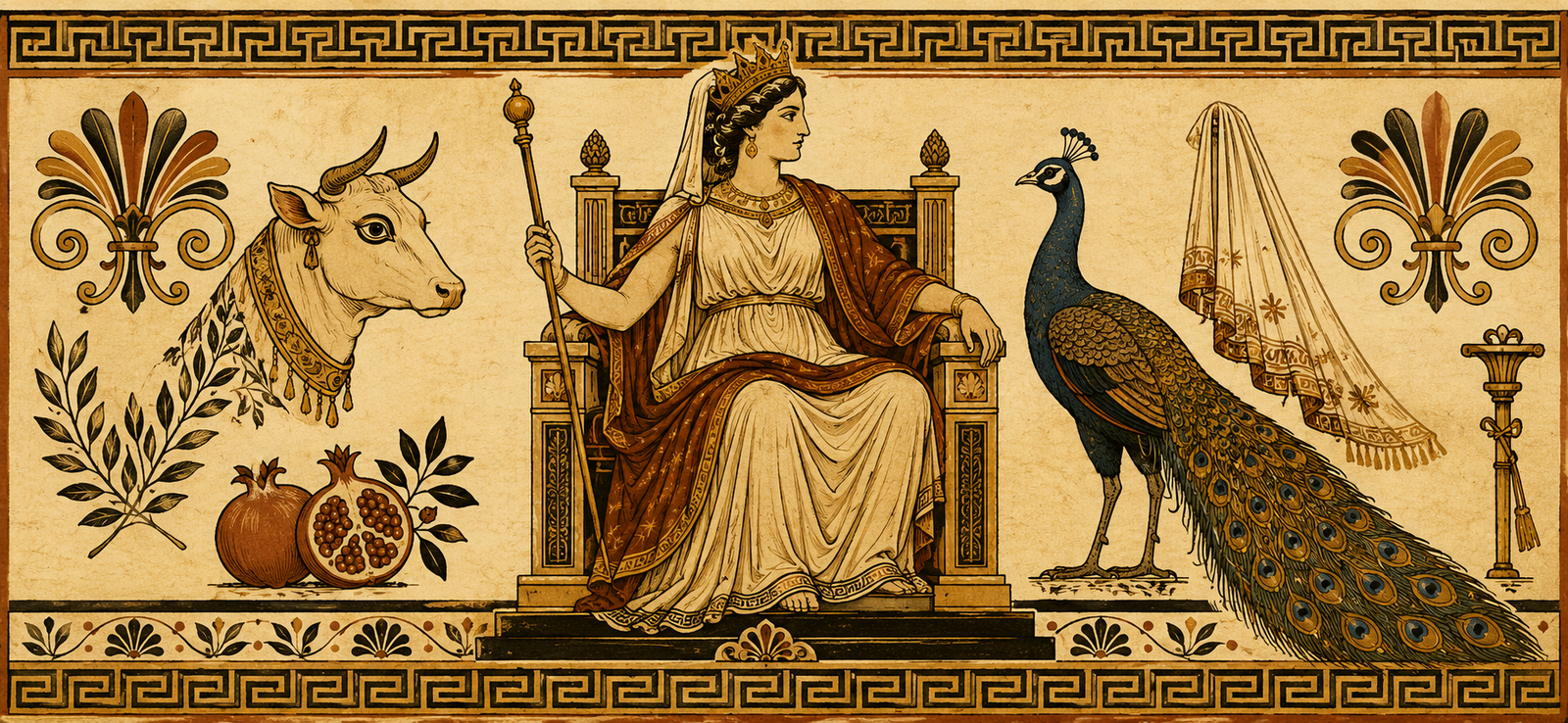
In this entry from The Greek World, the illustrated myth-reference shelf of The Alexander Series, Hera is introduced not simply as “the jealous goddess,” but as something far more powerful and more frightening: queen of Olympus, guardian of marriage, throne, sceptre, veil, and wounded honour.
Hera is one of the greatest of all the Olympian gods. She is the wife of Zeus and goddess of marriage, queenship, women, childbirth, family order, solemn promises, and honour kept in its proper place. She is not a small figure in the old stories. She does not stand at the edge of Olympus, cross and overlooked, while the other gods do more important things.
Hera sits on a throne.
That matters.
In Greek myth, a throne is not only a chair. It is a sign of power. Hera’s throne tells us that she belongs among the highest gods. She is magnificent, proud, watchful, and dangerous when dishonoured.
The short answer is this: Hera is the queen of the gods, and when she is angry, her anger can become part of a hero’s fate.
That is especially important before Heracles enters the story.
Heracles is one of Zeus’s mortal sons. Zeus, as you may already have noticed if you have been paying attention to Greek myth, was not always wise about promises, marriage, or the feelings of other people. Quite a lot of Greek myth begins with Zeus doing something he should not have done, and other people having to live with the consequences.
Hera often had to live with those consequences too.
She is the goddess of marriage, but her own marriage to Zeus is full of broken trust, quarrels, and wounded honour. That does not make Hera kind. It does not make her fair. But it helps us understand why honour matters so fiercely to her.
In many stories, Hera’s anger falls not only on Zeus, who has earned a fair amount of it, but also on the children Zeus leaves behind.
That is not fair.
Greek myths are not always fair. The gods in these stories are powerful, splendid, ancient, and strange — but they are not always good.
A child reading Greek myth should know this early.
A god can help a hero.
A god can test a hero.
A god can make a hero’s life almost impossible.
Hera often does the third thing.
This excerpt opens the full Greek World entry, which prepares young readers for Heracles and the Lion. It helps a child see Hera not merely as a villain in Heracles’ story, but as a major Olympian power: royal, watchful, wounded, and dangerous.
Continue reading: Hera at The Alexander Series on Substack.
Also in The Alexander Series

The Chimaera — A Greek Monster of Many Dangers
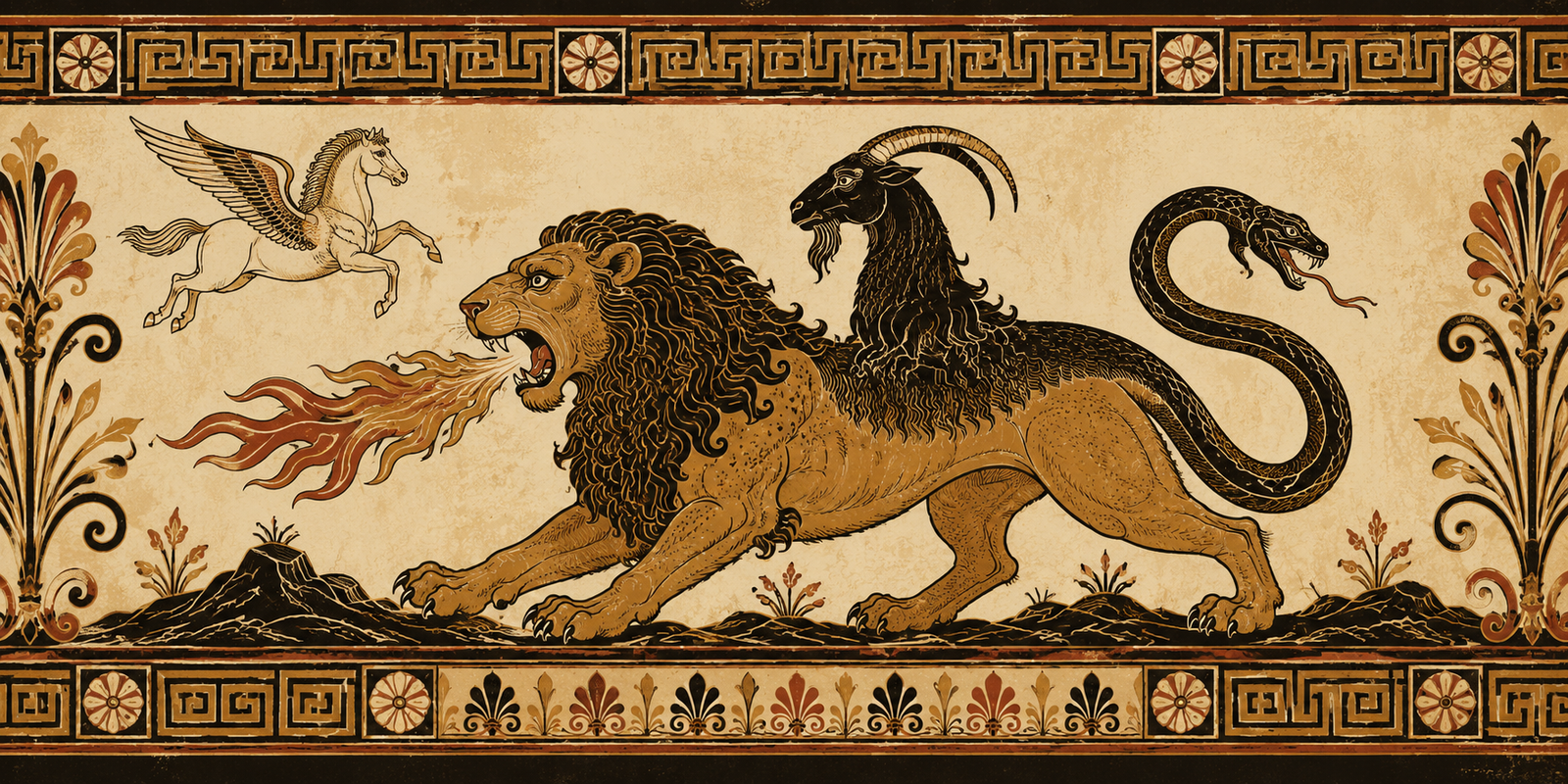
A child-readable Greek myth guide to the Chimaera: lion, goat, serpent, fire, and the monster’s many joined dangers. This excerpt from The Greek World shows why Bellerophon needed Pegasus, and why the Chimaera is not merely a strange animal mixture, but a precise Greek monster-sign.

Bellerophon and Pegasus — A Greek Myth Retold for Children
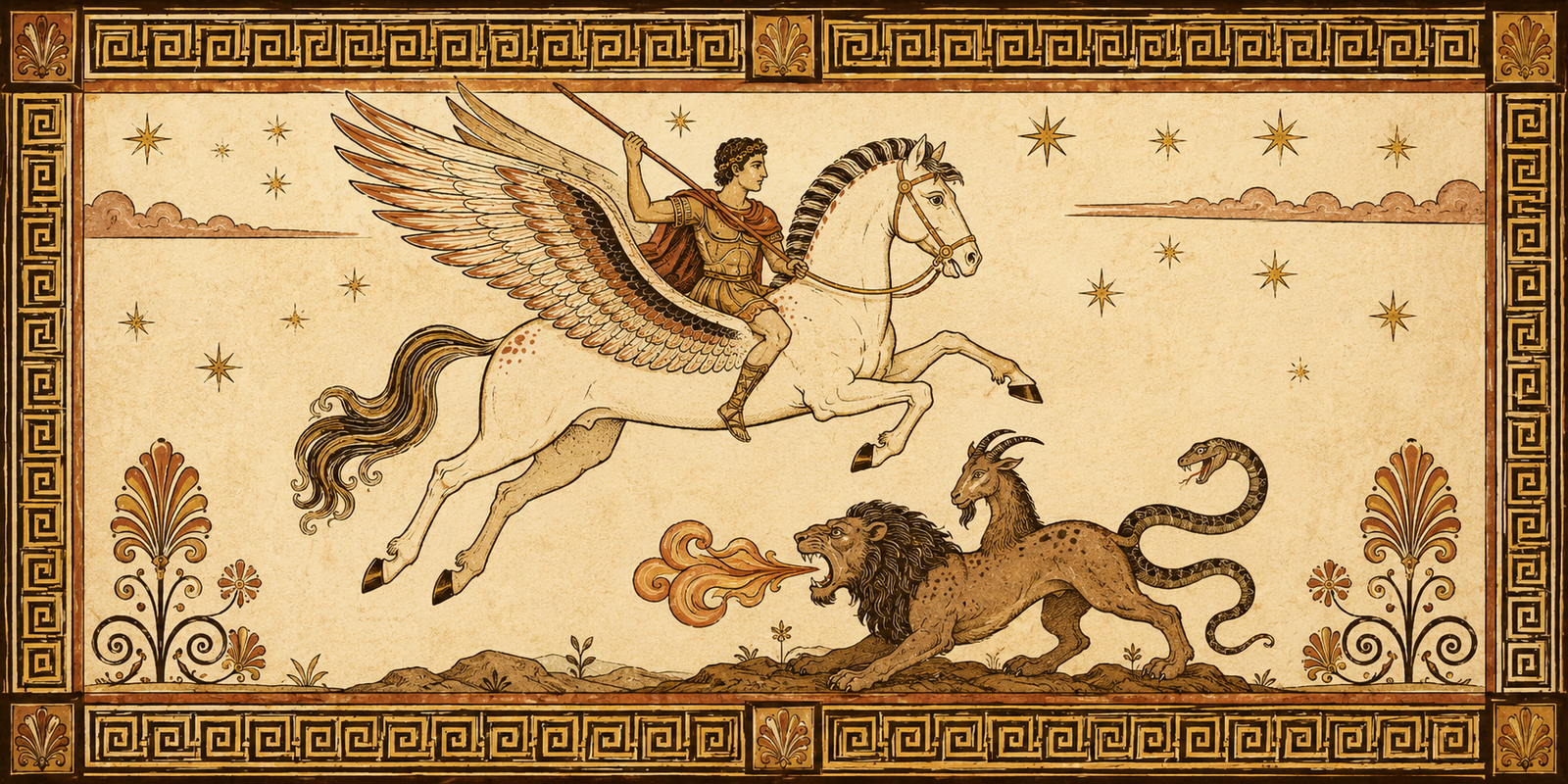
A sealed message, a fire-breathing monster, a golden bridle, and the winged horse Pegasus. This Alexander Series tale retells the Greek myth of Bellerophon for serious child readers, preserving wonder, danger, courage, and the old warning hidden inside height.

Pegasus — The Winged Horse of Greek Myth
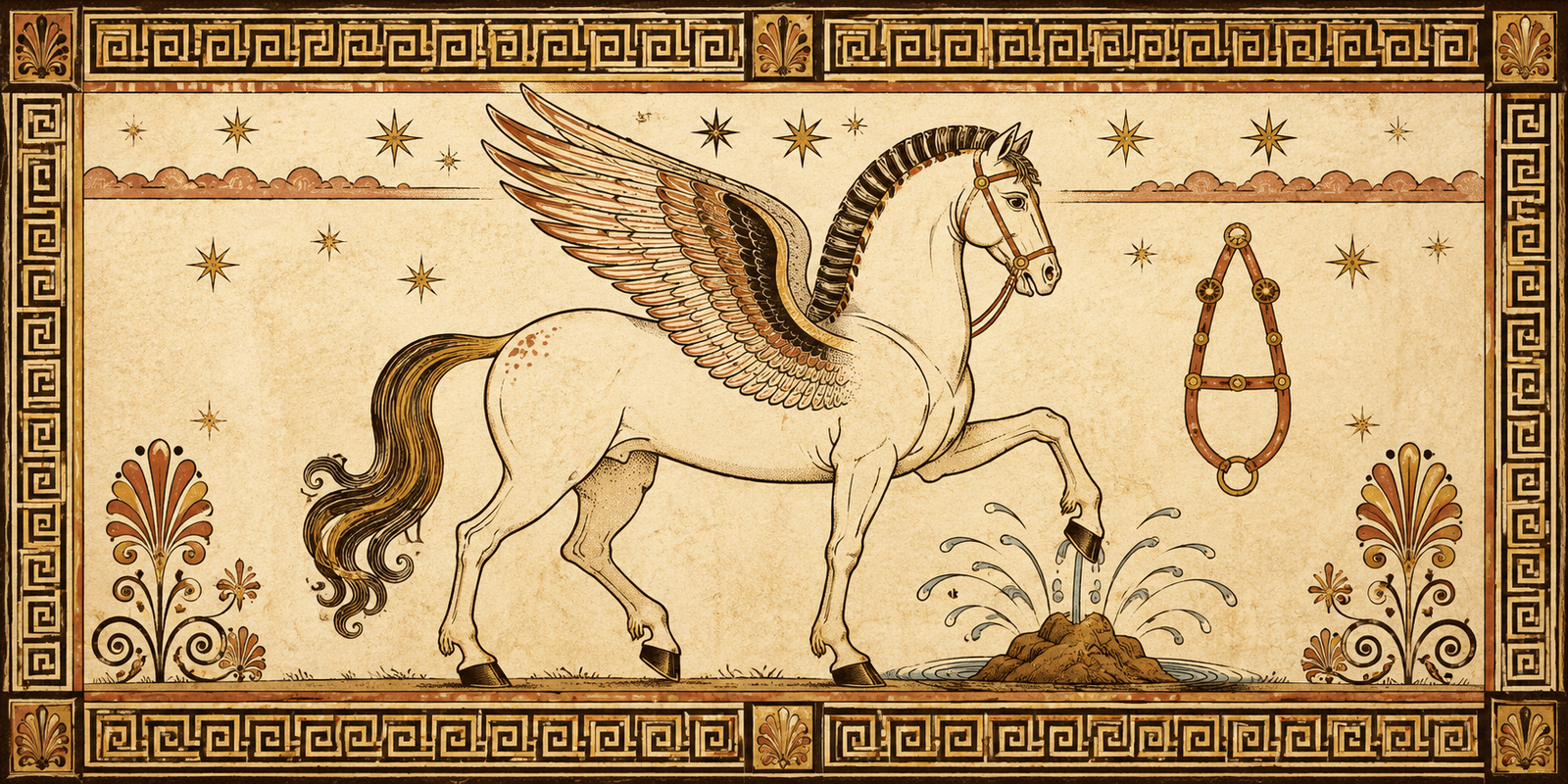
Before Bellerophon takes the bridle, a child should know that Pegasus is not a pet, not a cloud, and not a harmless fantasy creature. This Greek World entry introduces the winged horse of Greek myth as wonder with hooves, wings, danger, and rules.
Continue Reading
If this piece found something in you, you may wish to continue the journey elsewhere.
On The Lantern Chronicles, I gather writings from Angkor, myth and legend, contemplative essays, and poetry — works shaped by silence, beauty, wonder, memory, and the deeper questions that follow us through the world.
It is a place for stone and story, reflection and vow, shadow and revelation.
You would be most welcome there.