
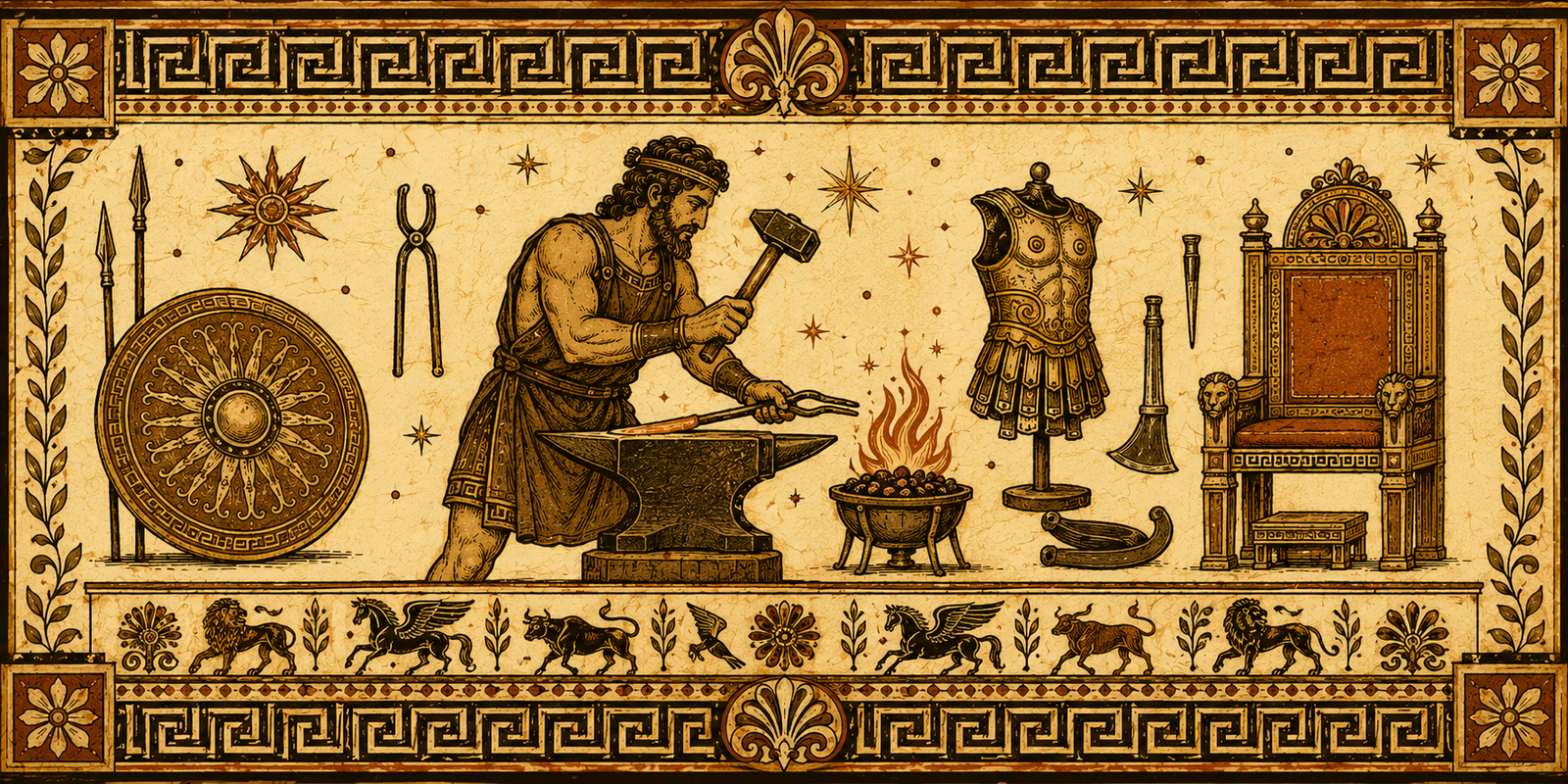

Hephaestus — The God of the Forge
After Daedalus and the Wings, The Greek World turns from one kind of maker to another.
Daedalus is a mortal craftsman: clever, frightened, trapped, and trying to save his son with feathers, wax, and skill. Hephaestus belongs to a larger, hotter world. He is the divine maker — the god of fire, metalwork, smithing, craft, and marvellous invention.
Hephaestus is not only “the blacksmith god,” though that is the simplest way to begin. In Greek myth, he is the one who makes things even the gods cannot easily make for themselves.
He makes armour.
He makes palaces.
He makes traps.
He makes thrones.
He makes tools, weapons, golden servants, and impossible things that seem to have a life of their own.
His signs are easy to remember: hammer, anvil, forge, fire, tongs, bronze, armour, and crafted wonders. But the meaning beneath them is stranger. Hephaestus shows that making is never only useful. A made thing can protect someone. It can shame someone. It can hold someone fast. It can arm a hero, trap a god, or change the shape of a story.
That is why Hephaestus belongs beside Daedalus this week.
Daedalus shows what human skill can do under pressure.
Hephaestus shows that, in Greek myth, making itself can be divine — and not always safe.
A child who has just watched Daedalus fasten wings to his son’s shoulders can now look toward the forge and see another truth: the maker’s hand is powerful because the thing it makes may go on acting after the maker has let it go.
In Greek myth, a hammer is never only a hammer.
A throne is never only a chair.
A shield is never only a shield.
And a maker does not only shape metal, wood, wax, or feathers. Sometimes he shapes the fate of everyone who touches what he has made.
Continue reading: Hephaestus at The Alexander Series on Substack.
Also in The Alexander Series
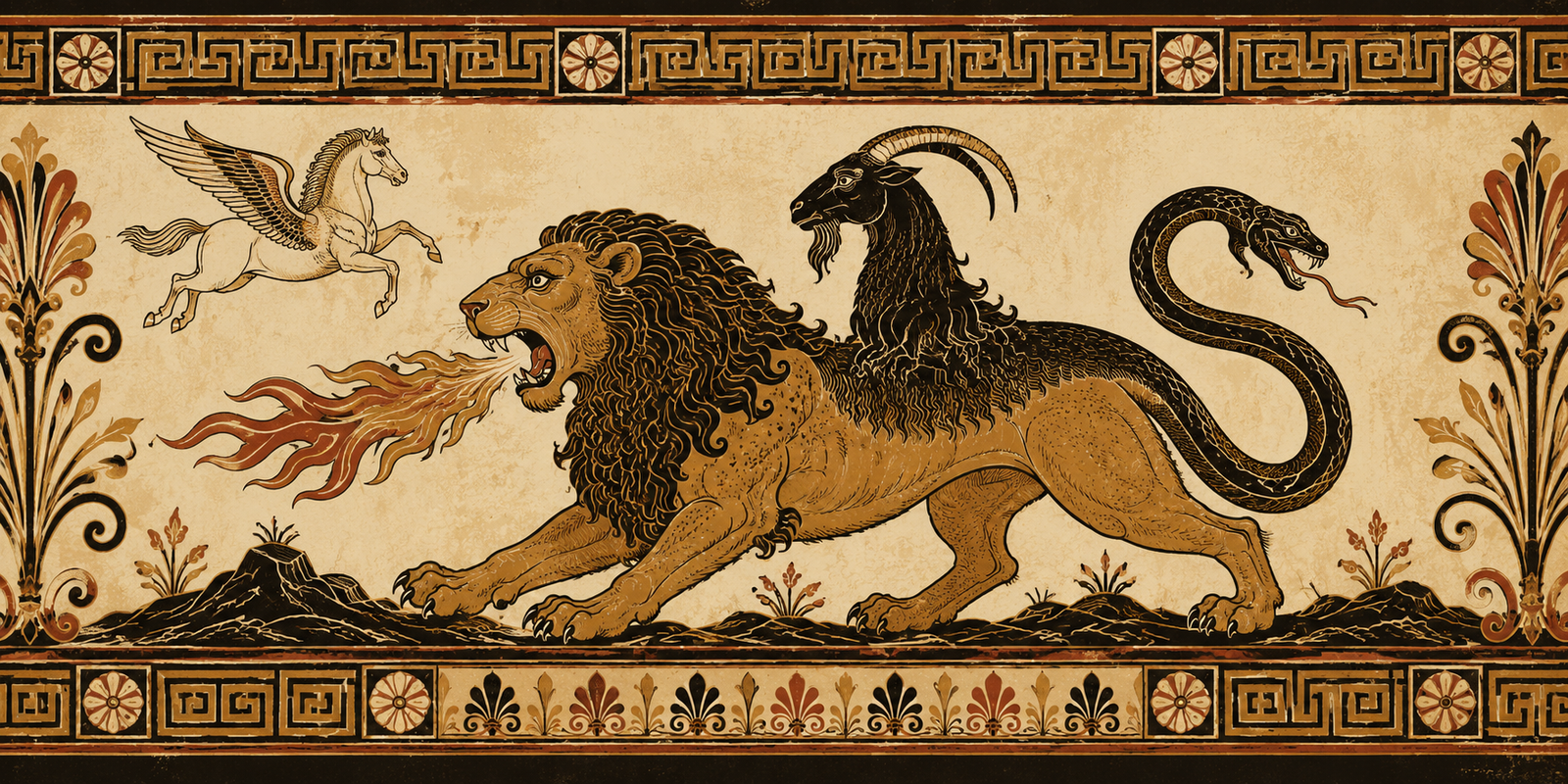

The Chimaera — A Greek Monster of Many Dangers
A child-readable Greek myth guide to the Chimaera: lion, goat, serpent, fire, and the monster’s many joined dangers. This excerpt from The Greek World shows why Bellerophon needed Pegasus, and why the Chimaera is not merely a strange animal mixture, but a precise Greek monster-sign.
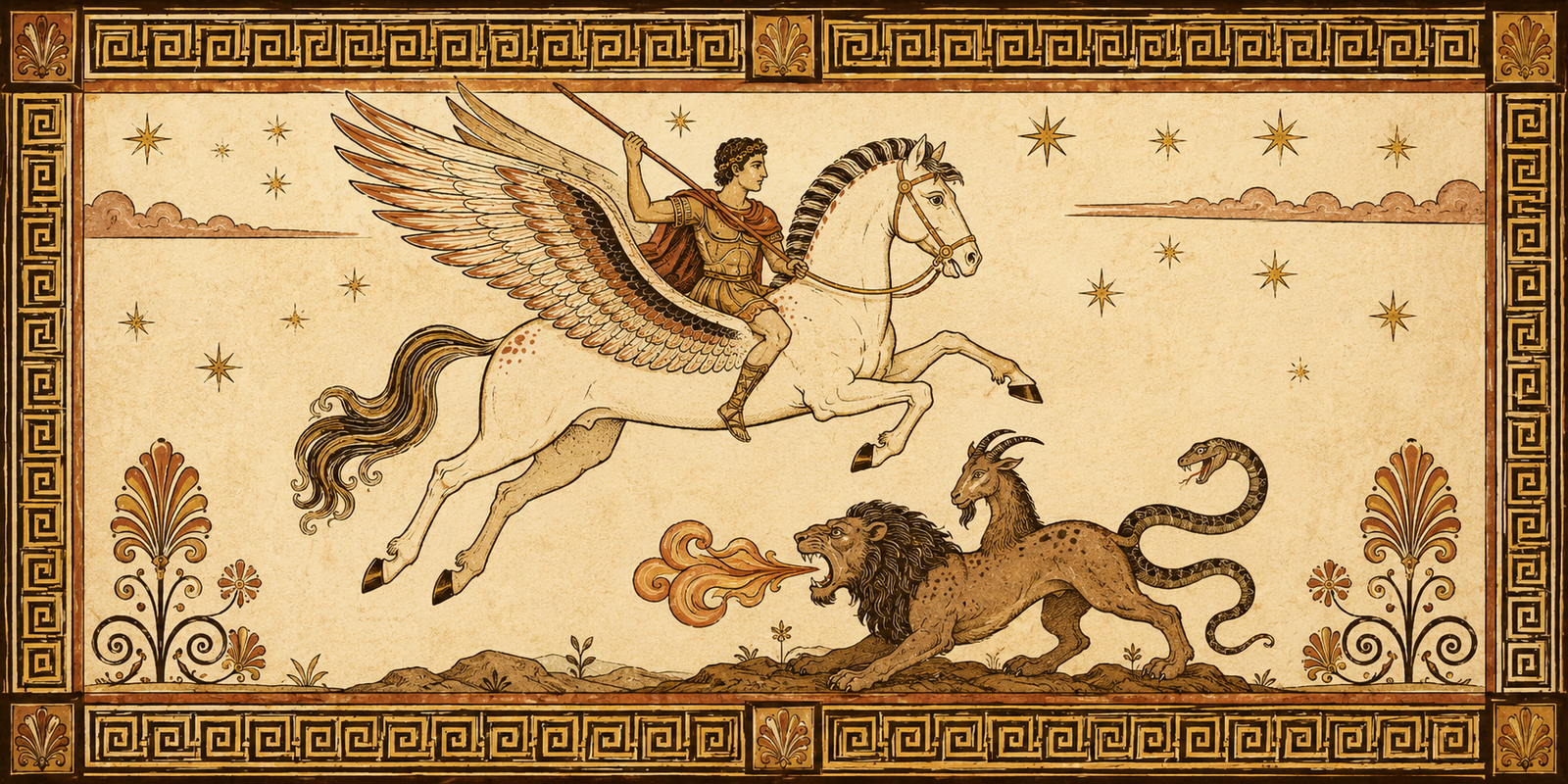

Bellerophon and Pegasus — A Greek Myth Retold for Children
A sealed message, a fire-breathing monster, a golden bridle, and the winged horse Pegasus. This Alexander Series tale retells the Greek myth of Bellerophon for serious child readers, preserving wonder, danger, courage, and the old warning hidden inside height.
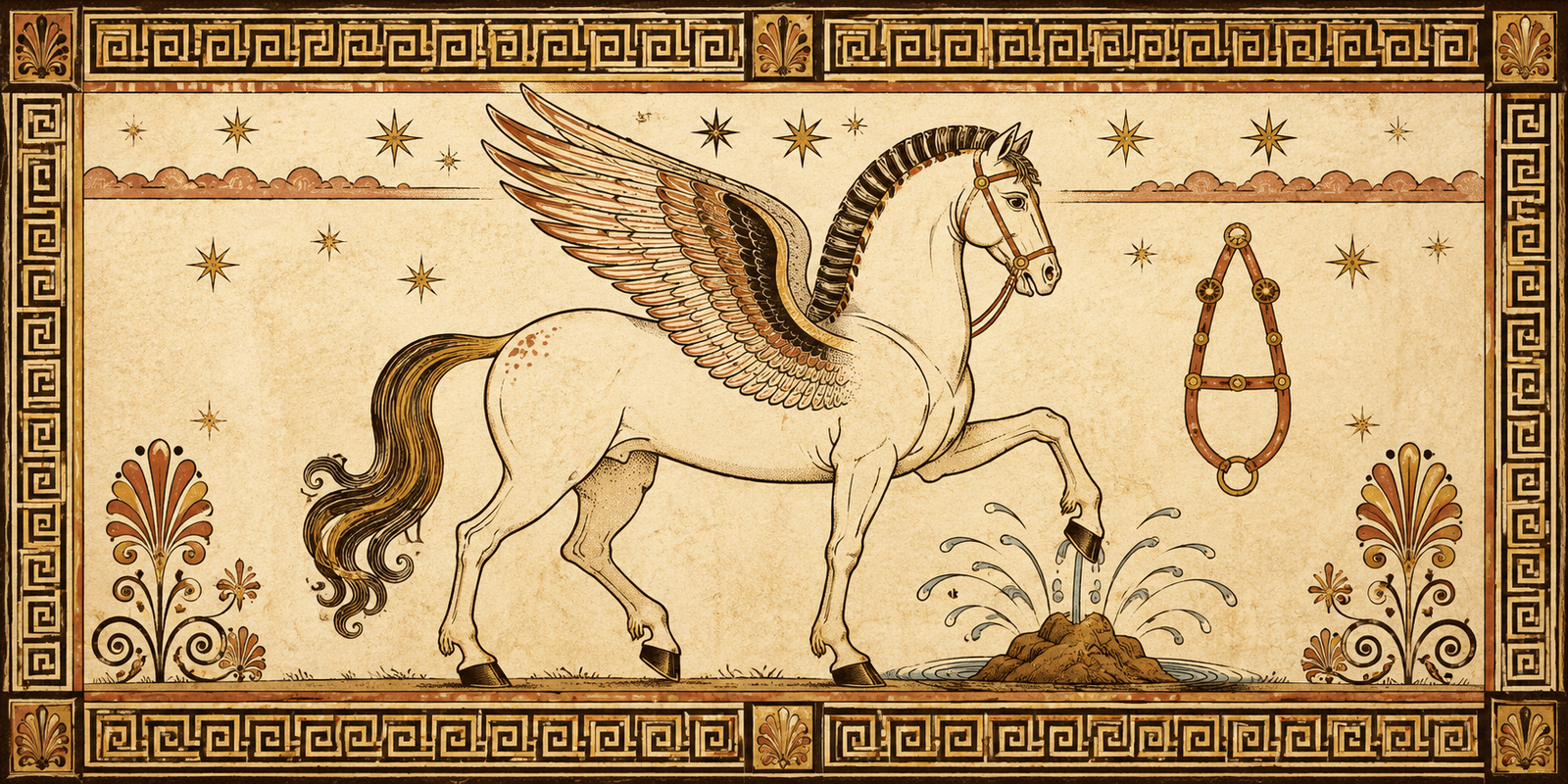

Pegasus — The Winged Horse of Greek Myth
Before Bellerophon takes the bridle, a child should know that Pegasus is not a pet, not a cloud, and not a harmless fantasy creature. This Greek World entry introduces the winged horse of Greek myth as wonder with hooves, wings, danger, and rules.
Continue Reading
If this piece found something in you, you may wish to continue the journey elsewhere.
On The Lantern Chronicles, I gather writings from Angkor, myth and legend, contemplative essays, and poetry — works shaped by silence, beauty, wonder, memory, and the deeper questions that follow us through the world.
It is a place for stone and story, reflection and vow, shadow and revelation.
You would be most welcome there.