

Corridor of Return
The sun was low when I found the gallery again. I had walked this corridor many times before, but never in this light. The sandstone was warm, as if it held fire just beneath the skin.
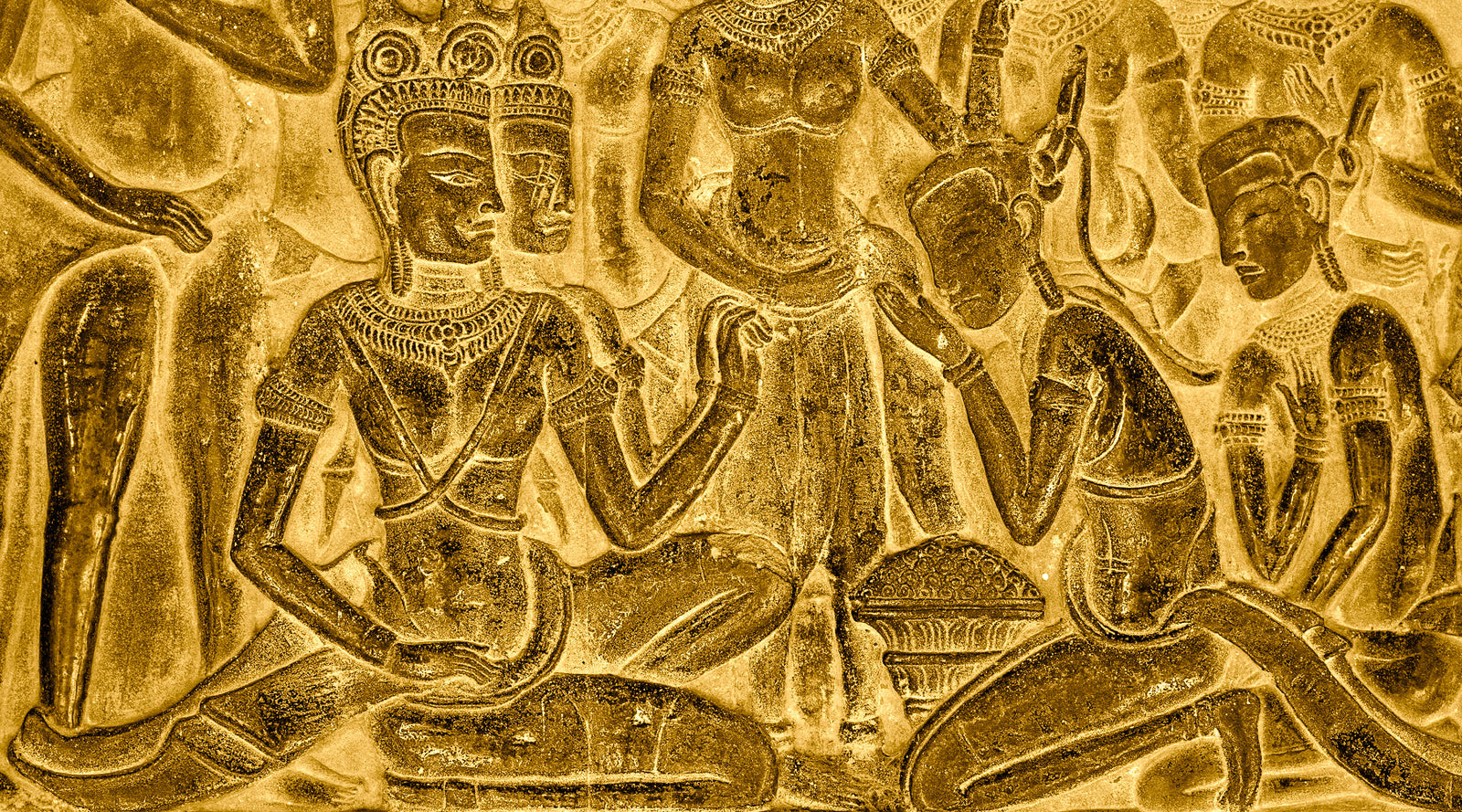
The carving caught me. Not with grandeur, but with stillness. The kneeling attendants, the open palms, the quiet exchange of presence. And above it all, a golden hush.
I didn’t think. I didn’t move. I let the moment settle, and when it did, I exposed one slow frame. I remember not the sound of the shutter, but the silence that remained.
Somewhere, the gods turned. And the stone remembered how to glow.
Warm hands in the stone—
sunlight listens as it leaves,
stillness holds the gate.
More from the Library


See Also
A concise and impartial dictionary of absence, promises, quarrels, ordinary objects, and the troublesome instability of words.

The City of Service
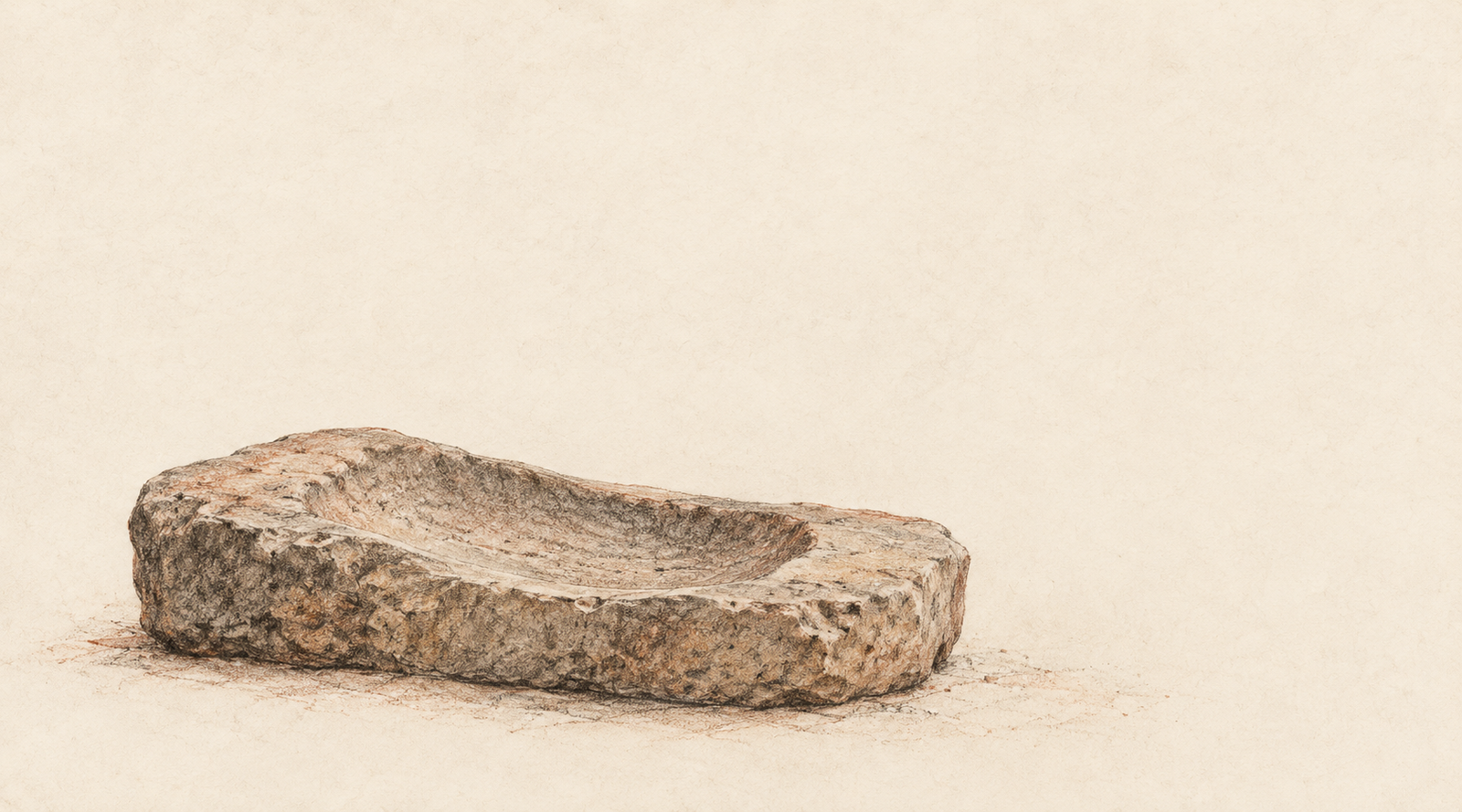
The temple we inherit is a building from which almost all necessity has been removed. Nothing must be brought for it to continue being what we call a temple. The sanctuary asks nothing of us. Stone is good at this kind of independence.
A living temple was otherwise.
Water had to come in. So did grain, cloth, oil, aromatic substances, fuel. The things required for worship arrived because someone carried them across a threshold.

Houses of Wood, Light, and Smoke
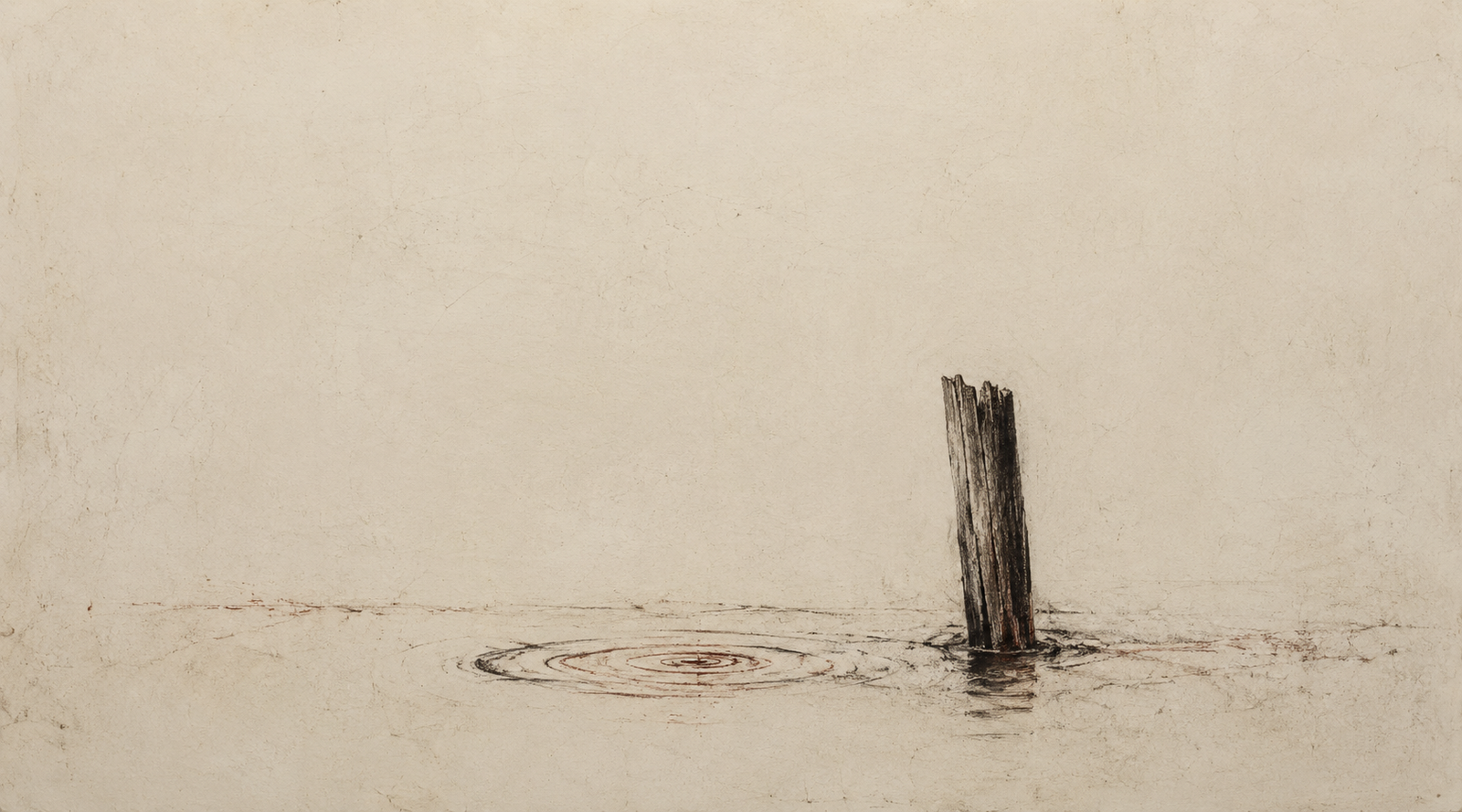
Some of Angkor’s most intimate ruins do not rise above the ground at all. They are postholes, low mounds, hearths and ponds: durable traces of a domestic city built largely from things that decay. To restore that city is to see Angkor not only as stone, but as wood, smoke, water, repair, and people living within calling distance.

$895
Angkor Wat Temple, Angkor, Cambodia — 2020
Limited Edition Archival Pigment Print
Edition
Strictly limited to 7 prints + 2 Artist’s Proofs
Edition Number
This listing is for the first numbered print from the Large Collector Edition: 1/7
Medium
Hand-toned black-and-white archival pigment print on Hahnemühle Bamboo — a museum-grade fine art paper chosen for its quiet tactility and reverent depth, echoing the spirit of the temples.
Signature & Numbering
Each print is individually signed and numbered by the artist on the border (recto)
Certificate of Authenticity
Accompanies every print
Image Size
28 x 28 inches (71.1 x 71.1 cm)
The corridor held its silence as the sun began to fall. In that narrow hush, light slipped through the jungle and touched the wall like breath. The carving—centuries old—seemed to stir, not with movement, but with inward glow.
A royal pair stood at the center, flanked by kneeling figures whose hands, lifted in reverence, caught the last warmth of day. This was not a scene of myth, but of return—light meeting stone in recognition.
I waited. When the moment gathered itself, I exposed one frame of medium-format black-and-white film. It felt less like taking than receiving.
In the studio, the photograph unfolded slowly. Through classical chiaroscuro and meticulous hand-toning, the image regained its warmth, its breath. Printed on museum-grade Hahnemühle Bamboo paper, and Strictly limited to 7 prints with 2 Artist’s Proofs, each work is shaped as a gesture of stillness and care.
May this print serve as a silent welcome—
a resting place for light in your keeping.
Click here to enter the Artist’s Journal and follow the gold into dusk.