
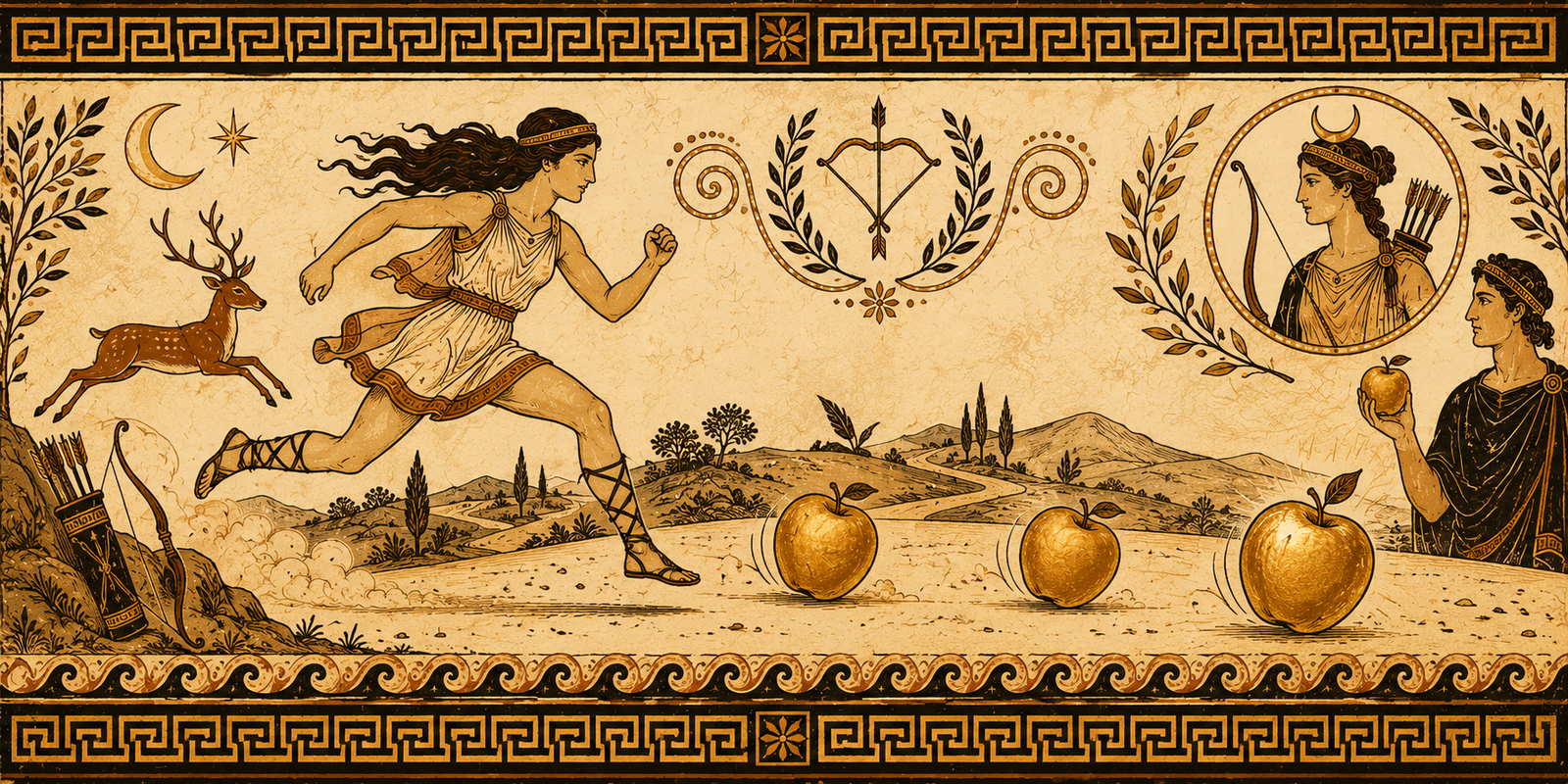

Atalanta Runs for Her Freedom: The Girl No One Could Catch
Atalanta knew the forest by speed.
She knew which stones shifted after rain, which roots would catch a careless foot, where the deer crossed at morning, and how the air changed just before a hare broke from cover. Other children learned the rooms of a house. Atalanta learned the spaces between trees.
This new tale in The Alexander Series retells the myth of Atalanta for children who can be trusted with danger, beauty, unfairness, and wonder. It is a story of speed, freedom, golden apples, divine interference, and the fierce difficulty of remaining uncaught.
No one had taught Atalanta to run as if the whole world had opened a road beneath her. She had learned because running was how the world first answered her.
When she was very small, people who should have kept her safe left her where the wild could find her.
The wild did find her.
It did not do what they expected.
A she-bear came first, great-shouldered and dark, with breath like warm earth and paws that could have broken a man’s courage without trying. But she did not harm the child. She fed her. She kept her alive. And if this sounds strange, you must remember that Greek stories are full of people behaving worse than beasts, and beasts behaving better than people expected.
Later, hunters found Atalanta and raised her among bows, dogs, tracks, weather, and the hard good sense of the woods. She grew straight and swift. She learned the pull of a bowstring. She learned when to move and when to be still. She learned that a snapped twig could mean supper, danger, or nothing at all, and that only fools decided too quickly which it was.
Whether Artemis herself watched over the child no one had wanted, the story does not say. Greek stories are often careful about what they refuse to say.
But anyone who saw Atalanta run would have thought of Artemis.
She ran like something the forest had meant to keep.
She could pass between trees without losing breath. She could cross a stream by touching only three stones. She could follow a deer until the deer itself began to seem surprised. When she ran downhill, loose pebbles leapt after her as if trying to keep up. When she ran uphill, men who watched from below stopped speaking, which is not a small achievement where men are concerned.
Soon people began to talk.
This is what happens when someone is very good at something. First one person sees it. Then three people speak of it. Then a stranger repeats the story and adds a little shine to it. Then someone far away, who has never seen the thing at all, begins to behave as if it belongs partly to him because he has heard of it.
Atalanta’s name travelled.
Hunters spoke of her. Shepherds spoke of her. Young men spoke of her while pretending not to be impressed. Old men spoke of her with the suspicious tone of people who think the world has been arranged incorrectly because it no longer surprises them in the old ways.
“She is swift,” they said.
“She is proud,” said others, who usually meant that she had not bowed quickly enough.
“She is beautiful,” said some, and that was when the trouble sharpened.
Men came to see her.
At first they came as if they had only happened to be passing by, which was unlikely, since several had crossed mountains to happen in exactly that direction. They watched her shoot. They watched her run. They watched her stand beneath the trees with her bow across her shoulder and her hair caught back from her face.
Then they began to ask for her hand.
This was a strange thing to do after watching Atalanta run. A sensible person might have thought, “Here is someone who belongs to herself more clearly than most people do.” But a surprising number of men, having seen a girl no one could catch, decided that the next sensible thing was to try to catch her.
Atalanta refused them.
Still they came.
At last Atalanta gave them a rule.
“If any man wishes to marry me,” she said, “he must race me. If he outruns me, he may have what he came for.”
The men brightened at this. Men often brighten just before they understand the second half of a sentence.
“If he loses,” said Atalanta, “he will not ask again.”
That was the polite version.
The truer version was darker.
Those who lost would pay with their lives. The old stories say this plainly. We do not need to stand beside that darkness for long, but we must not pretend it was not there. Atalanta had made the race dangerous because the thing being gambled was dangerous. Her life was not a ribbon to be handed over after sport. If men wanted to turn her freedom into a contest, then the contest would have teeth.
Continue reading: Atalanta Runs for Her Freedom at The Alexander Series on Substack.
Also in The Alexander Series
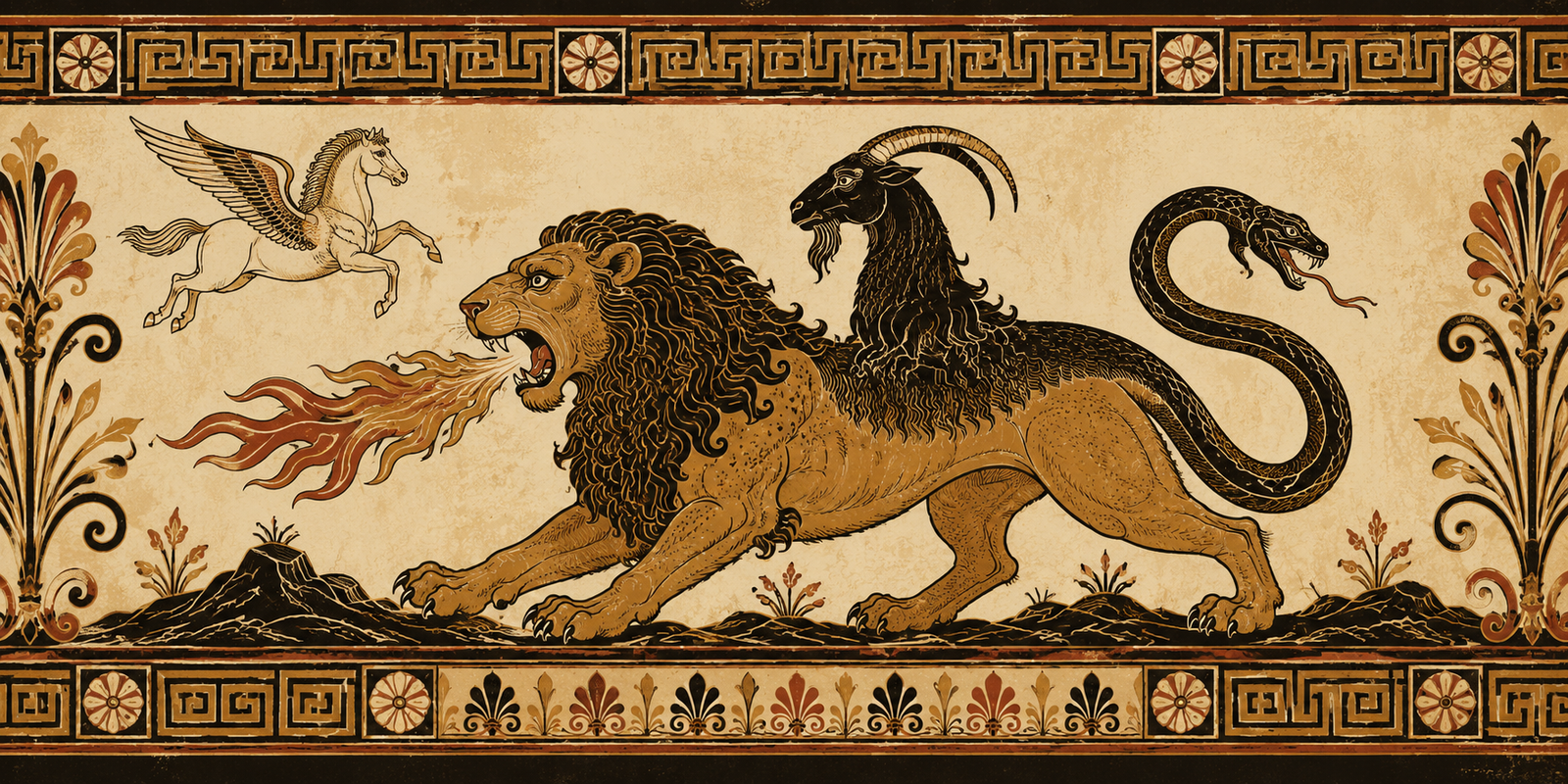

The Chimaera — A Greek Monster of Many Dangers
A child-readable Greek myth guide to the Chimaera: lion, goat, serpent, fire, and the monster’s many joined dangers. This excerpt from The Greek World shows why Bellerophon needed Pegasus, and why the Chimaera is not merely a strange animal mixture, but a precise Greek monster-sign.
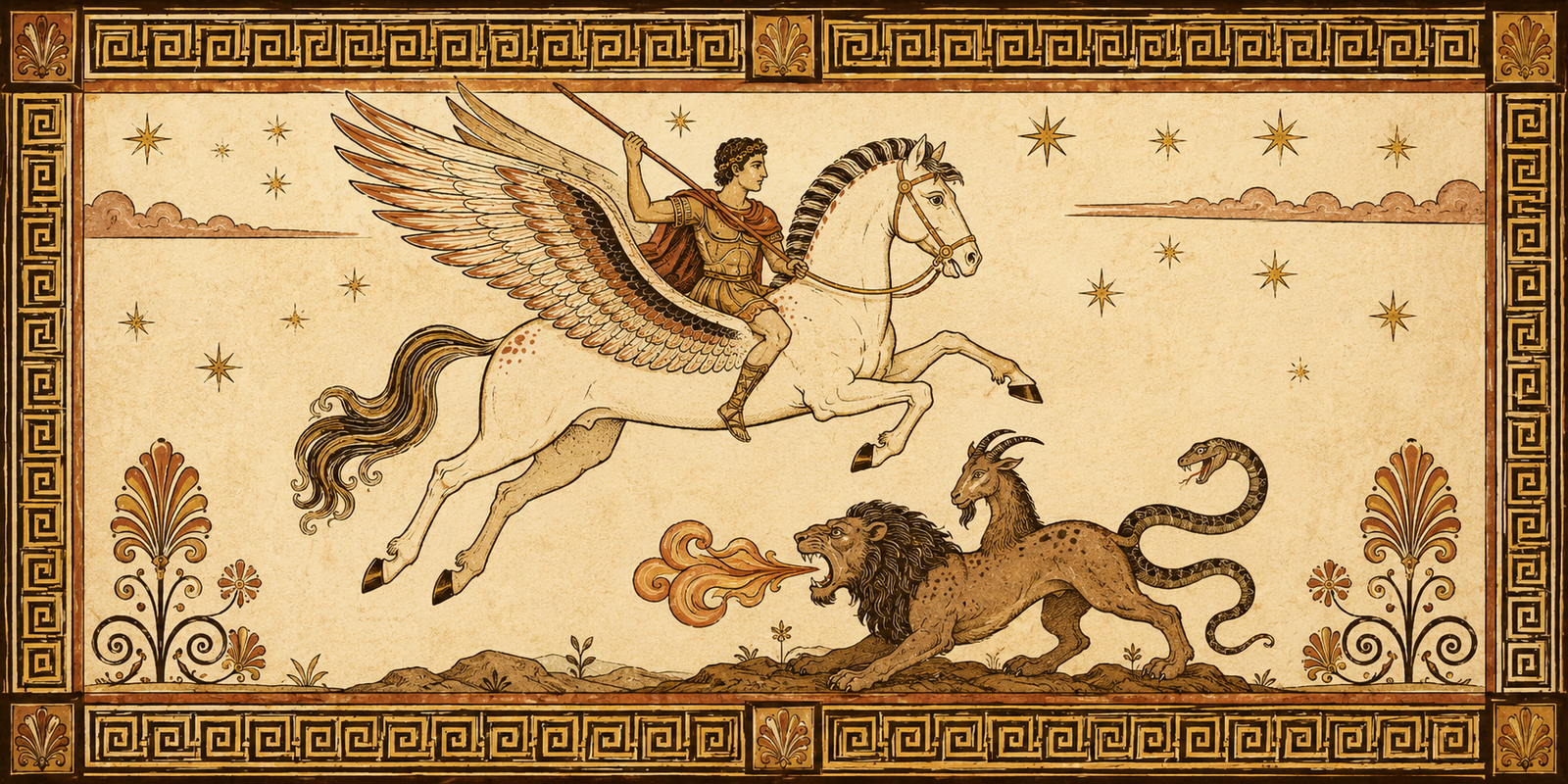

Bellerophon and Pegasus — A Greek Myth Retold for Children
A sealed message, a fire-breathing monster, a golden bridle, and the winged horse Pegasus. This Alexander Series tale retells the Greek myth of Bellerophon for serious child readers, preserving wonder, danger, courage, and the old warning hidden inside height.
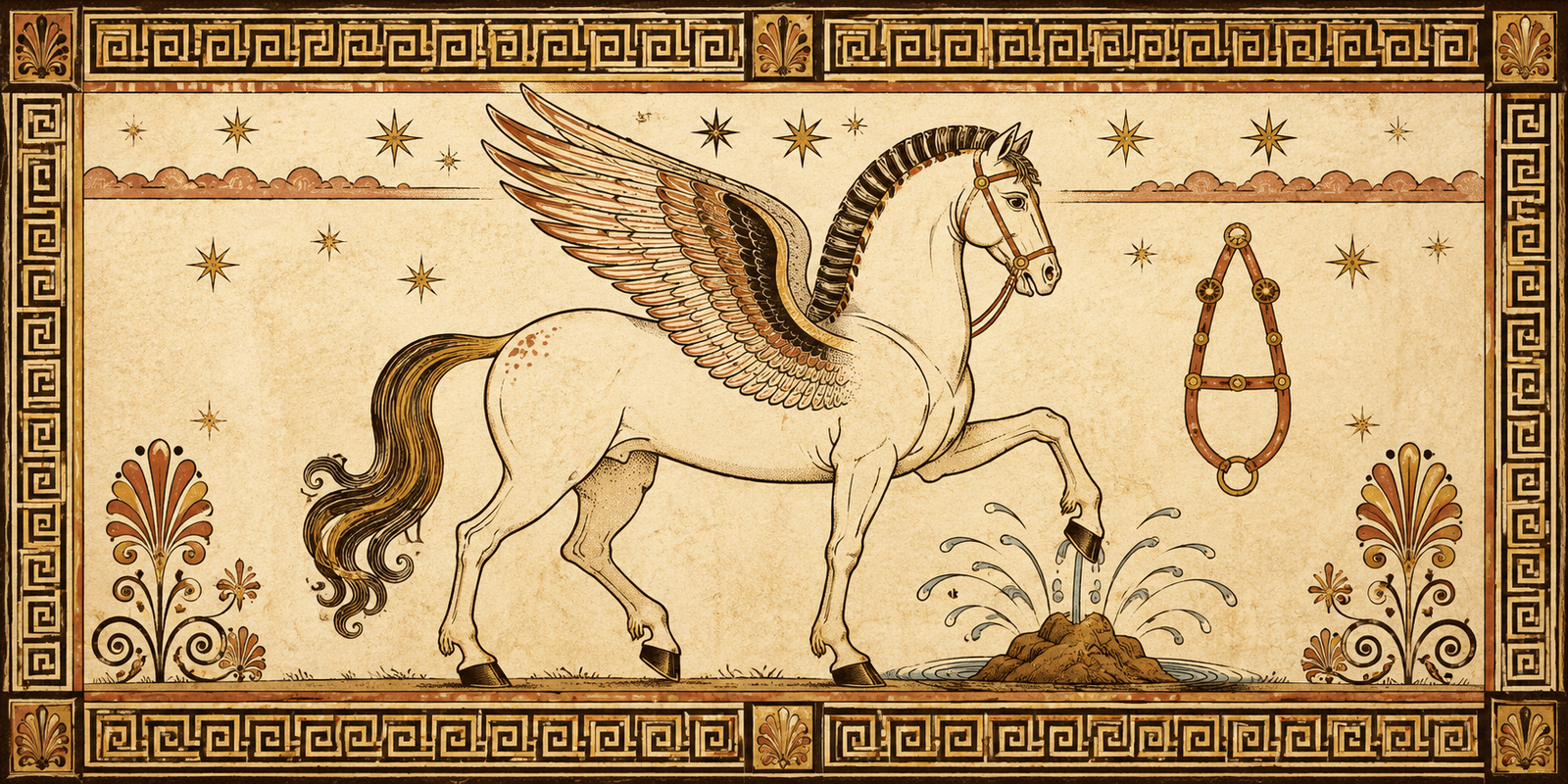

Pegasus — The Winged Horse of Greek Myth
Before Bellerophon takes the bridle, a child should know that Pegasus is not a pet, not a cloud, and not a harmless fantasy creature. This Greek World entry introduces the winged horse of Greek myth as wonder with hooves, wings, danger, and rules.
Continue Reading
If this piece found something in you, you may wish to continue the journey elsewhere.
On The Lantern Chronicles, I gather writings from Angkor, myth and legend, contemplative essays, and poetry — works shaped by silence, beauty, wonder, memory, and the deeper questions that follow us through the world.
It is a place for stone and story, reflection and vow, shadow and revelation.
You would be most welcome there.