
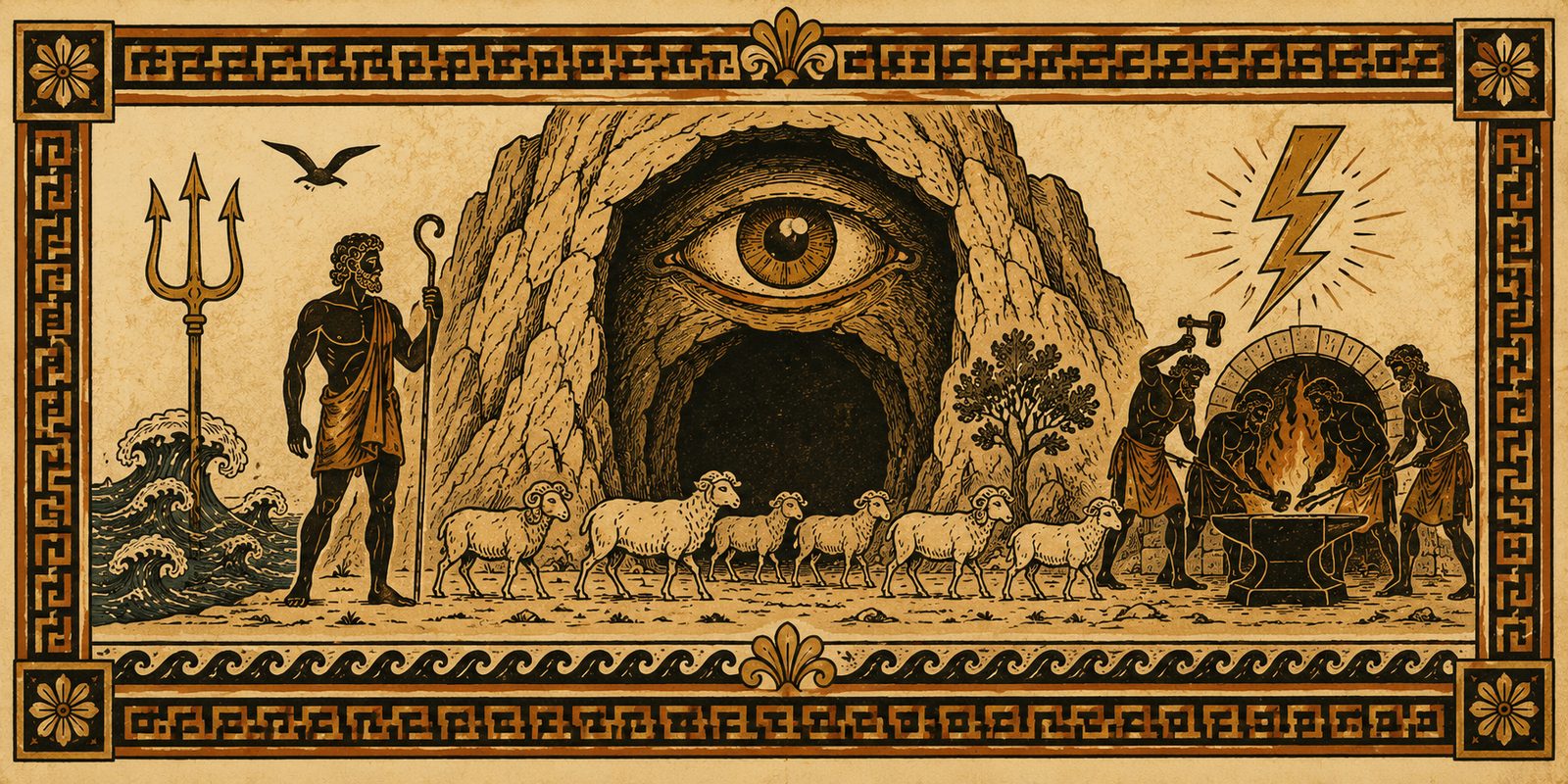

Cyclopes: One Eye in the Dark
Odysseus has escaped the cave.
The sheep have gone out into the morning. The ship has pulled away from shore. The single eye has been left behind in the dark.
Now we can turn back and ask a stranger question.
What was the Cyclops?
This new entry in The Greek World, part of The Alexander Series, helps children understand that the Cyclopes are not only giants with one eye. Polyphemus is the danger Odysseus meets in the cave — huge, lonely, lawless, and strong enough to make bravery useless on its own. But other Cyclopes belong to older stories of fire, thunder, hidden force, and weapons made for gods.
A Cyclops is not only “a giant with one eye.” That is the beginning of the answer, not the end of it. Some Cyclopes are wild, lonely, lawless beings like Polyphemus. Others belong to older stories — stories of fire, thunder, deep earth, and weapons made for gods.
So before we leave the cave behind, we should look once more.
Not for too long.
But long enough to understand what was looking back.
Cyclopes are one-eyed giants in Greek myth.
Their name means something like “circle-eyed” or “round-eyed,” because each Cyclops has one great eye in the middle of the forehead.
But Cyclopes are not all the same.
Some are wild giants who live apart from human law, human cities, human ships, and human tables. Polyphemus, the Cyclops who traps Odysseus, belongs to this kind of story.
Other Cyclopes are older, stranger, and more powerful. They are divine craftsmen: mighty beings who work with fire, metal, thunder, and hidden force. In some stories, they help make the weapons of the gods.
So a Cyclops may be a monster in a cave.
A Cyclops may also be a maker of thunder.
That is a very Greek sort of difficulty.
In Odysseus in the Cave of the Cyclops, the Cyclops you met was Polyphemus.
He lived in a cave, not a city. He kept sheep and goats. He made cheese and drank milk. He was not foolish in the way of an animal. He knew his work. He knew his flock. He could close his cave with a stone so huge that Odysseus and all his men could not move it.
That was part of the fear.
Polyphemus was not frightening only because he was large.
He was frightening because he lived outside the rules that protect people from one another.
In the Greek world, a stranger at the door mattered. A traveller might be tired, hungry, lost, shipwrecked, or under the protection of Zeus, who watched over guests. A proper host would offer food and shelter before asking too many questions.
Polyphemus did not care.
He had no council, no king, no city, no table of welcome, no shame before the gods, and no wish to behave like a host. He had strength without courtesy. He had a home without hospitality. He had food, fire, and shelter — all the things that usually make a house safe — but in his cave they became part of the danger.
That is why Odysseus could not simply be brave.
Bravery cannot move a stone that large.
He had to be clever.
Continue reading: Cyclopes at The Alexander Series on Substack.
Also in The Alexander Series
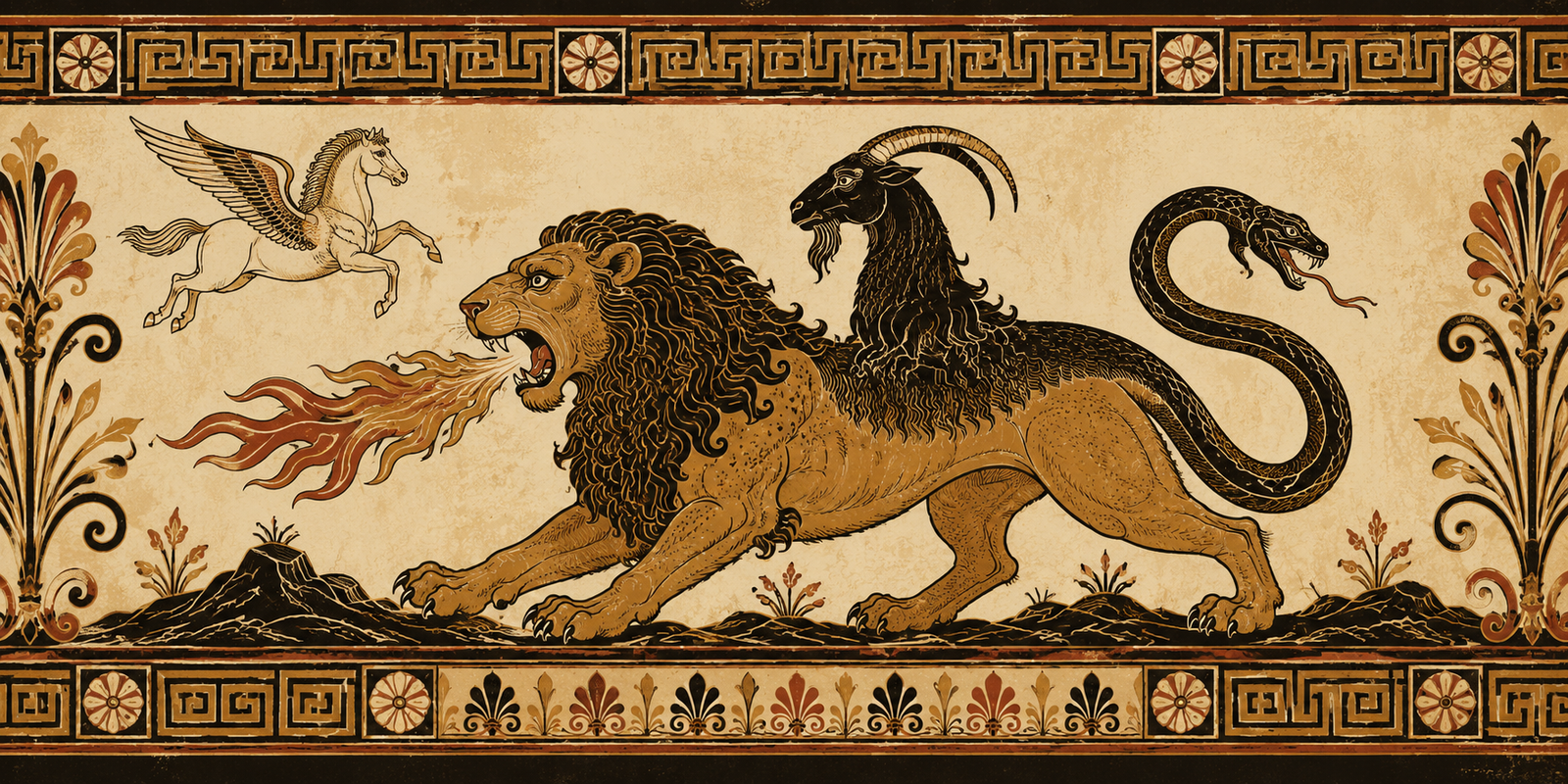

The Chimaera — A Greek Monster of Many Dangers
A child-readable Greek myth guide to the Chimaera: lion, goat, serpent, fire, and the monster’s many joined dangers. This excerpt from The Greek World shows why Bellerophon needed Pegasus, and why the Chimaera is not merely a strange animal mixture, but a precise Greek monster-sign.
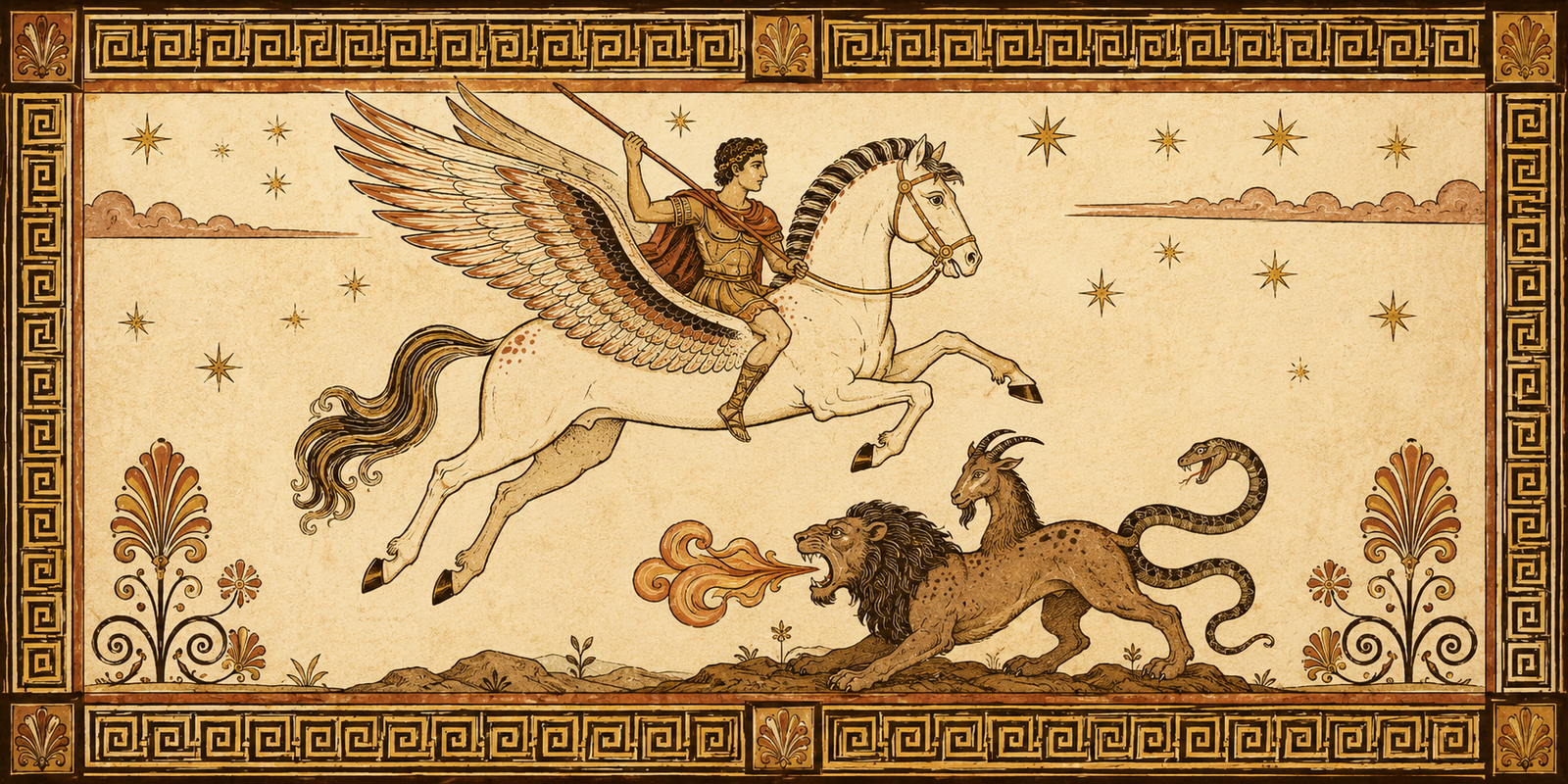

Bellerophon and Pegasus — A Greek Myth Retold for Children
A sealed message, a fire-breathing monster, a golden bridle, and the winged horse Pegasus. This Alexander Series tale retells the Greek myth of Bellerophon for serious child readers, preserving wonder, danger, courage, and the old warning hidden inside height.
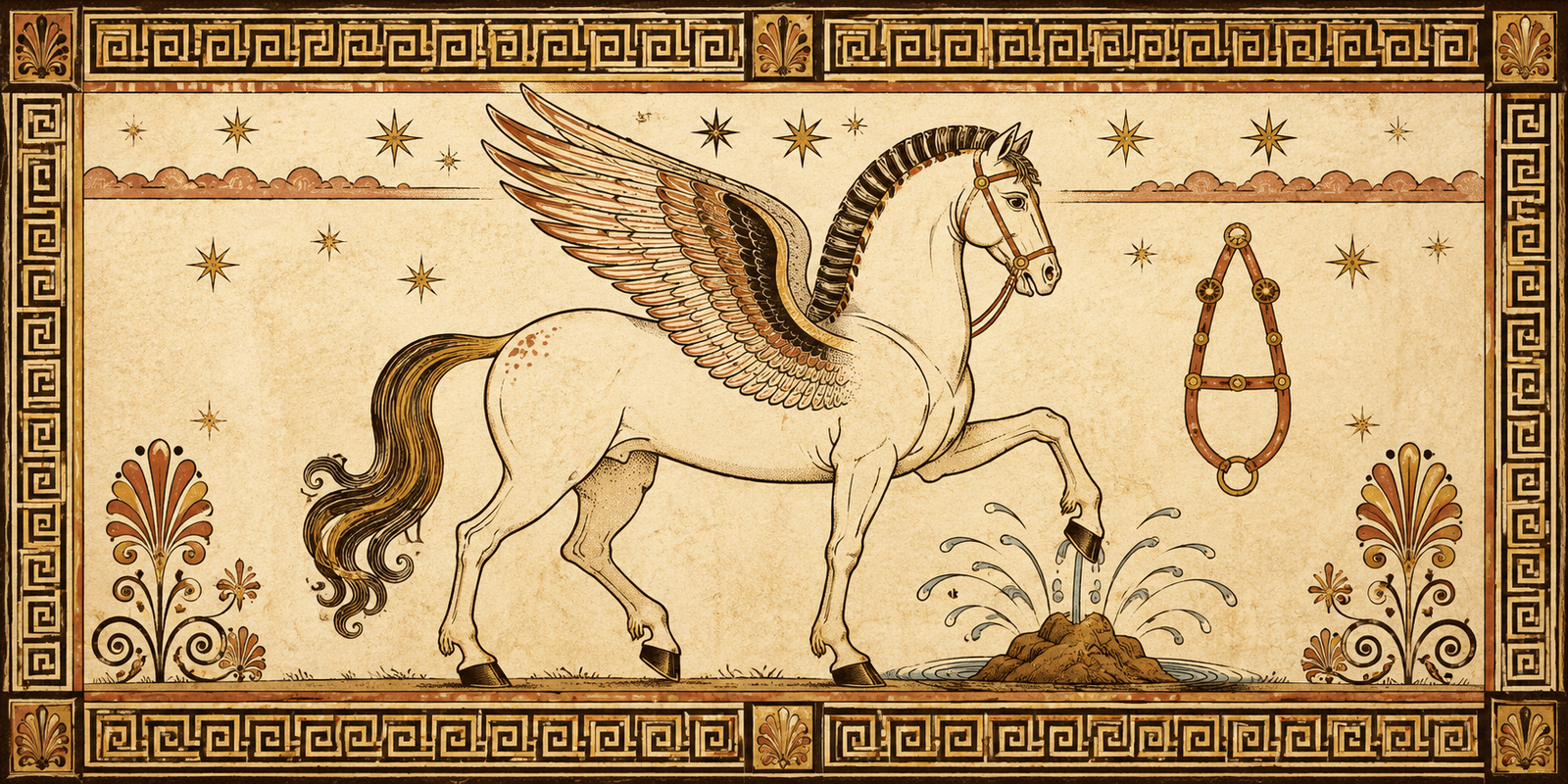

Pegasus — The Winged Horse of Greek Myth
Before Bellerophon takes the bridle, a child should know that Pegasus is not a pet, not a cloud, and not a harmless fantasy creature. This Greek World entry introduces the winged horse of Greek myth as wonder with hooves, wings, danger, and rules.
Continue Reading
If this piece found something in you, you may wish to continue the journey elsewhere.
On The Lantern Chronicles, I gather writings from Angkor, myth and legend, contemplative essays, and poetry — works shaped by silence, beauty, wonder, memory, and the deeper questions that follow us through the world.
It is a place for stone and story, reflection and vow, shadow and revelation.
You would be most welcome there.