
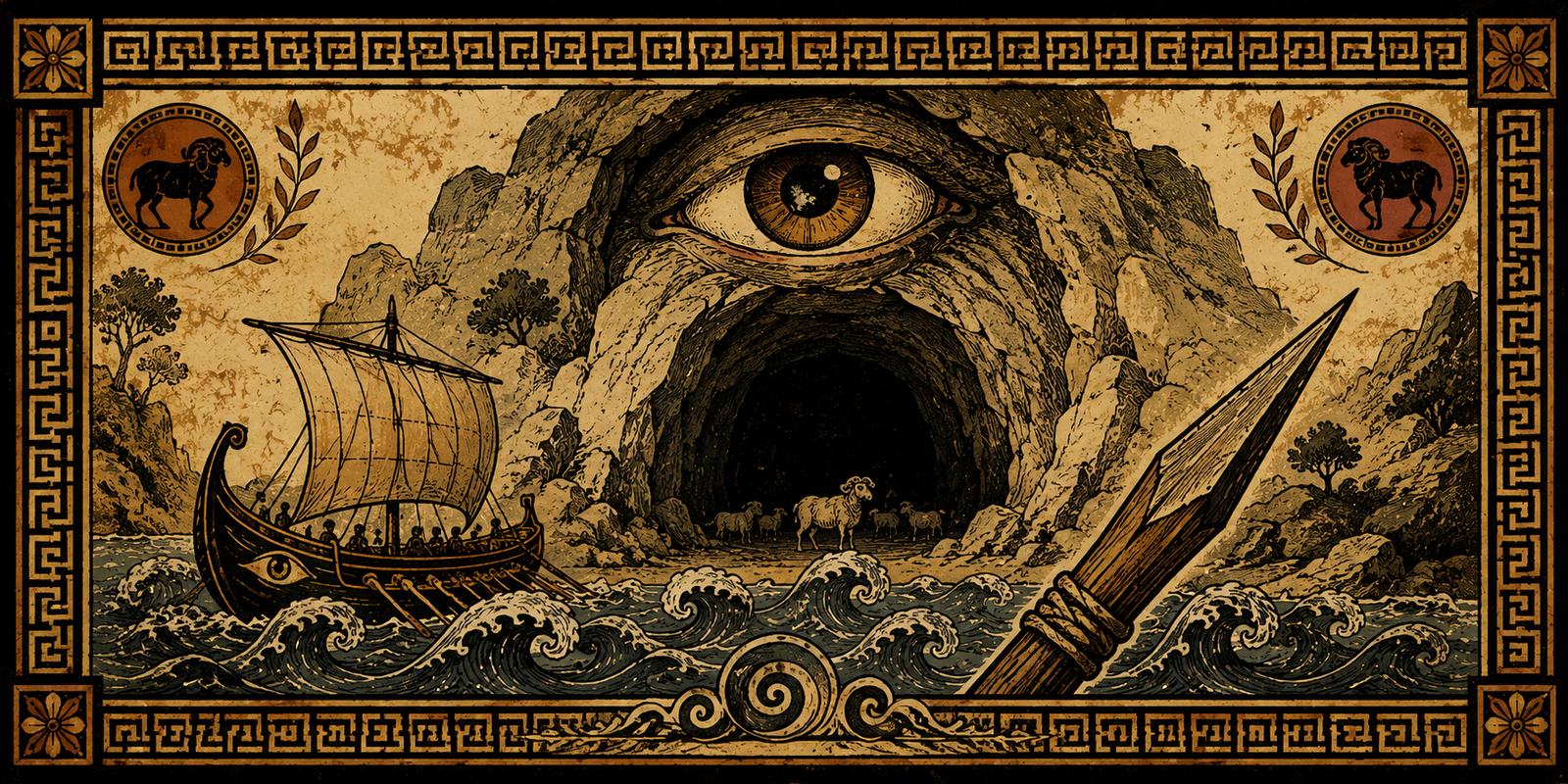

Odysseus in the Cave of the Cyclops
Odysseus in the Cave of the Cyclops is a Greek myth retold for serious child readers: dangerous, warm, sharply paced, and alive to the strange old laws of hospitality, cunning, names, monsters, and gods.
This is the story of a sailor far from home, a cave that looks useful before it becomes a trap, a giant with one terrible eye, and a name clever enough to save a life. Odysseus does not survive because he is stronger than the Cyclops. He survives because his mind keeps working in the dark. But Greek myth is rarely finished when the monster is escaped. Sometimes the danger waiting behind victory is the hero’s own need to be known.
Some shores look gentle from the sea.
That does not mean they are gentle.
Odysseus and his men had learned this already, though not well enough. They had left Troy behind them, with its blackened towers and long grief, and every man among them wanted the same thing: a clear wind, a safe harbour, and the sight of home rising at last beyond the waves.
Instead, the sea kept giving them islands.
Some islands gave food. Some gave fear. Some gave both.
One morning, after many days of rowing, hunger, and salt dried white on their arms, the ships came near a strange shore. It had green slopes, quiet beaches, and caves cut into the hills. Goats moved along the rocks. Smoke rose somewhere inland.
The men stared.
Smoke meant fire.
Fire meant someone lived there.
And someone who lived there might have bread, cheese, milk, meat, water, and perhaps enough kindness to share it with tired men who had been too long at sea.
Odysseus stood in the prow of his ship, looking toward the shore.
He was not the strongest of the Greeks. He was not the youngest, nor the loudest, nor the easiest man to understand. But he had a mind that did not stop moving. It moved when other men panicked. It moved when other men boasted. It moved in darkness, which is one of the most useful places for a mind to keep working.
“We will go and see who lives there,” he said.
Some of the men looked pleased.
Some looked less pleased.
A clever captain saying “we will go and see” had caused trouble before.
Still, they trusted him. They had followed him through war. They had followed him across the sea. They would follow him now into a quiet green island where nothing, at first, seemed especially wrong.
That was the first mistake.
They left most of the men with the ships and took only a chosen company. Odysseus led them up from the beach, carrying a skin of dark, strong wine. It was fine wine, the kind that did not merely warm the throat, but seemed to speak to the bones in a deep red voice.
“This may be useful,” he said.
No one argued with a man carrying wine.
They climbed inland. The air smelled of thyme, salt, goats, and sun-warmed stone. Soon they found the cave.
It was enormous.
That should have warned them.
A small man may live in a large house, of course. Kings do it all the time. But this cave was not large in the way a rich man’s house is large. It was large in the way a mountain’s mouth is large.
Continue reading: Odysseus in the Cave of the Cyclops at The Alexander Series on Substack.
Also in The Alexander Series
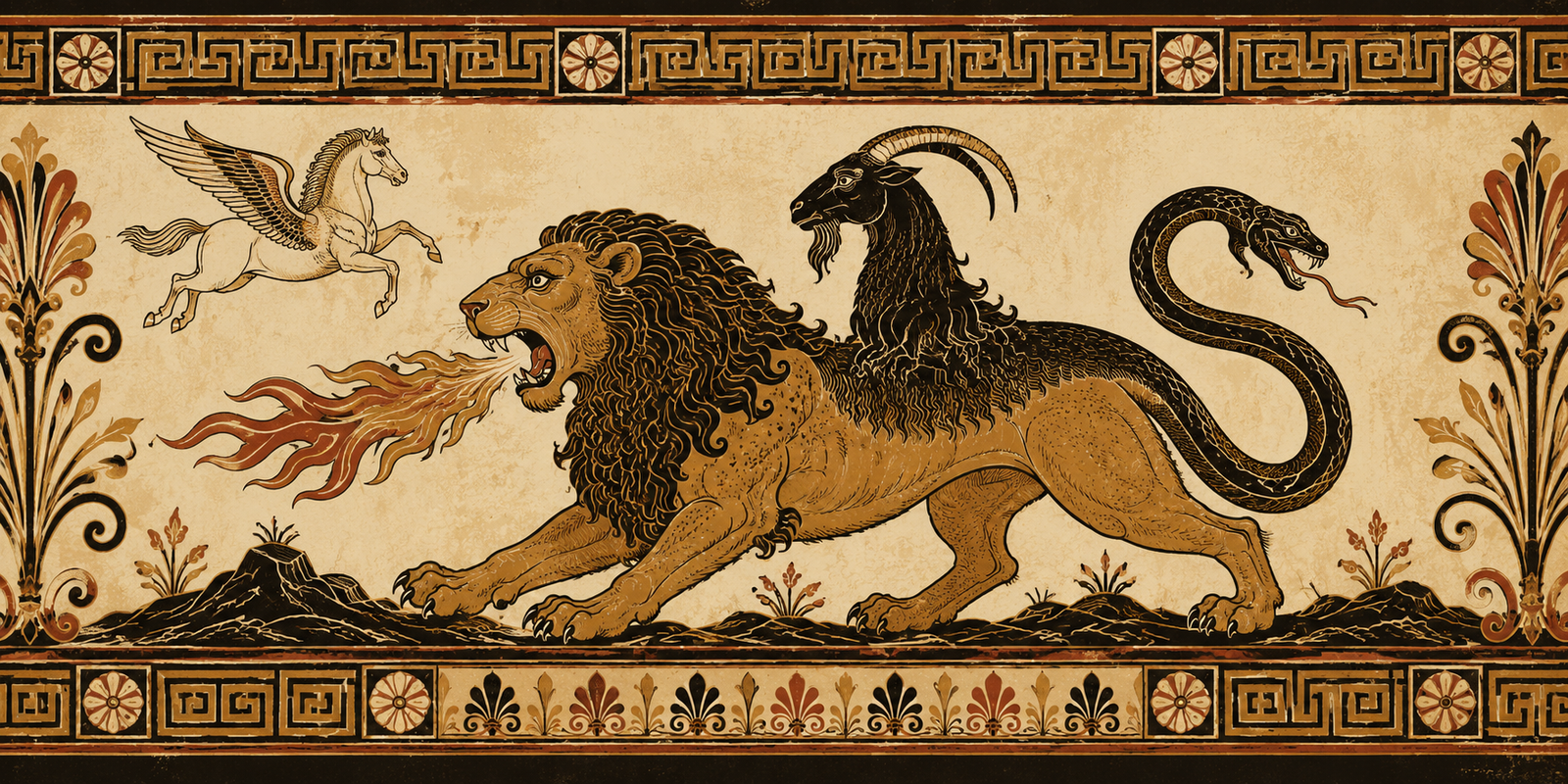

The Chimaera — A Greek Monster of Many Dangers
A child-readable Greek myth guide to the Chimaera: lion, goat, serpent, fire, and the monster’s many joined dangers. This excerpt from The Greek World shows why Bellerophon needed Pegasus, and why the Chimaera is not merely a strange animal mixture, but a precise Greek monster-sign.
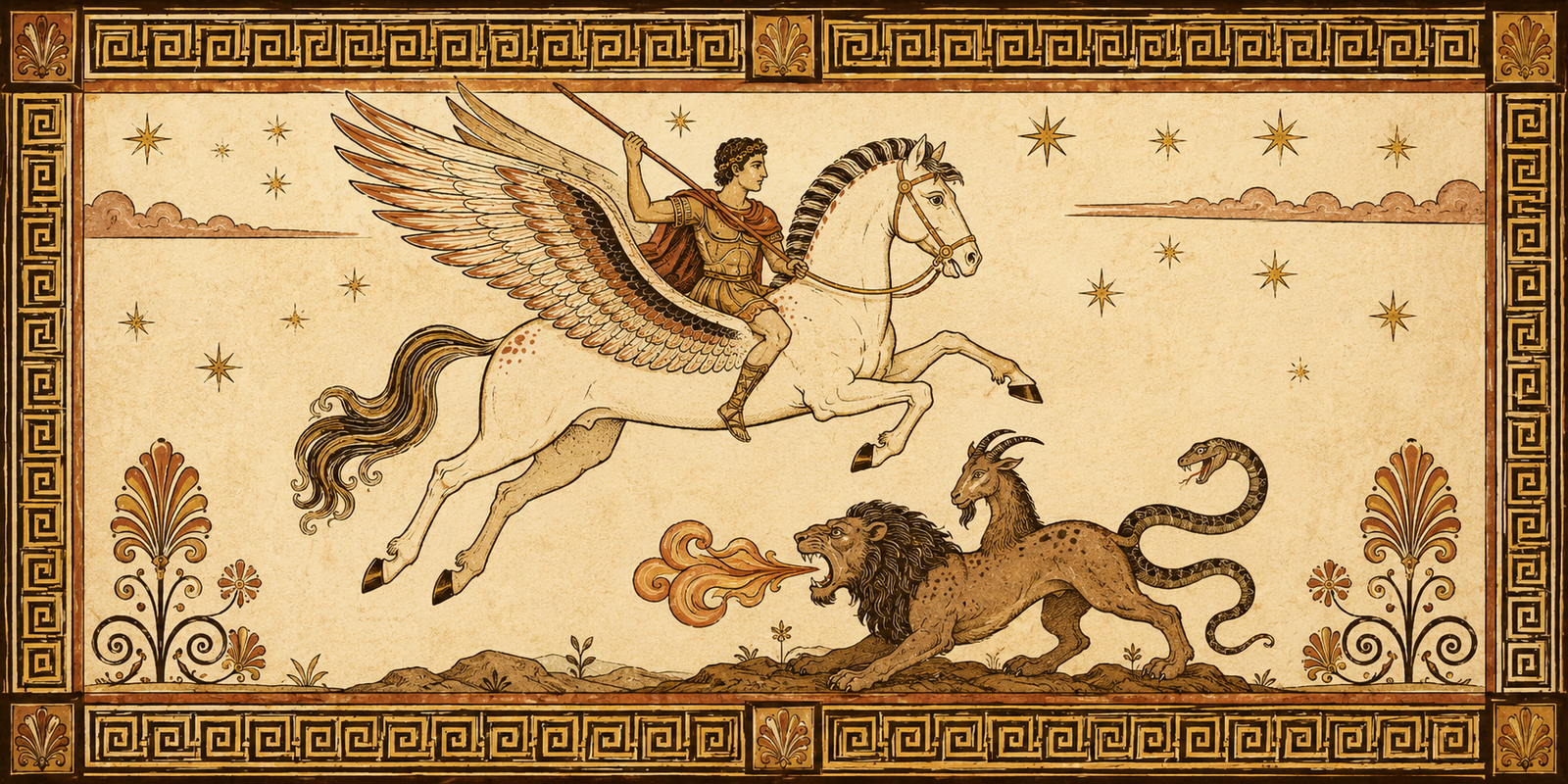

Bellerophon and Pegasus — A Greek Myth Retold for Children
A sealed message, a fire-breathing monster, a golden bridle, and the winged horse Pegasus. This Alexander Series tale retells the Greek myth of Bellerophon for serious child readers, preserving wonder, danger, courage, and the old warning hidden inside height.
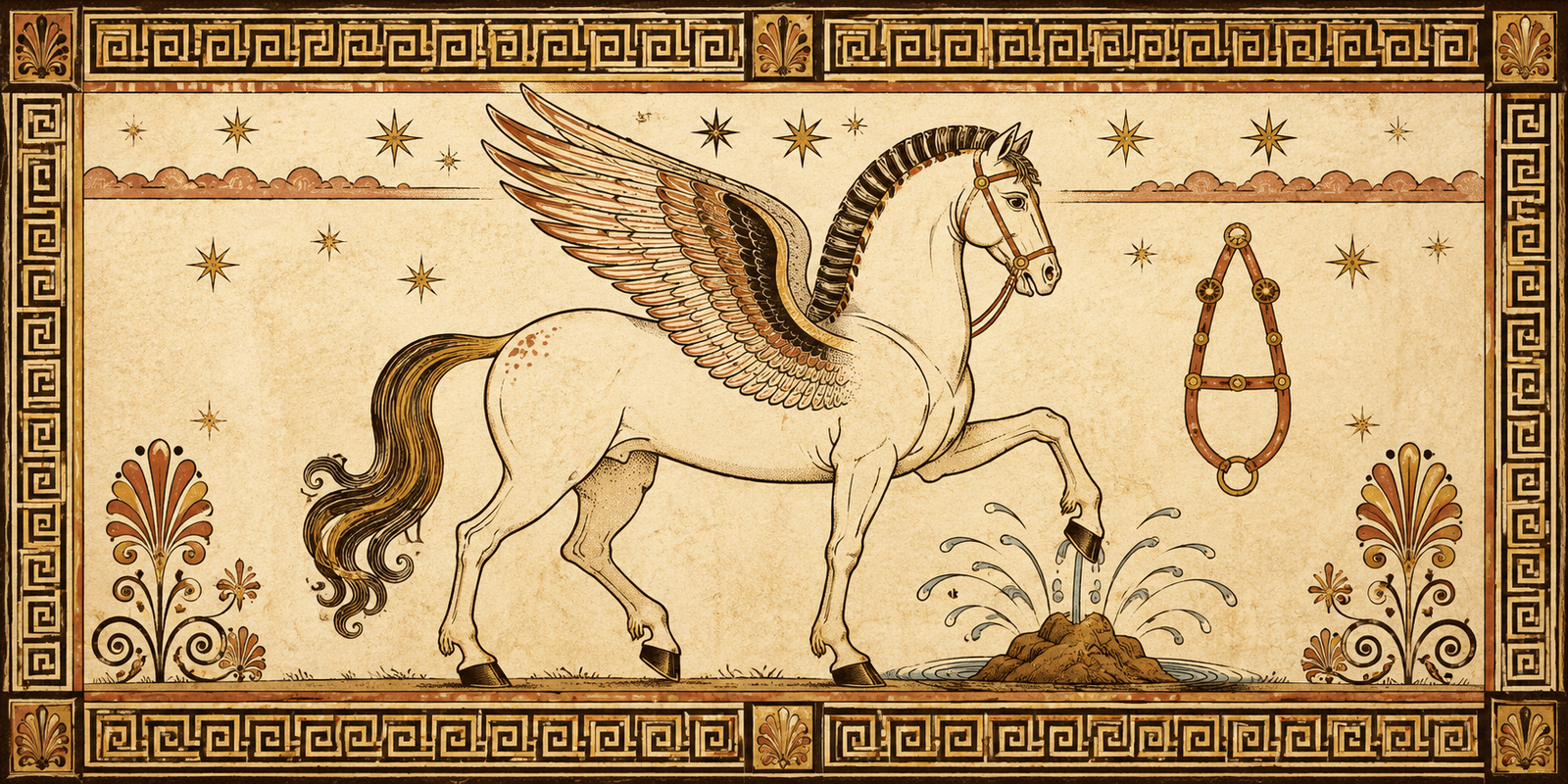

Pegasus — The Winged Horse of Greek Myth
Before Bellerophon takes the bridle, a child should know that Pegasus is not a pet, not a cloud, and not a harmless fantasy creature. This Greek World entry introduces the winged horse of Greek myth as wonder with hooves, wings, danger, and rules.
Continue Reading
If this piece found something in you, you may wish to continue the journey elsewhere.
On The Lantern Chronicles, I gather writings from Angkor, myth and legend, contemplative essays, and poetry — works shaped by silence, beauty, wonder, memory, and the deeper questions that follow us through the world.
It is a place for stone and story, reflection and vow, shadow and revelation.
You would be most welcome there.