
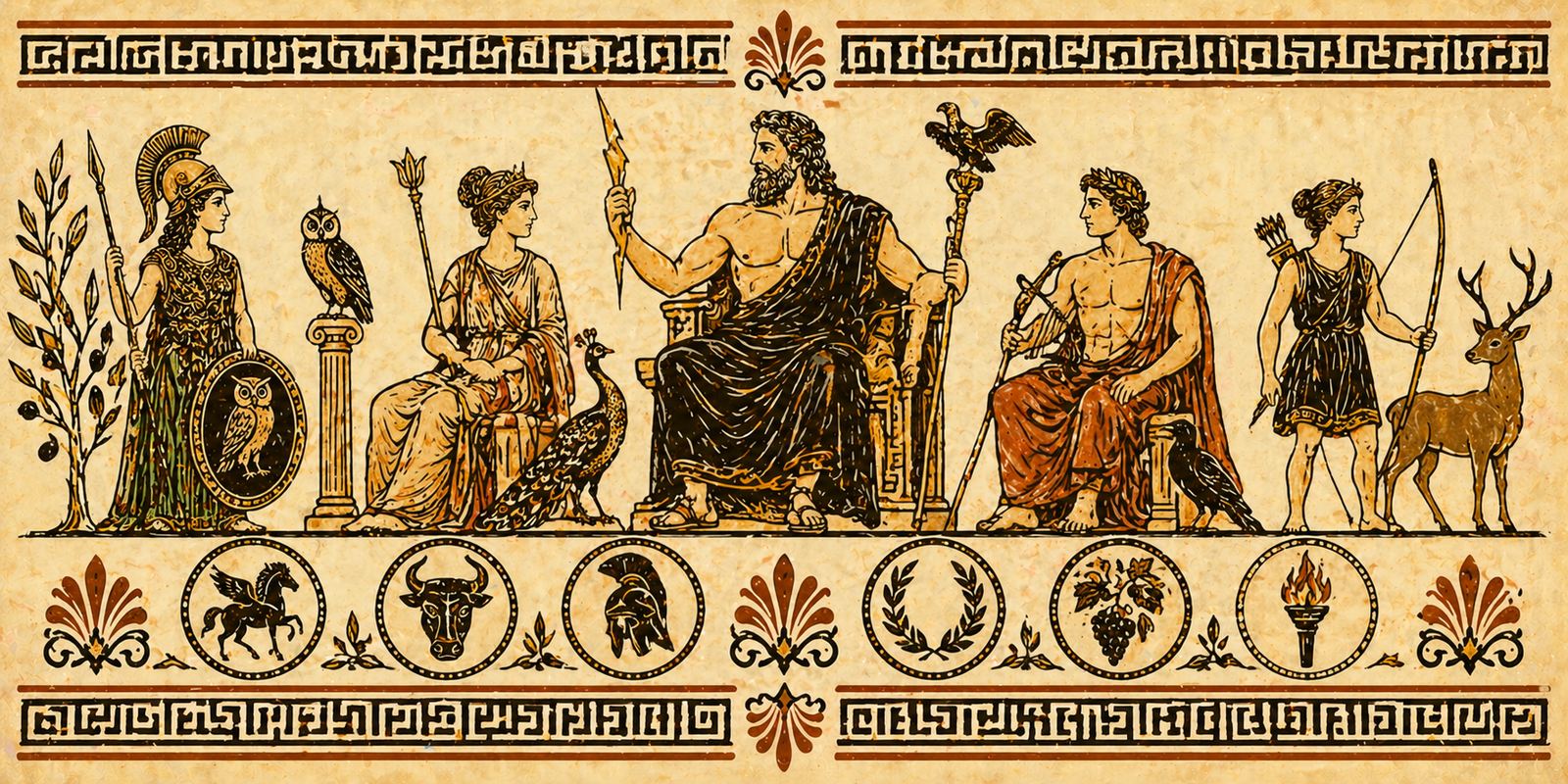

Zeus and His Children: The Stormy Family Tree of Greek Myth
In Greek myth, being Zeus’s child is rarely simple.
It may mean glory.
It may mean danger.
Usually, it means both.
This new entry in The Greek World, part of The Alexander Series, introduces children to Zeus not only as king of the Olympian gods, but as the father of many of Greek myth’s gods, heroes, kings, queens, monster-slayers, and complicated figures.
Zeus rules the sky, sends thunder and lightning, keeps order among gods and mortals, and sits at the centre of many Greek stories. He is powerful, commanding, and impossible to ignore.
He is also the father of a great many gods, heroes, kings, queens, monsters, and complicated people.
This is one reason Greek myth can feel like a family tree struck by lightning.
A child of Zeus may grow up to become a god of wisdom, music, hunting, wine, roads, or war. A child of Zeus may become a hero who fights monsters. A child of Zeus may become a queen whose beauty begins a war. A child of Zeus may inherit honour, danger, jealousy, divine attention, impossible tasks, and enemies they did not personally choose.
In ordinary life, it might sound lucky to have the king of the gods as your father.
In Greek myth, it is not so simple.
Zeus has many children.
Some are immortal gods, such as Athena, Apollo, Artemis, Hermes, Dionysus, Ares, Hebe, and Hephaestus in many tellings.
Some are mortal heroes or famous figures, such as Perseus, Heracles, Helen, Minos, and others.
The Greeks did not always agree about every family line. Greek myth is old, branching, and full of different tellings. But one thing stays clear: Zeus stands behind many of the most important divine and heroic families.
This makes him more than a king sitting on a throne.
He is a storm at the centre of the family.
Zeus’s children do not all have the same kind of life.
Some are born among the gods and become Olympians themselves. Athena, for example, is one of the greatest Olympians. Apollo and Artemis are mighty divine twins. Hermes becomes the messenger of the gods. Dionysus becomes the strange and powerful god of wine, ecstasy, theatre, and wild joy.
Others are born to mortal mothers. These children may have divine blood, but they still live in the mortal world. That can make them extraordinary, but it does not make them safe.
Perseus is a son of Zeus. So is Heracles. Both become famous monster-slayers. Both must endure danger before glory arrives. Neither has an easy childhood.
Helen, whose beauty becomes one of the causes of the Trojan War, is also called a child of Zeus in many stories. Minos, the king connected with Crete, the Labyrinth, and the Minotaur, is another famous son.
To be descended from Zeus is to be drawn into large stories.
Large stories are not always kind.
Continue reading: Zeus and His Children at The Alexander Series on Substack.
Also in The Alexander Series
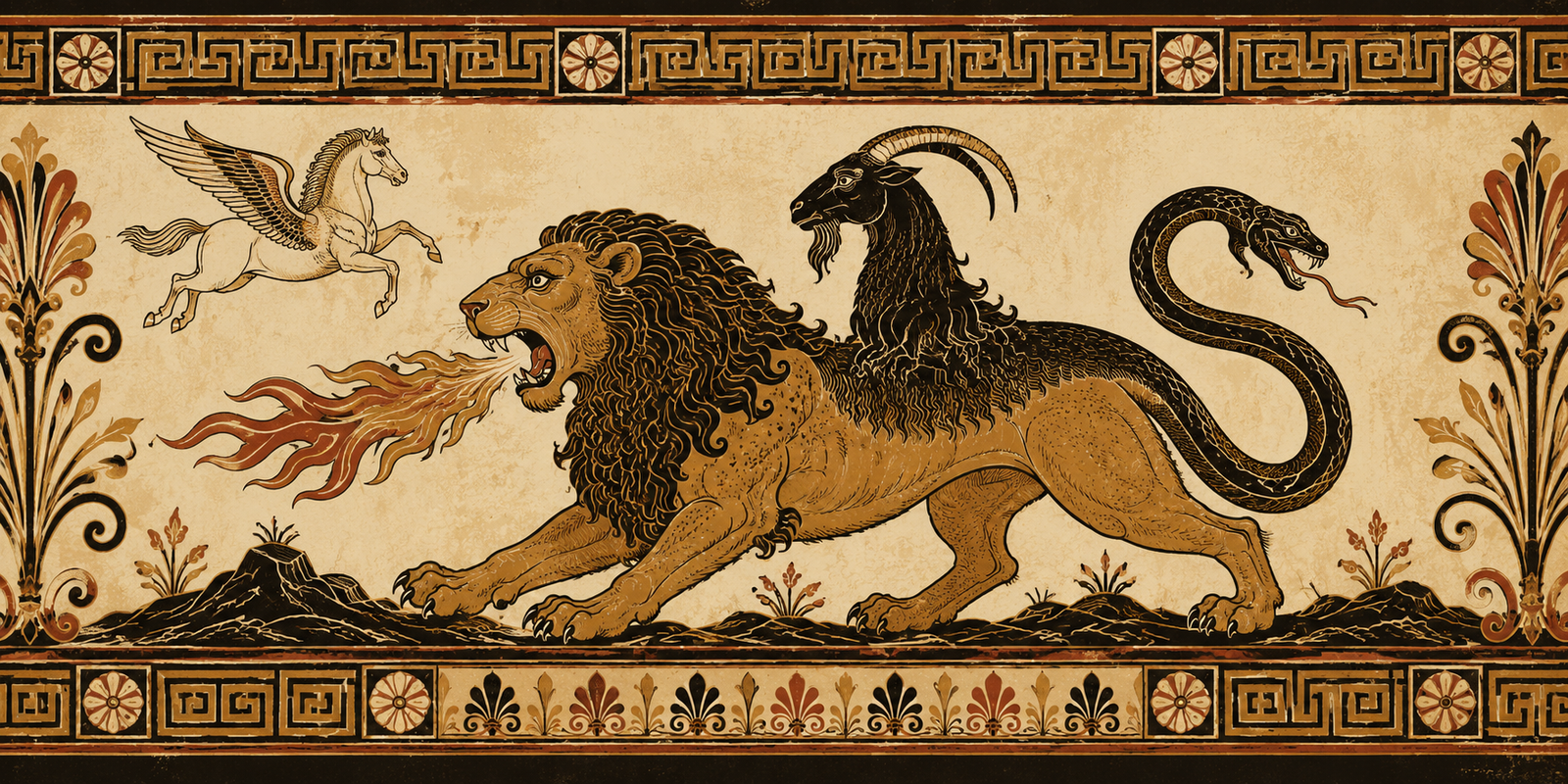

The Chimaera — A Greek Monster of Many Dangers
A child-readable Greek myth guide to the Chimaera: lion, goat, serpent, fire, and the monster’s many joined dangers. This excerpt from The Greek World shows why Bellerophon needed Pegasus, and why the Chimaera is not merely a strange animal mixture, but a precise Greek monster-sign.
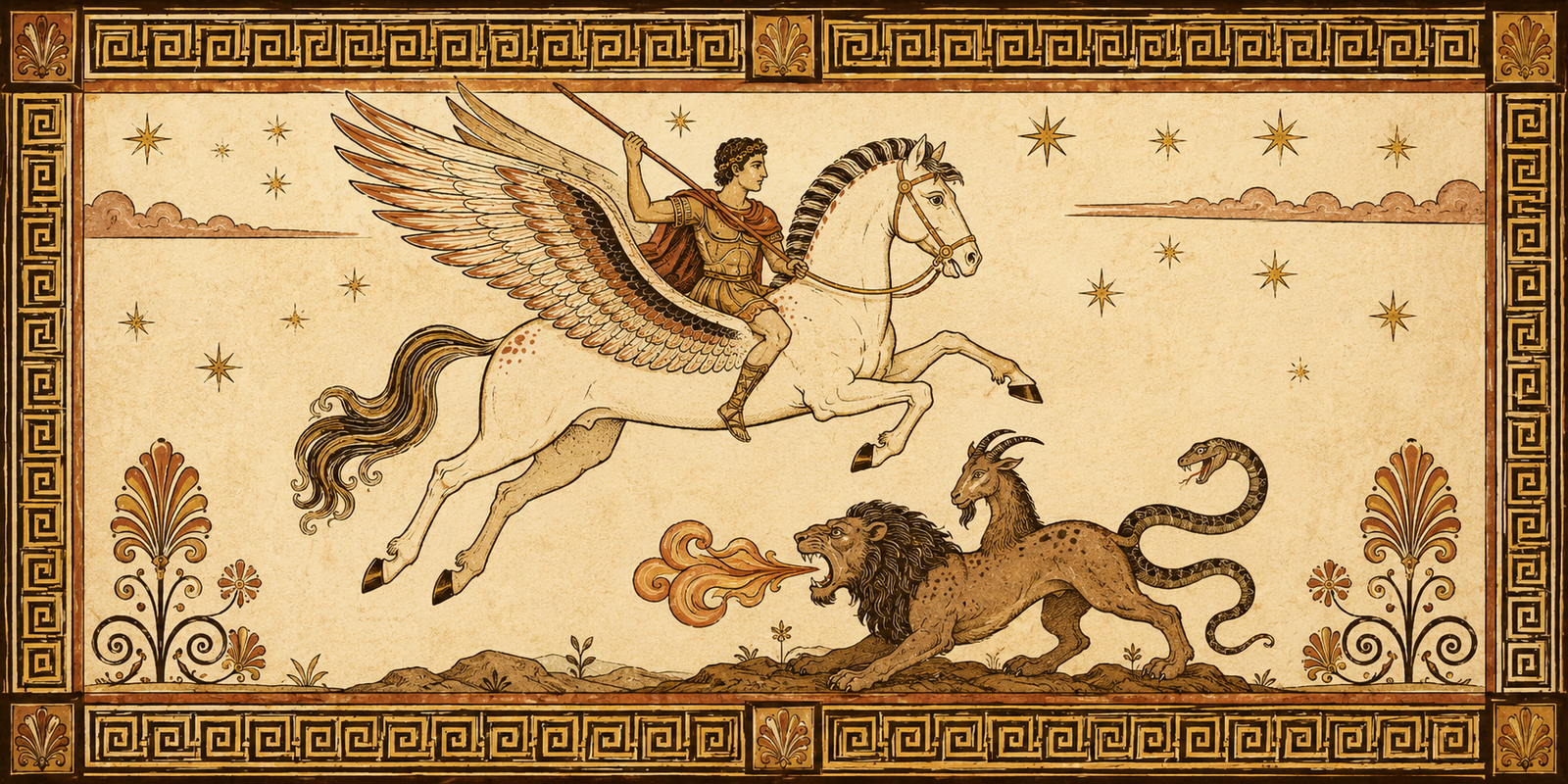

Bellerophon and Pegasus — A Greek Myth Retold for Children
A sealed message, a fire-breathing monster, a golden bridle, and the winged horse Pegasus. This Alexander Series tale retells the Greek myth of Bellerophon for serious child readers, preserving wonder, danger, courage, and the old warning hidden inside height.
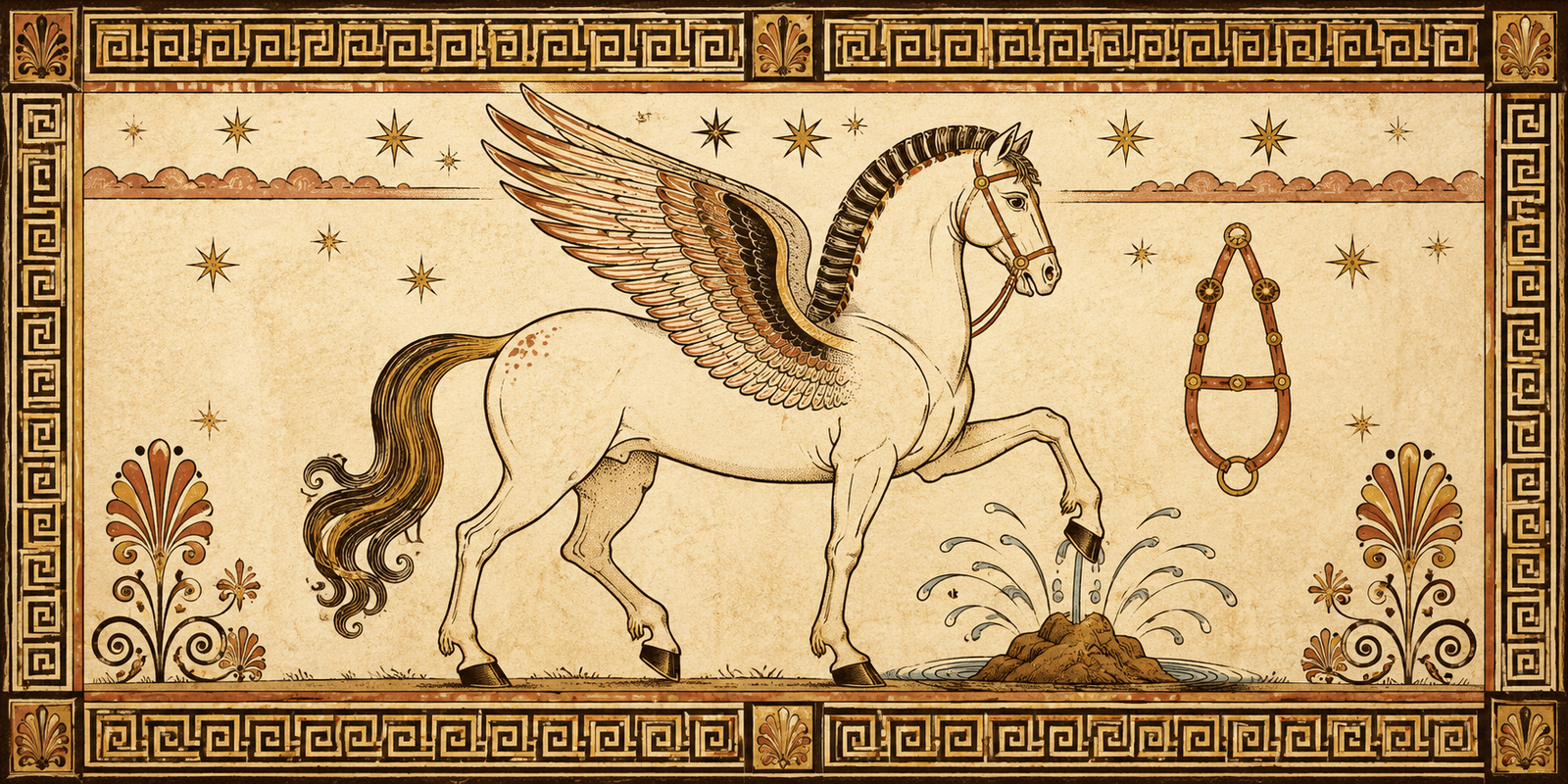

Pegasus — The Winged Horse of Greek Myth
Before Bellerophon takes the bridle, a child should know that Pegasus is not a pet, not a cloud, and not a harmless fantasy creature. This Greek World entry introduces the winged horse of Greek myth as wonder with hooves, wings, danger, and rules.
Continue Reading
If this piece found something in you, you may wish to continue the journey elsewhere.
On The Lantern Chronicles, I gather writings from Angkor, myth and legend, contemplative essays, and poetry — works shaped by silence, beauty, wonder, memory, and the deeper questions that follow us through the world.
It is a place for stone and story, reflection and vow, shadow and revelation.
You would be most welcome there.