
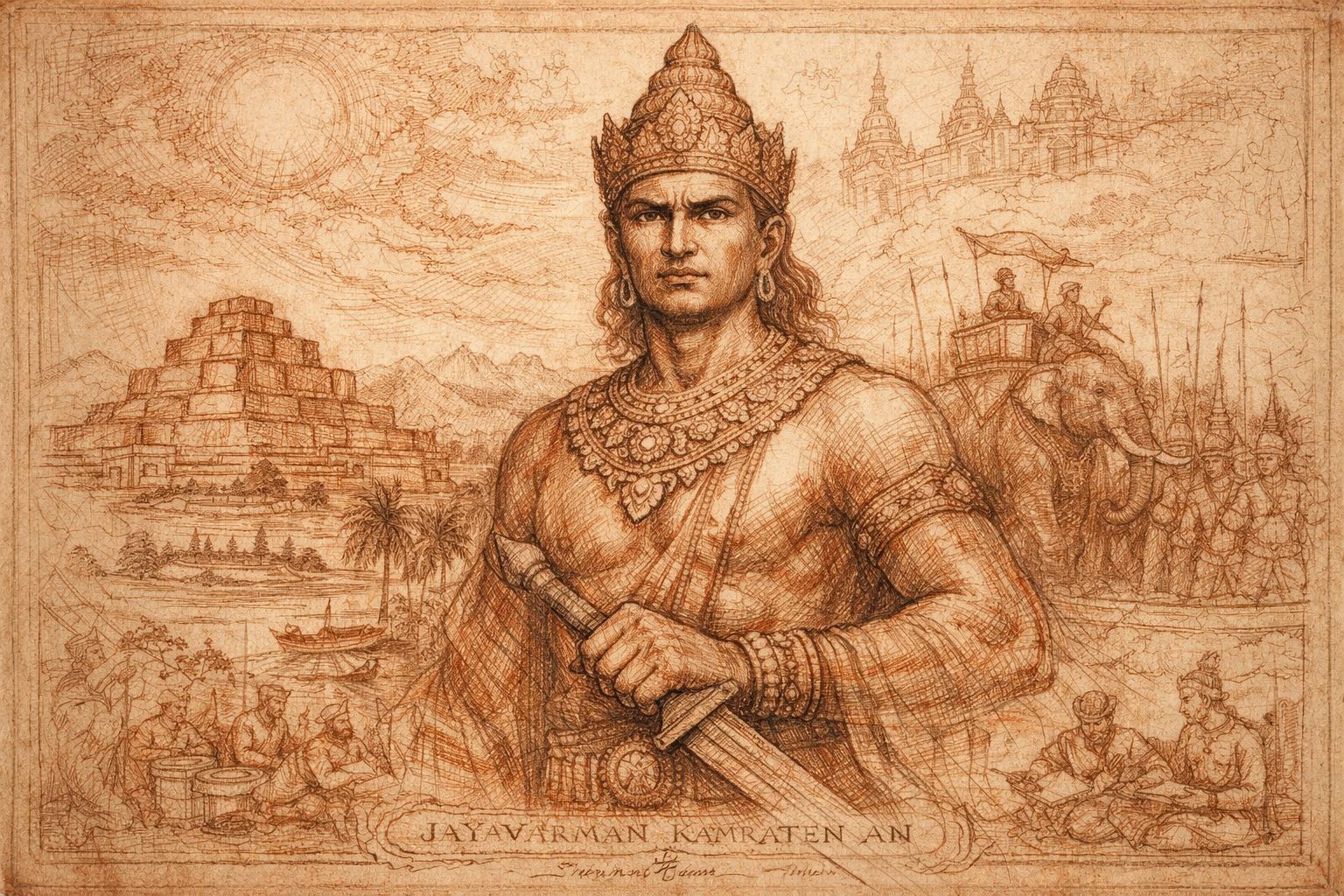

Jayavarman I — Armour of the Centre
Before Angkor learned to rise in stone, it learned to gather itself in will.
Jayavarman I stands at that inward moment. Not yet empire, not yet monument—only the difficult act of holding. His reign belongs to the seventh century, to the pre-Angkorian world the Chinese would call Chenla, but its true location is not merely geographic. It lies in the discipline of centre: the attempt to draw scattered lands, rival lineages, and inherited powers into a single, defended core.
His name already speaks the ambition. Jaya—victory. Varman—armour. Not conquest for its own sake, but protection through strength. A king as casing, a ruler as shell. In a landscape fractured by local overlords and ancestral claims, Jayavarman I did not rule by charisma alone. He ruled by measure, appointment, decree. Power was no longer simply inherited or regional; it was named, recorded, enforced.
From Purandarapura, near the great inland sea of the Tonle Sap, his authority stretched widely—north to the highlands around Wat Phu, south toward the gulf. Yet this breadth was not sustained by constant movement or spectacle. It was sustained by administration. Jayavarman I replaced local hereditary chiefs with royal officials. He issued edicts concerning land and temples that carried explicit threats for disobedience. Titles multiplied, offices hardened, hierarchies took shape. The state began to speak in its own voice.
For the first time, a Khmer king was addressed as vrah kamraten an—Holy Lord—while still alive. The title signals something profound: sovereignty was no longer merely ancestral or martial. It was becoming sacralised in the person of the ruler himself. The king was not only chosen by lineage or victory, but by order.
Religion under Jayavarman I did not narrow; it consolidated. Shiva and Vishnu stood side by side in the sanctuaries he endowed. Older currents—Buddhist, Hindu, local—were not erased so much as subordinated to royal supervision. Faith, like land, was drawn inward, brought under watch. Even the reports of destruction recorded by Chinese pilgrims speak less of fanaticism than of reorganisation: the replacement of autonomous religious life with state-aligned cult.
At Ak Yum, a modest brick structure rose—early, experimental, almost tentative. Yet within it lies the seed of Angkor’s future: elevation, axis, centre made visible. The temple-mountain was not yet perfected, but the idea had been planted. Architecture, like governance, was learning to stack meaning vertically.
Jayavarman I’s achievement was therefore not splendour but coherence. He reunited what his great-grandfather had once ruled, then attempted something more difficult: to prevent it from fragmenting again. In this he ultimately failed—not through weakness, but through succession. He left no male heir. After his death, his daughter Jayadevi ascended the throne, and the system he had built began to loosen. Chinese sources would later describe the realm as divided into “Land” and “Water” Chenla—a poetic way of naming political fracture.
The armour cracked.
Yet the failure does not undo the act. Jayavarman I demonstrated that Cambodia could be governed as a centre, not merely inhabited as a landscape. He proved that authority could be bureaucratic, sacral, and territorial at once. Later kings would inherit his insight and clothe it in stone, ritual, and cosmic geometry.
Angkor’s towers were still centuries away. But their discipline—the insistence on axis, order, and guarded centre—was already present. It lived briefly, rigorously, in a king who understood that before a civilisation can build upward, it must first hold itself together.
—
Receive the next work
Subscribe free to receive new work from the Lucas Varro Library by email.
More from the Library
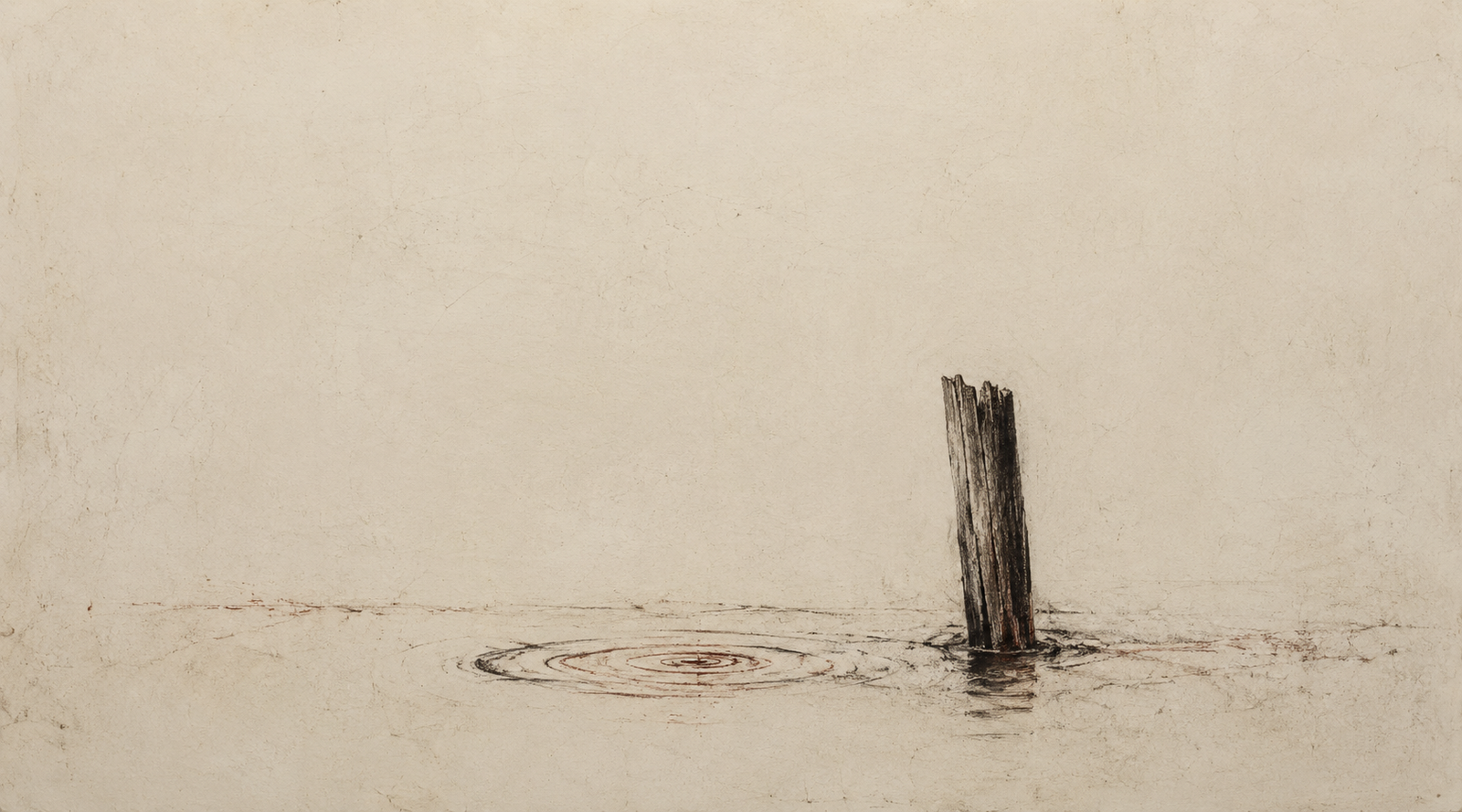

Houses of Wood, Light, and Smoke
Some of Angkor’s most intimate ruins do not rise above the ground at all. They are postholes, low mounds, hearths and ponds: durable traces of a domestic city built largely from things that decay. To restore that city is to see Angkor not only as stone, but as wood, smoke, water, repair, and people living within calling distance.
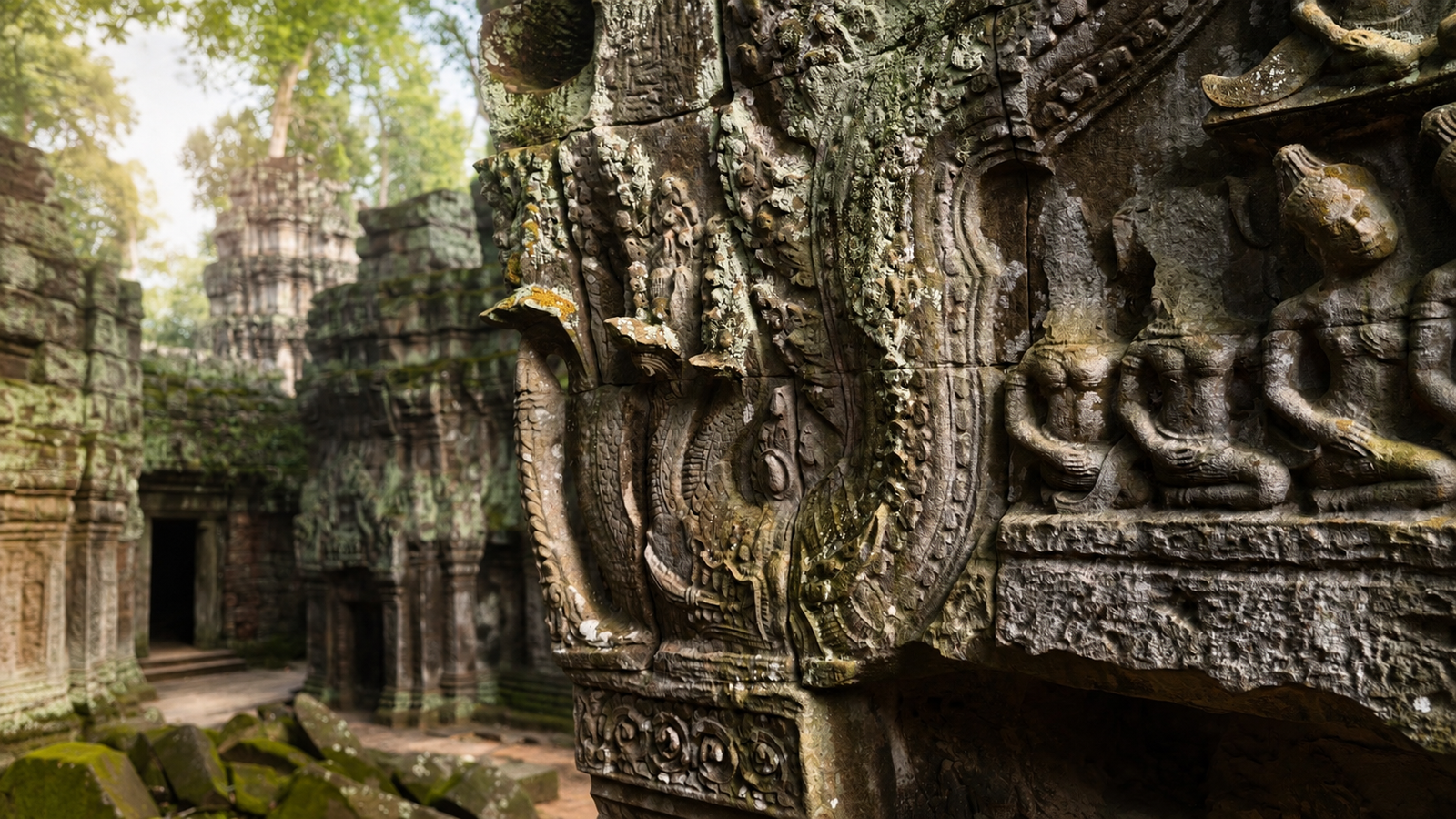

What Stone Brings Forth
I had mistaken a gift for something being expelled.
Beneath the nāga's mouth, a stone garland descended bead by bead. Nearby, a makara opened its jaws and another form emerged. Looking closer, the whole temple began to change: serpent became ornament, ornament became architecture, architecture became foliage.
The forest did not introduce this language.
It answered it.
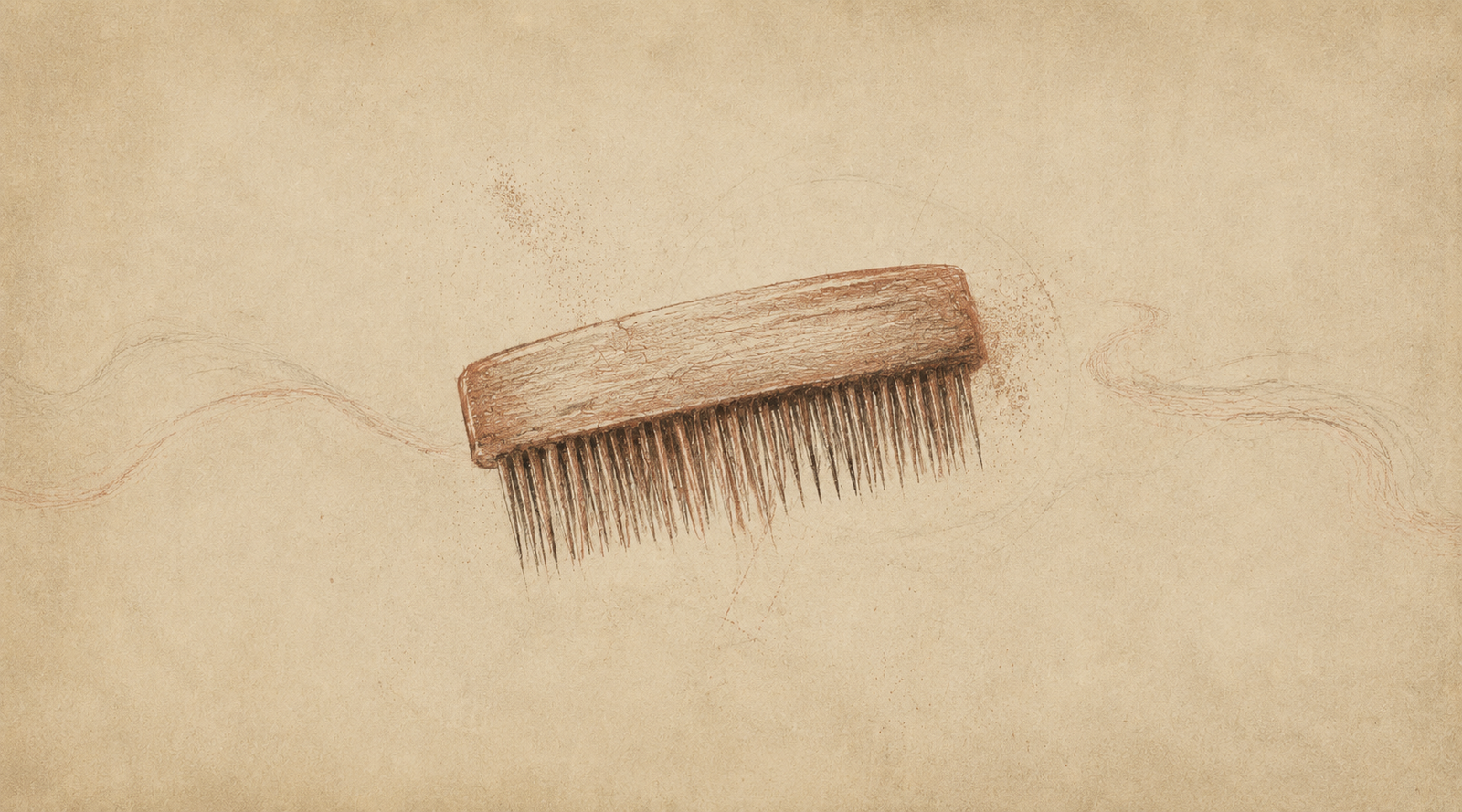

The Eighth Daughter
Seven daughters have already been taken by Yamata-no-Orochi when Susanoo reaches the River Hi. Only Kushinada-hime remains. The Eighth Daughter retells the Kojiki episode through a family’s waiting, a girl transformed into a comb, and the patient preparation for the serpent’s return.