
The Mytharium is a place for reading the old stories slowly — and, when the story asks for it, telling them again. It is devoted to myth, legend, epic, fairy tale, Tolkien’s legendarium, the Norse Eddas, Arthurian romance, Homer, Beowulf, Gilgamesh, Celtic myth, folktale, and those modern works that have earned kinship with ancient things.
The purpose is not summary. The reader who comes here does not need to be told what happens in The Lord of the Rings, The Odyssey, or the stories of Arthur, Odin, Beowulf, and Gilgamesh. The purpose is to ask what these stories carry: what they know about courage, grief, temptation, sacrifice, exile, mercy, wonder, and return.
This blog gathers excerpted thresholds from the wider Mytharium publication: essays, close readings, old myth meditations, Tolkien reflections, and retellings from The Old Tales — stories carried back into language with seriousness, beauty, and reverence for the ancient pressures that formed them.
The full publication continues on Substack at The Mytharium, where myth, literature, legend, and The Old Tales are read, retold, and kept alive with patient attention.
For the broader constellation of Lucas Varro’s mythic, contemplative, and literary work, visit The Library.
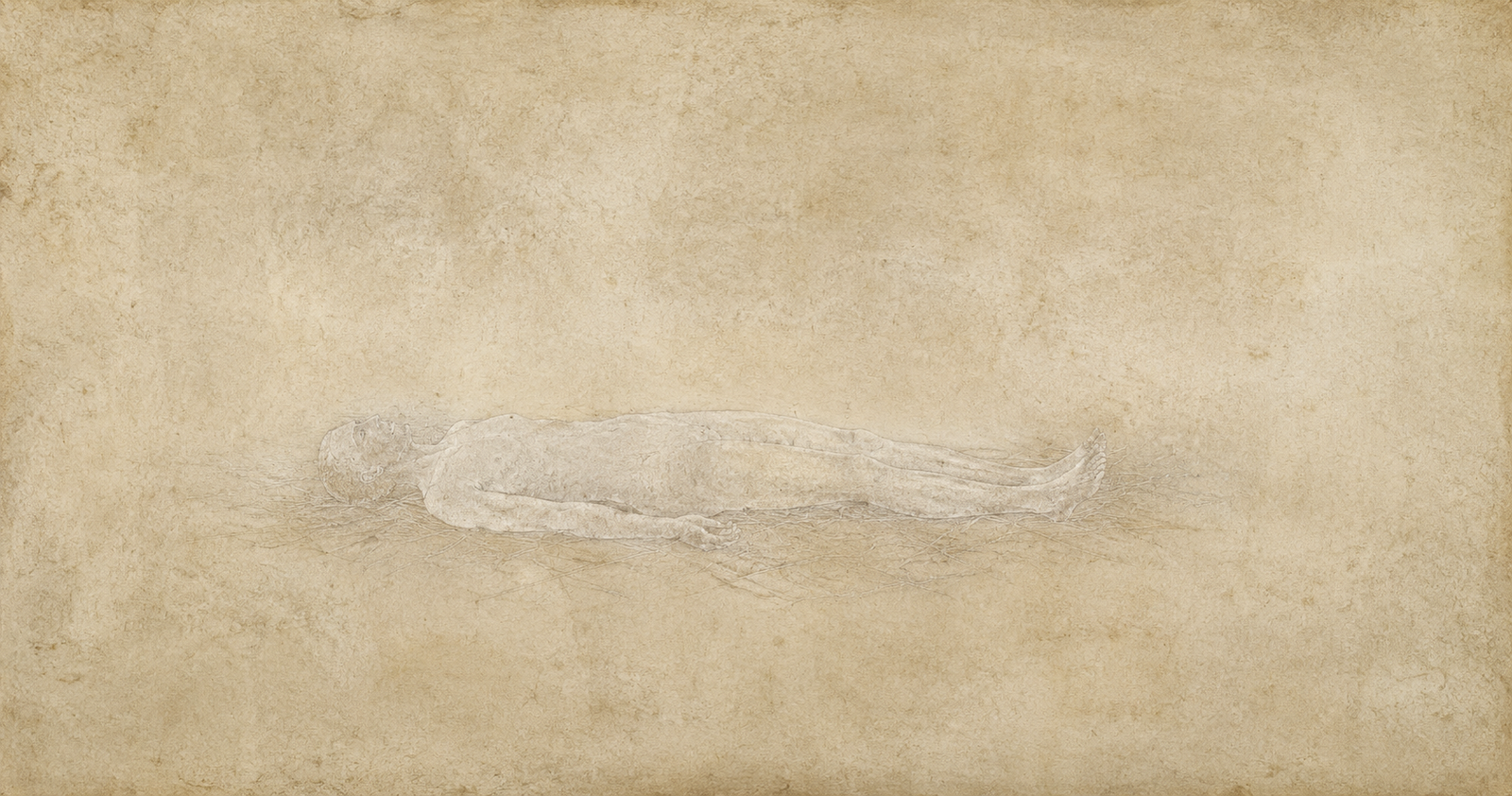

The Body on the Sacred Grass: A Vedic Myth Retelling
A source-faithful literary retelling of the Purusha Sukta from the Rigveda. The gods lay the immeasurable Purusha upon the sacred grass, and from the primordial sacrifice begin to emerge animals, ritual speech, human order, and the cosmos itself. Yet the world will receive only one quarter of him.
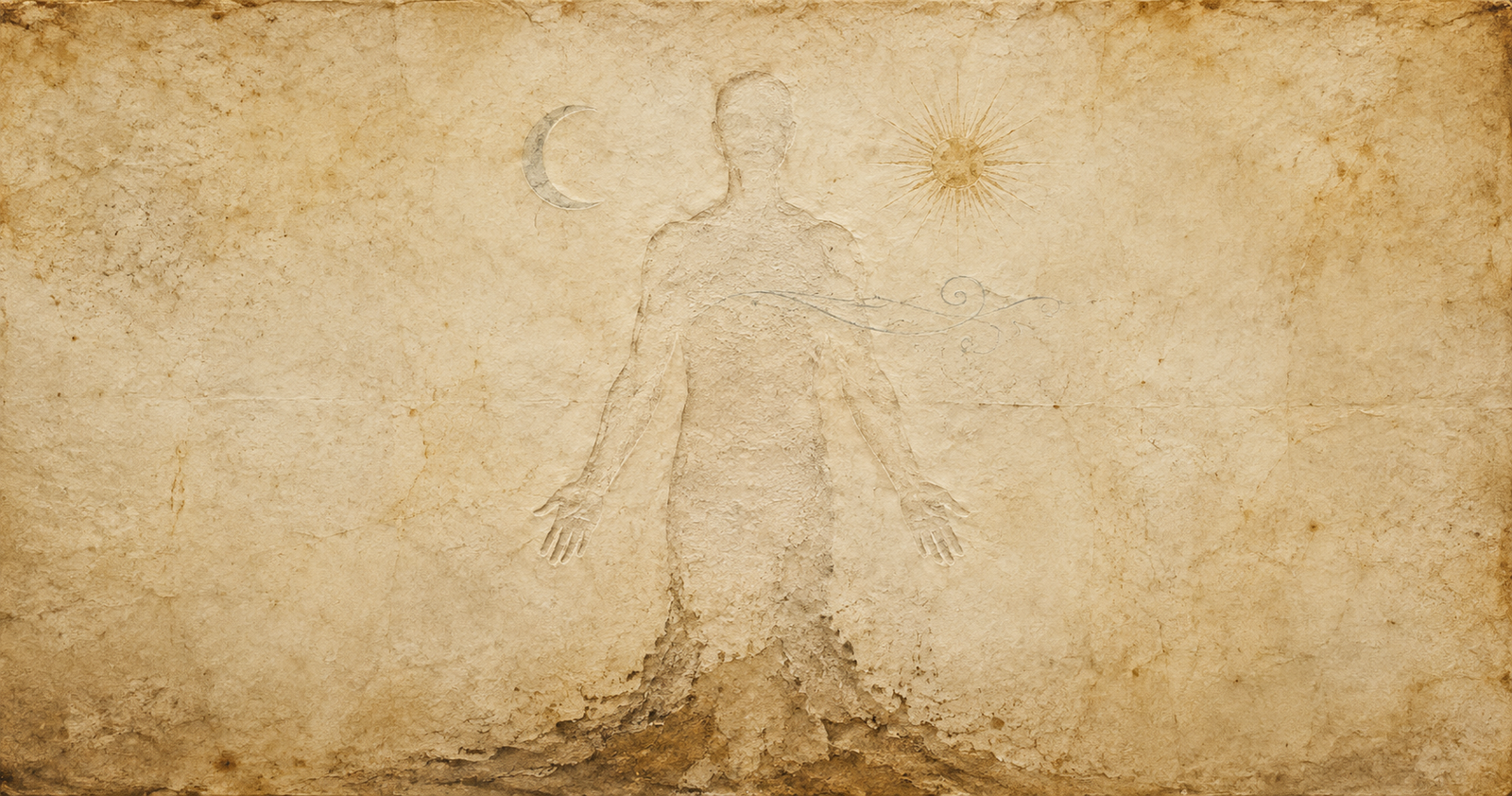

The Body That Became the World
Before the world became separate things, the Rigveda gave it a body. This Mytharium essay reads the sacrifice of Purusha as an image of creation, sacred unity, social hierarchy, and the cost of becoming many.
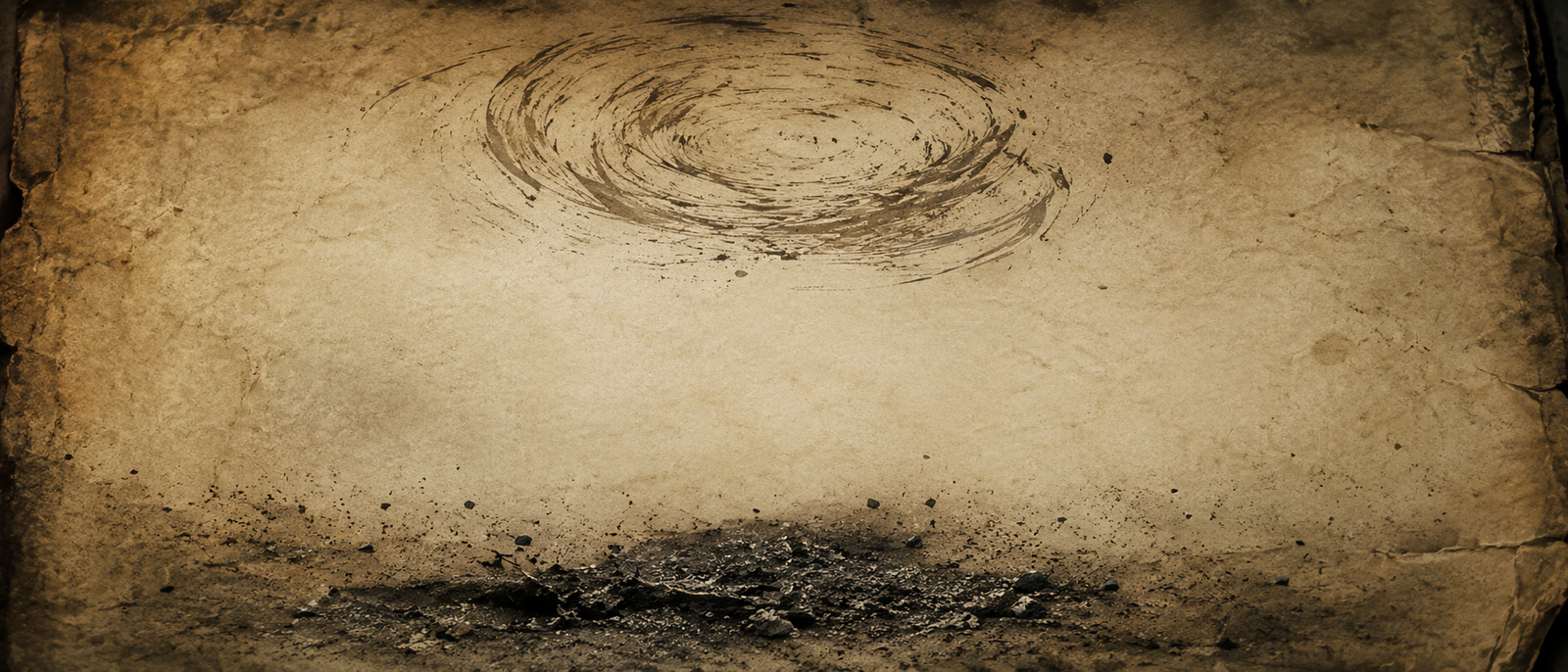

The Man in the Ashes: A Mytharium Retelling from the Book of Job
A grave Mytharium retelling from the Book of Job: a righteous man is brought to ashes, his friends sit with him in silence, and the old story begins its movement toward accusation, whirlwind, and restoration without erasure.
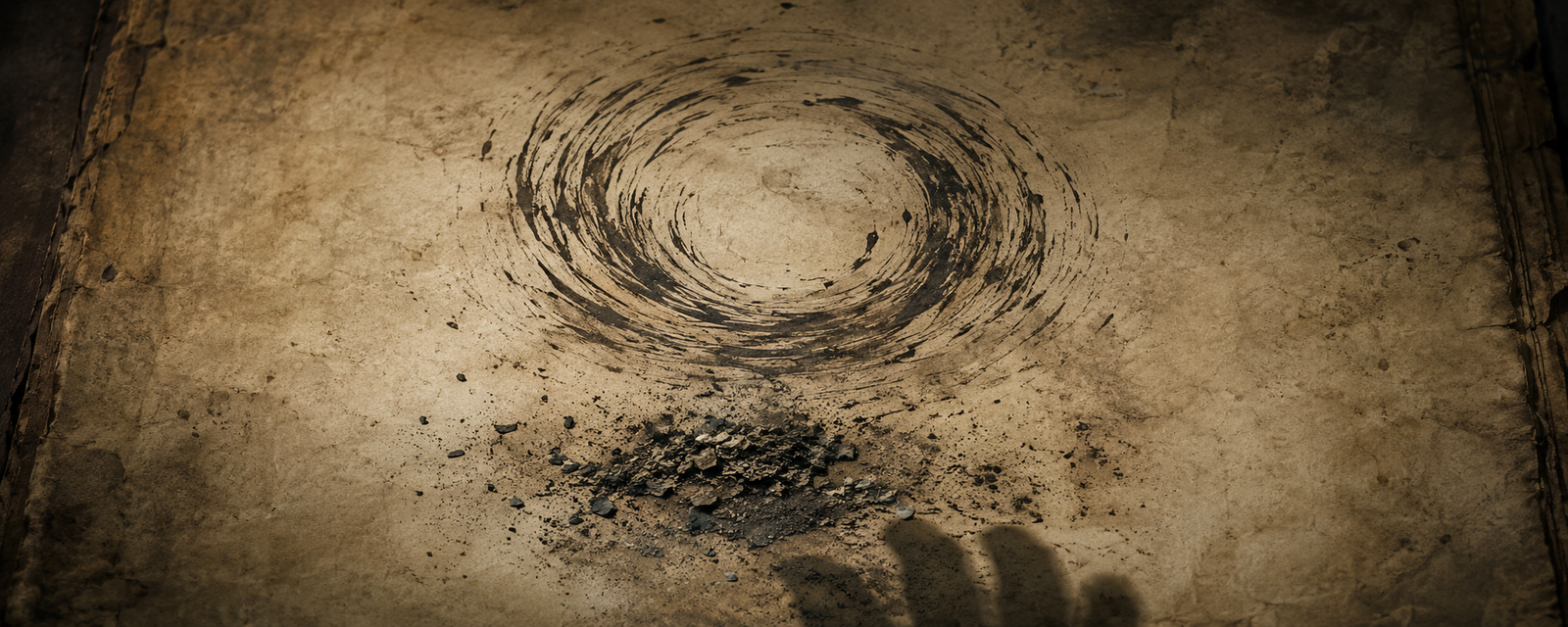

Job and the Answer from the Whirlwind
A serious Mytharium essay on Job, suffering, false comfort, and the voice from the whirlwind. The Book of Job does not offer easy explanation; it gives the sufferer scale, silence, and a creation accusation cannot fill.
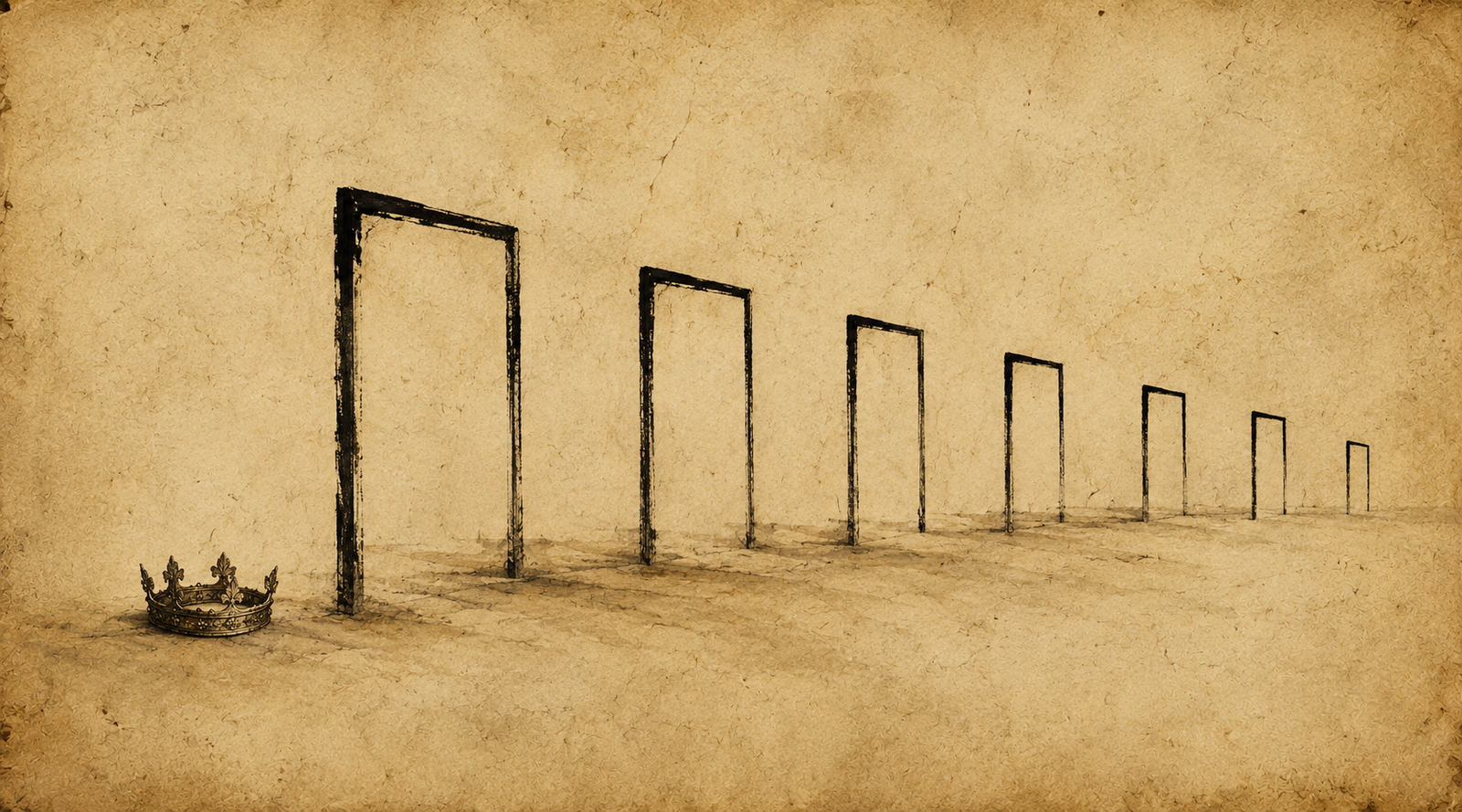

The Seven Gates: Inanna’s Descent Retold
A source-faithful Mytharium retelling of Inanna’s descent into the underworld. Inanna enters crowned, robed, adorned, and named, but the great below has rites of its own. Gate by gate, every sign by which the upper world has known her is taken away.
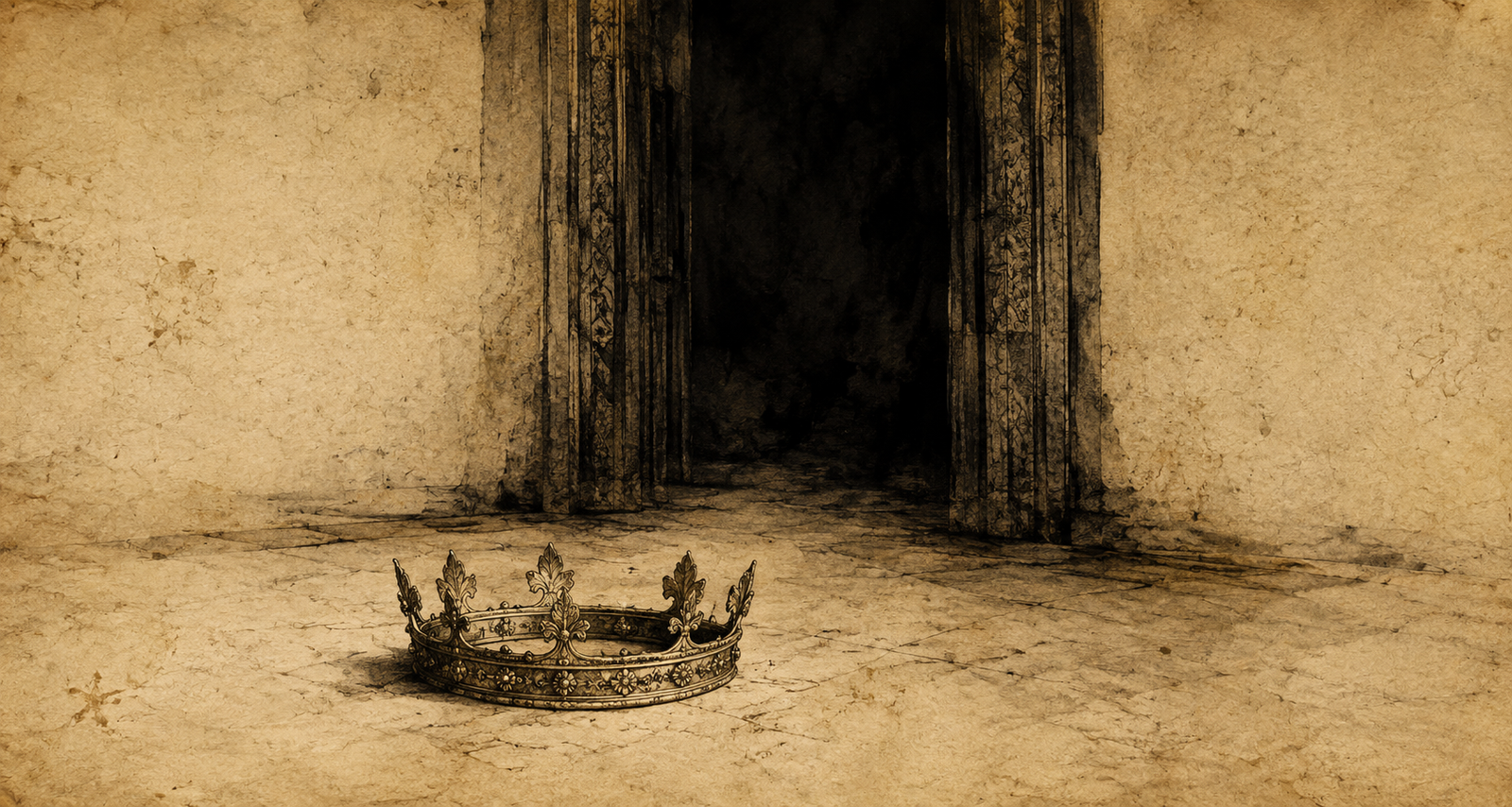

Inanna Goes Down Naked – Myth Essay | The Mytharium
A Mytharium essay on Inanna’s descent into the underworld: the crown removed at the first gate, the stripping away of power’s visible signs, and the old story’s severe understanding that no true return leaves the self unchanged.
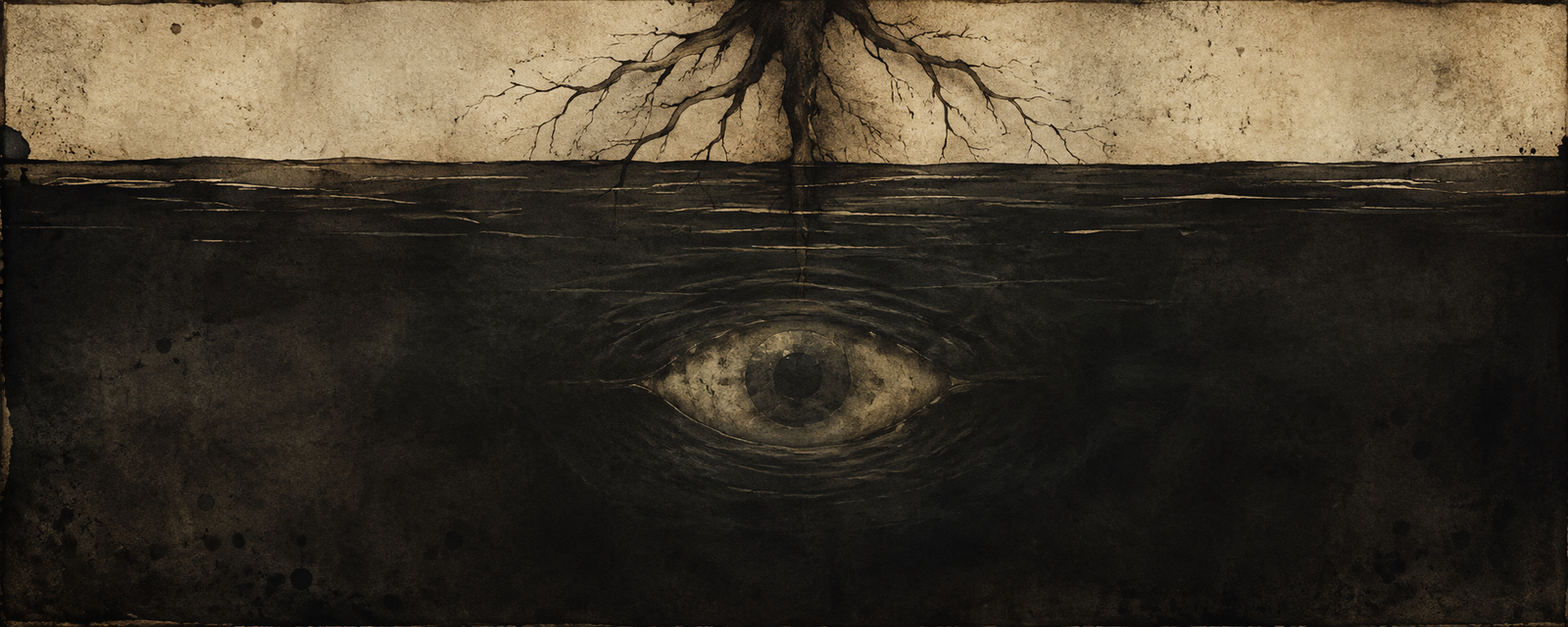

The Eye in the Well
A source-faithful Mytharium retelling of Odin’s pledge at Mimir’s Well. Beneath the root of Yggdrasil, the god asks for one drink from the dark water. The well does not answer to names. It asks what he will leave.
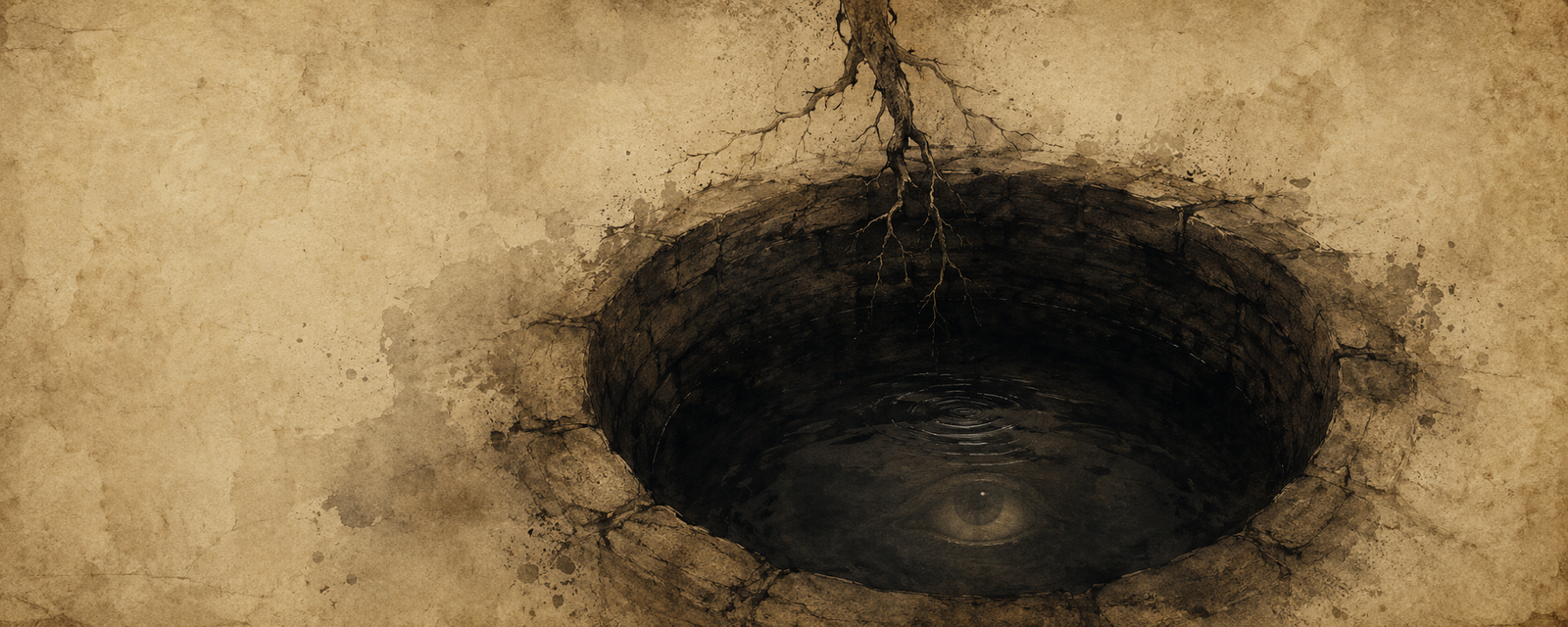

Odin at the Well
A serious Mytharium essay on Odin, Mimir’s Well, and the price of wisdom in Norse myth. Odin does not leave the well whole. He leaves an eye in the dark water, and whatever wisdom comes to him afterwards is shaped by that absence.