

Inanna Goes Down Naked – Myth Essay | The Mytharium
In Inanna Goes Down Naked, The Mytharium turns to one of the oldest descent stories in world literature: the Sumerian myth of Inanna’s journey into the underworld.
This is not a story of conquest. It is not a heroic descent in which the traveller goes below to seize treasure, rescue the beloved, or return enlarged by revelation. Inanna goes down crowned, adorned, robed, and visible in every sign of power the upper world understands.
The underworld does not argue with her.
It has gates.
The first thing Inanna loses is not her life.
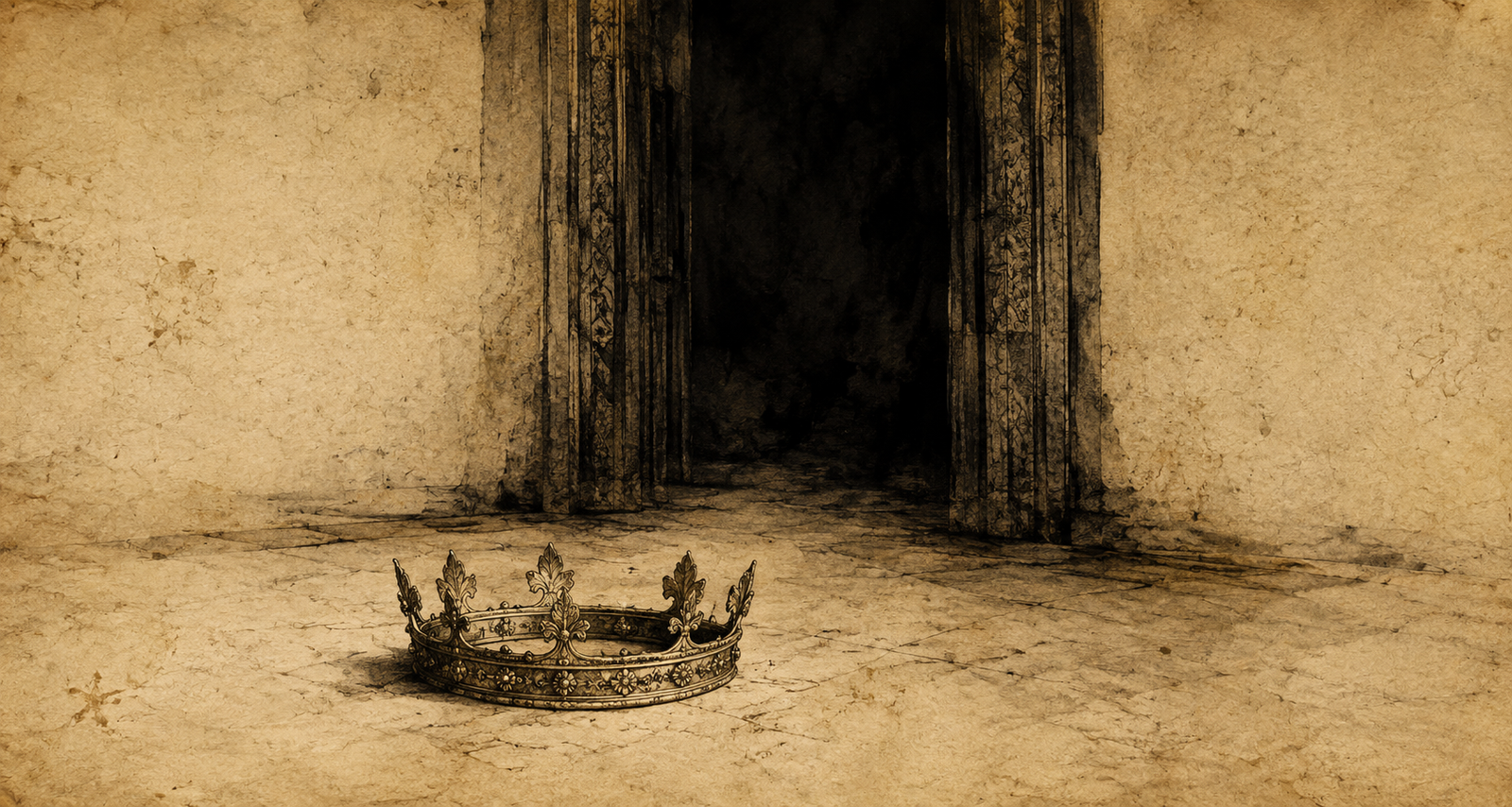
It is her crown.
Before the underworld takes her life, it takes the language by which the living world knows her. The crown must come off first. Then the beads. Then the ornaments. Then the robe. Gate by gate, the goddess who enters the realm of death is stripped of every sign that has made her visible above.
The story is one of the oldest descent narratives we possess. It comes to us from Sumer, from the deep beginning of written literature, where gods still move with a severity later ages often soften. Inanna is queen of heaven, goddess of love, war, fertility, splendour, and terrible appetite. She is not a gentle figure. She is not a symbol of inward balance or spiritual serenity. She is radiant, dangerous, wilful, alive with the powers of increase and conflict. She belongs to the bright world of desire, authority, and public force.
And yet she goes down.
The poem does not allow us to domesticate this decision. Inanna does not descend because she is summoned as a victim. She sets her heart on the “great below.” She prepares herself. She gathers the marks of sovereignty to her body: crown, beads, breastplate, ring, measuring rod, line, robe. She comes armed with identity. She comes clothed in office. She comes as one whose power is legible before she speaks.
The underworld will not argue with her.
It has gates.
At the first gate, she is stopped. The gatekeeper asks who she is. Inanna gives her name and rank, but the gate does not open simply because the great goddess has arrived. The underworld is not impressed by titles. Its law is older than status, colder than prestige. Inanna may enter, but only according to the rites of the place she has chosen to approach.
The crown is removed.
A crown is never merely an ornament. It is the visible claim that a body carries recognised authority. To remove it is to begin the dismantling of the public self. It is to say: whatever you rule above, you do not rule here by those signs.
The full essay continues at The Mytharium, following Inanna through the seven gates, into the sovereignty of Ereshkigal, and toward the harder truth of return: that nothing comes back from below exactly as it entered.
Continue reading: Inanna Goes Down Naked at The Mytharium on Substack.
Also in The Mytharium

The Joy Sorrow Cannot Foresee
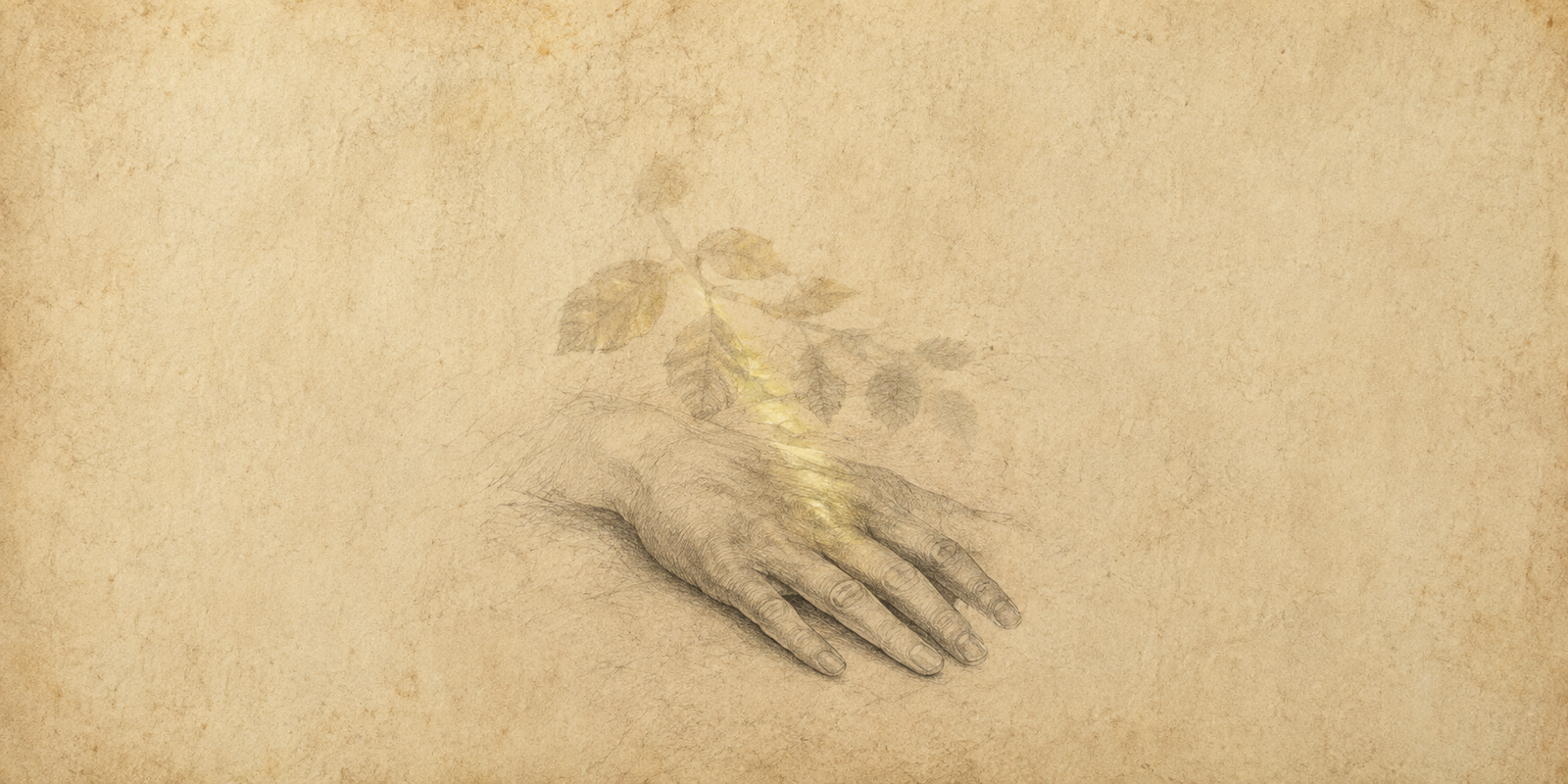
Sam wakes beneath green leaves and asks whether everything sad will come untrue—but Frodo’s wounded hand already complicates the answer. This Mytharium essay explores Tolkien’s eucatastrophe, grace at Mount Doom, and the sudden joy that does not erase sorrow but denies it final authority.

The Body on the Sacred Grass: A Vedic Myth Retelling
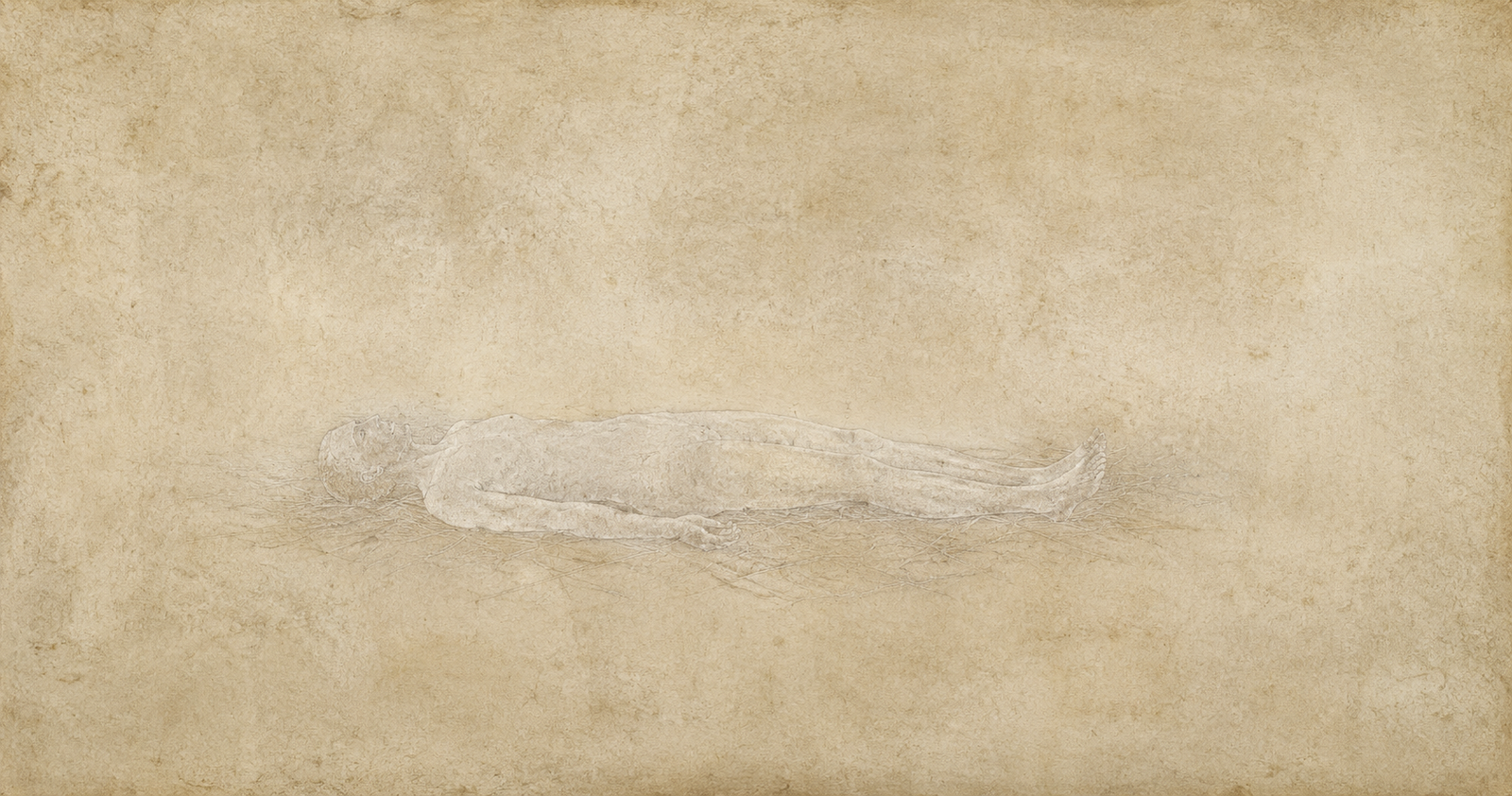
A source-faithful literary retelling of the Purusha Sukta from the Rigveda. The gods lay the immeasurable Purusha upon the sacred grass, and from the primordial sacrifice begin to emerge animals, ritual speech, human order, and the cosmos itself. Yet the world will receive only one quarter of him.

The Body That Became the World
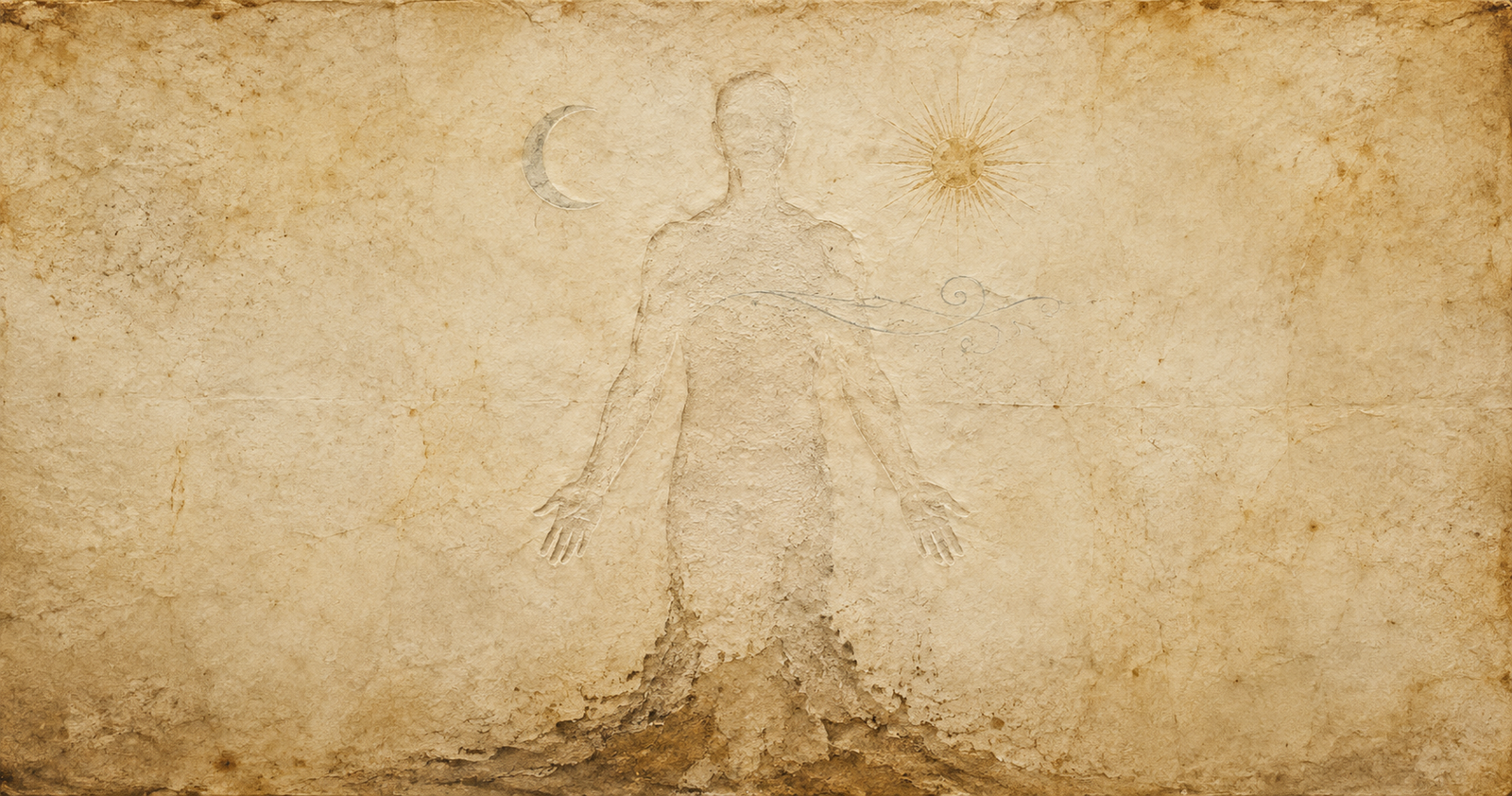
Before the world became separate things, the Rigveda gave it a body. This Mytharium essay reads the sacrifice of Purusha as an image of creation, sacred unity, social hierarchy, and the cost of becoming many.
Continue Reading
If this piece found something in you, you may wish to continue the journey elsewhere.
On The Lantern Chronicles, I gather writings from Angkor, myth and legend, contemplative essays, and poetry — works shaped by silence, beauty, wonder, memory, and the deeper questions that follow us through the world.
It is a place for stone and story, reflection and vow, shadow and revelation.
You would be most welcome there.