
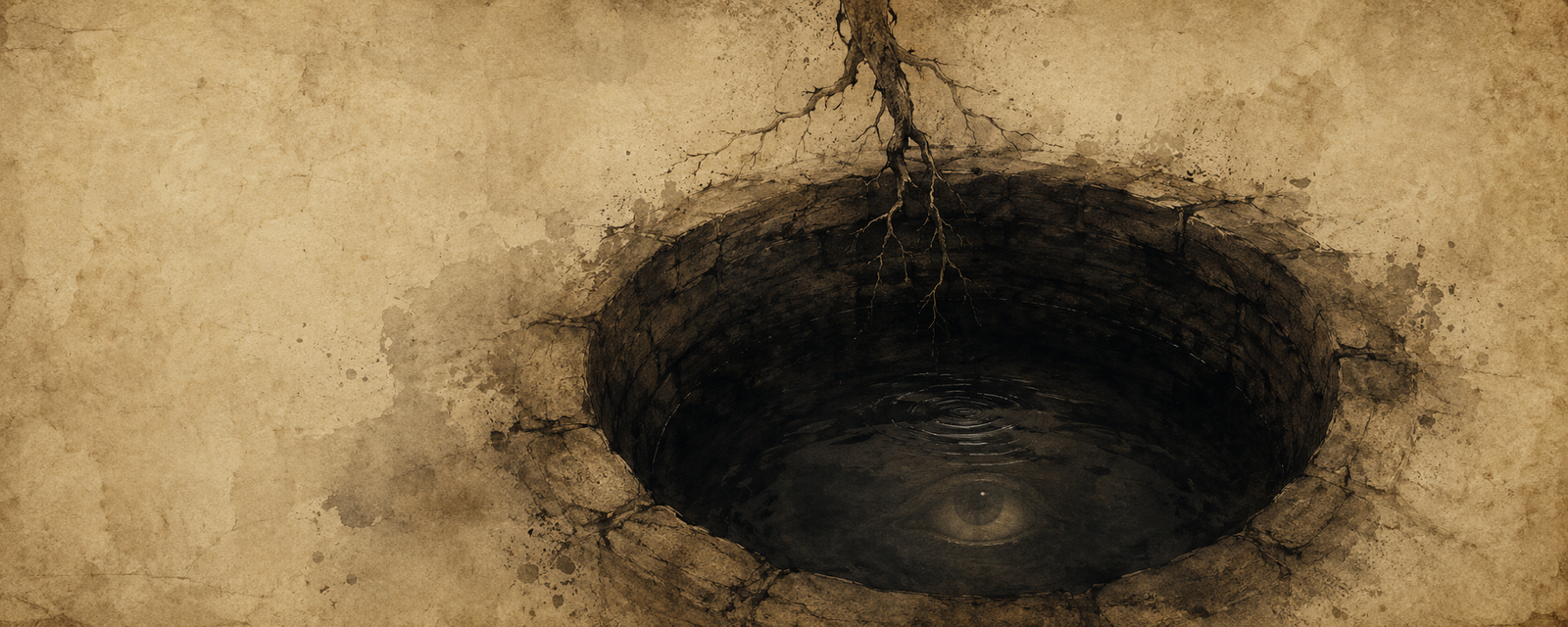

Odin at the Well
In this Mytharium essay, Odin’s bargain at Mimir’s Well becomes more than a famous Norse image. It becomes a severe meditation on wisdom, sacrifice, fate, and the knowledge that leaves the knower permanently marked.
The first thing wisdom costs Odin is not comfort, pride, or certainty. It is an eye. Before the god becomes the wanderer, the questioner, the one who knows too much and still cannot avert the end, he comes to the well beneath the world-tree and leaves part of his sight in the dark water.
The bargain is terrible because it is exact. He does not pay with an ornament, a token, or a symbolic wound. He pays with the organ by which the world enters him.
This is one of the reasons the old myths remain dangerous. They refuse to make knowledge clean. They do not imagine wisdom as something gathered without alteration, as if the mind could take and take and remain unchanged by what it has taken. Odin does not come to Mimir’s Well as a student comes to a book. He comes as a god who knows that some things cannot be received unless something else is surrendered.
The well is not merely deep. It is deep in the older sense: rooted beneath the visible order, placed near the foundations of things. Above it rises Yggdrasil, the world-tree, that immense living axis whose roots reach into the hidden places of the cosmos. Near one root is Mimir’s Well, associated with wisdom, intelligence, and memory: the kind of knowing that does not belong to the daylight surface of the world.
But the water is not free.
That detail matters. In a lesser story, wisdom would be a discovery. In a cheaper one, it would be a reward. Here it is neither. It is something restricted, something guarded by cost, something that cannot be separated from sacrifice. Odin must give one eye as a pledge for the drink.
The old story is severe enough not to soften the exchange.
Sight is the price of sight.
Yet even that sentence is too neat. It risks making the myth sound like an equation: one eye given, wisdom received. The force of the image lies in the fact that the pledge remains. Odin does not simply pay and leave the price behind as if it had vanished into exchange. The eye is hidden in the well.
The cost stays inside the source.
Continue reading: Odin at the Well at The Mytharium on Substack.
Also in The Mytharium
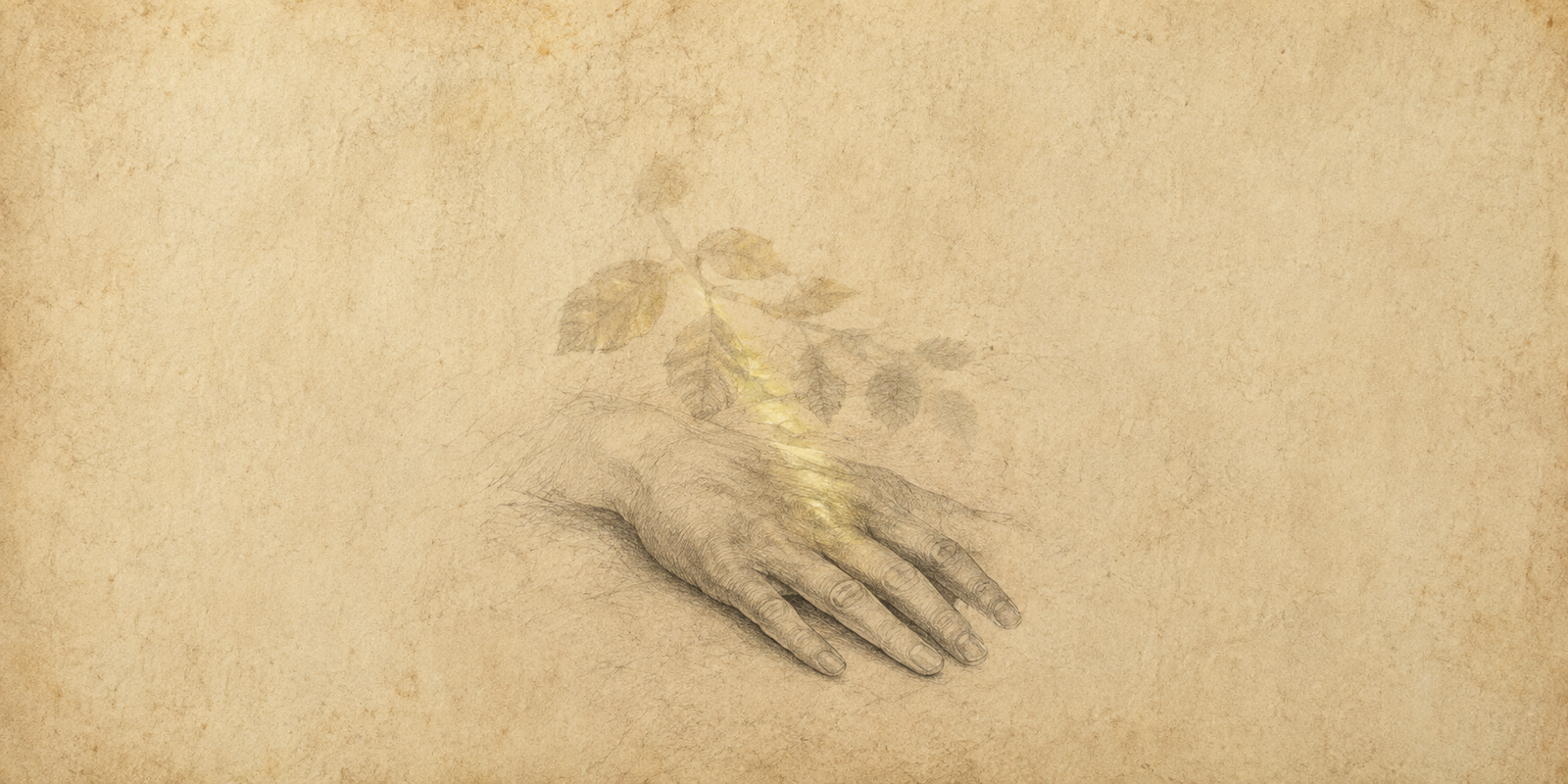

The Joy Sorrow Cannot Foresee
Sam wakes beneath green leaves and asks whether everything sad will come untrue—but Frodo’s wounded hand already complicates the answer. This Mytharium essay explores Tolkien’s eucatastrophe, grace at Mount Doom, and the sudden joy that does not erase sorrow but denies it final authority.
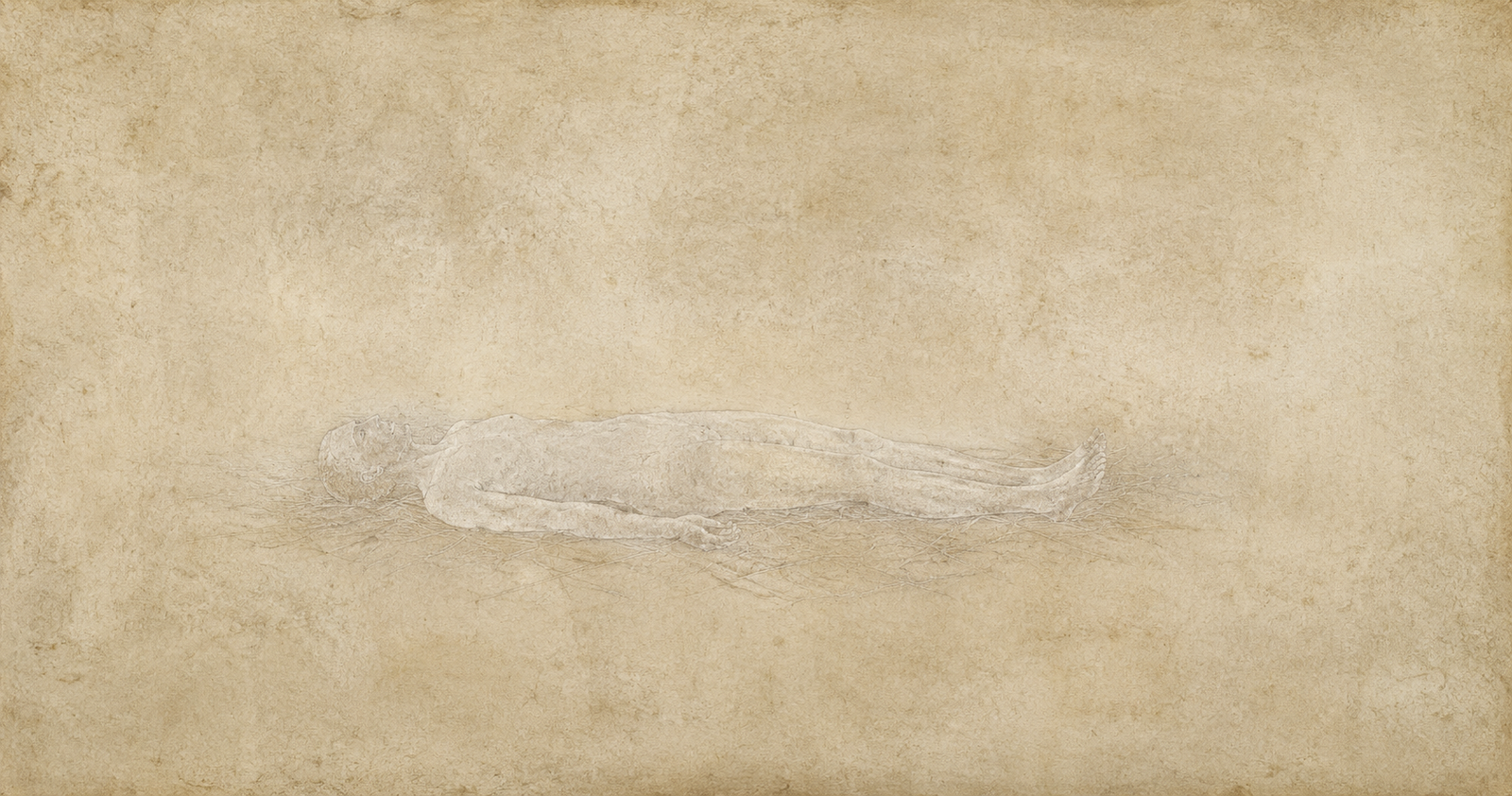

The Body on the Sacred Grass: A Vedic Myth Retelling
A source-faithful literary retelling of the Purusha Sukta from the Rigveda. The gods lay the immeasurable Purusha upon the sacred grass, and from the primordial sacrifice begin to emerge animals, ritual speech, human order, and the cosmos itself. Yet the world will receive only one quarter of him.
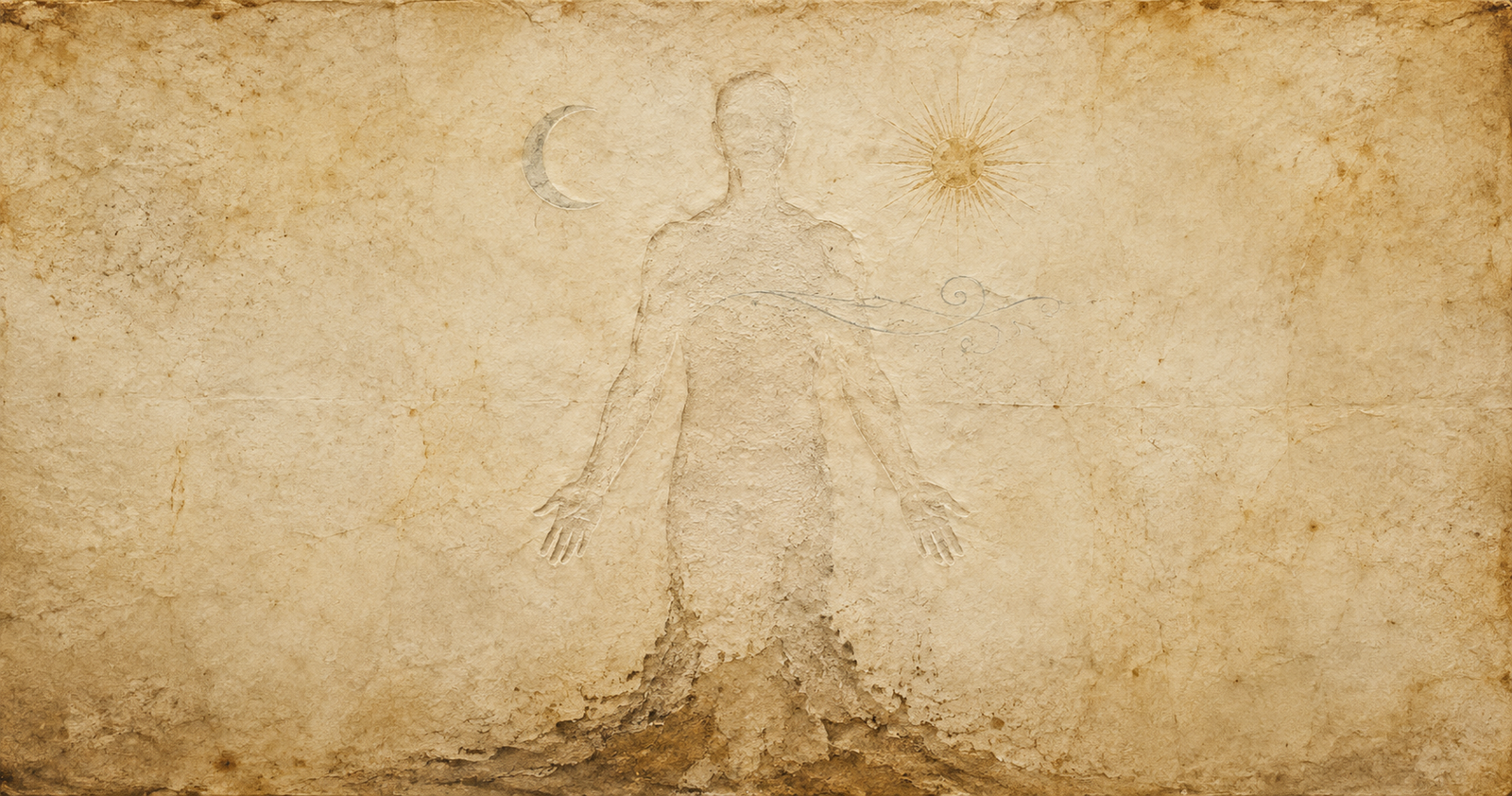

The Body That Became the World
Before the world became separate things, the Rigveda gave it a body. This Mytharium essay reads the sacrifice of Purusha as an image of creation, sacred unity, social hierarchy, and the cost of becoming many.
Continue Reading
If this piece found something in you, you may wish to continue the journey elsewhere.
On The Lantern Chronicles, I gather writings from Angkor, myth and legend, contemplative essays, and poetry — works shaped by silence, beauty, wonder, memory, and the deeper questions that follow us through the world.
It is a place for stone and story, reflection and vow, shadow and revelation.
You would be most welcome there.