
The Library gathers the written works of Lucas Varro — journals of the temples, mythic retellings, contemplative essays, poems, and volumes shaped by shadow, silence, and wonder. Here, words stand beside images as offerings: field notes from Angkor, meditations on sacred stone, old stories rekindled, and reflections carried beyond the visible world.
Within these shelves you will find many rooms: Angkor journals, myth and legend, apsara meditations, contemplative essays, poems, children’s mythic wonder, literary retellings, and quieter devotions of the page. Wander chronologically, enter by theme, or pass through one of the dedicated publication houses now gathered within the wider Library.
For those who wish to follow these paths further, several of these writings continue on Substack and in dedicated archive blogs: The Lantern Chronicles , where myth, legend, contemplative essays, poetry, and other imaginative works are carried onward; The House of Cadmus , where Greek myth and tragedy are reopened through inheritance, violence, fate, and recurrence; The Mytharium , where myth, Tolkien, fairy stories, and old literature are read and retold with seriousness; The Alexander Series , where A. M. Sharp retells Greek myths for children who want to be trusted by stories; and The Hospitable Dark , where A. M. Sharp offers literary myth retellings shaped by darkness, shelter, endurance, and return.
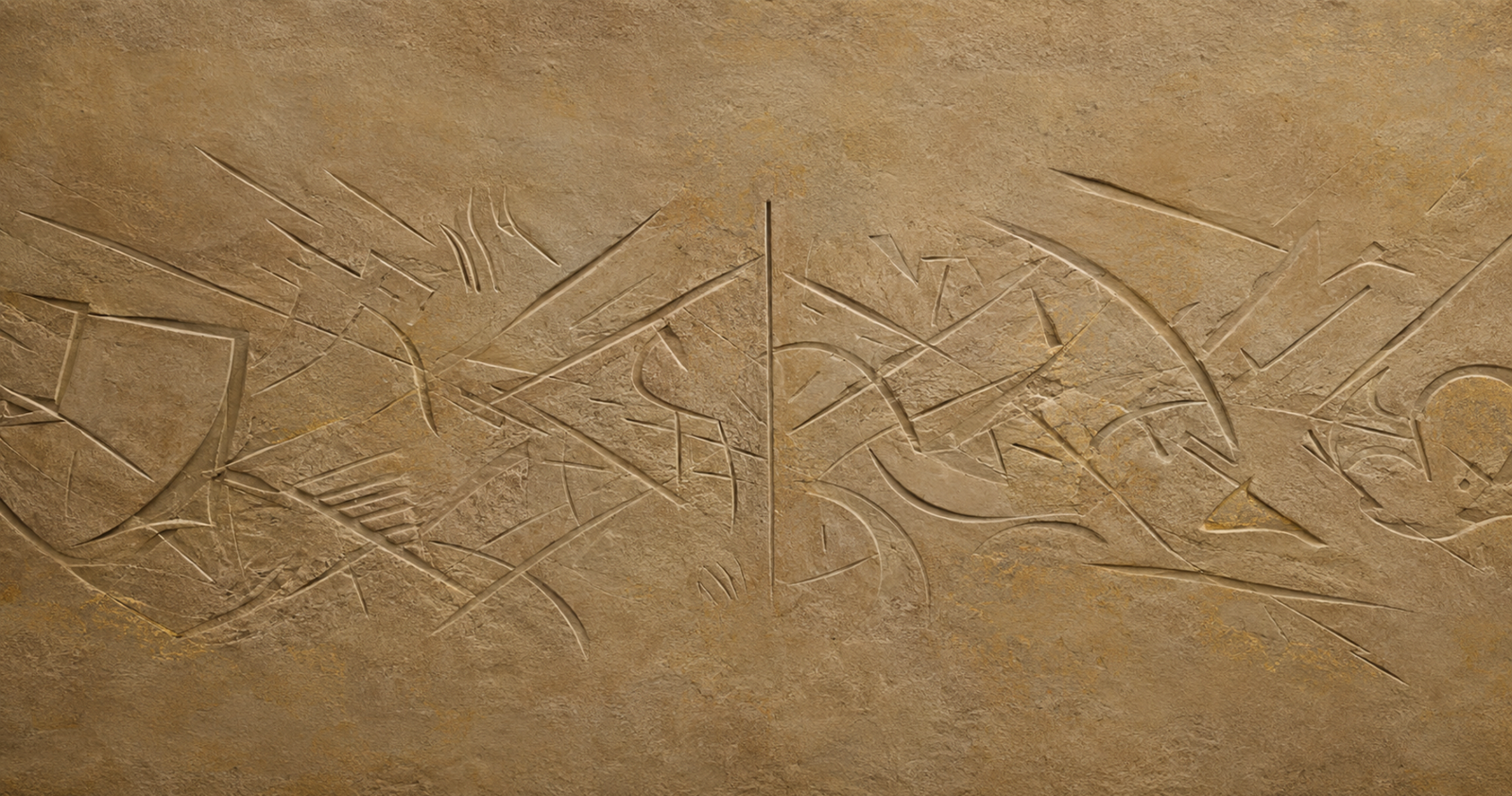

The Story on the Wall
At Angkor Wat, more than fifty metres of carved sandstone hold the Battle of Lanka. Rama is present, but he must be found. This Prologue to The Story That Became Cambodia begins with the monumental certainty of the wall—and asks what the finished image cannot reveal about the Ramayana’s earlier journey into Khmer history.
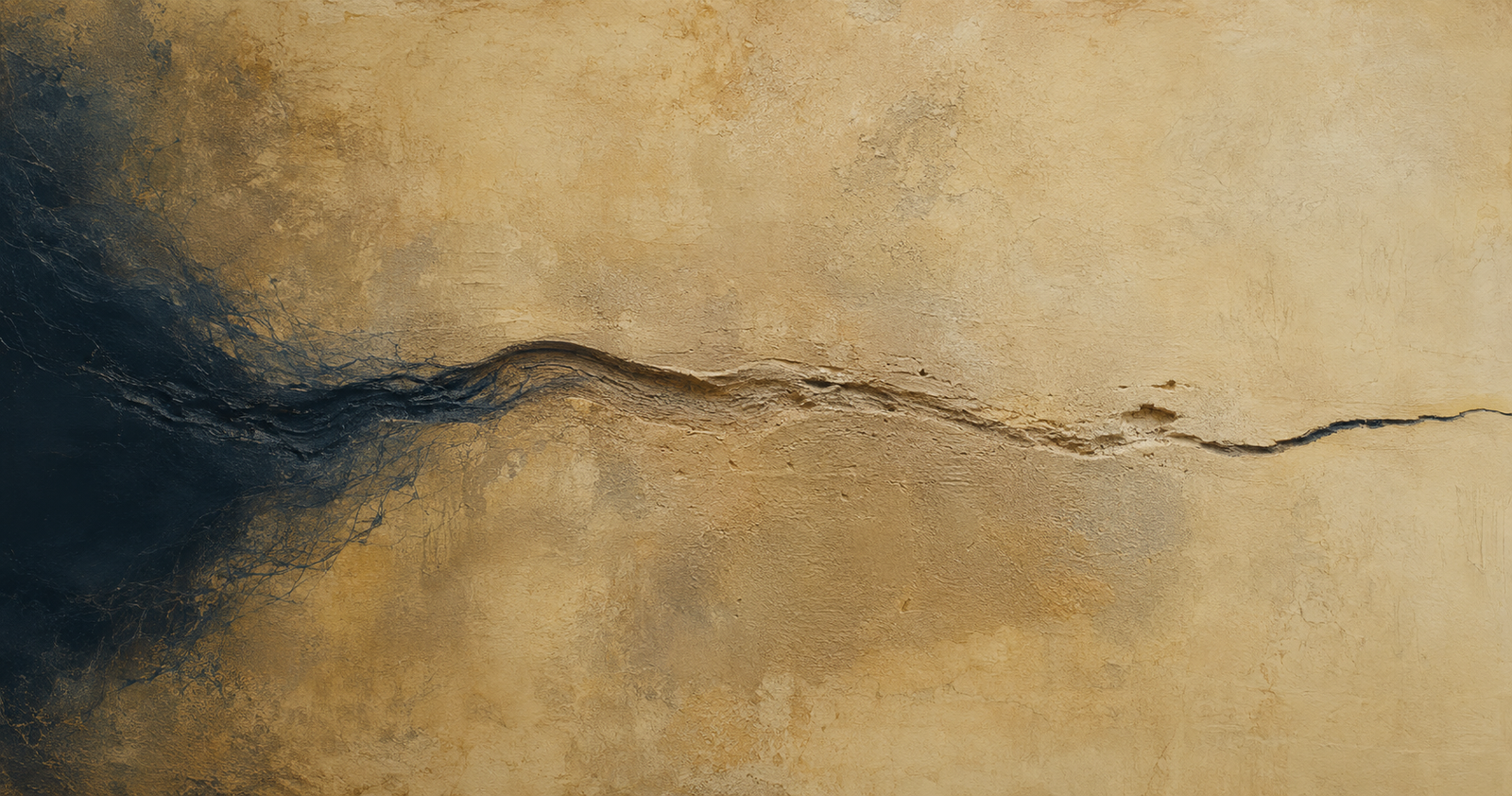

The Story That Became Cambodia
How did the Ramayana become part of Cambodia’s monumental, literary and performed imagination? This introduction opens a serial history moving from seventh-century recitation and Angkorian stone to the Middle Khmer Ramakerti, Buddhist painting and living performance—following what the evidence can carry and refusing to invent continuity where the record falls silent.