

Morgoth’s Ring: The World Evil Cannot Unmake
In Tolkien’s moral imagination, Sauron’s Ring can be held in the hand. Morgoth’s cannot.
That is the terrible difference at the centre of this Mytharium essay. The One Ring is an object: small enough to be carried, hidden, desired, lost, found, and finally cast into fire. It has weight, edge, and circumference. It can be named as a thing within the world, and because it is a thing within the world, it can be unmade within the world.
Morgoth’s Ring is not like that.
Tolkien’s phrase — “The whole of Middle-earth was Morgoth’s Ring” — does not mean that Morgoth created the world. It means something darker and more exact: that he spent himself into it. He poured, dispersed, and diminished himself into what had already been given. His malice did not remain merely spiritual, atmospheric, or intentional. It entered the physical condition of the world he hated.
This is the horror of Morgoth’s Ring. Not that evil is somewhere. That would be simple. Not that evil has an artefact, a fortress, a weapon, a servant, or a throne. Tolkien gives Sauron all of these, and then allows them to be overthrown. The deeper horror is that evil may enter the world so intimately that it becomes part of the environment in which innocence must try to live.
But the thought cannot stop there.
If it does, Morgoth wins more than Tolkien allows him to win. For the deepest truth of Morgoth’s Ring is not only that the world is wounded. It is that the wound is not the world’s source.
Arda is marred.
It is not Morgoth’s.
The full essay reads Morgoth’s Ring as one of Tolkien’s darkest and most exact images: evil as a wound inside matter, not a rival act of creation. It follows the distinction between Sauron’s concentrated power and Morgoth’s dispersed power, the danger of treating matter itself as corrupt, and the strange hope that remains when the world is wounded but not surrendered.
The stain is in matter, but matter is not the stain.
Continue reading: Morgoth’s Ring: The World Evil Cannot Unmake at The Mytharium on Substack.
Also in The Mytharium
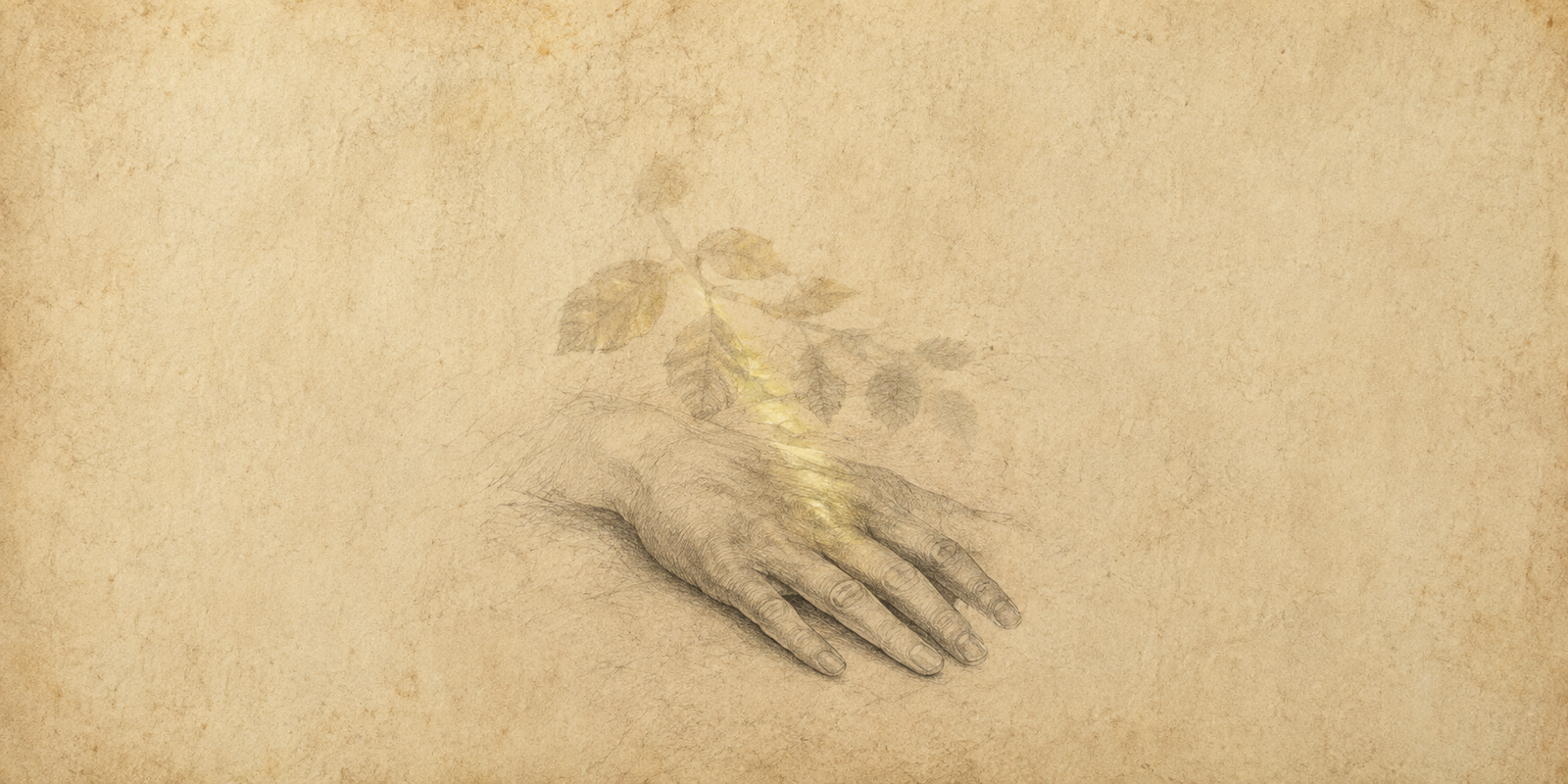

The Joy Sorrow Cannot Foresee
Sam wakes beneath green leaves and asks whether everything sad will come untrue—but Frodo’s wounded hand already complicates the answer. This Mytharium essay explores Tolkien’s eucatastrophe, grace at Mount Doom, and the sudden joy that does not erase sorrow but denies it final authority.
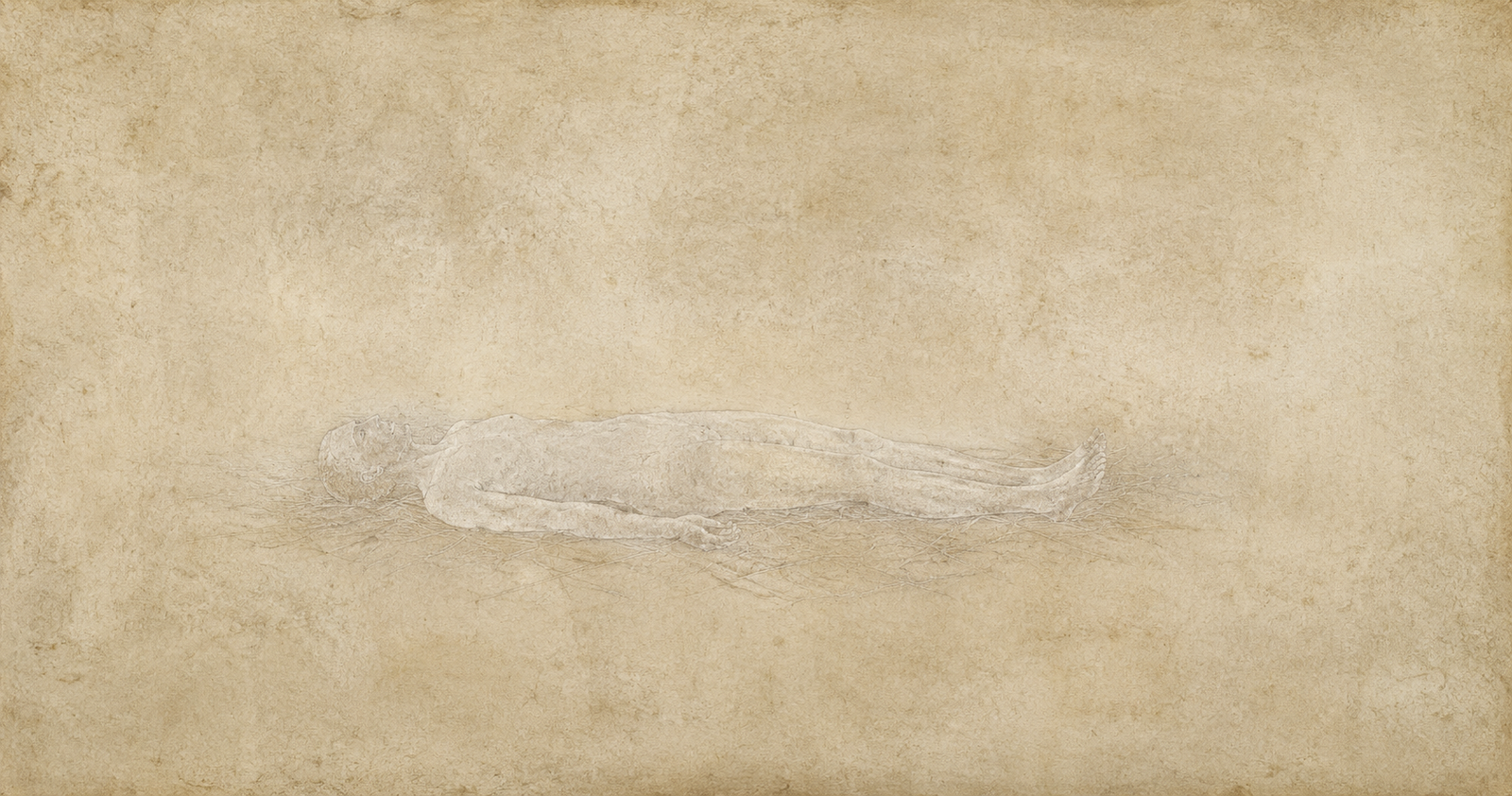

The Body on the Sacred Grass: A Vedic Myth Retelling
A source-faithful literary retelling of the Purusha Sukta from the Rigveda. The gods lay the immeasurable Purusha upon the sacred grass, and from the primordial sacrifice begin to emerge animals, ritual speech, human order, and the cosmos itself. Yet the world will receive only one quarter of him.
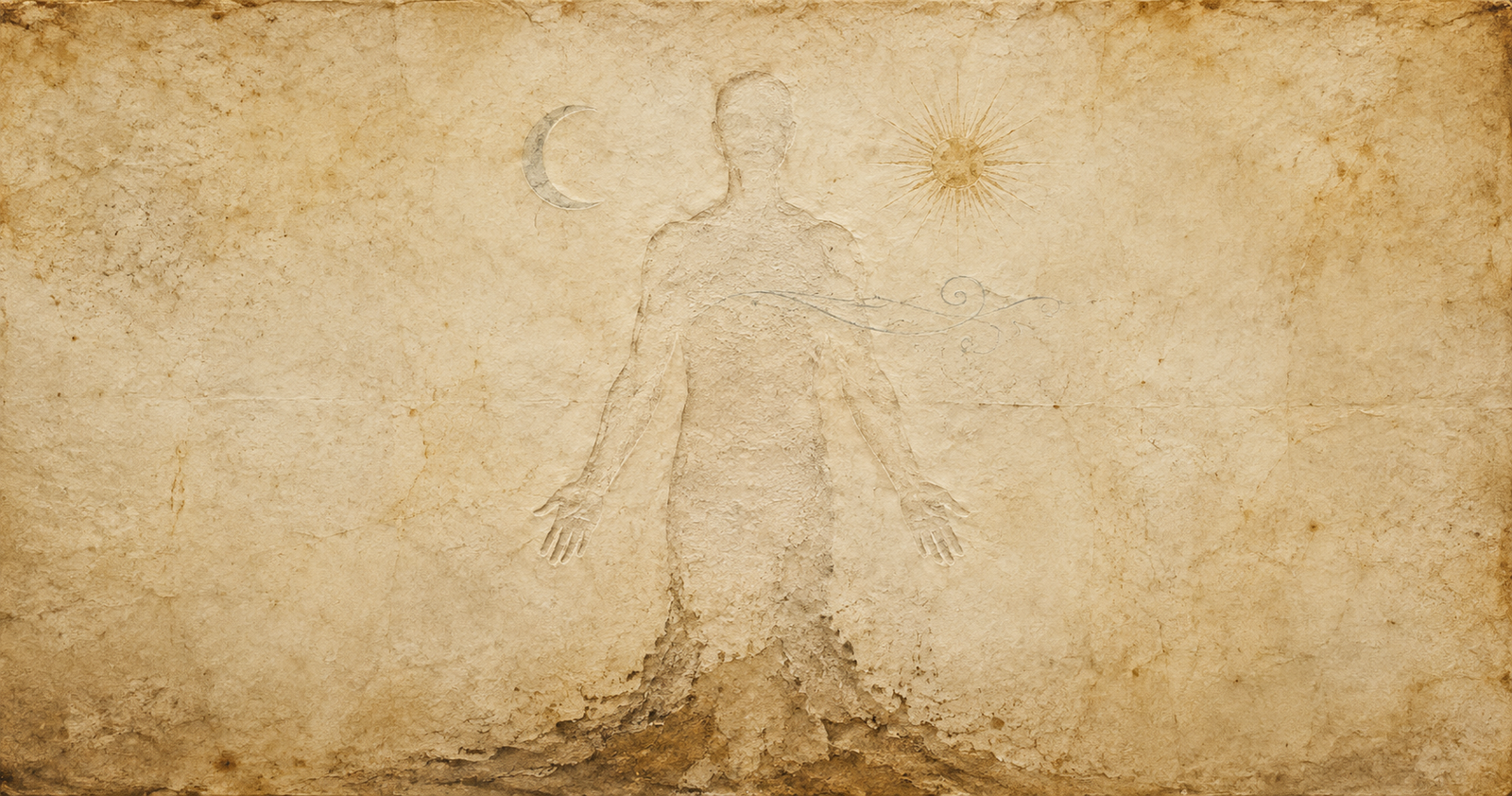

The Body That Became the World
Before the world became separate things, the Rigveda gave it a body. This Mytharium essay reads the sacrifice of Purusha as an image of creation, sacred unity, social hierarchy, and the cost of becoming many.
Continue Reading
If this piece found something in you, you may wish to continue the journey elsewhere.
On The Lantern Chronicles, I gather writings from Angkor, myth and legend, contemplative essays, and poetry — works shaped by silence, beauty, wonder, memory, and the deeper questions that follow us through the world.
It is a place for stone and story, reflection and vow, shadow and revelation.
You would be most welcome there.