
The Library gathers the written works of Lucas Varro — journals of the temples, mythic retellings, contemplative essays, poems, and volumes shaped by shadow, silence, and wonder. Here, words stand beside images as offerings: field notes from Angkor, meditations on sacred stone, old stories rekindled, and reflections carried beyond the visible world.
Within these shelves you will find many rooms: Angkor journals, myth and legend, apsara meditations, contemplative essays, poems, children’s mythic wonder, literary retellings, and quieter devotions of the page. Wander chronologically, enter by theme, or pass through one of the dedicated publication houses now gathered within the wider Library.
For those who wish to follow these paths further, several of these writings continue on Substack and in dedicated archive blogs: The Lantern Chronicles , where myth, legend, contemplative essays, poetry, and other imaginative works are carried onward; The House of Cadmus , where Greek myth and tragedy are reopened through inheritance, violence, fate, and recurrence; The Mytharium , where myth, Tolkien, fairy stories, and old literature are read and retold with seriousness; The Alexander Series , where A. M. Sharp retells Greek myths for children who want to be trusted by stories; and The Hospitable Dark , where A. M. Sharp offers literary myth retellings shaped by darkness, shelter, endurance, and return.
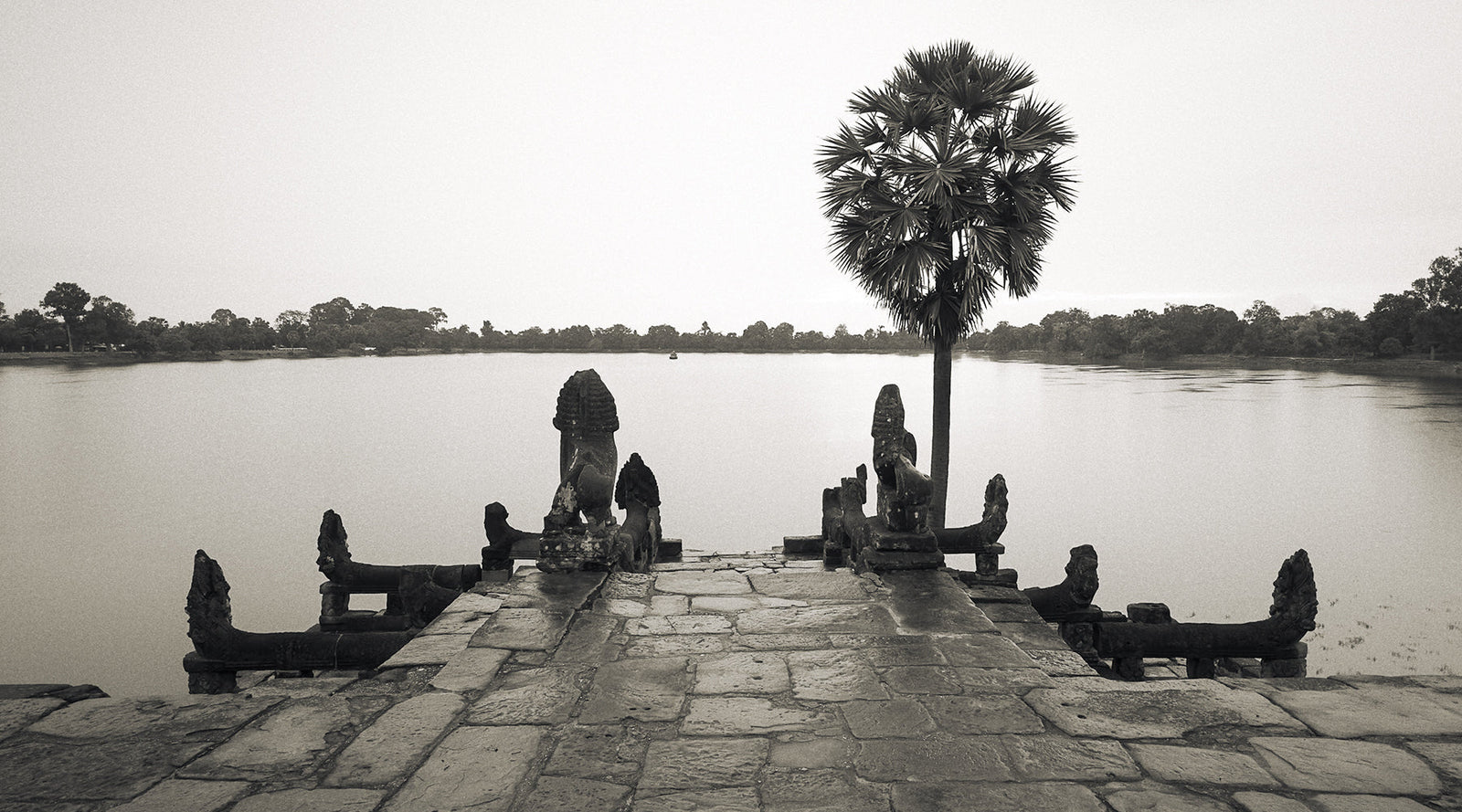

Sanctum - a Meditation on Srah Srang
At Srah Srang, Angkor, even silence holds presence. Stone lions witness, nagas remember, and the sacred welcomes you as though you’ve always belonged. A meditation on place, stillness, and the temple within.


The Causeway, Remembered
This diptych listens to a causeway as remembered instruction. One poem enters the slowing; the other carries it away. What endures is not stone or water, but measure—how the body learned to wait, how breath changed pace, and how that learning persists, quietly resisting the speed of elsewhere.


Before Seeing / After Leaving
Some places are entered before the body arrives
and remain standing after it leaves.
This diptych traces the arc of longing and consequence—what it means to be altered by a sacred place without spectacle. Before seeing, the desire to kneel. After leaving, the cost: a different measure of pace, attention, and care that does not fade on return.
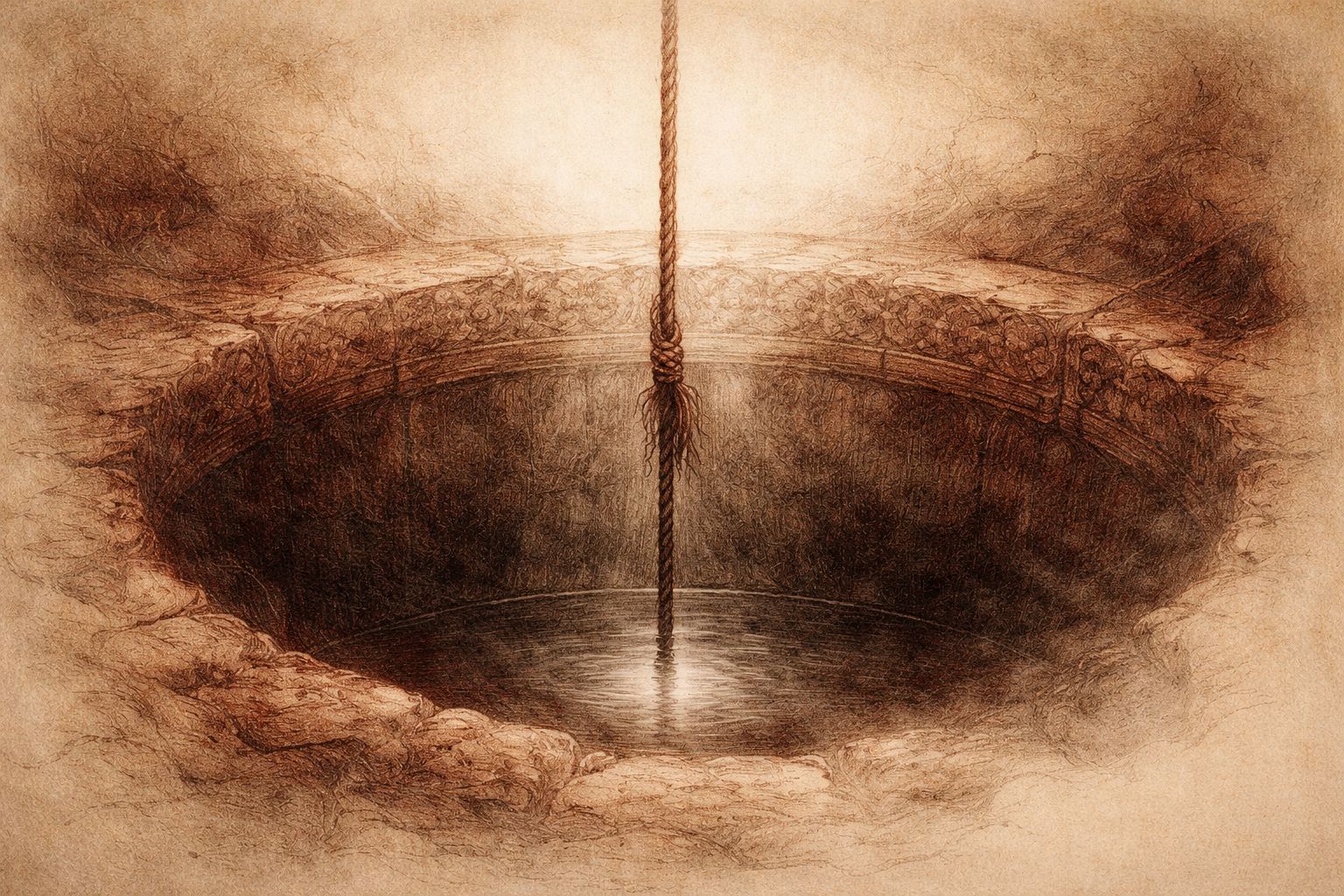

The Well
Some encounters do not announce themselves as fate.
They arrive as ordinary labour: a rope, a well, the burn of fibre on skin.
The Well was written to strip the divine of spectacle and return it to contact—to sound, temperature, weight. Nothing is explained. Nothing is promised. What matters is what the body learns before language arrives.
This is a poem about calibration rather than loss: how a single moment can permanently alter what the body knows it cannot keep. Not memory. Not grief. A quieter knowledge, held in the hands.
Some mornings, the air still thins.