
The Library gathers the written works of Lucas Varro — journals of the temples, mythic retellings, contemplative essays, poems, and volumes shaped by shadow, silence, and wonder. Here, words stand beside images as offerings: field notes from Angkor, meditations on sacred stone, old stories rekindled, and reflections carried beyond the visible world.
Within these shelves you will find many rooms: Angkor journals, myth and legend, apsara meditations, contemplative essays, poems, children’s mythic wonder, literary retellings, and quieter devotions of the page. Wander chronologically, enter by theme, or pass through one of the dedicated publication houses now gathered within the wider Library.
For those who wish to follow these paths further, several of these writings continue on Substack and in dedicated archive blogs: The Lantern Chronicles , where myth, legend, contemplative essays, poetry, and other imaginative works are carried onward; The House of Cadmus , where Greek myth and tragedy are reopened through inheritance, violence, fate, and recurrence; The Mytharium , where myth, Tolkien, fairy stories, and old literature are read and retold with seriousness; The Alexander Series , where A. M. Sharp retells Greek myths for children who want to be trusted by stories; and The Hospitable Dark , where A. M. Sharp offers literary myth retellings shaped by darkness, shelter, endurance, and return.
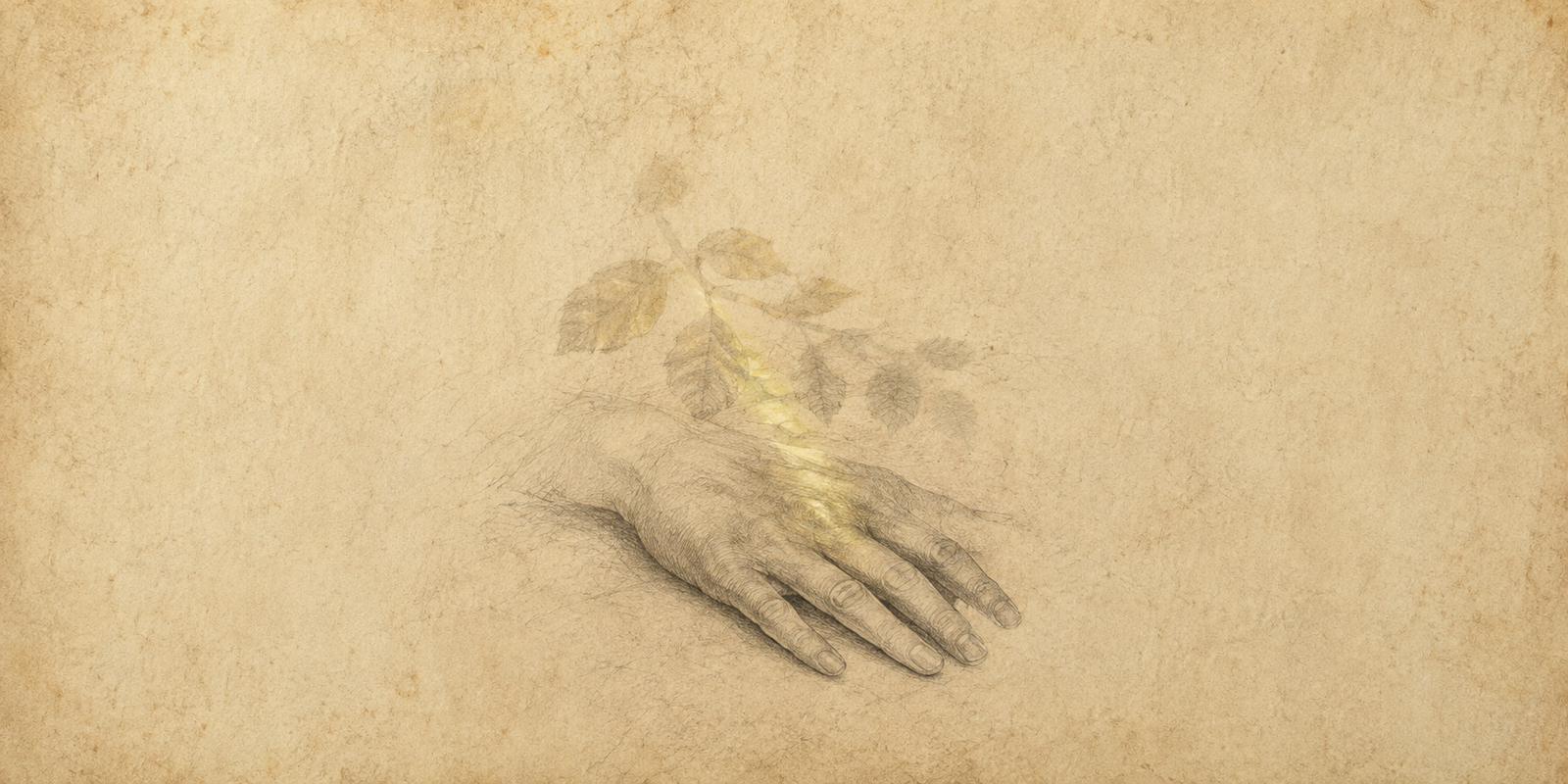

The Joy Sorrow Cannot Foresee
Sam wakes beneath green leaves and asks whether everything sad will come untrue—but Frodo’s wounded hand already complicates the answer. This Mytharium essay explores Tolkien’s eucatastrophe, grace at Mount Doom, and the sudden joy that does not erase sorrow but denies it final authority.


Morgoth’s Ring: The World Evil Cannot Unmake
A serious Mytharium reading of Morgoth’s Ring, Arda Marred, Sauron, matter, evil, and Tolkien’s wounded but good world. The essay asks how deeply evil can enter creation without ever becoming its source.


The Evil That Wants No World
A serious Tolkien essay on Morgoth, Sauron, domination, nihilism, and the difference between the will to rule and the will to unmake. The Evil That Wants No World asks why Sauron is Tolkien’s most immediate image of evil, but Morgoth is the deeper terror.
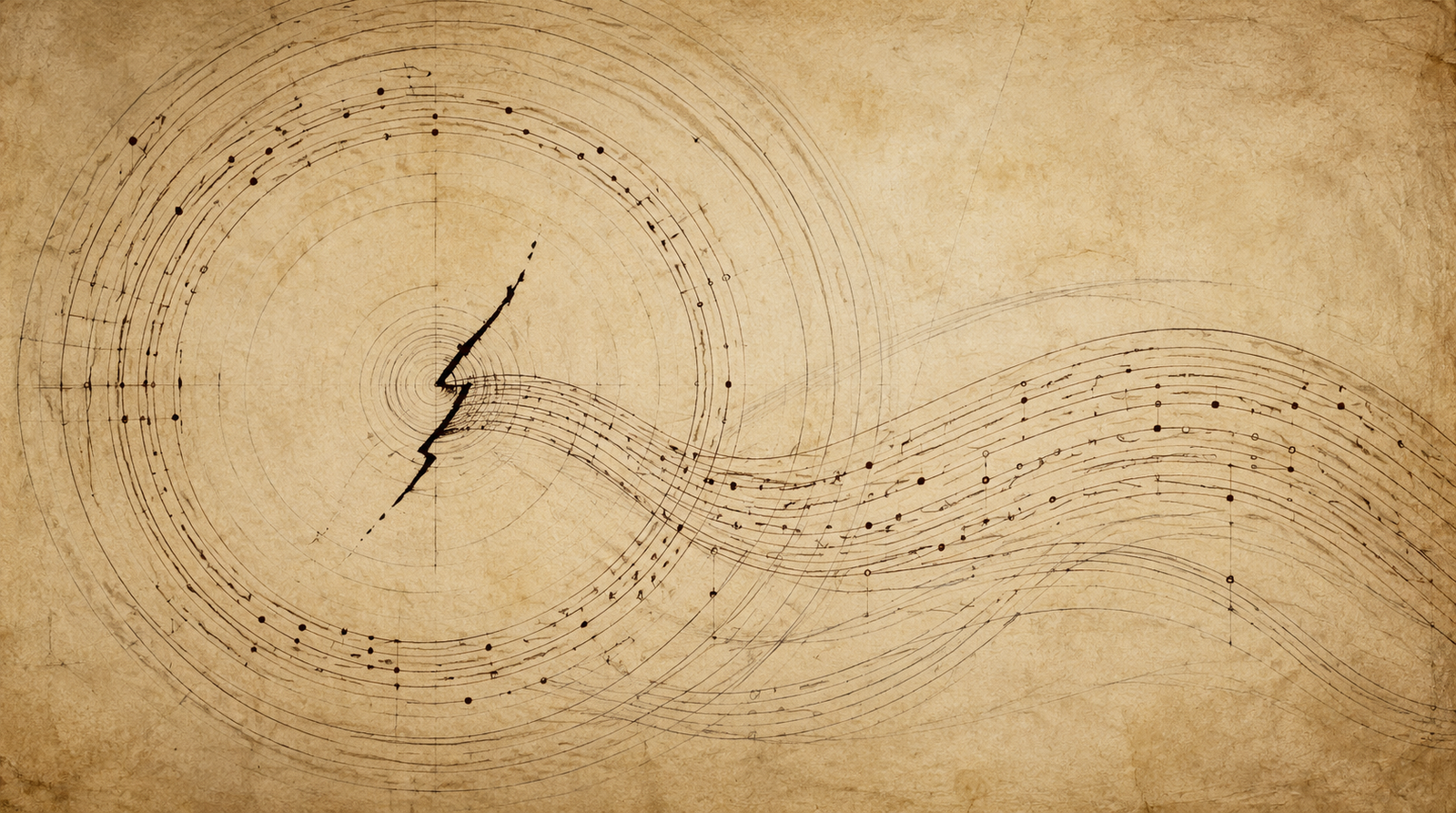

The Music of the Ainur and the Problem of Discord
A serious Mytharium essay on Tolkien’s Ainulindalë, Melkor’s discord, Ilúvatar’s Music, and the problem of evil in The Silmarillion. Before Arda is seen, it is heard; before evil has a body, it has a sound.
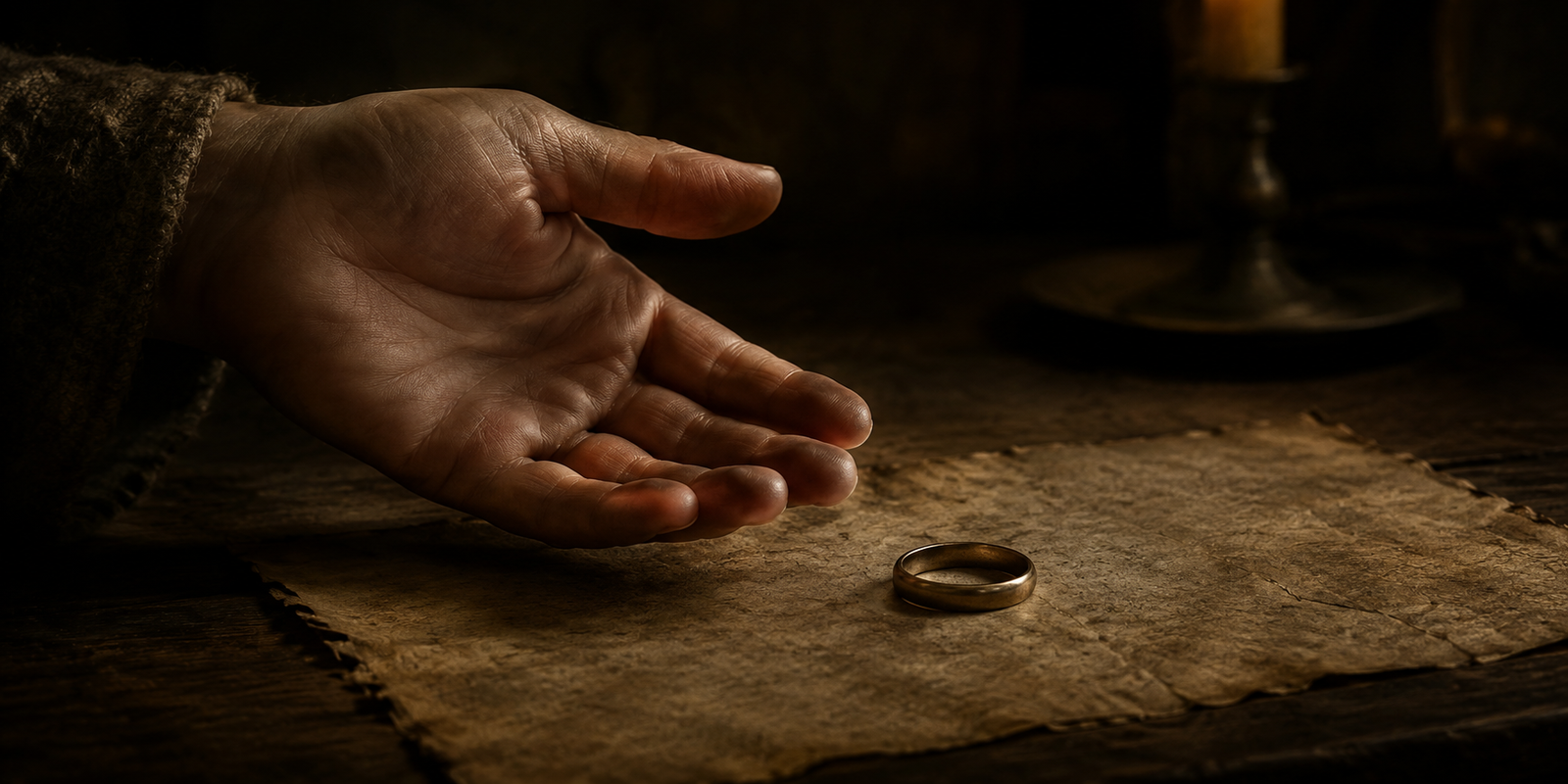

If Gandalf Took the Ring
A serious Mytharium reading of Gandalf, the One Ring, and the danger of righteous power in Tolkien’s The Lord of the Rings. Gandalf refuses the Ring not because it would be useless to him, but because it would be useful—and because goodness armed with absolute power may become the most dangerous domination of all.
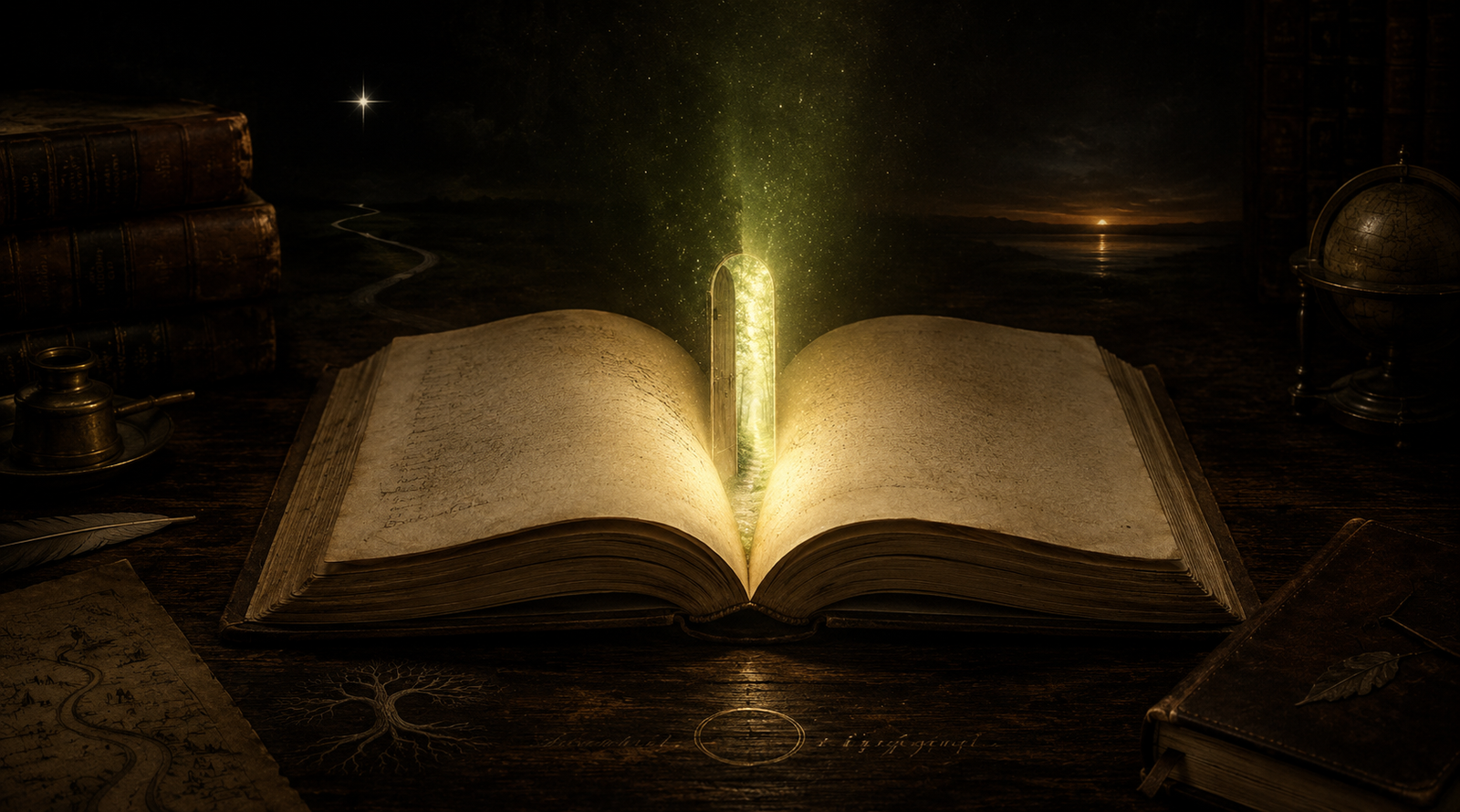

“On Fairy-Stories” as the Key to Everything
A Mytharium essay on Tolkien’s “On Fairy-Stories” as the hidden grammar of Middle-earth: Sub-creation, Recovery, Escape, Enchantment, and Eucatastrophe as the laws by which Tolkien’s imagined world breathes, suffers, and refuses despair.