
The Library gathers the written works of Lucas Varro — journals of the temples, mythic retellings, contemplative essays, poems, and volumes shaped by shadow, silence, and wonder. Here, words stand beside images as offerings: field notes from Angkor, meditations on sacred stone, old stories rekindled, and reflections carried beyond the visible world.
Within these shelves you will find many rooms: Angkor journals, myth and legend, apsara meditations, contemplative essays, poems, children’s mythic wonder, literary retellings, and quieter devotions of the page. Wander chronologically, enter by theme, or pass through one of the dedicated publication houses now gathered within the wider Library.
For those who wish to follow these paths further, several of these writings continue on Substack and in dedicated archive blogs: The Lantern Chronicles , where myth, legend, contemplative essays, poetry, and other imaginative works are carried onward; The House of Cadmus , where Greek myth and tragedy are reopened through inheritance, violence, fate, and recurrence; The Mytharium , where myth, Tolkien, fairy stories, and old literature are read and retold with seriousness; The Alexander Series , where A. M. Sharp retells Greek myths for children who want to be trusted by stories; and The Hospitable Dark , where A. M. Sharp offers literary myth retellings shaped by darkness, shelter, endurance, and return.

The File
A person becomes easier to process once they become a file. This opening essay of Distance Machines examines administrative distance, bureaucracy, moral legibility, and the quiet violence by which a life is reduced to evidence, categories, missing documents, and acceptable form.
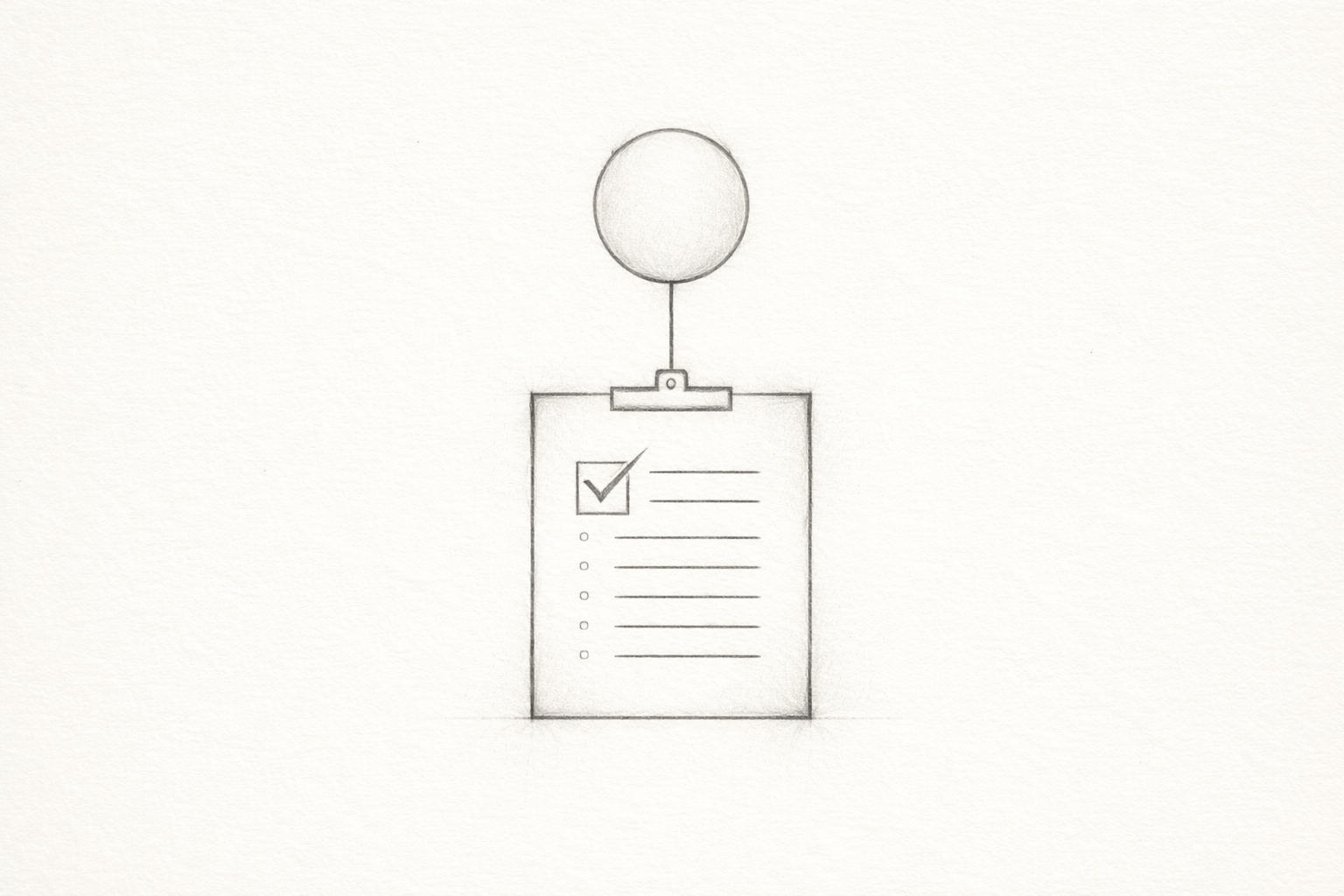

NICE PEOPLE
In NGO rooms, “We’re just trying to help” can become more than a kindly phrase. It can become a spell: a way of protecting institutional innocence, making truth sound unprofessional, and teaching conscience to apologise before it speaks.

The Fear of Being Difficult
In The Fear of Being Difficult, Lucas Varro examines how the phrase “Let’s be constructive” can discipline conscience. The essay asks what happens when truth is treated as bad tone, dissent becomes a personality flaw, and people learn to swallow reality in order to remain acceptable.


Process
In Process, Lucas Varro examines the sentence “I’m just following the process” as one of modern bureaucracy’s most effective moral alibis. The essay asks what happens when procedure no longer protects fairness, but protects people from responsibility for the harm they help enact.

Eligibility
In Eligibility, Lucas Varro examines how a seemingly neutral administrative word becomes a moral disguise. To be eligible is not merely to be in need. It is to be legible — documented, formatted, and admissible to the system that decides whether a person may be helped.

The Line That Is Not a Line
A boundary is drawn, and suddenly what was always present becomes “nothing.” This is one of the oldest spells: definition posing as neutrality, metaphor disguising jurisdiction, emptiness manufactured so extraction can begin. To resist is to attend—to name rightly, to refuse the comfort of false clarity, and to honour the world’s gradients.