
The Library gathers the written works of Lucas Varro — journals of the temples, mythic retellings, contemplative essays, poems, and volumes shaped by shadow, silence, and wonder. Here, words stand beside images as offerings: field notes from Angkor, meditations on sacred stone, old stories rekindled, and reflections carried beyond the visible world.
Within these shelves you will find many rooms: Angkor journals, myth and legend, apsara meditations, contemplative essays, poems, children’s mythic wonder, literary retellings, and quieter devotions of the page. Wander chronologically, enter by theme, or pass through one of the dedicated publication houses now gathered within the wider Library.
For those who wish to follow these paths further, several of these writings continue on Substack and in dedicated archive blogs: The Lantern Chronicles , where myth, legend, contemplative essays, poetry, and other imaginative works are carried onward; The House of Cadmus , where Greek myth and tragedy are reopened through inheritance, violence, fate, and recurrence; The Mytharium , where myth, Tolkien, fairy stories, and old literature are read and retold with seriousness; The Alexander Series , where A. M. Sharp retells Greek myths for children who want to be trusted by stories; and The Hospitable Dark , where A. M. Sharp offers literary myth retellings shaped by darkness, shelter, endurance, and return.
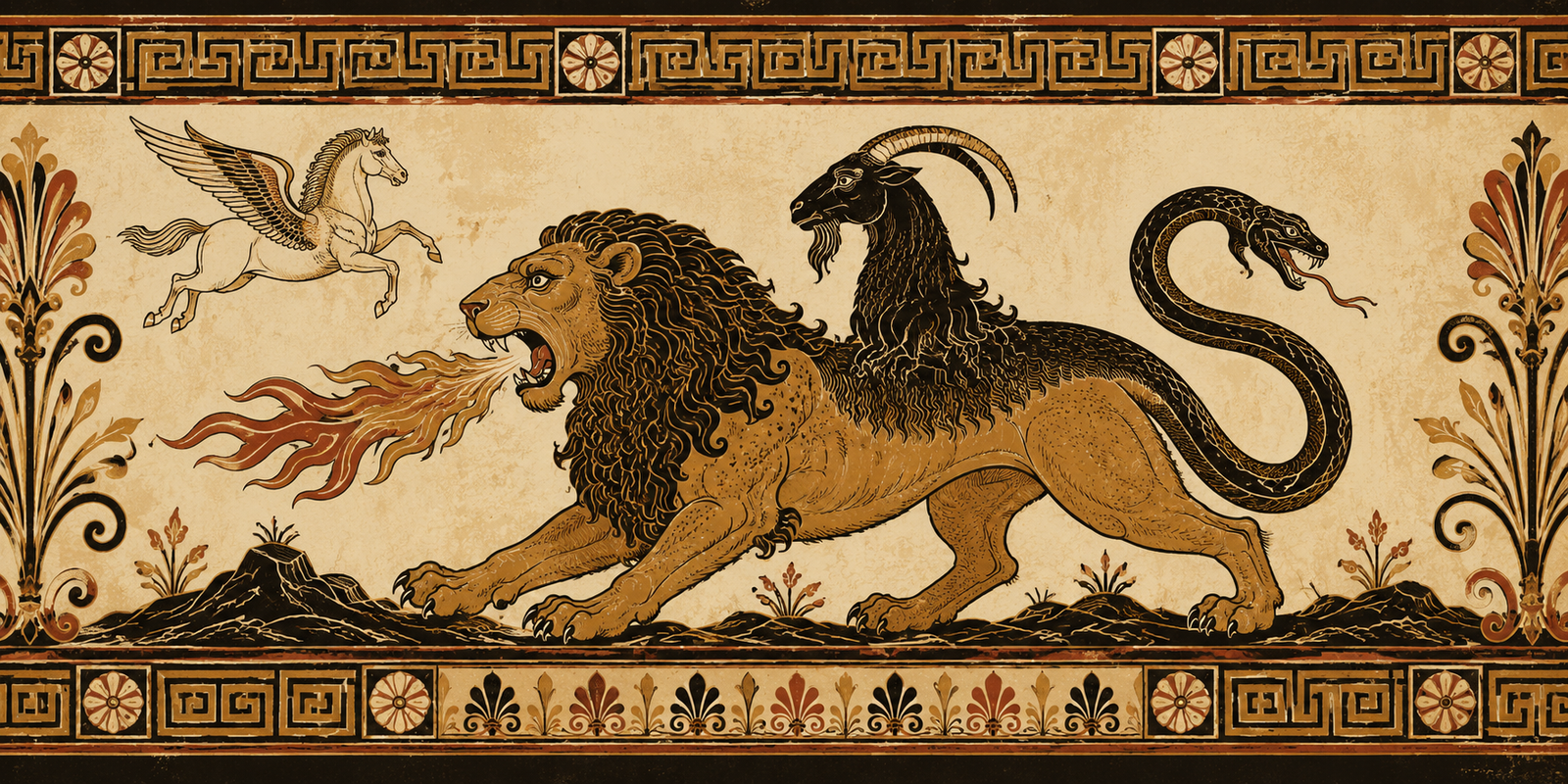

The Chimaera
A child-readable Greek myth guide to the Chimaera: lion, goat, serpent, fire, and the monster’s many joined dangers. This excerpt from The Greek World shows why Bellerophon needed Pegasus, and why the Chimaera is not merely a strange animal mixture, but a precise Greek monster-sign.
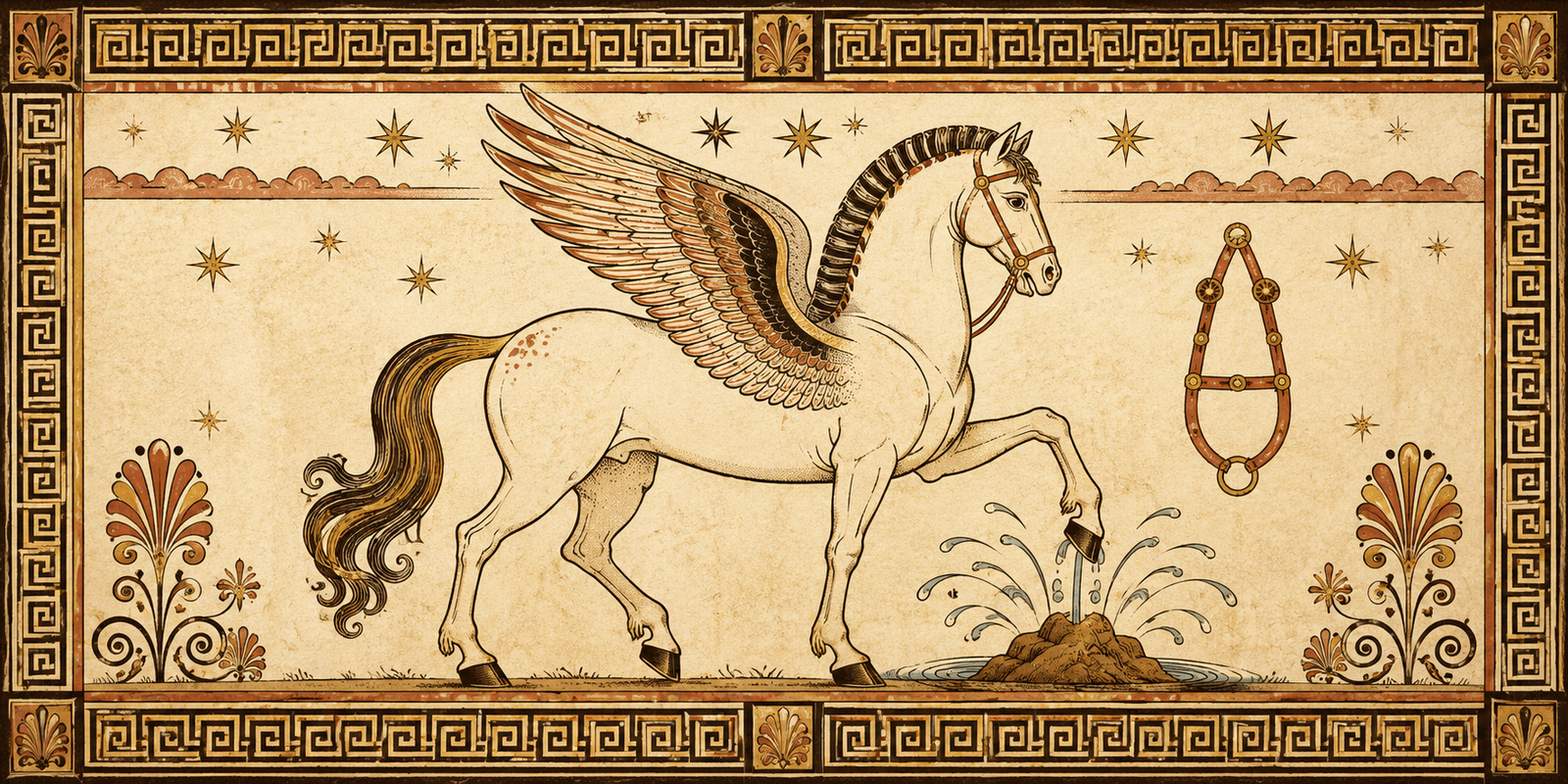

Pegasus
Before Bellerophon takes the bridle, a child should know that Pegasus is not a pet, not a cloud, and not a harmless fantasy creature. This Greek World entry introduces the winged horse of Greek myth as wonder with hooves, wings, danger, and rules.
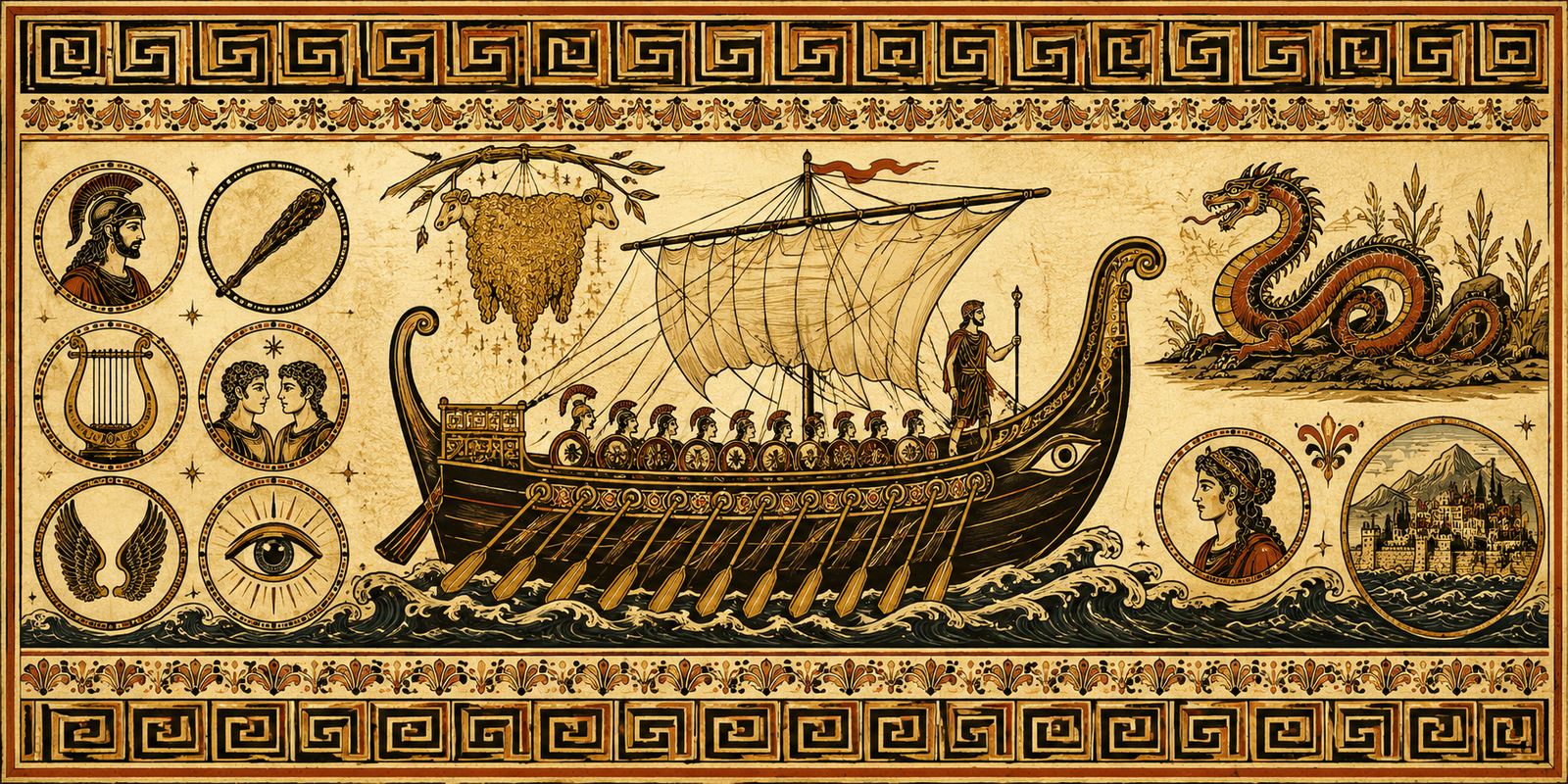

The Argonauts
A child-readable Greek myth guide to the Argonauts: Jason’s ship, the Argo, the heroes aboard her, the Golden Fleece, Colchis, the dragon, and the great voyage that made one hero part of a larger world.
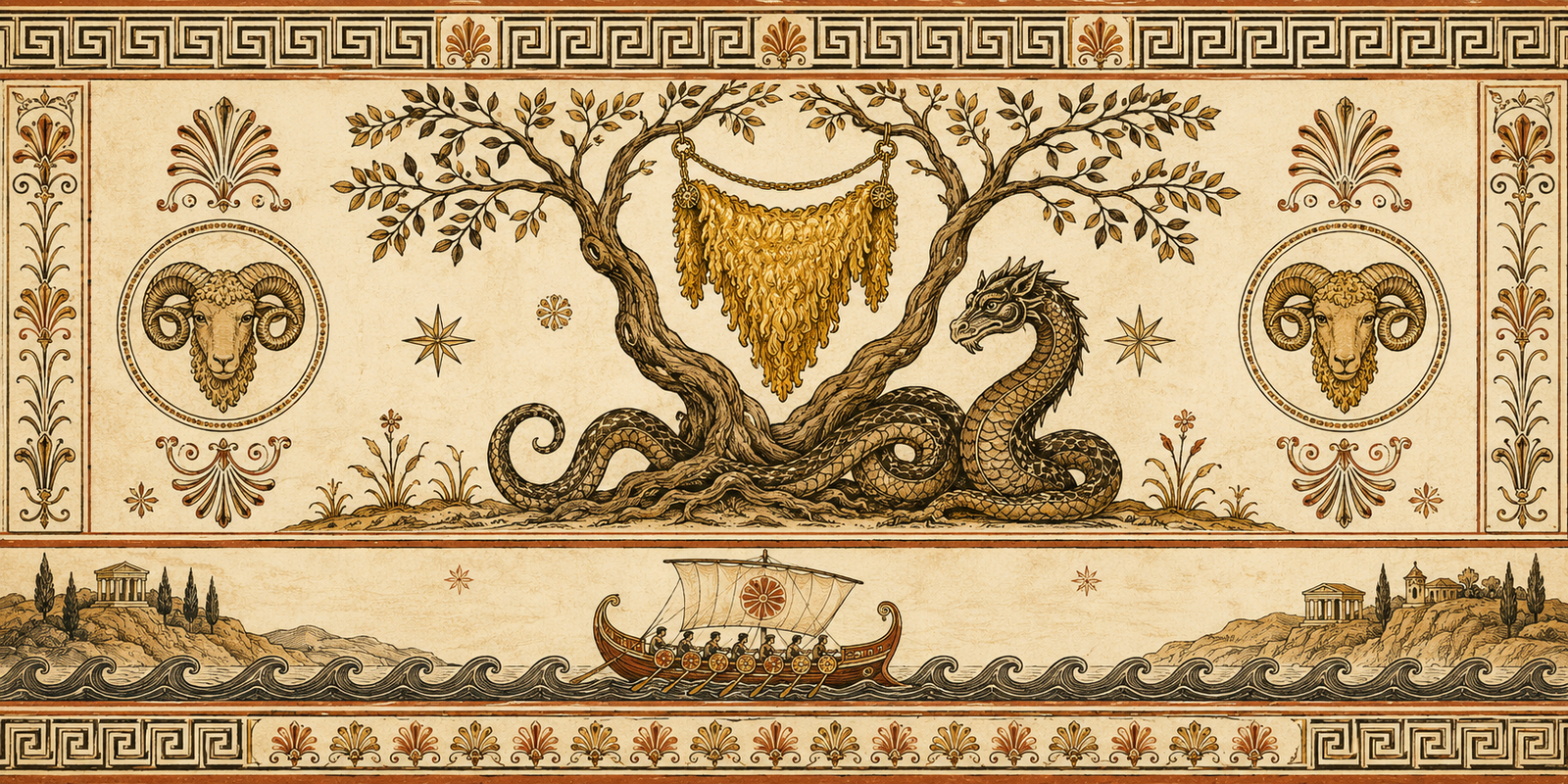

The Golden Fleece — The Bright Object That Begins Jason’s Quest
Before Jason sails for Colchis, there is the Golden Fleece: the bright remainder of an older rescue, kept in a far country, guarded by a dragon, and powerful enough to call a ship across the sea.
This excerpt from The Alexander Series: The Greek World introduces young readers to the golden ram, Phrixus and Helle, Colchis, the sacred tree, and the mythic object at the centre of Jason’s quest.
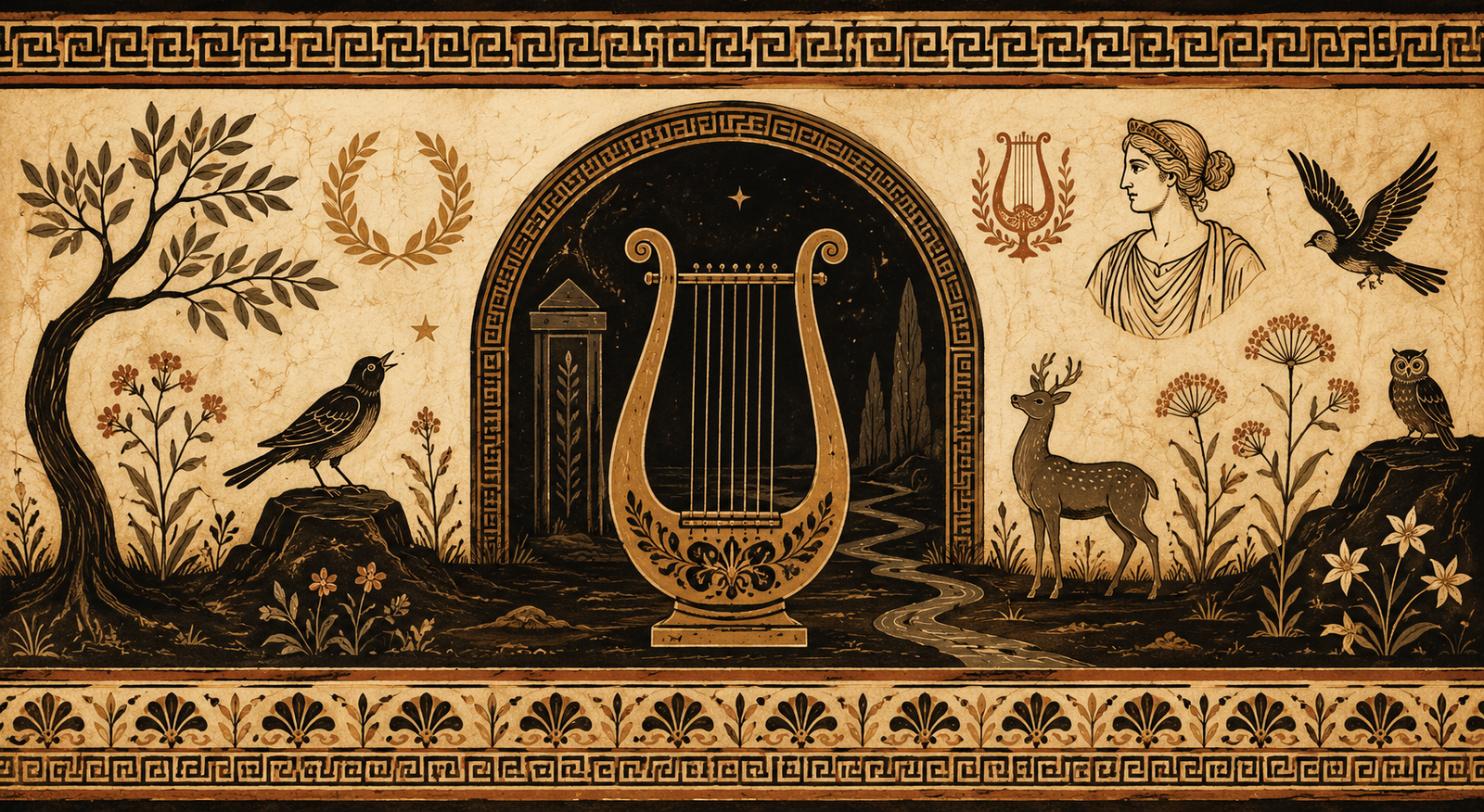

Orpheus’ Lyre — The Song That Made the Dark Listen
A child-readable Greek myth guide to Orpheus’ lyre: the small instrument that carried song, grief, memory, Apollo, the Muses, and love down to the gates of the Underworld. This excerpt opens the question of what kind of power song has in Greek myth — and where even that power reaches its limit.
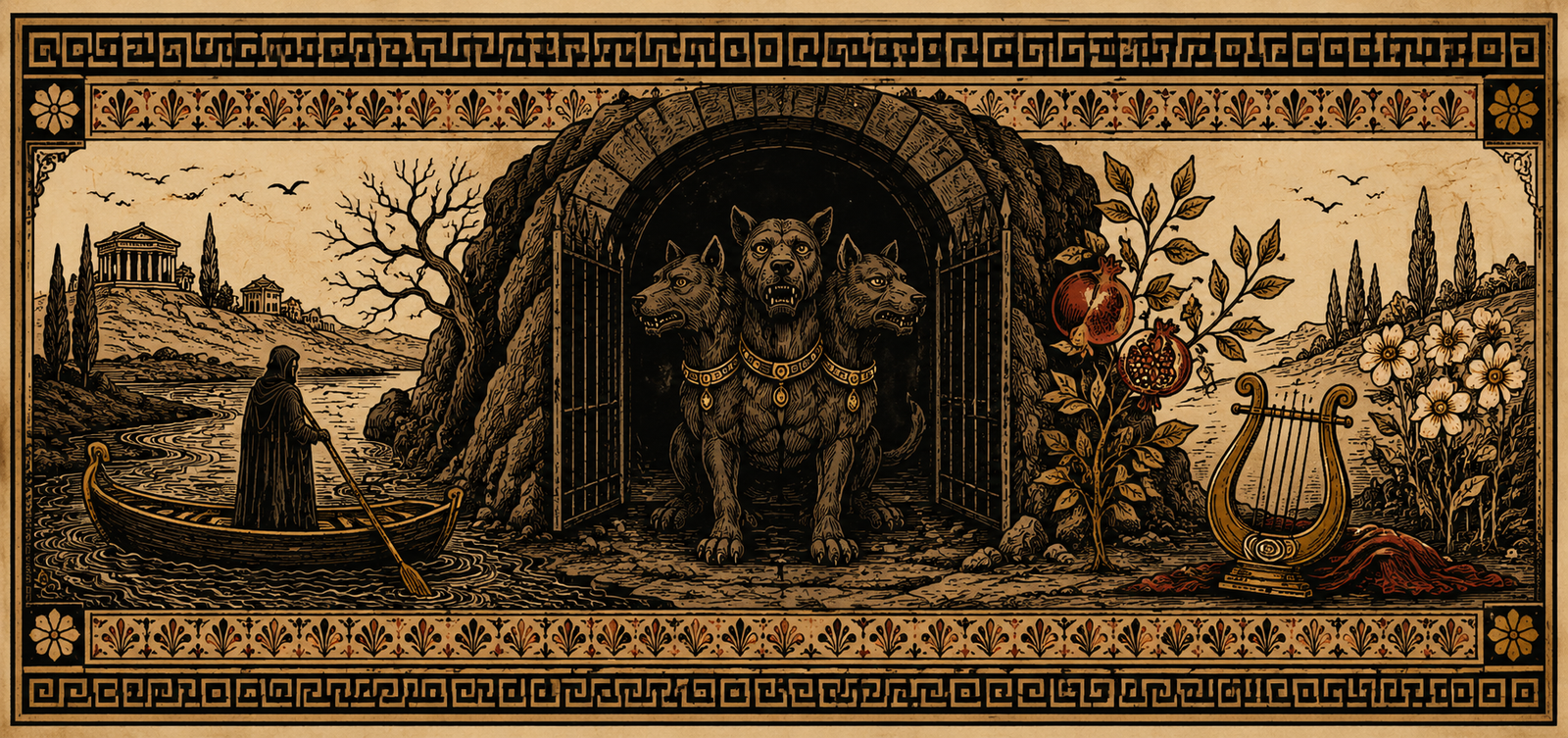

The Underworld — A Greek Myth Guide for Children
Before Orpheus descends, a child should know that the Greek Underworld is not simply a dark place. It is a kingdom beneath the earth: ruled by Hades and Persephone, guarded by Cerberus, crossed by rivers, and almost impossible to leave. A Greek myth guide from The Alexander Series.
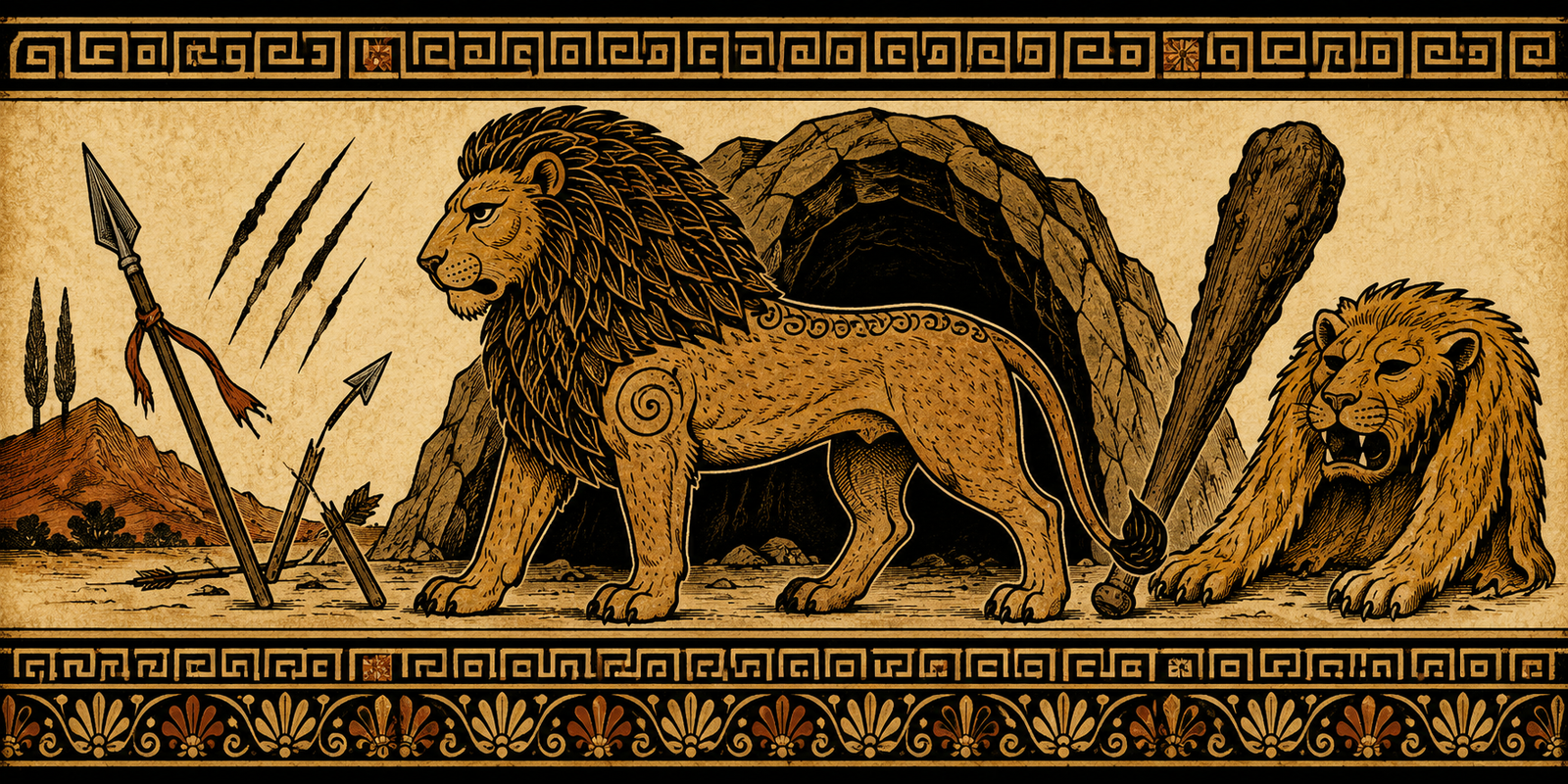

The Nemean Lion
A child-readable Greek World guide to the Nemean Lion: the monster no weapon could pierce, the cave where Heracles had to come close, and the lion skin that became his first great sign.
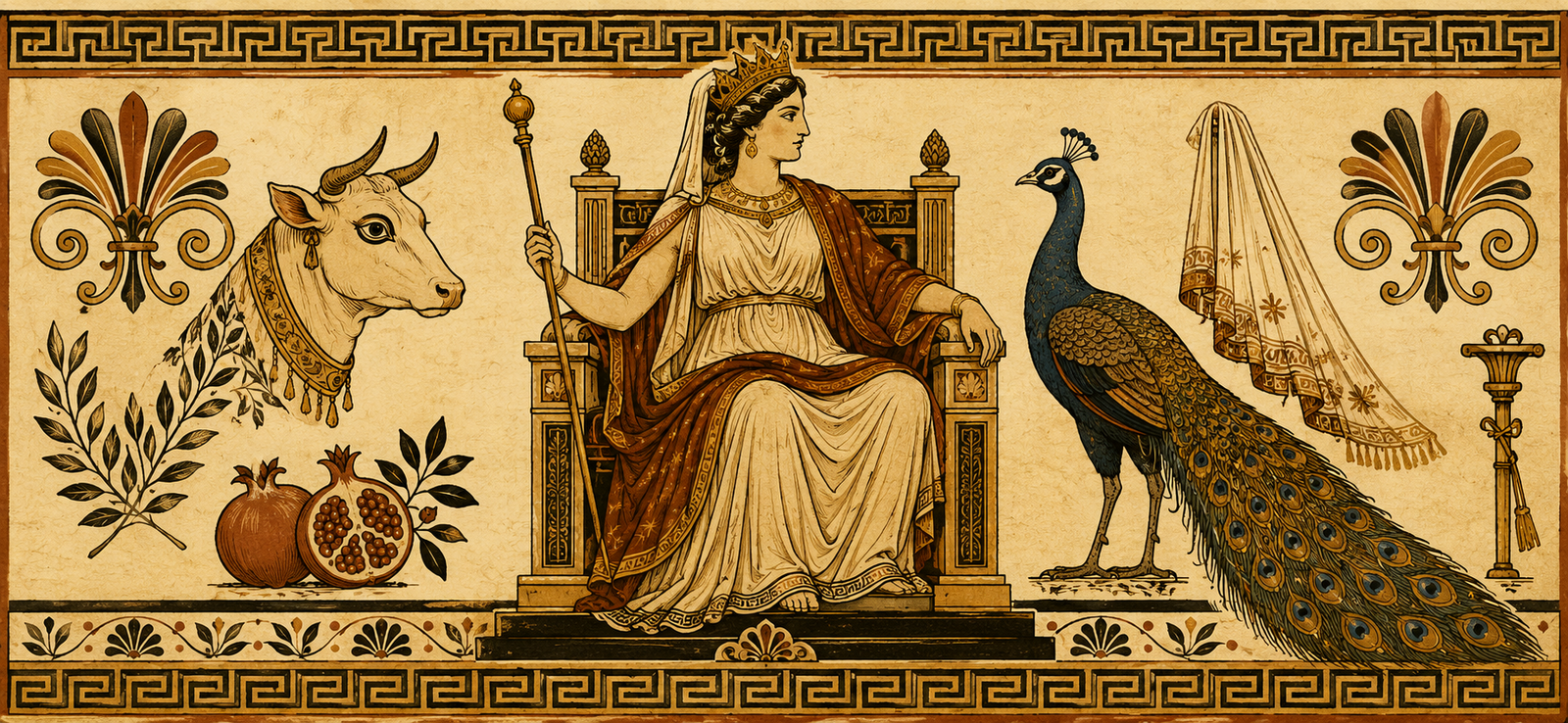

Hera — Queen of Olympus and the Pressure Behind Heracles
Before Heracles faces the lion, a child should know Hera: queen of Olympus, guardian of marriage, throne, sceptre, veil, and wounded honour. This Greek World entry introduces Hera not merely as a villain in Heracles’ story, but as the divine pressure that makes his strength matter.
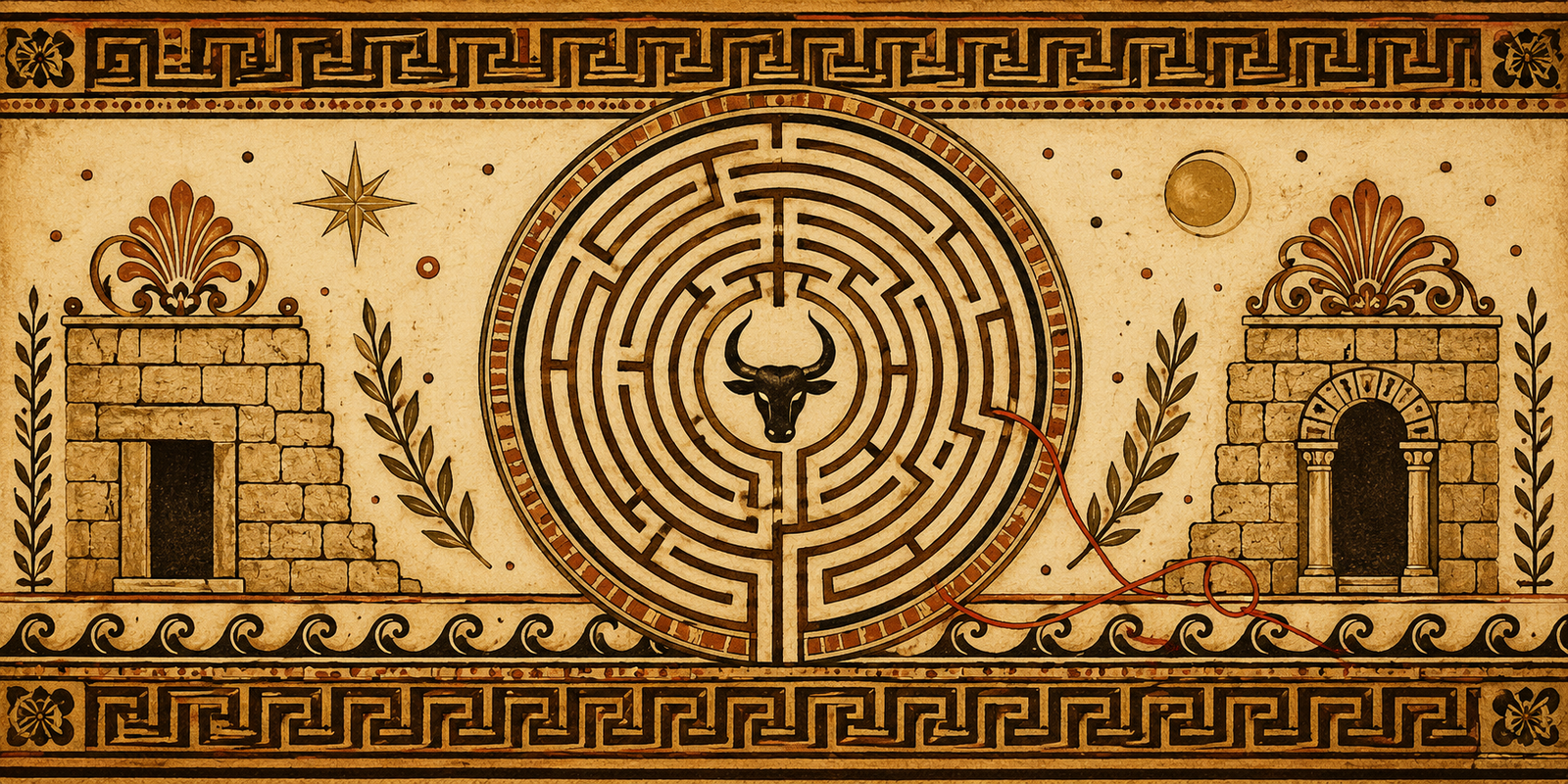

The Labyrinth
Before Daedalus made wings, he made the Labyrinth: a house of turns built to hold the Minotaur and hide the truth of Crete. This Greek World entry prepares child readers for Daedalus and the Wings by showing the maze not as a puzzle, but as one of Greek myth’s great signs of secrecy, danger, memory, and return.
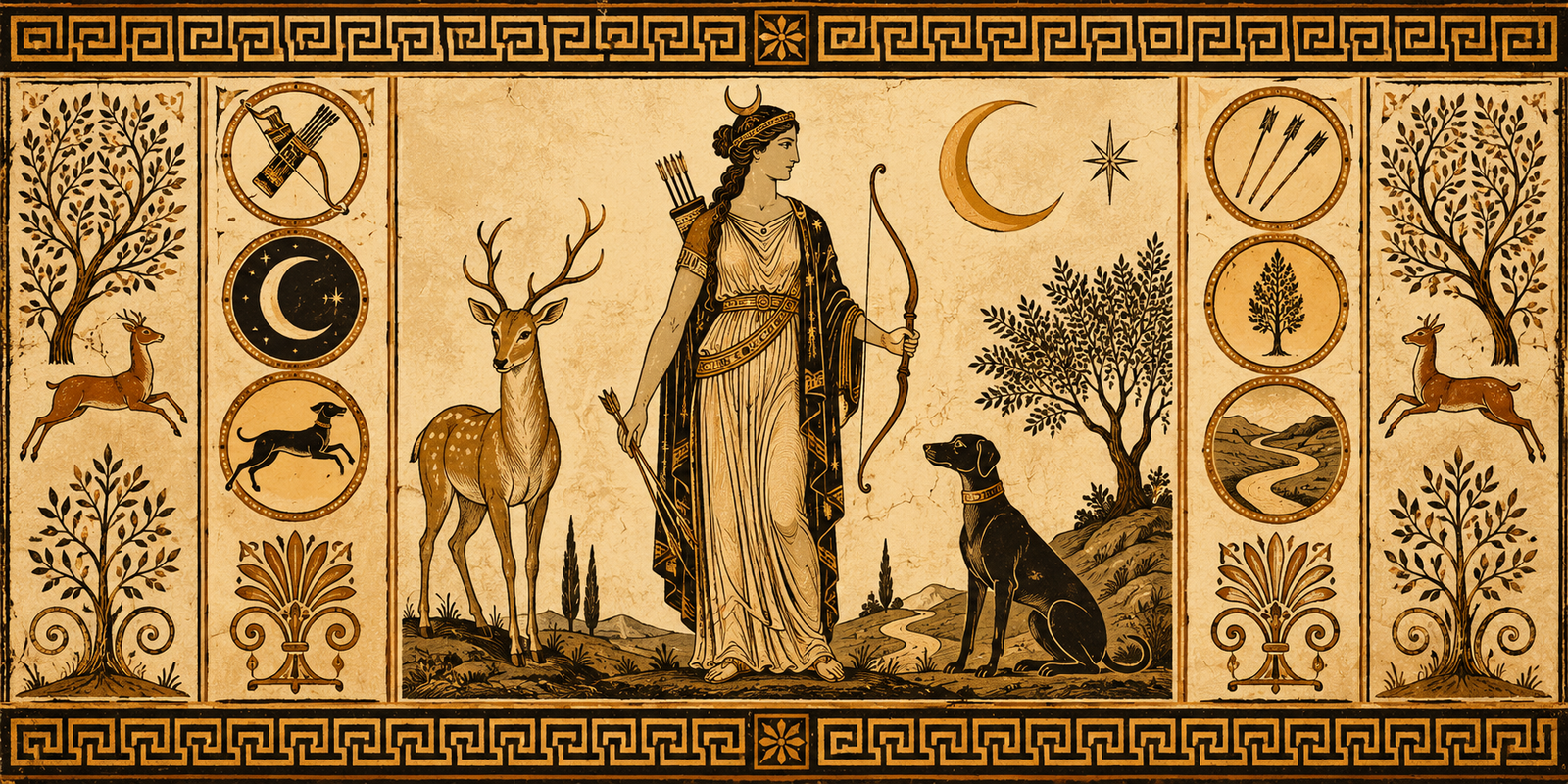

Artemis: The Bow, the Deer, and the Wild Path
Before Atalanta runs, a child should know Artemis: goddess of the bow, the deer, the moonlit path, and the wild places that do not belong to anyone. This Greek World entry introduces Artemis with clarity, danger, and wonder — not as a gentle nature figure, but as the severe, watchful goddess behind Atalanta’s speed.
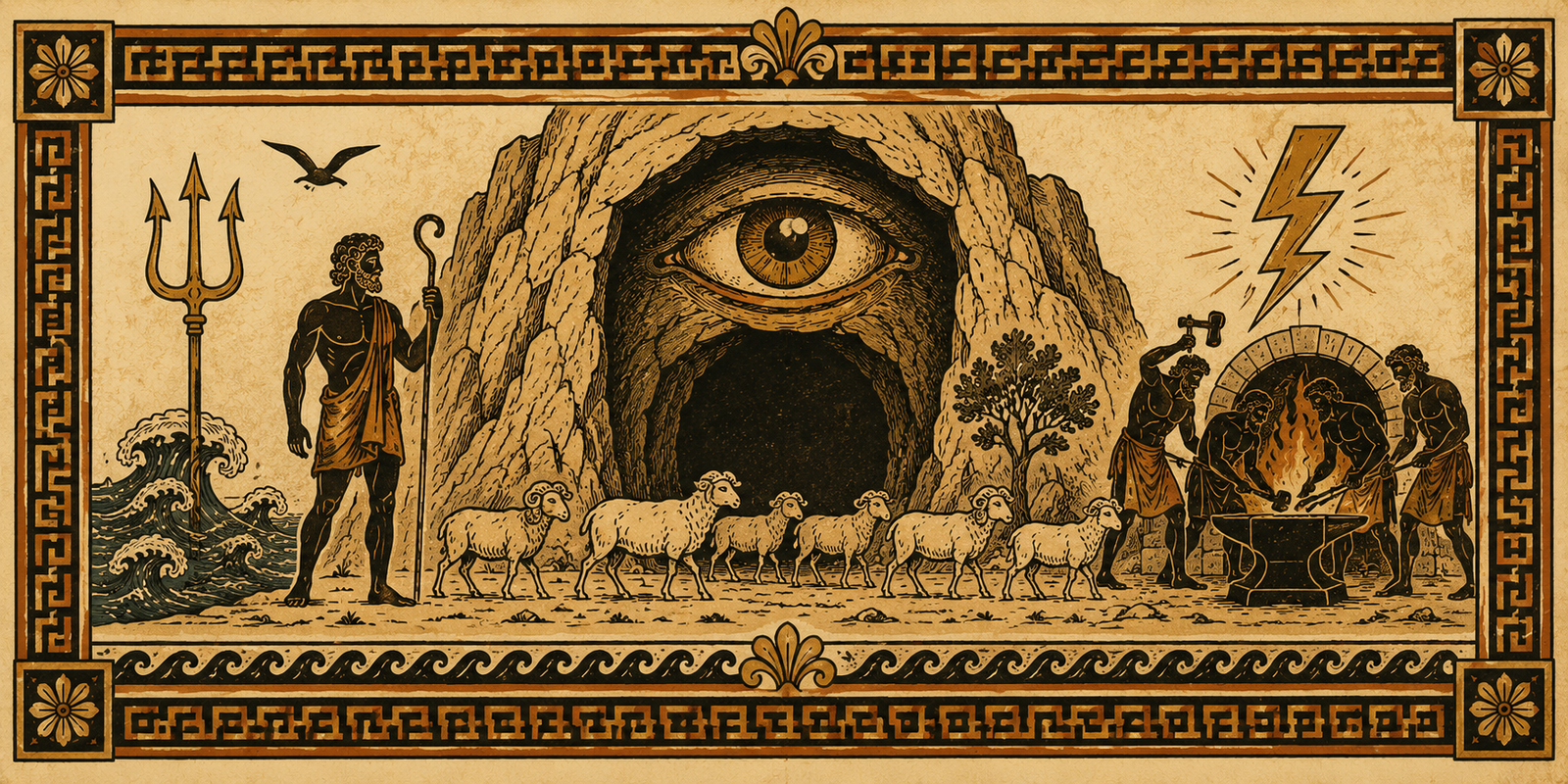

Cyclopes: One Eye in the Dark
After Odysseus escapes the cave, this Greek World entry turns back to ask what a Cyclops really is. Polyphemus is the one-eyed danger in the dark, but the older Cyclopes belong to fire, thunder, divine weapons, and the beginning of the world. The first answer is simple. The second answer is stranger.
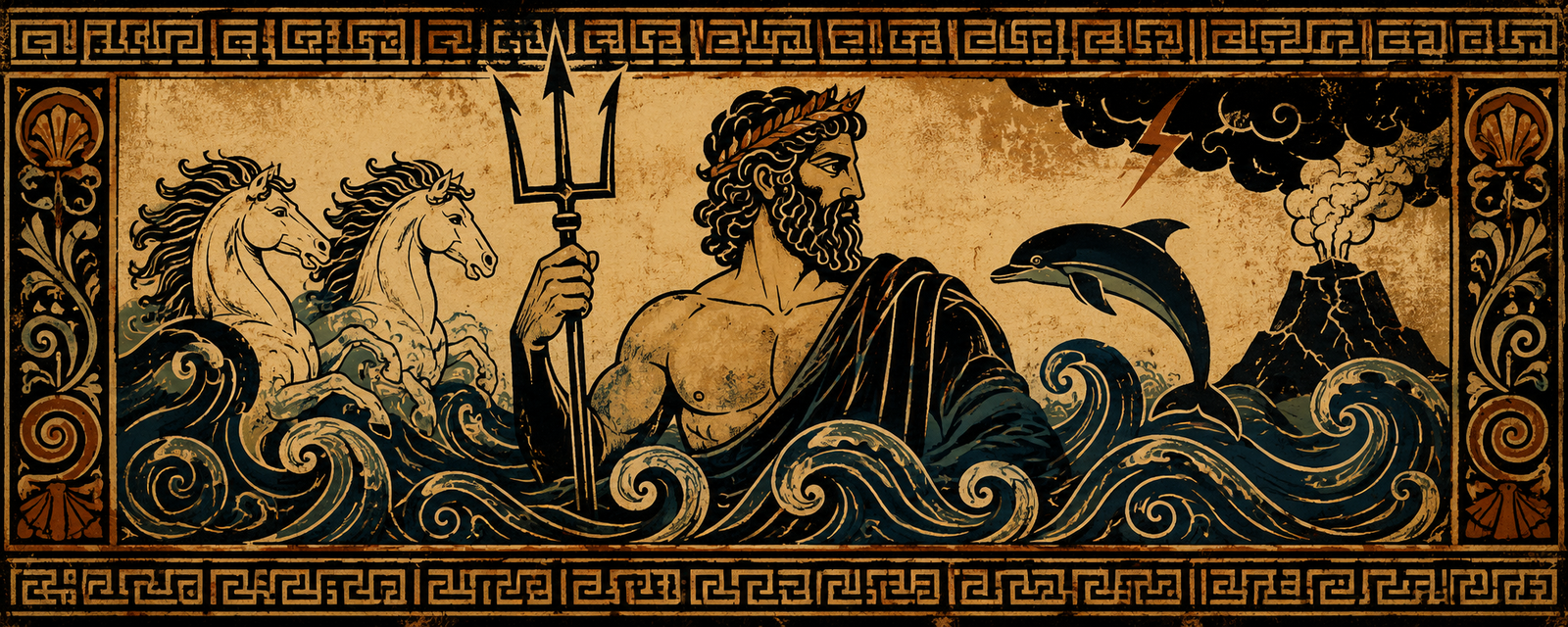

Poseidon: The Sea Is Not Only Water
Before Odysseus enters the Cyclops’ cave, a child should know Poseidon: god of the sea, storms, horses, earthquakes, and remembered insults. This Greek World entry shows that the sea in Greek myth is not scenery. It is a realm with a will of its own — and sometimes it remembers.
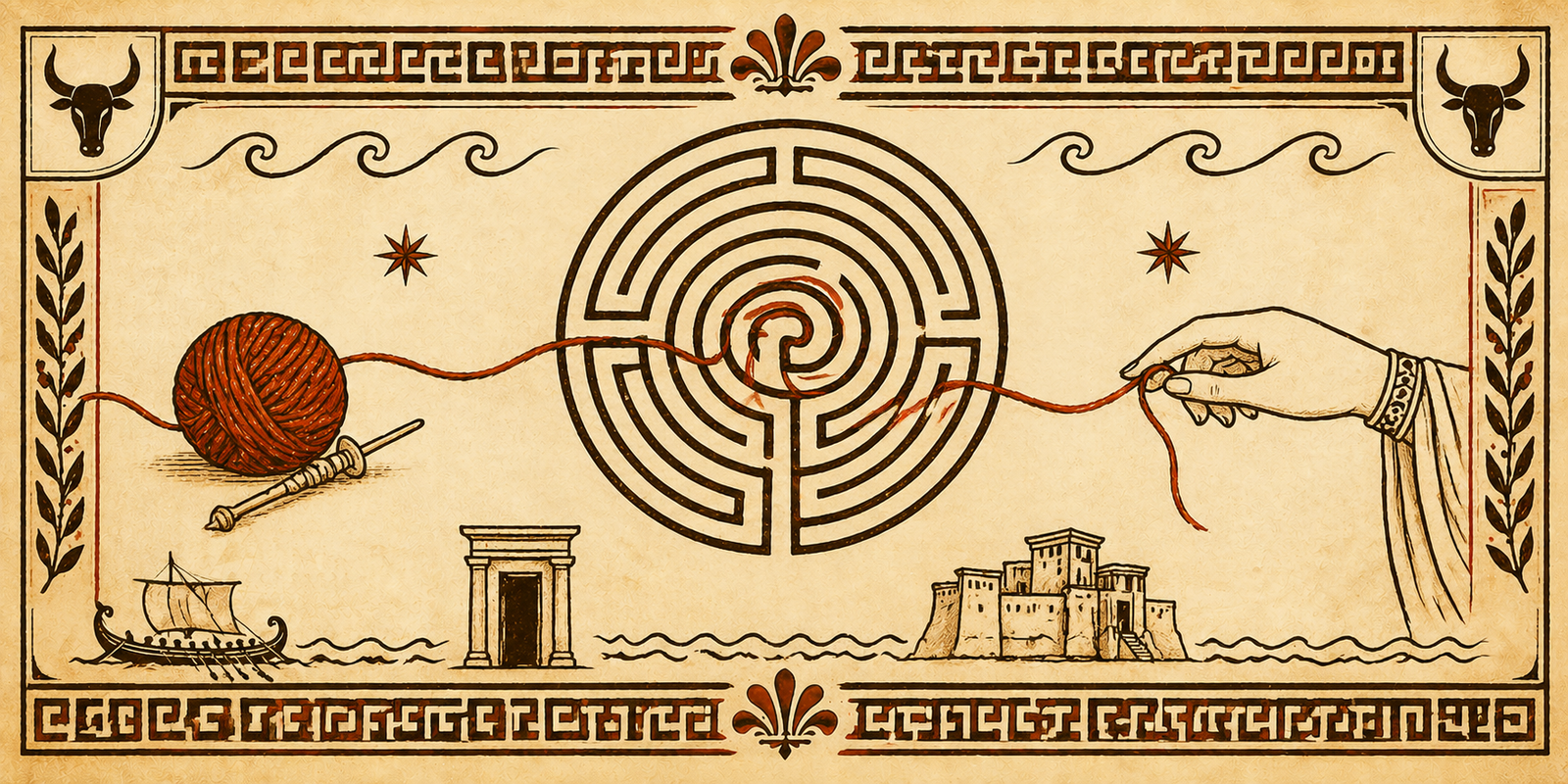

Ariadne’s Thread: The Small Thing That Leads Courage Home
After Theseus escapes the Labyrinth, this Greek World entry turns to the smallest object in the story: Ariadne’s thread. It does not defeat the Minotaur. It defeats being lost. A child-readable guide to Ariadne, the Labyrinth, courage, return, and the quiet line that leads the hero home.
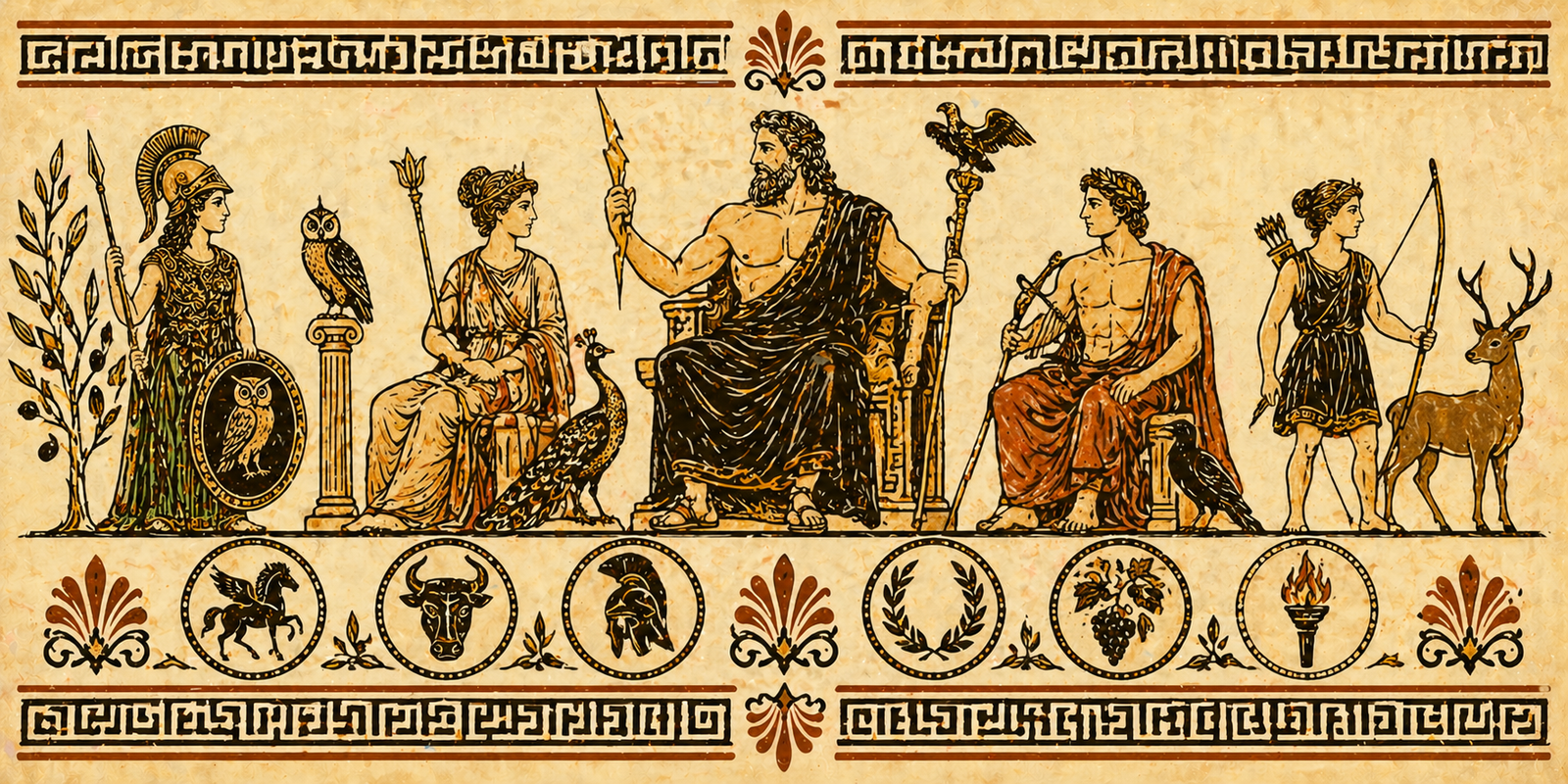

Zeus and His Children: The Stormy Family Tree of Greek Myth
In Greek myth, being Zeus’s child is never merely lucky. This Greek World entry introduces children to Zeus’s stormy family tree: Athena, Apollo, Artemis, Hermes, Dionysus, Perseus, Heracles, Helen, Minos, and the strange truth that divine parentage may bring glory, danger, trouble, or all three.
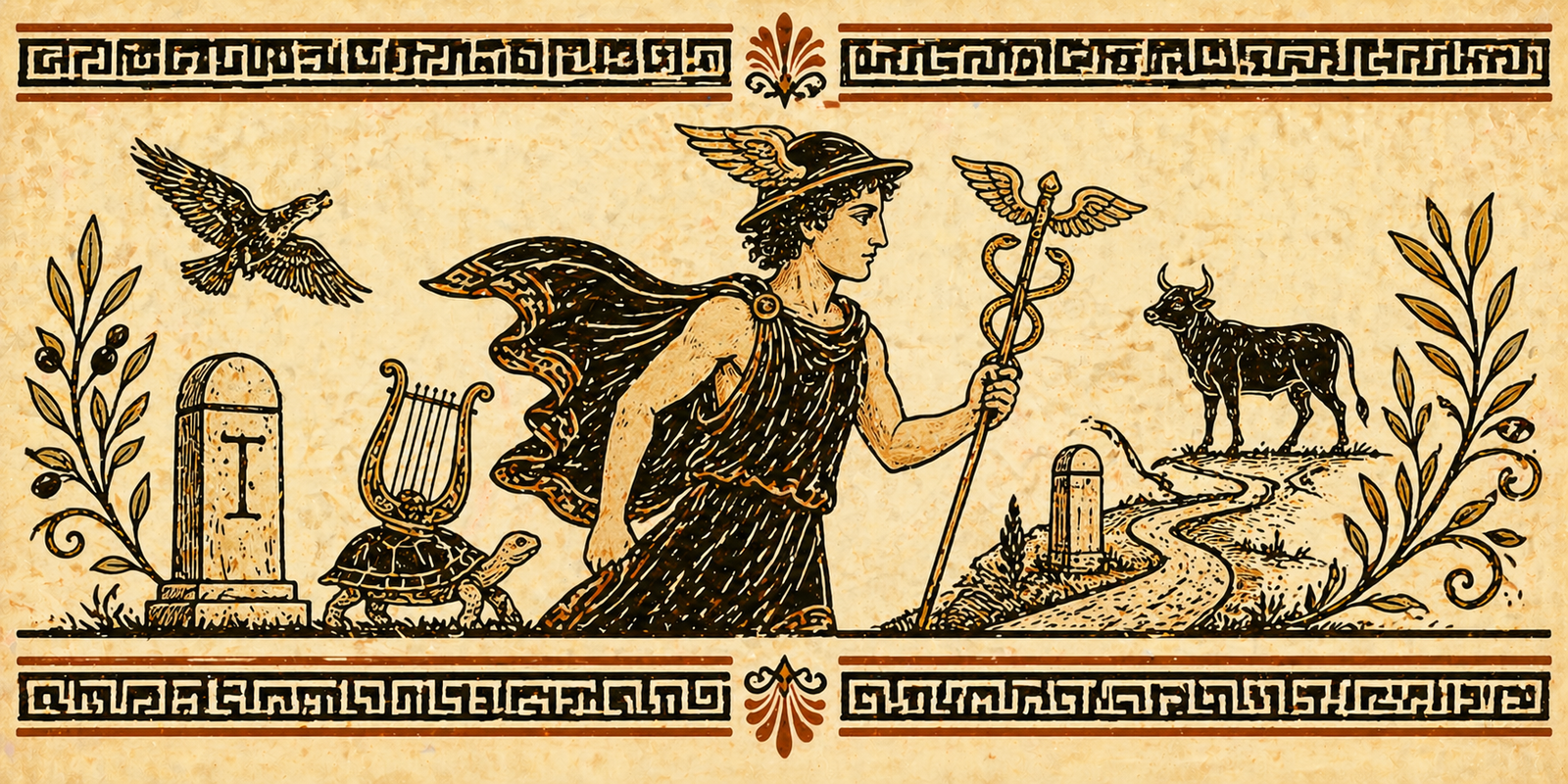

Hermes: The Road, the Message, and the Trick
Hermes is not the strongest god. He is quicker than that. This Greek World entry introduces children to the messenger of the gods: guide of travellers, friend of roads, master of tricks, and the god who appears when a hero needs more than courage to survive.
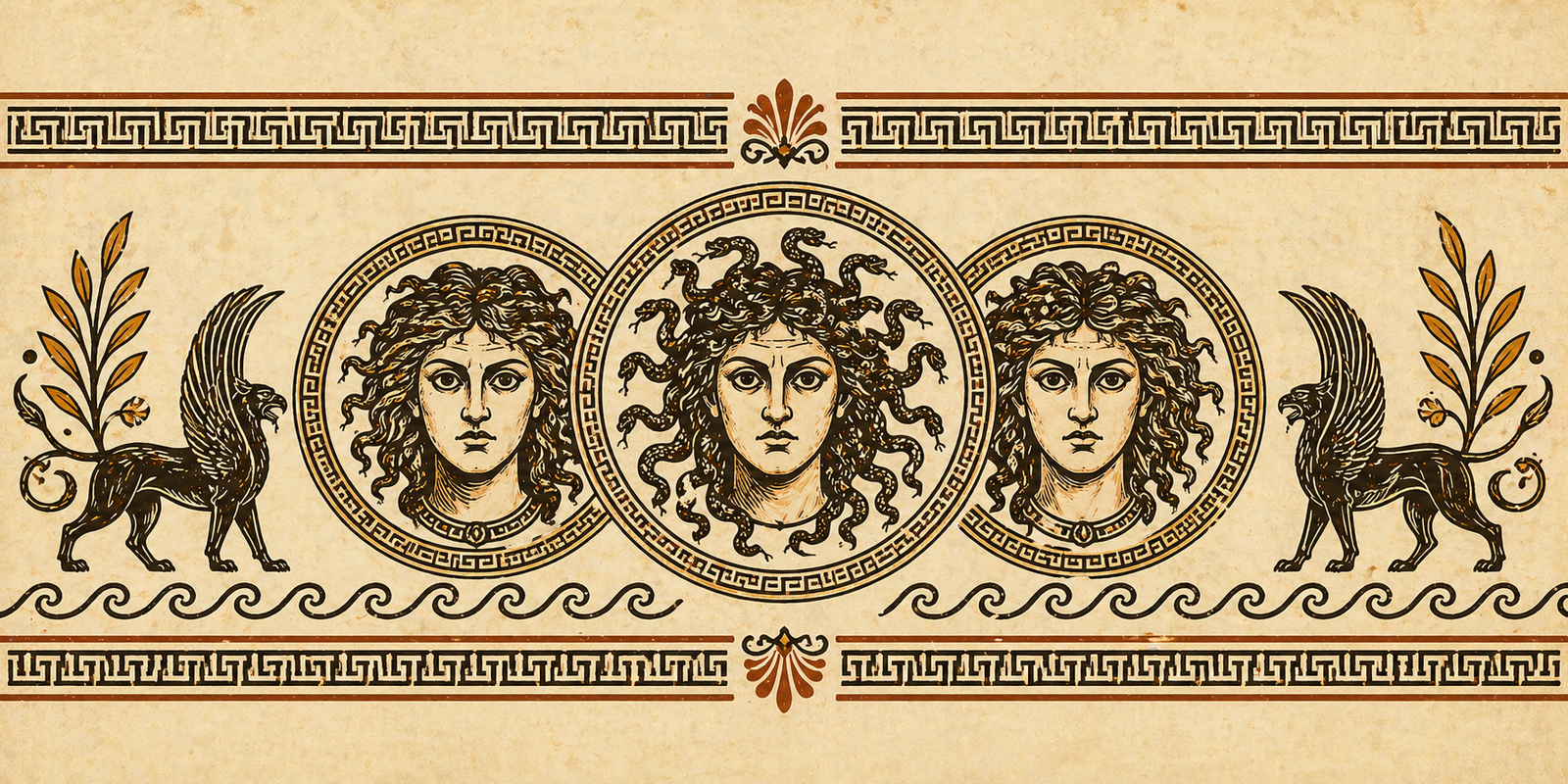

The Gorgons: Medusa, the Shield, and the Danger of Looking
After Perseus survives Medusa, this Greek World entry asks what a Gorgon really is. The Gorgons are not ordinary monsters. Their danger lies in looking itself. A child-readable guide to Medusa, her immortal sisters, Athena’s shield, reflected sight, and the strange wisdom needed to face a fear indirectly.
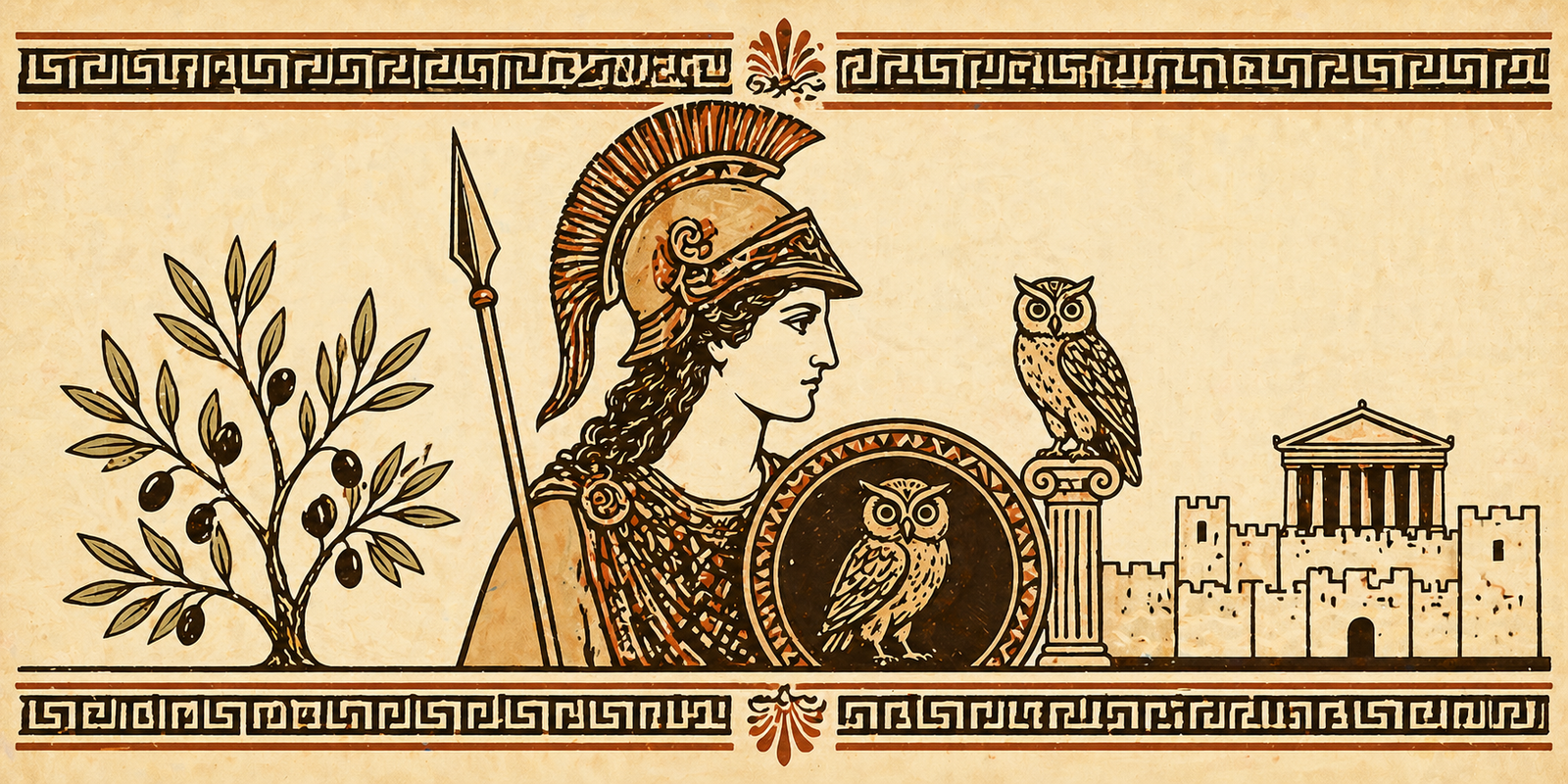

Athena: The Shield, the Owl, and the Courage to Think
Before Perseus meets the Gorgon, a child should know Athena: goddess of wisdom, shields, strategy, owls, olive trees, and courage under pressure. This Greek World entry introduces Athena’s signs and her sharper kind of help — not rescue from danger, but the wisdom to stand inside it without losing one’s mind.